Ingredient & Substitute Guides
What's actually in gochugaru, what to swap when your grocery store doesn't stock it, and where to find the real thing.
Did you know — Korean culture
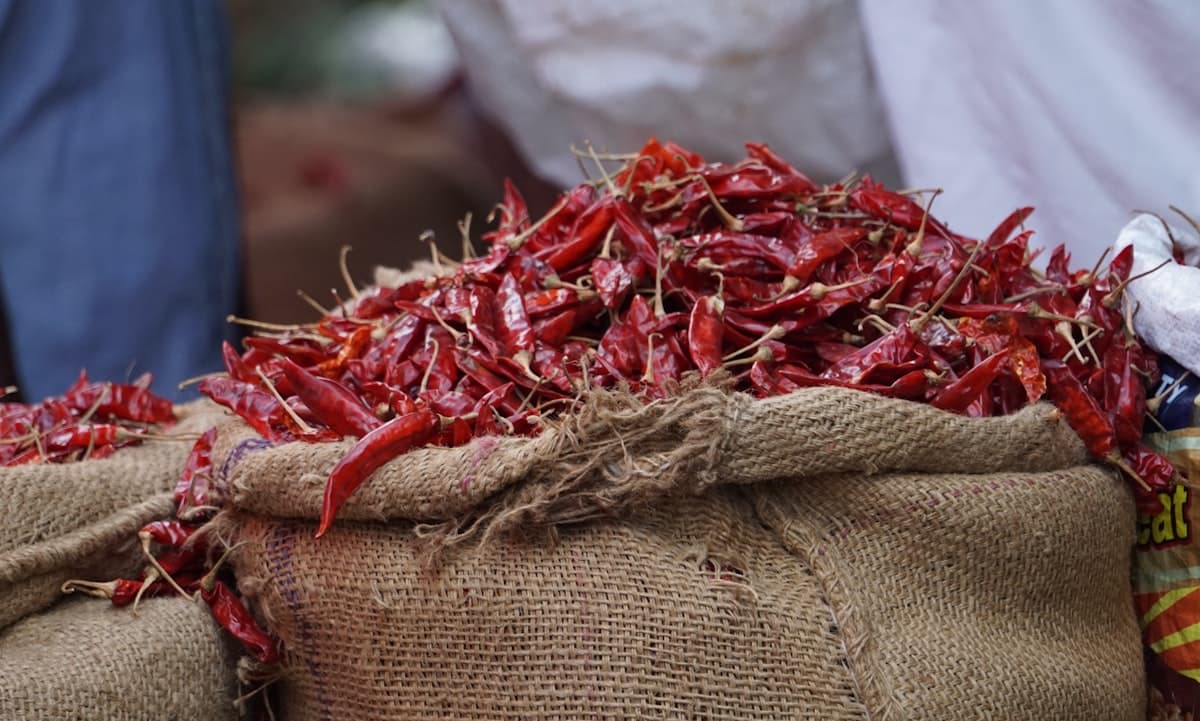
Gochugaru hasn't been part of Korean cooking nearly as long as you'd think. Chili peppers only reached Korea in the 1500s, carried over by Portuguese traders. Within about a century, red pepper had basically rewritten the flavor of the entire cuisine.
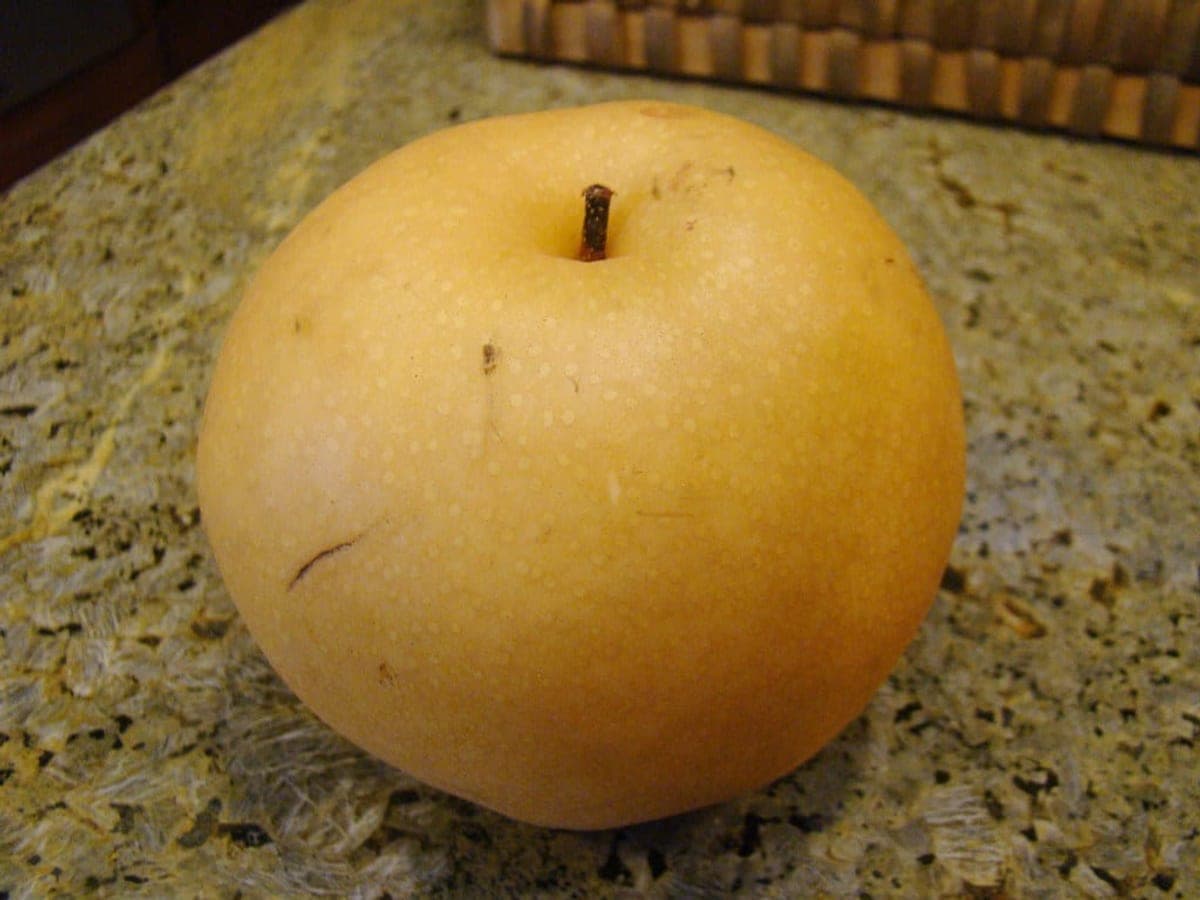
Asian Pear Substitute (For Korean Marinades)
Why Korean marinades use grated Asian pear rather than sugar, and which fruits actually reproduce the tenderising effect when you can't find one.
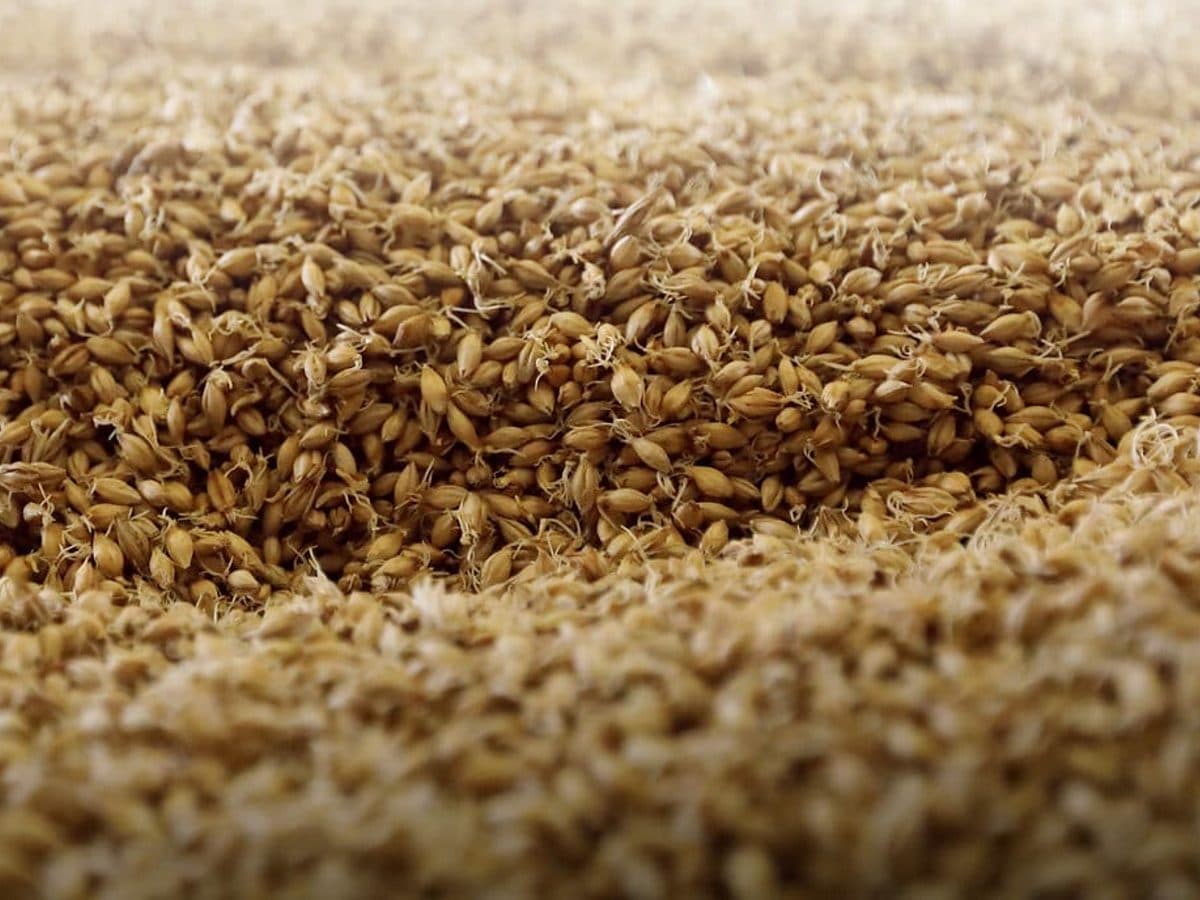
Bori (Barley) in Korean Cooking
Why barley is mixed into Korean rice rather than cooked alone, how much to use, and why it needs a longer soak than the rice it sits with.
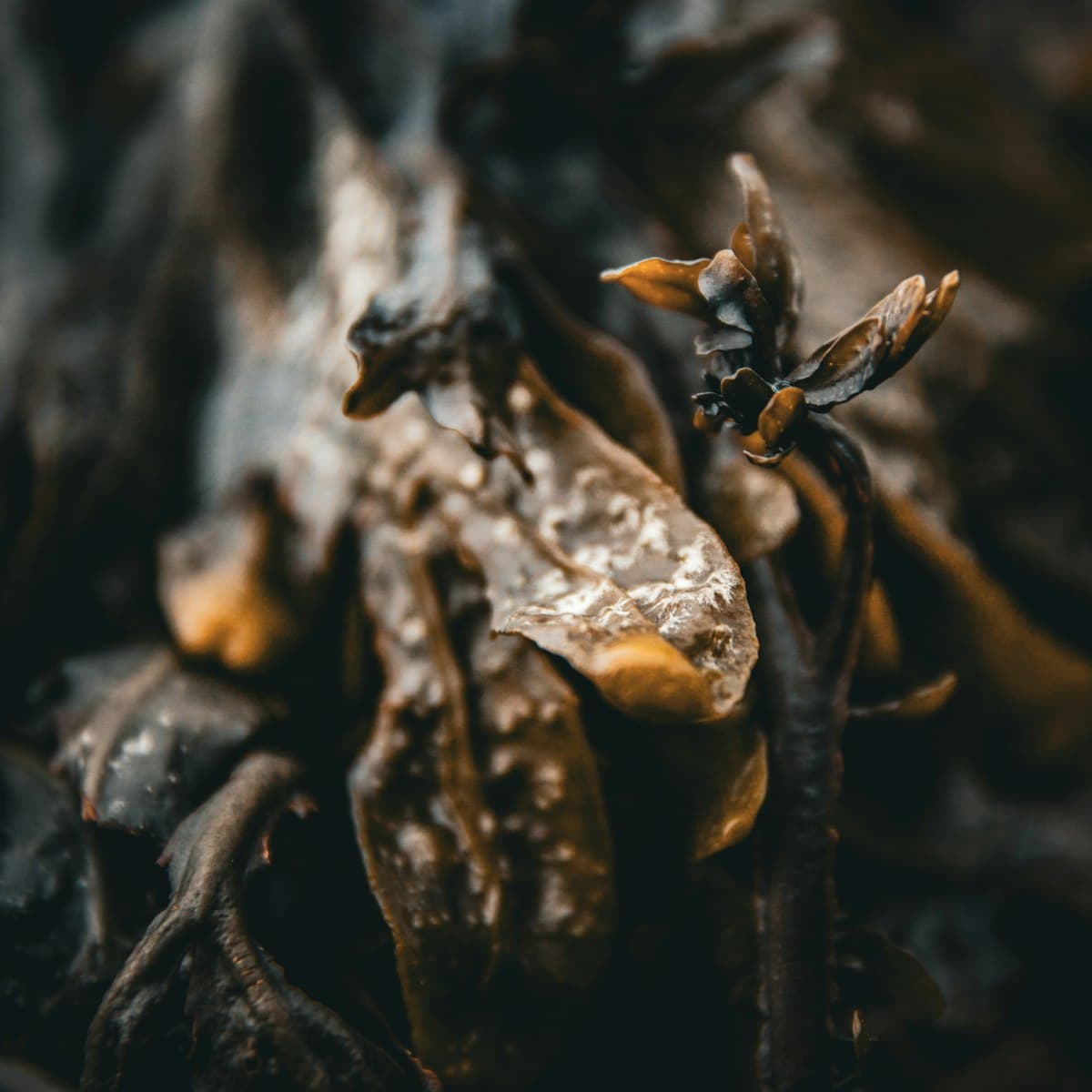
Dasima & Dried Anchovy Stock (Yuksu)
What dasima (dried kelp) is, why it's simmered with dried anchovies for Korean soup bases, and how long is actually enough.
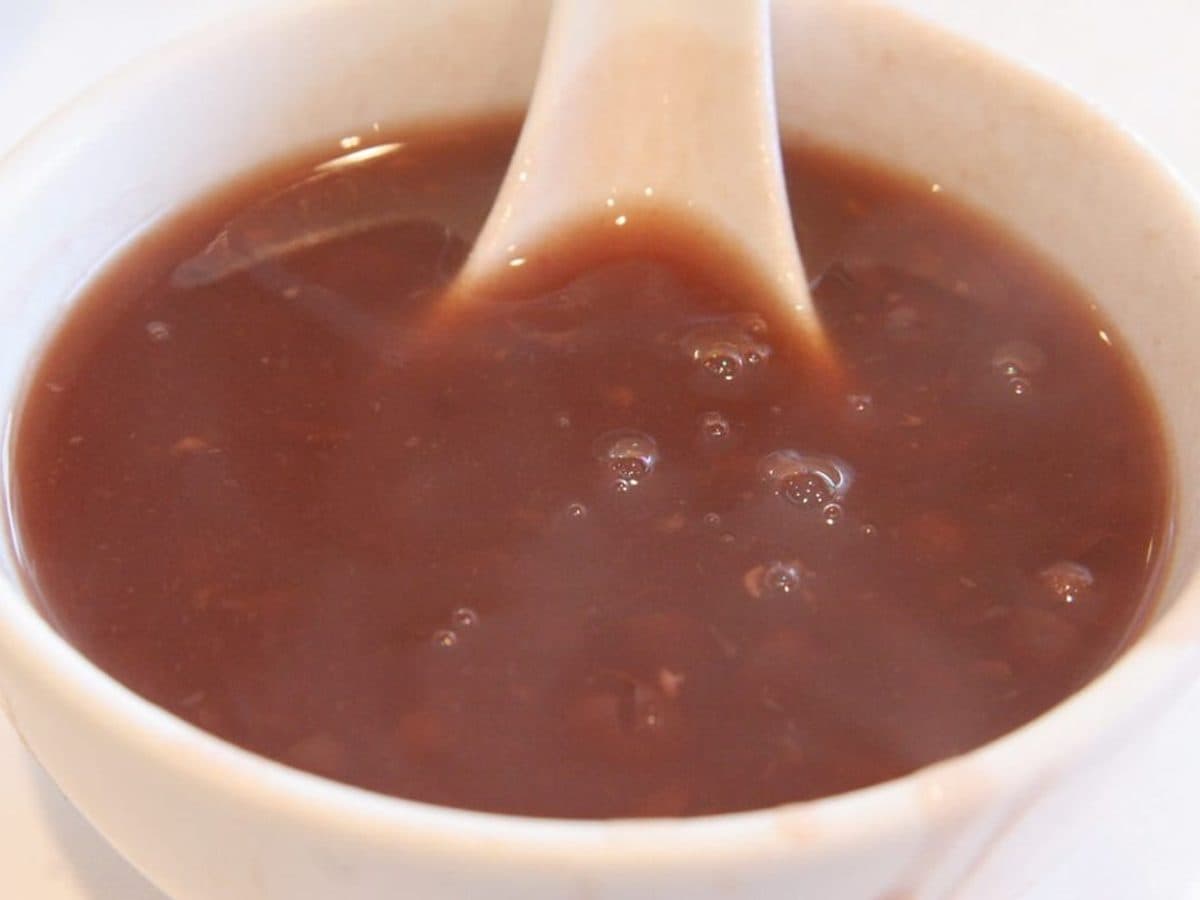
Doenjang vs Miso
Both are fermented soybean paste, and swapping one for the other changes a dish more than people expect. What separates them, and when the substitution works.
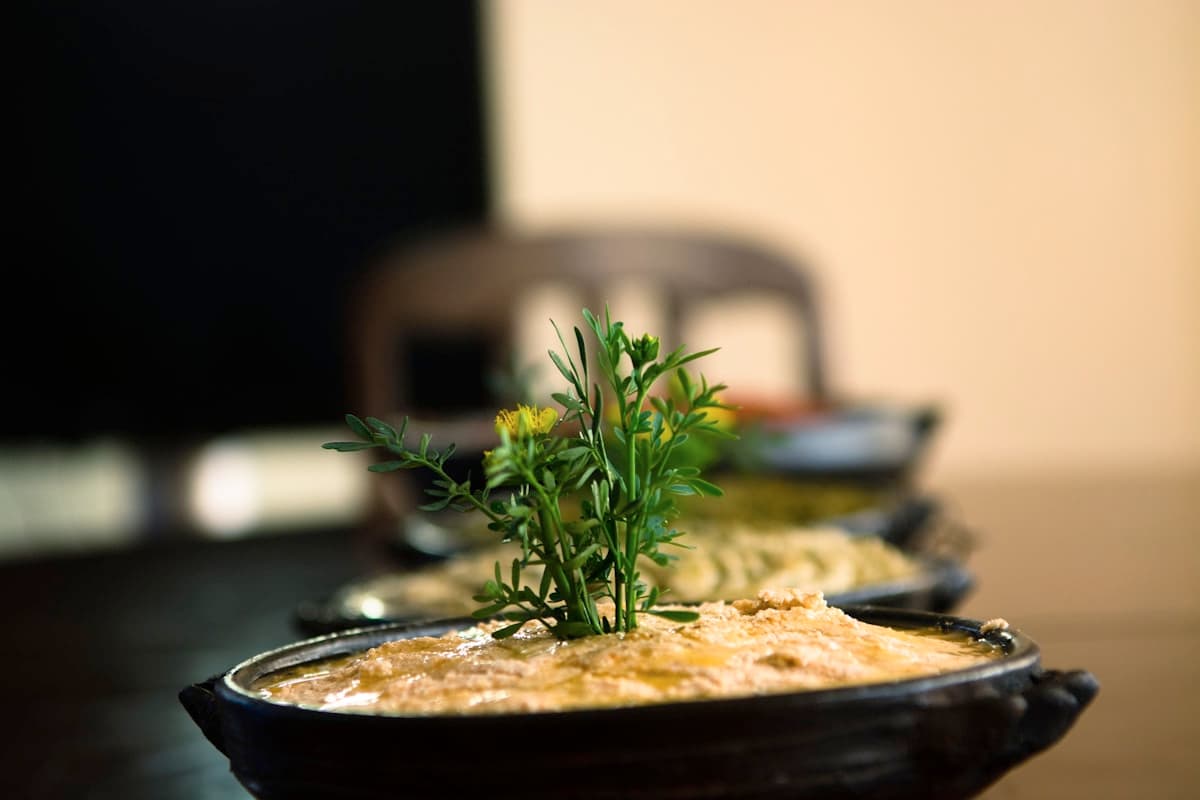
Doenjang (Fermented Soybean Paste)
What doenjang is, how it differs from Japanese miso, and how to use its stronger, funkier flavor without overdoing it.
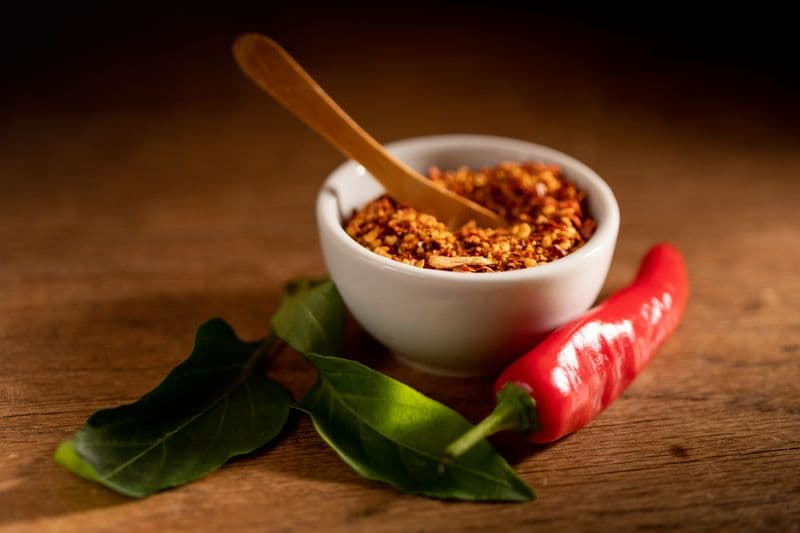
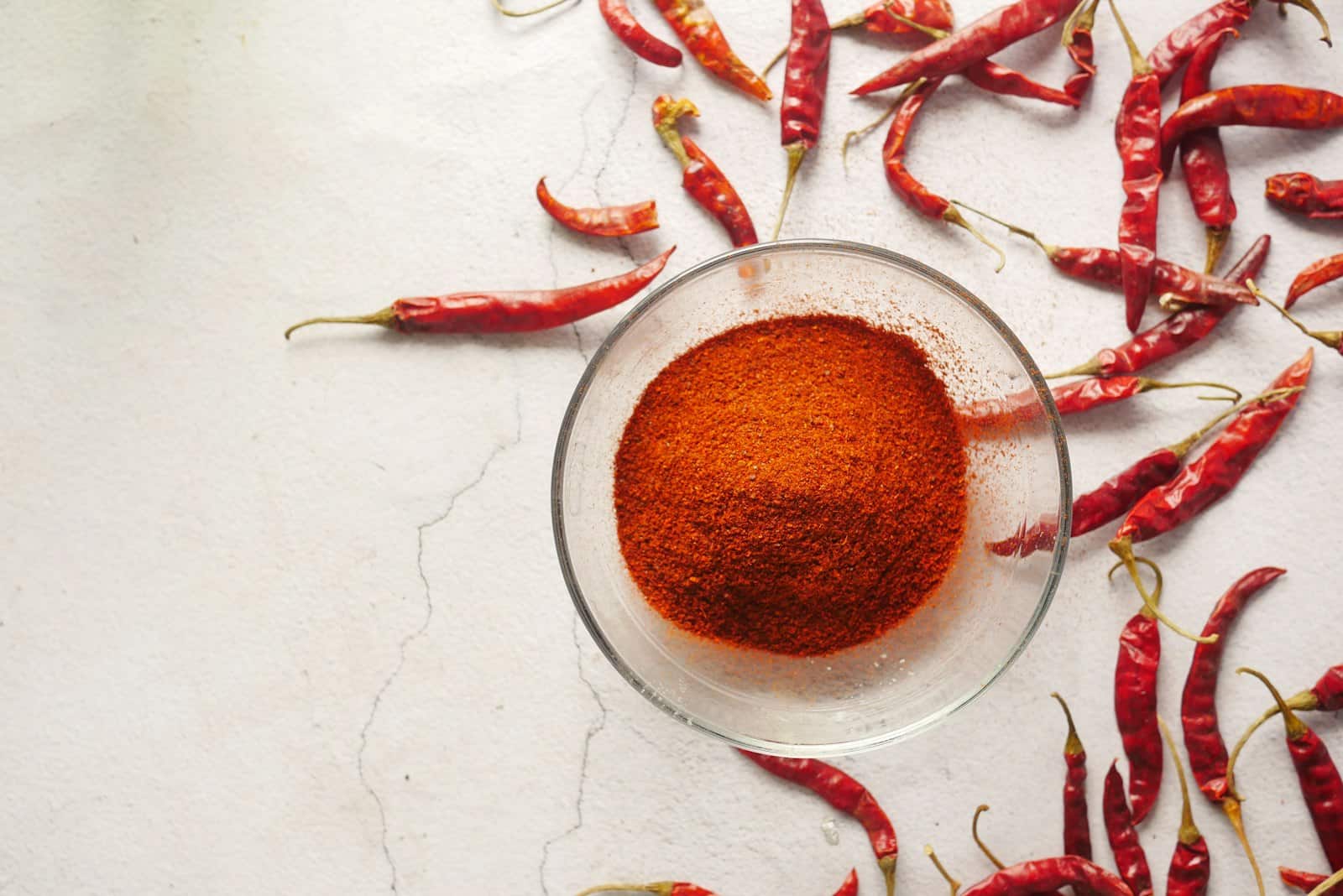
Best Gochugaru Substitute
What to use when you can't find Korean chili flakes, why most substitutes make a dish too hot rather than too mild, and how to adjust the amount.
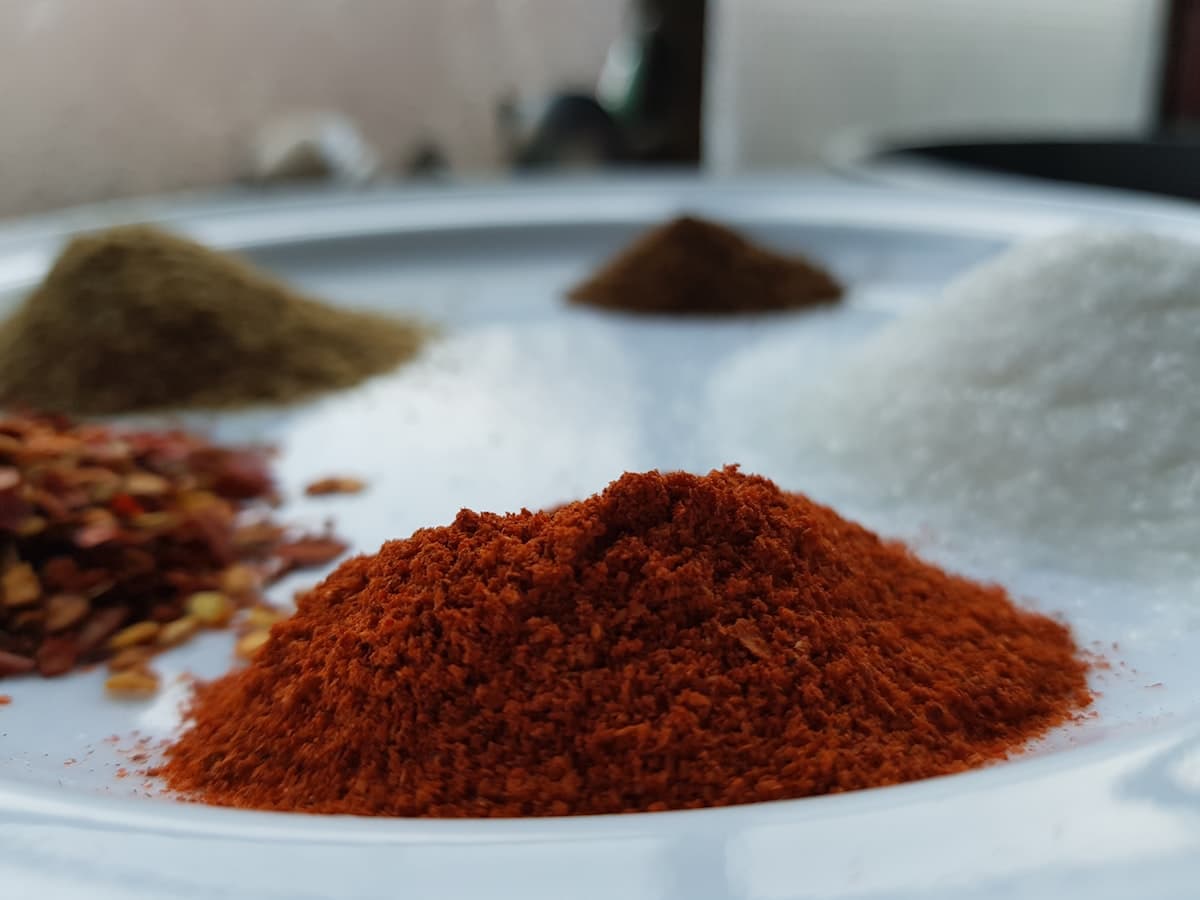
Gochugaru (Korean Red Pepper Flakes)
What gochugaru actually is, why it's not interchangeable with regular chili powder, and how to pick a good one.
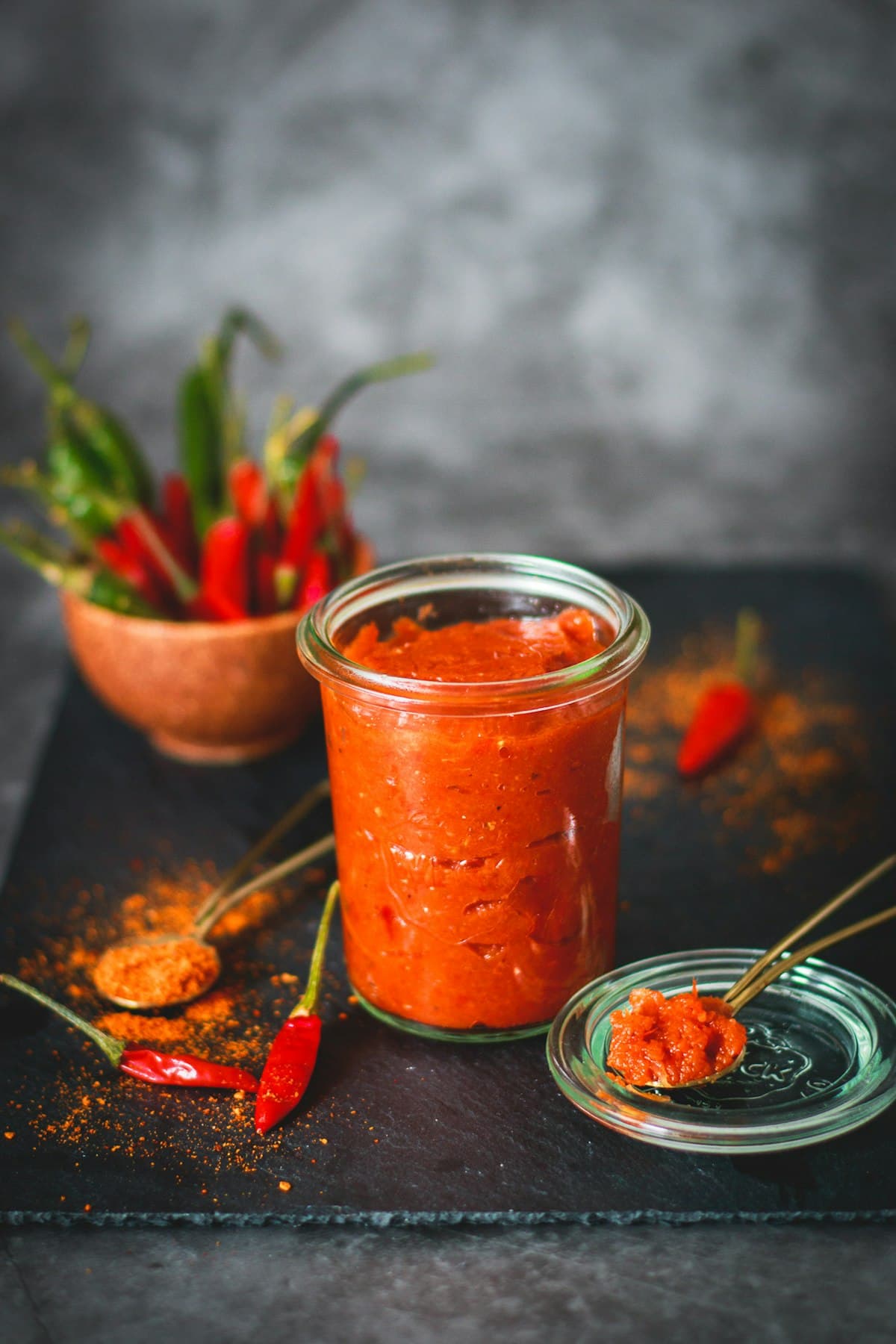
Gochujang (Fermented Chili Paste)
What gochujang is made from, why it's fermented rather than just mixed, and how to use it without overpowering a dish.
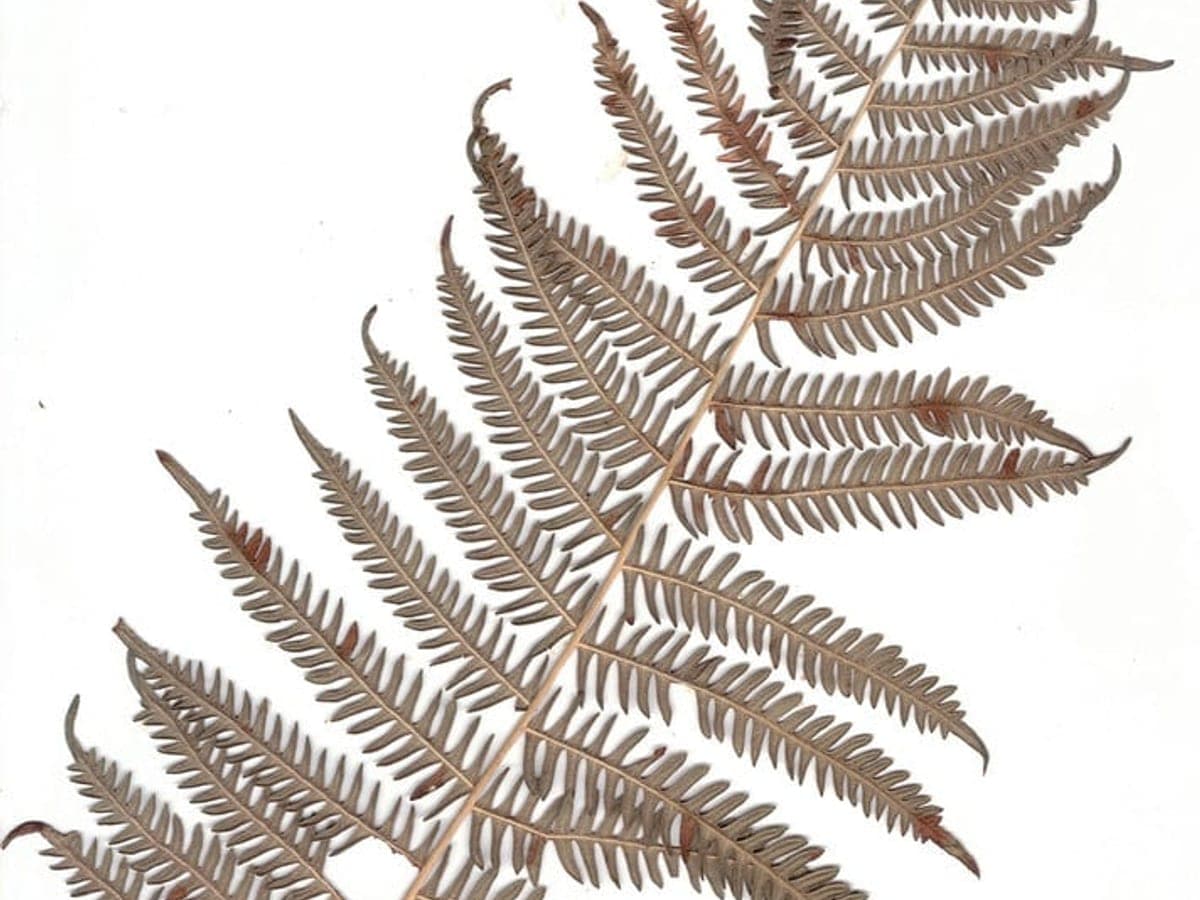
Gosari (Dried Fernbrake)
Why gosari must be soaked and boiled rather than just rehydrated, how to tell good dried fernbrake from tough old stock, and what it does in bibimbap.

Guk vs Jjigae vs Jeongol
Korean has three words for what English calls soup, and they are not interchangeable. What separates them, and which dishes belong to which.
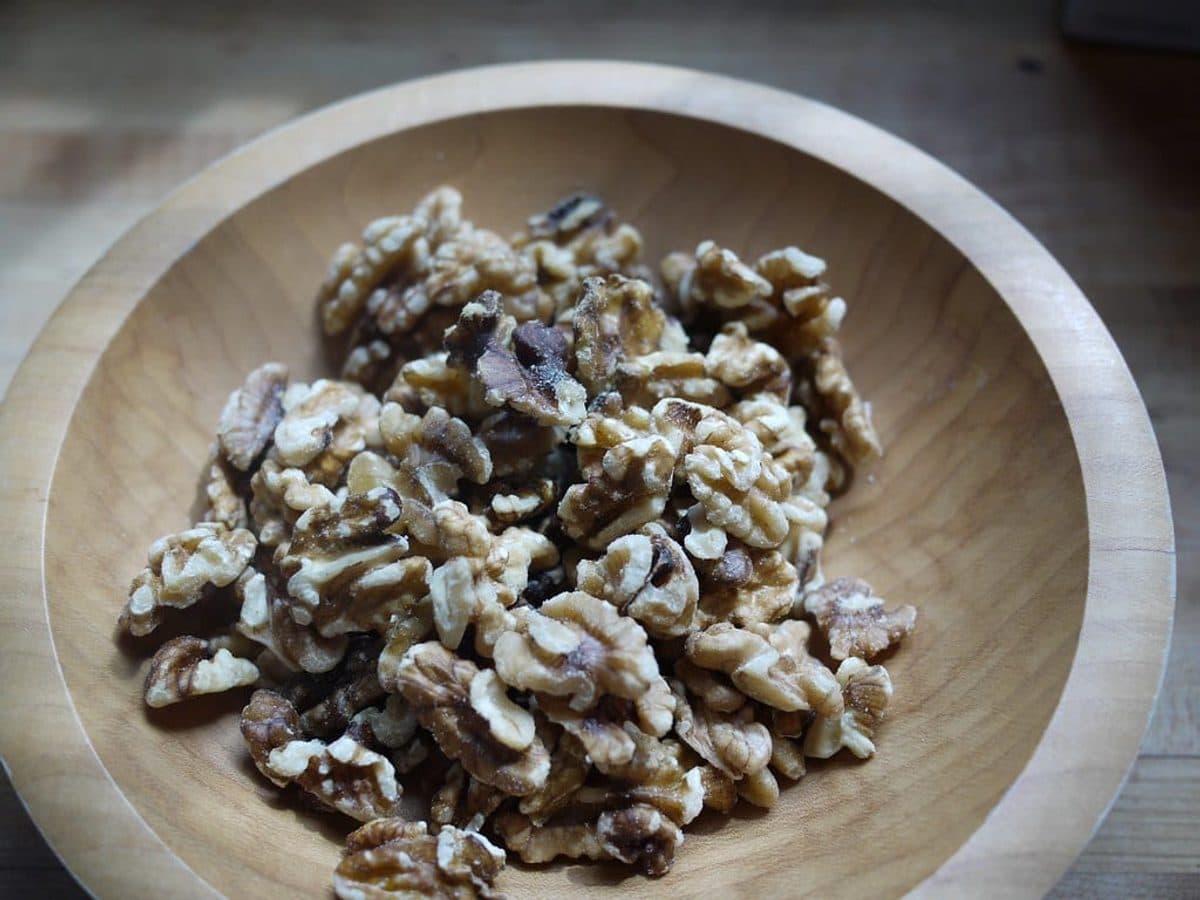
Walnuts in Korean Cooking (Hodu)
Where walnuts turn up in Korean food beyond hodu-gwaja, why they are blanched before candying, and how to keep them from turning bitter.
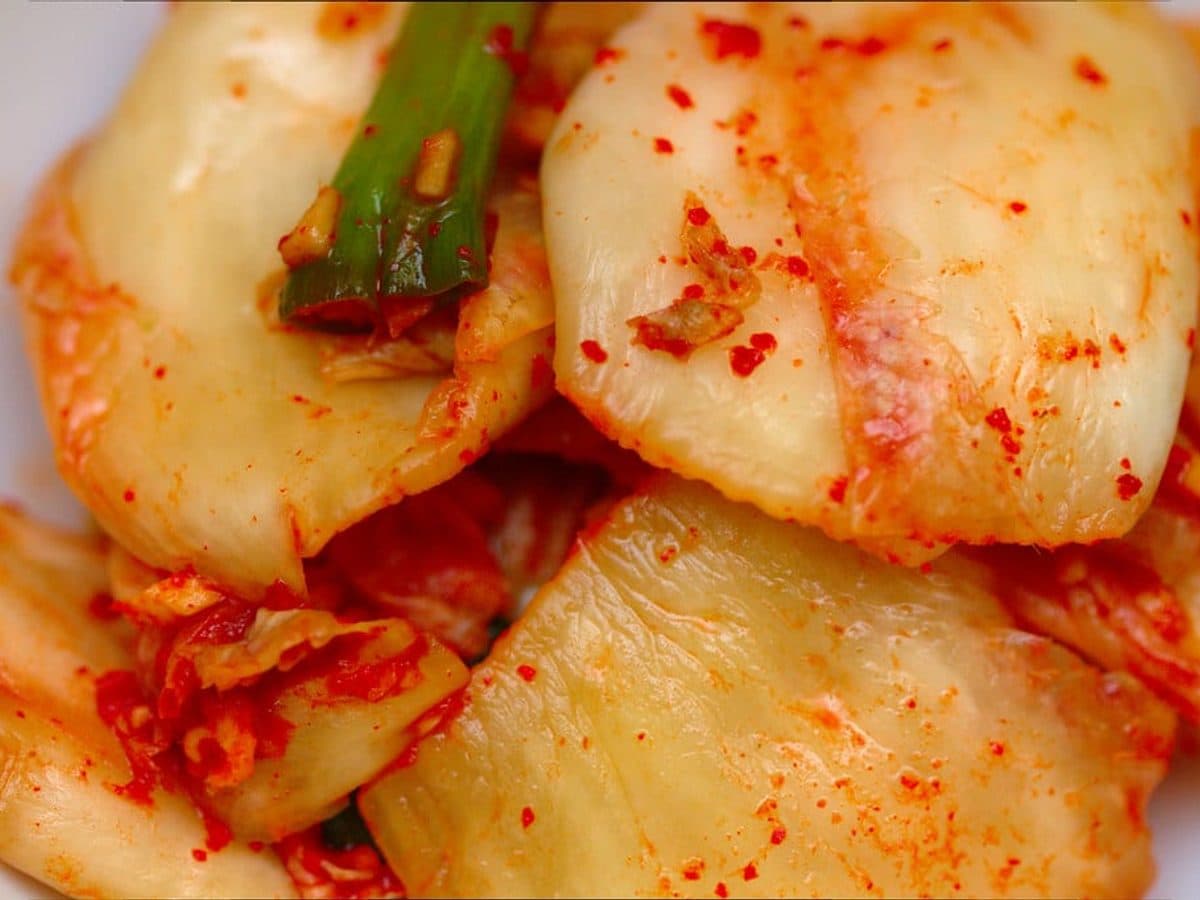
How to Salt Napa Cabbage for Kimchi
How long to brine napa cabbage, the bend test that tells you it is ready, and why rinsing three times is not excessive.
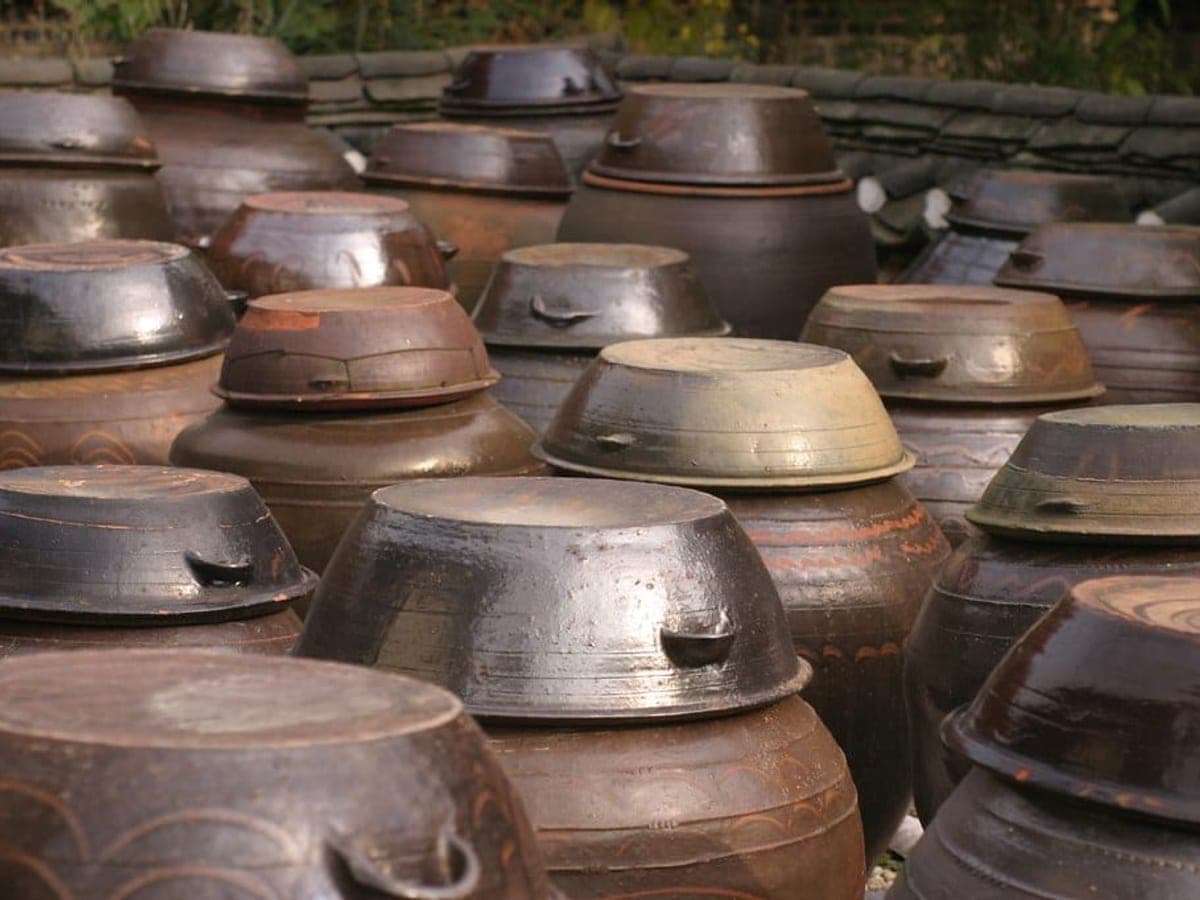
How to Store Kimchi
Why kimchi keeps fermenting in the fridge, how to slow it down, and what the pressed-flat surface and weighted lid are actually doing.
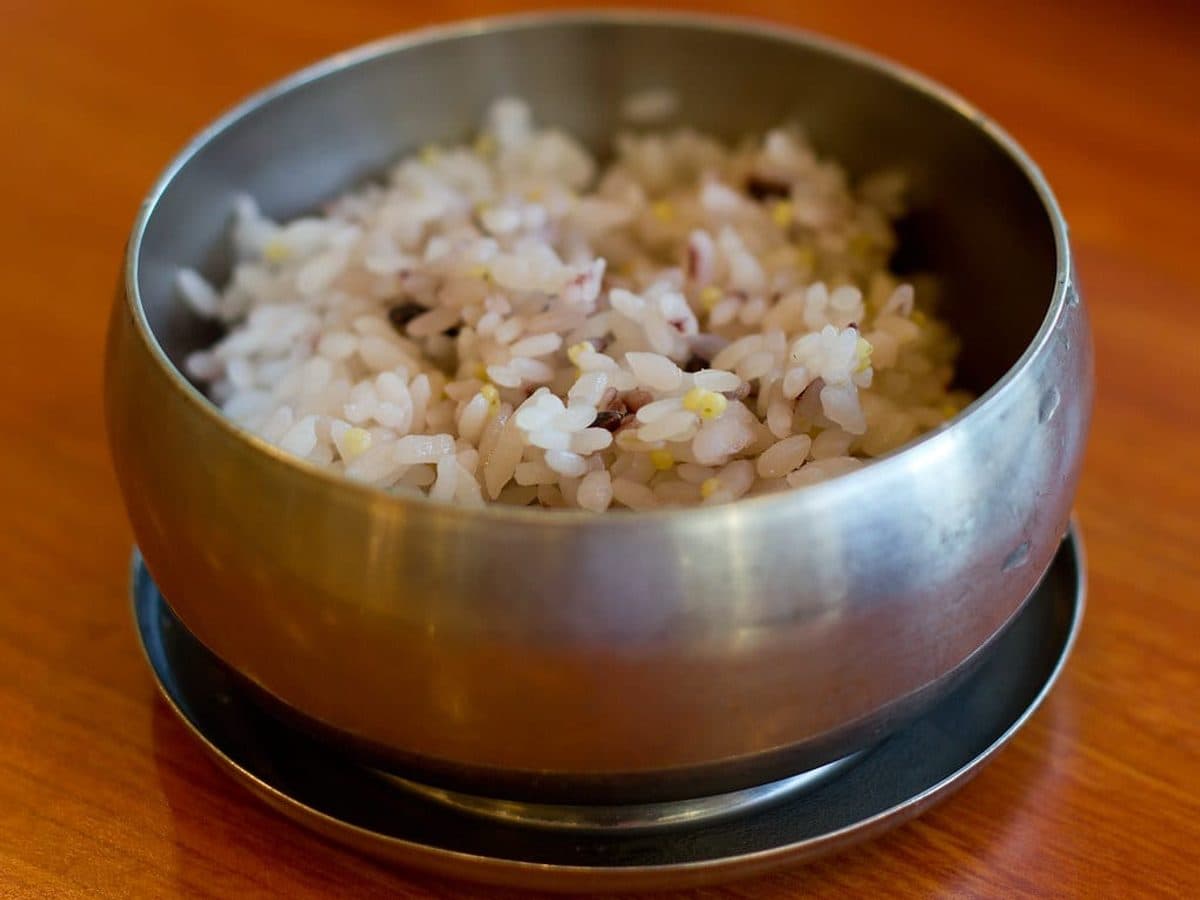
Japgokbap (Korean Multigrain Rice)
Which grains go into Korean multigrain rice, why each needs a different soak time, and the ratio that keeps it from turning heavy.
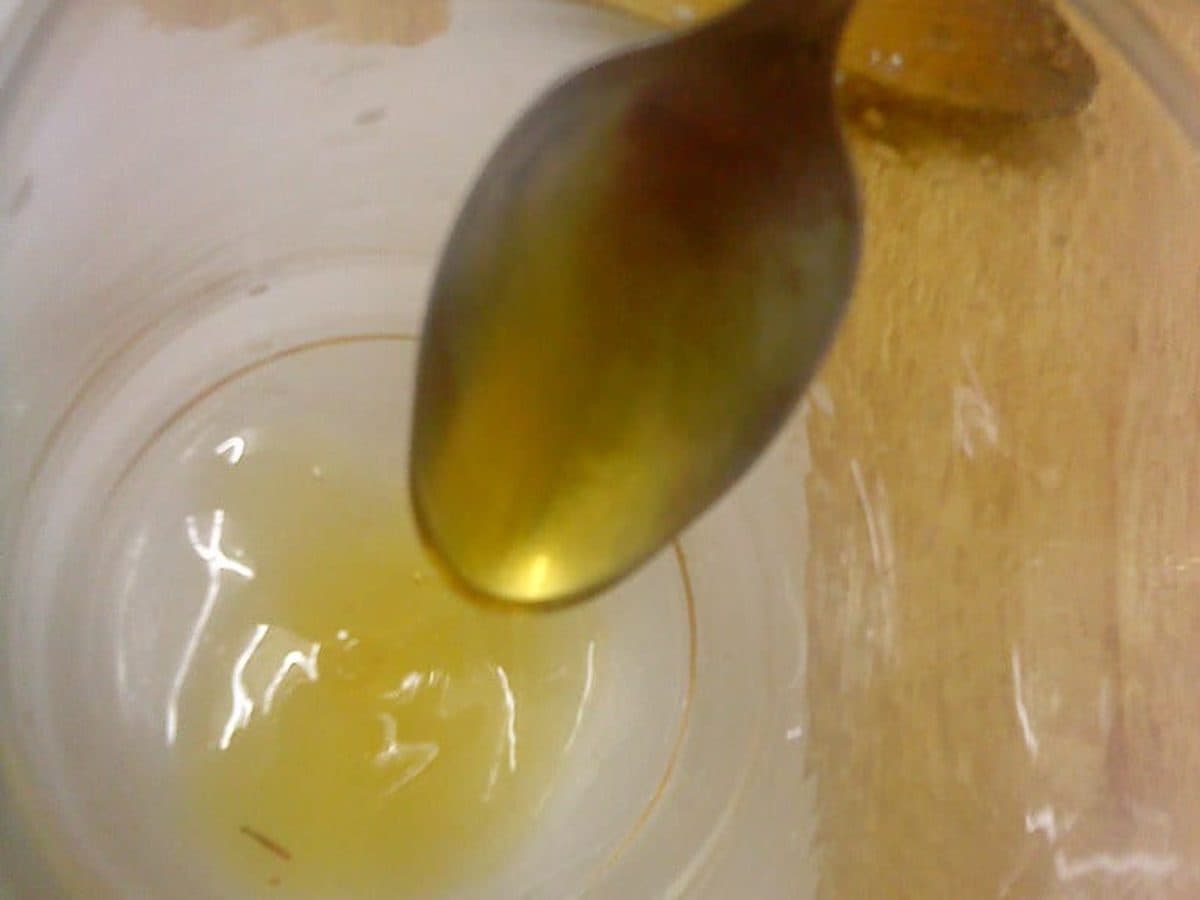
Jocheong (Korean Rice Syrup)
What jocheong does that sugar cannot, how it differs from clear corn syrup (mullyeot), and why it goes into a glaze at the end rather than the start.

Kimchi 101: A Complete Guide
What kimchi actually is, the main types beyond the red cabbage one, how fermentation works, and what to do when a batch goes wrong.
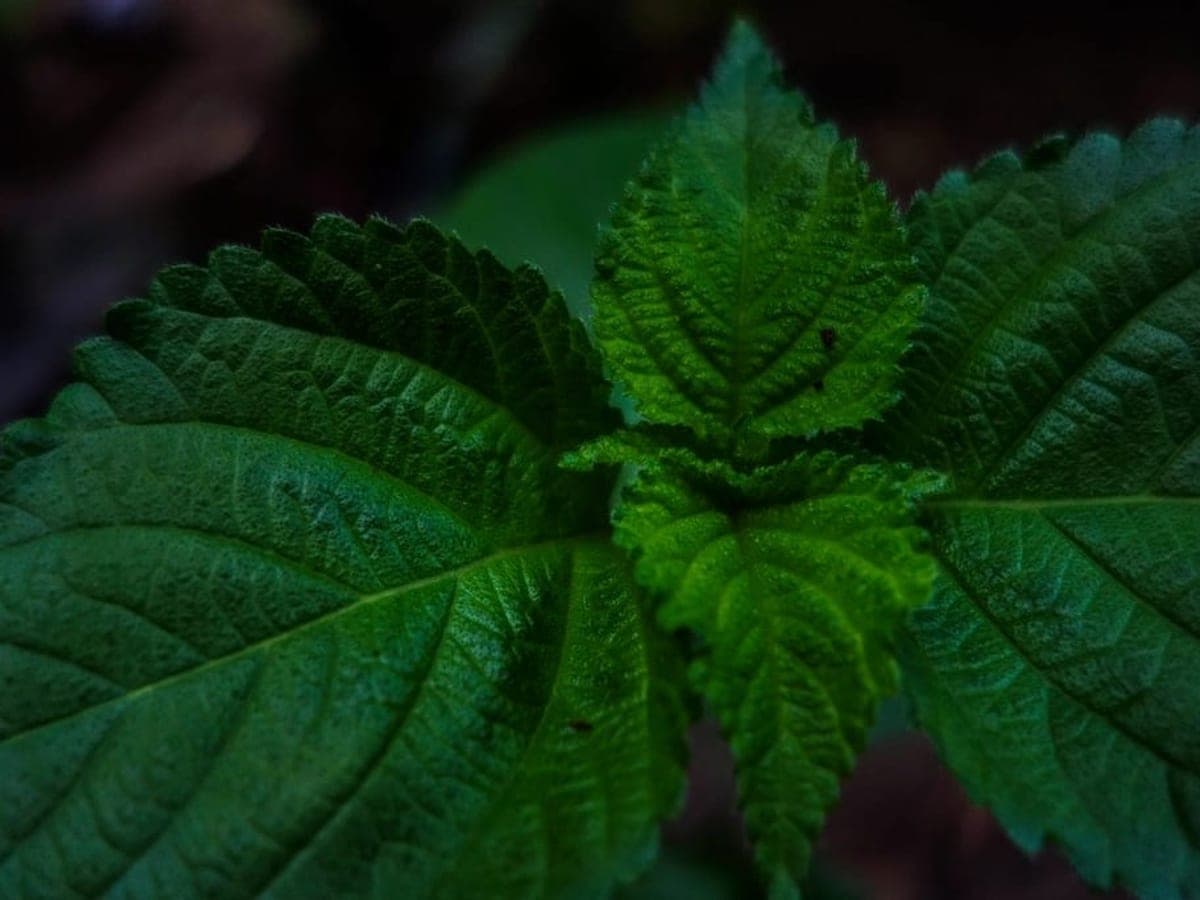
Kkaennip (Perilla Leaves)
Why Korean perilla leaves are not shiso despite looking similar, how they're used in ssam and jangajji, and what to do if you can't find them fresh.
Korean Banchan: A Complete Guide
What banchan actually are, how many a Korean meal needs, which ones keep for weeks, and how to build a table without cooking all day.
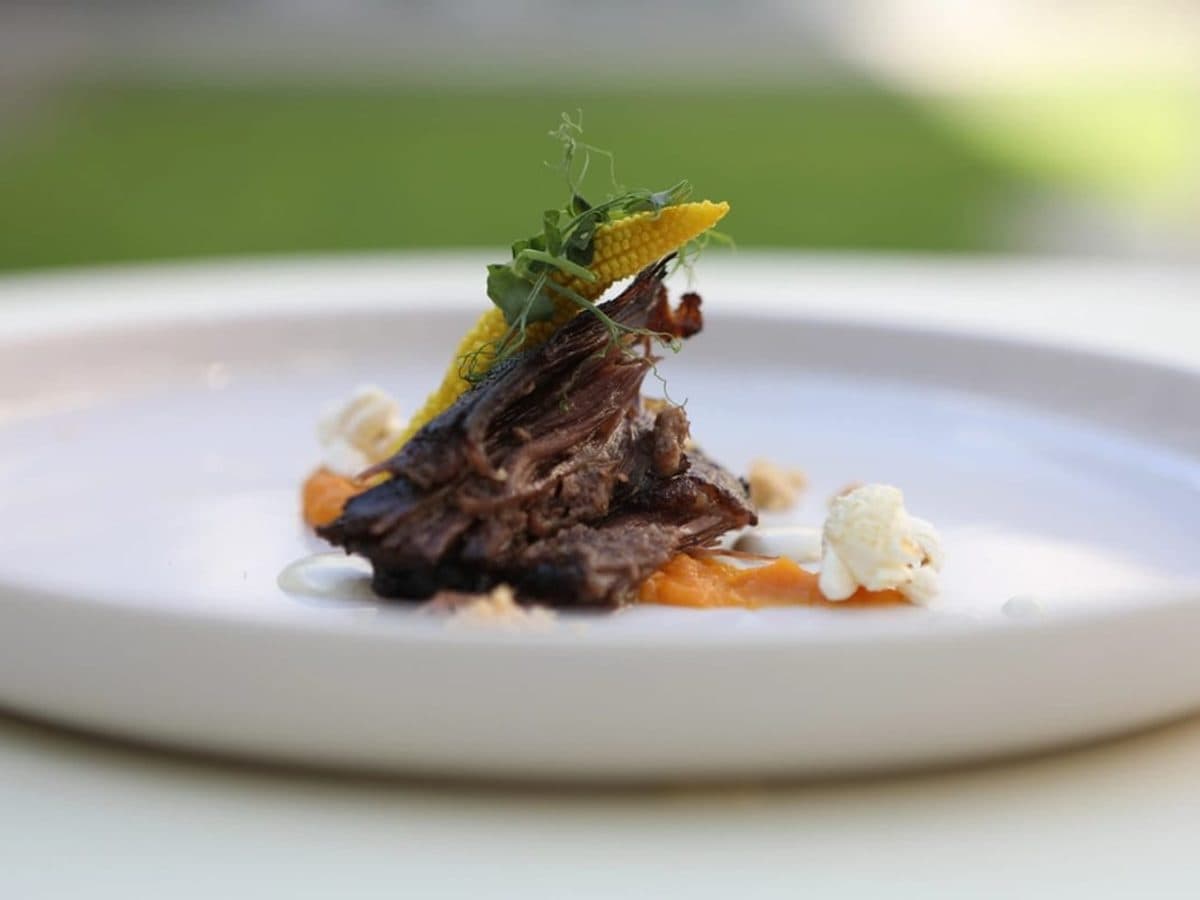
Korean BBQ at Home: The Complete Guide
How to run a Korean barbecue in a normal kitchen — which cuts to buy, what belongs on the table, and the order a proper meal actually follows.
Korean Noodles Explained
Dangmyeon, somyeon, naengmyeon, kalguksu and the rest — which Korean noodle goes in which dish, and which ones you genuinely cannot substitute.
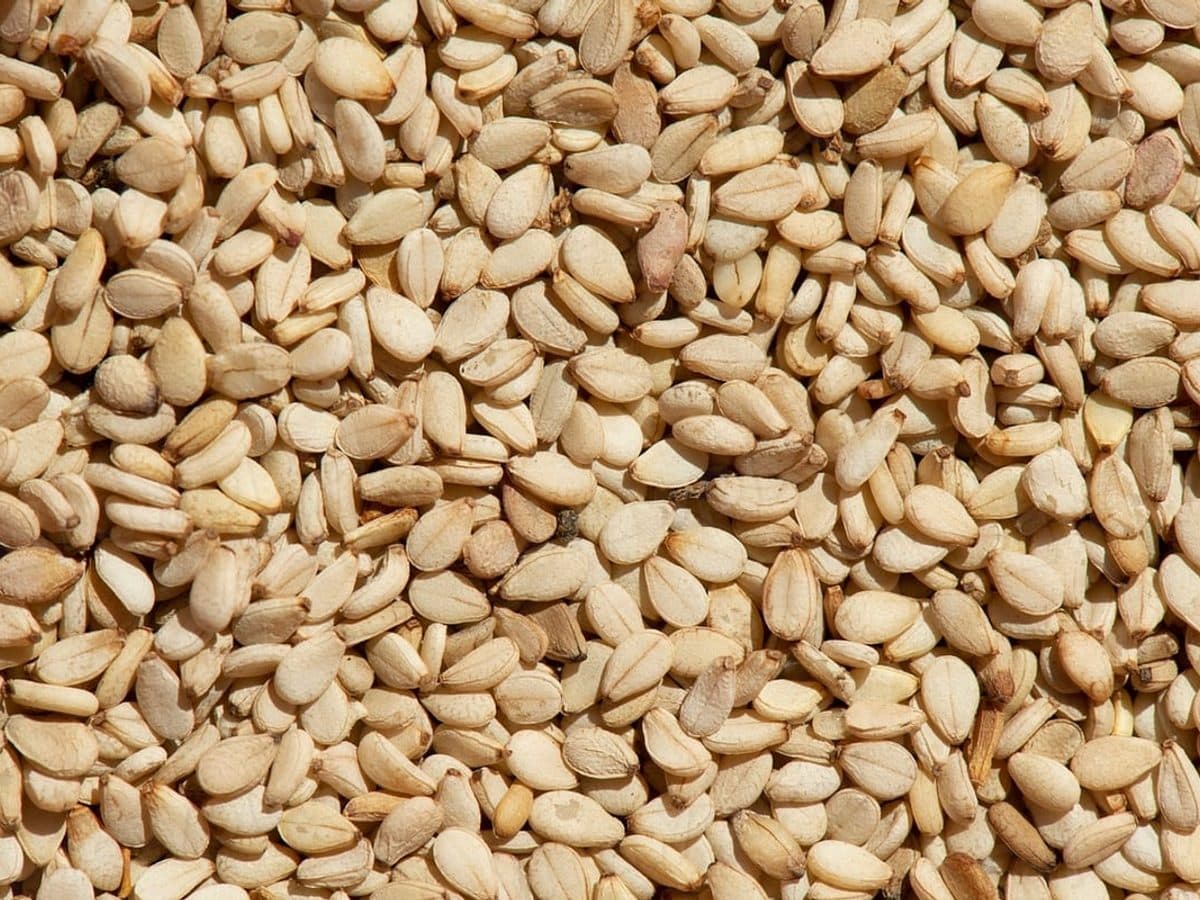
The Korean Pantry: What to Buy First
The ten things that unlock most Korean recipes, what each one actually does, and which ones have no substitute worth attempting.
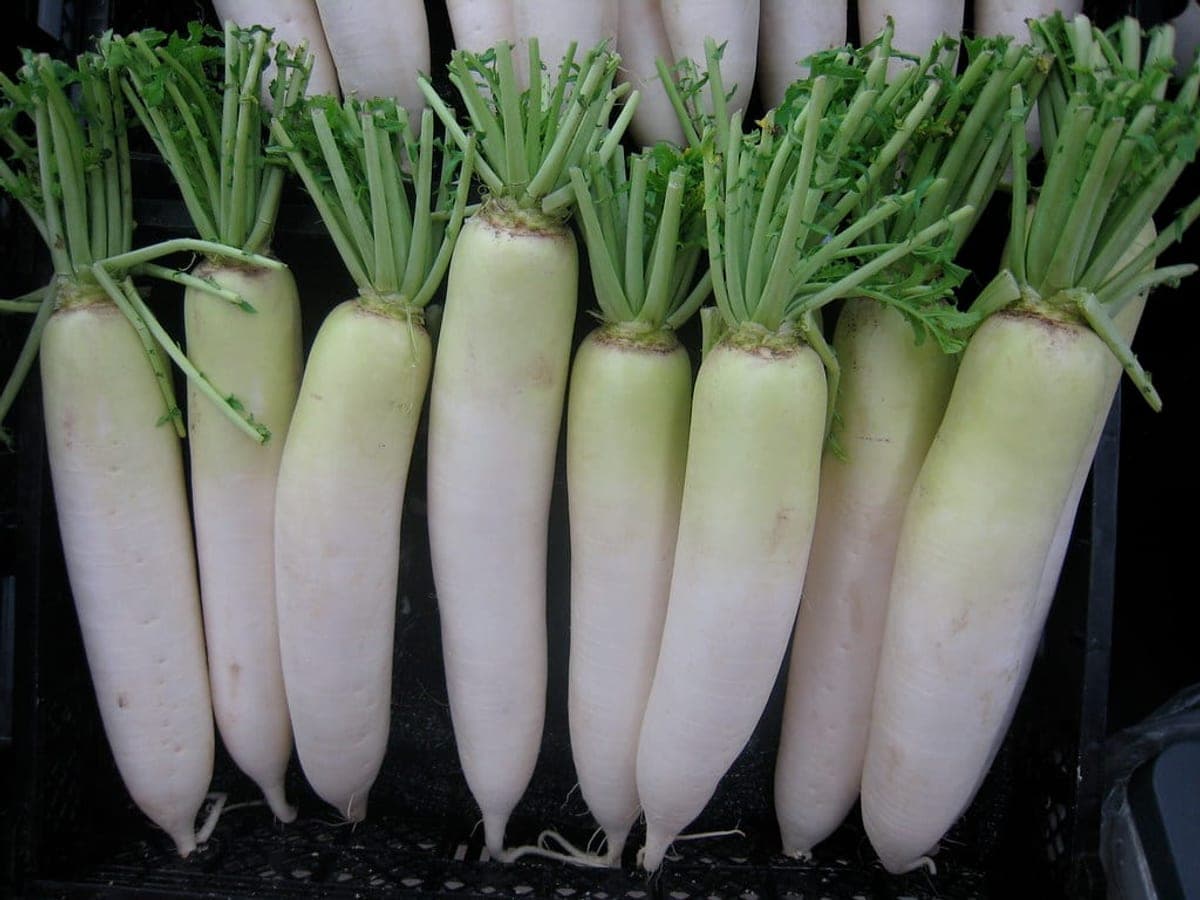
Korean Radish vs Daikon (Mu)
How Korean mu differs from Japanese daikon in density, sweetness and water content, and when swapping one for the other actually changes the dish.
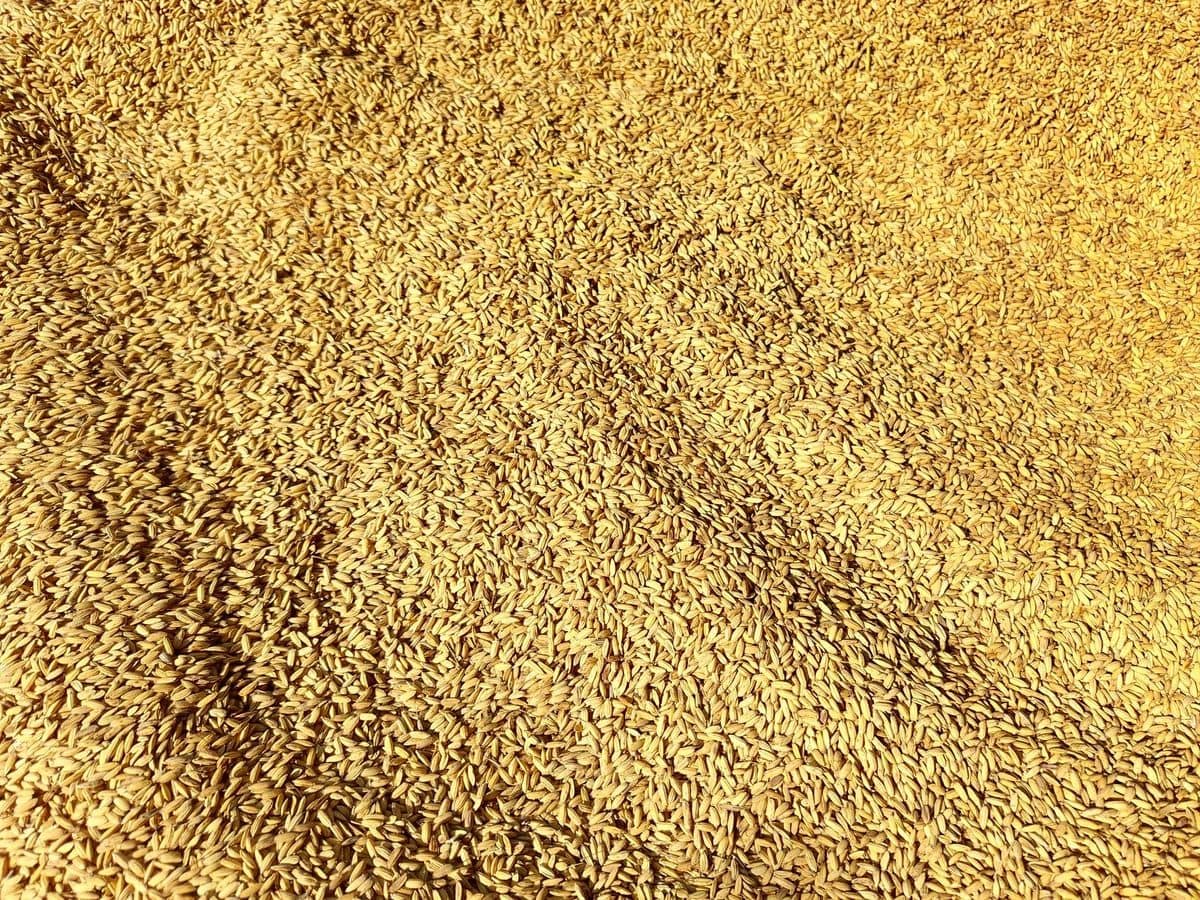
Which Rice to Buy for Korean Cooking
Why Korean cooking needs short-grain rice specifically, how it differs from sushi rice and jasmine, and when glutinous rice is required instead.
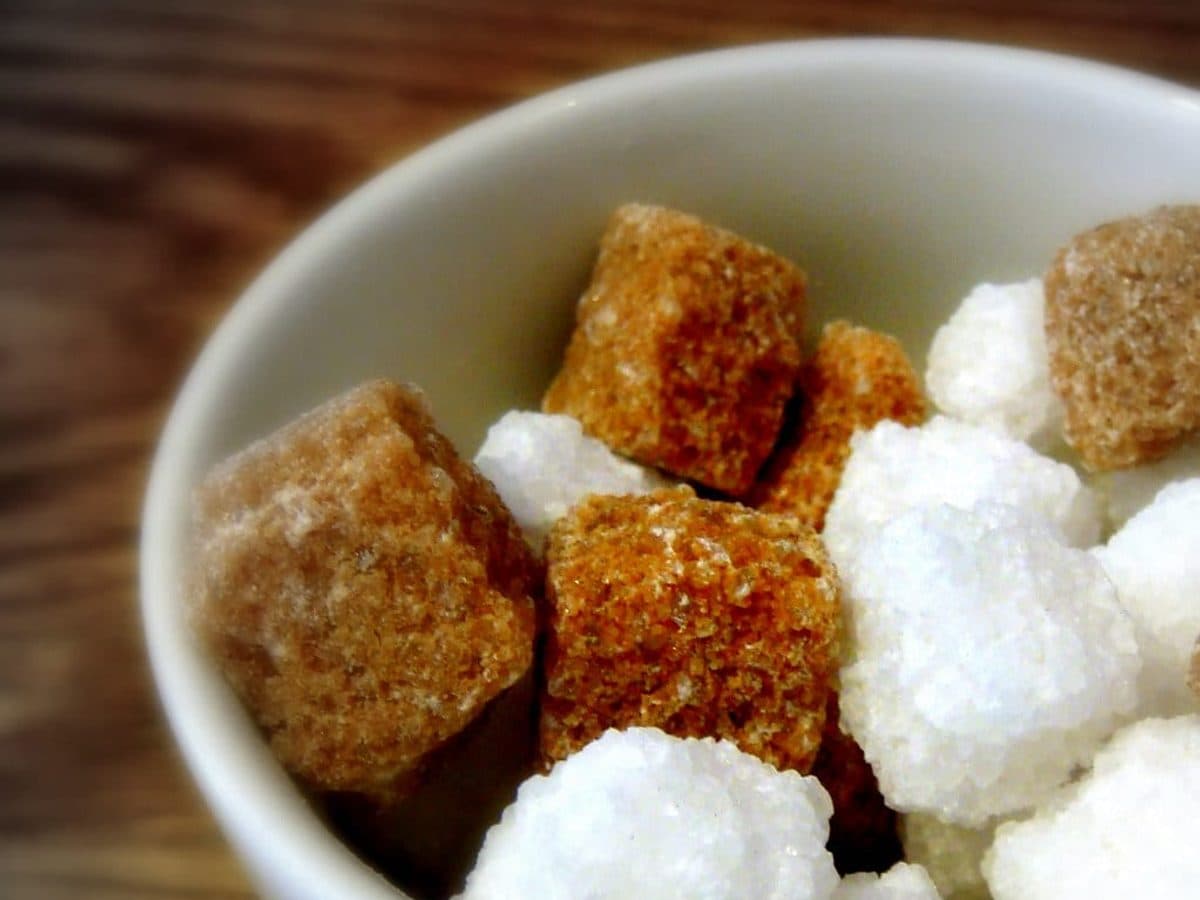
Sweeteners in Korean Cooking
When Korean recipes call for jocheong, mullyeot, honey or plain sugar, why they are not interchangeable, and which one gives you the glossy finish.
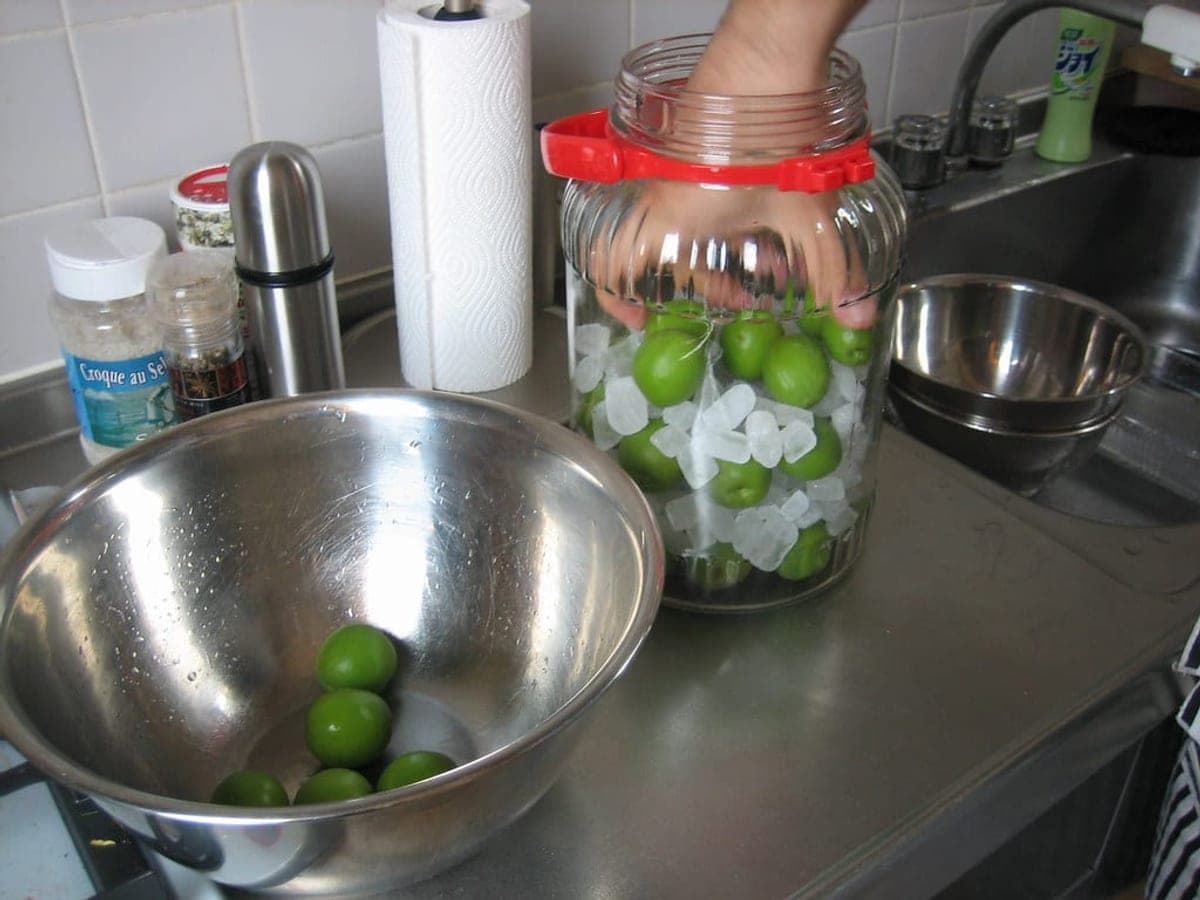
Maesil-cheong (Green Plum Syrup)
What maesil-cheong is used for in savoury Korean cooking, why the plums must be removed after 100 days, and what to substitute if you don't have a jar.
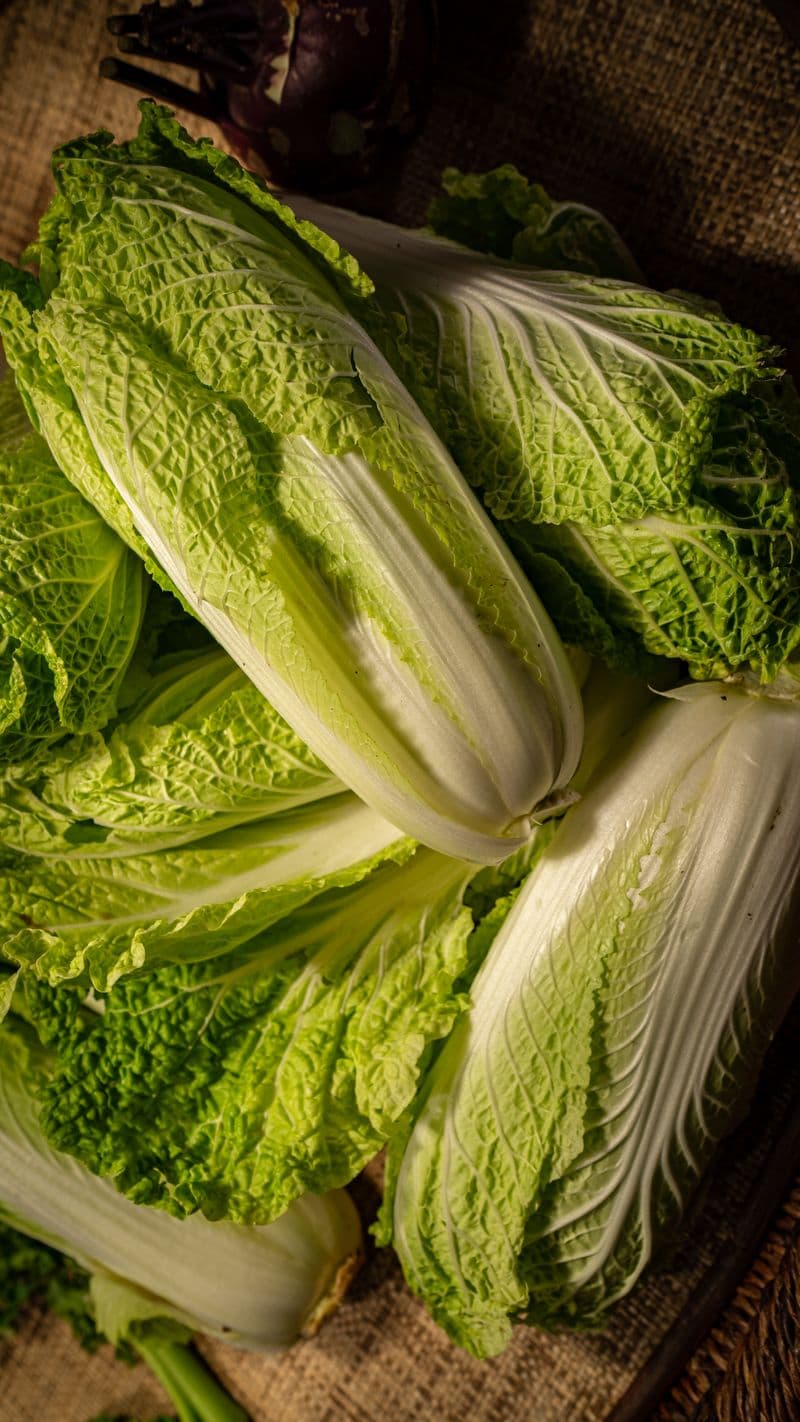
Napa Cabbage Substitute
Which cabbages actually work in place of napa, which ones only work outside kimchi, and why the water content matters more than the flavor.
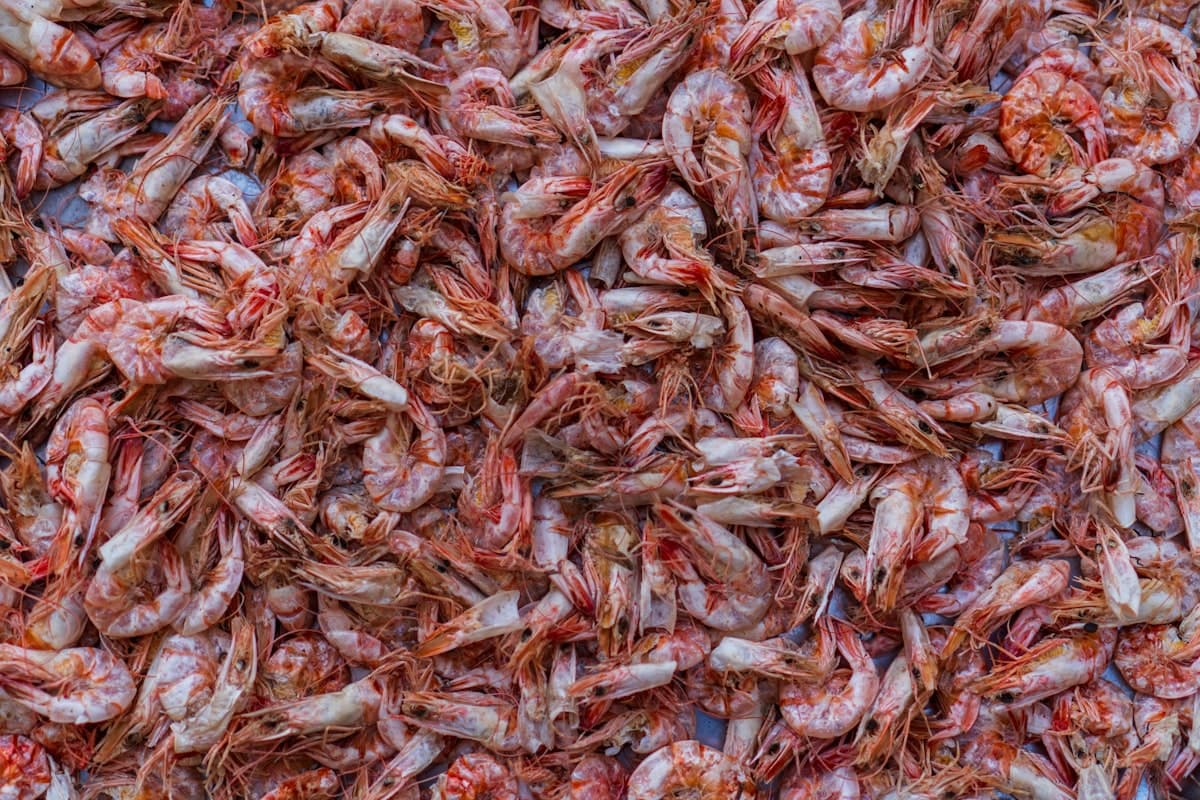
Saeujeot (Salted Fermented Shrimp)
What saeujeot is, why kimchi recipes call for it in such small amounts, and what to use if you can't find it.
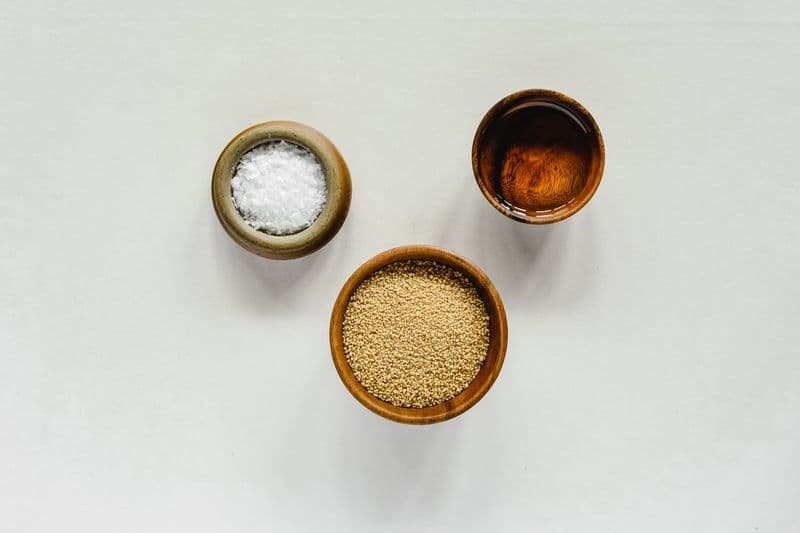
Sesame Oil vs. Perilla Oil
How toasted sesame oil and perilla oil actually differ in flavor, smoke point and shelf life — and which Korean dishes specifically want one over the other.
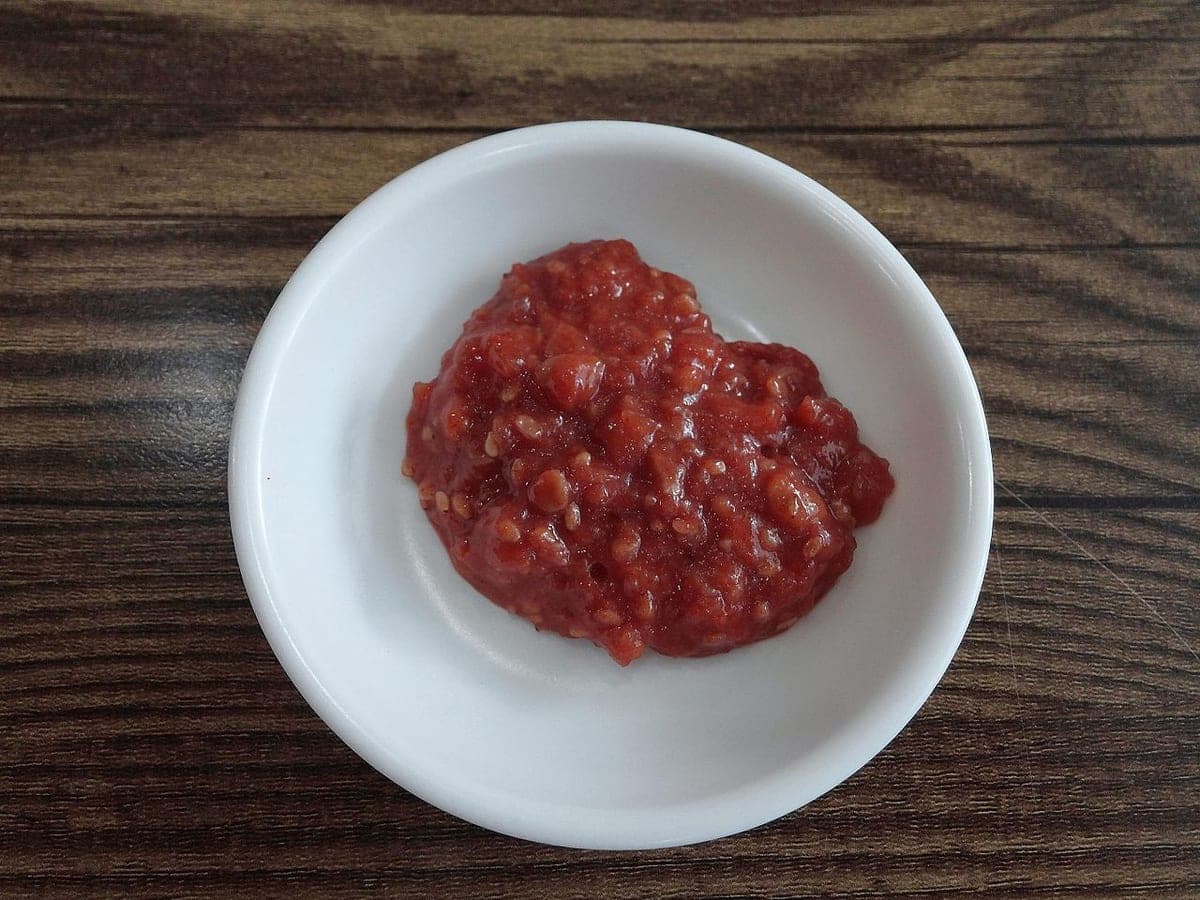
Ssamjang (Korean Wrap Sauce)
What ssamjang is made from, why it's a blend rather than a single paste, and how to use it in lettuce wraps without drowning out the meat it's meant to balance.

Ssukgat (Crown Daisy)
Why crown daisy goes into a Korean stew in the last thirty seconds rather than the last five minutes, and what to use if you can't find it.
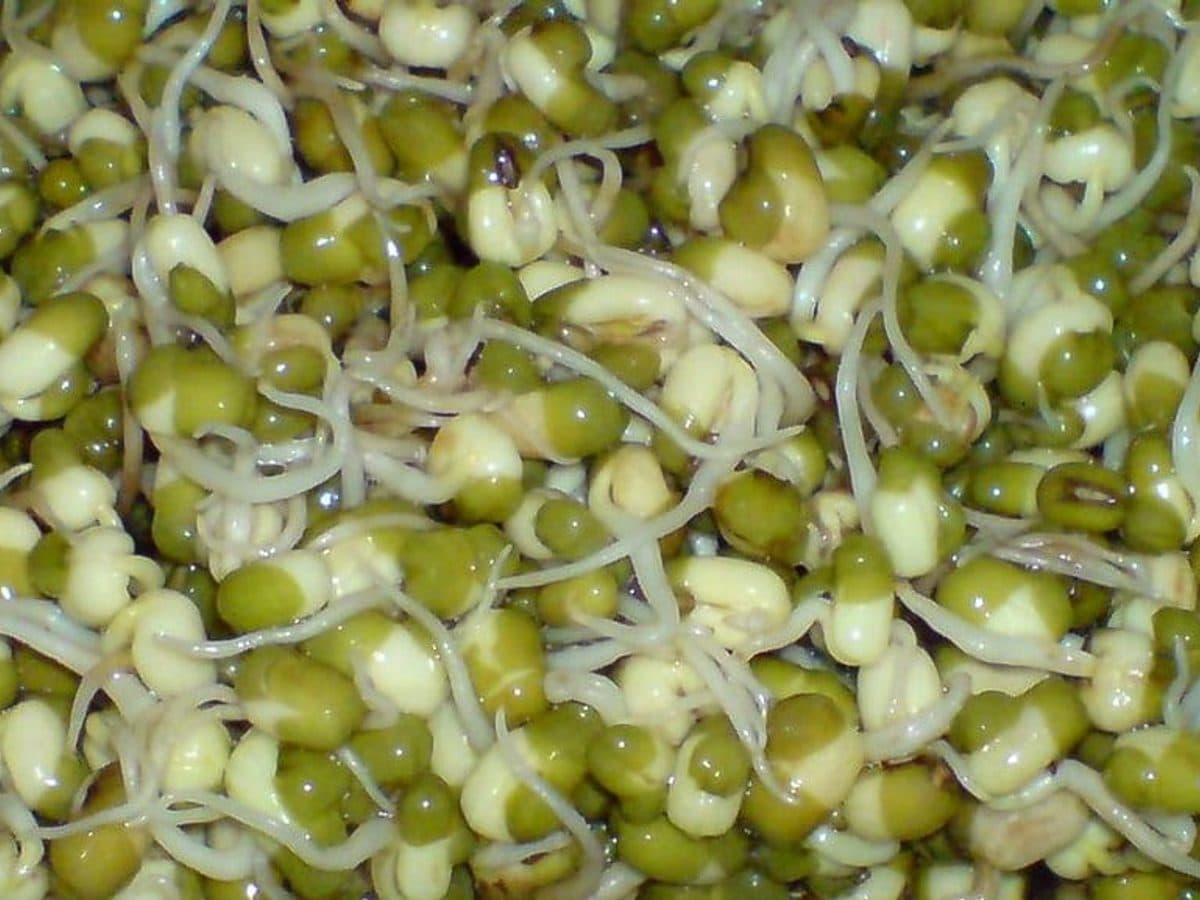
Sukju vs Kongnamul (Bean Sprouts)
Why Korean cooking uses two different bean sprouts, which dishes need which, and why only one of them can survive a long simmer.
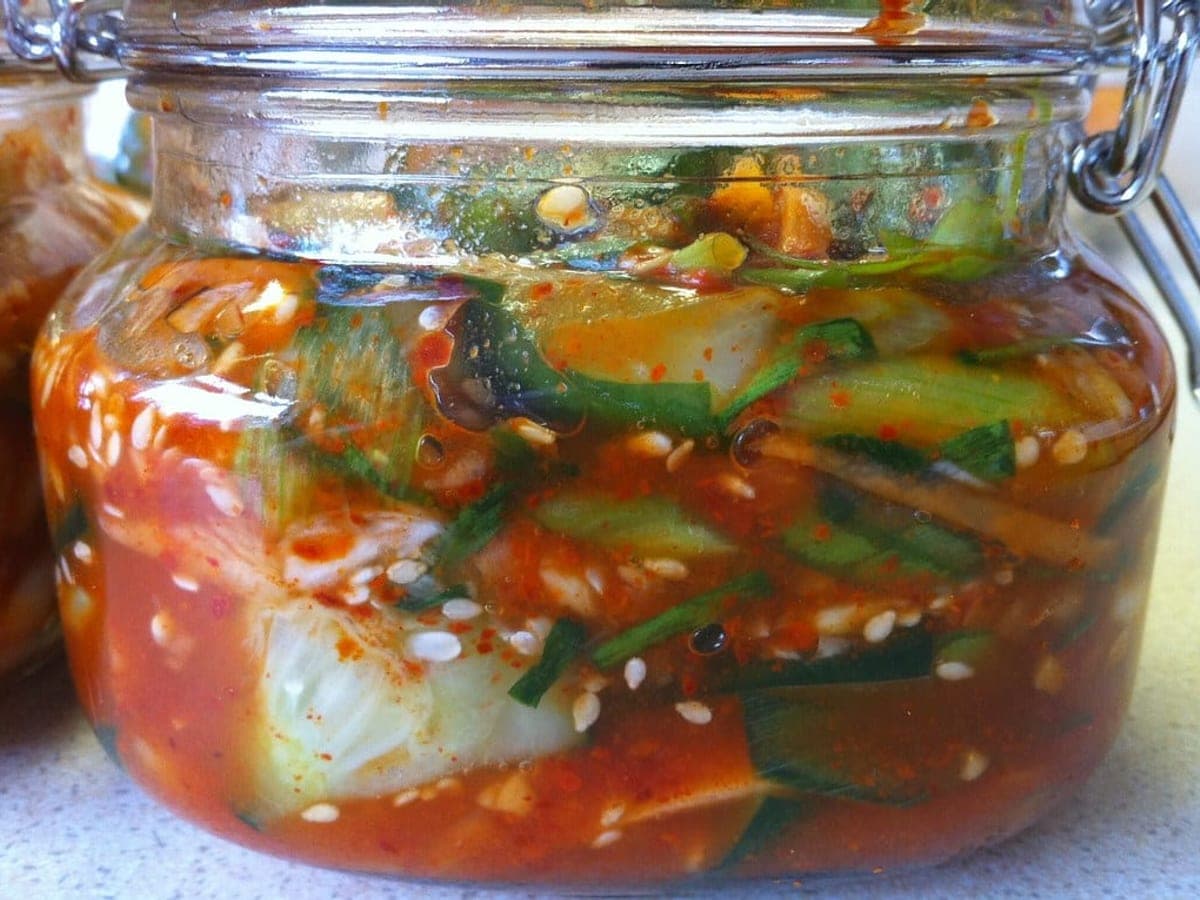
Why Is My Kimchi Not Sour?
The four things that stall kimchi fermentation — temperature, salt level, sugar and airtightness — and how to tell which one is your problem.
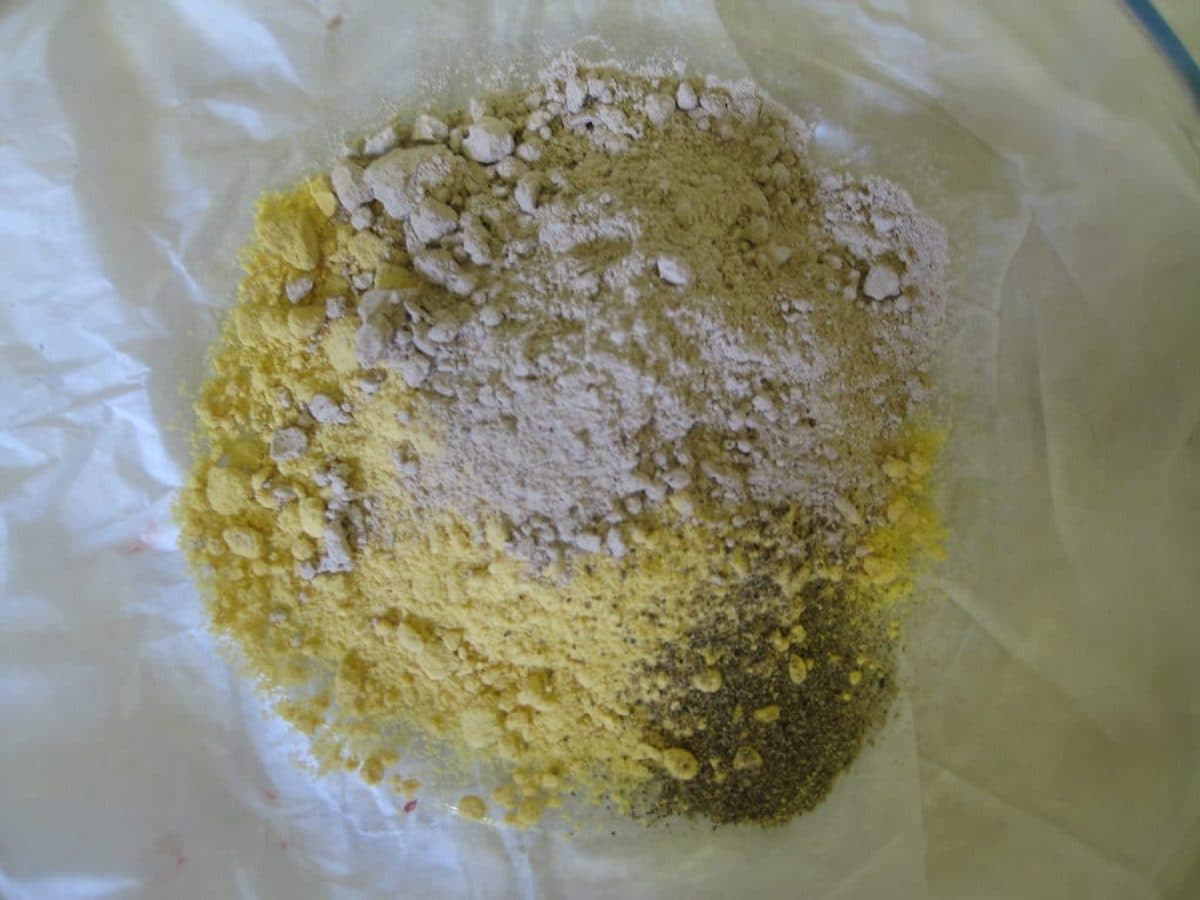
Yeongyeoja (Korean Mustard)
Why Korean mustard powder must be mixed with warm water and rested before use, and why it is nothing like the mustard on a hot dog.