Did you know — Korean culture
Perilla oil's short shelf life and its health reputation are the same fact wearing two hats. It's among the richest plant sources of omega-3 on earth — roughly 54 to 60% alpha-linolenic acid, well ahead of almost any other cooking oil. Those same fragile double bonds are what make it turn rancid fast, which is why Korean kitchens keep perilla oil in the fridge and sesame oil in the cupboard.
Both oils show up constantly in Korean cooking, they look broadly similar in the bottle, and recipes rarely explain why they've asked for one rather than the other. They aren't interchangeable, and the difference is easy to taste once you know what you're looking for.
What each oil actually is
Toasted sesame oil (chamgireum) is pressed from roasted sesame seeds. It's dark amber, intensely nutty, and assertive — a teaspoon is genuinely noticeable in a dish. Almost every use of it in Korean cooking is as a finishing oil: stirred into namul after blanching, drizzled over rice, mixed into a dipping sauce. It's the default when a recipe just says "sesame oil."
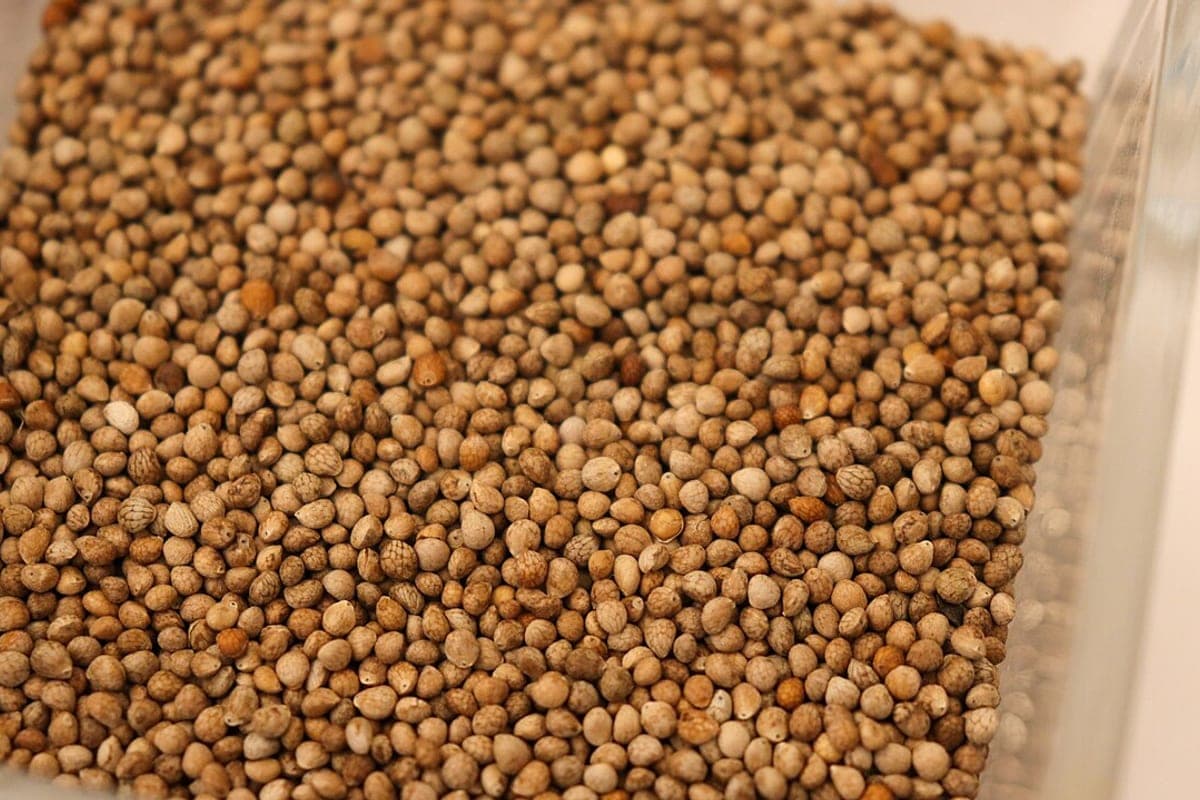
Perilla oil (deulgireum) is pressed from perilla seeds — the same plant family as the perilla leaves used for ssam. It's lighter in color, grassier and more herbal, with a distinctly green note where sesame is roasted and nutty. It's the traditional choice for seasoning wild-green namul like gosari and chwinamul, where its herbal edge complements the greens instead of overwhelming them.
The practical differences
Flavor. Sesame is nutty and roasted; perilla is green and herbal. If you substitute sesame where a recipe wants perilla, the dish still works but tastes noticeably more roasted and less fresh.
Smoke point. Neither is a frying oil. Toasted sesame oil in particular burns fast and turns bitter, which is exactly why it's added at the end rather than used to cook in. When a Korean recipe does start with sesame oil in the pan, it's usually over gentle heat and for a short time.
Shelf life. This is the one that catches people out. Perilla oil goes rancid noticeably faster than sesame oil — it's high in polyunsaturated fats, which oxidize quickly. Buy it in small bottles, keep it in the fridge once opened, and smell it before use. Rancid perilla oil smells sharp and paint-like, and it will ruin a dish.
Which to buy first
If you're only buying one, buy toasted sesame oil — it's used in far more recipes across the site and keeps much better. Add perilla oil later if you start cooking wild-green namul regularly, and buy the smallest bottle you can find.
Substituting: sesame oil for perilla works and is the common fallback. Going the other direction is less successful — perilla's grassiness sits oddly in dishes built around sesame's roasted flavor. Neither should be replaced with plain untoasted sesame oil, which is a neutral cooking oil and contributes almost no flavor at all.
Storing them, and spotting rancidity
Toasted sesame oil keeps well — a cool, dark cupboard, six months to a year after opening. The toasting stabilises it.
Perilla oil does not. It is high in polyunsaturated fat and oxidises fast. Buy the smallest bottle sold, keep it in the fridge, and smell it before every use.
Rancid perilla oil smells sharp, chemical, faintly of paint or old crayons. Fresh perilla oil smells green and grassy. Once you have smelled the difference it is unmistakable — and rancid oil will ruin a whole dish of namul, so the check is worth the two seconds.
Buying perilla oil in a large bottle to save money is a false economy; most of it goes off before it is used.
Where each one belongs
Toasted sesame oil:
- Stirred into namul after blanching — kongnamul muchim, sigeumchi namul
- Drizzled over bibimbap and rice bowls
- In marinades — bulgogi, galbi
- Brushed on kimbap for shine
- In ssamjang, to loosen the texture
Perilla oil:
- Wild-green namul — gosari, chwinamul muchim
- Seaweed soup, in some regional versions
- Sautéing kimchi in temple-style cooking, where its grassiness suits
A useful rule: if the vegetable is a foraged or wild green, reach for perilla. If it is cultivated, sesame.
Buying notes
Sesame oil should say 'toasted' or be visibly dark amber. Pale, clear sesame oil is untoasted — a neutral cooking oil that contributes almost no flavour, and not what any Korean recipe means.
100% sesame on the label. Cheaper bottles are blended with soybean or other neutral oils and taste correspondingly thin.
Perilla oil is usually sold only in Korean shops, often in small dark bottles, sometimes refrigerated. If a shop keeps it on a warm shelf in a clear bottle, buy elsewhere.
Cold-pressed perilla oil is greener and more delicate. Roasted perilla oil is nuttier and keeps slightly better.
Common questions
Can I use sesame oil instead of perilla oil?
Yes, and it's the common fallback. The dish still works but tastes noticeably more roasted and less fresh — you lose the green, herbal note that suits wild greens.
Why does my perilla oil taste bitter?
It's gone rancid. Perilla oil oxidises much faster than sesame because of its high polyunsaturated content. Rancid perilla smells sharp and faintly of paint. Keep it in the fridge, buy small bottles, and smell it before use.
Can you cook with toasted sesame oil?
Only briefly and gently. It burns fast and turns bitter, which is why Korean recipes almost always add it at the end, off the heat. When it does start a dish, it's over low heat for a short time.
Which should I buy first?
Toasted sesame oil. It's used in far more recipes and keeps much better. Add perilla oil later if you start cooking wild-green namul regularly, and buy the smallest bottle you can find.
More to cook
All Ingredient & Substitute Guides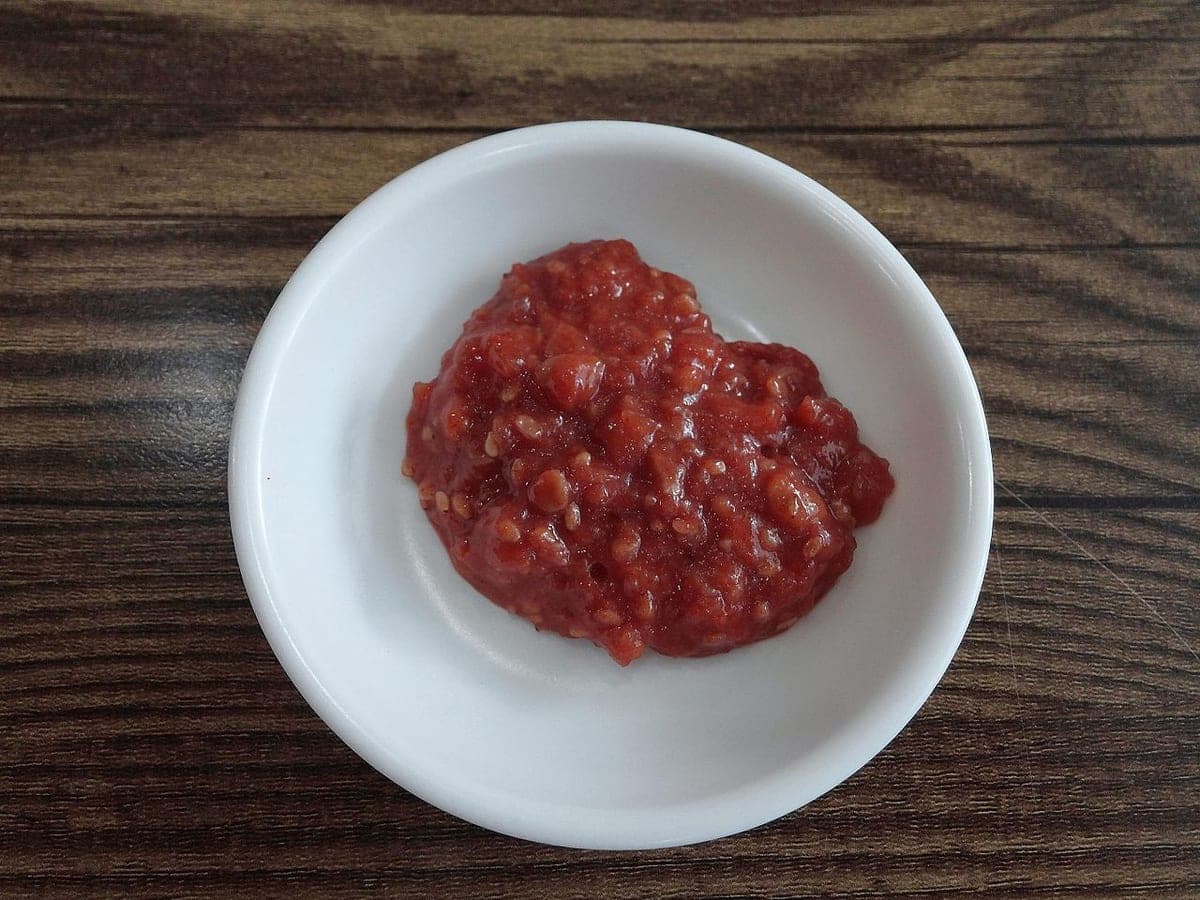
Ssamjang (Korean Wrap Sauce)
What ssamjang is made from, why it's a blend rather than a single paste, and how to use it in lettuce wraps without drowning out the meat it's meant to balance.

Ssukgat (Crown Daisy)
Why crown daisy goes into a Korean stew in the last thirty seconds rather than the last five minutes, and what to use if you can't find it.
Sukju vs Kongnamul (Bean Sprouts)
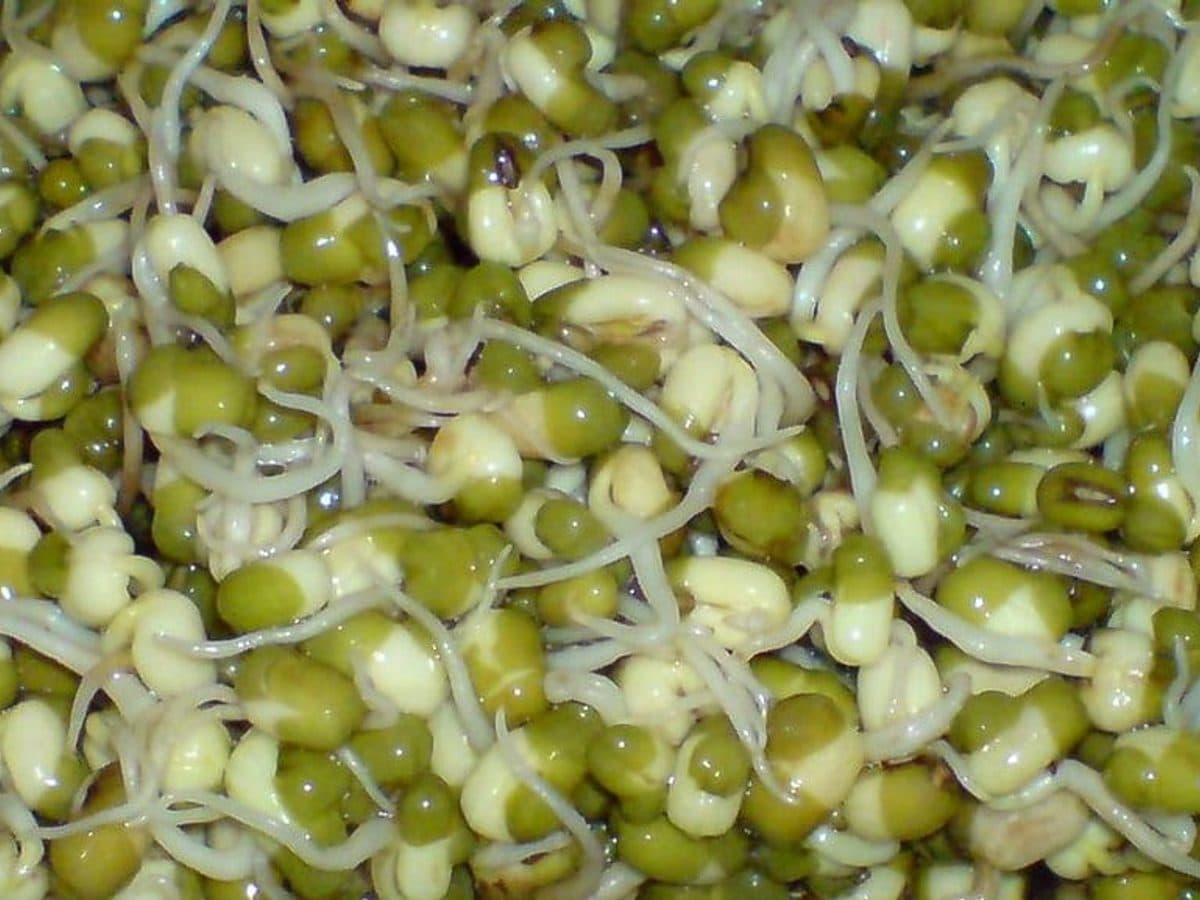
Why Korean cooking uses two different bean sprouts, which dishes need which, and why only one of them can survive a long simmer.