Did you know — Korean culture
Doenjang begins as meju — blocks of cooked, crushed soybean that are dried, tied with rice straw, and hung indoors to ferment for weeks. The straw is not decorative: it carries the bacteria that start the fermentation. Nothing is added, and no two batches are quite identical, which is why traditionally made doenjang varies noticeably between households in a way commercial miso never does.
Doenjang and miso are cousins, not twins. Both are fermented soybean pastes; both bring salt and savoury depth. Recipes that suggest using miso instead of doenjang are not wrong, exactly — but they are glossing over a real difference.
If you have made a doenjang jjigae with miso and found it thin and slightly sweet, this is why.
How they are made differently
Miso is typically made from soybeans fermented with koji — a mould grown on rice or barley — which is added deliberately as a starter. That rice or barley content is why many misos are noticeably sweet.
Doenjang is traditionally made from meju: blocks of cooked, crushed soybean, dried and hung to ferment with whatever wild bacteria and moulds are in the air. No added starter, and usually no grain.
The blocks then sit in brine for months. The liquid that separates off becomes Korean soup soy sauce; the solids become doenjang.
Two products from one process — which is a genuinely different lineage from miso, not a variation on it.
How they taste
Doenjang — saltier, funkier, more pungent, with a rougher texture that often contains visible bits of bean. The wild fermentation gives it a barnyard edge that some people take a while to like.
Miso — smoother, milder, often distinctly sweet, especially white (shiro) miso. Red (aka) miso is closer to doenjang but still cleaner.
Practically: doenjang tastes like it has been somewhere. Miso tastes like it has been made.
When you can substitute, and when not
Substituting miso for doenjang works acceptably in: marinades, dressings, anywhere the paste is one flavour among several.
It does not really work in doenjang jjigae, where the paste is the dish. You get a mild, slightly sweet soup rather than the deep savoury one.
If you must: use red miso, not white, and use about three-quarters the volume — miso is generally less salty, but the sweetness builds. Add a little soy sauce for depth.
Doenjang for miso is the harder direction. In a delicate miso soup, doenjang overwhelms. Use less and expect a different dish.
Never substitute either for gochujang — that is a chili paste and a different job entirely.
Buying doenjang
Traditional (jaeraesik) — made the old way, darker, chunkier, considerably funkier. Worth trying once you like the standard kind.
Commercial — smoother and milder, often containing some wheat. This is what most Korean households use and it is a perfectly good default.
Check the label for grain content if you are avoiding wheat; many commercial doenjangs contain it.
Storage: fridge after opening. It keeps effectively indefinitely — the salt and fermentation are doing exactly what they were designed to do. Darkening over time is normal.
Where each one belongs
Doenjang goes in: doenjang jjigae, ssamjang, the poaching liquid for bossam, gamjatang's seasoning paste, and namul dressings.
Miso goes in: Japanese soups, dressings, and any recipe written around its sweetness.
They are both worth owning if you cook across both cuisines. They are not one purchase.
More to cook
All Ingredient & Substitute Guides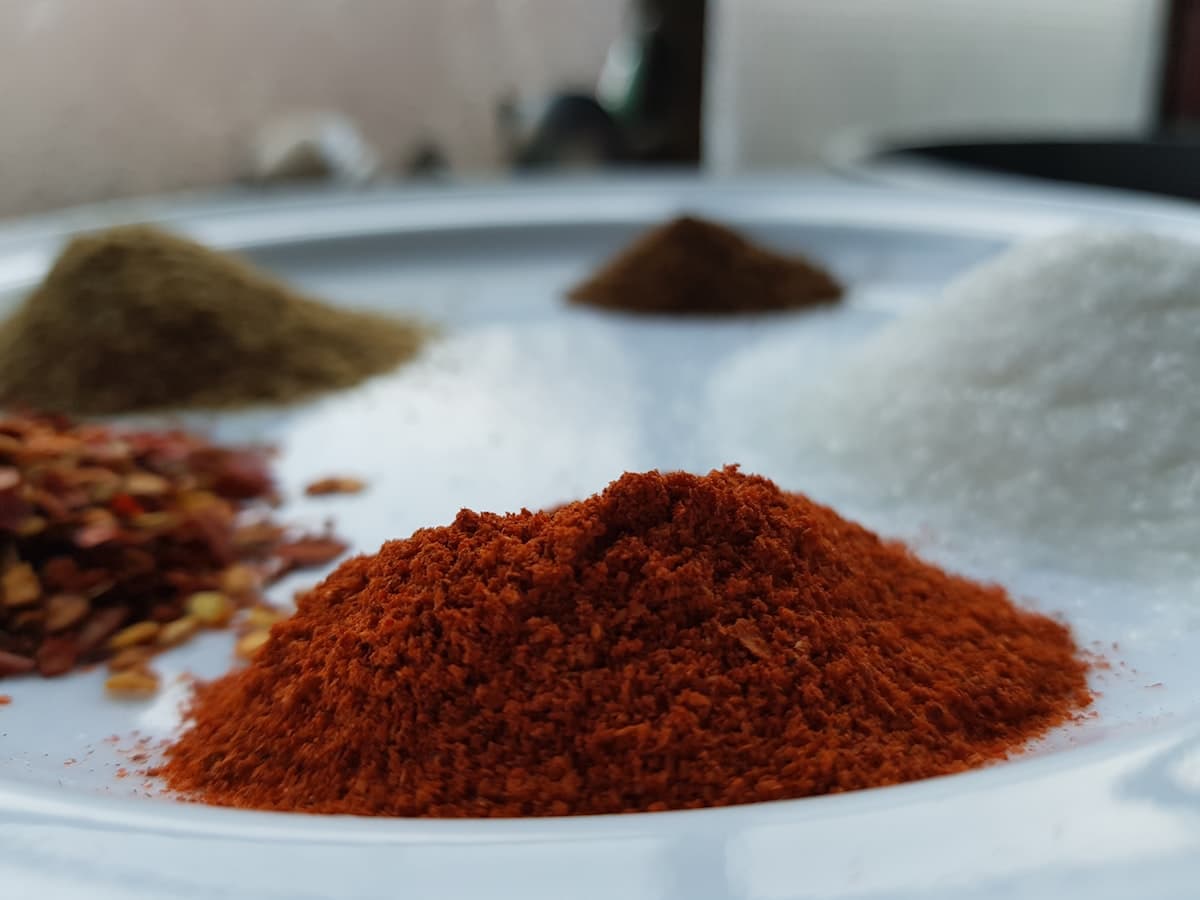
Gochugaru (Korean Red Pepper Flakes)
What gochugaru actually is, why it's not interchangeable with regular chili powder, and how to pick a good one.
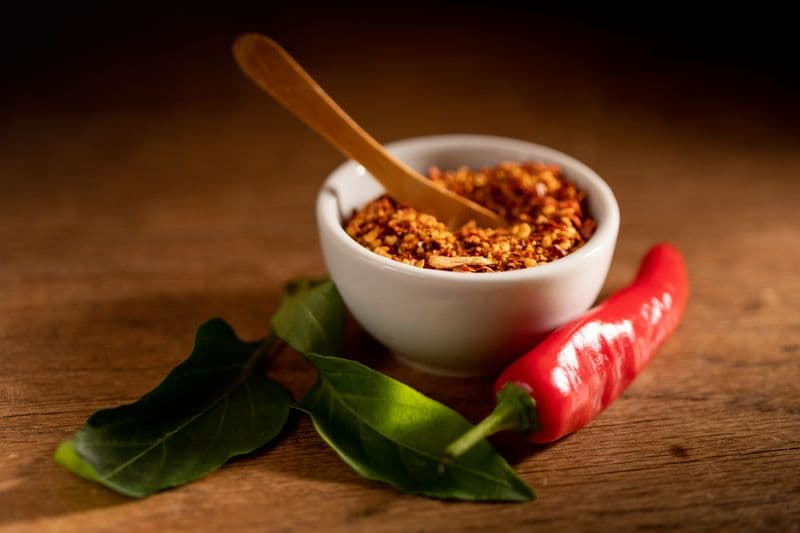
Best Gochugaru Substitute
What to use when you can't find Korean chili flakes, why most substitutes make a dish too hot rather than too mild, and how to adjust the amount.
Gochujang (Fermented Chili Paste)
What gochujang is made from, why it's fermented rather than just mixed, and how to use it without overpowering a dish.