Did you know — Korean culture
The lettuce-and-perilla double wrap is doing two different jobs. Lettuce is neutral and structural, there to hold everything; perilla is intensely aromatic, faintly aniseed, and there to cut fat. Perilla belongs to the mint family rather than to sesame, despite the English name confusion, and Korea grows it for both its leaves and its seeds — the seeds pressed into deulgireum, a green, grassy oil quite unlike toasted sesame.
Korean barbecue is not a recipe. It is a table format, and almost everything that makes it good happens around the meat rather than to it.
Which is good news at home: you do not need a restaurant extractor or a charcoal pit. You need the right cuts, the right things to wrap them in, and an understanding of the order it all goes in.
The cuts, and which to start with
Samgyeopsal — pork belly, unmarinated, about 1cm thick. The most-eaten Korean BBQ in Korea by a wide margin, and the cheapest place to start.
Bulgogi — thin-sliced marinated beef, usually ribeye. Sweet, fast, forgiving.
Galbi — marinated short rib. LA-cut (across the bone) is what most groceries sell and what cooks in minutes.
Dwaeji galbi — the pork version, marinated in gochujang.
Deungshim gui — grilled sirloin, plain, salt only.
Gopchang gui — grilled intestine. Genuinely popular in Korea, and not a beginner's dish.
Start with samgyeopsal. No marinade to make, forgiving to cook, and it teaches you the wrap.
Equipment, and what you can skip
You need: a heavy pan — cast iron or a thick non-stick — and an extractor or an open window. Pork belly produces real smoke.
Worth having: a sloped Korean grill plate, which channels rendered fat away so the meat sears instead of frying. This is the one piece of equipment that genuinely changes the result.
A portable butane burner lets you cook at the table, which is most of the experience. Cheap and widely available.
Kitchen scissors. Meat is cut on the grill, not on a board.
You can skip: charcoal, a dedicated grill, a smoke extractor. All nice. None necessary.
What goes on the table
This is the part people under-build, and it is where the meal actually lives.
Wrappers: lettuce (soft green or red leaf) and perilla leaves. Both.
Ssamjang — the wrap sauce. Doenjang-forward, not gochujang-forward.
Sesame oil and salt dip — a small dish of sesame oil with coarse salt and pepper. Mainly for unmarinated pork and plain beef.
Saeujeot — salted shrimp, the traditional dip for pork.
Garlic and green chili, sliced, to grill in the rendered fat.
Scallion salad — shredded scallion in a light chili dressing. It cuts fat better than anything else on the table.
Kimchi, and grill some of it once the fat starts running.
Banchan — three or four: gyeranjjim, kongnamul muchim, pickled radish.
How to build a ssam
There is a correct order and it is structural, not fussy:
- Lettuce leaf flat on your palm, perilla leaf on top
- A little rice, if using
- The meat, straight off the heat
- A dab of ssamjang — less than instinct suggests
- Grilled garlic, chili, scallion salad
- Fold and eat in one bite
One bite is the rule. A ssam eaten in two falls apart on the second, and Korean etiquette is fairly firm about not putting a bitten wrap back down.
The order of a Korean BBQ meal
A proper meal has a shape, and following it is most of what makes a home attempt feel right:
- Banchan and drinks land first, before any cooking
- Unmarinated meat first — samgyeopsal or plain beef — while the pan is clean
- Marinated meat second, since sugar in the marinade burns and dirties the pan
- Grilled kimchi and garlic alongside, cooking in the rendered fat
- Rice and stew toward the end — doenjang jjigae or kimchi jjigae
- Naengmyeon to finish — cold noodles after hot grilling is the traditional close
Meat is cooked in rounds and eaten as it comes off, never plated up and served all at once.
Quantities and cooking notes
200–250g of meat per person for a generous meal; 150g with plenty of banchan and a stew.
No oil in the pan for pork belly — it renders its own within a minute.
Do not crowd it. A crowded pan steams. Cook in rounds and let the heat recover between them.
Turn once. Lay the meat down, leave it until properly browned, then flip. Constant turning gives you grey meat.
Pour off the fat between rounds, or it will start frying rather than searing.
Marinated meat burns fast. Shake off the excess and watch it — the sugar that gives you char is the same sugar that gives you carbon.
More to cook
All Ingredient & Substitute Guides
Korean Noodles Explained
Dangmyeon, somyeon, naengmyeon, kalguksu and the rest — which Korean noodle goes in which dish, and which ones you genuinely cannot substitute.
The Korean Pantry: What to Buy First
The ten things that unlock most Korean recipes, what each one actually does, and which ones have no substitute worth attempting.
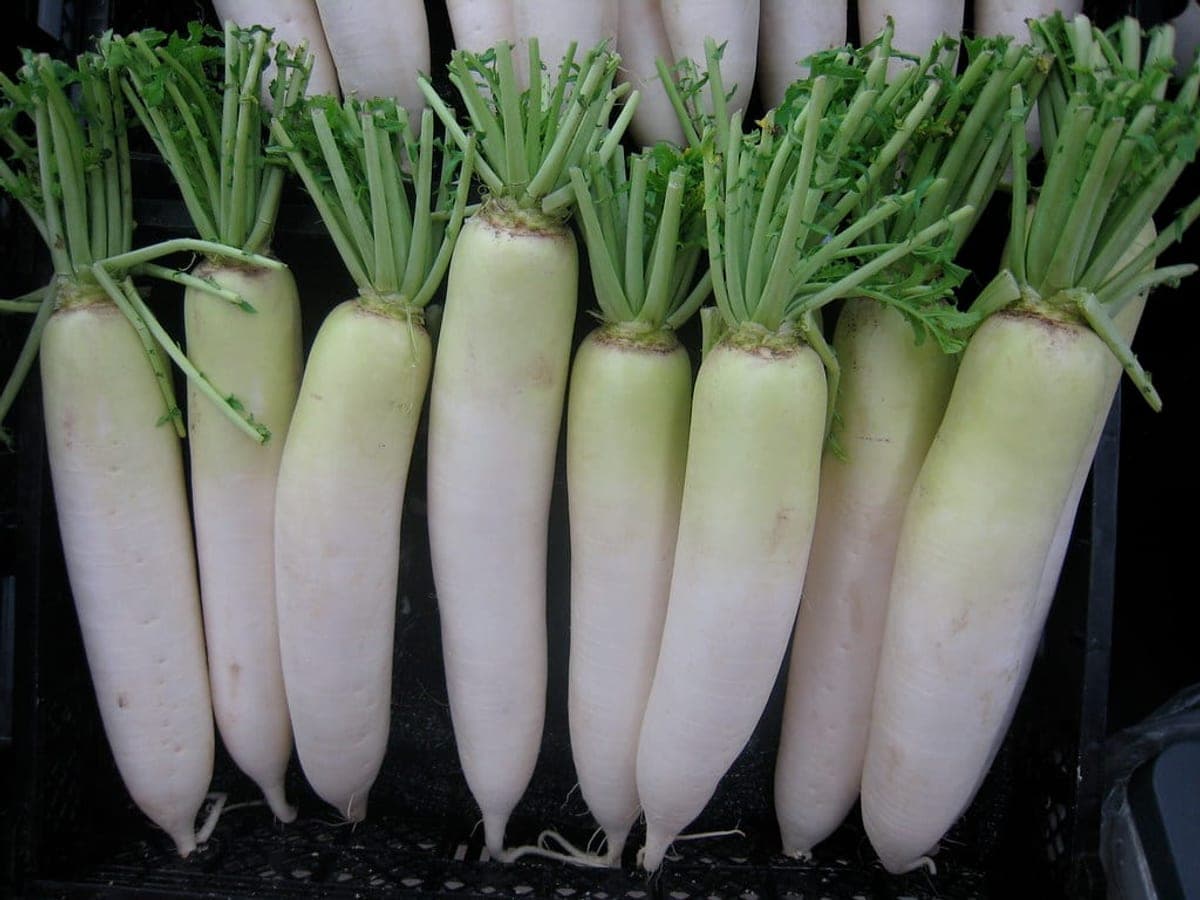
Korean Radish vs Daikon (Mu)
How Korean mu differs from Japanese daikon in density, sweetness and water content, and when swapping one for the other actually changes the dish.