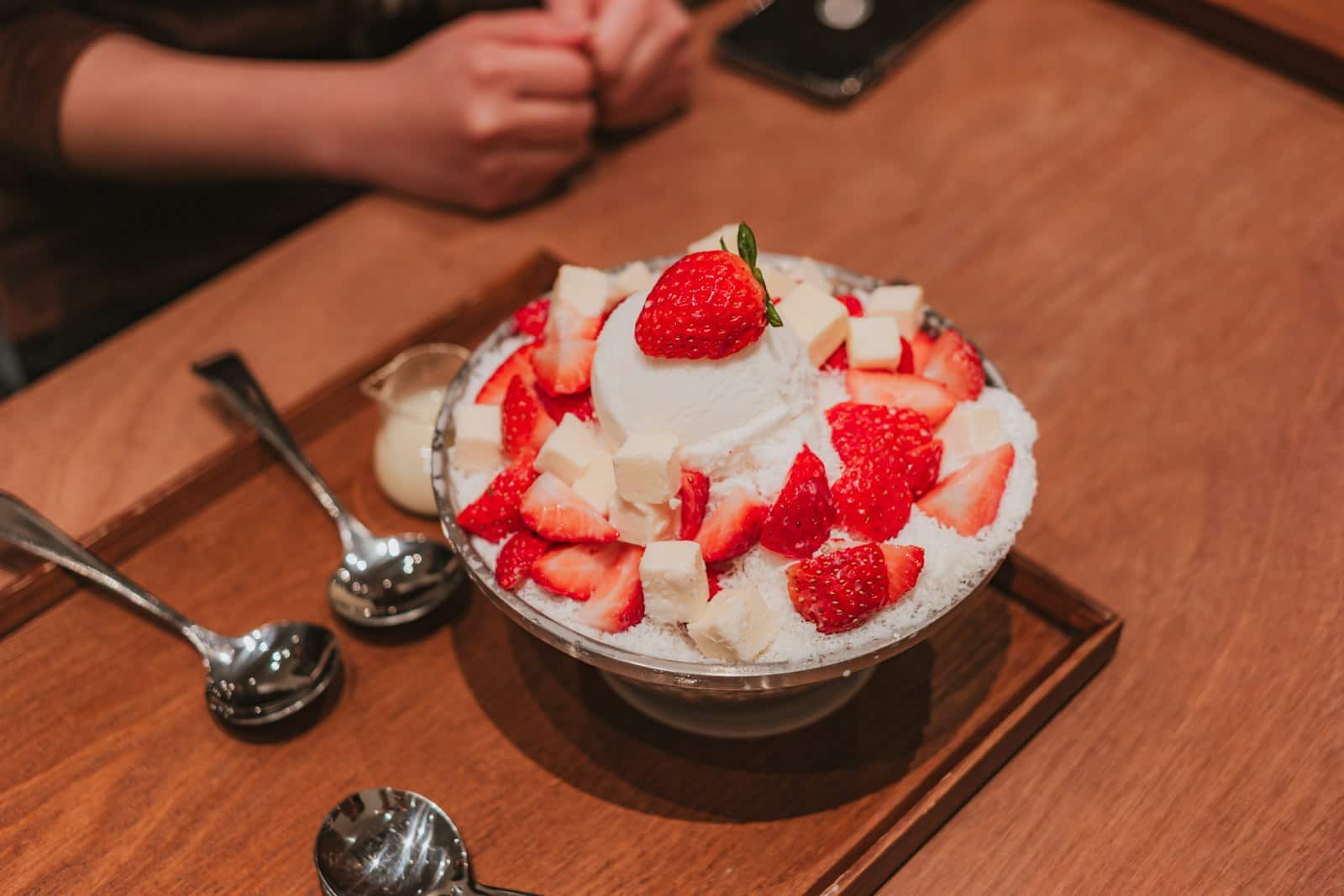
Desserts & Drinks
Bingsu, sikhye, and the sweet side of Korean cooking that doesn't get enough credit.
Did you know — Korean culture
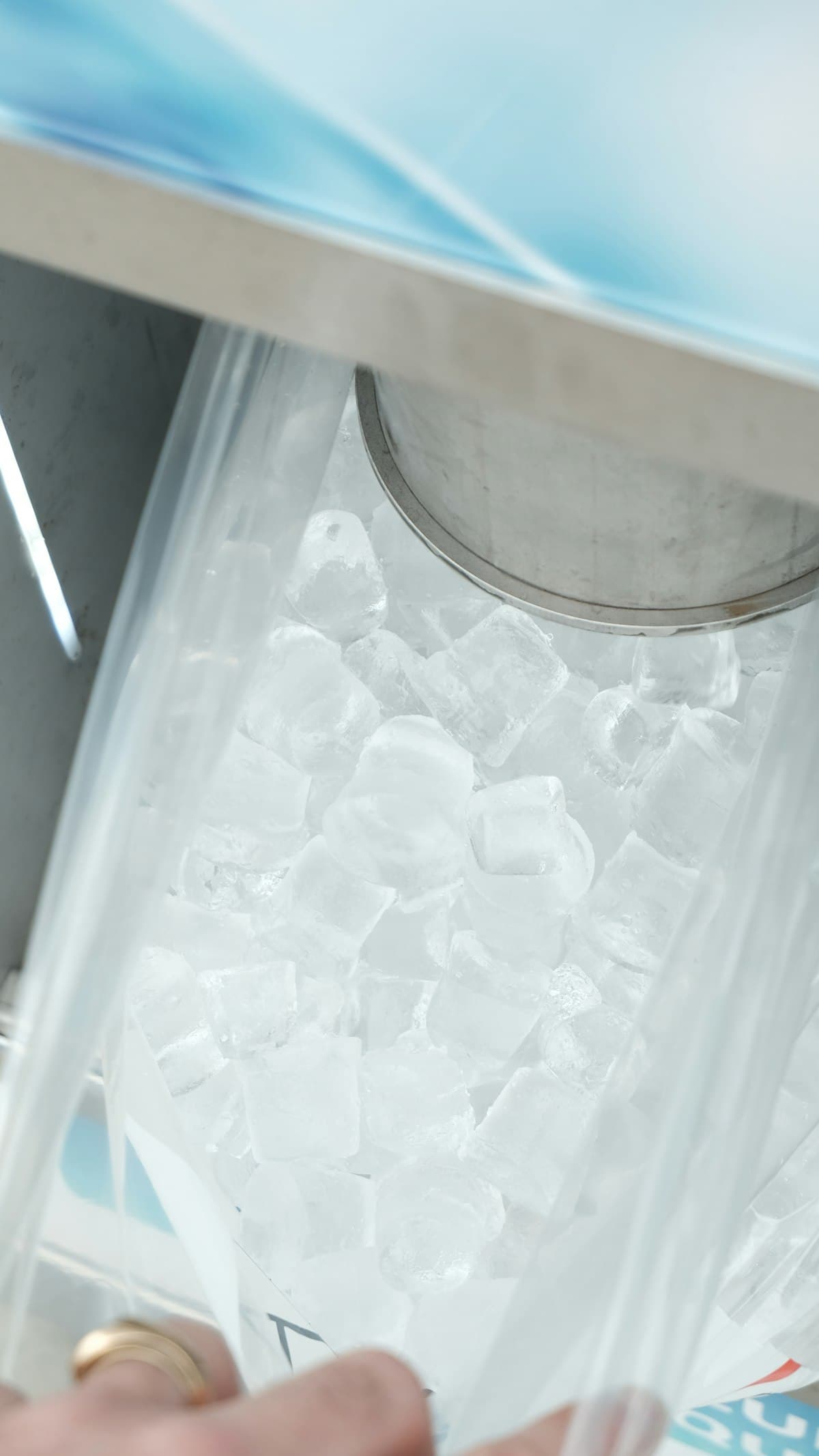
Bingsu started as a royal flex. Ice was such a big deal in the Joseon dynasty that a law in 1458 controlled exactly who got to touch it — only the king and top officials. It was hauled off the frozen Han River each winter and packed into underground stone ice houses to last through summer.
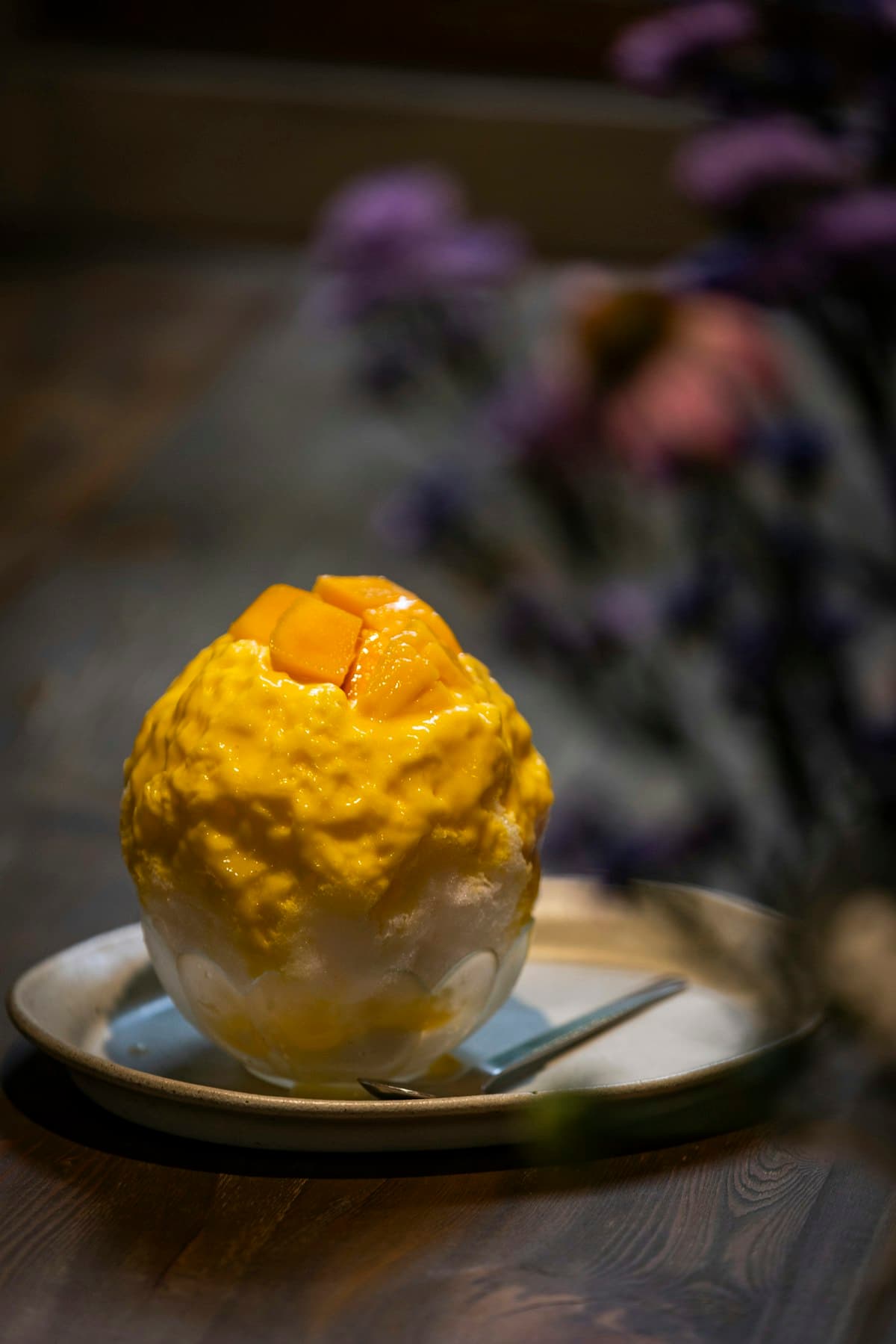
Bingsu (Patbingsu)
The milk-ice and topping-layering technique behind proper bingsu, and why shaving matters more than the toppings themselves.

Bokbunja-ju (Black Raspberry Wine)
The sugar-maceration technique behind bokbunja-ju's deep color, and why patience during fermentation matters more than any other step.

Boricha (Roasted Barley Tea)
The roast-and-simmer technique behind boricha's nutty flavor, and why over-steeping turns it bitter instead of mellow.
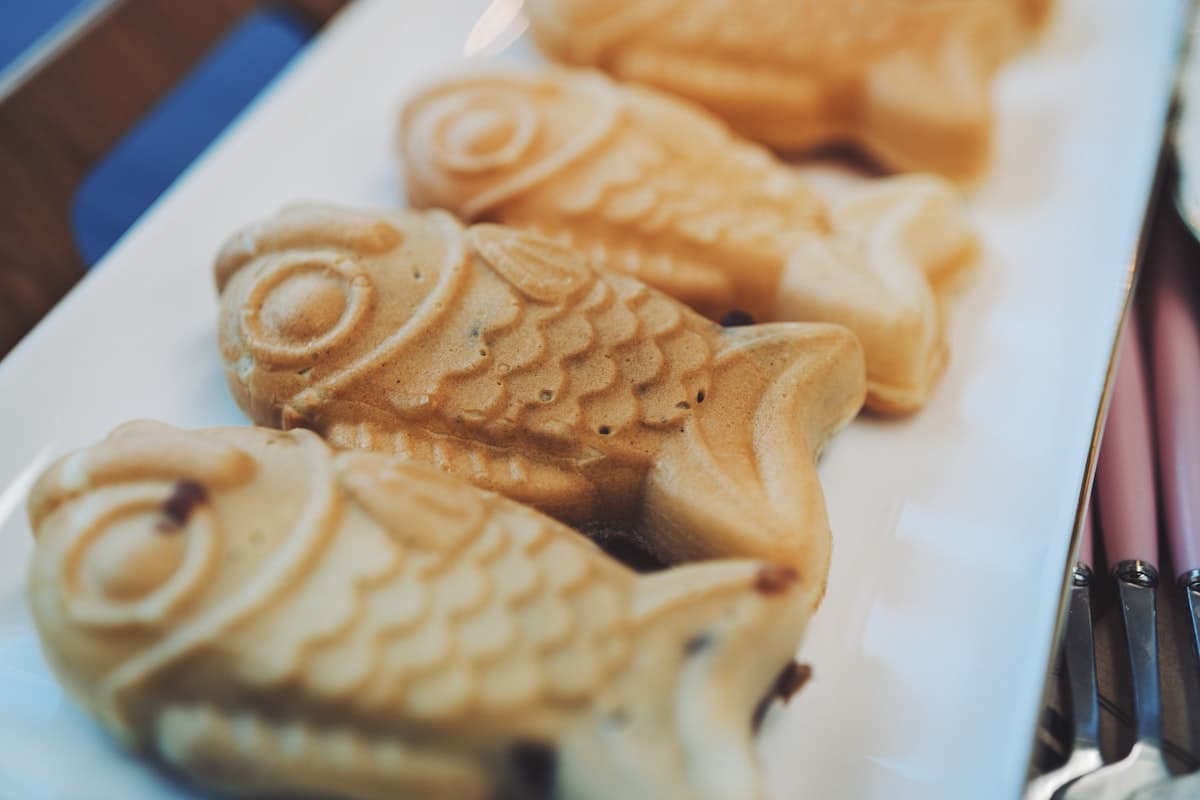
Bungeoppang (Fish-Shaped Pastry)
The mold-and-batter technique behind bungeoppang, and why the filling amount matters more than the shape itself.
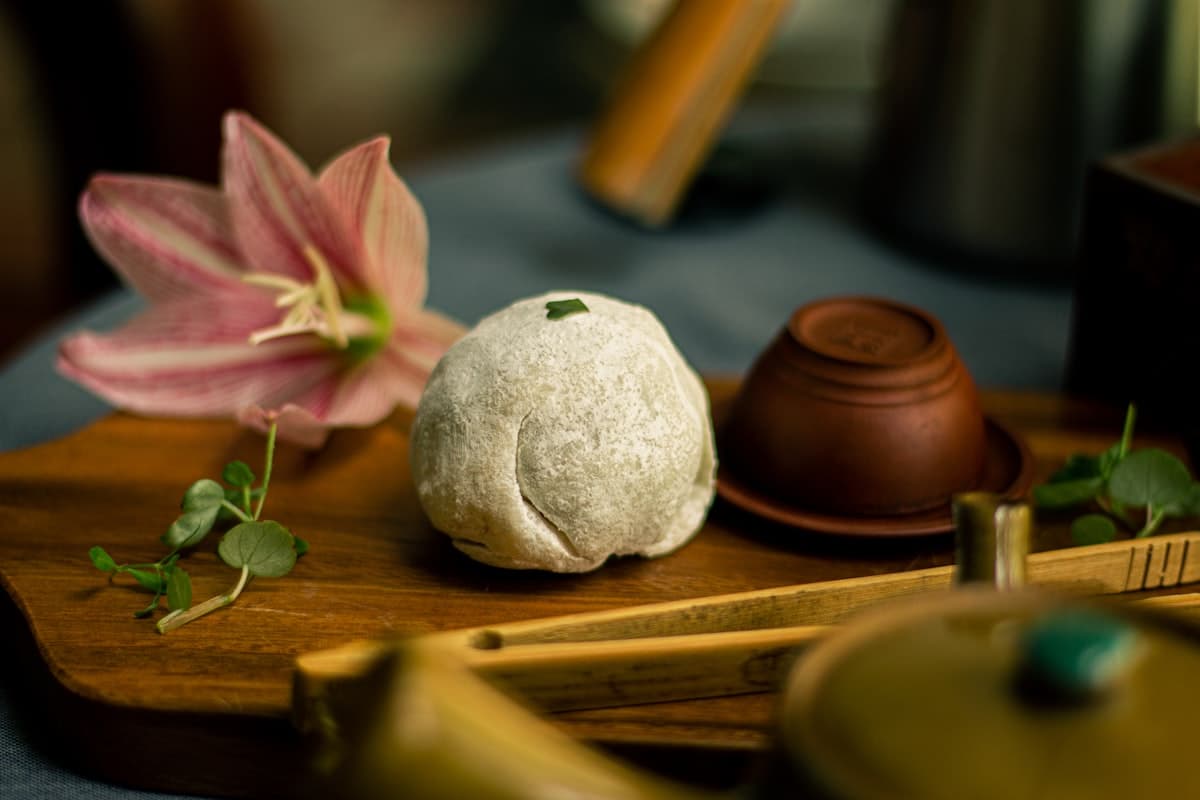
Chapssaltteok (Sweet Rice Cake with Filling)
The steam-then-pound technique behind chewy chapssaltteok, and why the filling needs to be fully cooled before wrapping.
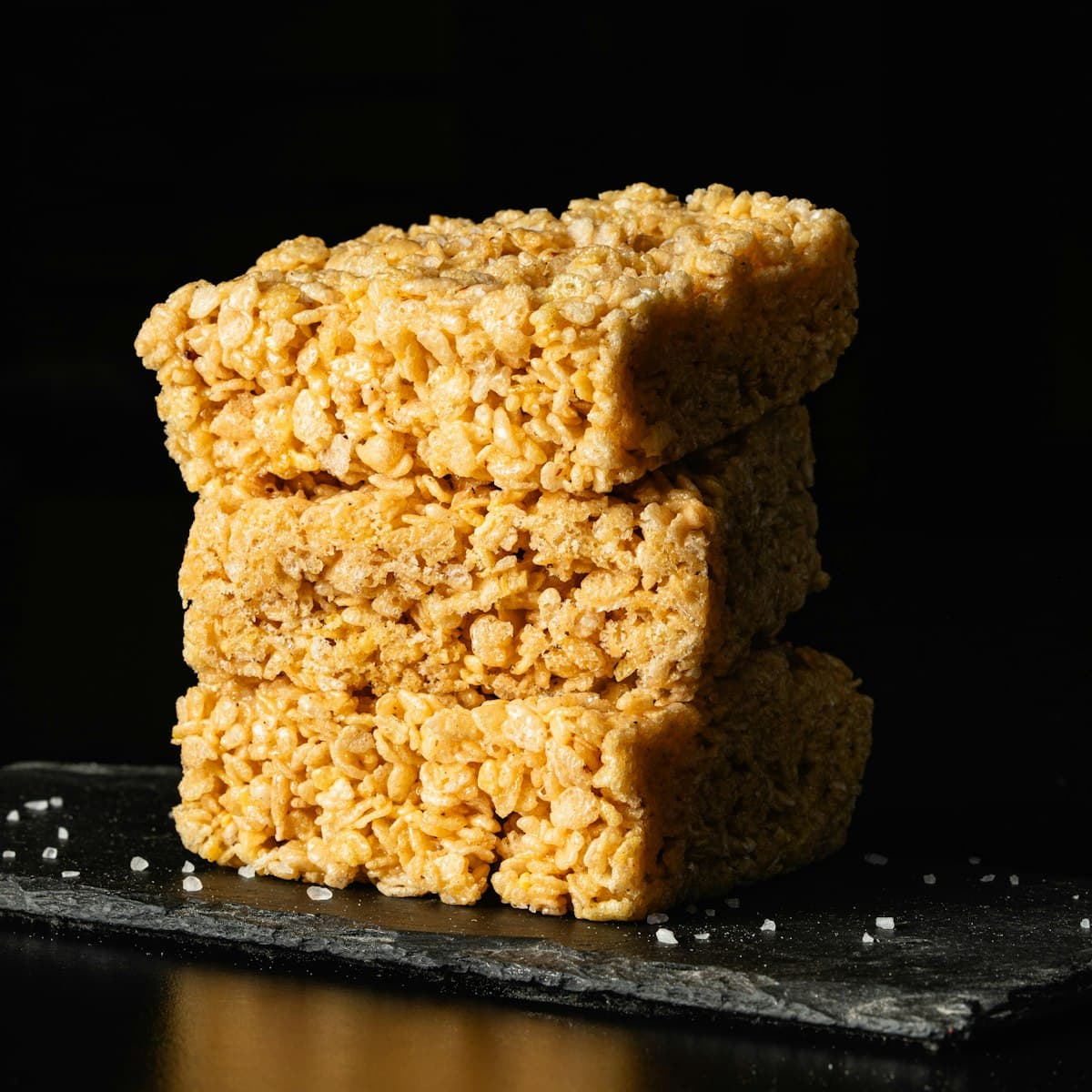
Gangjeong (Puffed Rice Candy)
The syrup temperature behind gangjeong's clean set, and why working fast once the syrup is ready matters more than any other step.
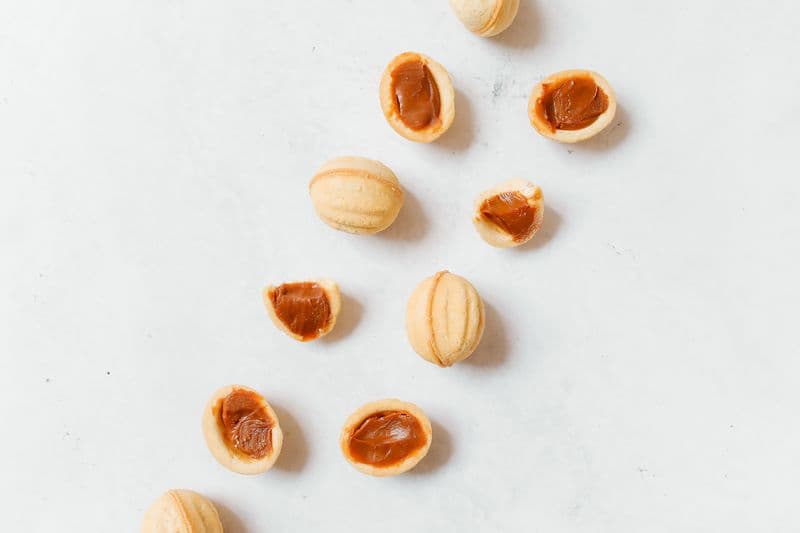
Hodu-gwaja (Walnut-Shaped Cakes)
Why the batter needs to be thin and the mold genuinely hot before filling, and how overfilling is what causes leaks and uneven shells.
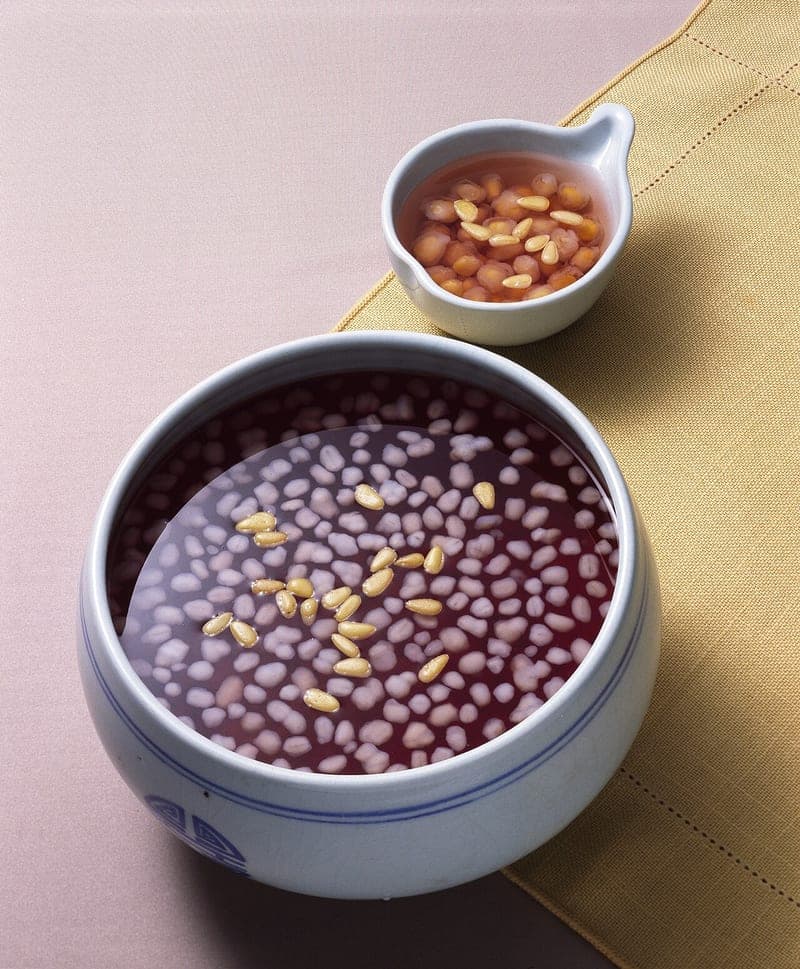
Hwachae (Fruit Punch)
How to build a traditional Korean summer punch, why omija is steeped in cold water rather than hot, and what the floating pine nuts are actually for.
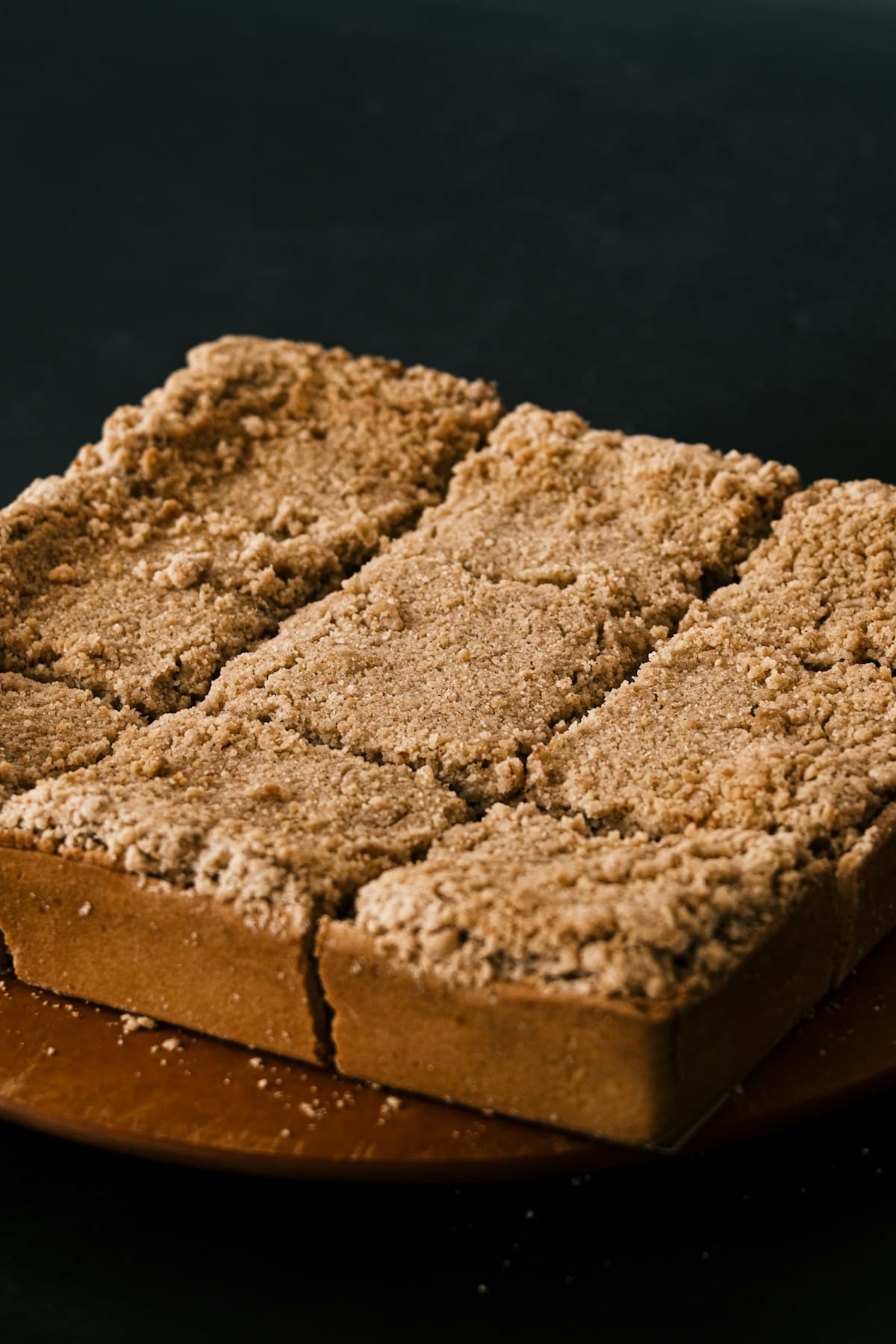
Injeolmi (Rice Cake Dessert)
The steam-and-pound technique behind injeolmi's chewy texture, and why the soybean powder coating matters as much as the rice cake itself.
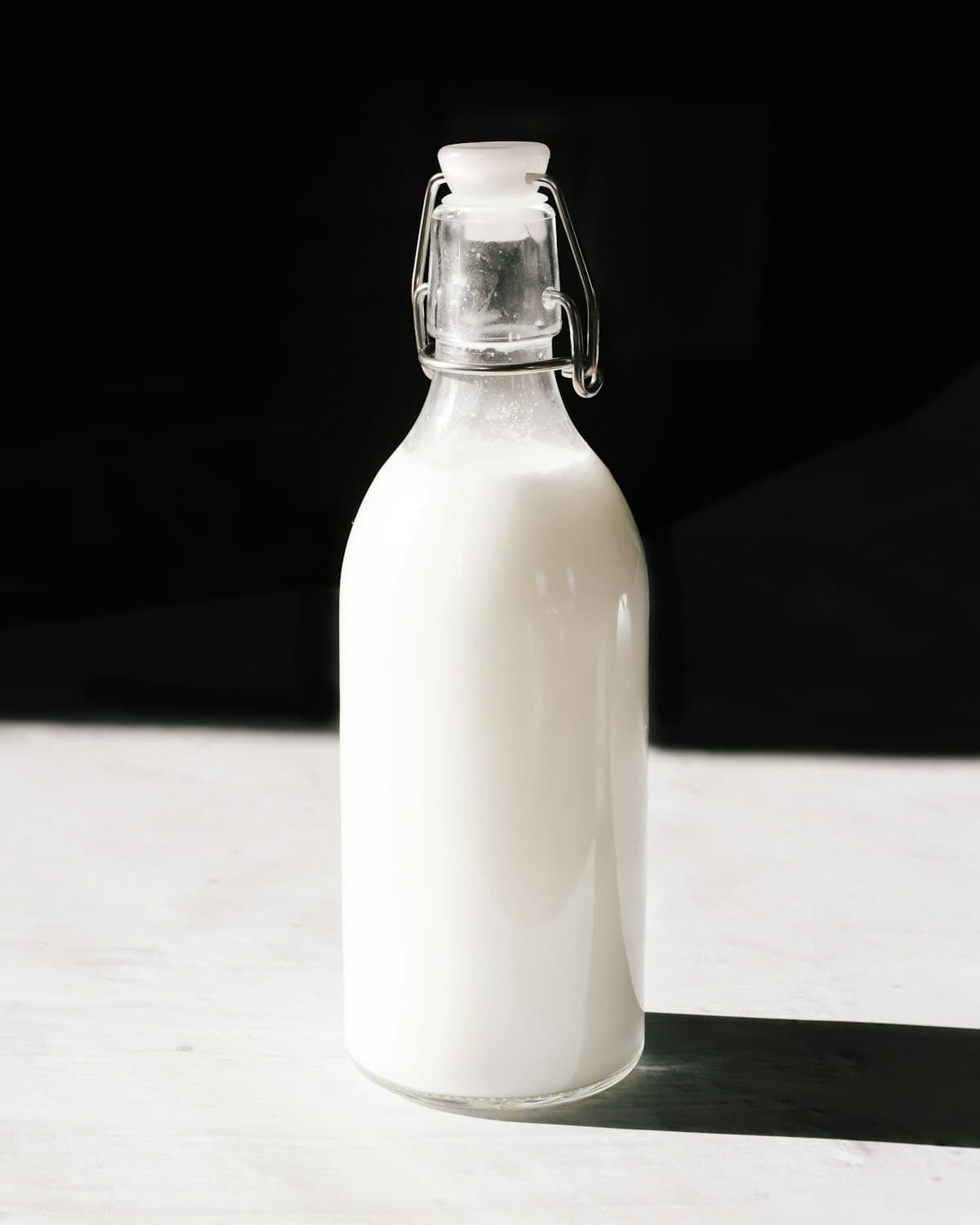
Makgeolli (Home-Brewed Rice Wine)
The nuruk fermentation timing behind homemade makgeolli, and why temperature control matters more than any other step.
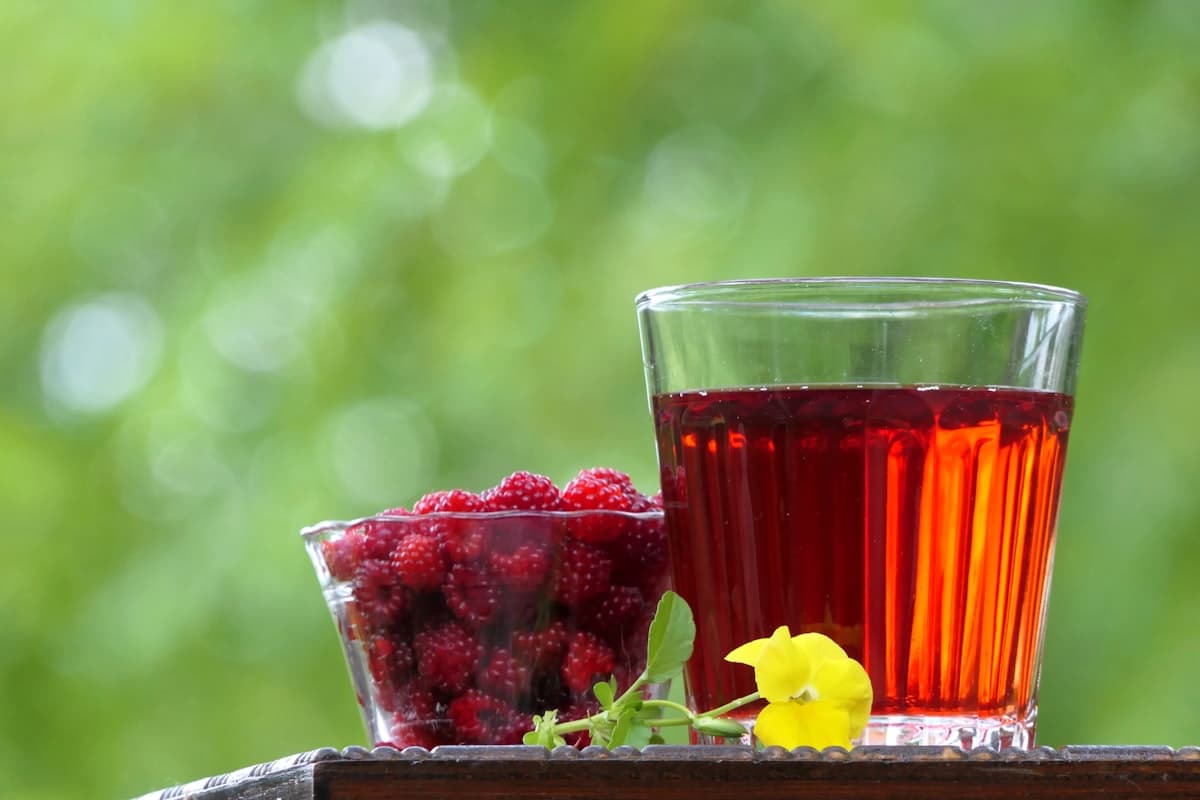
Omija-cha (Five-Flavor Berry Tea)
The cold-steep technique behind omija-cha, and why heat is the one thing this tea's delicate flavor balance can't handle.
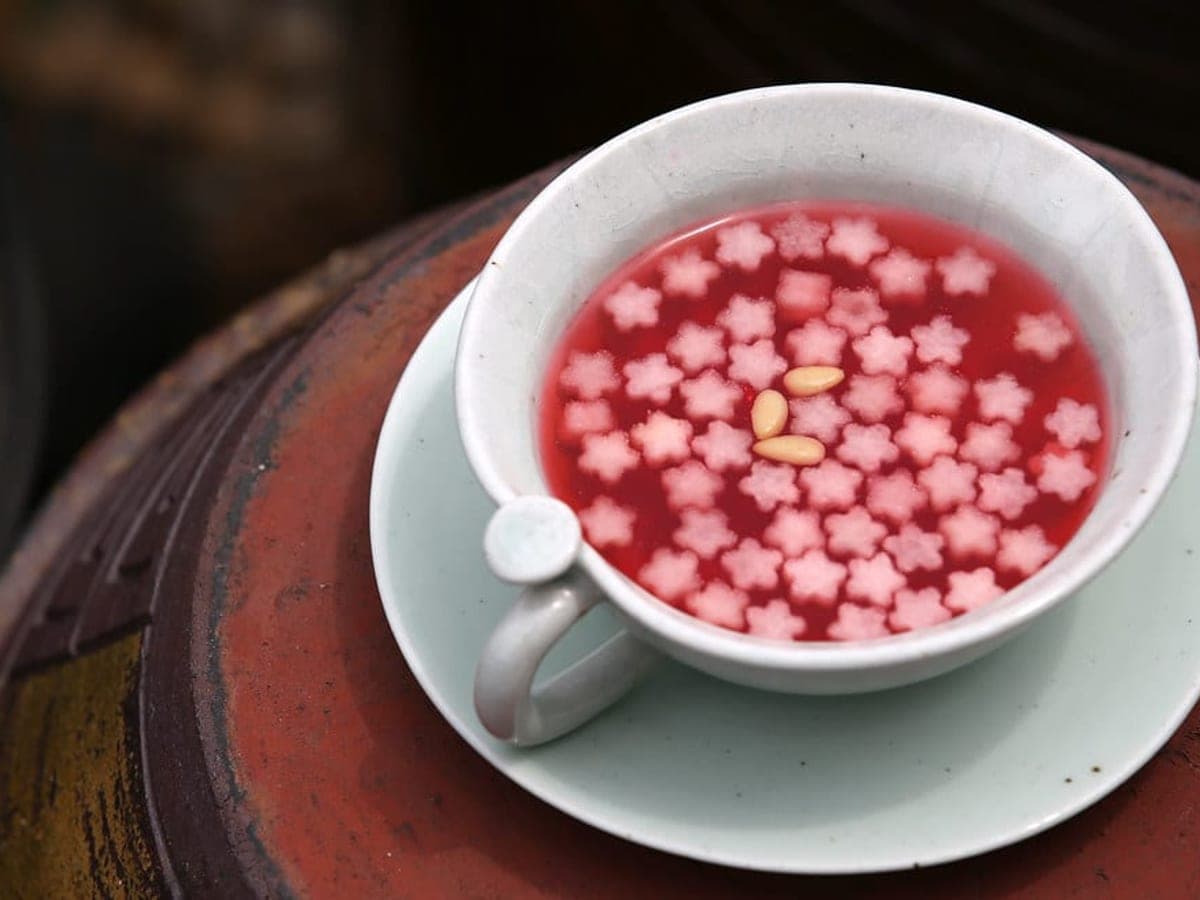
Omija Hwachae (Five-Flavor Berry Punch)
Why omija berries are steeped in cold water overnight rather than boiled, and how the fruit garnish is cut so it floats instead of sinking to the bottom.
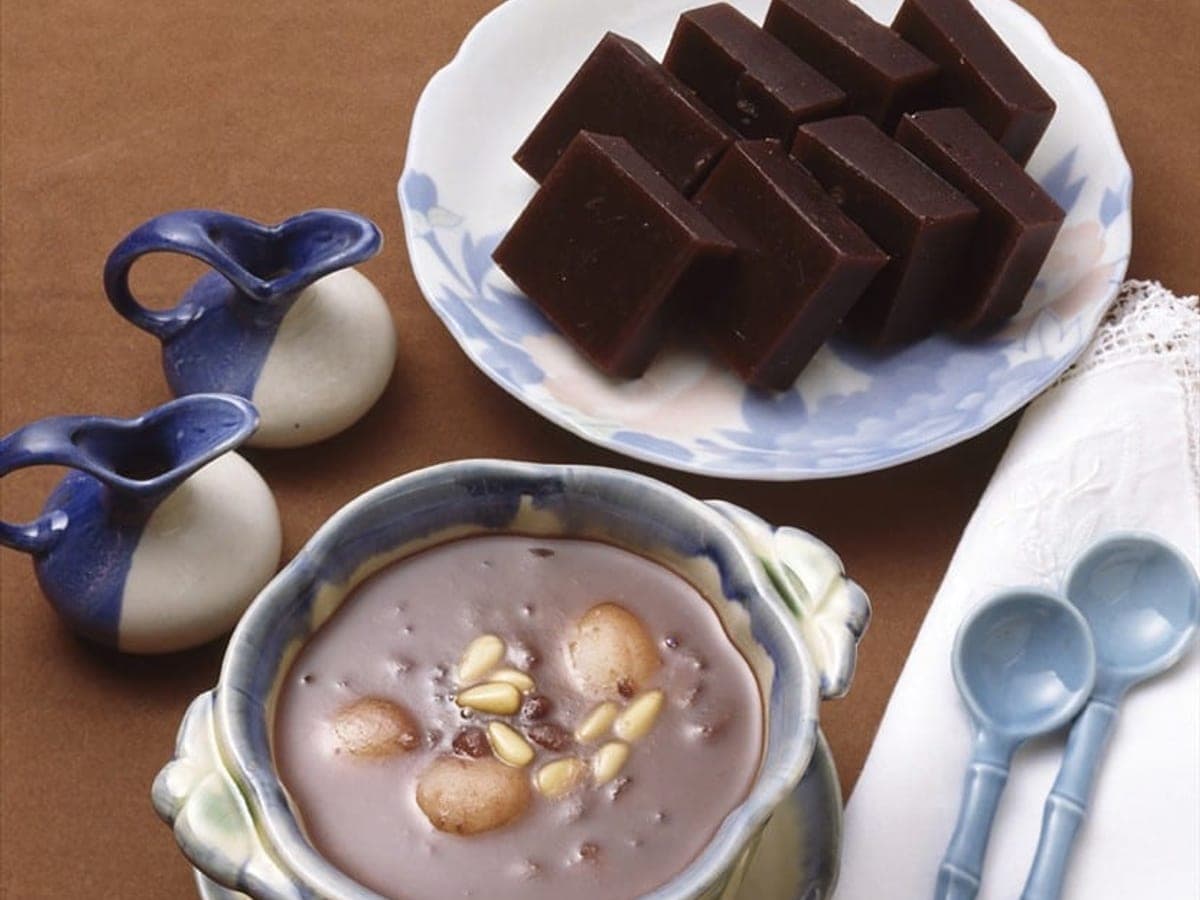
Patjuk (Red Bean Porridge)
Why the first boil of the red beans is drained away, and how the rice-ball dumplings go in at the very end so they stay chewy instead of dissolving.
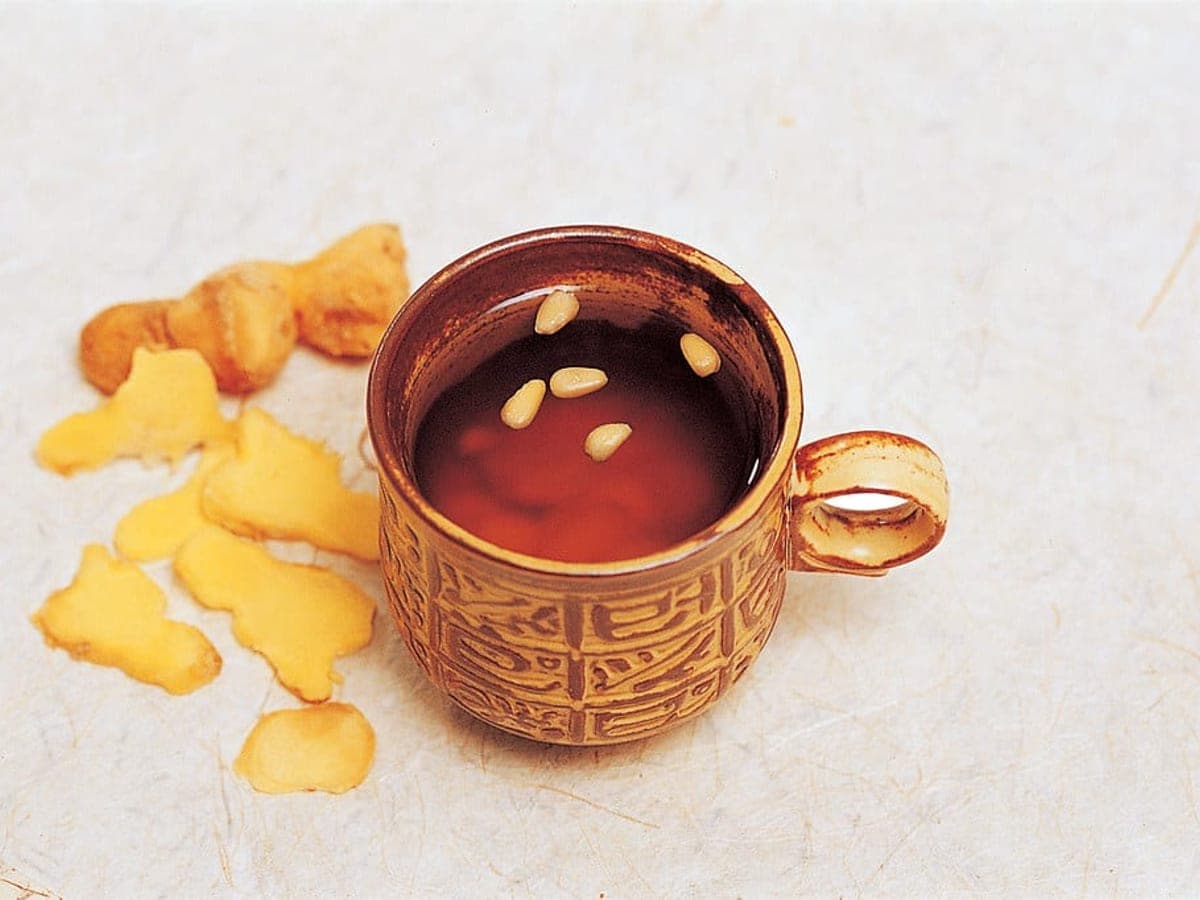
Saenggang-cha (Ginger Tea)
Why Korean ginger tea is preserved with honey as a raw paste rather than brewed fresh, and how the ginger is sliced so it releases heat without turning bitter.
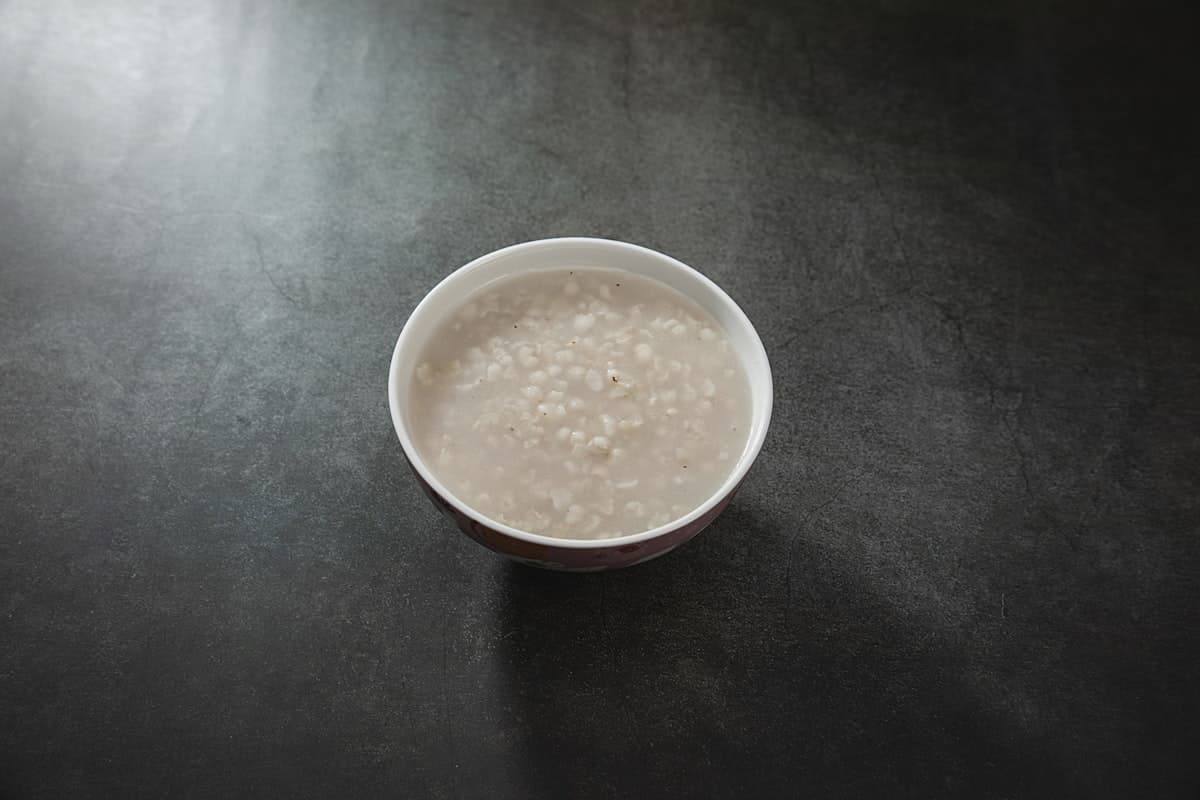
Sikhye (Sweet Rice Punch)
The malted-barley technique that turns plain rice water into sikhye's sweet, floating-grain punch, without any added sugar doing the real work.
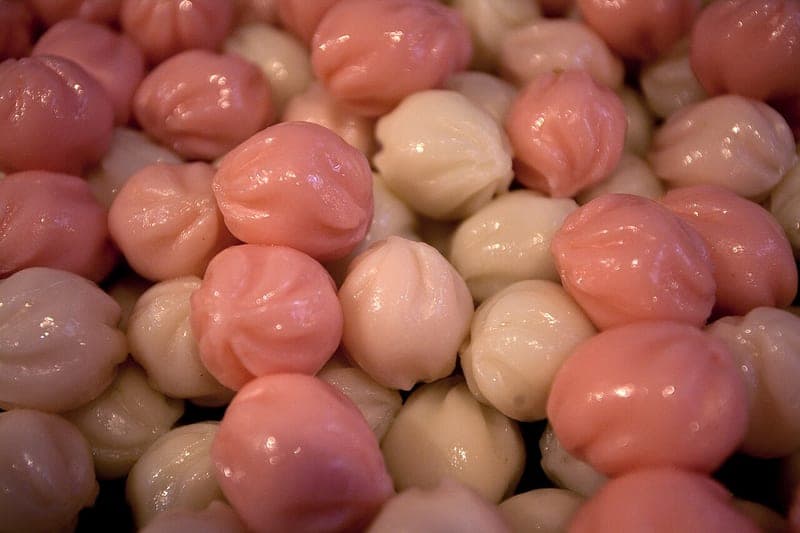
Songpyeon (Chuseok Rice Cakes)
Why the dough has to be kneaded with boiling water, and how steaming over pine needles gives these Chuseok rice cakes their name and scent.
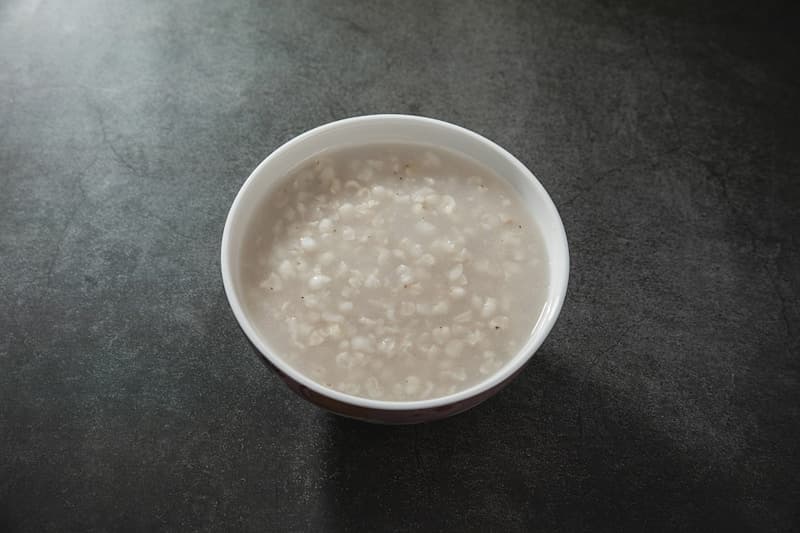
Sungnyung (Scorched Rice Water)
Why the rice crust needs to be genuinely toasted, not just leftover cooked rice, for real sungnyung flavor — and how to build that crust on purpose.
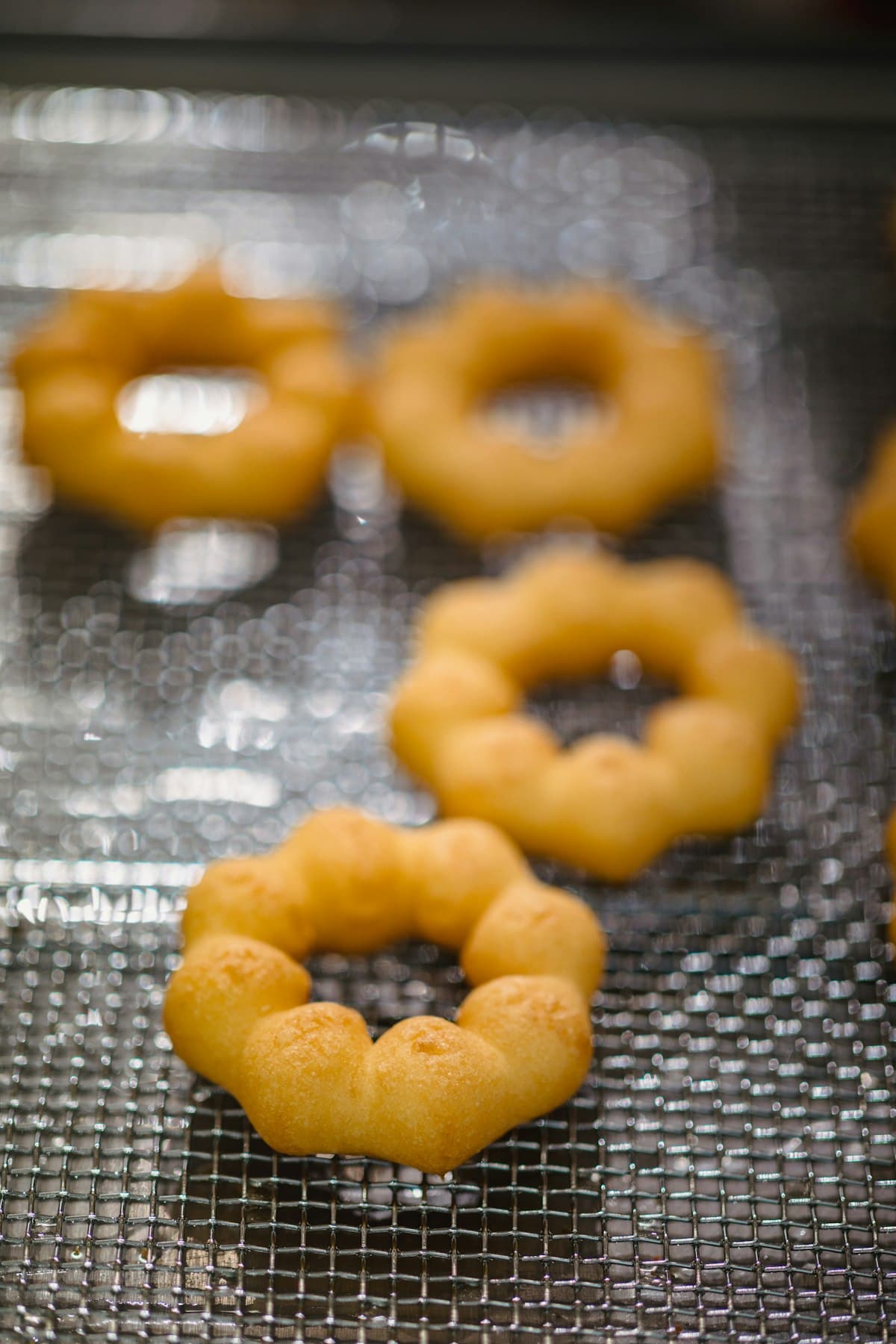
Yakgwa (Honey Cookie)
The sesame-oil dough and double-fry technique behind yakgwa, and why the honey syrup soak matters more than the shaping.
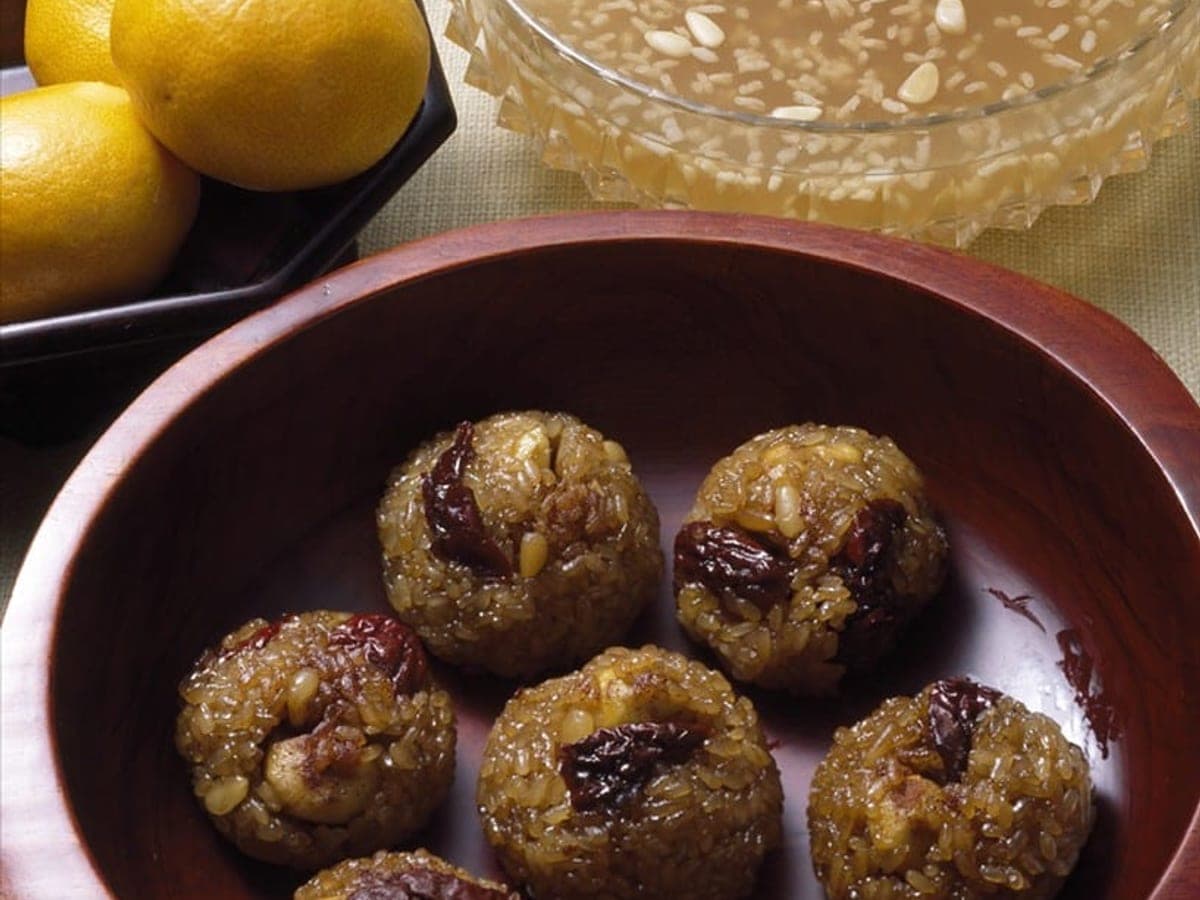
Yaksik (Sweet Rice with Nuts and Dates)
Why yaksik uses glutinous rice steamed twice rather than boiled, and how the caramel colour comes from the sugar rather than from soy sauce alone.

Yuja-cha (Citron Tea)
The sugar-ratio technique behind a proper yuja-cha marmalade base, and why the peel matters as much as the fruit inside it.