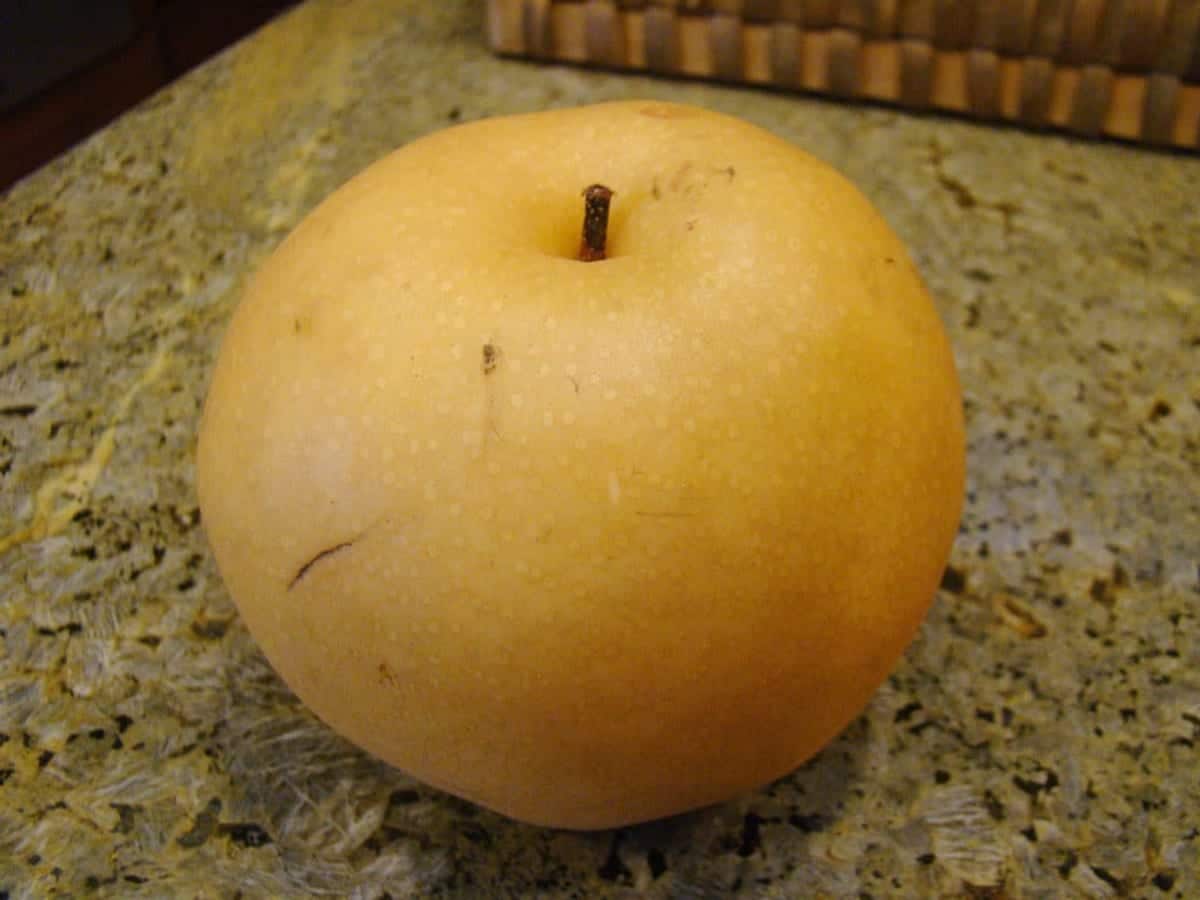
Photo: Vegan Feast Catering · CC BY
Did you know — Korean culture
Korean pear, or bae, is grown to be eaten fresh rather than cooked, and the fruit sold in Korea is startlingly large — individually wrapped in protective netting and often given as a formal holiday gift in padded boxes. Its use in marinades is essentially a by-product of a fruit bred for juiciness: the same high water and enzyme content that makes it a good dessert pear makes it good at breaking down beef.
Asian pear turns up in nearly every Korean meat marinade — bulgogi, galbi, dak-bulgogi — and people tend to assume it is there for sweetness. It is not, or not mainly. It is there because it contains enzymes that break down muscle protein, which is what makes thin-sliced beef go genuinely tender rather than just sweet.
That matters for substitution, because most things that taste similar do not do the same job. Swapping in sugar gets you the flavour and none of the tenderising, which is why bulgogi made that way can end up sweet and chewy at the same time.
What actually works
Bosc or Anjou pear — closest in flavour, less enzymatic but still helpful. Use about 1.5× the quantity.
Kiwi — by far the most powerful tenderiser here, and the most dangerous. Use a quarter of what the recipe asks for in pear, and marinate no longer than 30 minutes or the surface of the meat turns to mush.
Pineapple — works, but pushes the flavour somewhere distinctly un-Korean. Same short-marinade warning as kiwi.
What does not work
Apple substitutes for the sweetness and moisture but has almost no tenderising effect. Perfectly fine if you are already using a tender cut.
Sugar or honey alone changes the dish. You will get colour and caramelisation but the texture stays exactly as tough as the cut you started with.
Getting the texture right
Grate rather than chop, and grate on the fine side. The pear should disappear into the marinade — visible chunks sit on the meat, burn on the grill, and leave the rest of the surface untreated.
If you have a blender, pear plus onion plus garlic blitzed together is the standard shortcut and gives a more even coating than grating by hand.
Timing matters more than quantity
Enzymatic tenderising does not stop when the meat is tender — it keeps going until the surface turns pasty. Thin-sliced beef wants 30 minutes to 2 hours; overnight is too long unless the cut is thick. This is the opposite instinct to a salt-and-acid marinade, where longer is usually safer.
What the pear is actually doing
Two separate jobs, which is why the substitution question has two answers.
Tenderising. Asian pear contains protease enzymes that break down muscle protein. This is real chemistry, not folklore, and it is why bulgogi marinated with pear comes out noticeably softer than one marinated without.
Sweetness with body. A clean, watery sweetness that sugar cannot replicate — sugar sweetens but does not add the fresh, slightly floral note or the moisture.
If you only need sweetness, sugar or syrup is fine. If you need the tenderising, you need something enzymatic.
Ranked substitutes
Bosc or other firm Western pear — the closest in flavour, with some enzymatic action though less than Asian pear. Use about 1.25× the amount.
Apple — the most common substitute and widely used in Korea itself. Slightly sweeter and less watery. 1:1, grated.
Kiwi — by far the strongest tenderiser, and the one to be careful with. Use a quarter of the pear quantity and cut the marinating time to 30 minutes. Left longer, kiwi turns meat mushy and slightly mealy, and there is no recovering it.
Pineapple — also strongly enzymatic, same caution as kiwi, and it brings an assertive tropical flavour that does not belong in most Korean marinades.
Onion, grated — mild tenderising plus savoury sweetness. Already in most Korean marinades anyway, so increasing it is the lowest-risk adjustment.
Sugar or syrup alone — sweetness only, no tenderising. Use about a tablespoon per pear, and consider slicing the meat thinner to compensate.
The timing trap
Enzymatic tenderisers do not stop working when the meat is tender enough.
With Asian pear: 2–4 hours is ideal for thin cuts, overnight is fine, but beyond about 12 hours the texture starts to degrade.
With kiwi or pineapple: the window is 30 minutes to an hour. Overnight will give you meat with the texture of pâté.
Freezing pauses it. Marinated meat frozen in its marinade does not over-tenderise, which makes freezing the safest way to prep galbi or bulgogi ahead.
Common questions
What is the best substitute for Asian pear in bulgogi?
Grated apple, roughly 1:1. It's widely used in Korea itself, gives similar sweetness and some tenderising, and is far more forgiving than kiwi. Bosc pear is closer in flavour if you have one.
Can I use kiwi instead of Asian pear?
Yes, but use about a quarter as much and marinate for only 30 minutes to an hour. Kiwi's enzymes are much more aggressive and will turn the meat mushy if left overnight.
Can I just use sugar instead of pear?
For sweetness, yes — about a tablespoon per pear. You'll lose the tenderising entirely, so slice the meat thinner to compensate, or add extra grated onion, which does some of the same work.
What is an Asian pear?
A round, crisp, very juicy pear — firmer and less grainy than European pears, and closer to an apple in texture. Sold as nashi, Korean pear or apple pear depending on where you are.
More to cook
All Ingredient & Substitute Guides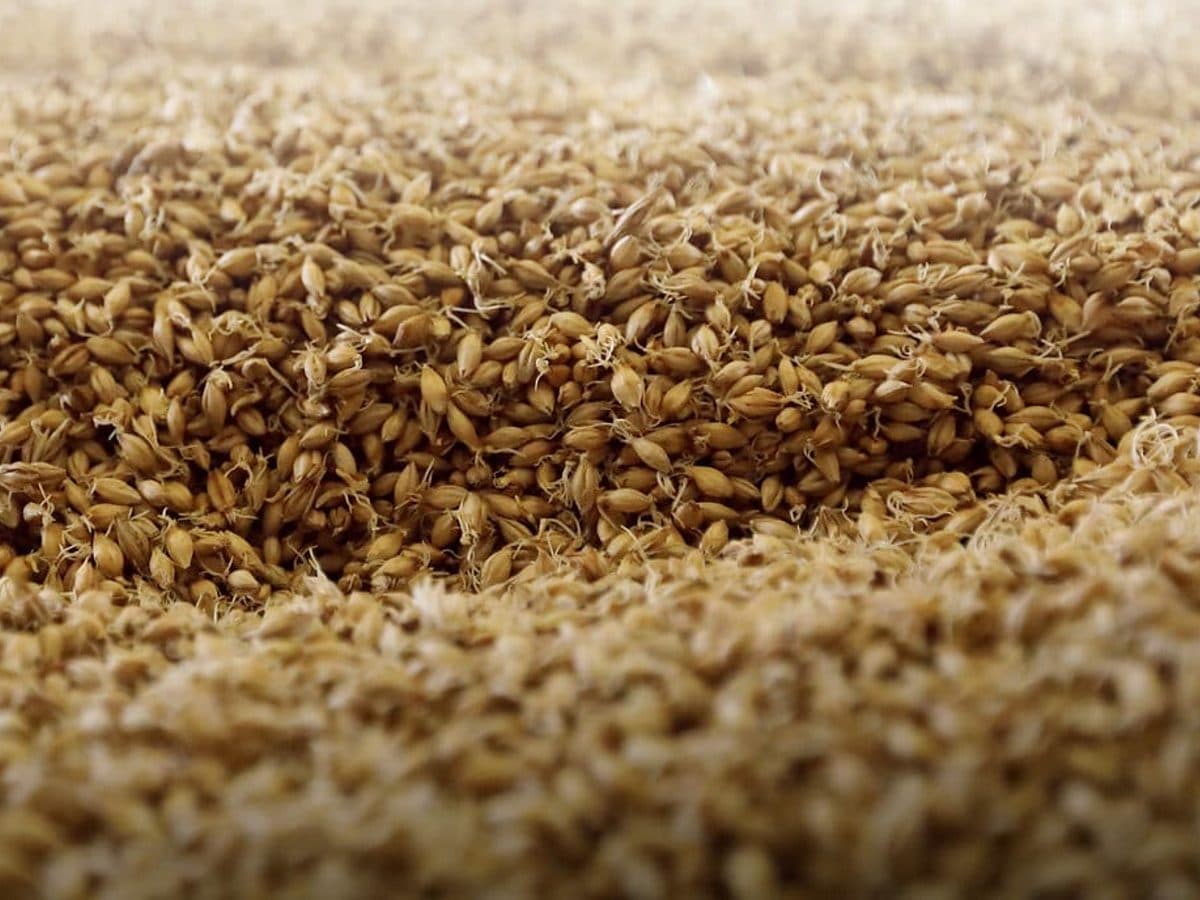
Bori (Barley) in Korean Cooking
Why barley is mixed into Korean rice rather than cooked alone, how much to use, and why it needs a longer soak than the rice it sits with.
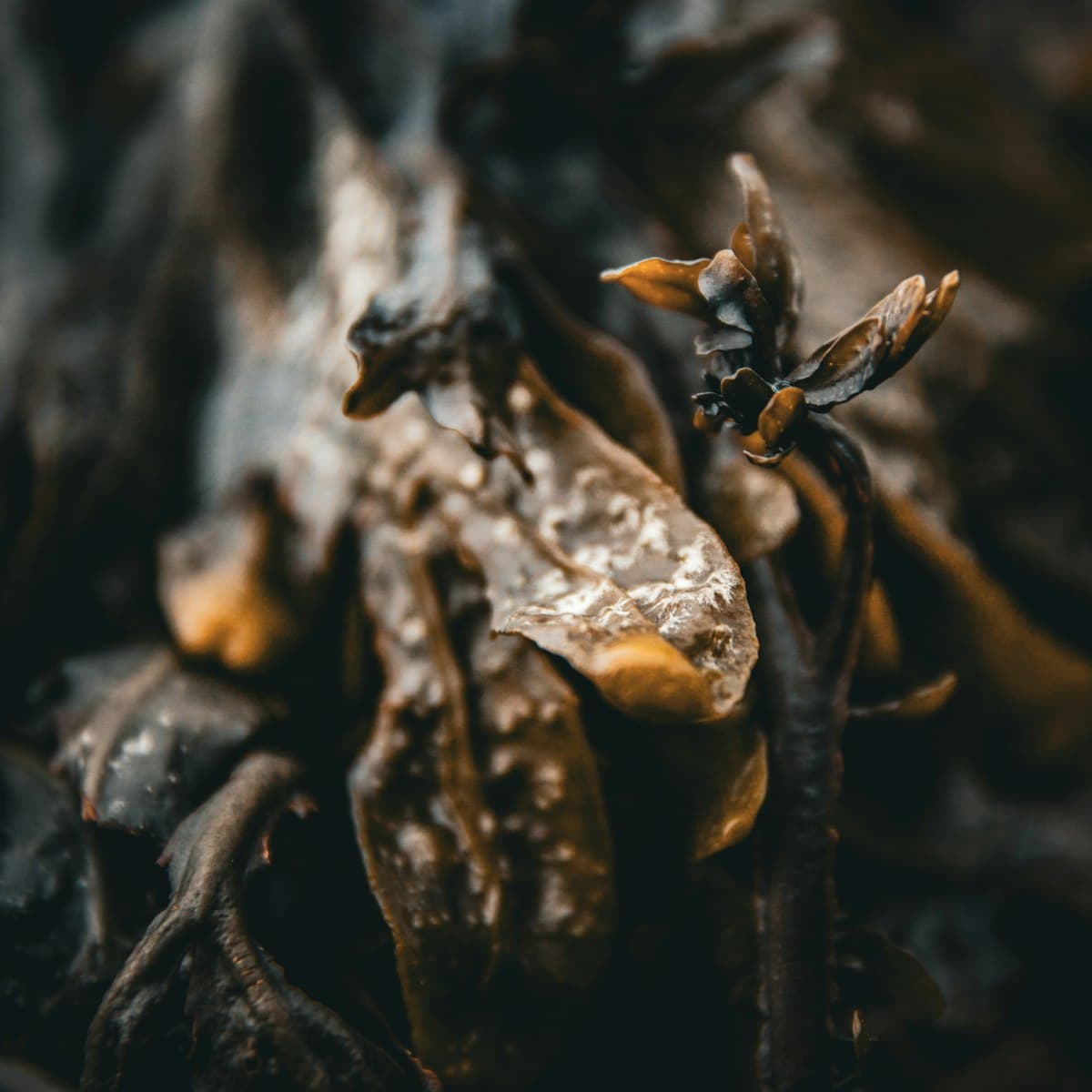
Dasima & Dried Anchovy Stock (Yuksu)
What dasima (dried kelp) is, why it's simmered with dried anchovies for Korean soup bases, and how long is actually enough.
Doenjang (Fermented Soybean Paste)
What doenjang is, how it differs from Japanese miso, and how to use its stronger, funkier flavor without overdoing it.