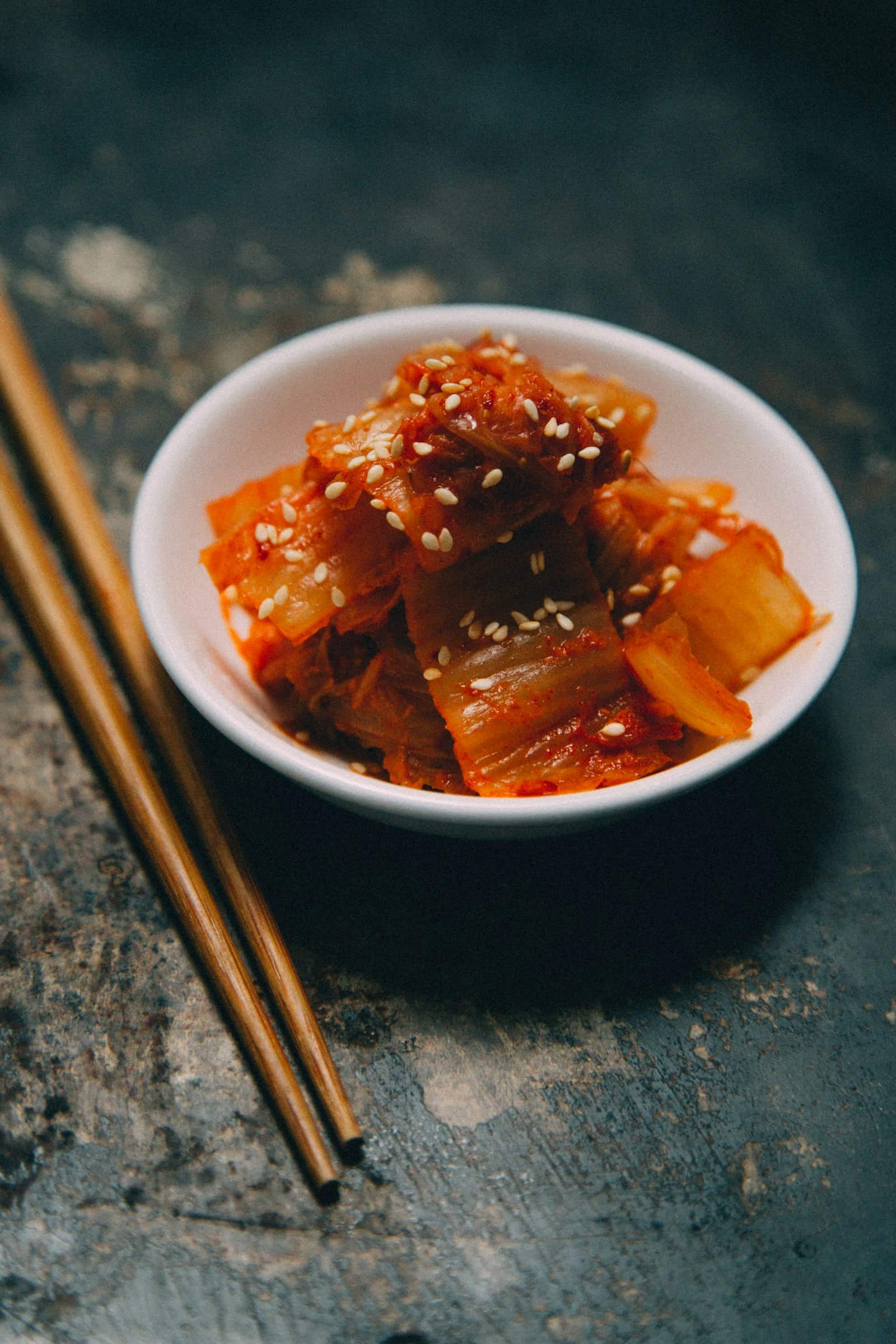
Fermented & Pickled
Kimchi in every form, plus the other jars every Korean fridge keeps stocked. Get the fermentation right and everything else gets easier.
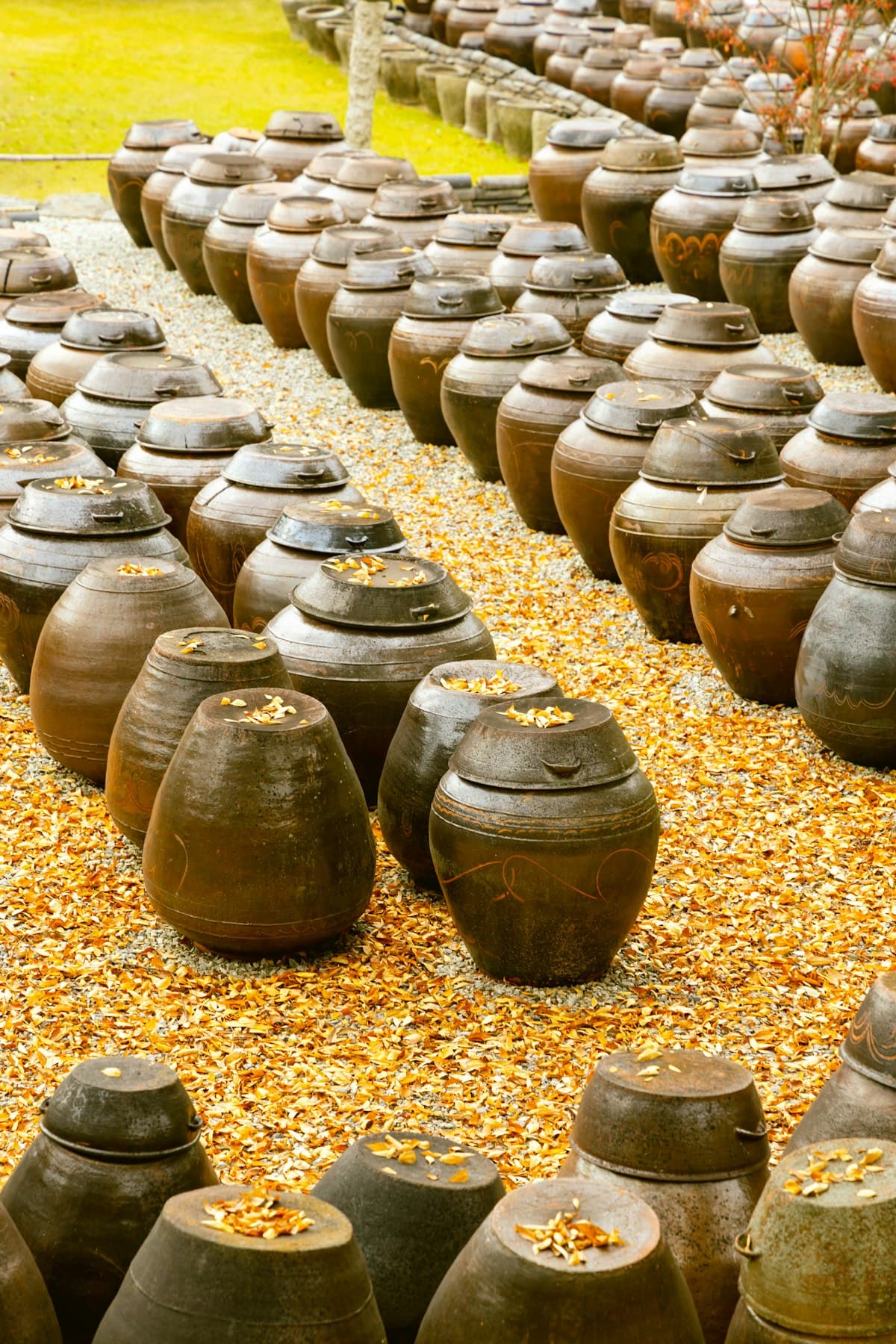
Did you know — Korean culture
Kimchi is older than most countries. Koreans have been fermenting vegetables for roughly 2,000 years — but the fiery red version you know today is the new one. Chili peppers didn't arrive until Portuguese traders brought them in the 1500s. Before that, kimchi was pale and salty, no red in sight.
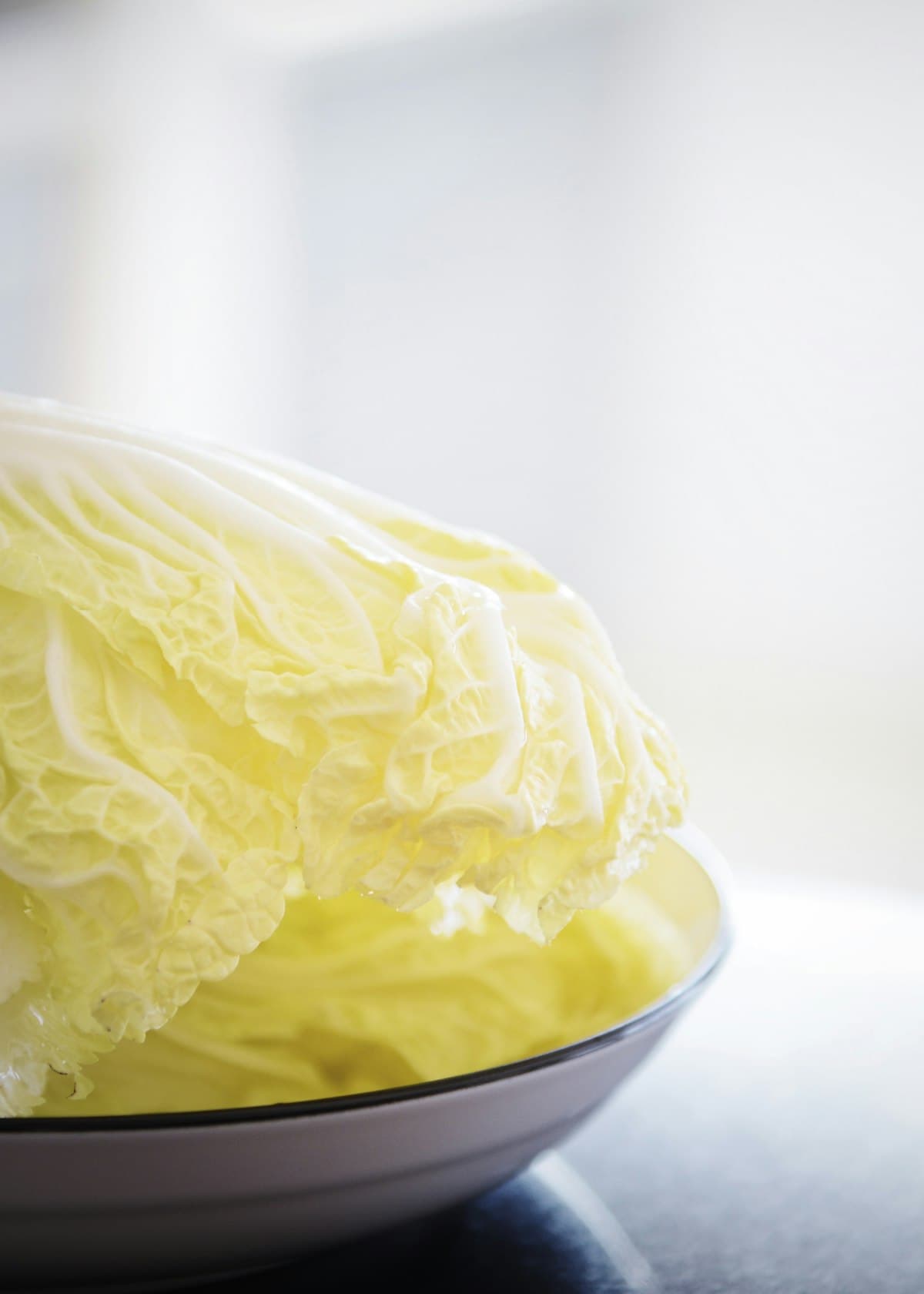
Baek Kimchi (White Non-Spicy Kimchi)
The fruit-and-nut brine technique behind baek kimchi, and how to get real fermented depth without any chili at all.
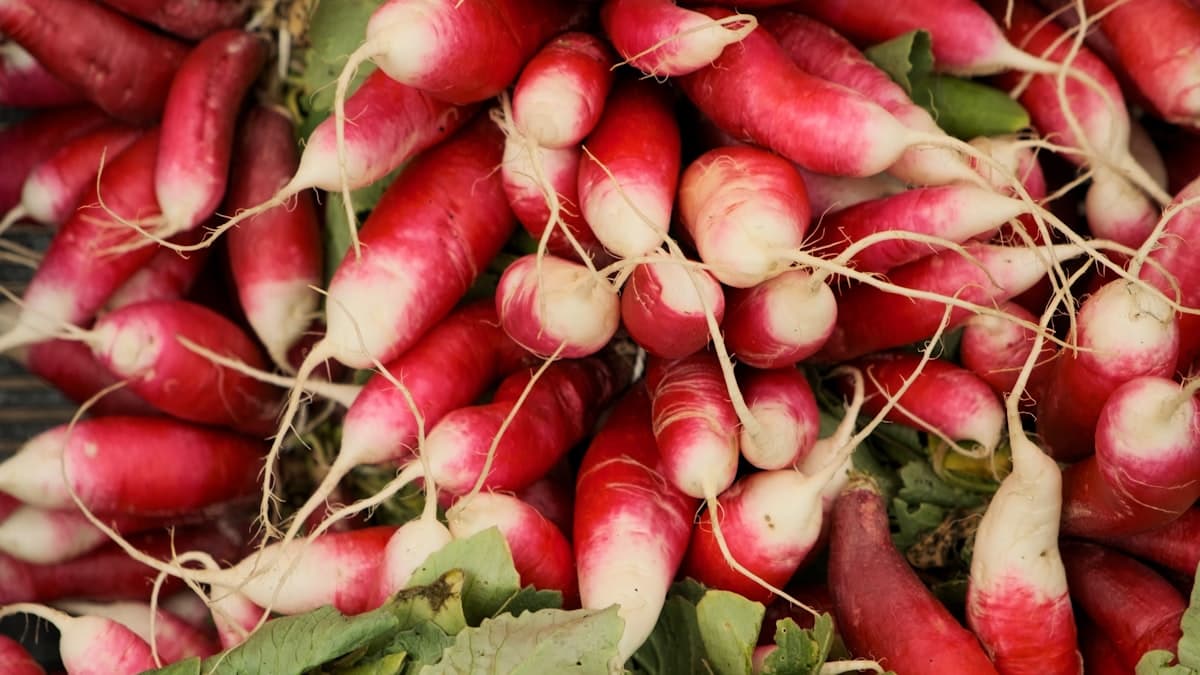
Chonggak Kimchi (Ponytail Radish Kimchi)
The whole-radish brining technique behind chonggak kimchi, and why the greens matter as much as the root.
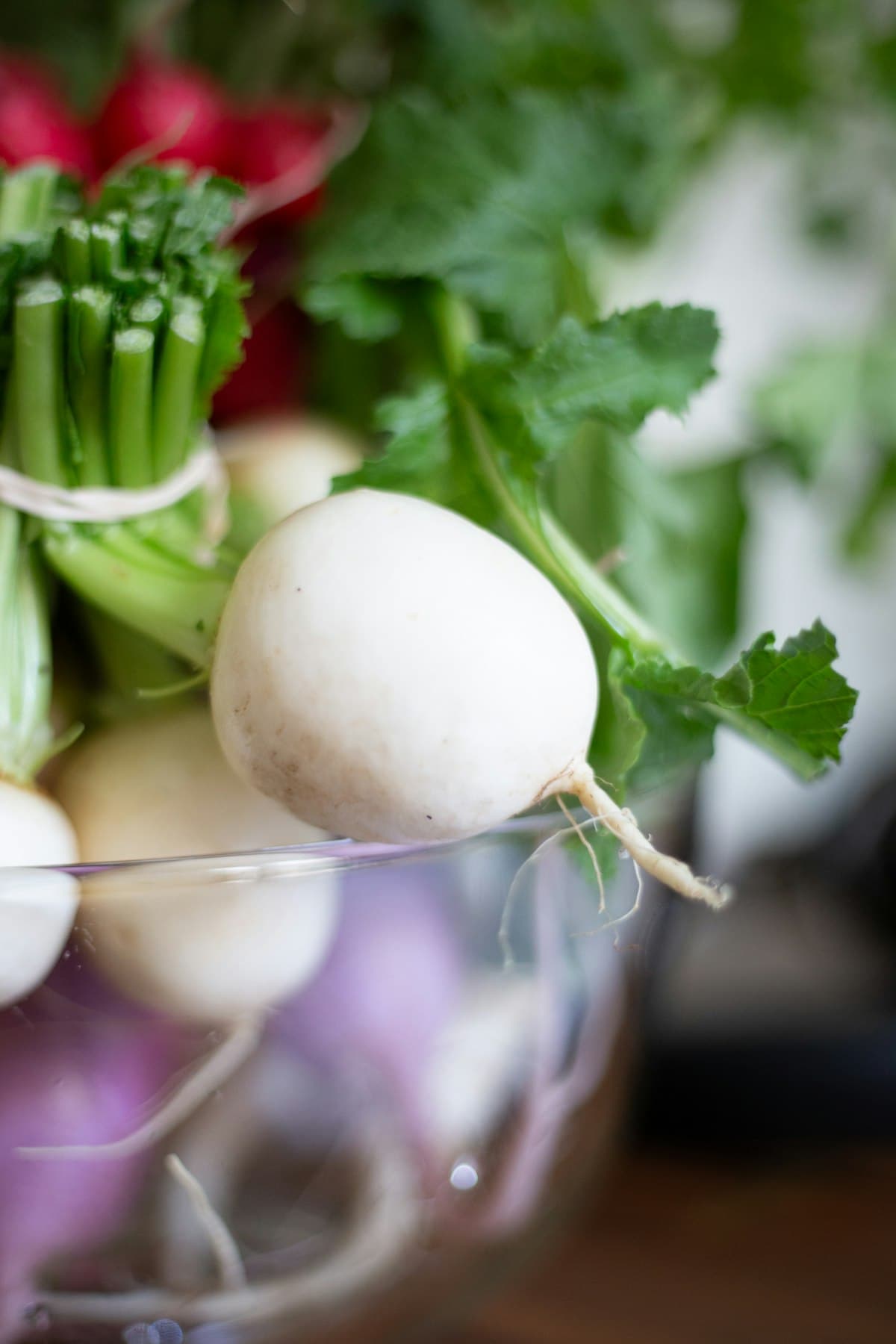
Dongchimi (Watery Radish Kimchi)
The salt-brine technique behind dongchimi's clear, tangy liquid, and why patience matters more than any single ingredient.
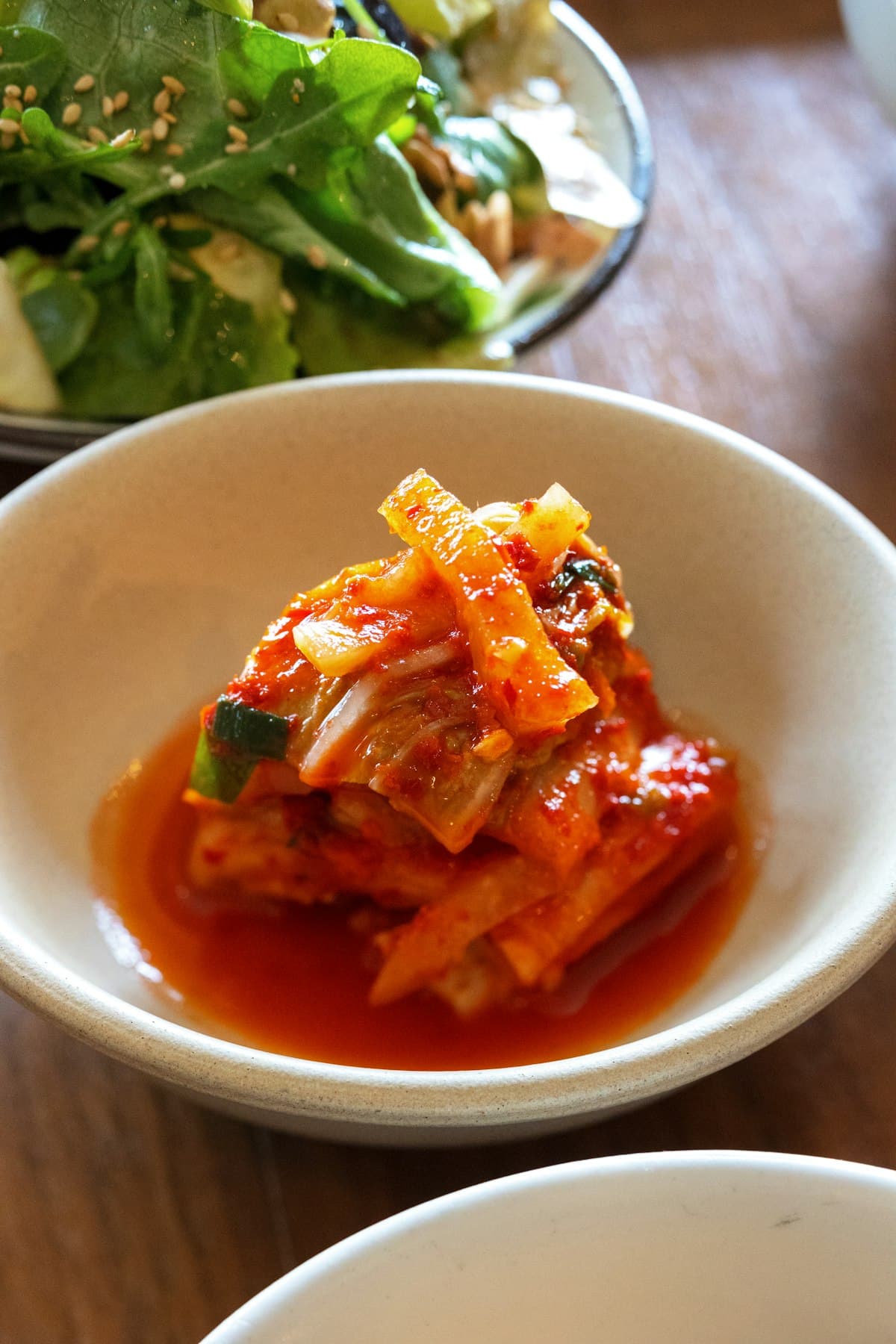
Kkakdugi (Radish Kimchi)
The salt-draw and sugar-balance technique behind kkakdugi, and why cube size determines how it ferments.
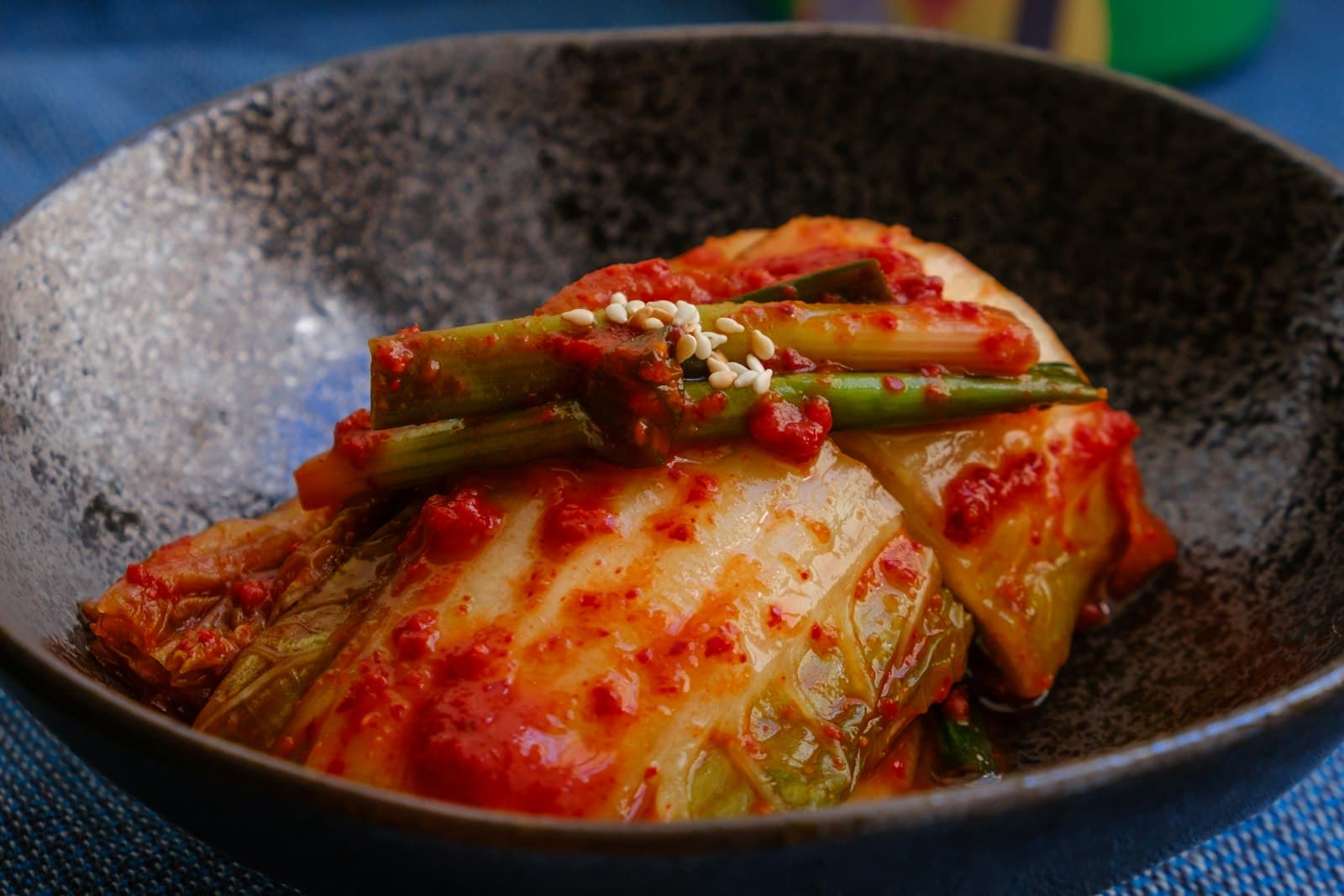
Napa Cabbage Kimchi (Baechu Kimchi)
The napa cabbage kimchi recipe people actually picture when they hear the word — brining, paste, and fermentation timing explained so it works the first time.
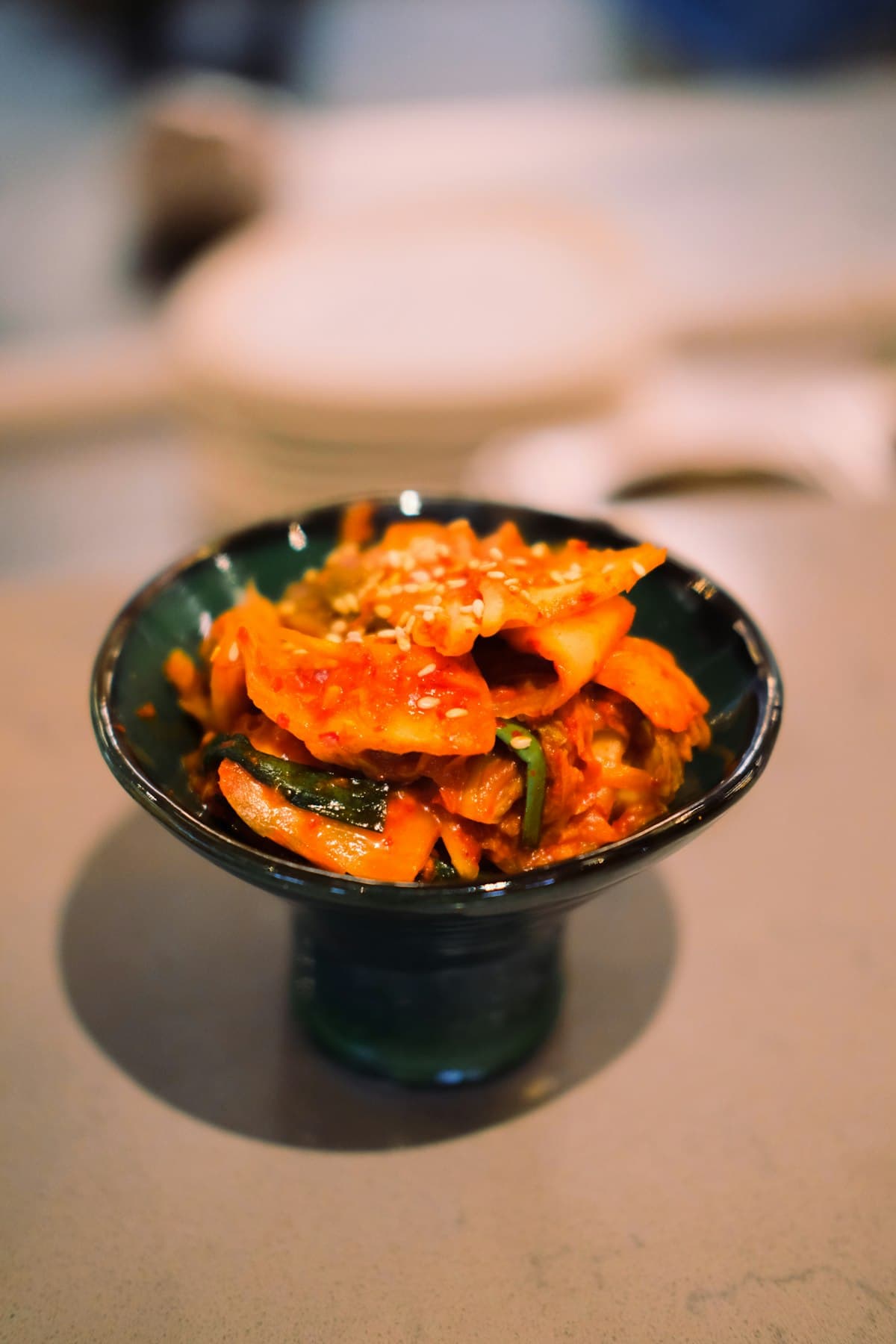
Oi Sobagi (Cucumber Kimchi)
The slit-and-stuff technique behind oi sobagi, and why this kimchi is best eaten fresh rather than long-fermented.
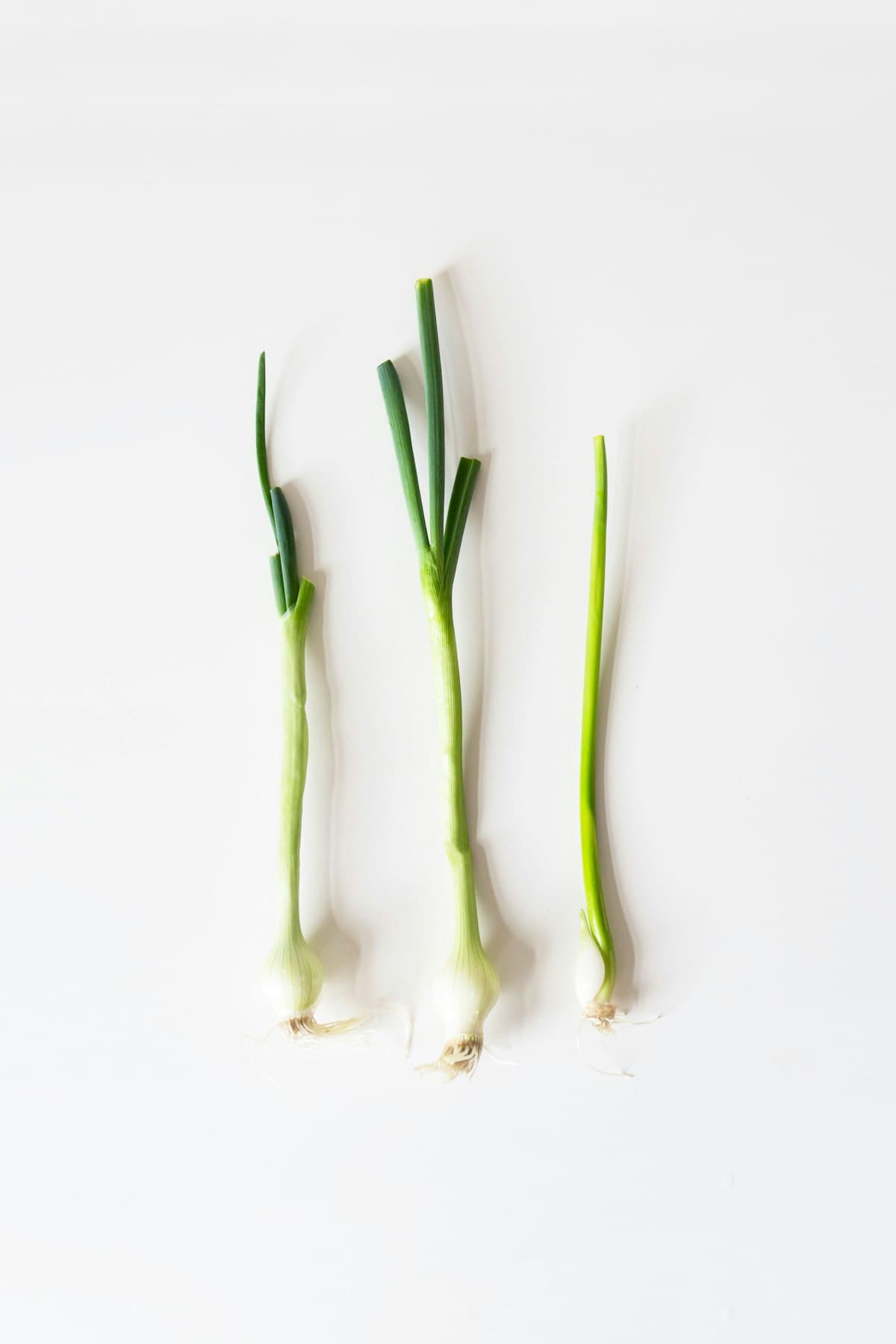
Pa Kimchi (Green Onion Kimchi)
The whole-scallion coating technique behind pa kimchi, and why thinner scallions ferment more evenly than thick ones.
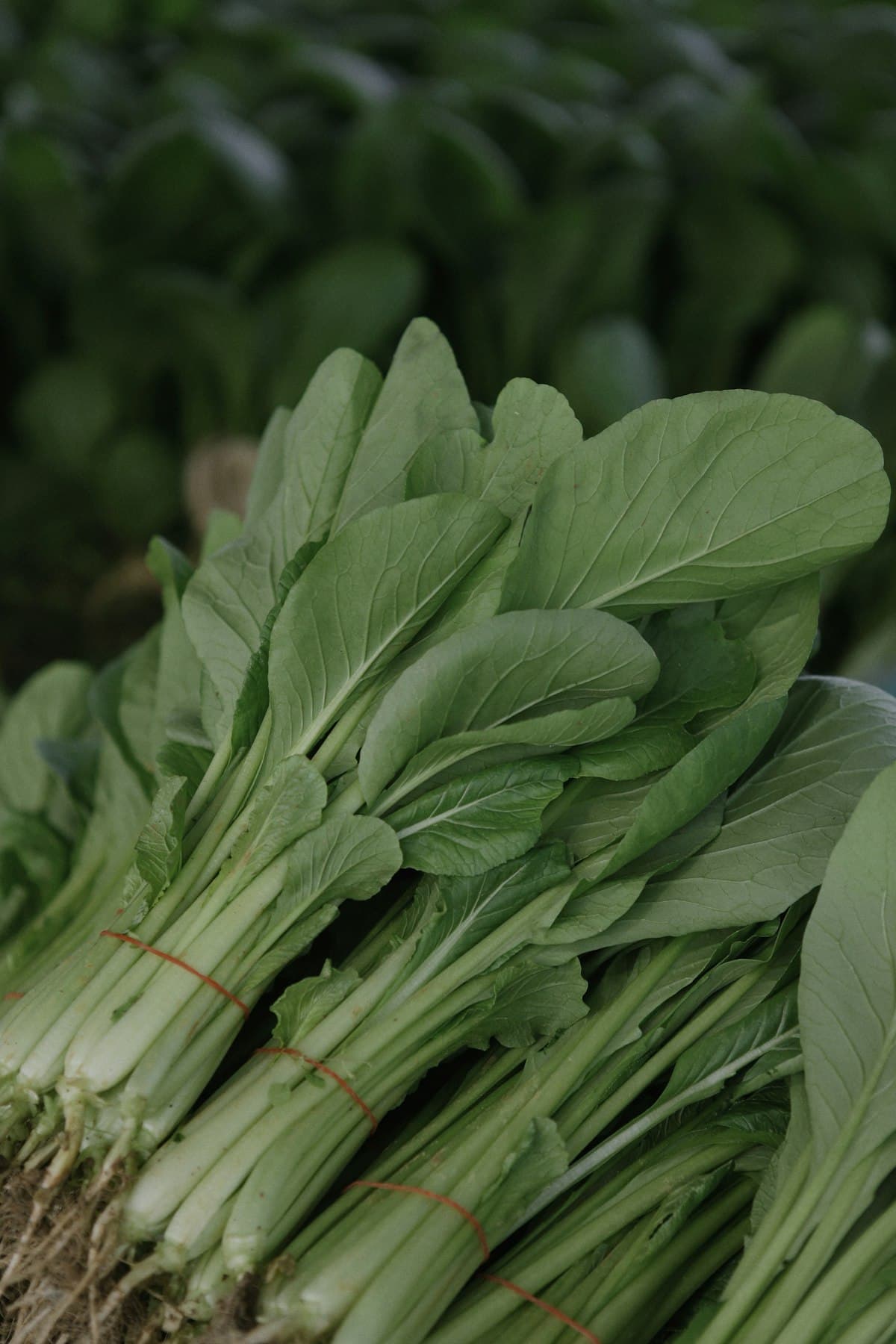
Yeolmu Kimchi (Young Radish Kimchi)
The quick-ferment technique behind yeolmu kimchi, and why it's treated more like a fresh side dish than a long-aged one.