Did you know — Korean culture
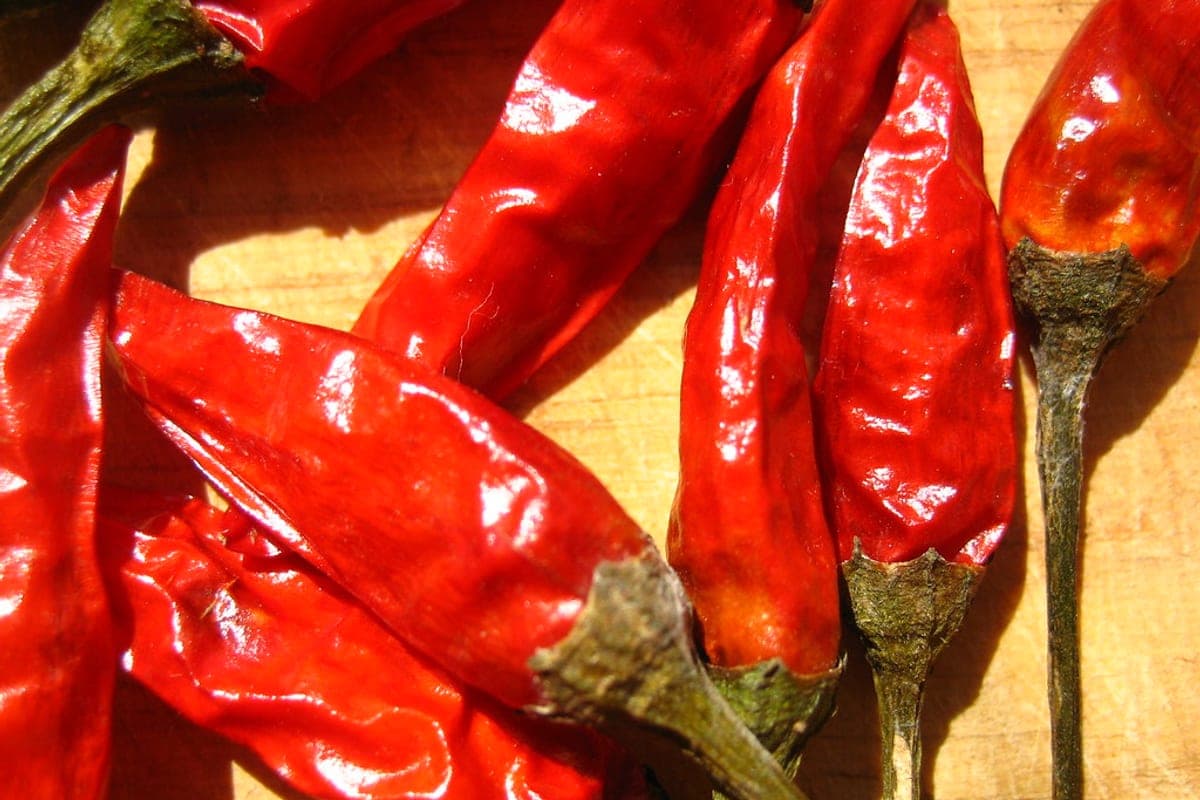
Not all gochugaru is dried the same way, and Korean shoppers can tell. The premium grade is taeyangcho — peppers dried under actual sunlight rather than in a machine — and it commands a real price difference. Sun-drying takes days instead of hours, but it's what produces the deep red color and the fruity sweetness underneath the heat.
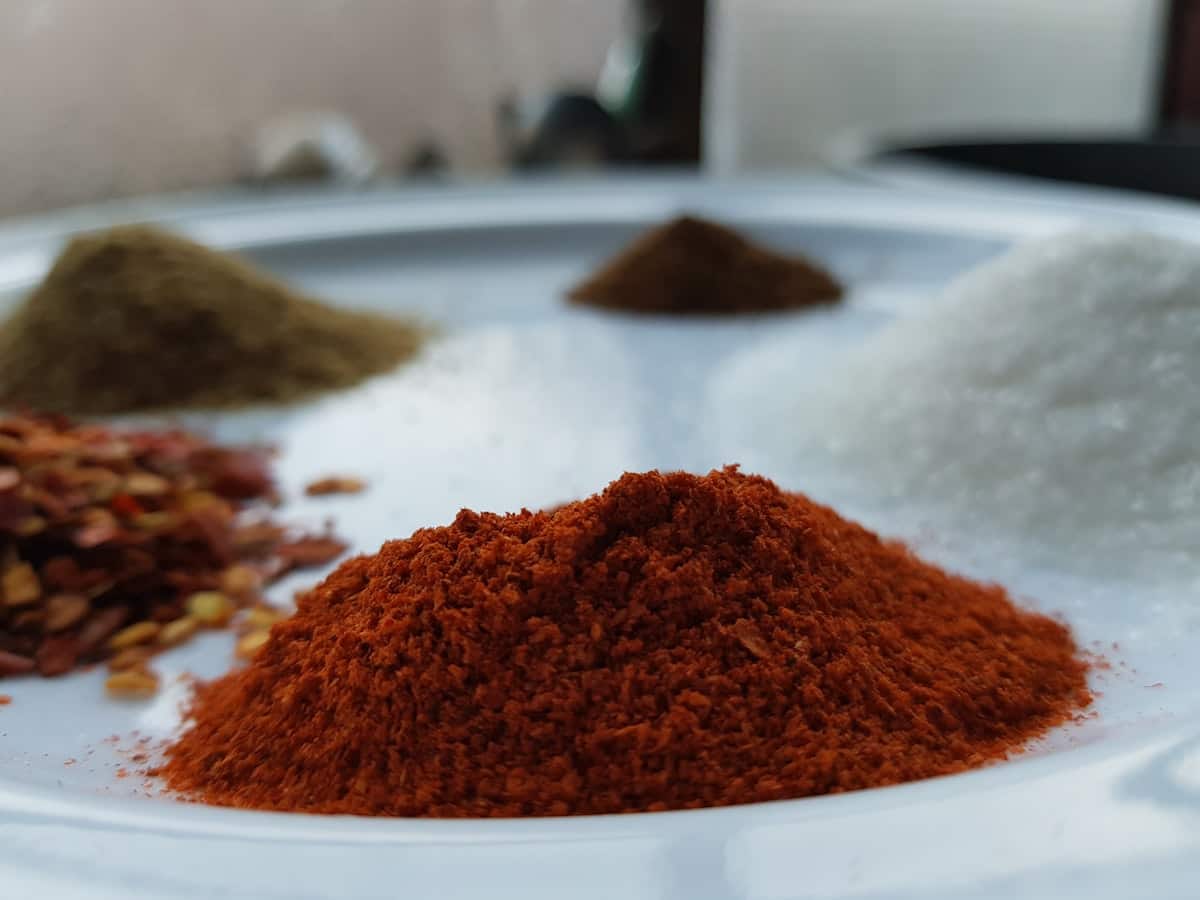
Gochugaru is Korean red pepper, sun-dried and ground into coarse flakes rather than a fine powder. That texture is the whole point — it's what gives kimchi paste, gochujang, and countless stews their characteristic look and bite, and it's the reason regular chili powder is a poor substitute even when the heat level is similar.
Two things set gochugaru apart from a generic "chili powder" on a Western spice rack. First, the grind: gochugaru ranges from coarse to fine depending on use, but even the finer grades keep more visible texture than a typical chili powder, which is usually milled to near-dust. Second, and more important, gochugaru is genuinely mild-to-medium on the heat scale for a chili flake — most Korean varieties sit well below cayenne — while carrying a lot of fruity, slightly sweet flavor that isn't primarily about heat at all. Swapping in a hotter, flatter-tasting chili powder in equal amounts routinely over-spices a dish while under-delivering on flavor.
Quality varies a lot between bags. Good gochugaru should be a bright, slightly brick-red color, not dull brown — color fades with age and poor storage, and a faded bag usually tastes flat too. It should also smell faintly sweet and fruity when you open the bag, not musty. Once opened, it keeps best in the freezer; at room temperature it loses color and aroma within a few months.
Gochugaru comes in two rough grades sold for different jobs: a coarser flake typically used for kimchi (it clings to cabbage leaves and gives visible red flecks), and a finer powder used for soups, stews, and sauces where a smoother texture is wanted. If a recipe doesn't specify, the coarser all-purpose grade is the safer default — most home cooking in Korea uses it for nearly everything.
In a pinch: a blend of sweet paprika and a small amount of cayenne gets closer than plain chili powder alone, though it still won't fully replicate gochugaru's specific fruity-sweet character. There isn't a true one-to-one substitute — if a recipe leans heavily on gochugaru, it's worth sourcing the real thing from a Korean or Asian grocery store rather than approximating it.
Coarse or fine — they are not the same product
Gochugaru is sold in at least two grinds and using the wrong one changes the dish:
- Coarse (굵은 고춧가루) — flakes you can see. This is kimchi gochugaru. The flakes cling to cabbage and colour the brine slowly rather than clouding it.
- Fine (고운 고춧가루) — nearly a powder. Used for pastes, sauces and anything that should look smooth, like gochujang or a dressing.
If a recipe does not say, coarse is the safer default for anything fermented and fine for anything blended.
What to look for when buying
Colour is the honest signal. Good gochugaru is a deep, slightly glossy red; dull brownish flakes are old and will taste dusty no matter how much you add.
Taeyangcho (태양초) on the bag means sun-dried rather than machine-dried, and it is the grade worth paying for. Sun-drying takes days instead of hours and produces both the deeper colour and the fruitiness underneath the heat.
Also check whether it is seedless. Seeds add bitterness and pale flecks, which is why better gochugaru is made from the pepper walls alone.
How to store it
Gochugaru goes stale faster than people expect, and it fades before it tastes obviously wrong. Light and warmth are what kill it.
Keep it in the freezer in a sealed bag or jar. That is standard practice in Korean kitchens, not an extreme measure — it preserves both the colour and the aroma for a year or more. It does not clump at freezer temperatures because it is dry, and it can be used straight from frozen.
If you cannot find it
Do not reach for cayenne or generic chili powder by the same measure — see Gochugaru substitutes, which covers what actually works and, more importantly, how to adjust the quantity so the dish does not end up several times hotter than intended.
More to cook
All Ingredient & Substitute Guides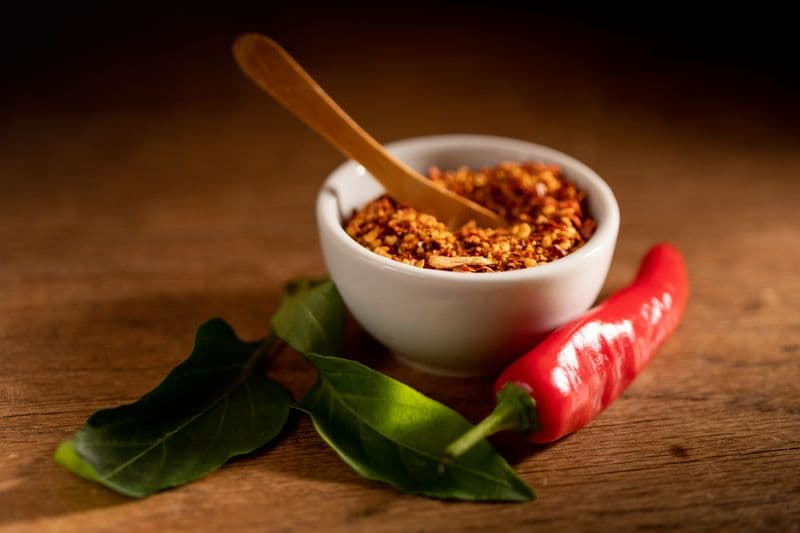
Best Gochugaru Substitute
What to use when you can't find Korean chili flakes, why most substitutes make a dish too hot rather than too mild, and how to adjust the amount.
Gochujang (Fermented Chili Paste)
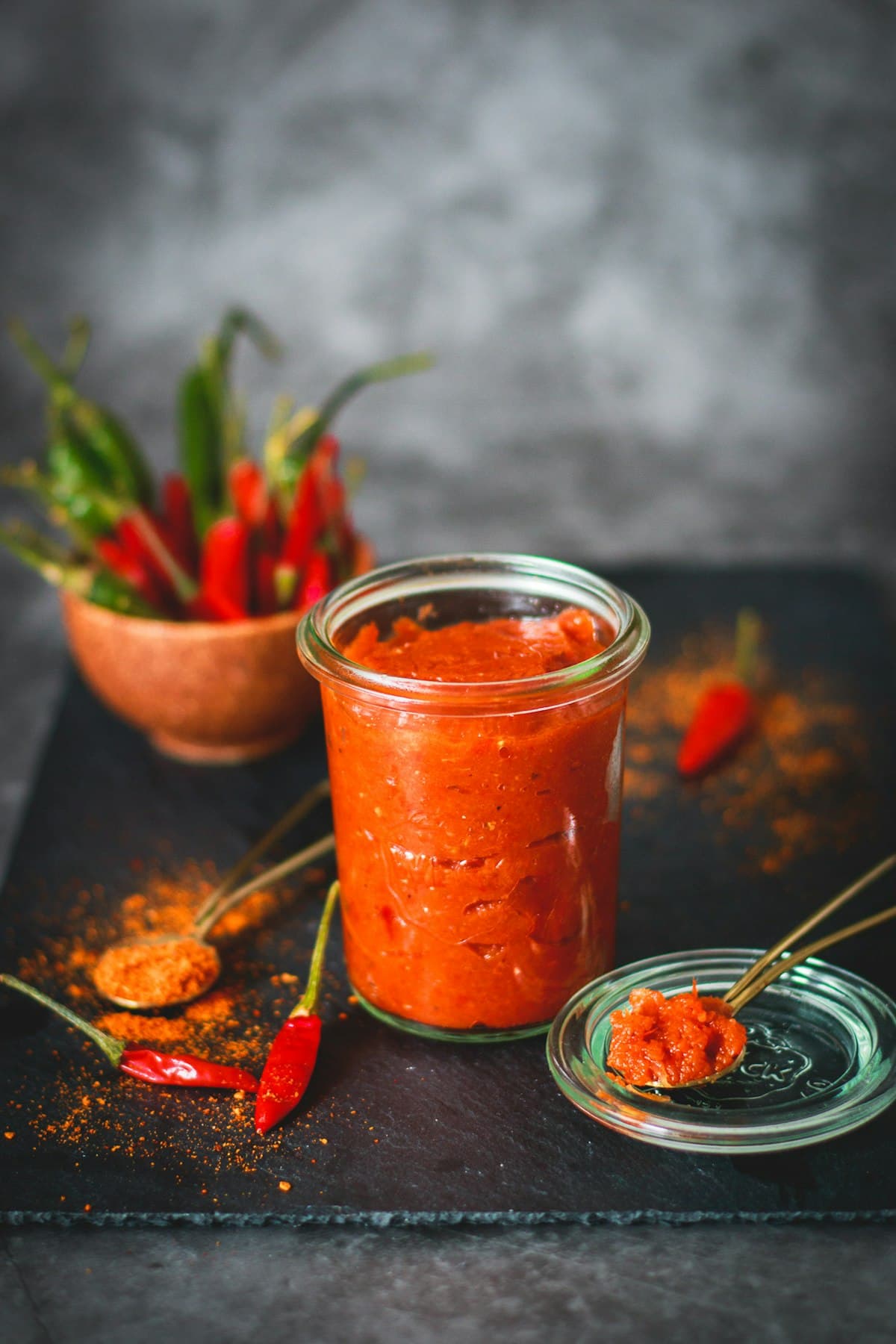
What gochujang is made from, why it's fermented rather than just mixed, and how to use it without overpowering a dish.
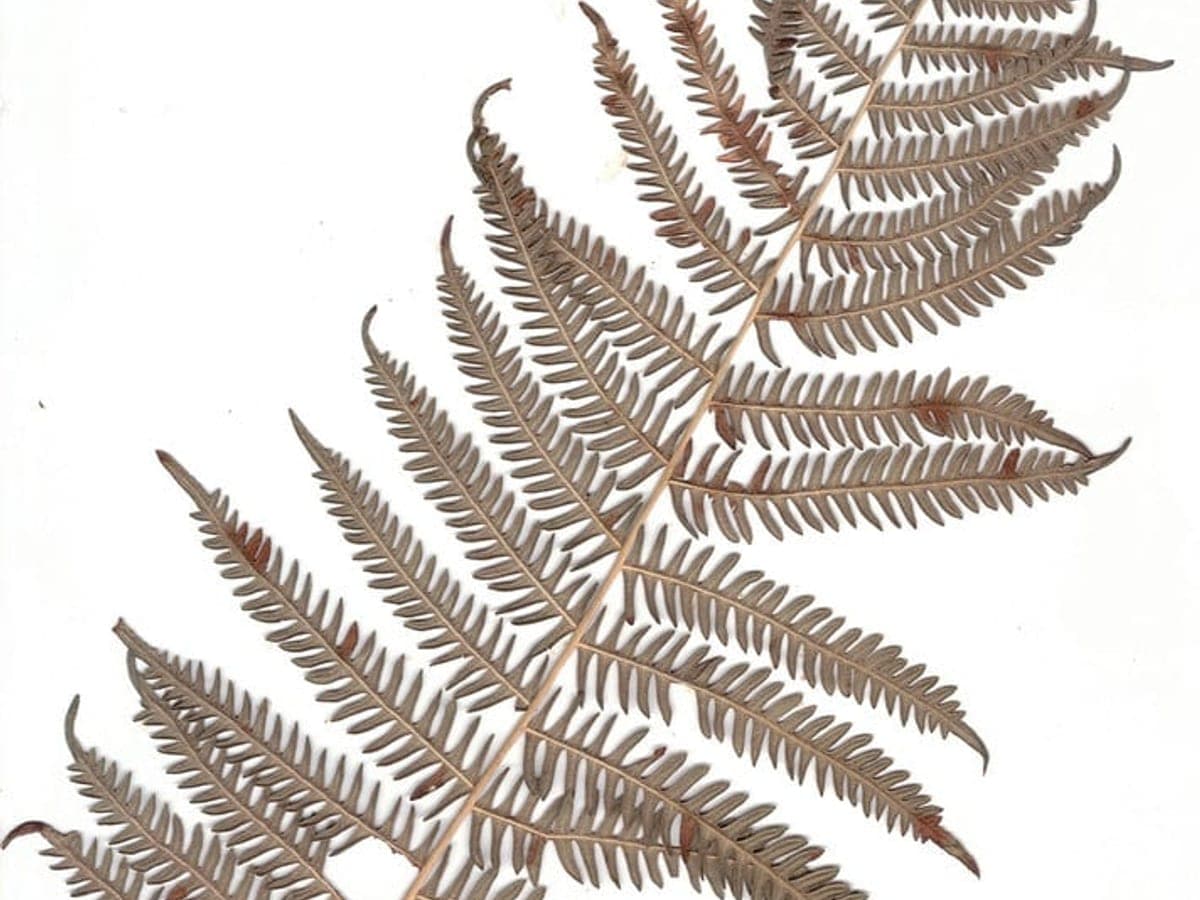
Gosari (Dried Fernbrake)
Why gosari must be soaked and boiled rather than just rehydrated, how to tell good dried fernbrake from tough old stock, and what it does in bibimbap.