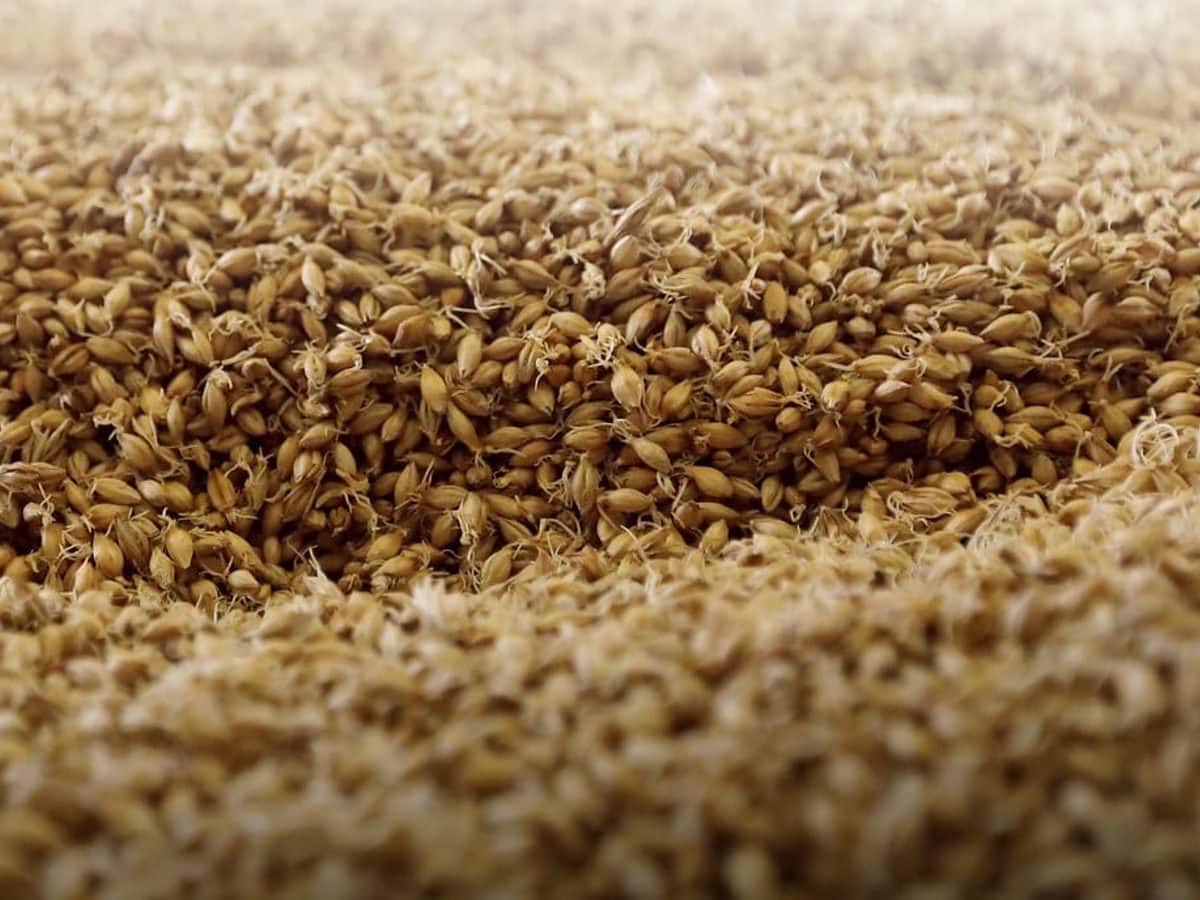
Photo: charlieishere@btinternet.com · CC BY
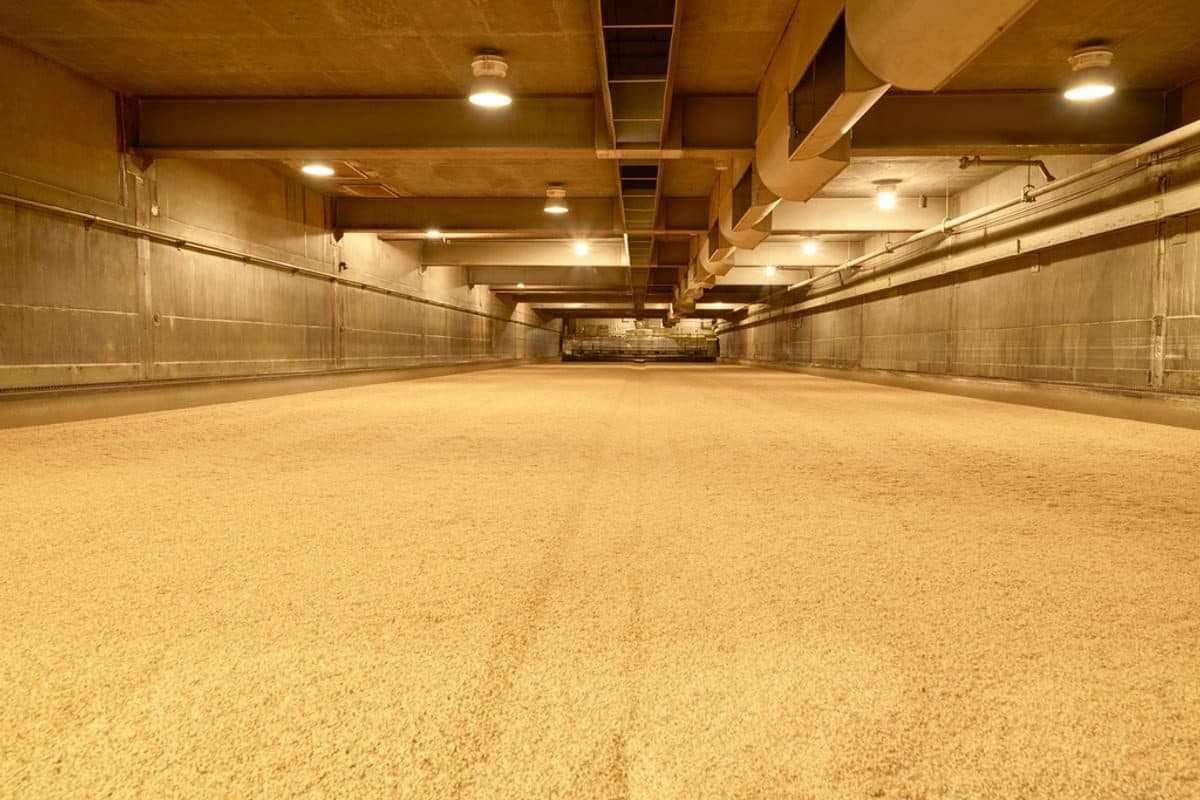
Did you know — Korean culture
Boribap carries a memory in Korea that its current health-food status obscures. Through the mid-twentieth century, barley was what stretched a household's rice, and the weeks before the barley harvest — when last year's rice had run out and this year's barley was not yet ready — had their own name: boritgogae, the barley hill. It described an annual hunger gap that most Korean families lived through.
Barley is the second grain of the Korean kitchen. It rarely appears on its own; it is mixed into rice, brewed into tea, or fermented into gochujang, and in each case it is doing a job that rice alone cannot.
For most people the first encounter is boribap — rice cooked with barley — which was historically what you ate when rice was expensive, and is now eaten by choice for its nuttiness and chew.
How much to mix in
Start at 20-30% barley to rice by volume. Much beyond that and the texture turns noticeably coarse and the pot stops behaving like rice.
Pearled barley is the usual choice because the bran has been polished off and it cooks closer to the rate of rice. Whole hulled barley is nuttier but needs considerably longer.
Soak it separately
Barley absorbs water much more slowly than rice. Thrown into the pot dry alongside soaked rice, it comes out hard while the rice is done.
Soak barley for at least an hour, ideally two, and drain it before combining. Some cooks parboil it for ten minutes instead, which achieves the same thing faster.
Its other jobs
Boricha — roasted barley tea, drunk hot or cold and served in place of water in many Korean households.
Gochujang — traditional recipes use barley malt to convert starch to sugar during fermentation, which is where a good gochujang gets part of its sweetness.
Makgeolli — barley features in some regional brews alongside rice.
Buying and storing
Pearled barley is widely available outside Korean shops and is fine. Look for even, pale grains without a dusty look.
Store it airtight and cool. Barley contains more oil than white rice and can go rancid over a long period — a year is a sensible outer limit, less in a warm kitchen.
Cooking barley on its own
Rarely eaten alone in Korea, but worth knowing if you want it as a side or a base.
Pearled barley: soak 1 hour, then simmer in about 3 parts water to 1 part barley for 25–30 minutes, and drain any excess.
Whole hulled barley: soak overnight, simmer 45–60 minutes. Considerably nuttier and chewier.
Pressure cooker: about 15 minutes for pearled, and it removes most of the soaking requirement.
Test by biting. Properly cooked barley is tender with a distinct chew, not soft. If it is squeaking against your teeth, it needs longer.
Buying and storing
Pearled barley is the common form and is what most Korean recipes assume. Widely available outside Korean shops.
Look for even, pale grains without a dusty or chalky look, which suggests age.
Storage: airtight and cool. Barley contains more oil than white rice and can go rancid, which surprises people who treat all grains as indefinitely shelf-stable. A year is a sensible outer limit, less in a warm kitchen.
Cooked barley keeps 4–5 days refrigerated and freezes well.
Roasted barley for tea is sold separately, already roasted, and keeps far longer — the roasting drives off the moisture and much of the oil.
Common questions
How much barley do you mix with rice?
Start at 20–30% barley to rice by volume. Much beyond that and the texture turns noticeably coarse and the pot stops behaving like rice.
Do you need to soak barley before cooking?
Yes, if it's going in with rice. Barley absorbs water far more slowly, so thrown into the pot dry it comes out hard while the rice is done. Soak it at least an hour, or parboil it for ten minutes instead.
What is the difference between pearled and hulled barley?
Pearled barley has had the bran polished off, so it cooks faster and closer to the rate of rice — which is why it's the usual choice for boribap. Whole hulled barley is nuttier and chewier but needs considerably longer.
Can barley go bad?
Yes. It has more oil than white rice and can go rancid, which catches people out. Store it airtight and cool, and treat a year as the outer limit.
More to cook
All Ingredient & Substitute Guides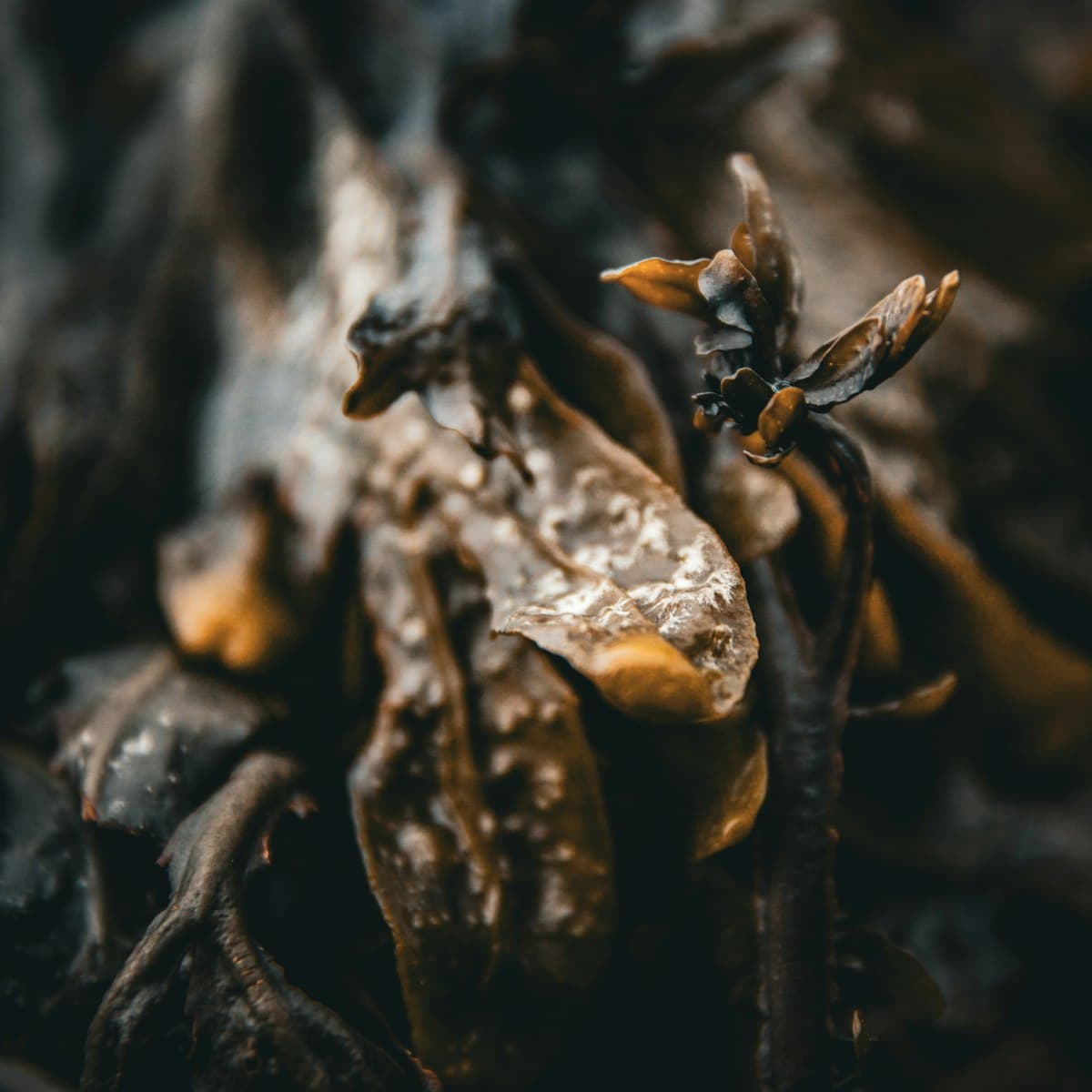
Dasima & Dried Anchovy Stock (Yuksu)
What dasima (dried kelp) is, why it's simmered with dried anchovies for Korean soup bases, and how long is actually enough.
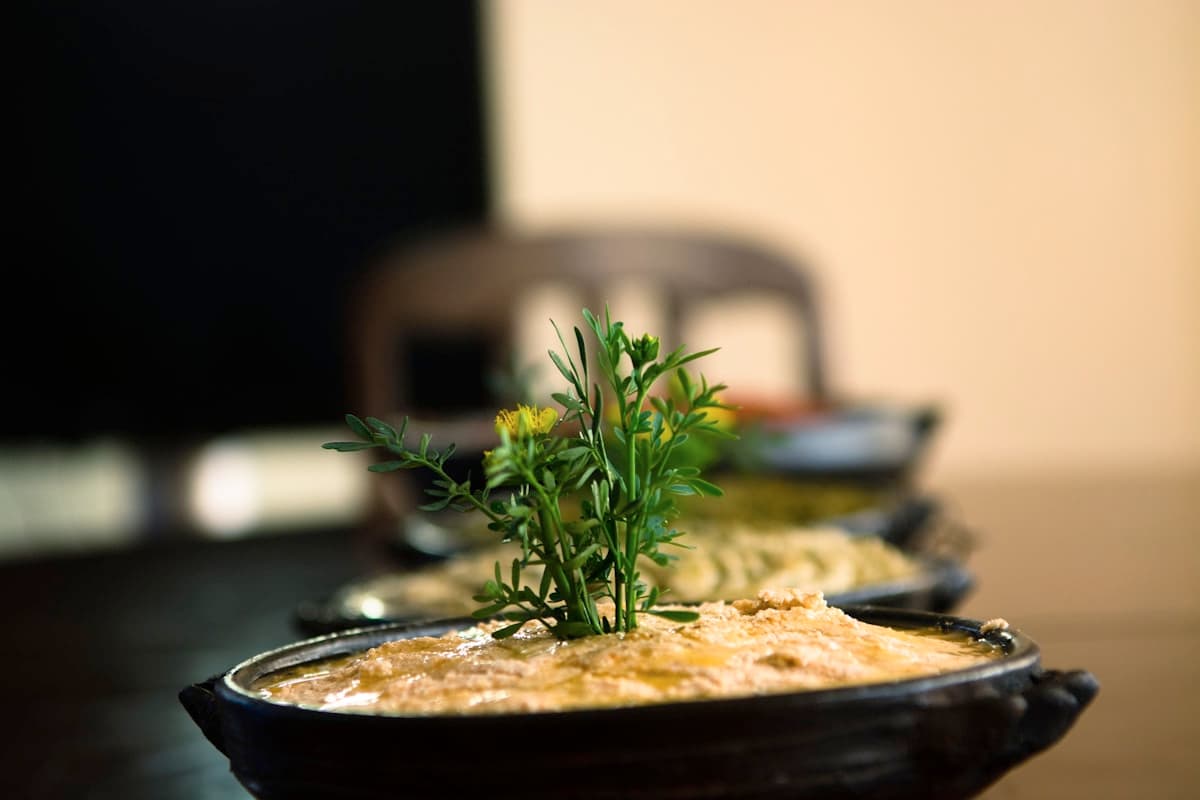
Doenjang (Fermented Soybean Paste)
What doenjang is, how it differs from Japanese miso, and how to use its stronger, funkier flavor without overdoing it.
Doenjang vs Miso
Both are fermented soybean paste, and swapping one for the other changes a dish more than people expect. What separates them, and when the substitution works.