
Did you know — Korean culture
Dangmyeon is made from sweet potato starch, which is why it behaves so differently from the mung bean glass noodles used elsewhere in Asia — it is chewier, holds its bounce in a hot pan, and does not dissolve into a sauce. Sweet potatoes are not native to Korea; they arrived from Japan in the eighteenth century as a famine crop, and a plant introduced to prevent starvation ended up producing the noodle in one of Korea's most celebratory dishes.
Korean recipes name their noodles specifically, and the names rarely translate. "Glass noodles" covers at least two unrelated products; "cold noodles" is a dish, not a noodle.
Getting this wrong is one of the more disappointing ways a Korean recipe fails at home, because the noodle usually is the dish. This is the reference.
Dangmyeon — sweet potato glass noodles
Thick, grey-brown when dry, translucent and springy when cooked. Made from sweet potato starch.
Used in: japchae above all, jjimdak, and dropped into hot pots and stews.
Do not substitute mung bean vermicelli. It is thinner, softer and collapses. This is the substitution that most often ruins a dish, because both get sold as "glass noodles".
Cooking: 6–8 minutes in plenty of boiling water, until fully translucent with no white core. Then rinse and cut with scissors, or they are unmanageable.
Somyeon — thin wheat noodles
Very fine, white, dried, and the fastest-cooking noodle in the Korean kitchen.
Used in: janchi guksu, bibim guksu, kongguksu.
Cooking: 2–3 minutes and genuinely done. The window between springy and mush is about ninety seconds wide, so set a timer.
Always cook them in plain water, never in the broth. Somyeon sheds a lot of starch, and boiling it in the soup turns a clear broth cloudy. Cook, rinse hard in cold water, then pour clean broth over.
Japanese somen is essentially the same thing and substitutes directly.
Naengmyeon noodles — buckwheat and starch
Grey-brown, thin, and remarkably chewy — almost rubbery. Buckwheat cut with potato or sweet potato starch.
Used in: mul naengmyeon, bibim naengmyeon, makguksu.
That chew is the point, not a fault. Korean restaurants bring scissors to the table because the noodles genuinely resist biting.
Cooking: 2–3 minutes, then rinse hard until the water runs clear and the strands squeak, then plunge into ice water.
Not substitutable with Japanese soba, which is softer and breaks.
Kalguksu — knife-cut wheat noodles
Fresh, flat, soft wheat noodles, cut by knife rather than extruded. Irregular edges are correct.
Used in: kalguksu.
These are cooked in the broth, unlike somyeon — the released starch is what thickens the soup, and that slightly cloudy body is part of the dish.
Fresh udon is a reasonable substitute; dried is not, since you lose the starch.
Jjolmyeon and the chewy-noodle family
Jjolmyeon noodles are thick, yellow and extremely chewy — the name means roughly "chewy noodles". Used cold, in jjolmyeon, with a sharp gochujang sauce.
Jjajangmyeon noodles are thick, soft and springy wheat noodles, made to carry a heavy sauce. Jjajangmyeon and jjamppong both use them. Thin noodles cannot hold that sauce; udon is the nearest substitute.
Ramyeon — Korean instant noodles, and a legitimate ingredient rather than a shortcut. They go into budae jjigae and are eaten on their own constantly.
Buying and storing
Dried noodles keep for a year or more in a cupboard; there is little reason not to keep somyeon and dangmyeon on hand.
Fresh noodles — kalguksu, jjajangmyeon — last a few days refrigerated and freeze well.
Portioning dried noodles is genuinely hard to eyeball. A common Korean measure is what fits through a 500-won coin's hole, roughly a 100g portion. Weighing is easier.
Do not store cooked noodles in broth. They keep absorbing and go bloated. Store separately and combine when serving.
Quick reference
| Noodle | Made from | Goes in | Substitutes with | |---|---|---|---| | Dangmyeon | Sweet potato starch | Japchae, jjimdak | Nothing close | | Somyeon | Wheat | Janchi guksu, bibim guksu | Japanese somen | | Naengmyeon | Buckwheat + starch | Mul/bibim naengmyeon | Nothing close | | Kalguksu | Fresh wheat | Kalguksu | Fresh udon | | Jjajang noodles | Wheat | Jjajangmyeon, jjamppong | Udon | | Jjolmyeon | Wheat + starch | Jjolmyeon | Nothing close |
More to cook
All Ingredient & Substitute Guides
The Korean Pantry: What to Buy First
The ten things that unlock most Korean recipes, what each one actually does, and which ones have no substitute worth attempting.
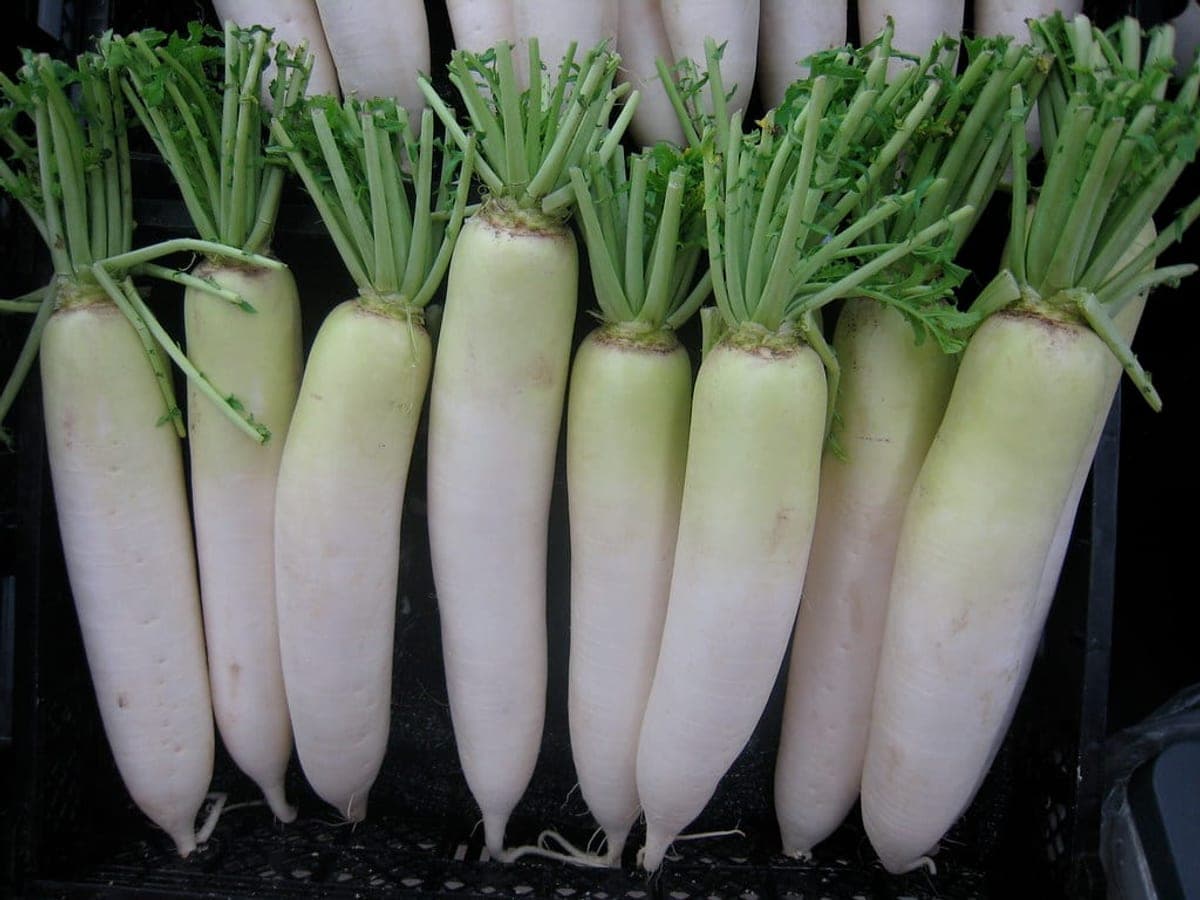
Korean Radish vs Daikon (Mu)
How Korean mu differs from Japanese daikon in density, sweetness and water content, and when swapping one for the other actually changes the dish.
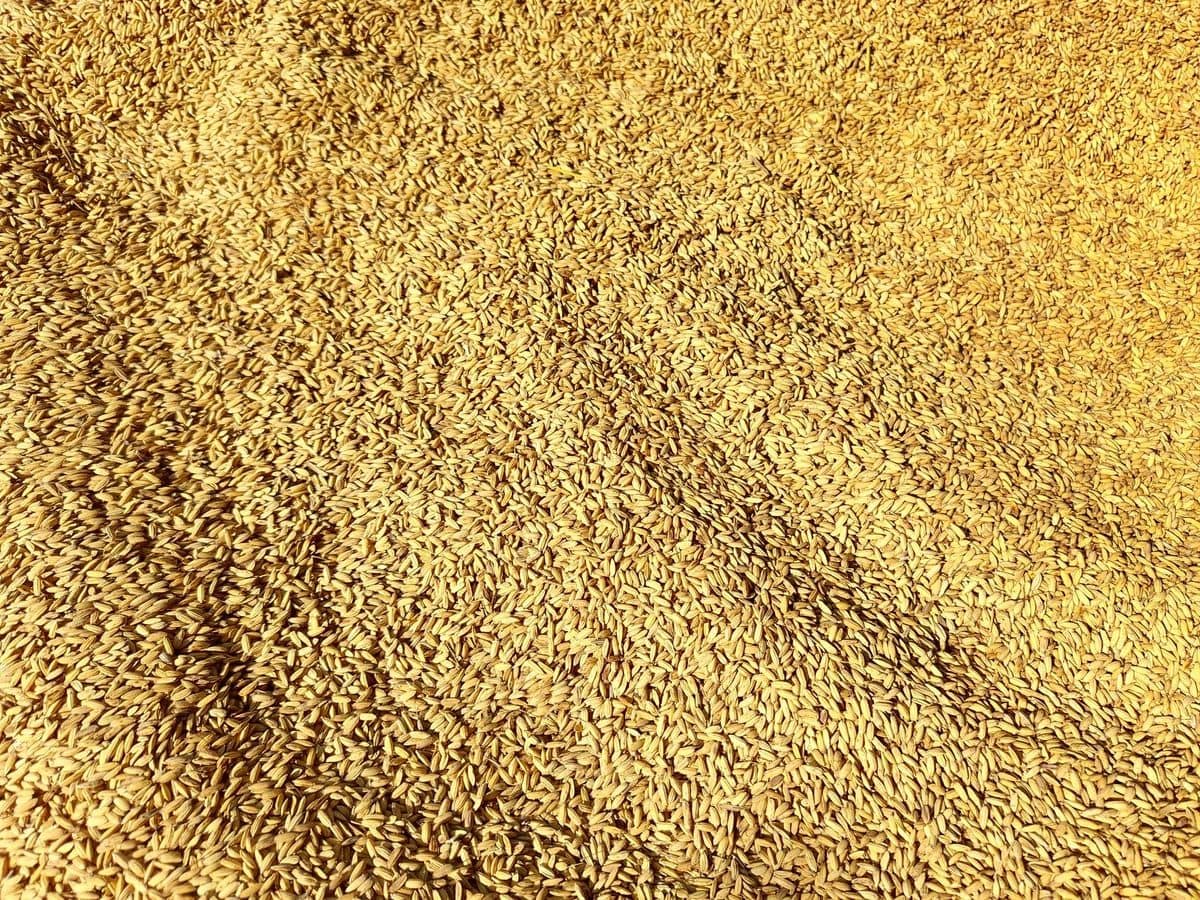
Which Rice to Buy for Korean Cooking
Why Korean cooking needs short-grain rice specifically, how it differs from sushi rice and jasmine, and when glutinous rice is required instead.