Did you know — Korean culture
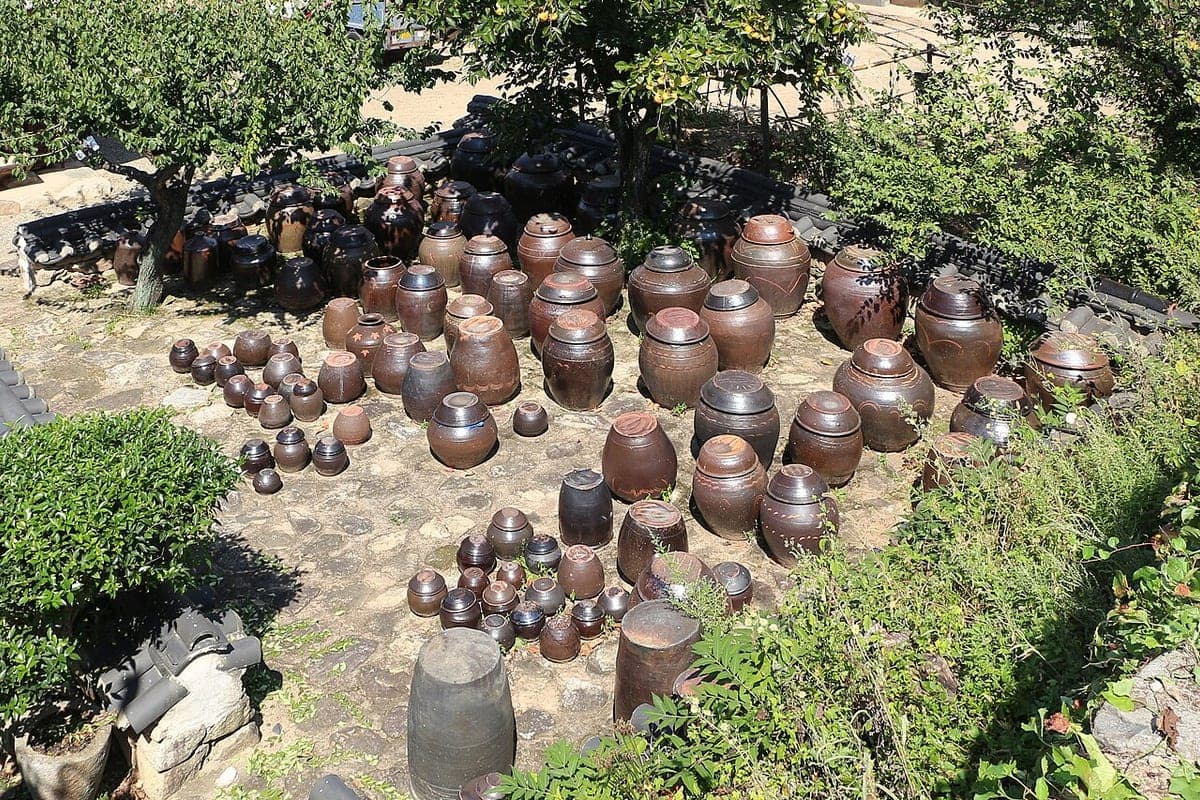
Gochujang was a royal favorite on record. King Yeongjo, who ruled from 1724 to 1776, was documented as being so fond of it that gochujang joined pine mushrooms and abalone on his short list of foods that made him eat too much rice. The 1766 farming manual Jeungbo Sallim Gyeongje wrote the recipe down — and Sunchang, the county whose gochujang reached the royal court, is still Korea's gochujang town today.
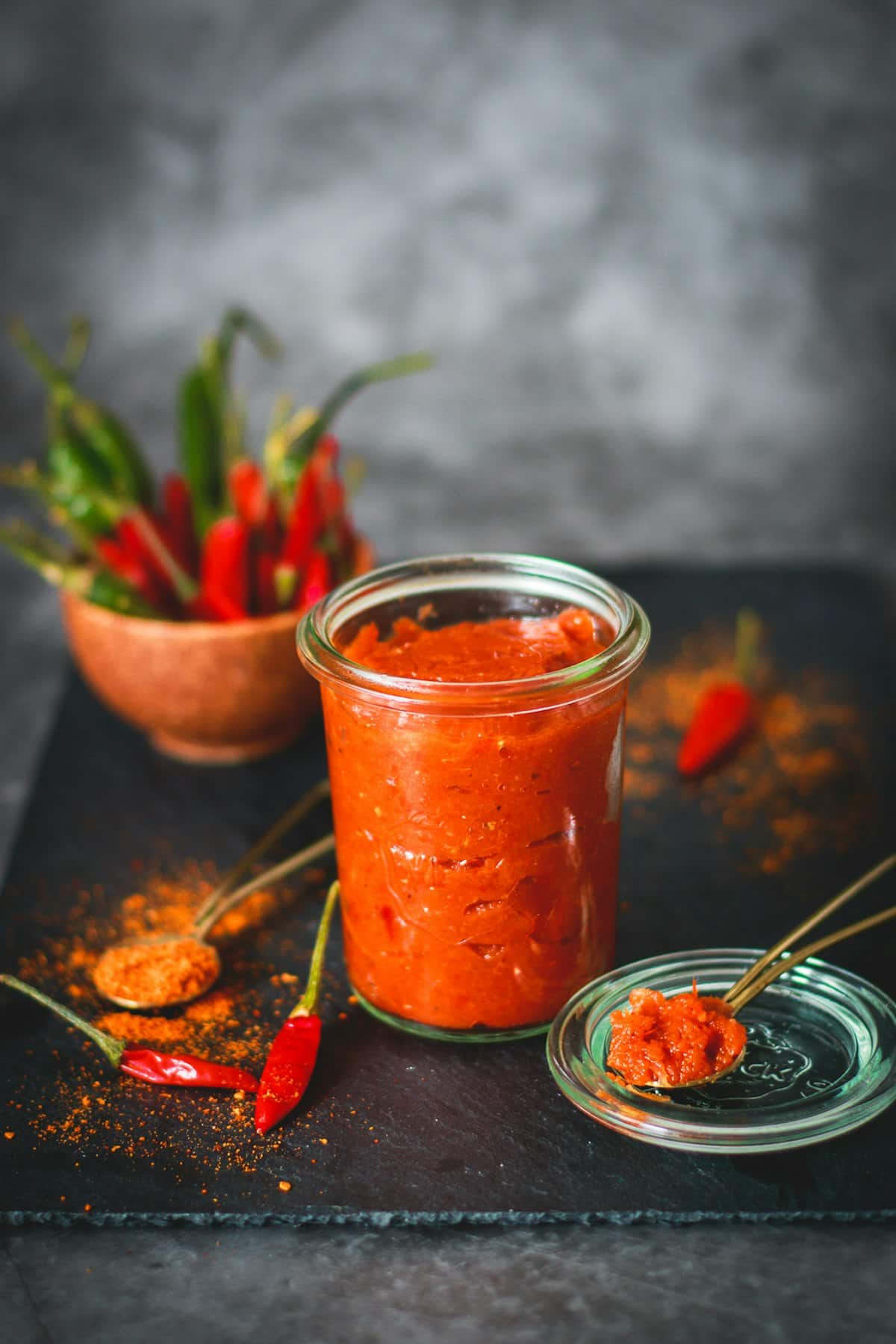
Gochujang is a thick, fermented paste built from gochugaru (Korean red pepper flakes), glutinous rice, fermented soybean powder, and salt, left to age for months. That fermentation step is what separates it from a simple chili-and-sugar sauce — the rice starches slowly break down into natural sugars during fermentation, which is where gochujang gets its deep, slightly funky sweetness, not from added sugar alone.
The flavor is genuinely more complex than "spicy and sweet" suggests. Good gochujang carries a savory, almost umami depth from the fermented soybean component, layered under the chili heat and rice-derived sweetness — that combination is why it works equally well stirred into a stew, used as a marinade base, or thinned into a dipping sauce, roles a plain chili paste can't really cover on its own.
Gochujang is potent, and it's easy to add too much on a first try. A little goes further than it looks like it should, especially once it hits heat and concentrates further. Most recipes that use it as a base sauce cut it with something — sugar, vinegar, sesame oil, water — rather than using it undiluted, both to balance the intensity and to loosen its thick, almost fudge-like texture into something that actually coats food evenly.
Store-bought gochujang varies noticeably in heat and sweetness between brands, so it's worth tasting a new jar directly (a small dab, straight off a spoon) before following a recipe's exact measurements — what one brand calls "3 tablespoons" of usable heat, another brand might deliver in 2.
In a pinch: a blend of miso paste, gochugaru, and a little honey or sugar approximates the general profile, though it won't have gochujang's specific fermented depth. As with gochugaru, if a dish is built around gochujang specifically, sourcing the real thing gets meaningfully better results than improvising a substitute.
How to use it without overpowering the dish
Gochujang is a seasoning, not a sauce base, and the most common mistake is treating it like one. Start with about half what a recipe suggests if you are unfamiliar with the brand, then adjust — the difference in heat and sweetness between tubs is large enough that a fixed tablespoon count is unreliable.
It also wants to be dissolved rather than dropped in. A spoonful added straight to a simmering pot tends to sit in a lump and then release all at once; thinning it first with a little of the cooking liquid, stock or water in a separate bowl distributes it evenly.
Add it early for stews and braises, where time rounds off its raw edge, and late for glazes and dipping sauces, where you want the sharpness to stay.
What to look for when buying
Check the ingredient list first. Traditionally made gochujang leads with glutinous rice and fermented soybean; a tub that leads with corn syrup or wheat flour will be noticeably sweeter and flatter, and you will need more of it to get the same savoury depth.
Most Korean brands print a heat rating on the tub, usually a 1–5 scale. If a recipe was written around a mild tub and you buy a level 4, the same measurement will land very differently — another reason to taste before committing to a quantity.
How to store it
Refrigerate after opening. Gochujang is salty and fermented enough that it keeps for months, but it dries and darkens where it meets air, so press the surface flat and keep the inner lid or a piece of parchment against it.
A darkened top layer is oxidation, not spoilage — stir it back in. Actual spoilage looks like fuzzy mould or smells sharply alcoholic, and at that point the tub goes.
Gochujang, doenjang or ssamjang?
They are not interchangeable, and reaching for the wrong one is a common substitution error:
More to cook
All Ingredient & Substitute Guides
Gosari (Dried Fernbrake)
Why gosari must be soaked and boiled rather than just rehydrated, how to tell good dried fernbrake from tough old stock, and what it does in bibimbap.

Guk vs Jjigae vs Jeongol
Korean has three words for what English calls soup, and they are not interchangeable. What separates them, and which dishes belong to which.
Walnuts in Korean Cooking (Hodu)
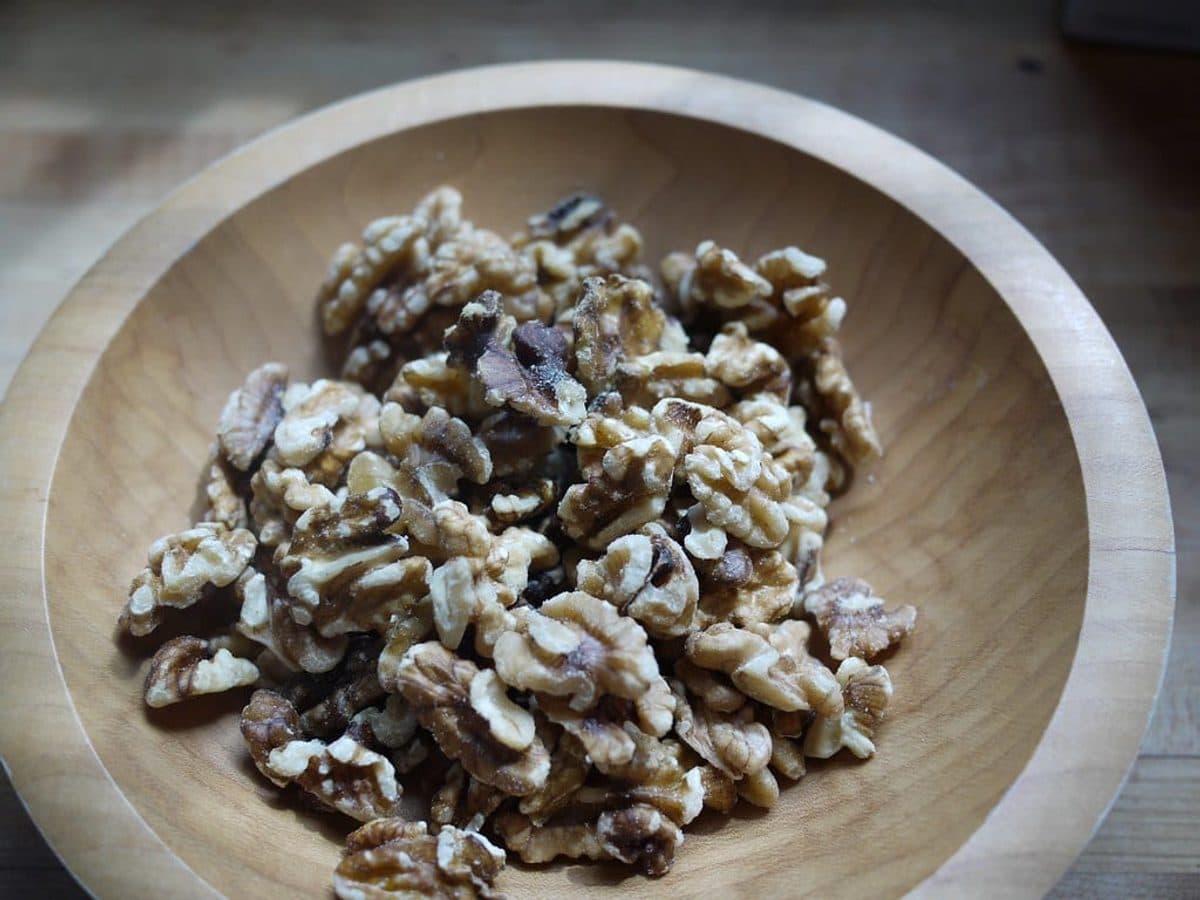
Where walnuts turn up in Korean food beyond hodu-gwaja, why they are blanched before candying, and how to keep them from turning bitter.