Did you know — Korean culture
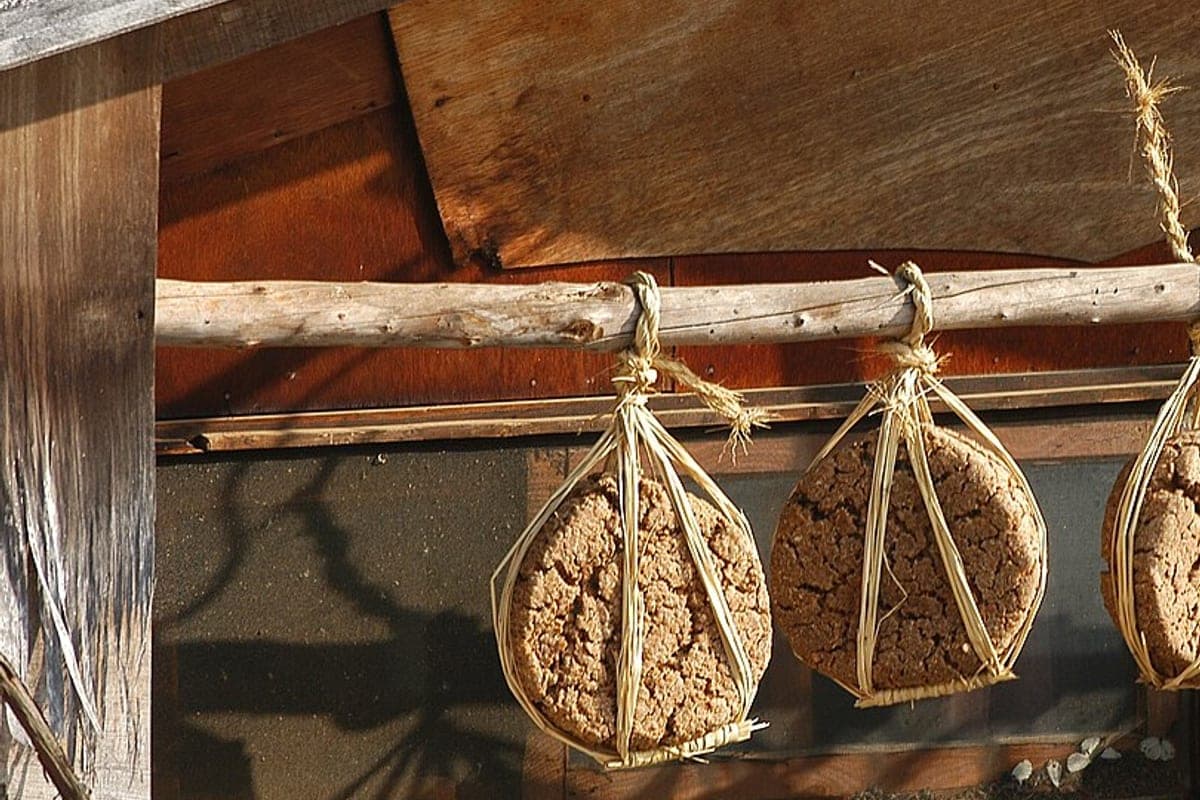
Doenjang and Korean soy sauce are twins from the same pot. Blocks of steamed, fermented soybean called meju get submerged in brine for months — then the batch is split. The liquid drawn off becomes ganjang (soy sauce), and the solids left behind are mashed and aged into doenjang. Two pantry staples, one fermentation.
Doenjang is Korea's fermented soybean paste — boiled soybeans, formed into blocks, dried, and left to ferment for months, traditionally outdoors in earthenware jars. It's one of the oldest documented ingredients in Korean cooking, and it's the backbone of doenjang jjigae, the everyday soybean paste stew most Korean households make without measuring anything.
People often assume doenjang is just "Korean miso," and while the two are related — both are fermented soybean pastes — doenjang is typically stronger, funkier, and chunkier than the smoother, milder miso used in Japanese cooking. Traditional doenjang is also often a byproduct of making soy sauce: the solids left over after soy sauce is drawn off get fermented further into doenjang, giving it a more intense, less refined flavor than miso's more consistently smooth profile.
That intensity means doenjang rewards a lighter hand than people expect coming from milder pastes. A small amount dissolved into a good stock goes a long way; using it at a one-to-one swap for miso in a recipe usually oversalts and over-funks the dish. It's traditionally balanced with a proper stock base (dried anchovy and kelp is the classic combination) rather than used as the sole flavor source, which is part of why doenjang jjigae recipes that skip the stock step tend to taste flat and one-note despite plenty of paste.
Doenjang also varies a lot by maker — home-fermented and small-batch versions tend to be considerably stronger and more complex than most mass-produced supermarket versions, which are often milder and more miso-like to appeal to a broader palate. If a dish tastes surprisingly mild despite following a recipe closely, the doenjang itself is often the variable, not the technique.
In a pinch: a good red or brown miso gets closer than white miso, though it will taste noticeably smoother and less funky than real doenjang. As with the other pastes here, if a dish is genuinely built around doenjang's character, real doenjang from a Korean grocery store is worth seeking out rather than approximating.
Doenjang and miso are not the same thing
The comparison is useful but it misleads people into a straight swap. Doenjang is fermented longer, contains whole soybeans rather than a rice or barley koji base, and carries a much stronger, funkier, saltier profile.
Substituting miso one-for-one gives a thin, sweetish result that misses the point of the dish. If miso is genuinely all you have, use white miso, use more of it, and accept that it is a different soup.
How to use it
Dissolve doenjang rather than dropping it in. The traditional method is to hold it in a ladle or small strainer at the surface of the broth and work it apart with chopsticks so it disperses evenly instead of leaving salty lumps.
Add it early in a stew — it needs a few minutes of simmering to lose its raw edge — but avoid a long hard boil, which flattens the aroma. A gentle simmer once it is in is enough.
Start with less than you think. Salt levels vary enormously between brands, and doenjang is easier to add than to correct.
What to look for when buying
Read the ingredients. Traditional doenjang is soybeans, salt and water, sometimes with a starter culture. Long lists containing wheat flour, corn syrup or MSG indicate a milder, sweeter commercial style — usable, but you will need more of it and get less depth.
Colour ranges from light tan to deep brown; darker generally means longer fermented and stronger.
How to store it
Refrigerate after opening. The salt content means it keeps for a very long time — months without difficulty — and many Korean households treat an open tub as effectively indefinite.
Press the surface flat and keep it covered so it does not dry out. As with gochujang, a darkened surface is oxidation rather than spoilage.
More to cook
All Ingredient & Substitute Guides
Doenjang vs Miso
Both are fermented soybean paste, and swapping one for the other changes a dish more than people expect. What separates them, and when the substitution works.
Gochugaru (Korean Red Pepper Flakes)
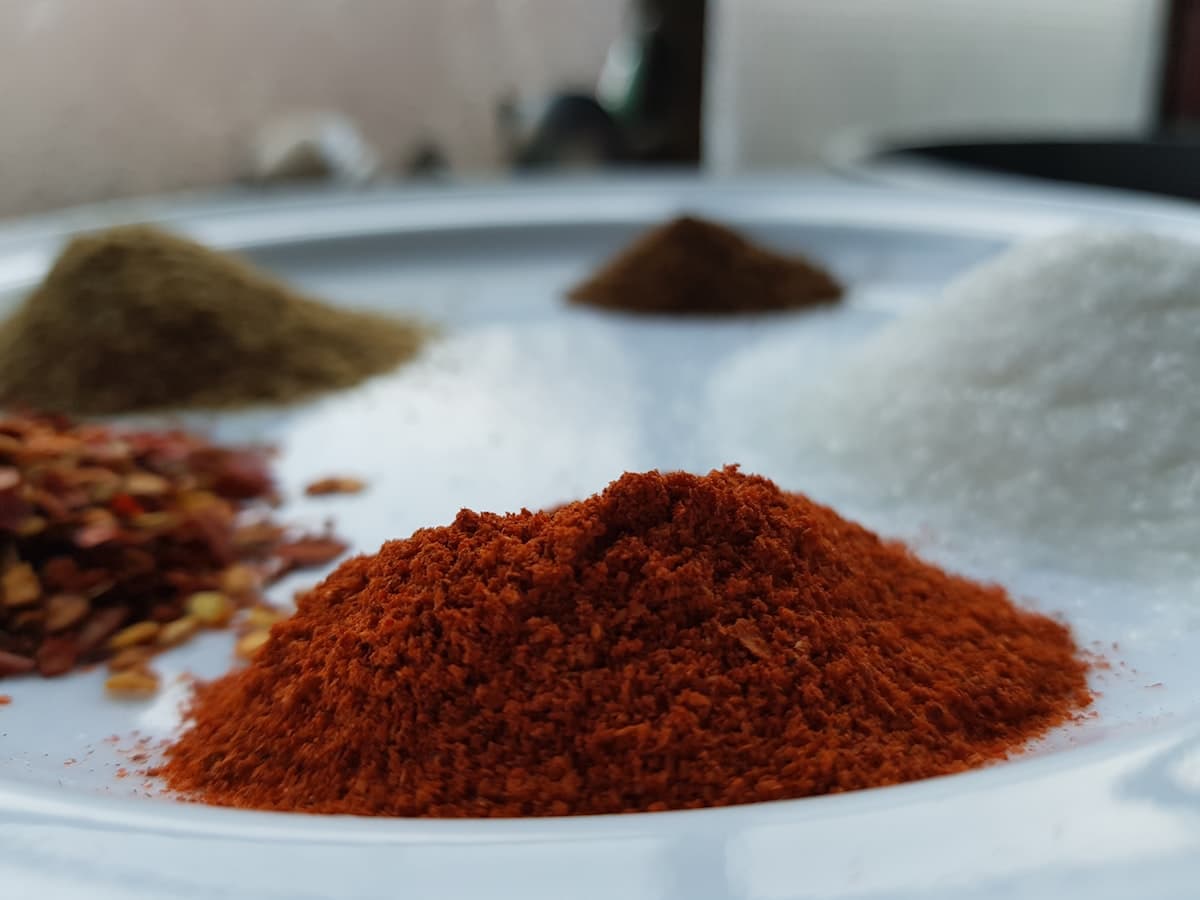
What gochugaru actually is, why it's not interchangeable with regular chili powder, and how to pick a good one.
Best Gochugaru Substitute
What to use when you can't find Korean chili flakes, why most substitutes make a dish too hot rather than too mild, and how to adjust the amount.