Did you know — Korean culture
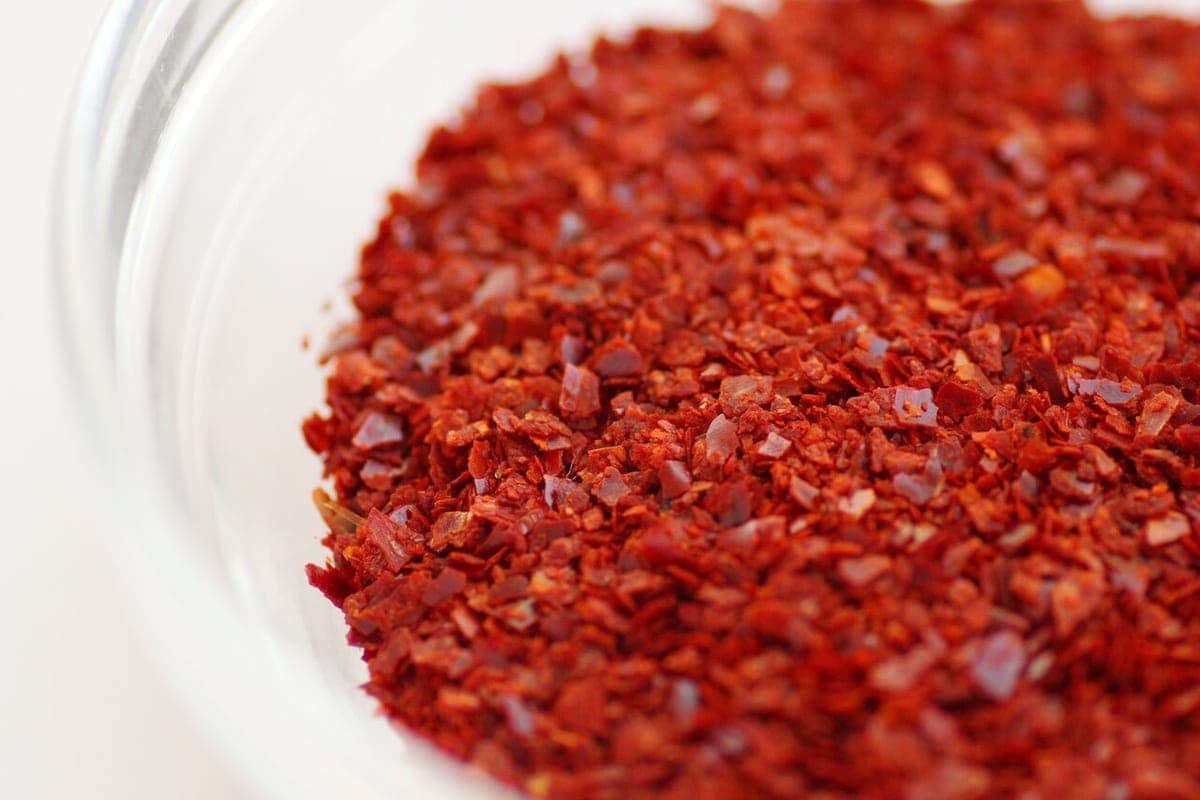
Gochugaru is far milder than most people assume, which is exactly why substitutes go wrong. It lands somewhere around 1,500 to 10,000 Scoville units, while cayenne runs 30,000 to 50,000 — so swapping spoon for spoon can make a dish several times hotter than intended. Korean chilies are bred for color and fruitiness first, heat second.
Photo: Stacy Spensley · CC BY 2.0
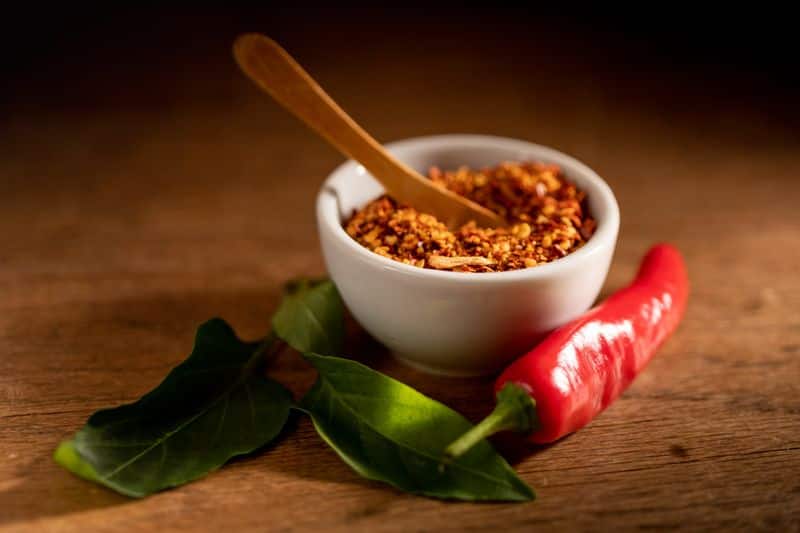
Gochugaru is the single hardest Korean ingredient to fake, because what makes it distinctive isn't heat — it's the combination of moderate heat, real fruity sweetness, and a deep red color that stains a dish properly. Most substitutes deliver the heat and miss the rest.
The most common mistake is a straight one-to-one swap. Gochugaru is genuinely milder than most chili powders sold in Western supermarkets, so measure-for-measure substitution usually makes a dish uncomfortably hot while still looking pale.
What works, in order
1. Aleppo pepper (best overall). Similar coarse texture, comparable mild heat, and a fruity note that's genuinely close. Use roughly 1:1. If you can find only one substitute, this is the one.
2. Kashmiri chili powder. Prized for exactly the same reason gochugaru is — strong red color with modest heat. Slightly finer, so the texture differs, but the color is excellent. Use about 1:1.
3. Ancho or guajillo powder. Mild, fruity, and dark red. Noticeably smokier than gochugaru, which reads as a different dish rather than a wrong one. Use around 1:1.
4. Paprika + cayenne blend. The improvised option: mostly sweet paprika for color and body, with a small pinch of cayenne for heat. Start with 1 tablespoon paprika to 1/4 teaspoon cayenne per tablespoon of gochugaru called for, then taste.
What to avoid
Plain crushed red pepper flakes (the pizza-shop kind) are the most common substitution and the least successful — much hotter, with none of the sweetness, and they include seeds that add bitter, harsh heat.
Cayenne alone brings heat and almost no color or flavor depth. Sriracha or chili paste can't substitute at all in dry applications like kimchi paste, since the added liquid changes the texture and fermentation behavior.
For kimchi specifically
Be more cautious here than in cooked dishes. Gochugaru's volume is doing physical work in a kimchi paste, not just adding flavor — a much finer powder produces a pastier, denser coating that clings differently to the leaves. If you're substituting in kimchi, favor the coarsest option available and accept that the texture will differ somewhat from the real thing.
Worth saying plainly: for a dish genuinely built around it, gochugaru is worth sourcing properly. It keeps for months in the freezer, so a single bag goes a long way.
Why the usual suggestions fail
Most substitute lists get this wrong because they match on one axis — heat — and gochugaru differs on three.
Heat. Gochugaru is mild, roughly 1,500–10,000 SHU depending on grade. Cayenne runs 30,000–50,000. A 1:1 swap is three to five times too hot, and this is the mistake that ruins a batch of kimchi.
Grind. Gochugaru is coarse flakes, not powder. Powder dissolves and muddies; flakes suspend and cling. A paste made with powder looks and behaves differently even at the right heat.
Flavour. Korean chilies are fruity and faintly sweet, sun-dried rather than smoked. Chipotle brings smoke, paprika brings sweetness without heat, and neither tastes like gochugaru.
See gochugaru for what you are actually trying to replace.
Cooked dishes vs kimchi — different rules
In a cooked dish — a stew, a stir-fry, a marinade — a substitute is doing one job among several, and a near-miss is survivable. Aleppo pepper is the closest widely available match: mild, fruity, coarse. Use roughly 1:1.
In kimchi, be far more careful. The chili is not a background note, it is most of the flavour, and it sits in the jar for months. There is no correcting it later. If you cannot get gochugaru, baek kimchi — the white, chili-free version — is a genuinely better answer than kimchi made with the wrong chili.
That is the honest recommendation: change the dish rather than fake the ingredient.
Buying gochugaru properly
Since no substitute is good, this is the real fix.
Coarse grind (gulgeun) for kimchi and pastes. Fine grind (goun) for sauces and soups where you want colour without texture.
Look for bright red, not brown. Browning means age, and aged gochugaru has lost both colour and aroma.
Avoid anything labelled just 'chili powder' in a general supermarket — it is often a spice blend containing cumin and garlic, which is a different product entirely.
Store it in the freezer, sealed. This is normal Korean practice, not excessive. At room temperature it fades within months.
Common questions
What can I use instead of gochugaru?
Aleppo pepper is the closest widely available match — mild, fruity and coarse — at roughly 1:1. Cayenne is three to five times hotter and finely ground, so if you must use it, start at about a quarter of the volume and accept that the flavour will be different.
Can I use paprika instead of gochugaru?
Only for colour. Sweet paprika has essentially no heat, and smoked paprika adds a smokiness that isn't in Korean cooking at all. A mix of sweet paprika for colour plus a little cayenne for heat is a closer approximation than either alone.
Is gochugaru the same as red pepper flakes?
No. Italian-style red pepper flakes are hotter, contain seeds, and have a sharper, less fruity flavour. They also aren't ground the same way. They'll work in a pinch in a cooked dish; they won't make convincing kimchi.
Can I make kimchi without gochugaru?
Yes — make baek kimchi, the traditional white version, which uses no chili at all. That's a far better outcome than kimchi made with the wrong chili, because in kimchi the gochugaru isn't a background note and there's no fixing it once it's in the jar.
More to cook
All Ingredient & Substitute Guides
Gochujang (Fermented Chili Paste)
What gochujang is made from, why it's fermented rather than just mixed, and how to use it without overpowering a dish.
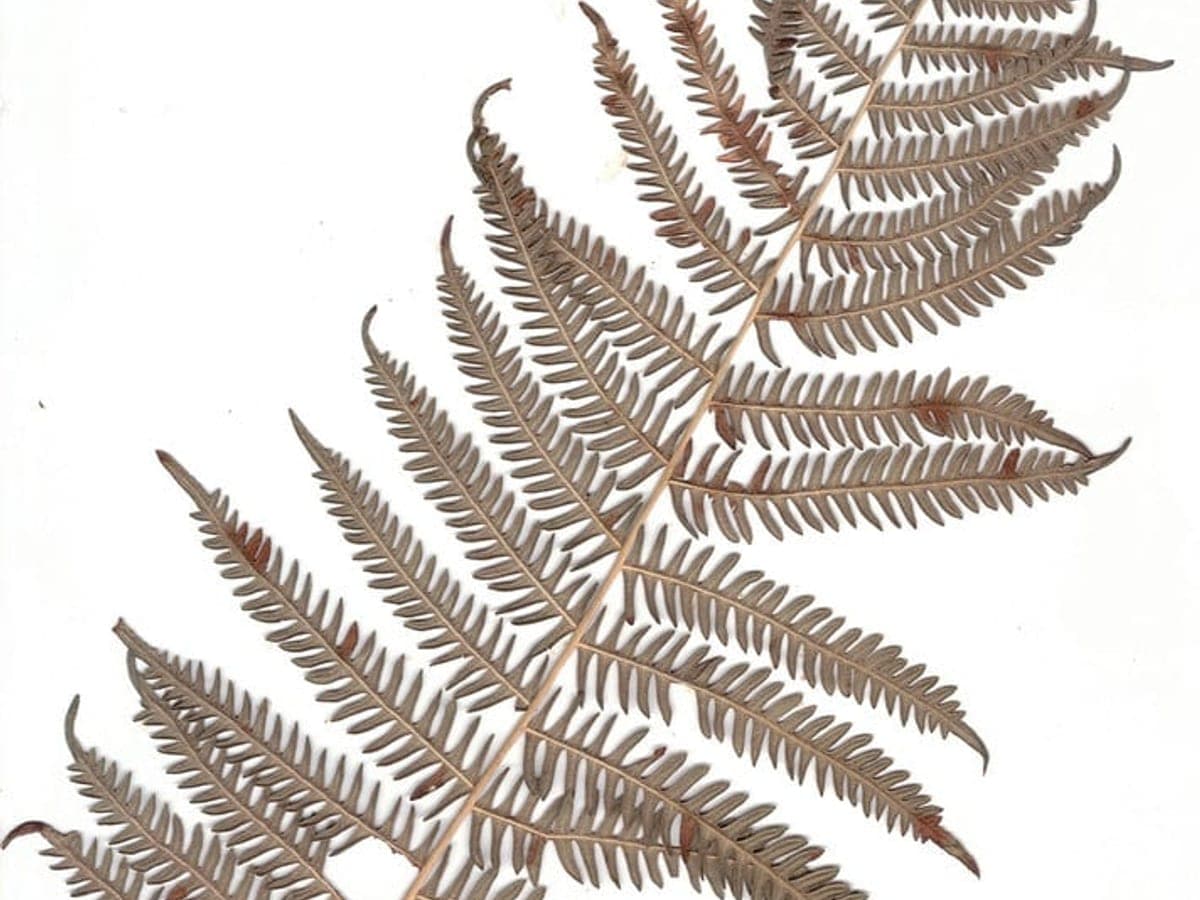
Gosari (Dried Fernbrake)
Why gosari must be soaked and boiled rather than just rehydrated, how to tell good dried fernbrake from tough old stock, and what it does in bibimbap.

Guk vs Jjigae vs Jeongol
Korean has three words for what English calls soup, and they are not interchangeable. What separates them, and which dishes belong to which.