
Did you know — Korean culture
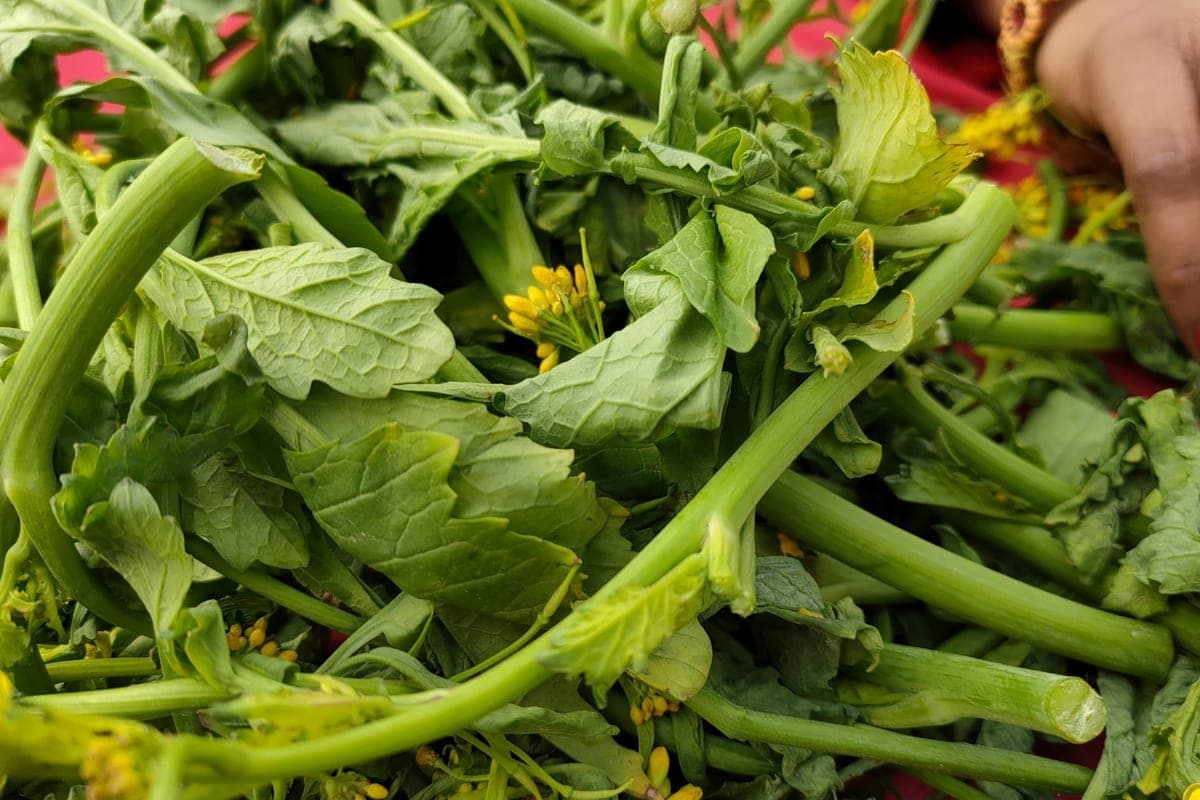
Ssukgat is a chrysanthemum, and the plant is grown ornamentally across much of the world by people who have no idea it is edible. The culinary varieties are bred for tender leaves rather than showy flowers, which is why garden-centre chrysanthemums are not a substitute — and why the greens are sold under the name tong ho in Chinese shops, where the same plant has been a winter vegetable for centuries.
Ssukgat is the feathery, aromatic green that gets scattered over a hot pot or fish stew right at the end. It is sold as crown daisy, chrysanthemum greens, or tong ho depending on the shop, and all three are the same plant.
Its job is aromatic contrast. Korean stews are often deeply savoury and heavy on chili, and ssukgat cuts through that with something herbal and faintly bitter. It is closer in function to fresh herbs in a Thai curry than to a leafy vegetable like spinach.
Add it at the very end
This is the only rule that really matters. Ssukgat wants thirty seconds to a minute of heat, and it is done the moment it wilts.
Cook it longer and two things happen: the aroma boils off entirely, and the bitterness that was pleasant becomes flat and grassy. In maeuntang or a jeongol it goes on top of the finished pot, not into the simmer.
Use the leaves, not the stems
The lower stems are fibrous and stay that way. Pick the top two-thirds of each sprig and keep the tender stems attached; discard the woody bases.
Young ssukgat with thin stems can be used whole and is also good raw in a salad, dressed with sesame oil and a little vinegar.
Buying and storing
Look for bright green, perky leaves with no yellowing and no sliminess where the bunch was tied. It wilts quickly — a couple of days in the fridge at most.
Store it wrapped loosely in paper inside a bag. Sealed airtight it goes slimy fast.
Substitutes
There is no exact match, but the aromatic-bitter role can be approximated. Watercress is the closest widely available option. Celery leaves work in a stew. At a push, a mix of flat-leaf parsley and a little rocket gets you the herbal-bitter direction.
What does not work is spinach — it brings the green colour and none of the aroma, which is the entire reason ssukgat is there.
How to cook it — briefly
Ssukgat is added at the very end of almost everything, and the reason is that its aroma is volatile.
In a hot pot or stew: the last 30 seconds. Long enough to wilt, not long enough to lose its scent. It goes into maeuntang, beoseot jeongol and dubu jeongol this way.
As a namul: blanch for 20–30 seconds, plunge into cold water, squeeze gently, then dress with soy, garlic and sesame oil. Squeeze gently — it bruises.
Raw in a salad: the young, small leaves only. Larger ones are too assertive raw.
Overcooked ssukgat goes bitter and slimy, and it happens fast.
Buying and storing
Look for bright green, perky leaves with no yellowing and firm stems. Ssukgat wilts visibly within a day of going limp, so what you see is what you get.
Smaller leaves are milder. Large, mature ssukgat is considerably more bitter, which some people prefer and beginners generally do not.
Storage: wrap in slightly damp kitchen paper, bag it, refrigerate. 3–5 days, and it is noticeably better in the first two.
Do not wash until use.
Substitutes: there is no close one. Watercress brings a comparable peppery edge, and chrysanthemum greens sold in Chinese shops as tong ho are the same plant. Spinach substitutes for the bulk but contributes none of the aroma, which is the entire point.
Common questions
What is ssukgat?
Crown daisy — the edible leaves of a chrysanthemum, with a distinctive aromatic, faintly bitter flavour. It's used as a namul and, most characteristically, thrown into hot pots and spicy fish stews in the last thirty seconds.
What can I substitute for ssukgat?
Nothing really matches it. Chrysanthemum greens sold as tong ho in Chinese shops are the same plant. Watercress gives a comparable peppery edge. Spinach fills the space but contributes none of the aroma, which is the whole reason ssukgat is there.
Why is my ssukgat bitter?
Either mature leaves, which are much stronger than young ones, or overcooking. It needs 20–30 seconds blanched, or 30 seconds in a stew. Beyond that it turns bitter and slippery quickly.
How long does ssukgat keep?
Three to five days wrapped in damp kitchen paper in the fridge, and it's clearly best in the first two. Don't wash it until you're ready to use it.
More to cook
All Ingredient & Substitute Guides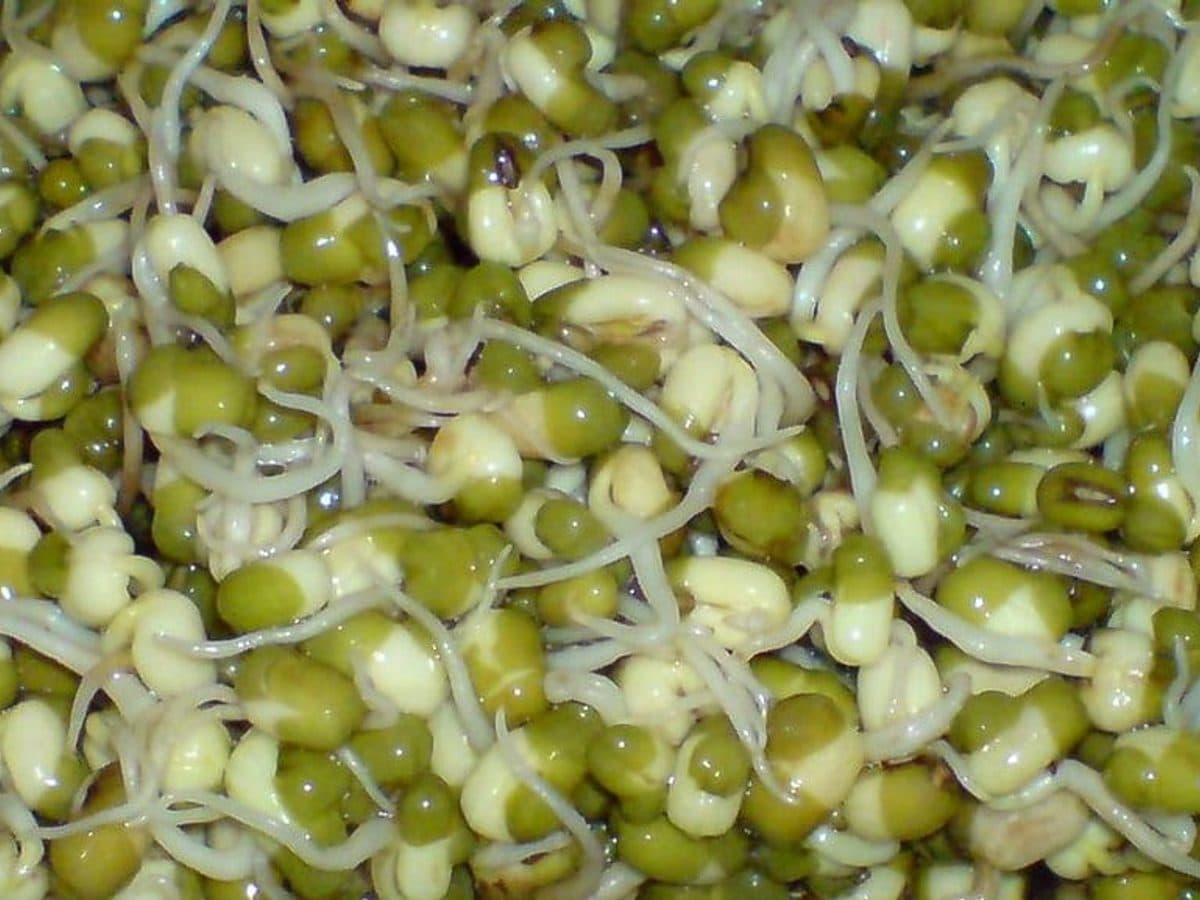
Sukju vs Kongnamul (Bean Sprouts)
Why Korean cooking uses two different bean sprouts, which dishes need which, and why only one of them can survive a long simmer.
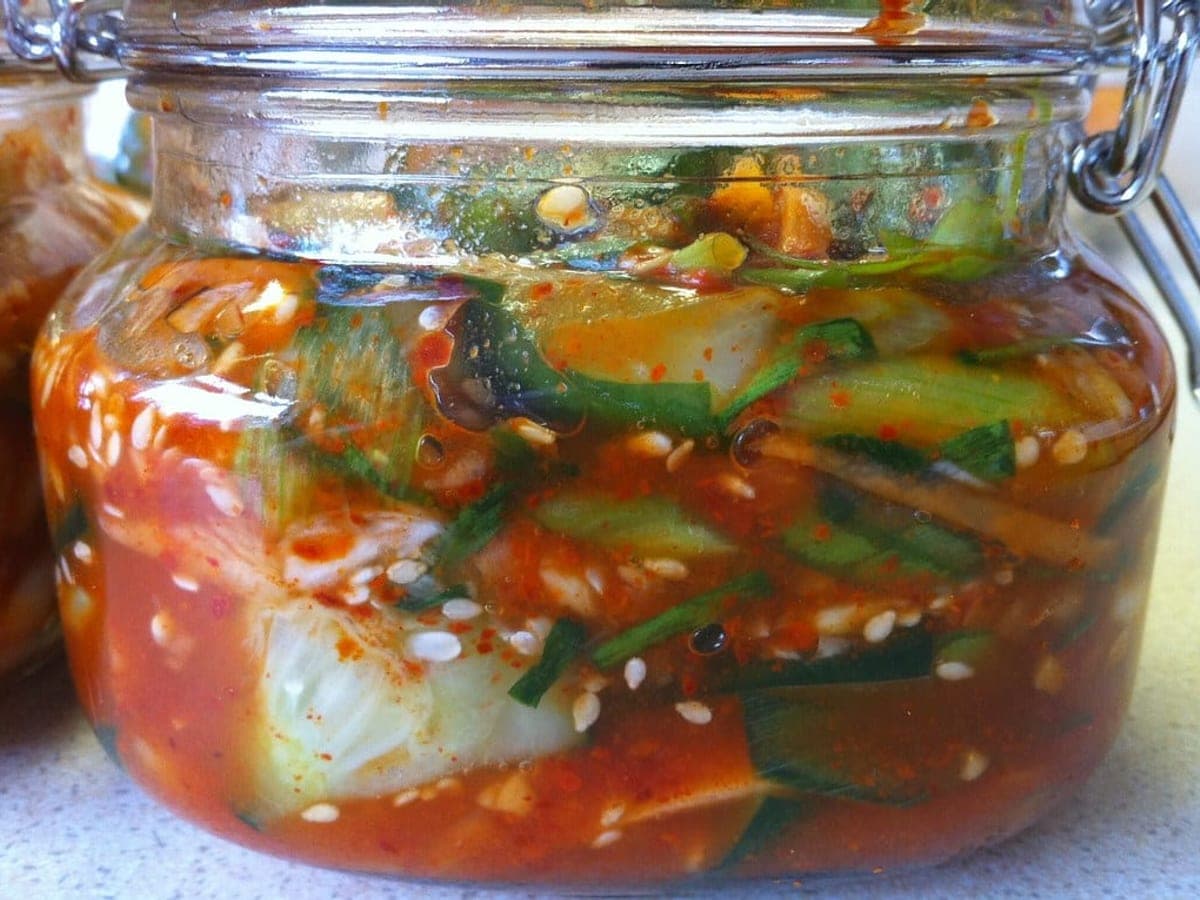
Why Is My Kimchi Not Sour?
The four things that stall kimchi fermentation — temperature, salt level, sugar and airtightness — and how to tell which one is your problem.
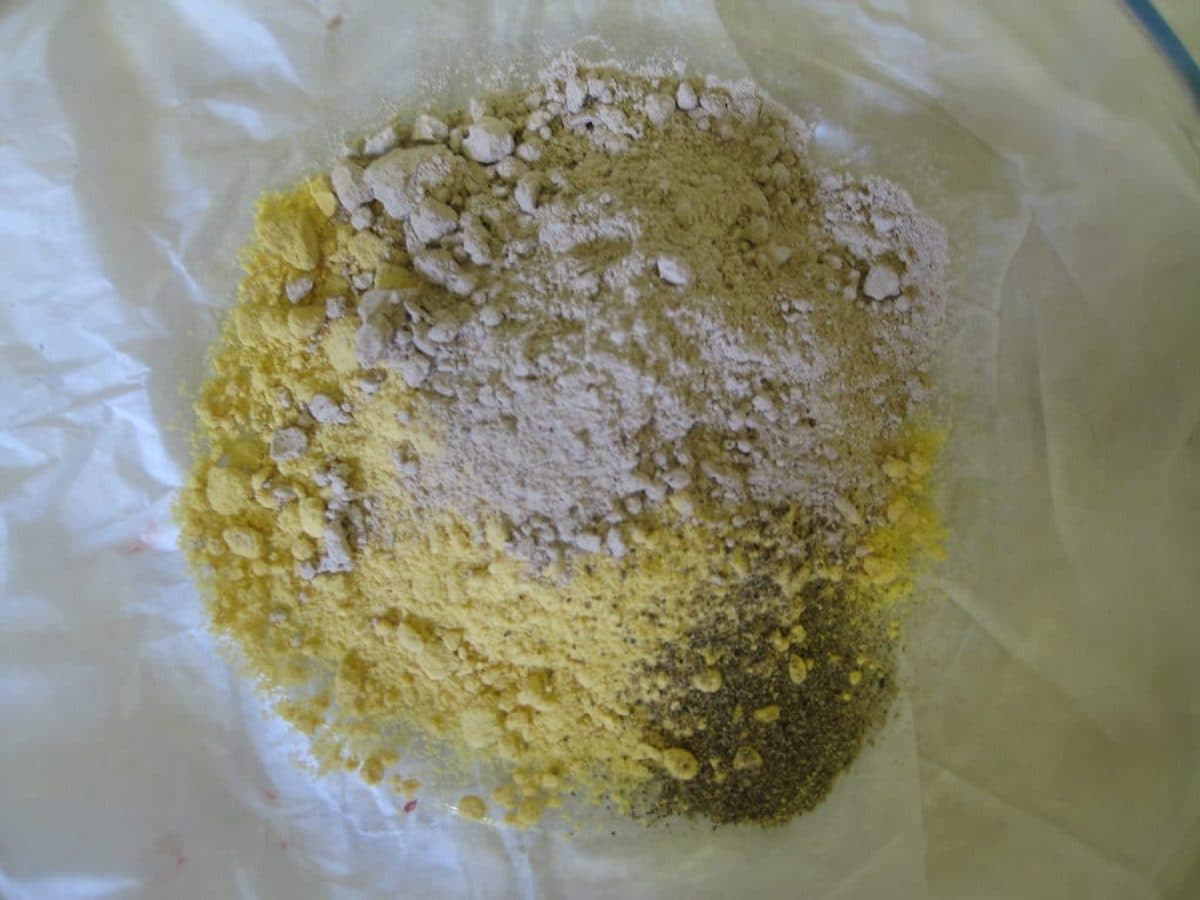
Yeongyeoja (Korean Mustard)
Why Korean mustard powder must be mixed with warm water and rested before use, and why it is nothing like the mustard on a hot dog.