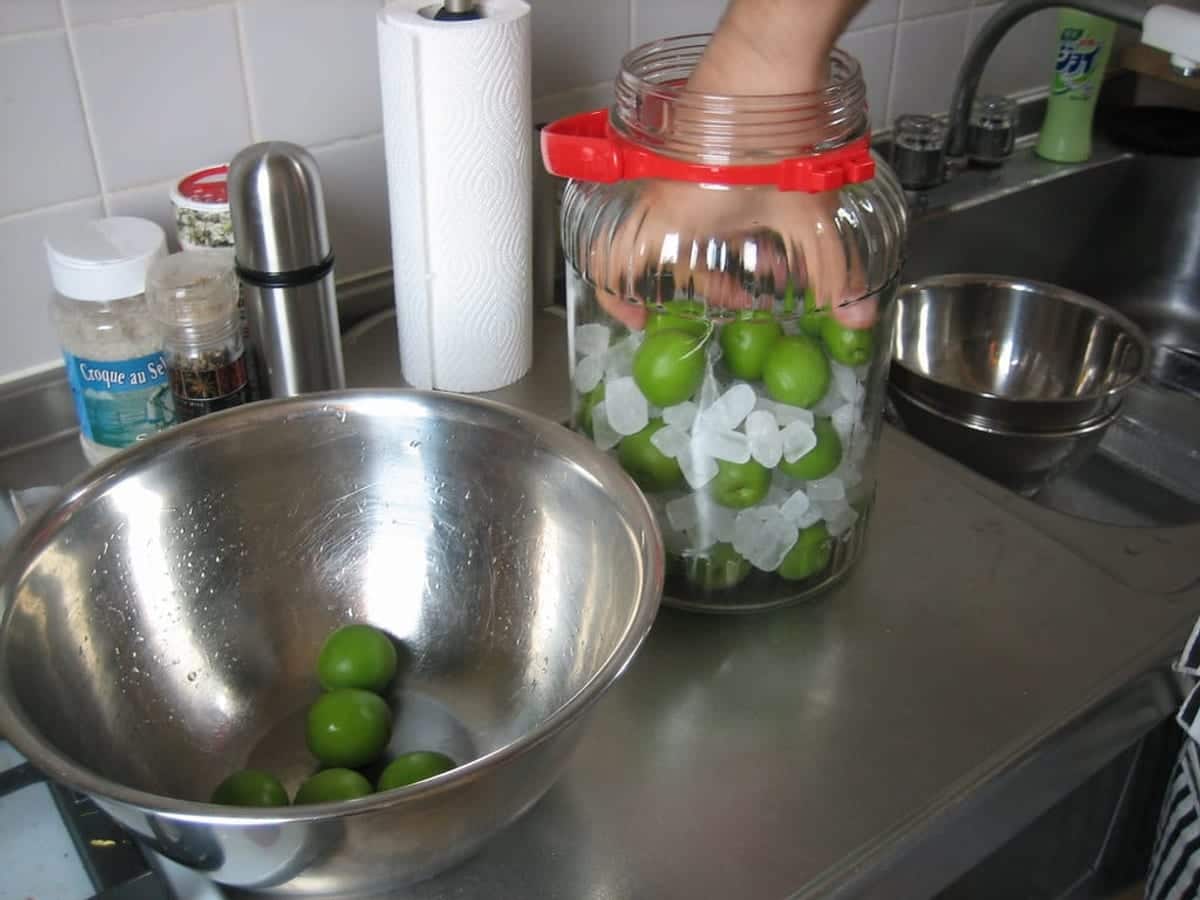
Photo: Ozchin · CC BY-SA
Did you know — Korean culture
Maesil are picked deliberately unripe, in a narrow window in early summer, because ripe plums make a muddier syrup and the green fruit has the sharp acidity the whole preparation is built around. Unripe maesil also contain compounds that make them unpleasant to eat raw — the sugar cure is not just for flavour, it is what makes the fruit usable at all.
Maesil-cheong is green plums layered with an equal weight of sugar and left to draw out into a syrup. It reads like a dessert ingredient and is used almost entirely as a savoury one.
In a Korean kitchen it is the default sweetener for marinades, dipping sauces and stir-fries — it adds sweetness plus a clean fruit acidity that plain sugar cannot, which is why it turns up in so many meat marinades and gochujang-based sauces.
What it is used for
Marinades — a spoonful in a bulgogi or pork marinade rounds off the soy and adds fruity acidity.
Sauces — it balances the raw edge of gochujang in dipping sauces and stir-fry glazes.
Drinks — diluted with cold or sparkling water, which is the use most people meet first.
Digestive — traditionally taken neat after a heavy meal, which is where much of its reputation comes from.
Take the plums out
If you are making it, this is the step people miss. The fruit should be strained out after roughly 100 days. Left in indefinitely, the plums break down and the syrup turns cloudy and can develop a bitter, slightly medicinal edge from the stones.
Once strained, the syrup keeps for years at room temperature — the sugar concentration is doing the preserving.
Substitutes
No exact match, because you are replacing sweetness and acidity. The workable approximation is honey or sugar plus a squeeze of lemon or a splash of rice vinegar, adjusted to taste.
Jocheong (Korean rice syrup) substitutes for the sweetness and body but brings no acidity. Mirin brings a little of both and is the closest single-bottle stand-in for marinades.
Buying it
Sold in jars in most Korean grocers, often labelled plum extract or plum syrup. Check that plums and sugar lead the ingredient list rather than fructose syrup and flavouring.
Colour ranges from pale gold to deep amber; darker generally means longer aged and a slightly deeper flavour, not better or worse.
How to use it in cooking
Maesil-cheong is not just a sweetener, and using it as one wastes what it does.
It sweetens and acidifies at the same time. A marinade using maesil-cheong needs less vinegar, or none. This is why it often appears in a recipe that already contains sugar — it is there for the sourness as much as the sweetness.
Where it earns its place:
- Marinades for pork and chicken, where the acidity also tenderises
- Gochujang-based sauces, cutting the paste's heaviness
- Namul dressings, in place of vinegar plus sugar
- Cold noodle sauces — bibim guksu, bibim naengmyeon
- Dipping sauces for jeon
As a drink: dilute one part syrup to five or six parts cold sparkling water. This is its most common use in Korea in summer.
Substituting for it
There is no single ingredient that does both jobs, so substitutes are built.
Closest approximation: honey or sugar syrup plus a small splash of rice vinegar. Start at three parts sweetener to one part vinegar and adjust.
Apricot or plum jam thinned with water and a little vinegar is closer in flavour, since maesil is botanically closer to an apricot than to a plum despite the English name.
Lemon juice plus sugar works for the sweet-sour balance but brings a citrus note that is not there in the original.
Going the other way: you can substitute maesil-cheong for sugar in most Korean marinades at roughly 1.5× the volume, and reduce or drop any vinegar.
Storing it, and what happens over time
Keeps for years, and genuinely improves for the first one or two. The colour deepens from pale gold to amber and the flavour rounds out.
Fridge after the fruit is strained out. Before that it sits at room temperature during the steeping months.
Strain the fruit at around 100 days. Left in much longer, the plums can start to break down and turn the syrup cloudy and slightly bitter. The strained fruit is edible and is often chopped into side dishes rather than discarded.
A white film or sediment is usually harmless sugar crystallisation or yeast. Fuzzy coloured mould is not — discard.
Fermentation bubbles in the first weeks are normal; loosen the lid periodically during steeping.
Common questions
What is maesil-cheong used for?
Both as a drink — diluted with cold sparkling water — and as a cooking ingredient. In the kitchen it sweetens and acidifies at once, so a marinade using it needs less vinegar or none, which is something sugar can't do.
What can I substitute for maesil-cheong?
There's no single match. Honey or sugar syrup plus a splash of rice vinegar, at roughly three parts sweetener to one part vinegar, gets the sweet-sour balance. Apricot jam thinned with water and vinegar is closer in flavour.
How long does maesil-cheong last?
Years, and it improves for the first one or two as the colour deepens and the flavour rounds out. Refrigerate it once the fruit is strained out.
When do you strain the plums out?
Around 100 days. Left in much longer they can break down and make the syrup cloudy and slightly bitter. The strained fruit is edible and often chopped into side dishes.
More to cook
All Ingredient & Substitute Guides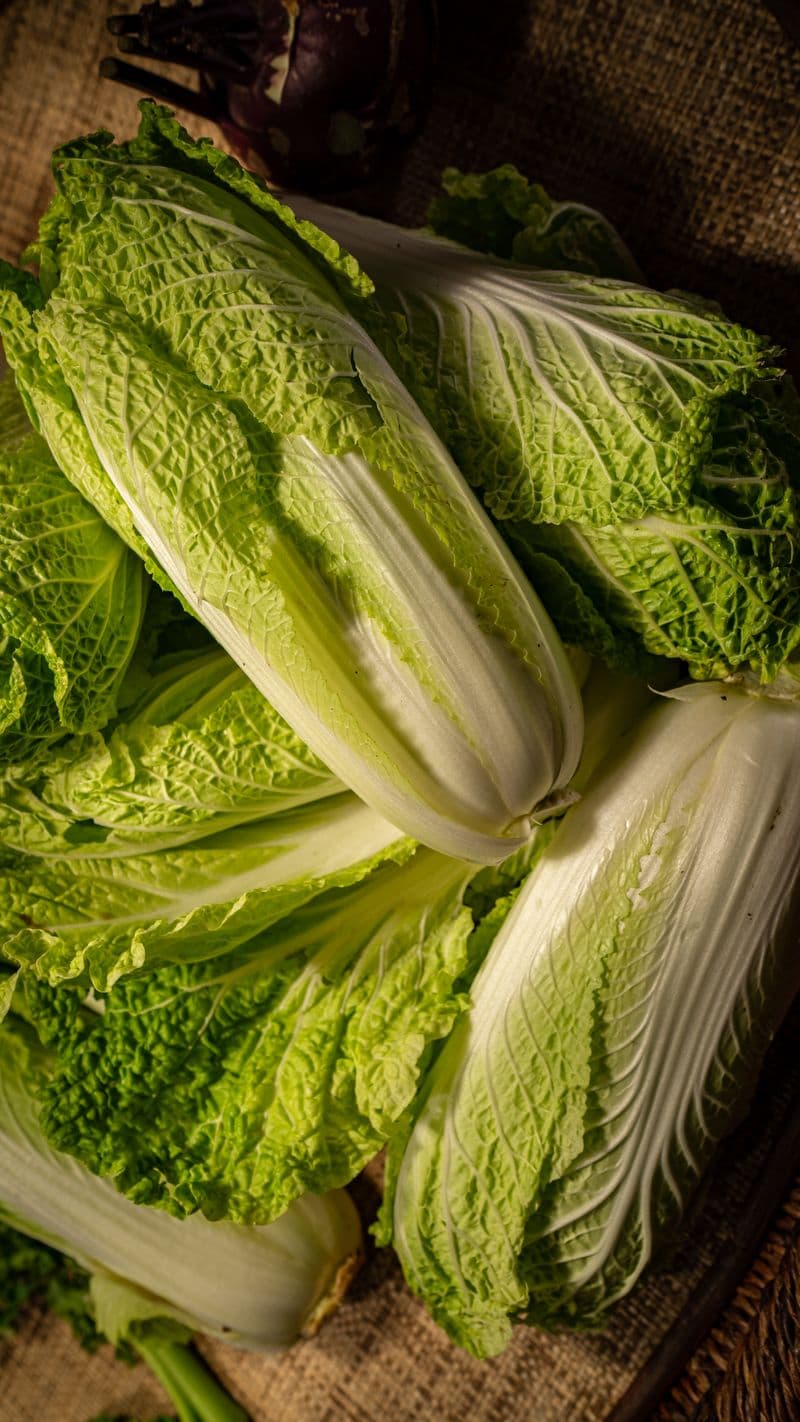
Napa Cabbage Substitute
Which cabbages actually work in place of napa, which ones only work outside kimchi, and why the water content matters more than the flavor.
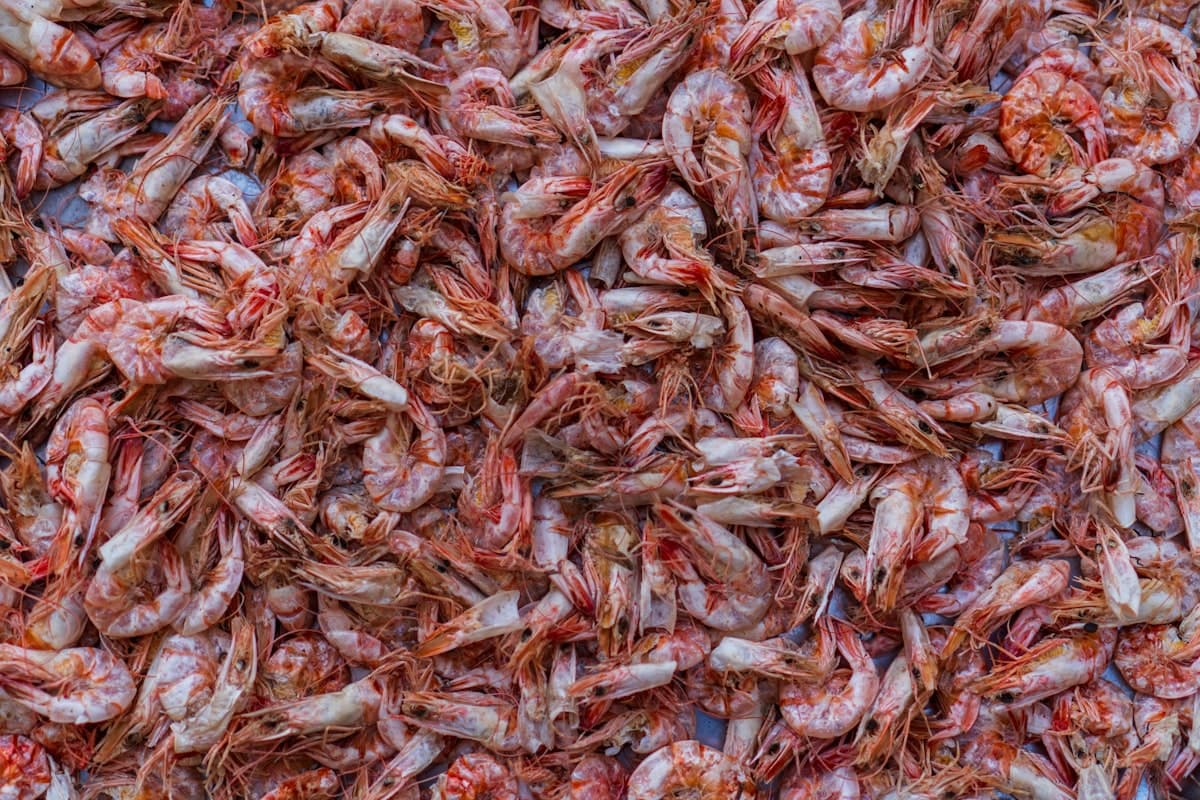
Saeujeot (Salted Fermented Shrimp)
What saeujeot is, why kimchi recipes call for it in such small amounts, and what to use if you can't find it.
Sesame Oil vs. Perilla Oil
How toasted sesame oil and perilla oil actually differ in flavor, smoke point and shelf life — and which Korean dishes specifically want one over the other.