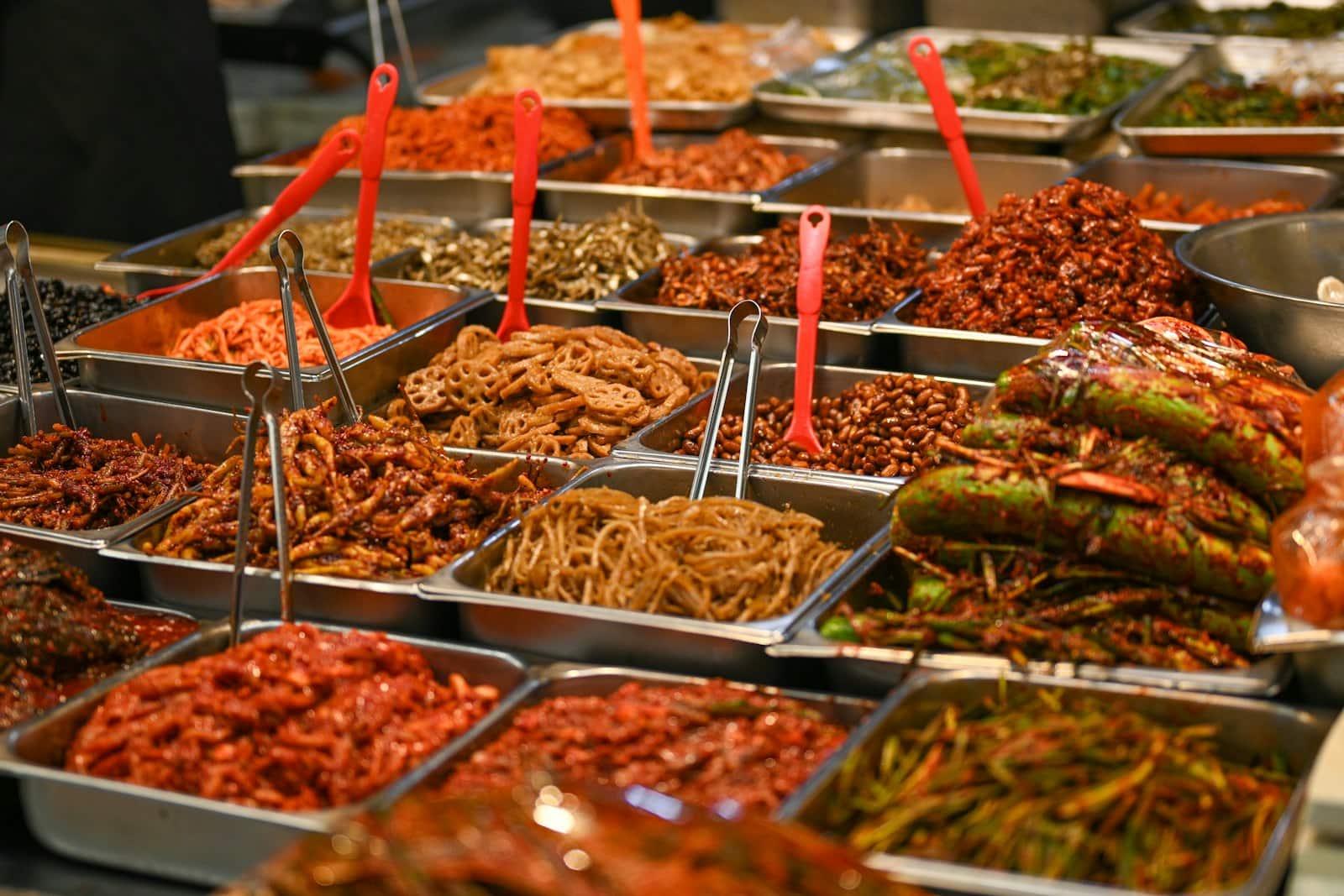
Banchan
The little side dishes that make a Korean table look like a Korean table. Make a batch, it lasts all week.
Did you know — Korean culture
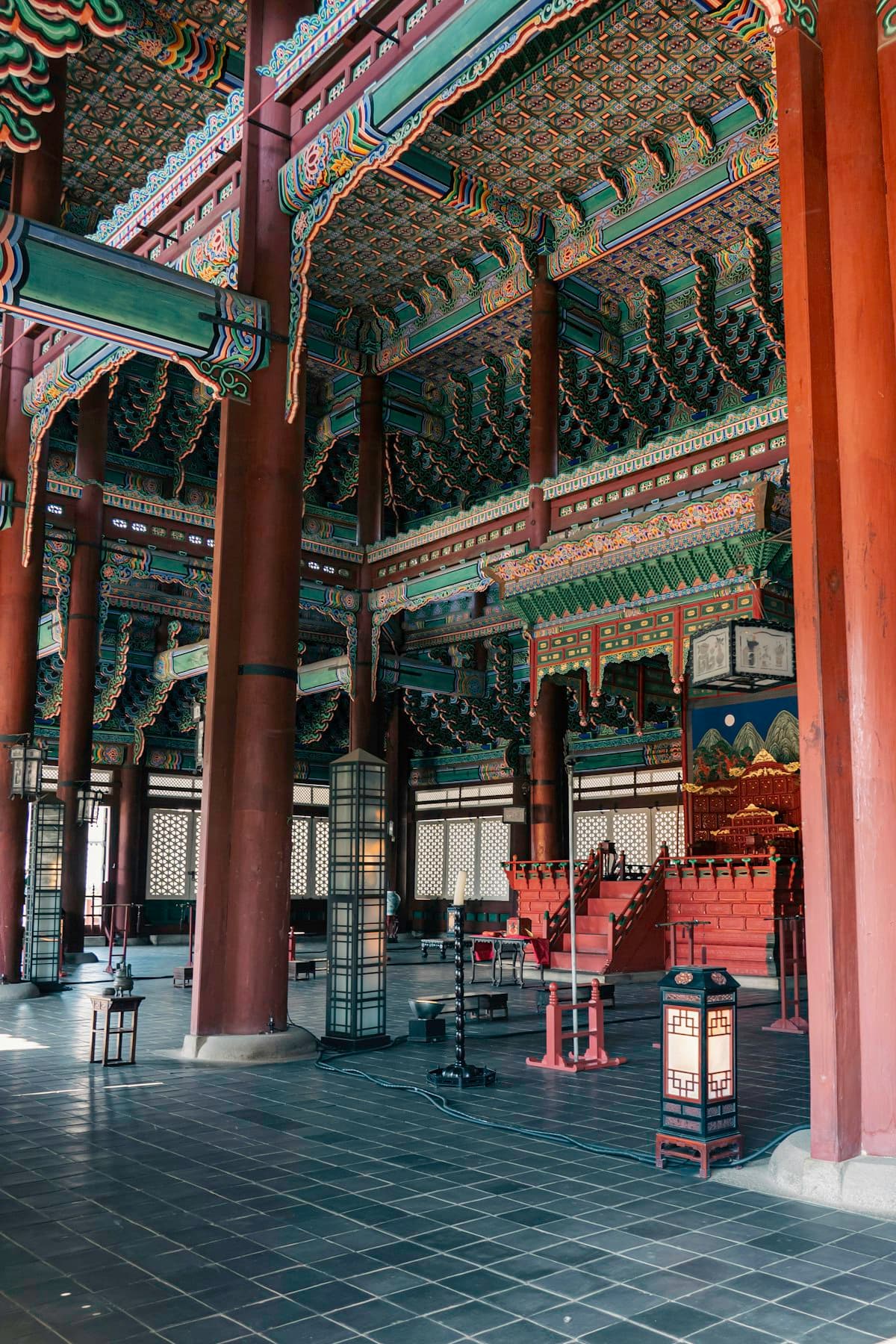
In the Joseon dynasty, how many side dishes hit your table basically told you your rank. The king got 12, by law — the 12-cheop surasang. Nobles topped out at nine. The pile of little banchan bowls on a modern table used to be a measure of status.
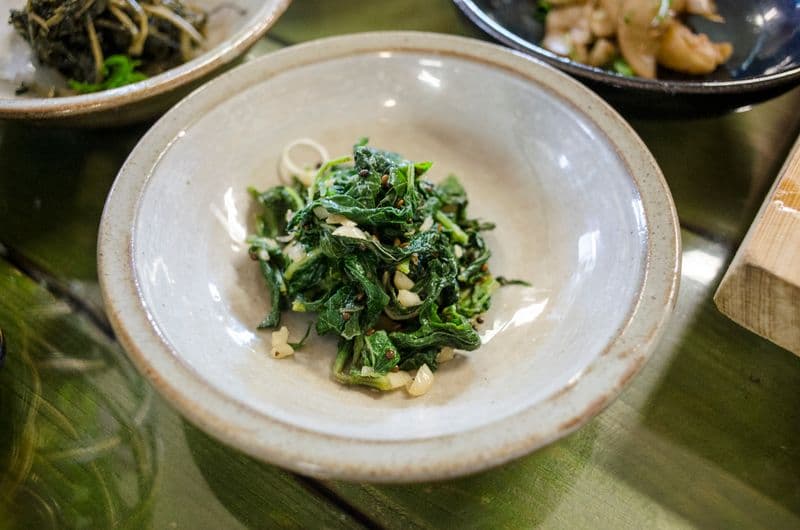
Chwinamul Muchim (Seasoned Aster Greens)
Why blanching briefly and shocking in cold water is what keeps this wild green tender and bright instead of mushy and dull.
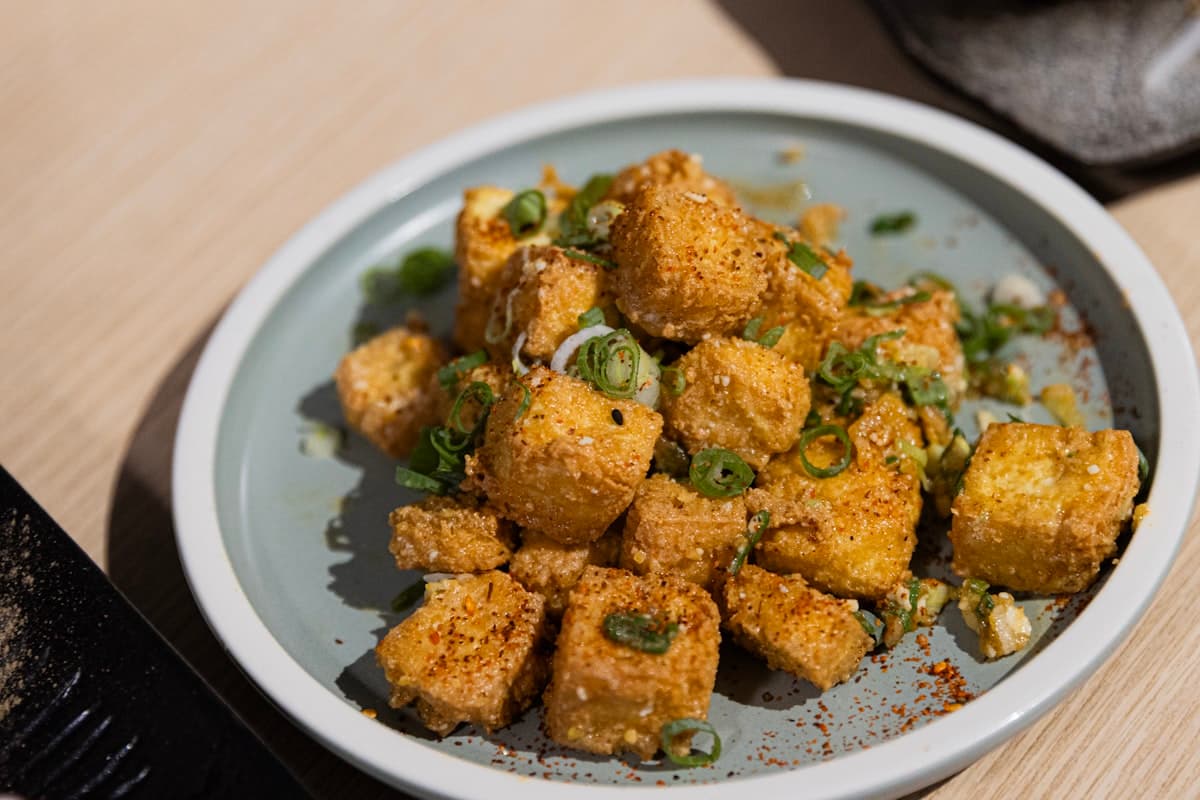
Dubu Buchim (Plain Pan-Fried Tofu)
The pat-dry-and-sear technique behind dubu buchim, and why moisture is the one thing standing between soft tofu and a golden crust.
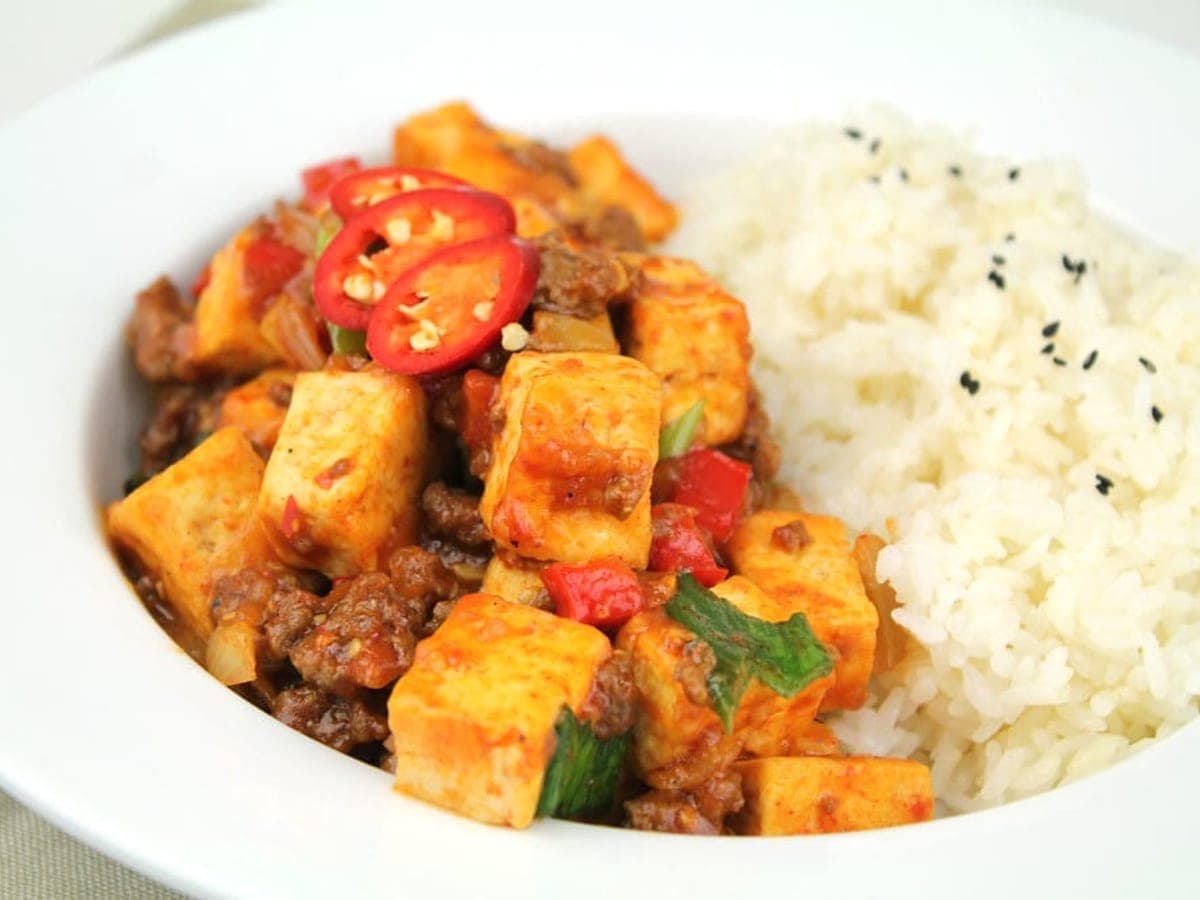
Dubu Jorim (Braised Tofu)
Why the tofu is pan-fried before it is braised, and how the sauce is reduced around it rather than the tofu being simmered in a full pot of liquid.
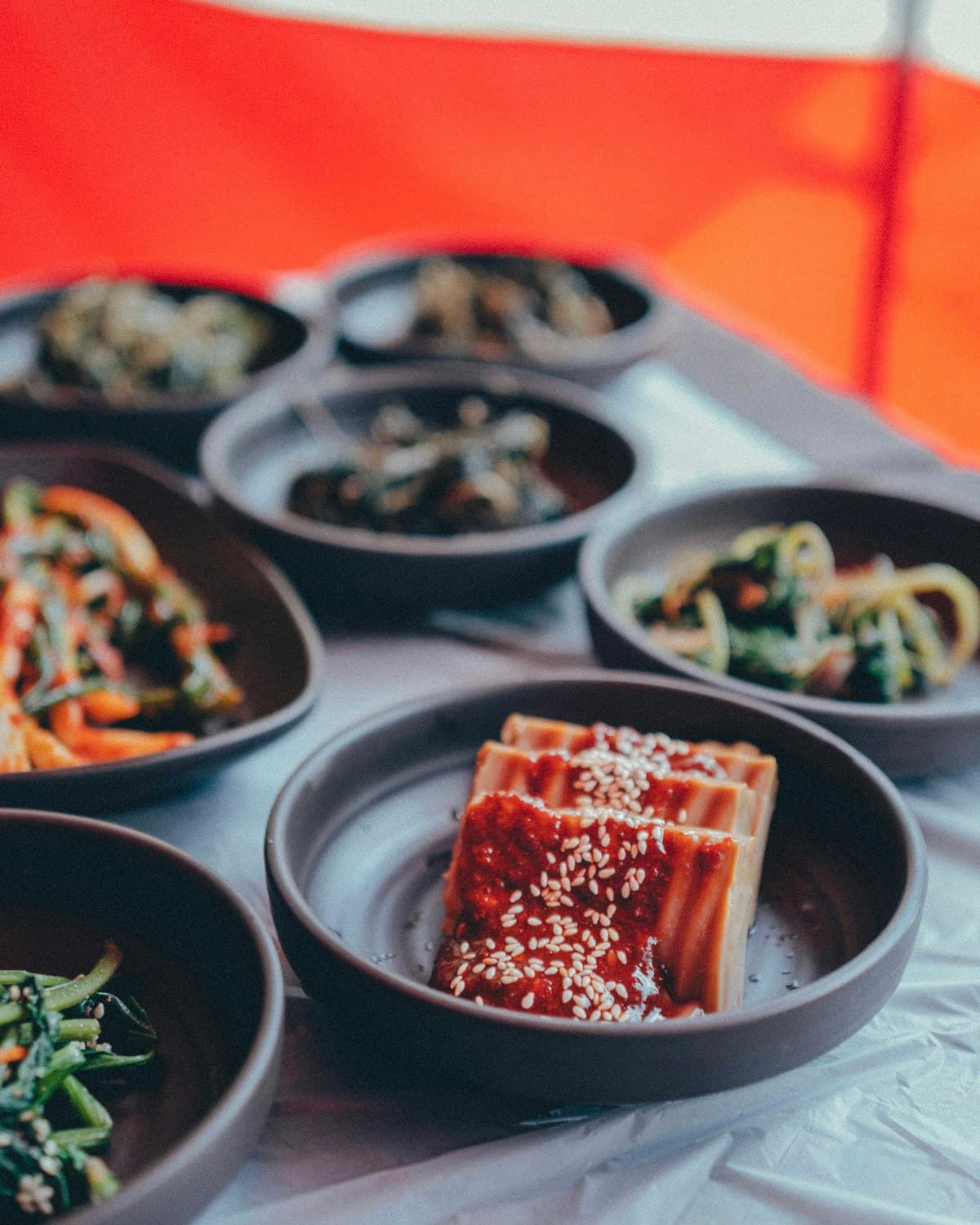
Dubu Kimchi (Tofu with Stir-Fried Kimchi)
The steamed-tofu, stir-fried-kimchi pairing behind dubu kimchi, and why the two halves are meant to stay separate on the plate.
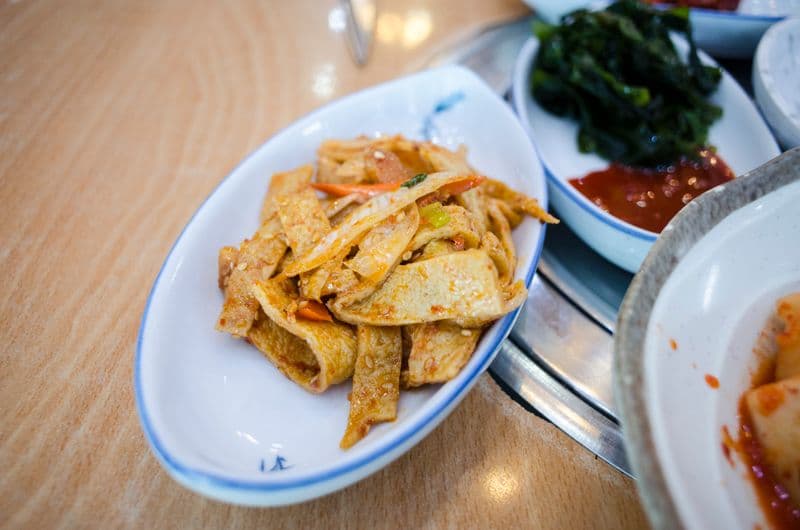
Eomuk Bokkeum (Stir-Fried Fish Cake)
Why blanching the fish cake before it hits the pan is what keeps this banchan from tasting oily, and how high heat at the end builds the glaze.
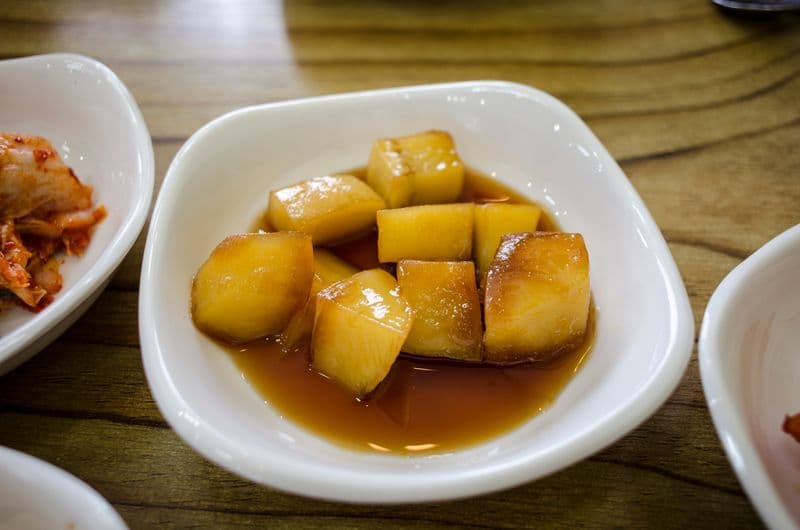
Gamja Jorim (Braised Potatoes)
Why par-cooking the potatoes before they hit the sauce prevents the mushy-outside, raw-inside problem, and how the final uncovered simmer builds the glaze.
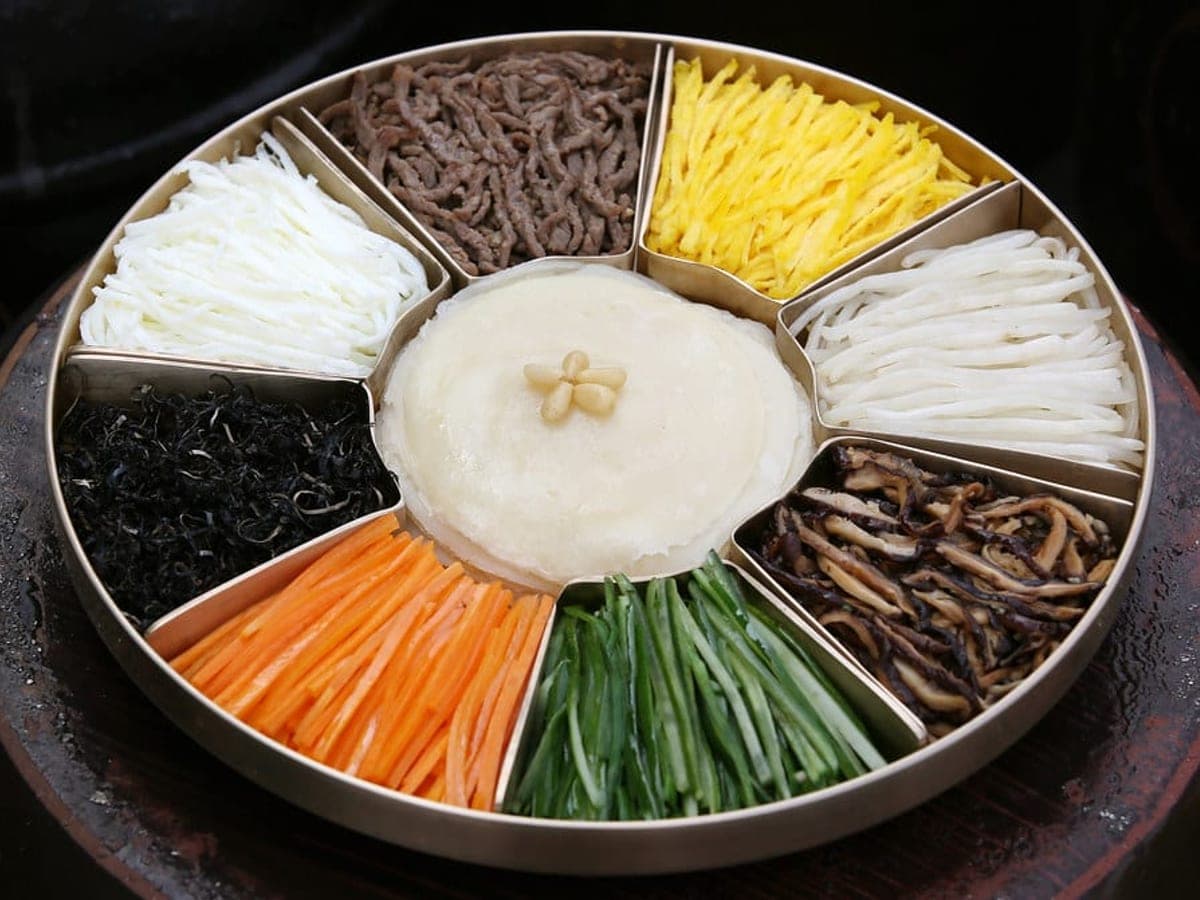
Gujeolpan (Nine-Section Platter)
How the eight fillings around a gujeolpan are chosen for contrast rather than variety, and why the crepes in the centre must be thin enough to see through.
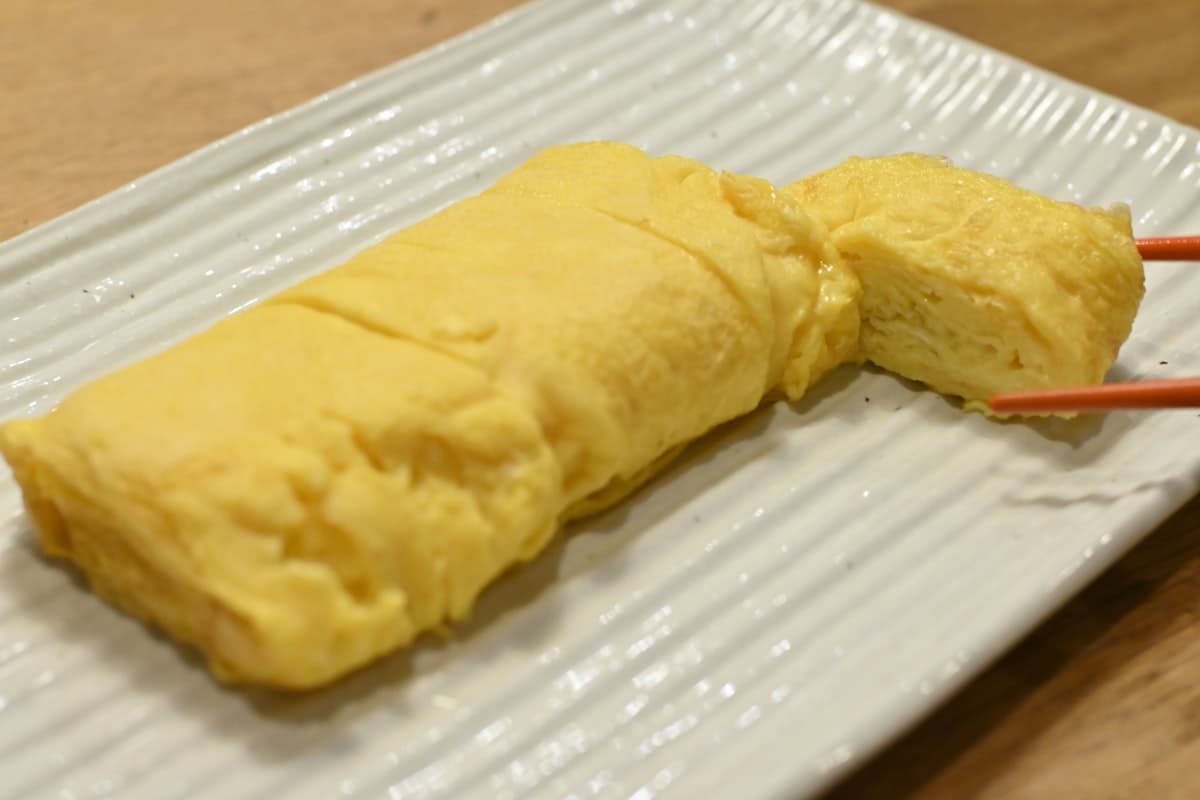
Gyeran Mari (Rolled Omelette)
The low-heat, layer-by-layer rolling technique behind gyeran mari, and why rushing the heat is the most common mistake.
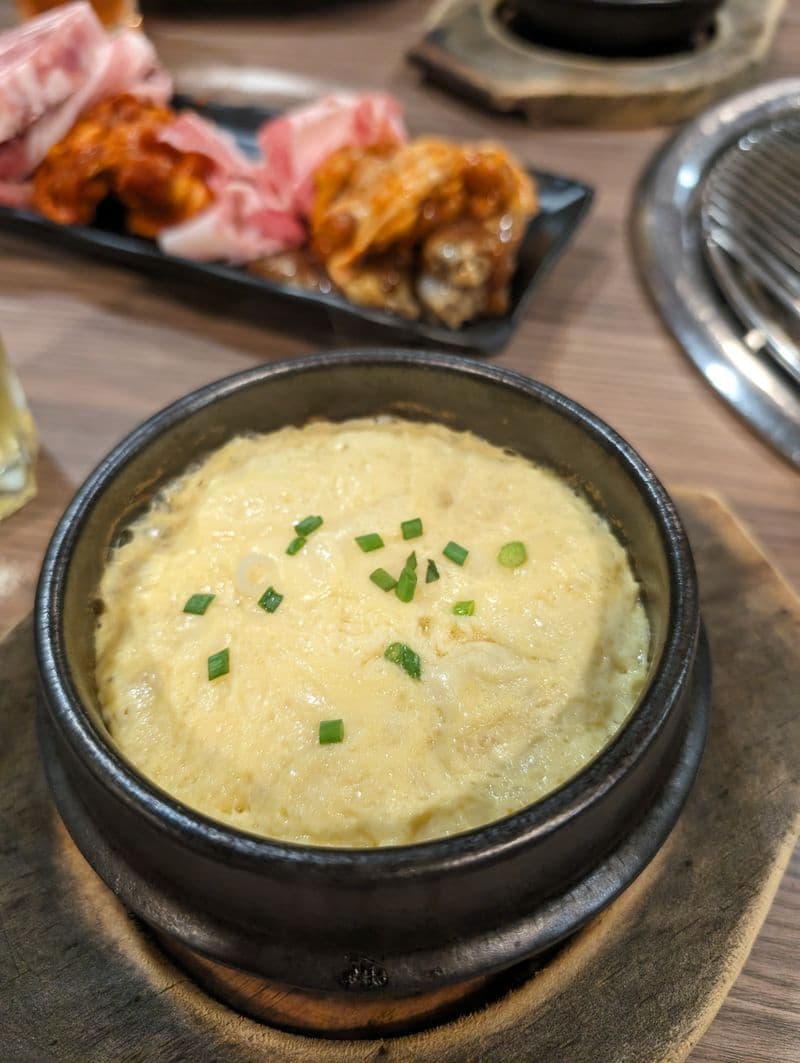
Gyeranjjim (Steamed Egg Casserole)
Why straining the eggs and using a low, gentle heat is what gets gyeranjjim genuinely fluffy instead of rubbery or watery.
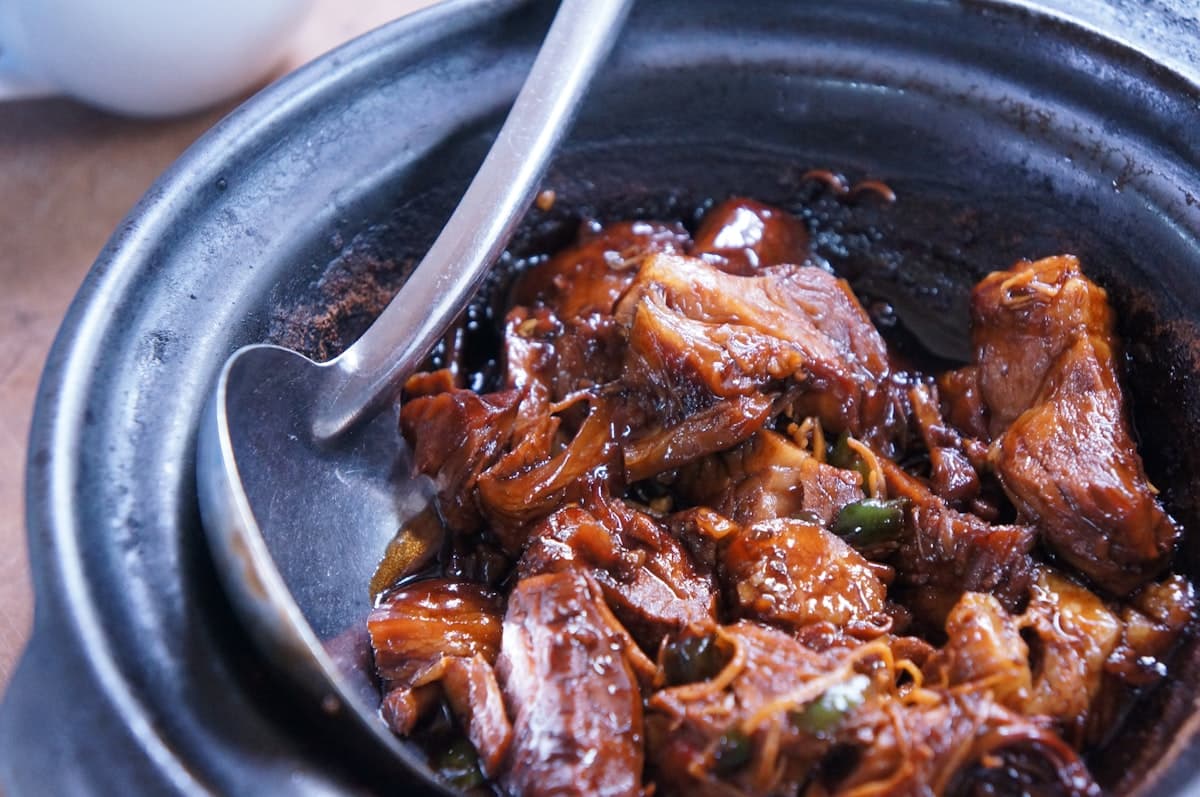
Jangjorim (Soy-Braised Beef)
The long soy-sauce simmer that turns beef into a shelf-stable side dish, and the shredding technique that makes it worth keeping around.
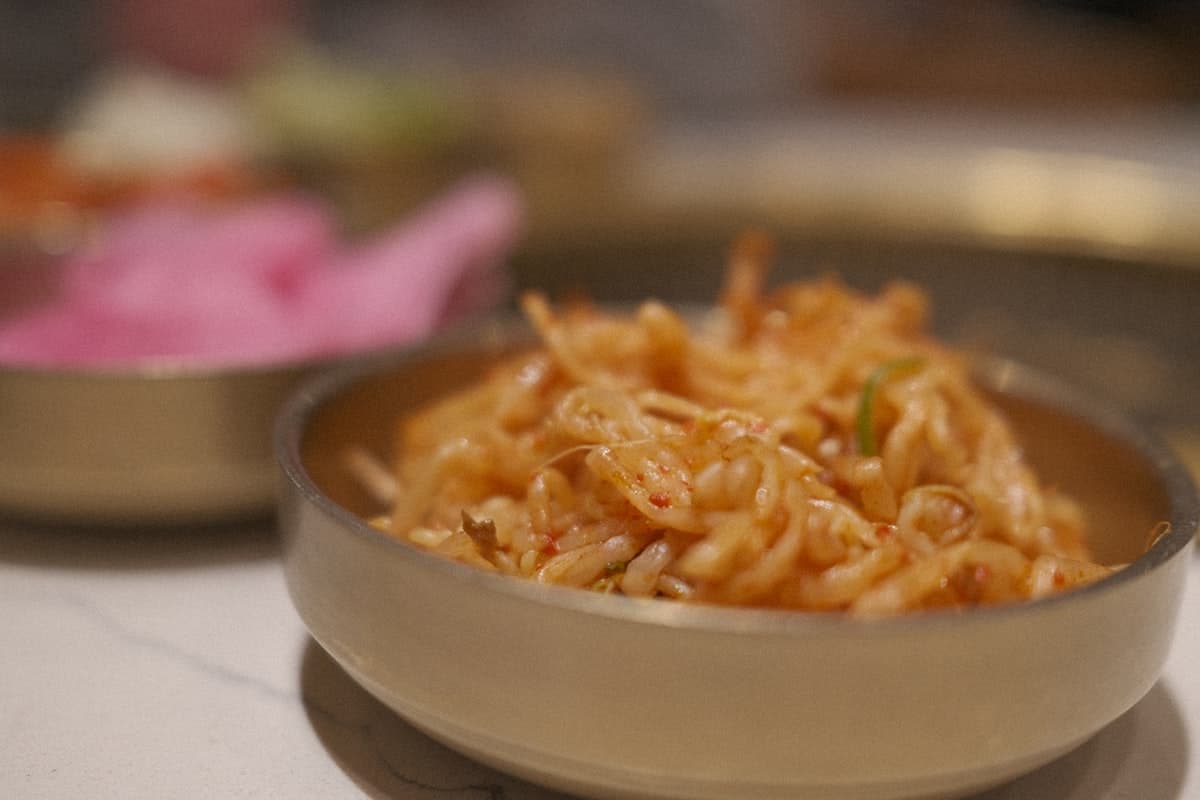
Kongnamul Muchim (Bean Sprout Salad)
The exact blanching time for bean sprouts that keeps them crisp, and why the lid stays on while they cook.
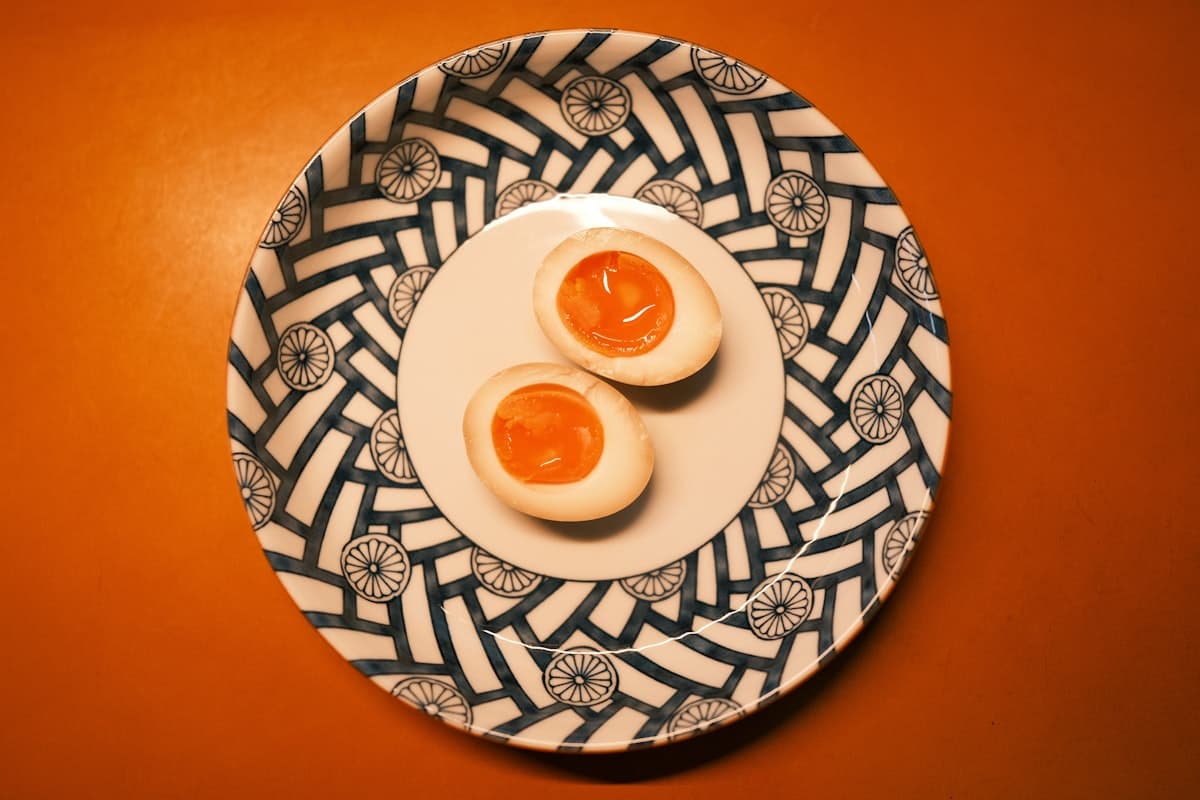
Mayak Gyeran ("Drug" Marinated Eggs)
The soft-boil timing and soy marinade behind mayak gyeran, and why the eggs need to rest before they're actually good.
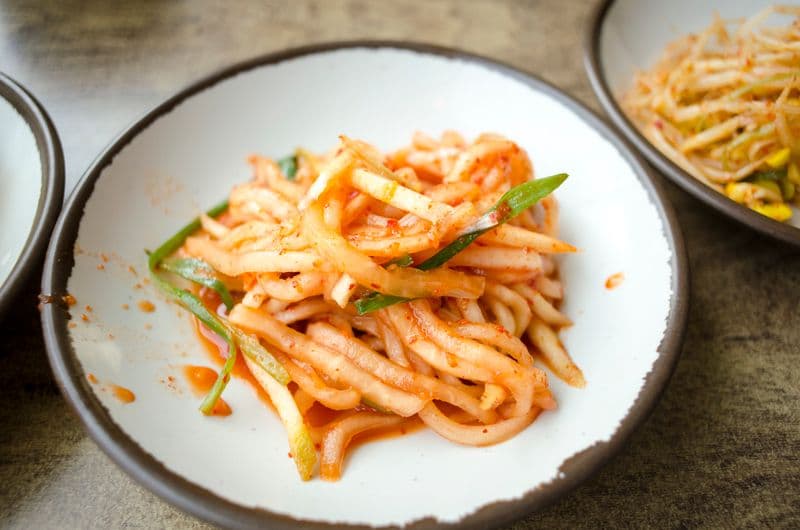
Musaengchae (Spicy Radish Salad)
Why salting and draining the julienned radish before seasoning is what keeps this banchan crisp instead of watery.
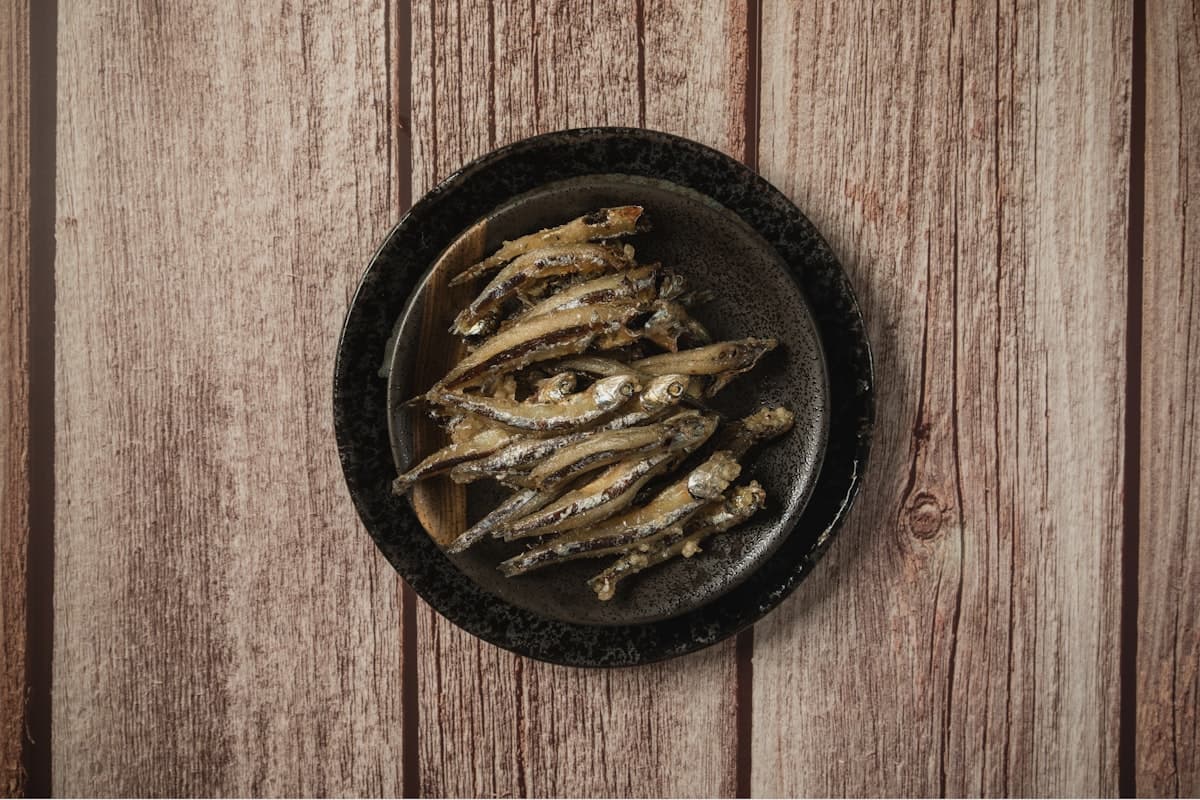
Myeolchi Bokkeum (Stir-Fried Dried Anchovies)
The dry-toast-then-glaze technique behind myeolchi bokkeum, and why skipping the first step leaves it soggy.
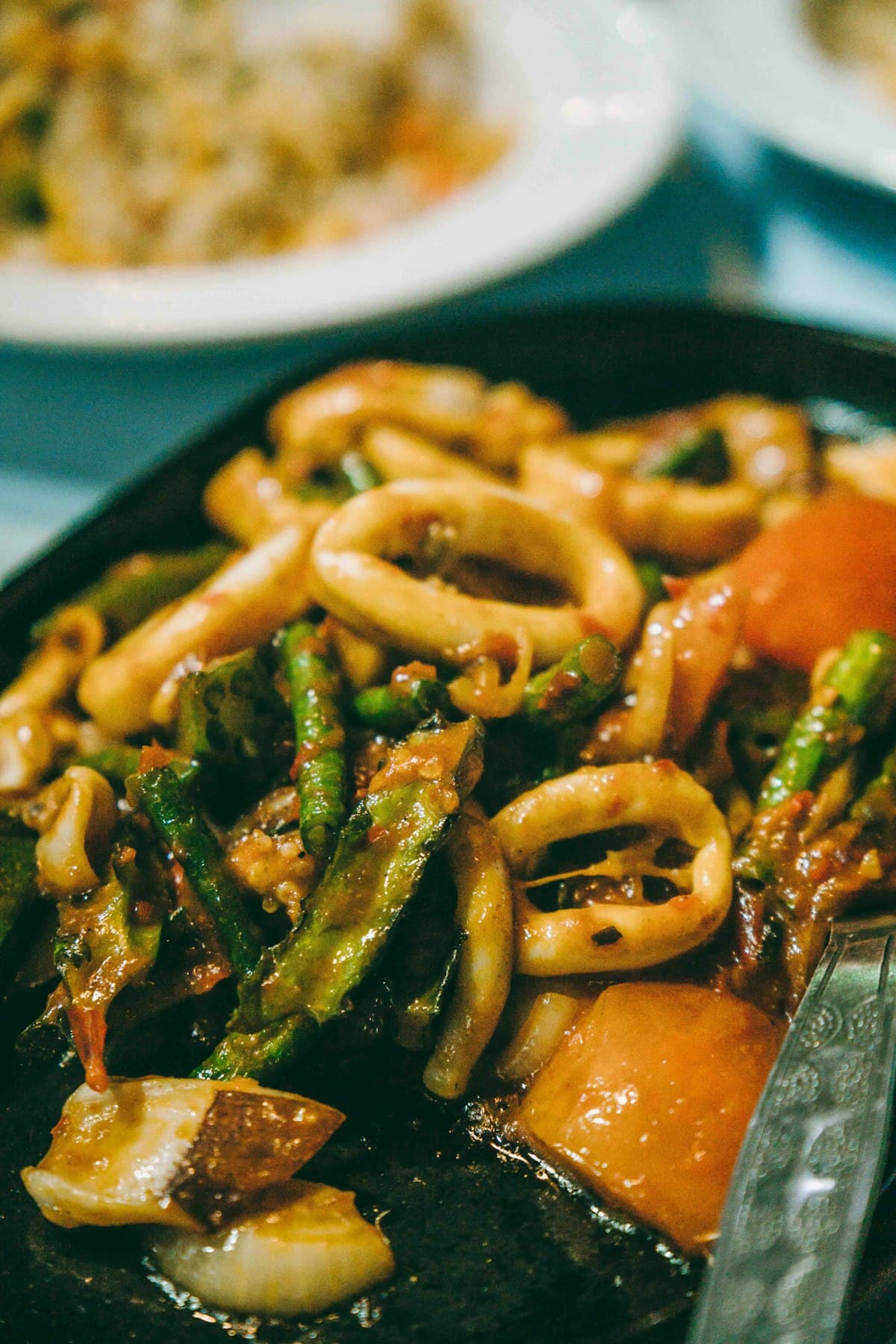
Ojingeo Muchim (Spicy Squid Salad)
The quick-blanch timing behind tender ojingeo muchim, and why overcooking the squid by even a minute ruins the texture.
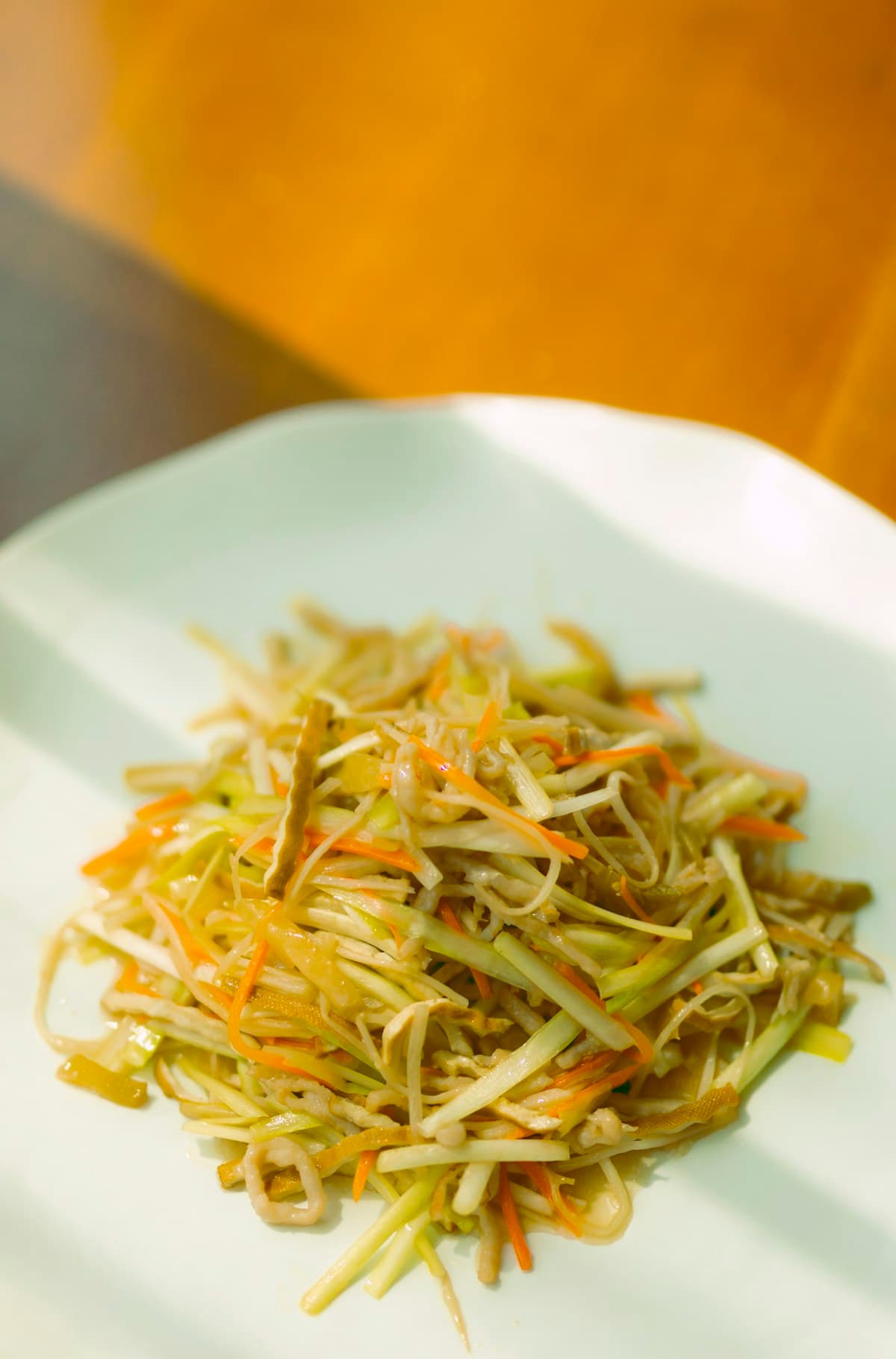
Ojingeochae Muchim (Seasoned Dried Shredded Squid)
The soak-and-soften technique behind ojingeochae muchim, and why skipping it leaves the squid too tough to enjoy.
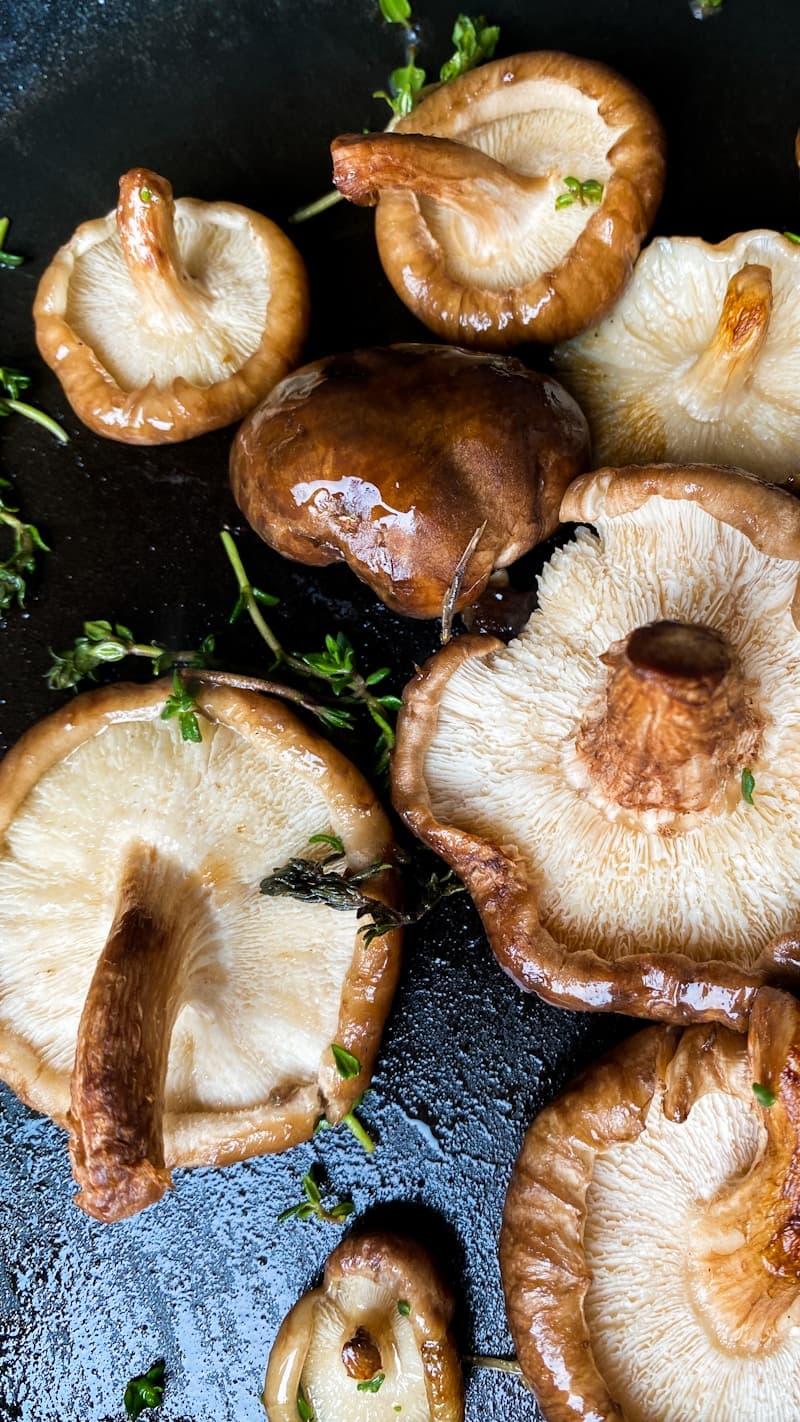
Pyogo Beoseot Bokkeum (Stir-Fried Shiitake Mushrooms)
Why shiitake needs a dry sear before any sauce goes in, and how overcrowding the pan is what actually causes soggy mushrooms.
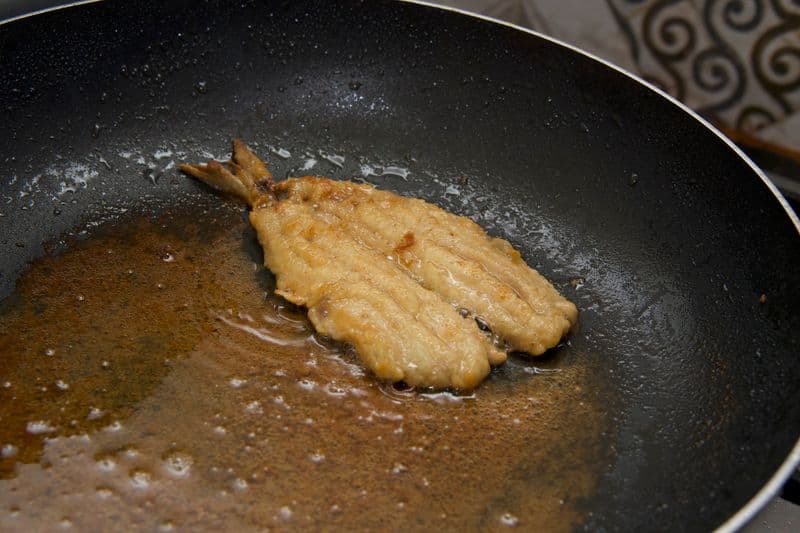
Saengseon Jeon (Pan-Fried Fish Fillets)
Why patting the fish bone-dry before dredging is what keeps the egg coating from sliding off, and how low heat prevents a burnt-outside, raw-inside fillet.
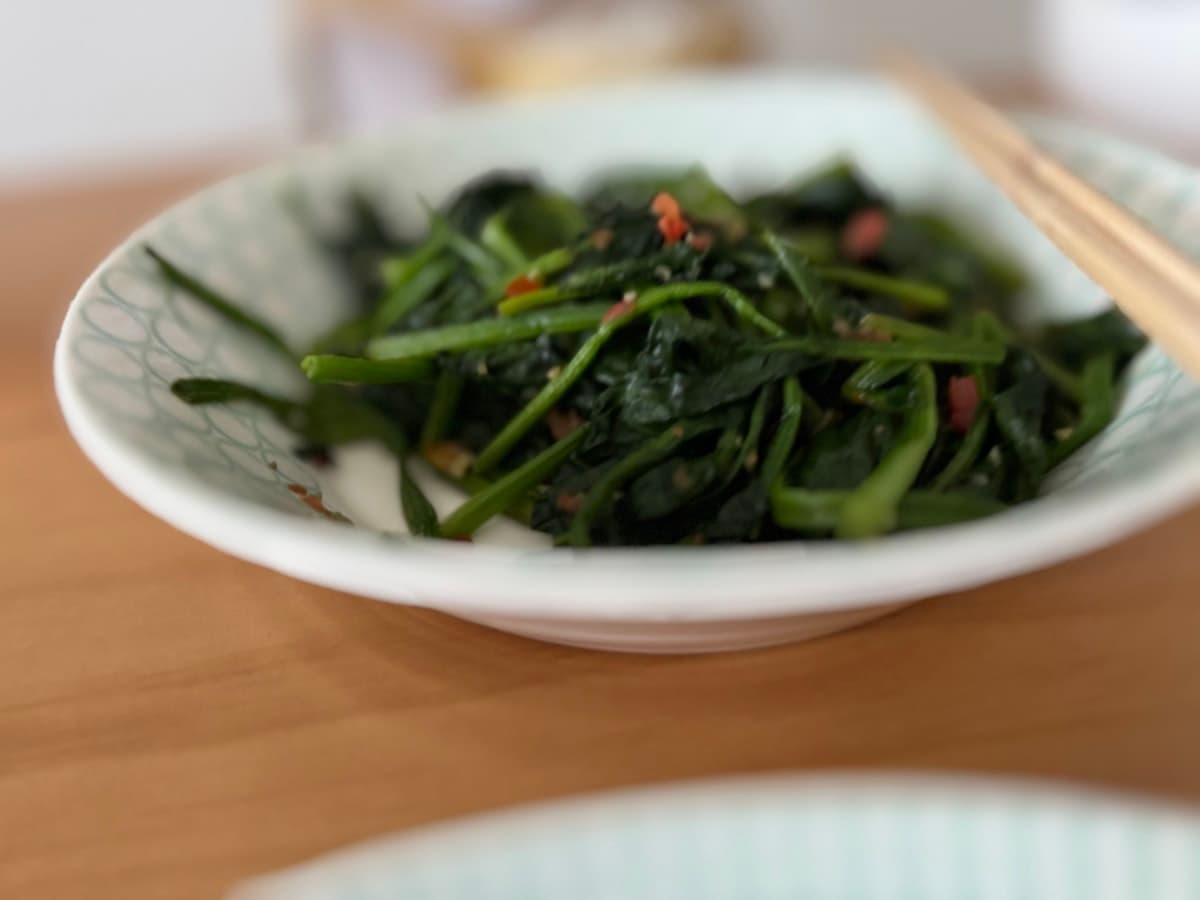
Sigeumchi Namul (Seasoned Spinach)
The quick-blanch-and-shock technique that keeps sigeumchi namul bright green, and the hand-squeeze step most people skip.
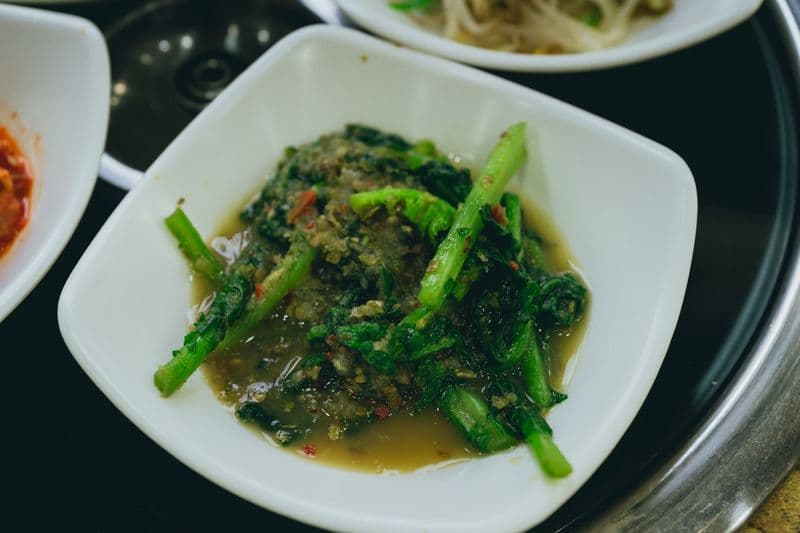
Ssukgat Namul (Seasoned Crown Daisy Greens)
Why crown daisy needs an even shorter blanch than most namul greens, and how its natural bitterness is meant to be balanced, not blanched away entirely.