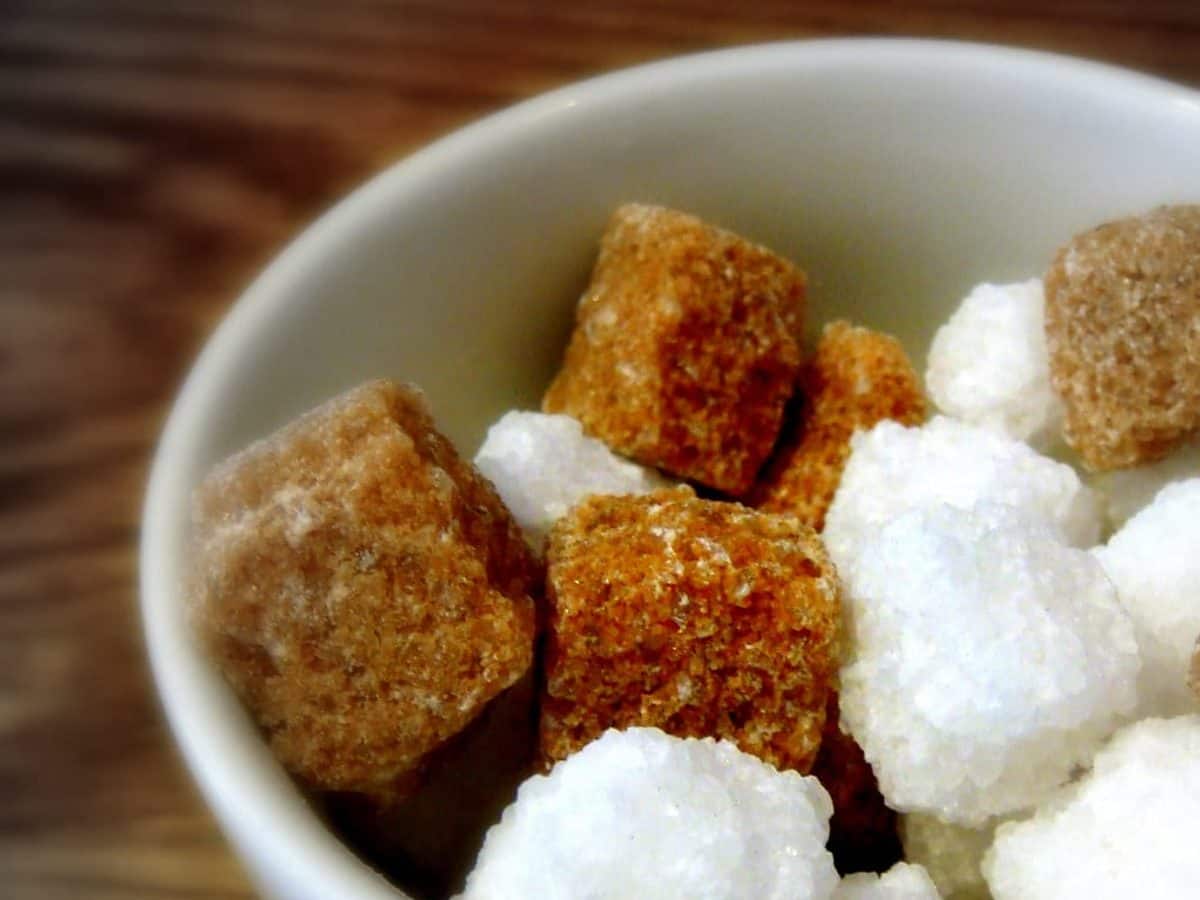
Photo: KJGarbutt · CC BY
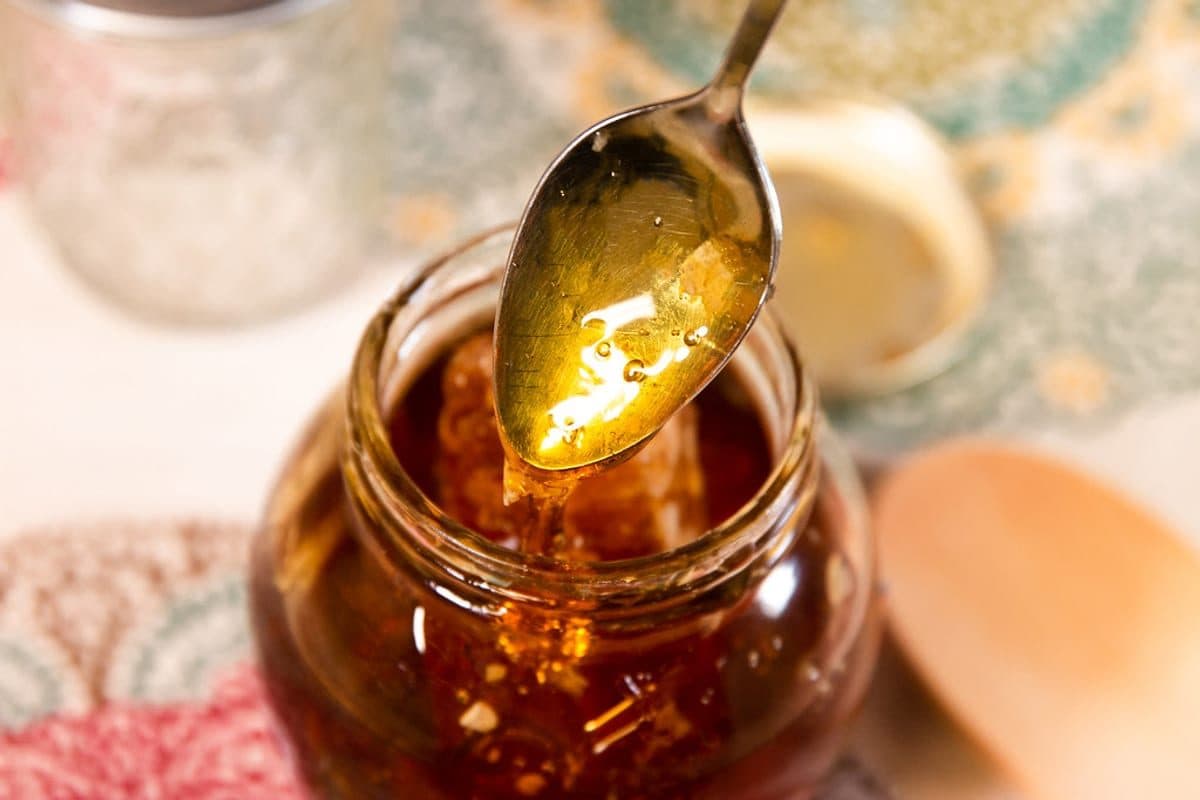
Did you know — Korean culture
Jocheong is one of the oldest sweeteners in the Korean kitchen and was, for most of its history, the only concentrated one — sugar was a luxury import well into the twentieth century. Making it is slow: grain is fermented with malt, strained, then reduced for hours. Cheap corn syrup displaced it almost entirely from home kitchens within a generation, and jocheong is now sold as the premium, traditional option.
Korean savoury cooking uses sweetness constantly, and recipes are often vague about which sweetener they mean. They are not interchangeable — they differ in how they behave under heat as much as in how sweet they are.
The practical division is between sugars, which dissolve and sweeten, and syrups, which sweeten and give the lacquered shine on things like dakgangjeong or a braised glaze.
The syrups: jocheong and mullyeot
Jocheong (조청) is traditional grain syrup, made by converting rice or barley starch with malt. Dark, thick, faintly malty, and the more characterful of the two.
Mullyeot (물엿) is the modern clear corn syrup that has largely replaced it in home kitchens. Neutral, cheap, and what most contemporary recipes assume.
Both do the glossing. If a recipe says a dish should look shiny, that is a syrup instruction — sugar alone will not produce it.
Sugar and honey
Sugar is used freely in marinades and stews where sweetness is all that is wanted. White and brown are largely interchangeable in Korean recipes; brown adds a faint molasses note.
Honey appears more in confectionery and drinks than in savoury cooking. It burns at a lower temperature than syrup, so it is usually stirred in off the heat — this is why yakgwa is soaked in honey syrup after frying rather than before.
Fruit syrups do double duty
Maesil-cheong (green plum) and similar fruit syrups sweeten and add acidity, which plain sugar cannot. A marinade using maesil-cheong needs less vinegar or none.
This is why a spoonful of plum syrup often appears in a recipe that already contains sugar — it is there for the sourness.
Substituting without wrecking the dish
Replacing syrup with sugar: use about three-quarters the volume and accept a matte finish.
Replacing sugar with syrup: use a little more and reduce other liquid slightly.
Honey for syrup works in a marinade but not for a high-heat glaze, where it scorches.
Storing them
Sugar — cupboard, indefinitely. Brown sugar hardens; a slice of bread in the container softens it again.
Syrups (jocheong, mullyeot) — cupboard, sealed. They keep for a year or more. Crystallisation at the edges is normal and reverses with gentle warming.
Honey — cupboard, never the fridge, which speeds crystallisation. Crystallised honey is fine; stand the jar in warm water.
Fruit syrups like maesil-cheong — fridge once the fruit is strained. They keep for years and improve for the first one or two.
A general note: none of these spoil in any dangerous sense. Sugar concentration is itself a preservative, which is much of why these products exist.
A quick reference for substituting
| Recipe calls for | You have | Use | |---|---|---| | Syrup (gloss) | Sugar | ¾ the volume, accept a matte finish | | Sugar | Syrup | Slightly more, reduce other liquid | | Jocheong | Corn syrup | 1:1 | | Jocheong | Honey | 1:1 in marinades; not for high-heat glaze | | Sugar | Maesil-cheong | 1.5×, and cut the vinegar | | Honey | Sugar | ¾ the volume, add a splash of water |
The one that catches people out is replacing syrup with sugar in a glaze. You get the sweetness and none of the shine, because gloss is a syrup property. If the recipe describes the finished dish as lacquered or glossy, that is a syrup instruction.
Common questions
What is the difference between jocheong and mullyeot?
Jocheong is traditional grain syrup — rice or barley converted with malt — and is dark and faintly malty. Mullyeot is modern clear corn syrup, neutral and cheap. They're interchangeable in function; jocheong adds flavour as well as gloss.
Can I use honey instead of Korean rice syrup?
In a marinade, yes, roughly 1:1. In a high-heat glaze, no — honey burns at a lower temperature and will scorch. That's why yakgwa is soaked in honey syrup after frying rather than before.
Why does my Korean glaze look dull instead of glossy?
You used sugar where the recipe wanted syrup. Gloss is a property of syrup, not of sweetness — sugar will season the dish correctly and still leave it matte.
What is maesil-cheong used for that sugar can't do?
It adds acidity along with sweetness. A marinade using maesil-cheong needs less vinegar or none, which is why it sometimes appears in recipes that already contain sugar.
More to cook
All Ingredient & Substitute Guides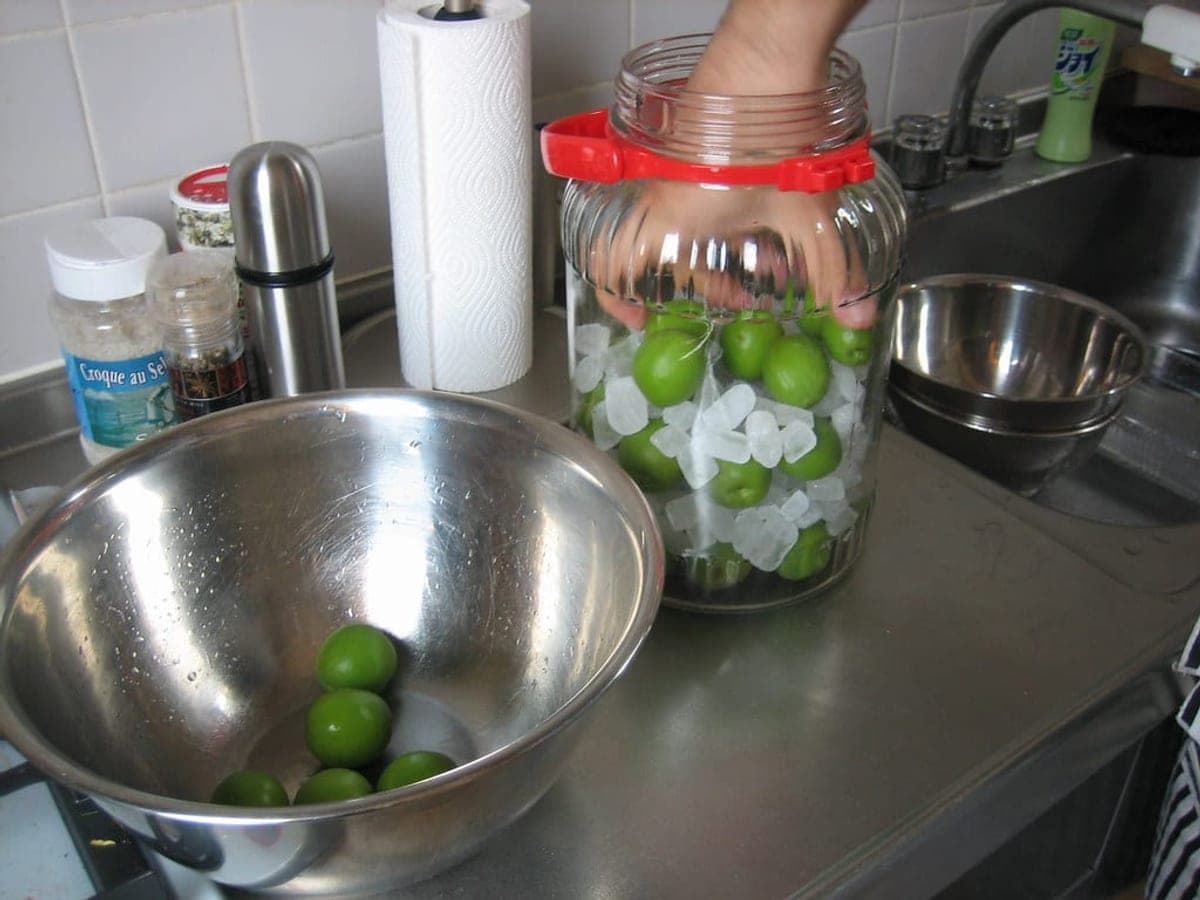
Maesil-cheong (Green Plum Syrup)
What maesil-cheong is used for in savoury Korean cooking, why the plums must be removed after 100 days, and what to substitute if you don't have a jar.
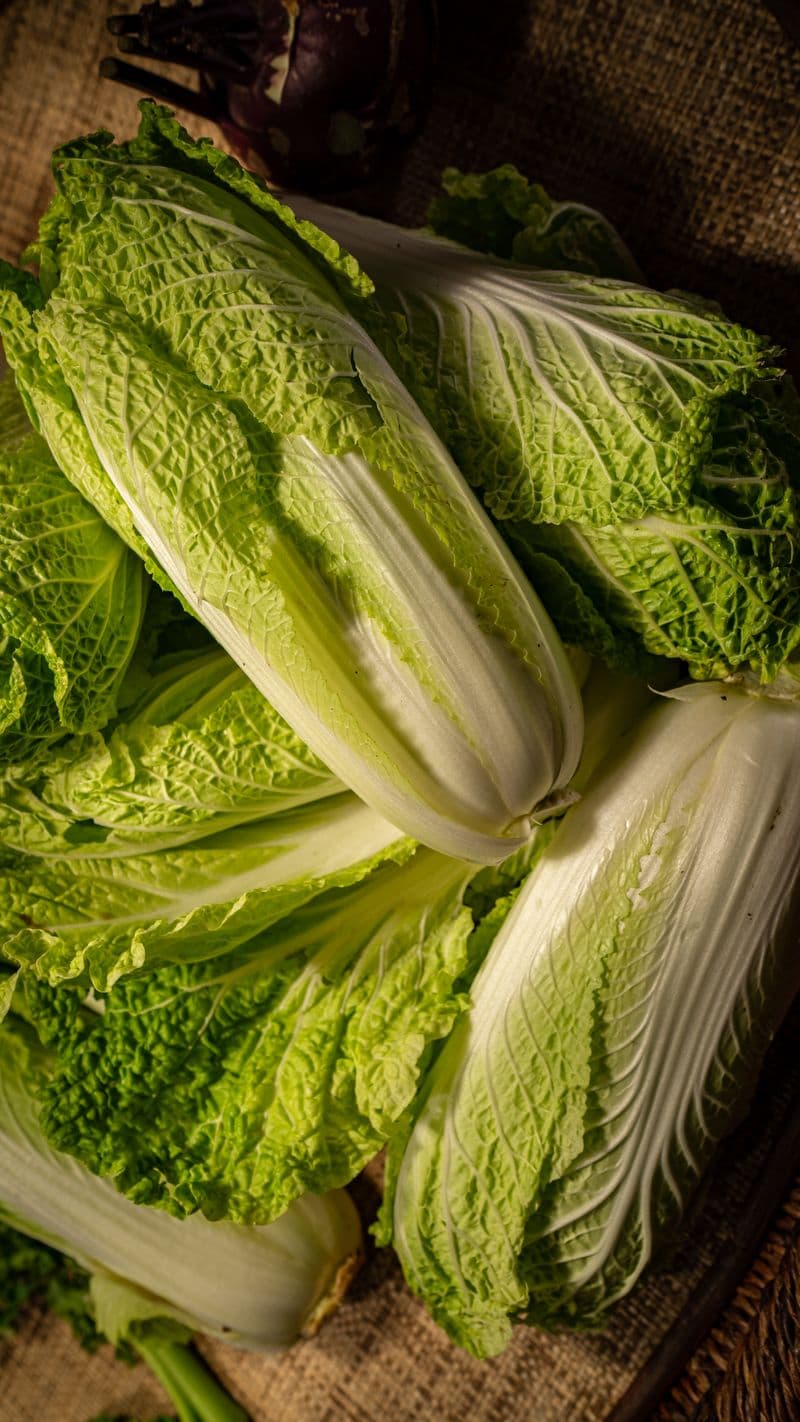
Napa Cabbage Substitute
Which cabbages actually work in place of napa, which ones only work outside kimchi, and why the water content matters more than the flavor.
Saeujeot (Salted Fermented Shrimp)
What saeujeot is, why kimchi recipes call for it in such small amounts, and what to use if you can't find it.