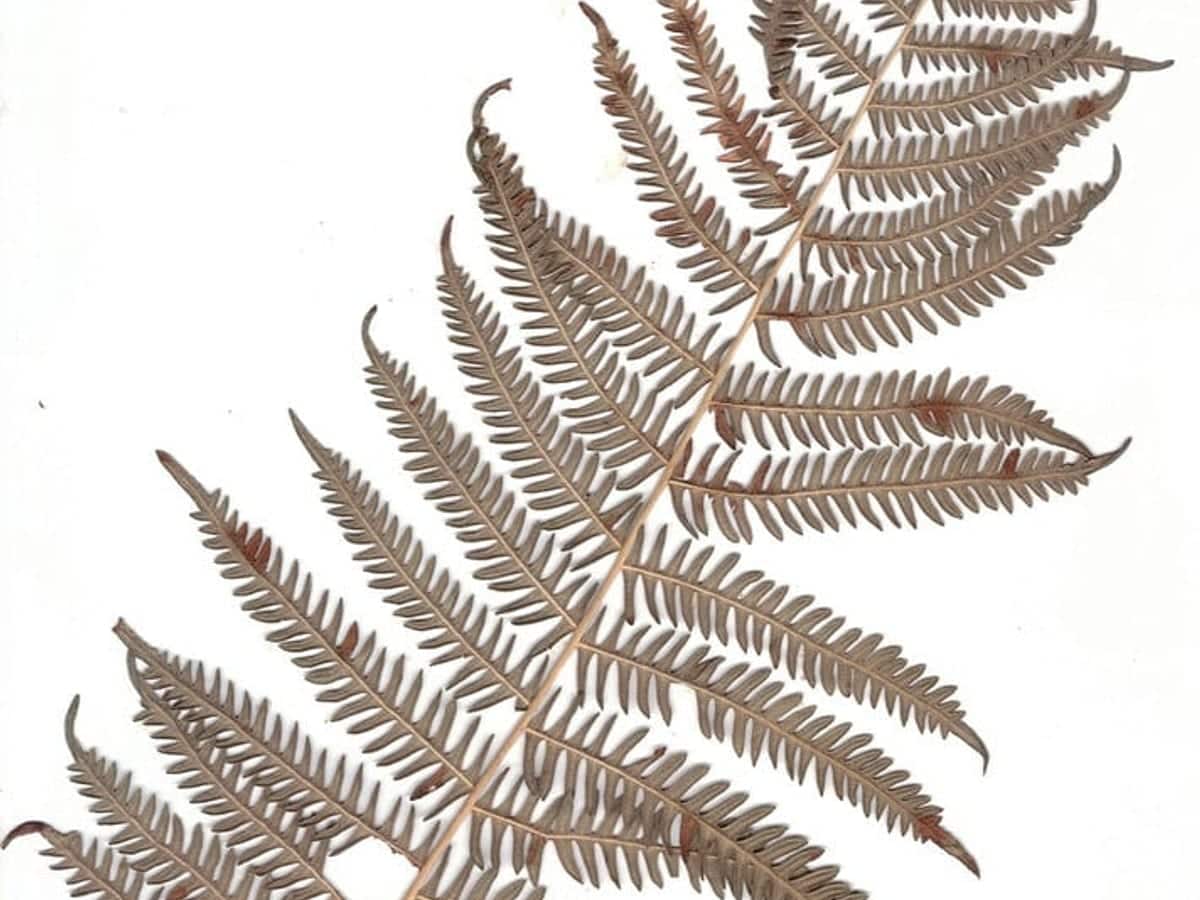
Photo: SALi-design · CC BY
Did you know — Korean culture
Gosari is one of the three namul traditionally served at Korean ancestral rites, alongside spinach and bellflower root. The trio is chosen for colour as much as flavour — brown, green and white — following the same obangsaek colour logic that governs a [gujeolpan](/recipes/gujeolpan) platter. It is a set that turns up on the table at Chuseok in most families regardless of what else is served.
Gosari is dried bracken fern shoots, and it is one of the harder Korean ingredients for a newcomer to get right — not because the cooking is complicated, but because the rehydration is long and most recipes underplay it.
It is the brown, slightly chewy, faintly earthy component in bibimbap that people often cannot identify. Texturally it sits somewhere between a mushroom stem and a green bean, and it carries seasoning extremely well, which is why it is almost always served as a seasoned namul rather than plain.
Soak, then boil — both, not either
Dried gosari needs 6 to 8 hours of cold soaking, ideally overnight, and then 20 to 40 minutes of actual boiling. Skipping the boil is the usual mistake; a soak alone leaves it unpleasantly tough and slightly bitter no matter how long you leave it.
After boiling, taste a piece. It should be tender with a slight chew, like a cooked green bean. If it still resists, keep boiling — older, thicker stock can want closer to an hour.
Trim the tough ends
The bottom of each stalk stays woody however long you cook it. Once rehydrated, run a finger up each piece and snap off anything that feels stringy, the same way you would with asparagus. It is fiddly and it is the difference between pleasant and unpleasant.
What to look for when buying
Good dried gosari is flexible rather than brittle, mid-brown rather than grey, and the pieces are of fairly even thickness. Very dark, very brittle stock is old and will stay tough.
It is sometimes sold already rehydrated and frozen, which is a genuinely good shortcut and skips the entire soak.
A note on eating it
Bracken has been the subject of health discussion because raw fern contains a compound that is broken down by processing. The traditional preparation — drying, long soaking, and boiling in changed water — is precisely what removes it, which is why gosari is never eaten raw and why the soaking water is always discarded rather than used.
Preparing dried gosari properly
Almost all gosari outside Korea is sold dried, and it needs real rehydration — not a quick soak.
Soak 6–8 hours or overnight in plenty of cold water. It expands considerably.
Then boil 20–40 minutes until a stem squashes easily between your fingers. Dried gosari that has only been soaked stays woody and unpleasantly fibrous, and this is the single most common failure.
Rinse and squeeze, then trim off any hard stem ends.
Taste a piece. If it is still tough, boil it longer — there is no fixing it once it is seasoned.
Some cooks change the boiling water once, which reduces any lingering bitterness.
Seasoning and cooking it
Gosari is a namul, and the standard treatment is a slow sauté rather than a quick toss.
Sauté it in perilla oil — this is the traditional pairing, and its grassy note suits wild greens in a way toasted sesame does not.
Season with soy sauce, garlic and a little stock, and let it cook gently for 5–10 minutes so the seasoning penetrates. Gosari is dense and absorbs slowly.
Finish with sesame seeds and, if you like, a little sesame oil at the end.
It goes into bibimbap as one of the traditional five namul, and into yukgaejang, where its texture is central.
Buying and storing
Dried gosari should be brown and pliable, not brittle or dusty, with stems of reasonably even thickness. Very thick stems stay tough.
It keeps for a year or more dried, in a sealed bag in a cupboard.
Rehydrated and cooked, it keeps 3–4 days refrigerated and freezes well for a couple of months — which is worth knowing, because the preparation is long enough that batch-cooking makes sense.
A note on preparation and safety: bracken contains a compound that is reduced substantially by the traditional processing — drying, prolonged soaking, and boiling in changed water. That processing is not optional folklore; it is why gosari is prepared this way. Eat it as a seasoned banchan in normal portions, as Korean cooking does, rather than in large quantities.
Common questions
How do you prepare dried gosari?
Soak it 6–8 hours or overnight in cold water, then boil it for 20–40 minutes until a stem squashes easily between your fingers. Soaking alone isn't enough — under-boiled gosari stays woody, and that's the most common mistake.
What does gosari taste like?
Earthy and faintly woody, with a distinctive chewy-slippery texture that's most of the appeal. It's mild on its own and takes on whatever it's seasoned with, which is why it's usually sautéed slowly rather than tossed.
What oil should I use for gosari?
Perilla oil, traditionally. Its green, grassy character suits wild greens better than toasted sesame oil, which is more roasted and tends to dominate.
Can I freeze cooked gosari?
Yes, for a couple of months. Given how long the soaking and boiling take, batch-preparing and freezing it is a sensible approach.
More to cook
All Ingredient & Substitute Guides
Guk vs Jjigae vs Jeongol
Korean has three words for what English calls soup, and they are not interchangeable. What separates them, and which dishes belong to which.
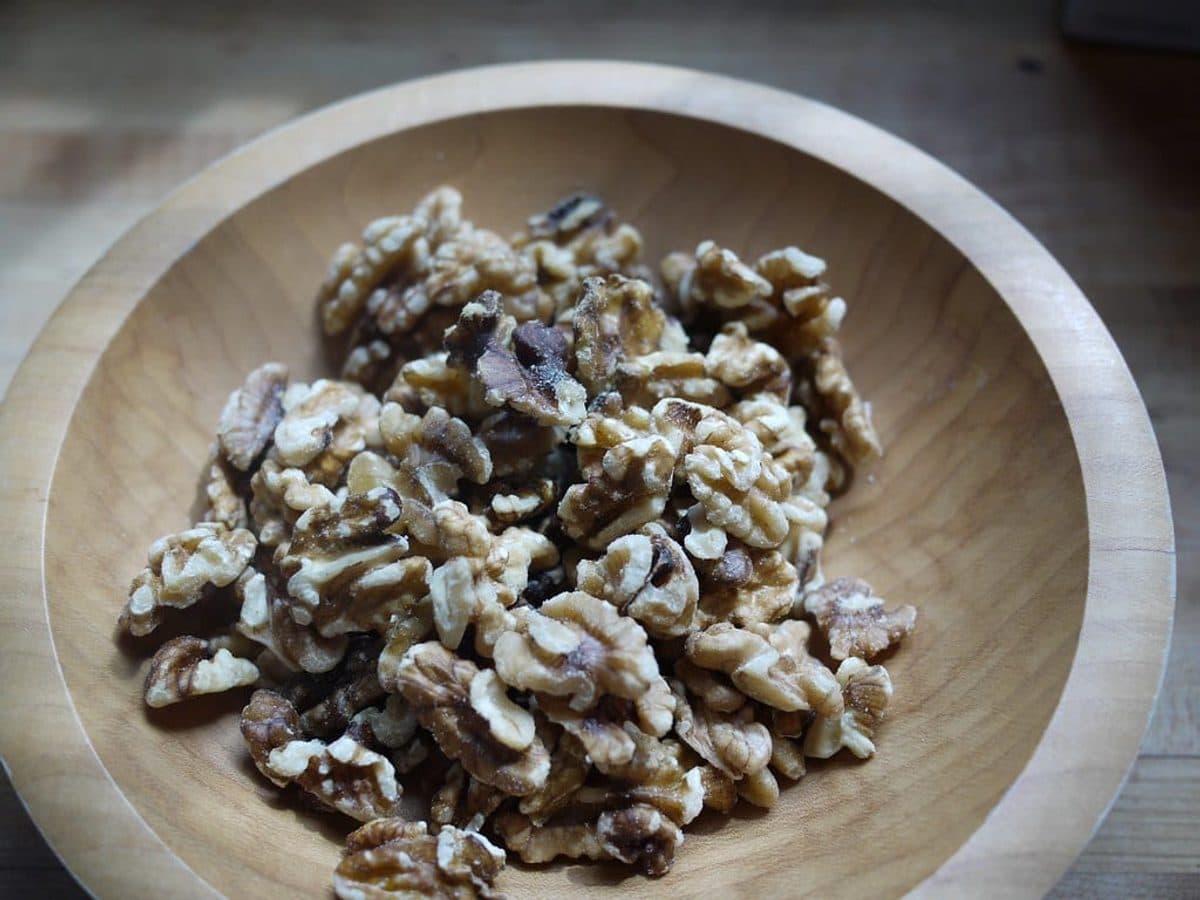
Walnuts in Korean Cooking (Hodu)
Where walnuts turn up in Korean food beyond hodu-gwaja, why they are blanched before candying, and how to keep them from turning bitter.
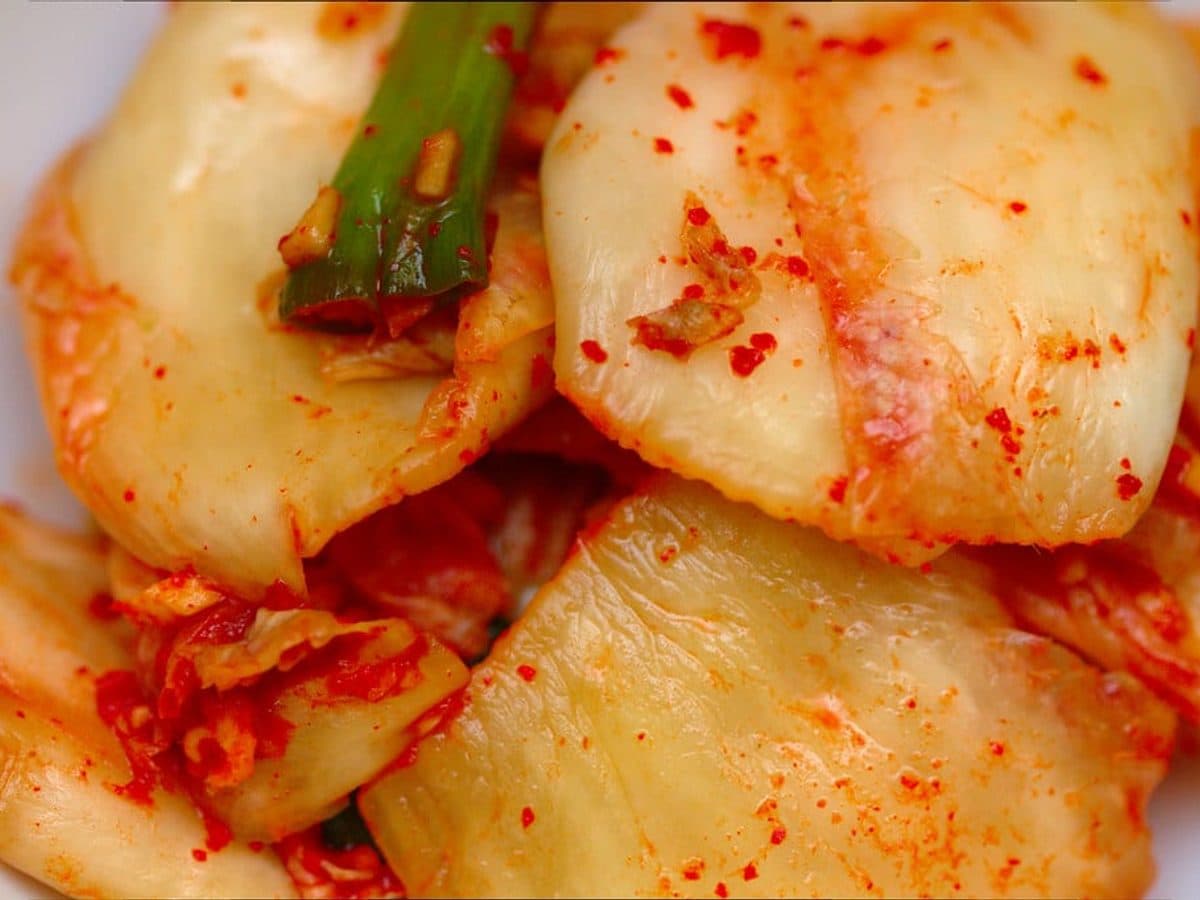
How to Salt Napa Cabbage for Kimchi
How long to brine napa cabbage, the bend test that tells you it is ready, and why rinsing three times is not excessive.