Did you know — Korean culture
There's a scientific reason kelp broth tastes savory rather than just salty. In 1908, chemist Kikunae Ikeda set out to explain why kelp stock had a flavor that wasn't sweet, sour, salty or bitter — isolated glutamate as the culprit, and named the taste umami. Cooks across East Asia had been building stock on dried kelp for centuries before anyone had a word for why it worked.
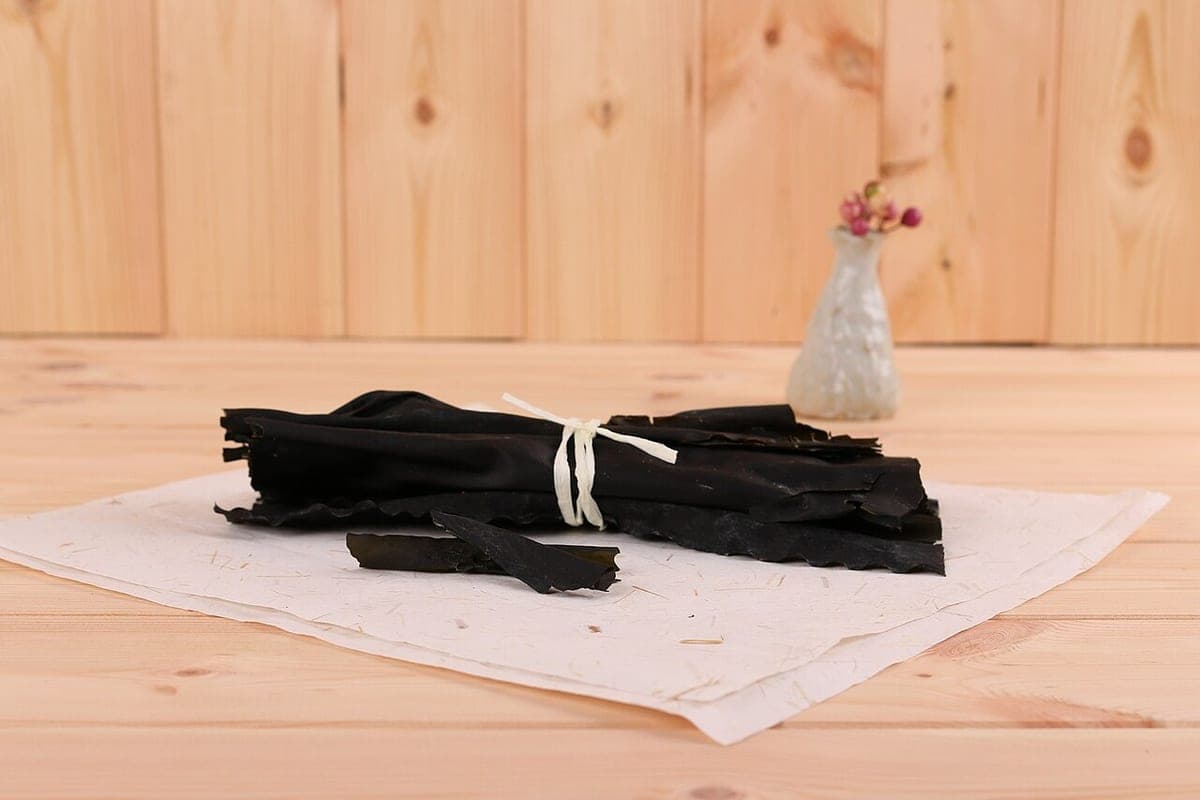
Dasima is dried kelp — a thick, dark sheet of dried seaweed that's the Korean counterpart to Japanese kombu. On its own it's mild, faintly briny, and a little sweet; its real job is simmering into stock, where it releases glutamates that build savory depth without adding any real fishiness of its own.
Dasima almost never appears alone in a Korean soup base. The standard combination is dasima plus dried anchovies (myeolchi) simmered together in water for around ten to fifteen minutes — the anchovies bring a deeper, more assertive savory-fish character, and the kelp rounds it out and adds body. This anchovy-kelp stock, sometimes called yuksu, is the base underneath doenjang jjigae, many banchan, and countless everyday soups, which is why so many Korean recipes start with the same few lines: soak, simmer, strain.
Timing matters more than it looks like it should. Under-simmering leaves the stock thin and one-note; pulling the kelp too early (or leaving it in too long) can also make the stock slightly slimy or bitter — dasima is usually removed once the water starts to boil, while the anchovies get a bit longer to fully release their flavor. A stock recipe that says "remove the kelp, keep simmering the anchovies" isn't being fussy — that timing difference is the actual technique.
Dried anchovies for stock are usually a specific larger, less oily variety meant to be simmered and discarded (as opposed to the small, glossy anchovies used in myeolchi bokkeum, which are meant to be eaten). Using the wrong type doesn't ruin a stock, but the flavor balance shifts noticeably.
In a pinch: a plain low-sodium chicken or vegetable stock gets you a usable liquid base, but it won't have the specific umami-forward, faintly oceanic depth that dasima and anchovy bring — dishes built around that particular stock (doenjang jjigae especially) will taste noticeably flatter without it.
The two rules that decide whether it tastes clean or bitter
Almost every failed batch of Korean stock comes down to one of these:
Never let the dasima boil. Kelp releases a slick, faintly bitter compound at a rolling boil and the broth turns cloudy and slippery. Bring it up slowly and pull the kelp out as the water reaches a simmer — 10 to 15 minutes of gentle heat is all it needs.
Gut the anchovies. Dried anchovies (myeolchi) carry a dark digestive tract that turns the broth bitter. Snap off the head and pinch out the black line before they go in. Larger anchovies make better stock but need this more than small ones do.
Ratios and timing
A workable starting point for about 6 cups of water: one postcard-sized piece of dasima and roughly 15–20 medium dried anchovies.
Anchovies want longer than the kelp — 15 to 20 minutes at a simmer after the kelp has been removed. Past about 30 minutes the stock starts to taste fishy rather than savoury, so this is not a stock that rewards a long boil the way a beef stock does.
Strain it. Fragments left in the pot keep leaching and will make the finished dish murky.
Making it ahead
The stock keeps 3–4 days refrigerated and freezes well. Freezing it in an ice-cube tray is genuinely practical here, since most Korean recipes want a cup or two rather than a full batch.
Many Korean cooks also keep a dry jar of pre-portioned kelp and gutted anchovies, so building stock is a two-minute job rather than a project.
What to look for when buying
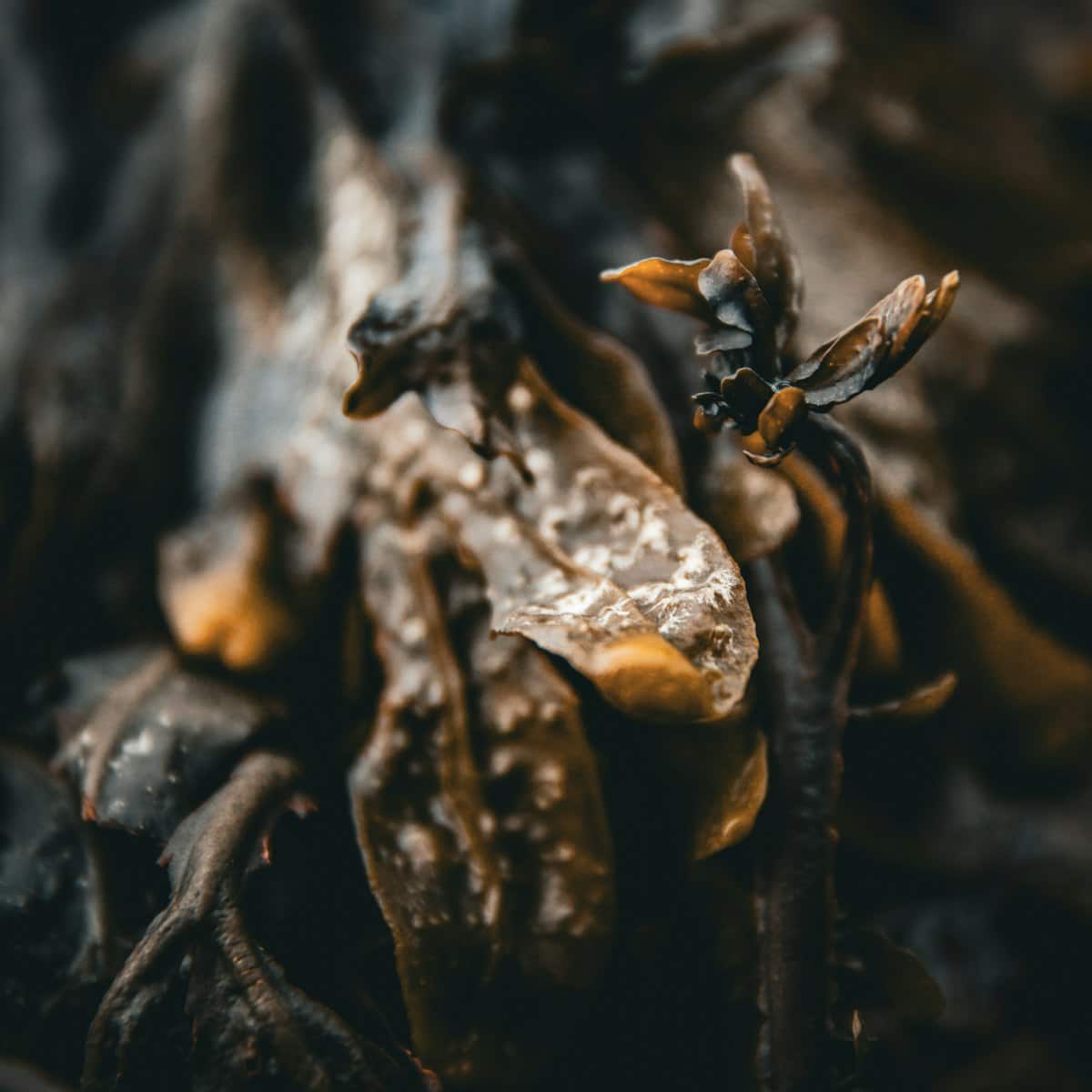
Dasima should be thick, dark and dry, often with a pale mineral bloom on the surface — that powder is naturally occurring and a good sign, not mould. Do not wash it off; wipe lightly if at all.
Dried anchovies are sold by size. The larger "stock" grade (국물용) is what you want here; the small ones are for stir-frying as a side dish rather than for broth.
More to cook
All Ingredient & Substitute Guides
Doenjang (Fermented Soybean Paste)
What doenjang is, how it differs from Japanese miso, and how to use its stronger, funkier flavor without overdoing it.
Doenjang vs Miso
Both are fermented soybean paste, and swapping one for the other changes a dish more than people expect. What separates them, and when the substitution works.
Gochugaru (Korean Red Pepper Flakes)
What gochugaru actually is, why it's not interchangeable with regular chili powder, and how to pick a good one.