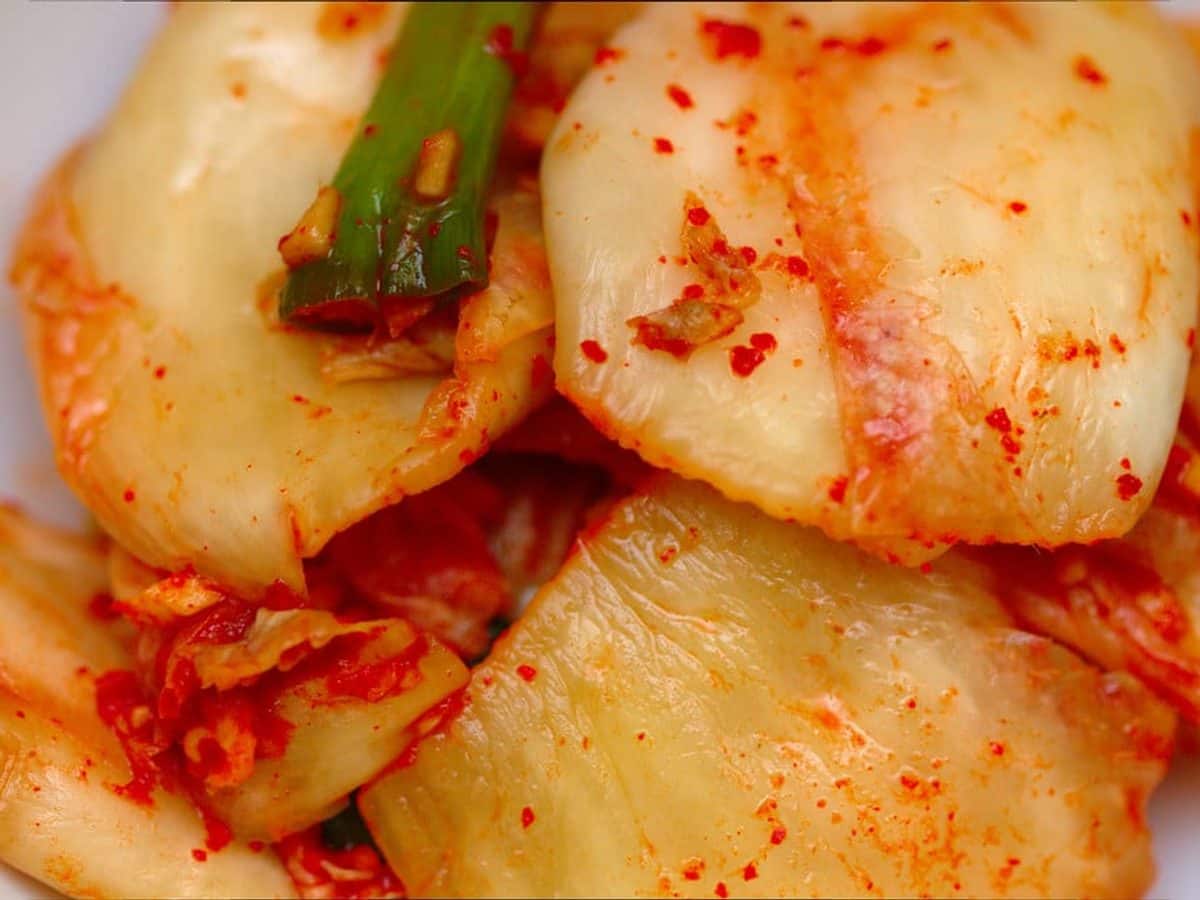
Photo: Biker Jun · CC BY-SA
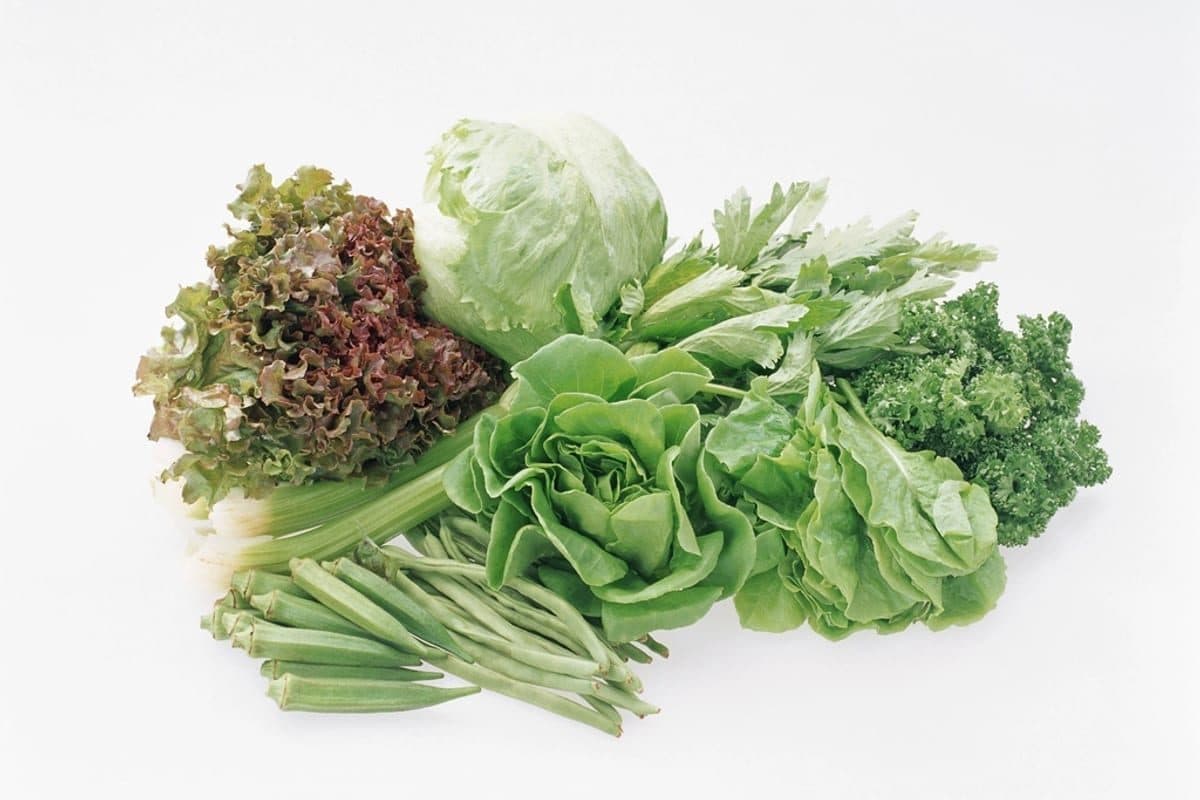
Did you know — Korean culture
Kimjang, the communal late-autumn kimchi-making, historically ran to a scale that is hard to picture now: a family might salt over a hundred heads of cabbage in a weekend, enough to last until spring. Neighbours worked through each other's batches in turn. UNESCO added kimjang to its Intangible Cultural Heritage list in 2013 for the practice of cooperation rather than for the kimchi itself.
Salting is the step that decides whether kimchi works. Get it wrong and no amount of good paste will fix it — under-salted cabbage goes soft and watery, over-salted cabbage never ferments properly and tastes of nothing but salt.
The purpose is to draw water out of the leaves so the cabbage stays crisp and the brine concentrates. It is not seasoning.
Time and method
Two approaches, both standard:
Dry salting — coarse sea salt rubbed between the leaves, concentrating on the thick white stems. 2 to 4 hours, turning once or twice.
Wet brining — submerged in salt water. Gentler and more even, 4 to 6 hours.
Use coarse sea salt, not table salt. Fine iodised salt dissolves too fast, salts unevenly, and can affect fermentation.
The bend test
Time is a guide; the test is what matters. Take a thick piece of white stem and bend it.
- Snaps — not ready, keep going
- Bends into a U without breaking — ready
- Flops limply — over-salted
Check from the thickest part of the stem, not a leaf tip, which softens long before the core does.
Rinse three times
This is the step people cut short. Rinse in fresh cold water, three times, agitating each time.
Under-rinsed cabbage is why kimchi comes out too salty to eat, and salt that high also suppresses the bacteria you need — which is one of the reasons kimchi fails to sour.
Drain properly before the paste
Wet cabbage dilutes the paste and the resulting kimchi is watery and pale. Drain in a colander for at least 30 minutes, cut side down, and squeeze gently.
Some water in the container afterwards is normal and good — that becomes the brine. Water sitting on the leaves when the paste goes on is not.
How much salt, and which kind
Coarse sea salt. Not table salt, not iodised. Fine salt dissolves too fast and salts unevenly, and the additives in table salt can interfere with fermentation.
Dry salting: roughly 1/2 to 3/4 cup of coarse sea salt per medium head of napa cabbage, rubbed between the leaves with most of it going on the thick white stems, which need it and the thin leaf tips do not.
Wet brining: about 1 cup of coarse salt per 8 cups of water, enough to submerge. Gentler and more even, which makes it the better option if you are unsure.
Weight beats volume if you have scales — around 8-10% of the cabbage's weight in salt for dry salting is a workable guide.
Cutting the cabbage first
Quarter it lengthways through the core, and leave the core attached. The core holds the leaves together so you can salt between them and later spread paste through them without the whole thing falling apart.
Score, don't cut all the way. Many cooks cut a few inches into the base and then tear the head apart by hand, which follows the natural leaf lines rather than slicing through them.
For cut kimchi (mak-kimchi), chop into bite-size pieces first. It salts faster — closer to 1.5–2 hours dry — and is much easier for a first attempt.
Rinse the cabbage before salting? Only if it is visibly dirty. Wet cabbage dilutes the salt.
After rinsing: the drain
Rinsing three times is only half the job. Draining is the other half, and it is the step people rush.
At least 30 minutes, cut side down in a colander, and an hour is better. Squeeze each piece gently.
Why it matters: wet cabbage dilutes the paste, and diluted paste gives pale, watery kimchi that tastes thin. The brine that forms later in the jar should come from the cabbage releasing water slowly, not from water you failed to drain off.
Some liquid in the container afterwards is correct and good — that becomes the brine that keeps everything submerged. Water sitting on the leaves when the paste goes on is not the same thing.
Common questions
How long do you salt napa cabbage for kimchi?
Two to four hours dry-salted, or four to six hours in a brine, turning once or twice. But time is only a guide — the real test is bending a thick piece of stem, which should bend into a U without snapping.
What kind of salt should I use for kimchi?
Coarse sea salt. Fine table salt dissolves too quickly and salts unevenly, and iodine and anti-caking additives can interfere with fermentation.
How do I know when the cabbage is salted enough?
Bend a thick piece of white stem. If it snaps, it needs longer. If it bends into a U without breaking, it's ready. If it flops limply, it's over-salted. Test the thickest part, not a leaf tip.
Do I really need to rinse three times?
Yes. Under-rinsed cabbage is the main reason kimchi comes out too salty to eat, and excess salt also suppresses the bacteria you need for fermentation. Then drain for at least 30 minutes.
More to cook
All Ingredient & Substitute Guides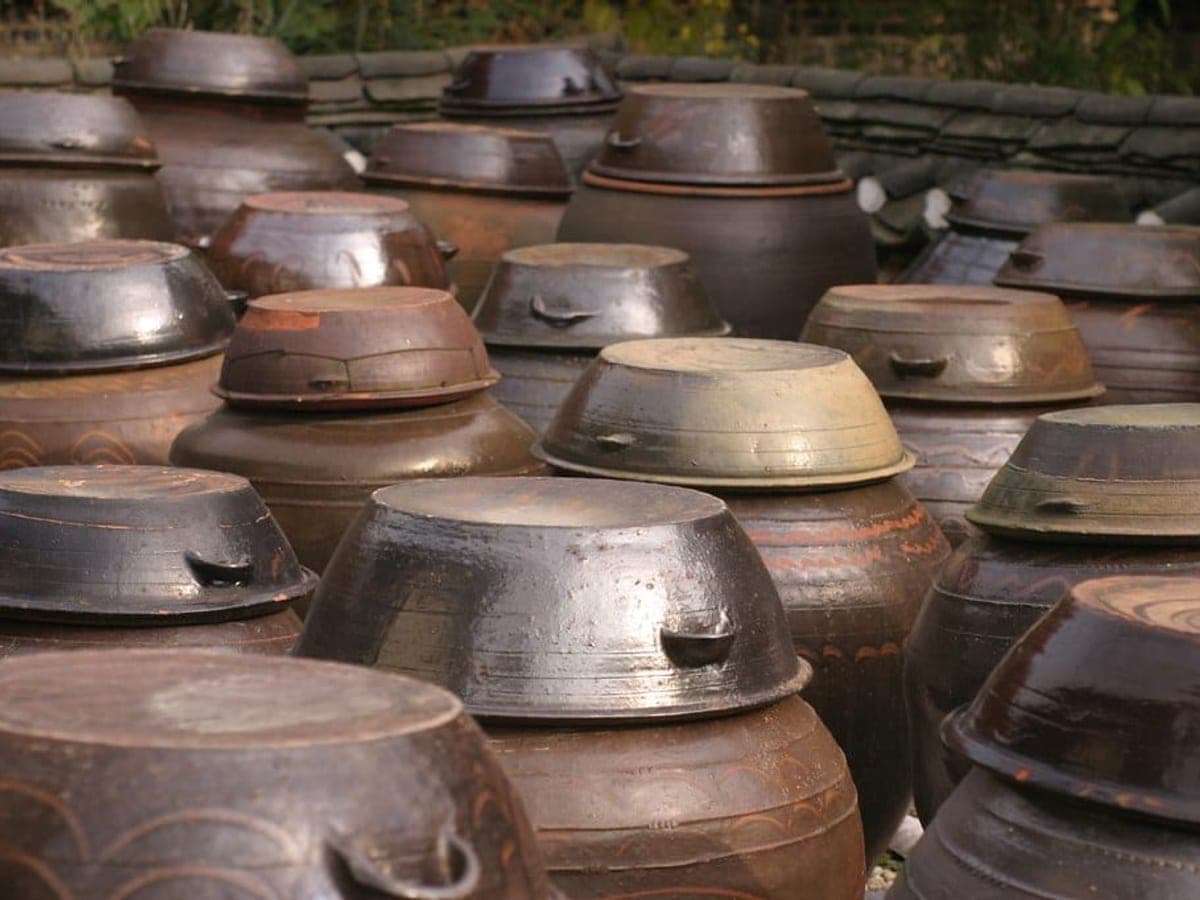
How to Store Kimchi
Why kimchi keeps fermenting in the fridge, how to slow it down, and what the pressed-flat surface and weighted lid are actually doing.
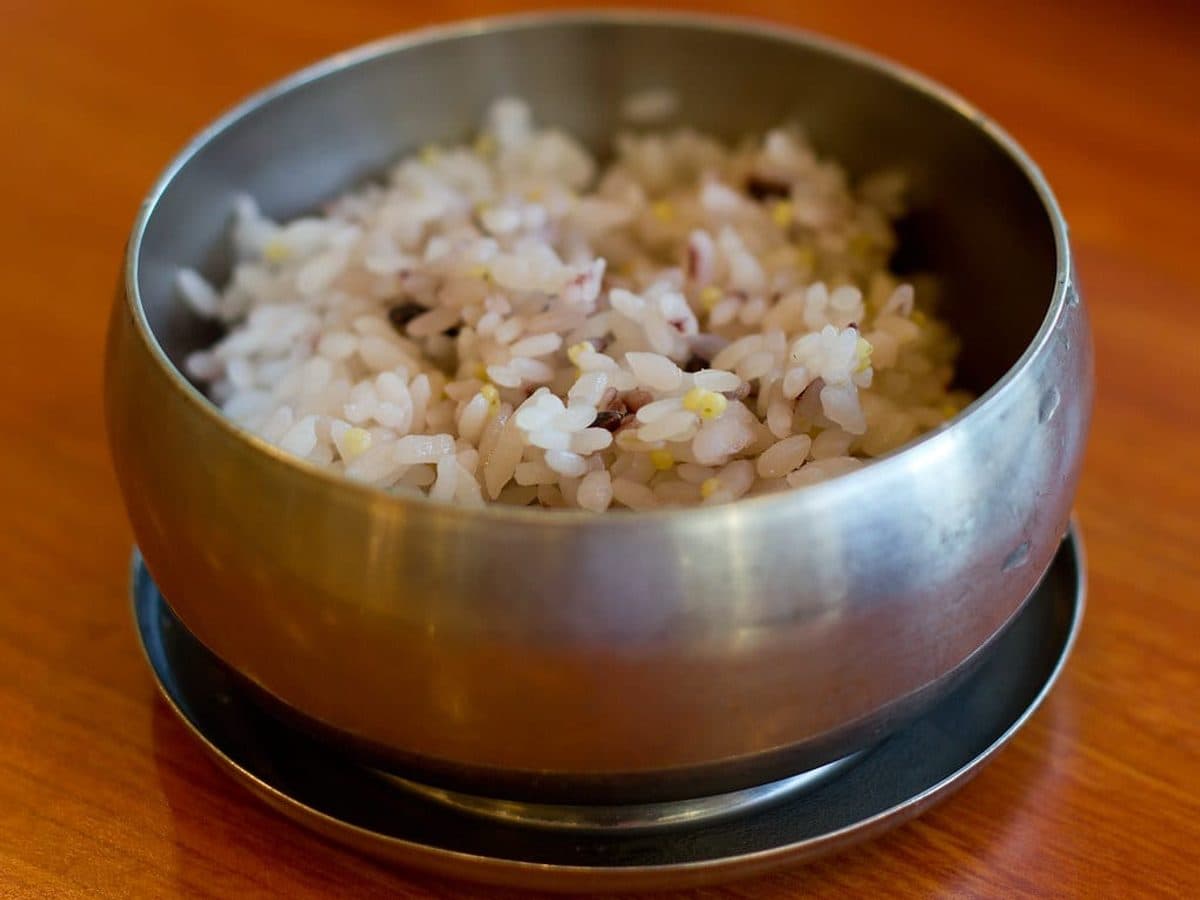
Japgokbap (Korean Multigrain Rice)
Which grains go into Korean multigrain rice, why each needs a different soak time, and the ratio that keeps it from turning heavy.
Jocheong (Korean Rice Syrup)
What jocheong does that sugar cannot, how it differs from clear corn syrup (mullyeot), and why it goes into a glaze at the end rather than the start.