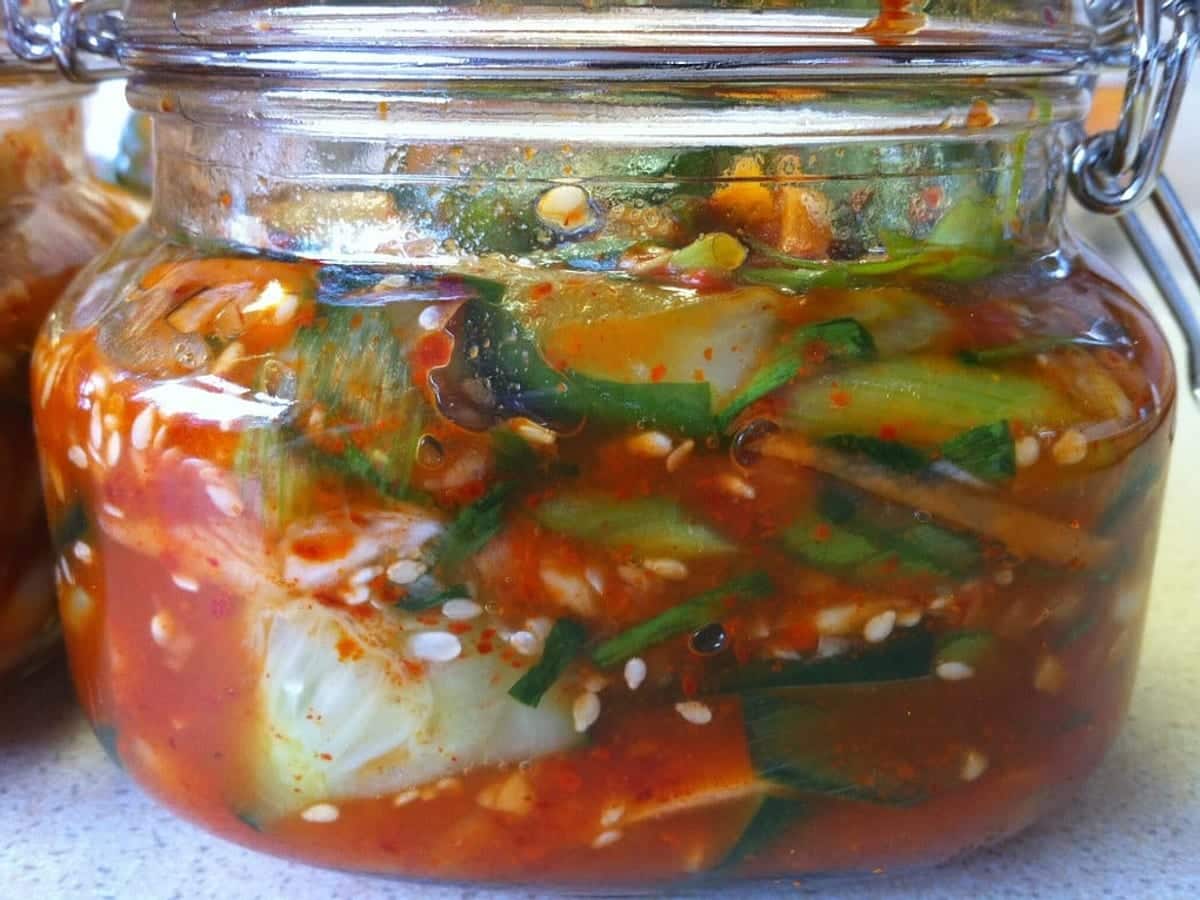
Photo: David Davies · CC BY-SA
Did you know — Korean culture
Kimchi fermentation is not one organism but a relay. Early on, a mix of bacteria compete in the salty brine; as acidity rises, most die off and Leuconostoc species take over, producing the carbon dioxide that makes young kimchi fizzy. Later still, more acid-tolerant Lactobacillus dominate and drive the sourness up. The kimchi you like is really a preference about which stage of that succession you stop at.
Kimchi that refuses to sour is almost always a fermentation problem rather than a recipe problem, and there are only four realistic causes. Working through them in order will usually identify it within a day.
First, check your expectations: in a fridge, kimchi takes one to two weeks to develop noticeable sourness. If it has been three days, nothing is wrong.
1. It is too cold
By far the most common cause. Kimchi put straight into the fridge ferments very slowly.
The fix is to leave it at room temperature for one to two days first, until you see small bubbles and the brine turns slightly cloudy, then refrigerate. That initial warm phase is what establishes the culture; the fridge then slows it to a manageable pace.
2. Too much salt
Salt does not prevent fermentation, but too much of it suppresses the lactic acid bacteria you want. If the kimchi tastes aggressively salty rather than seasoned, this is likely.
It is hard to correct after the fact. Next batch, rinse the salted cabbage more thoroughly before mixing in the paste — most recipes call for rinsing two or three times and people often do it once.
3. Nothing for the bacteria to eat
Lactic acid bacteria ferment sugars. A paste with no fruit, no sugar and no starch gives them very little to work with.
This is what the grated pear, apple or the cooked rice-flour paste (pul) in many recipes is actually for — not just texture and sweetness, but fuel. If you left it out to reduce sugar, that is your answer.
4. It is too airtight, or not airtight enough
Kimchi fermentation is anaerobic, so the kimchi needs to be submerged under brine. Floating cabbage above the liquid line does not ferment properly.
At the same time the container needs somewhere for gas to go, or pressure builds and pushes brine out. Leave headspace, and burp a sealed jar every day or two in the warm phase.
Working through it in order
Check these in sequence rather than changing several things at once — otherwise you learn nothing for the next batch.
1. How long has it actually been out? Room-temperature fermentation is where the sourness develops. In a cool kitchen, three days may not be enough. Refrigerating on day one essentially pauses it.
2. How cold is your kitchen? Below about 18°C the bacteria work very slowly. Above 24°C it can be done in a day. Most "my kimchi won't ferment" cases are a cold kitchen.
3. Taste the brine, not the cabbage. If the brine is aggressively salty, the batch is over-salted and the bacteria are suppressed. This is the most common real cause.
4. Is there enough sugar to work with? The rice porridge in the paste is food for the bacteria. Skipping it slows fermentation noticeably.
5. Is it submerged? Fermentation happens in the brine. Cabbage sitting above it is not fermenting; it is drying.
What to do about each cause
Too cold: leave it out longer, and put it somewhere warmer — near a radiator, in a cupboard above the fridge. A day at 24°C does more than three at 16°C.
Too salty: this is the hard one, because you cannot un-salt kimchi. You can dilute the batch by adding more unsalted vegetable — shredded cabbage or radish — and a little water, which lowers the concentration enough for fermentation to start. It will be a slightly different kimchi. Next time, rinse three times, as in how to salt napa cabbage.
No rice porridge: stir in a little cooked, cooled rice porridge or a spoonful of sugar. It will restart within a day or two.
Not submerged: press it down, top up with lightly salted water, and use a weight.
Genuinely nothing happening after a week at room temperature in a warm kitchen with normal salt: this is rare. Check that nothing in the paste was heavily preserved or contained a preservative.
What sourness should actually look like
People sometimes ask this question about kimchi that is fermenting perfectly well.
Signs it is working: small bubbles rising when you press it, a slightly fizzy feel on the tongue, a faint sour smell when you open the jar, and brine that tastes tangy rather than only salty.
Timeline at room temperature: day 1 mostly tastes of the paste. Day 2–3, the first tang. Day 3–5 in a cool kitchen. Then the fridge.
In the fridge it keeps going, just slowly. Kimchi that tastes barely sour at two weeks will be noticeably sour at six.
If you want it sour faster on purpose: leave it out an extra day, add a little more sugar to the paste, or add a spoonful of brine from an older, sour batch — that last one works the way a sourdough starter does.
Common questions
How long does kimchi take to get sour?
One to three days at room temperature before it goes in the fridge, then it keeps souring slowly for months. Kitchen temperature is the main variable — a day at 24°C does more than three days at 16°C.
Can kimchi be too salty to ferment?
Yes, and it's the most common real cause. Salt suppresses the lactic acid bacteria along with everything else. Usually it traces back to under-rinsing after salting — three rinses in fresh cold water is the standard.
How do I make my kimchi ferment faster?
Leave it at room temperature longer and somewhere warmer, make sure there's rice porridge or a little sugar in the paste for the bacteria to work on, and keep everything submerged in the brine. A spoonful of brine from an older sour batch also kick-starts it.
Is kimchi that isn't sour still safe to eat?
Yes. Unfermented kimchi is essentially a fresh salad — geotjeori — and it's a legitimate thing in its own right, traditionally served with bossam. It just won't keep as long.
More to cook
All Ingredient & Substitute Guides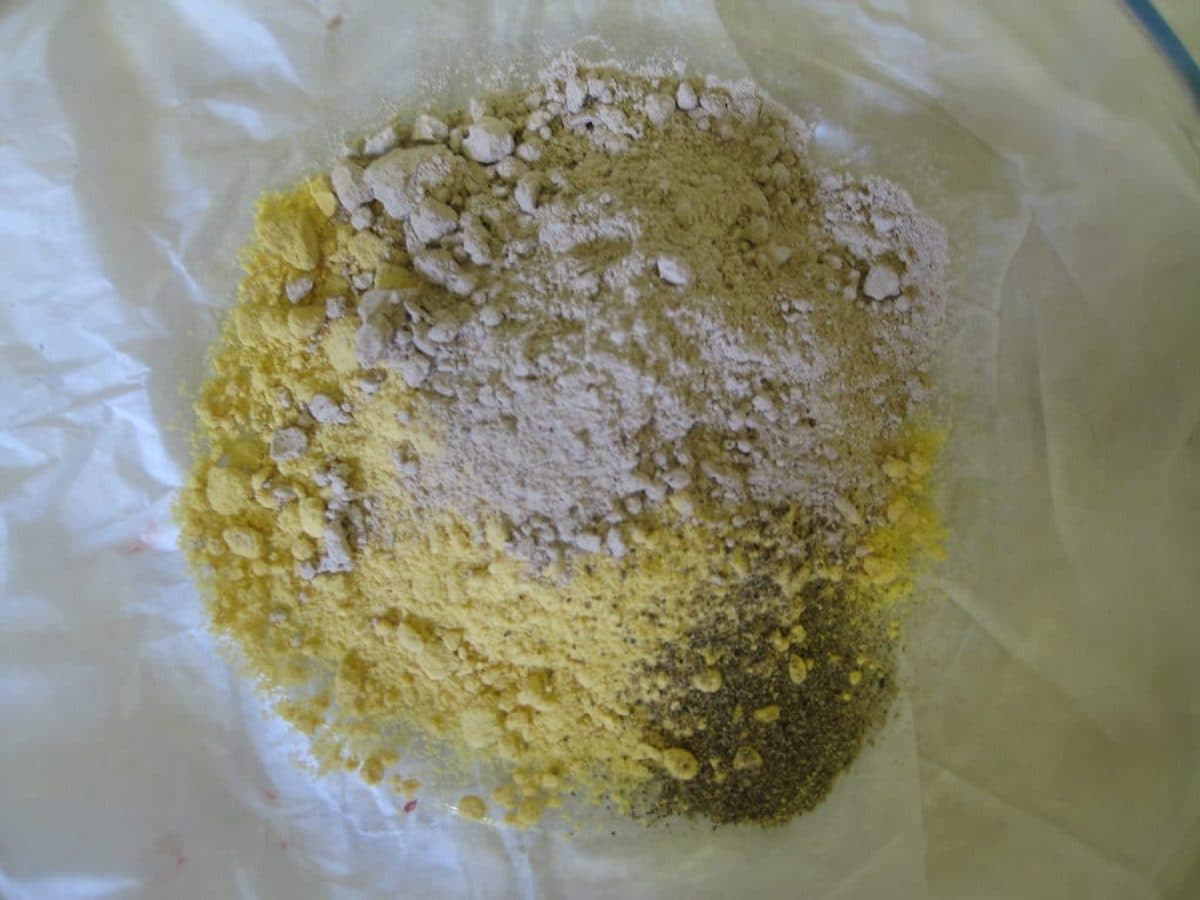
Yeongyeoja (Korean Mustard)
Why Korean mustard powder must be mixed with warm water and rested before use, and why it is nothing like the mustard on a hot dog.
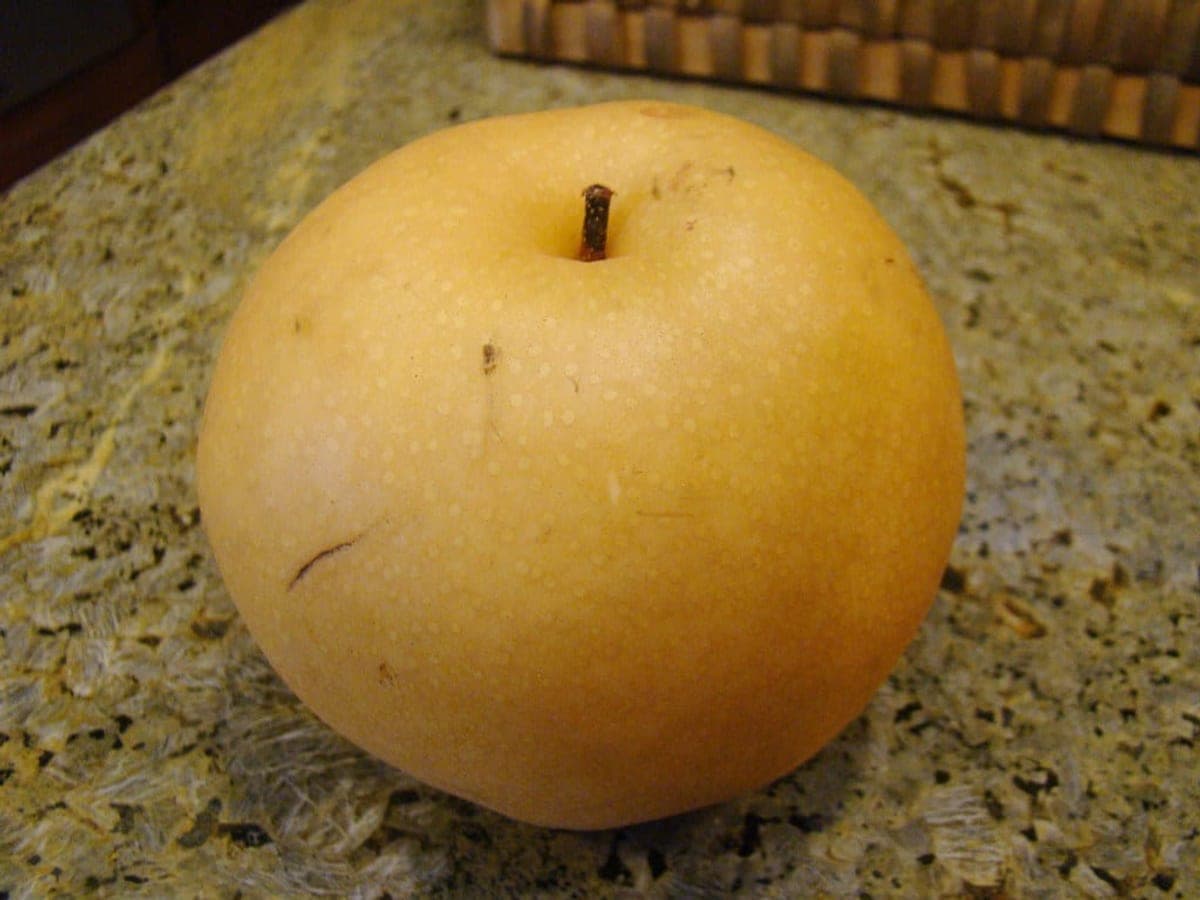
Asian Pear Substitute (For Korean Marinades)
Why Korean marinades use grated Asian pear rather than sugar, and which fruits actually reproduce the tenderising effect when you can't find one.
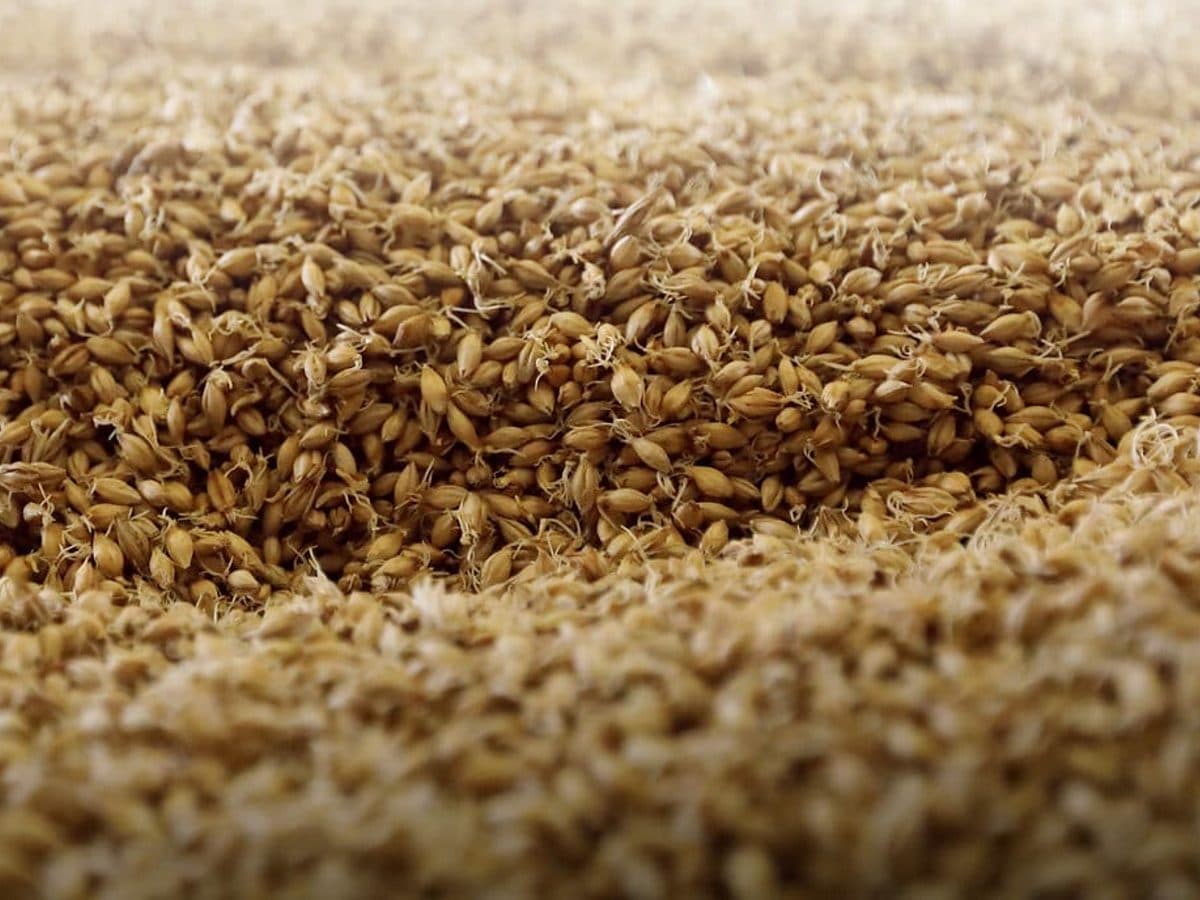
Bori (Barley) in Korean Cooking
Why barley is mixed into Korean rice rather than cooked alone, how much to use, and why it needs a longer soak than the rice it sits with.