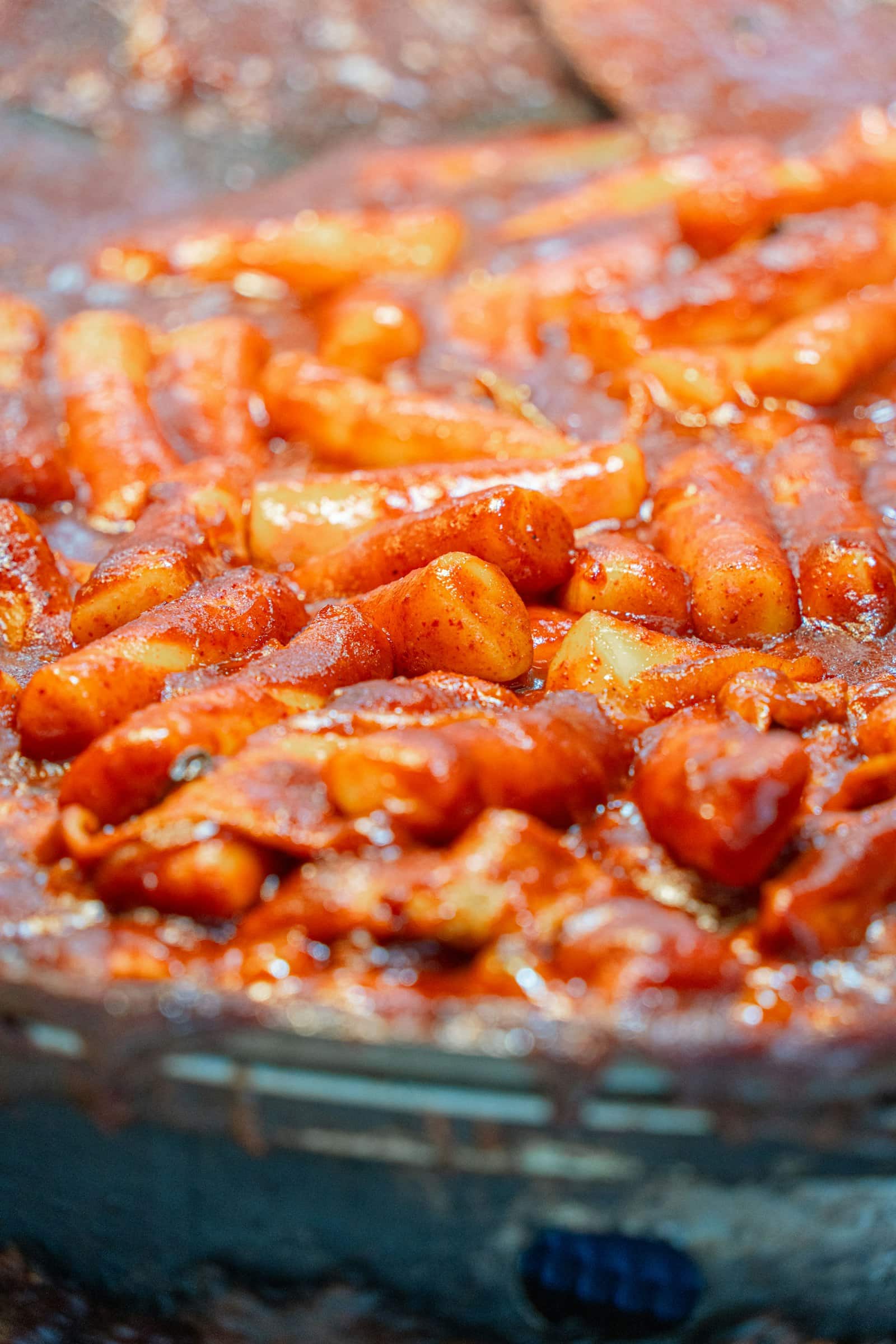
Street Food & Snacks
Tteokbokki, hotteok, kimbap — the stuff you'd fight a crowd for at a street cart, made at home instead.
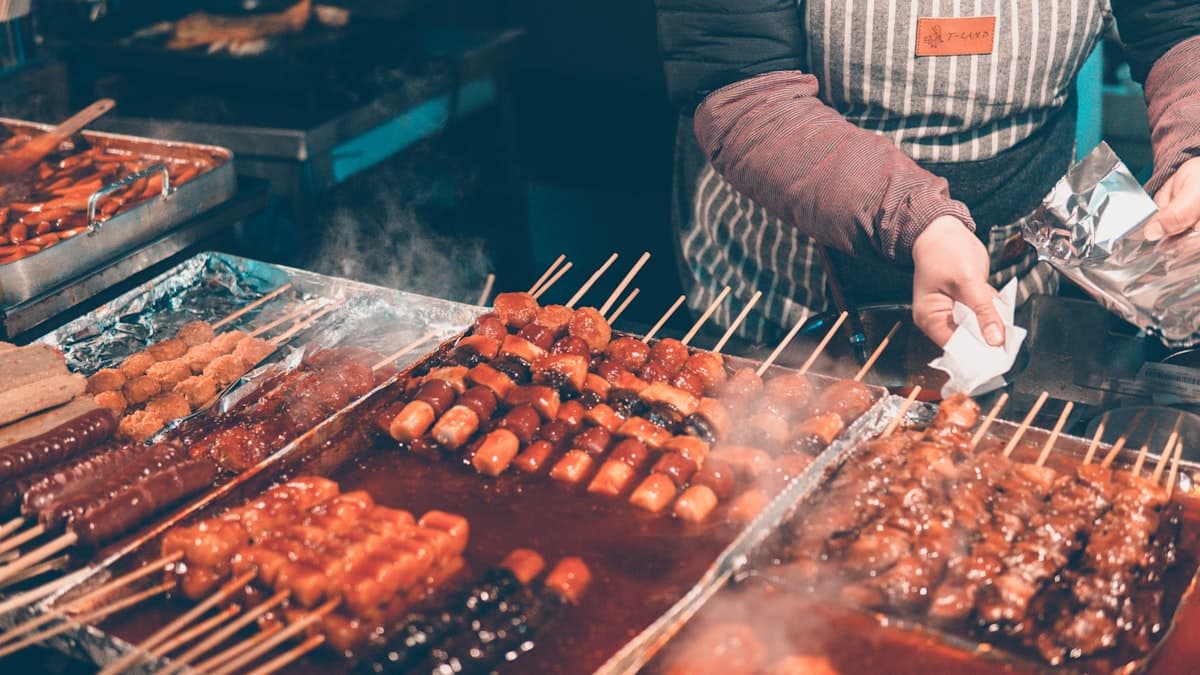
Did you know — Korean culture
Tteokbokki almost didn't happen. In 1953, a woman named Ma Bok-rim reportedly dropped a rice cake into a bowl of jajangmyeon sauce at a restaurant opening in Seoul's Sindang-dong — and the sauce-coated rice cake gave her an idea. She swapped in gochujang, opened a street stall, and built what's now Sindang-dong Tteokbokki Town, still standing today.
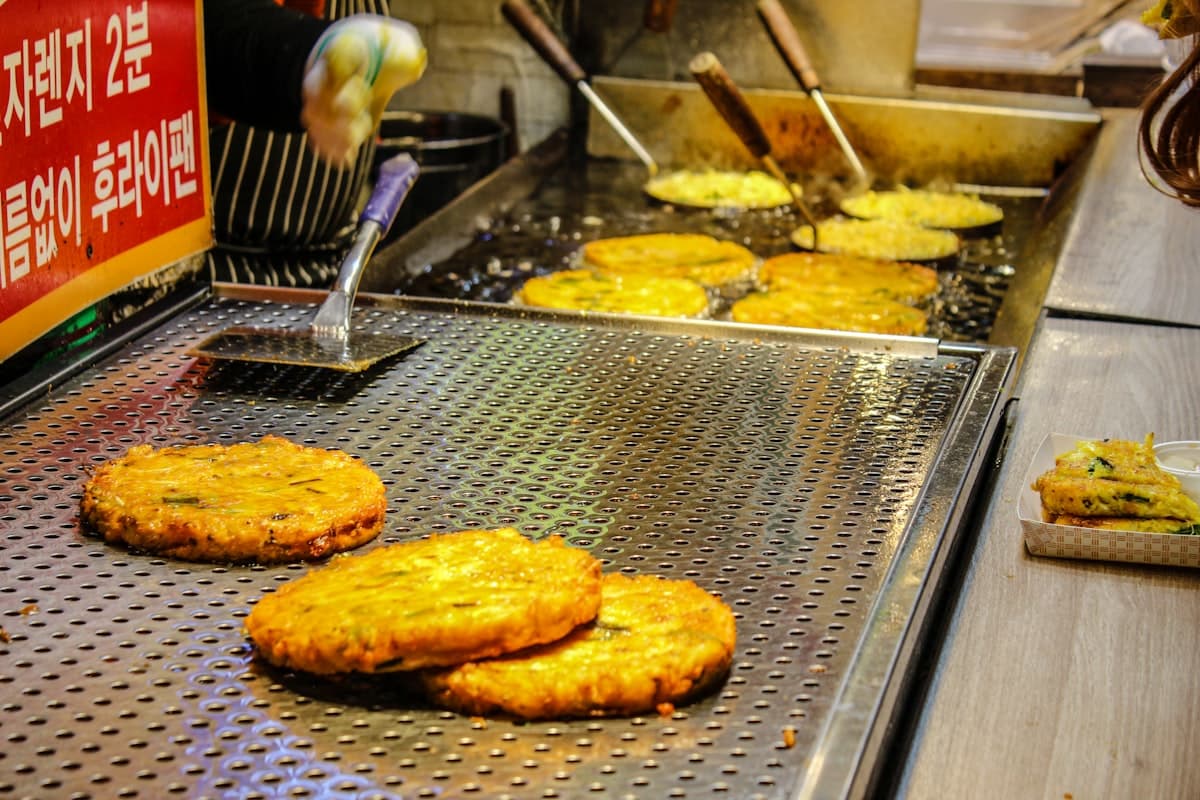
Bindaetteok (Mung Bean Pancake)
The soak-and-grind technique behind bindaetteok's thick, hearty batter, and why a hot pan matters more than any single ingredient.
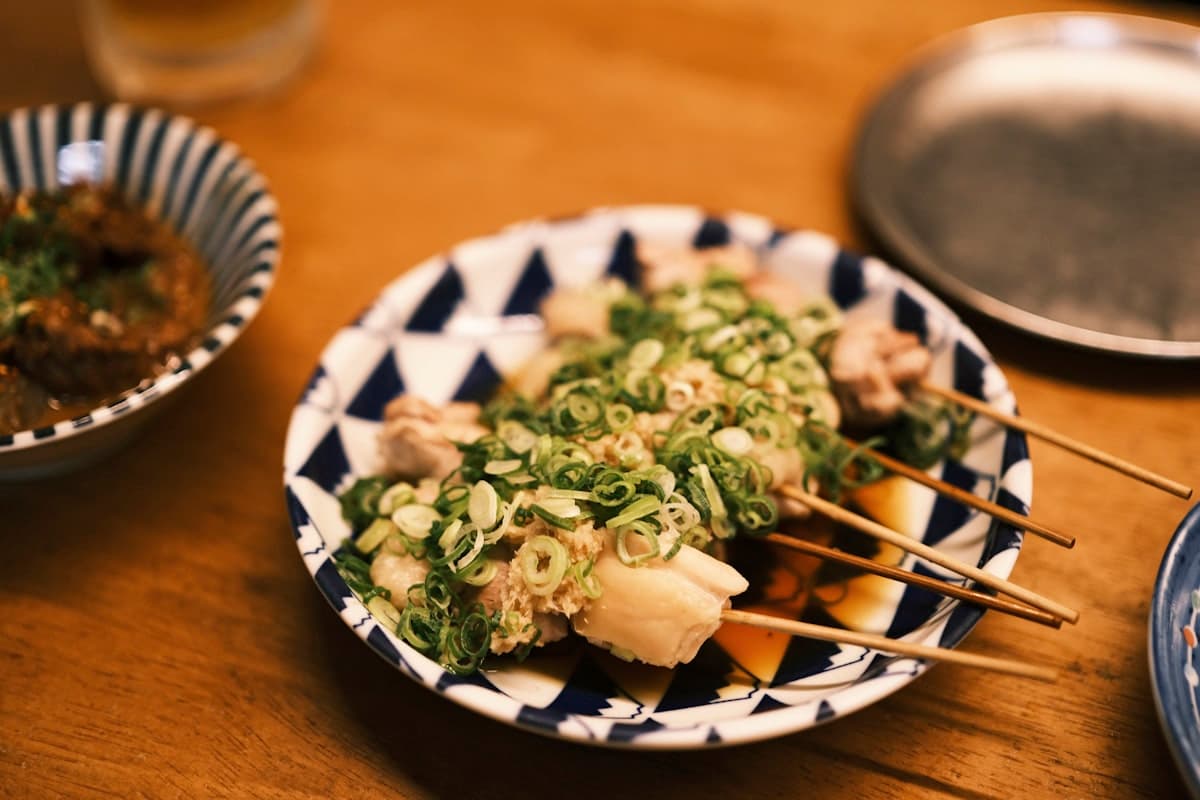
Dakkochi (Korean Chicken Skewers)
The timing behind glazing dakkochi at the end, not the start, of grilling, and why that's what keeps the sauce from burning.
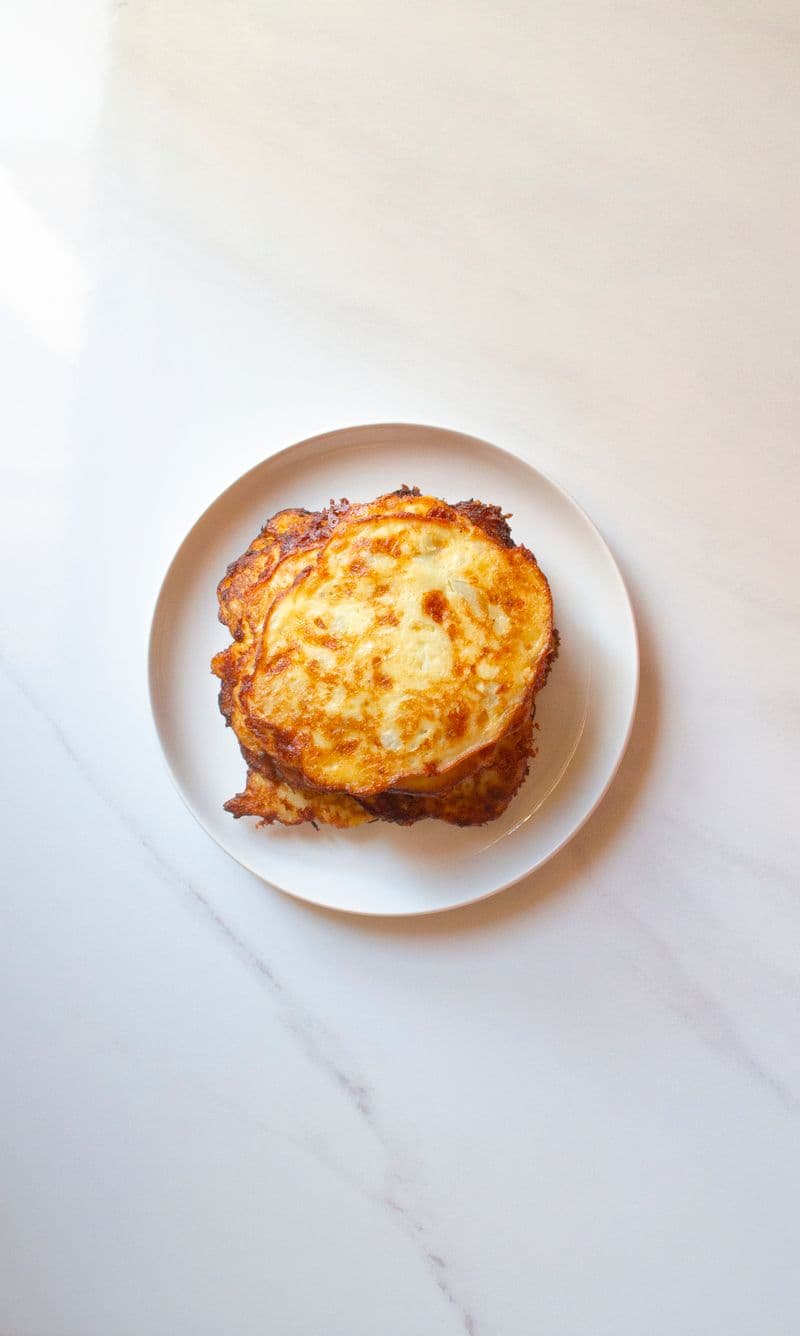
Gamja Jeon (Potato Pancake)
Why grating and briefly resting the potato, then pouring off the liquid but keeping the starch, is the real trick behind gamja jeon's crisp edges.
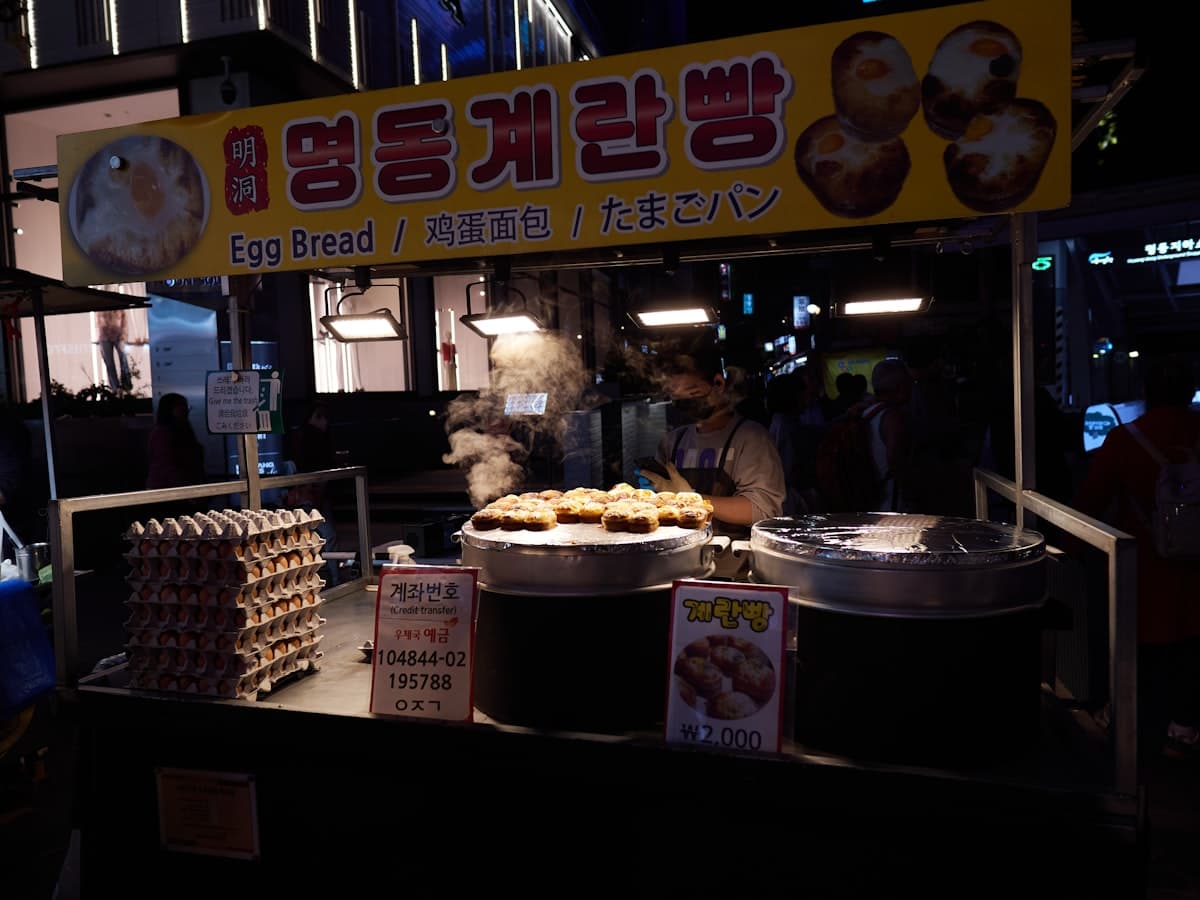
Gyeranppang (Egg Bread)
The batter-then-egg layering technique behind gyeranppang, and why timing the egg drop is the one step that can't be rushed.
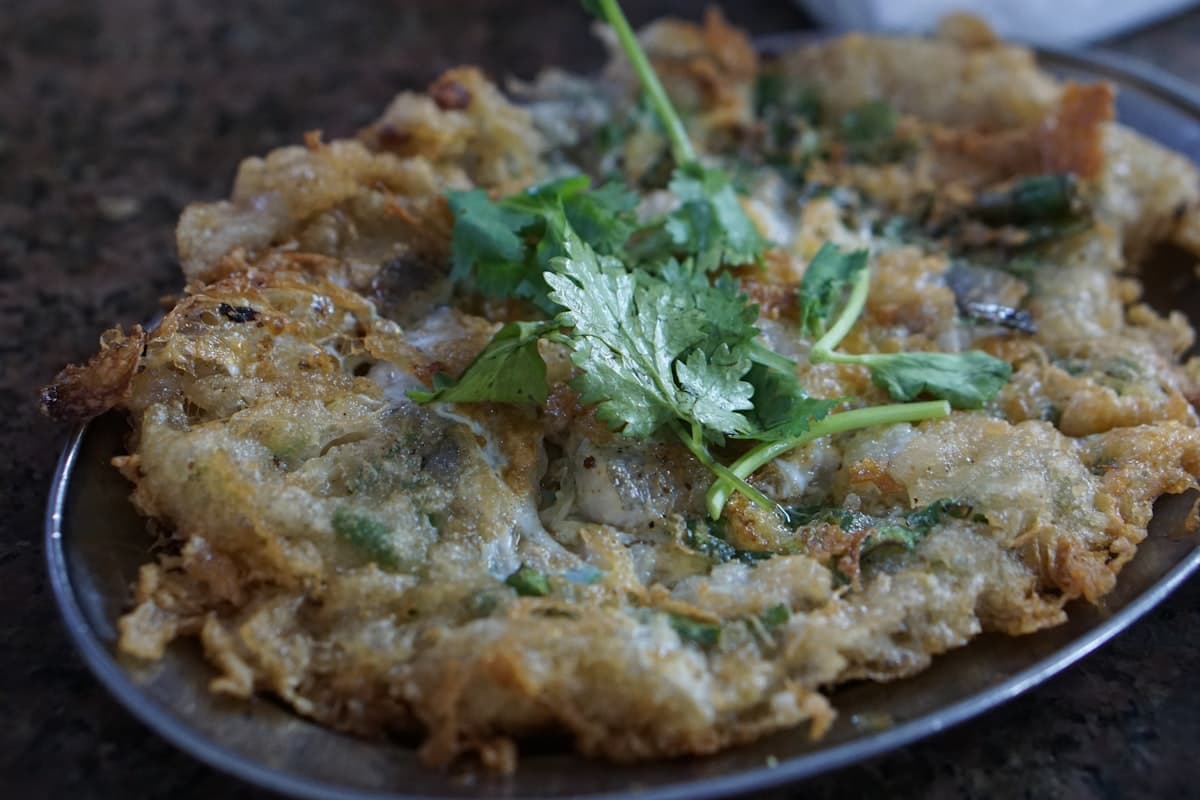
Haemul Pajeon (Seafood Scallion Pancake)
The batter ratio and high-heat frying technique behind a properly crisp haemul pajeon, not a soft, doughy one.
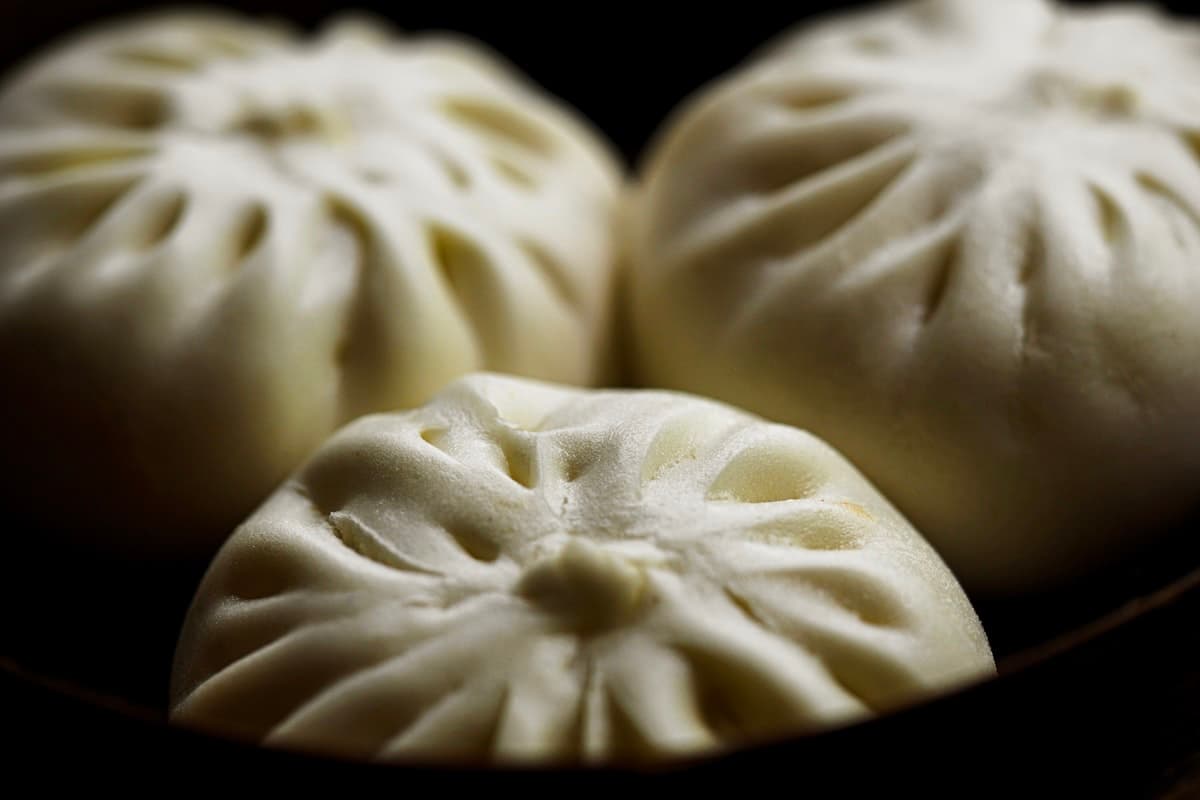
Hoppang (Steamed Stuffed Bun)
The proof-and-steam technique behind hoppang's soft, pillowy wrapper, and why steaming heat matters more than steaming time.
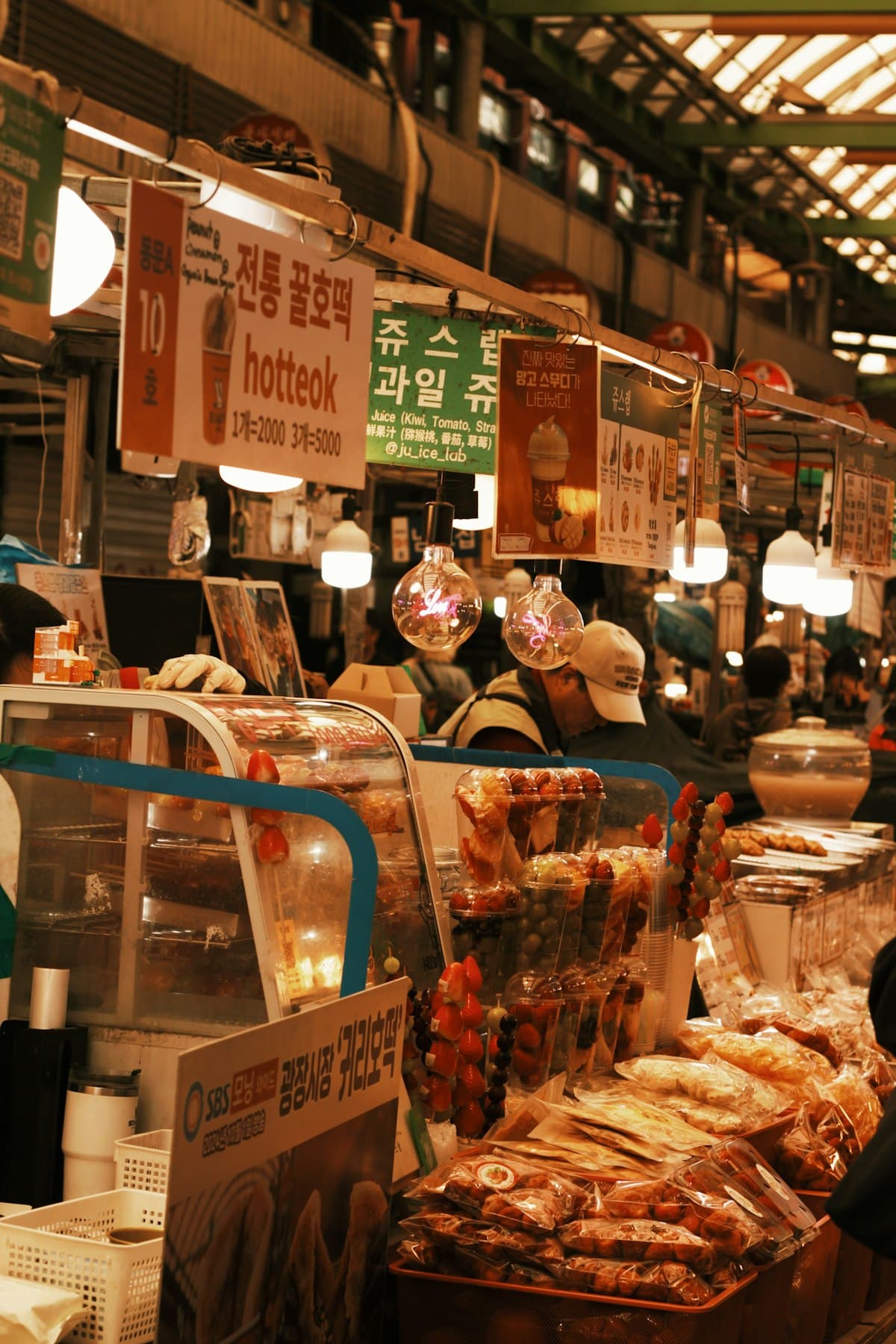
Hotteok (Sweet Filled Pancake)
The yeasted-dough rest and syrup-filling technique behind hotteok, and why the press step matters more than the fry.
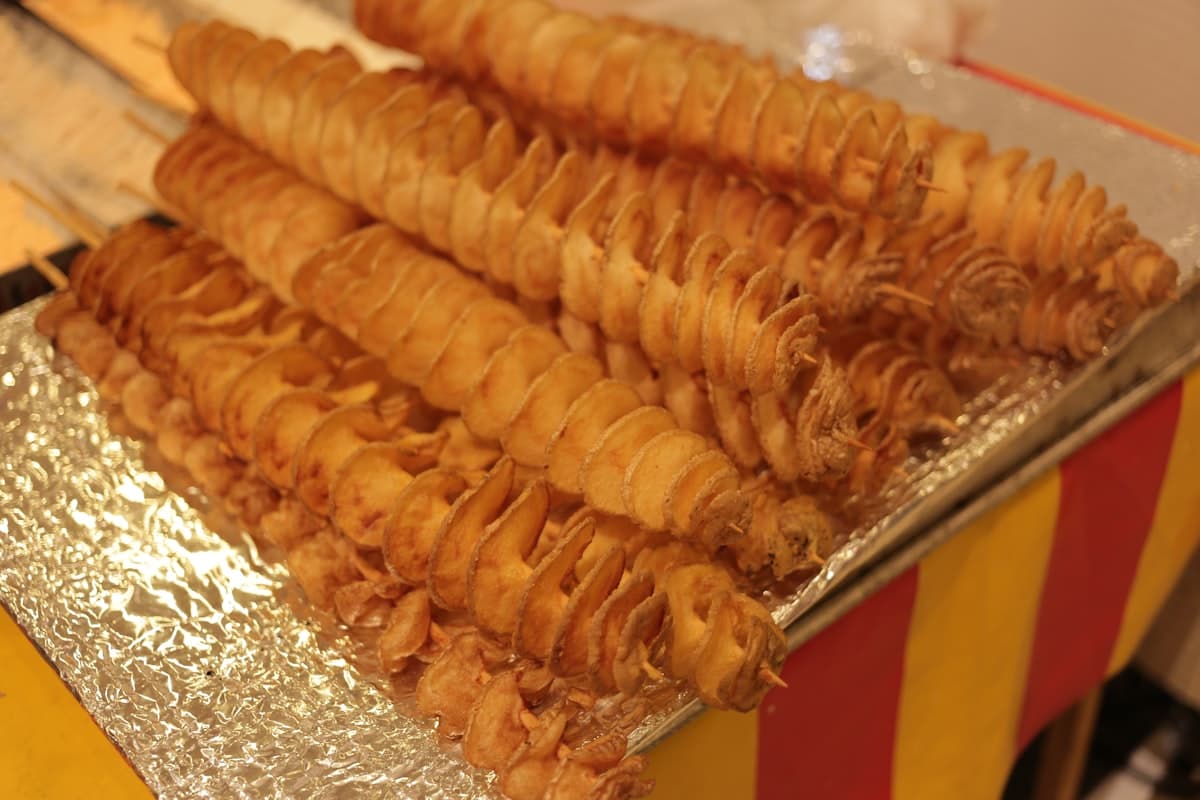
Hweori Gamja (Tornado Potato on a Stick)
The spiral-cutting technique behind hweori gamja, and why oil temperature matters more than any seasoning choice.
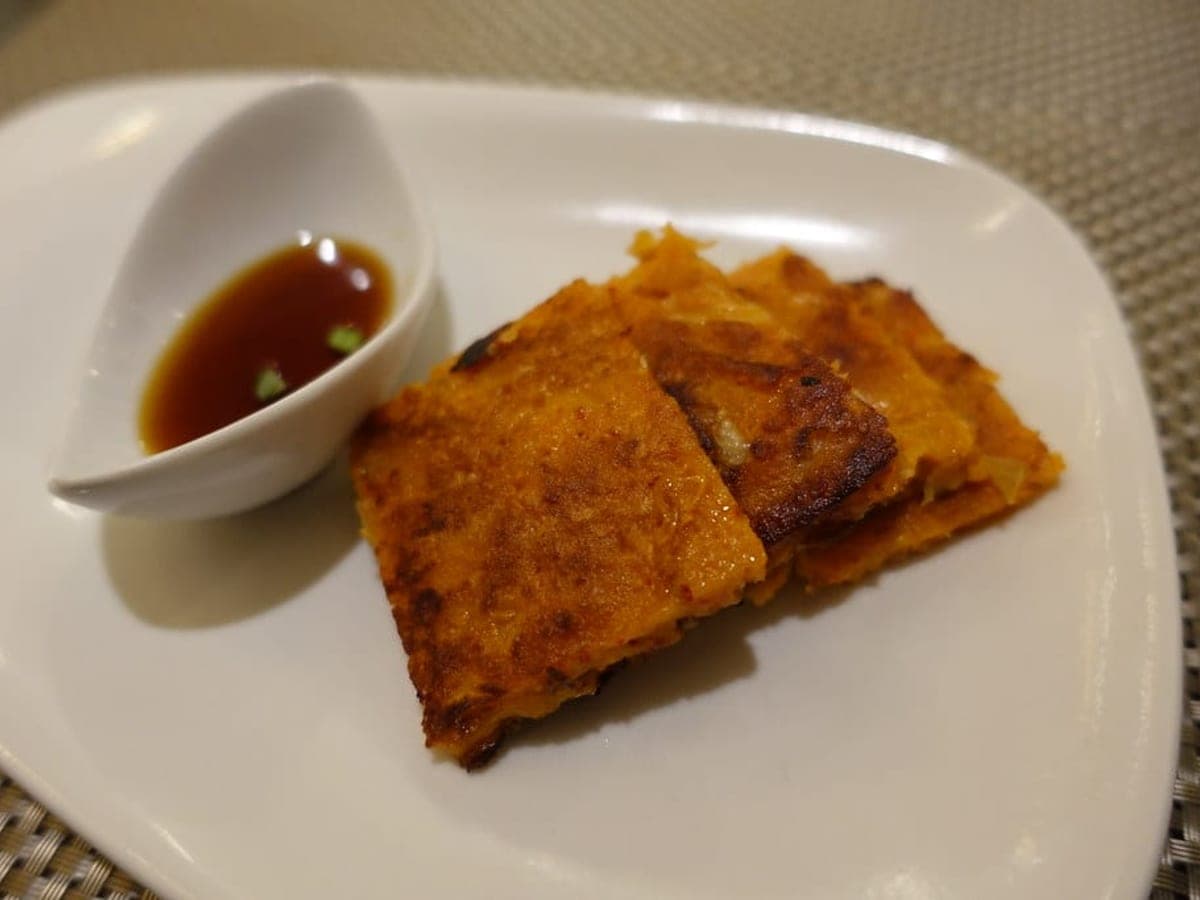
Kimchi Jeon (Kimchi Pancake)
Why kimchi jeon wants sour, over-fermented kimchi and its juice in the batter, and why a thin batter and a genuinely hot pan beat any special flour.
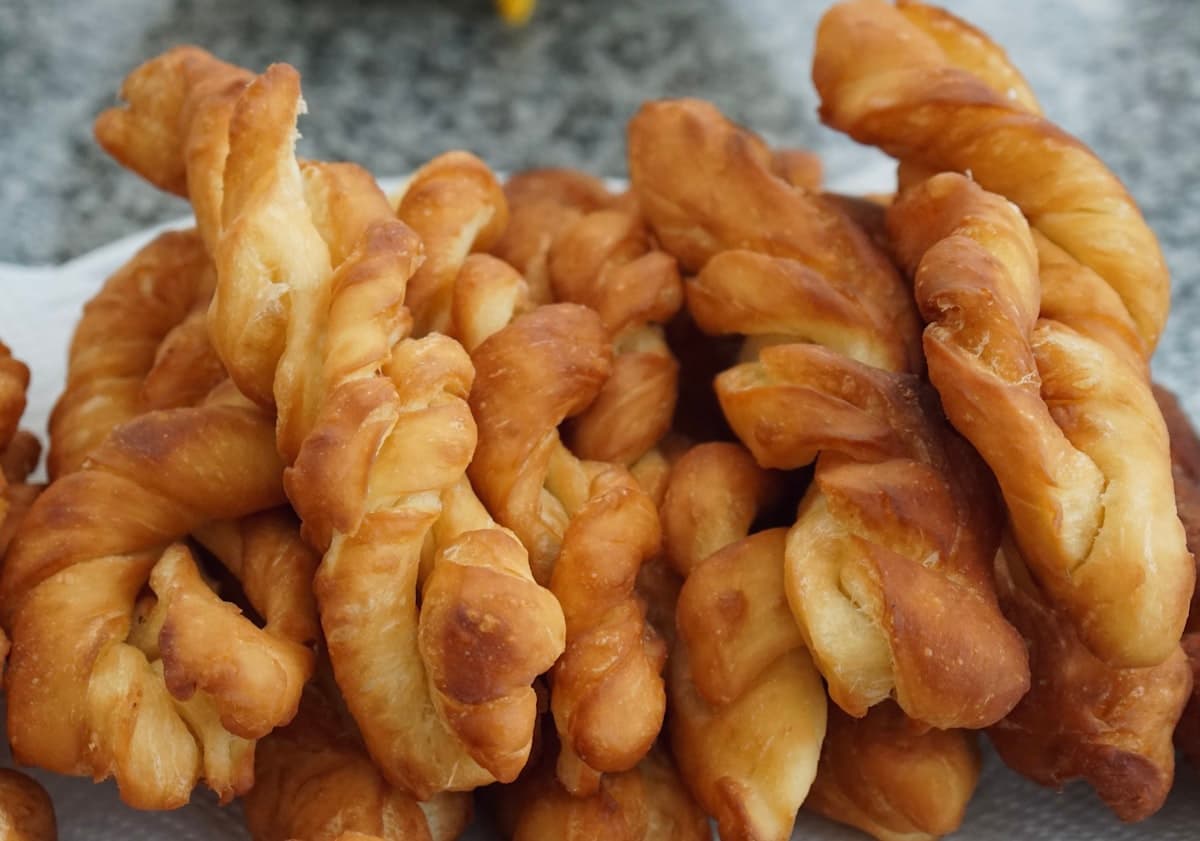
Kkwabaegi (Twisted Korean Donut)
The dough-resting and hand-twisting technique behind kkwabaegi, and why frying temperature matters more than the twist itself.
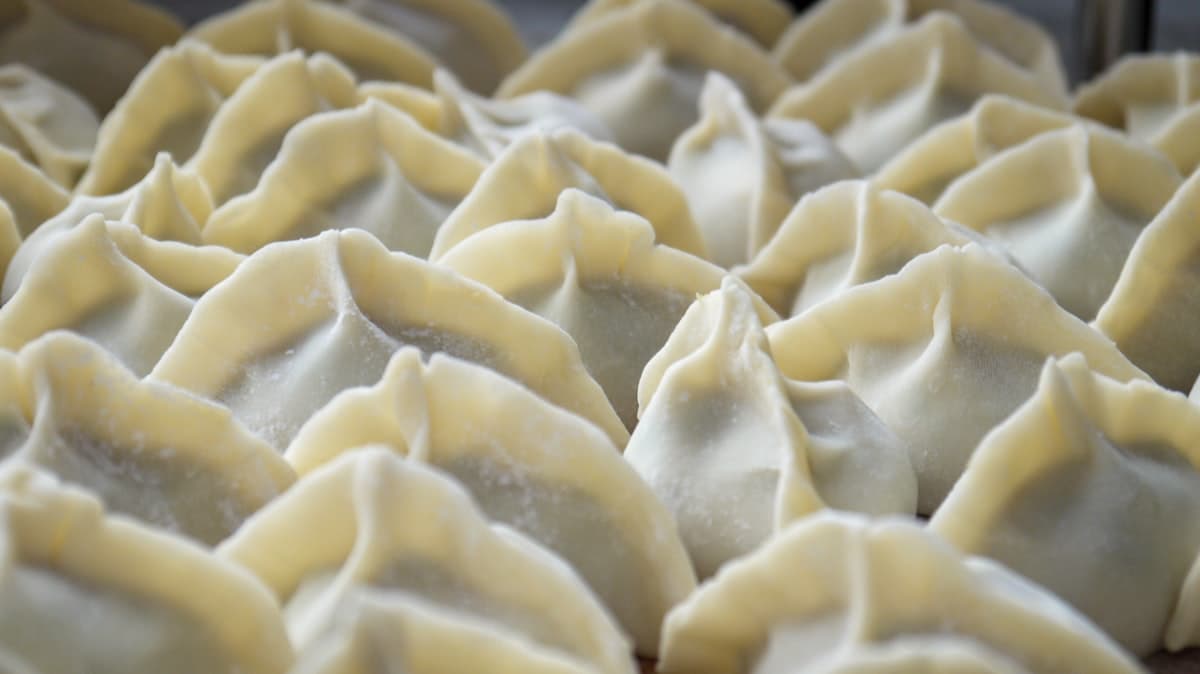
Mandu (Korean Dumplings)
The wrapper-sealing technique and pan-fry-then-steam method behind mandu that stays crisp on the bottom and juicy inside.
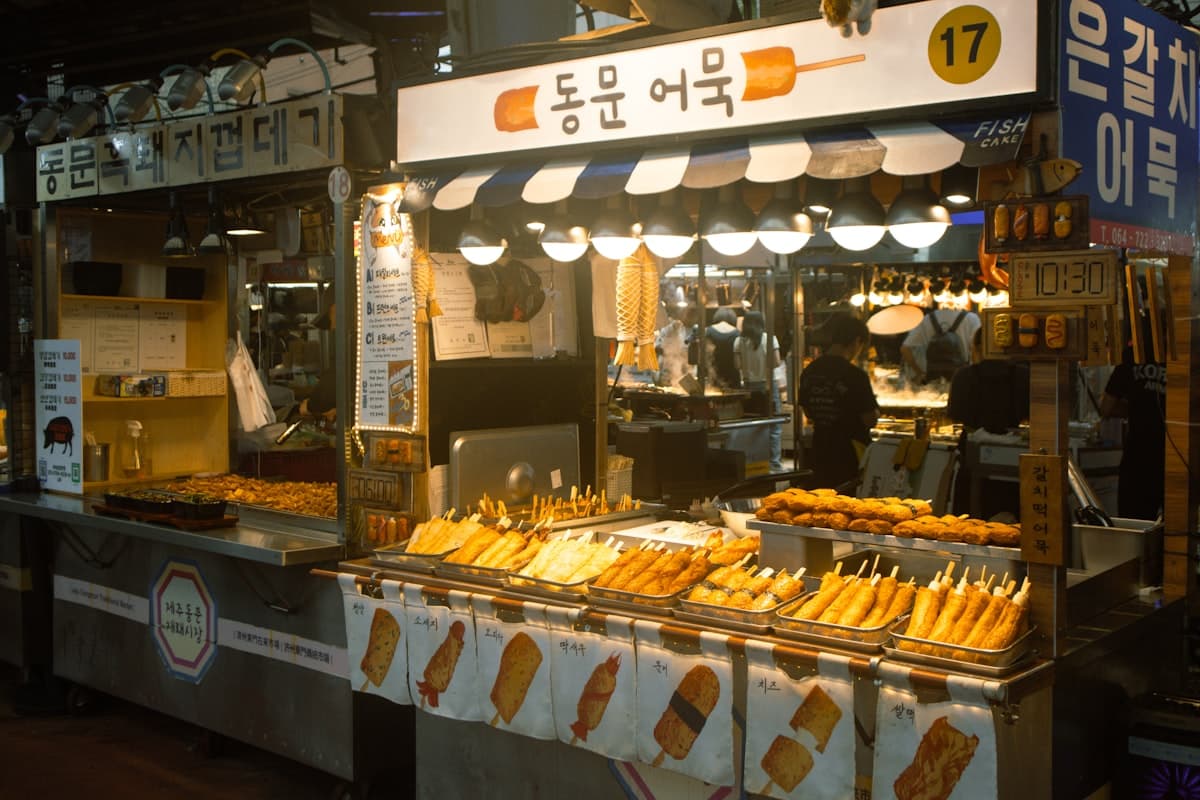
Odeng/Eomuk (Fish Cake Skewers)
The skewer-and-simmer technique behind street-cart odeng, and the anchovy-radish broth that makes the difference.
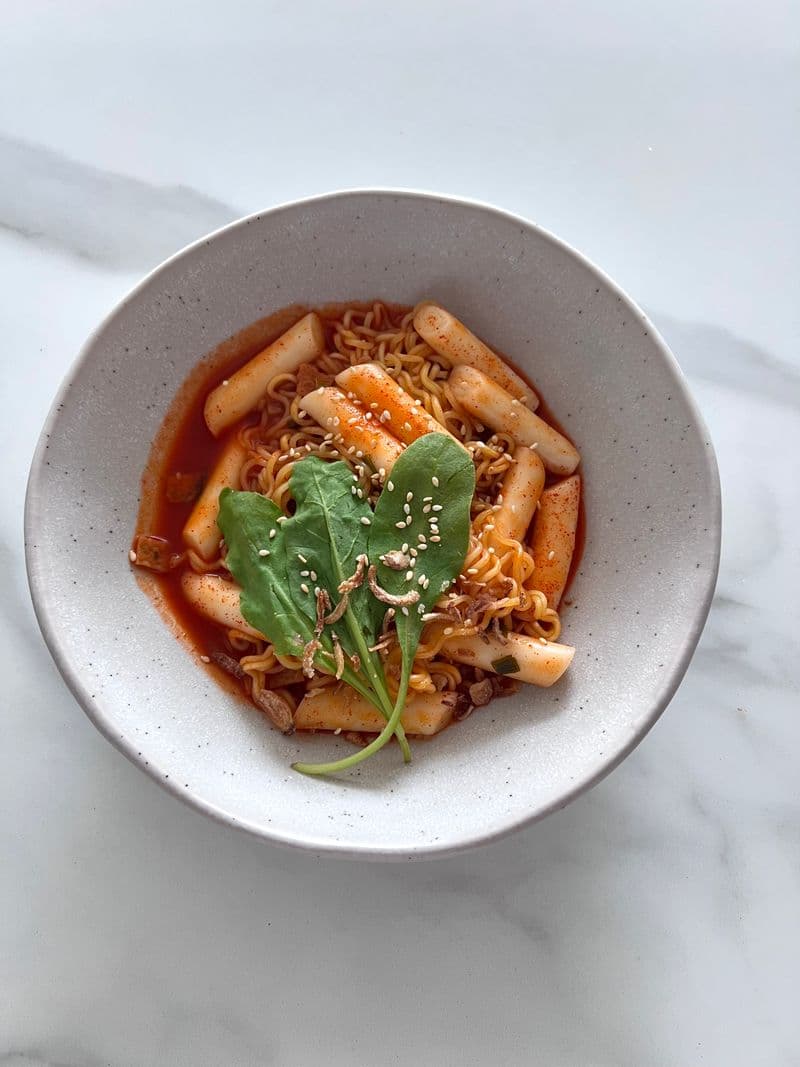
Rabokki (Ramyeon-Tteokbokki Fusion)
Why the noodles go in last, and only for a couple of minutes, so they don't turn bloated and mushy in the same sauce as the rice cakes.
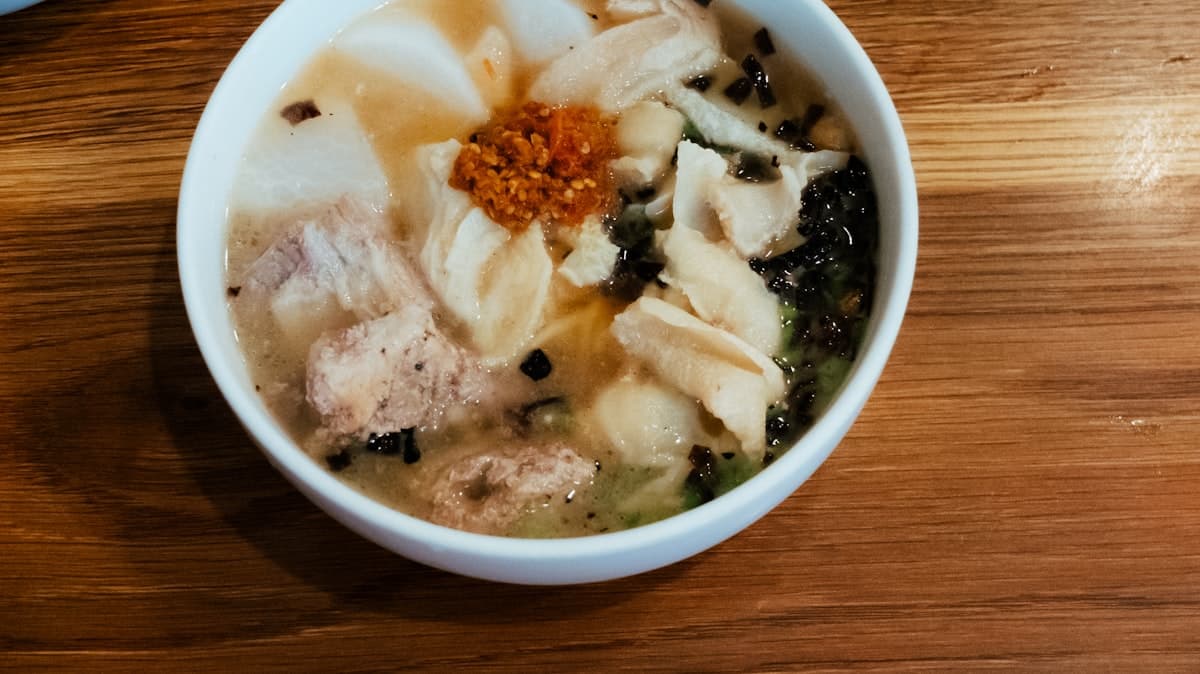
Sundae (Korean Blood Sausage)
The rice-and-glass-noodle stuffing technique behind sundae, and the low, gentle simmer that keeps the casing from splitting.
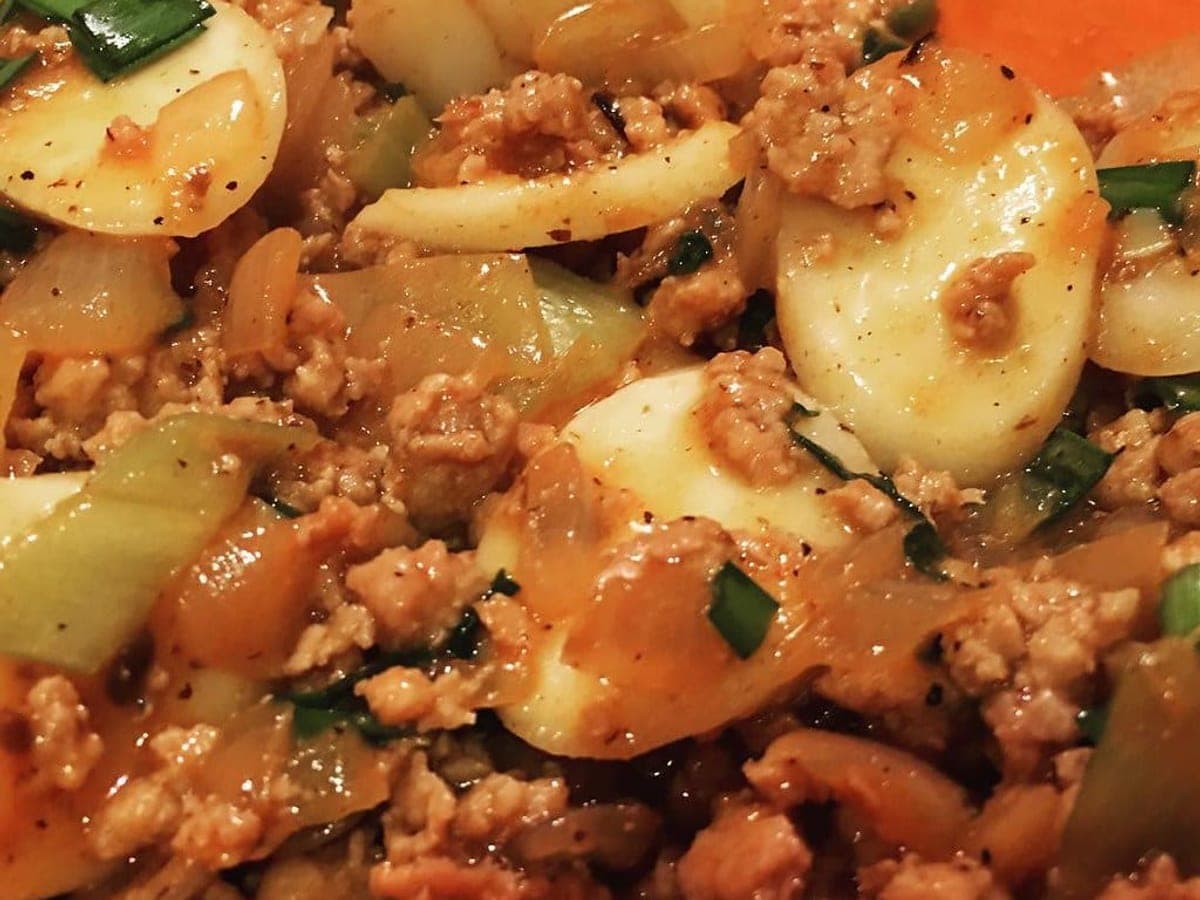
Tteok Kkochi (Rice Cake Skewers)
Why the rice cakes are pan-fried before the sauce goes near them, and how the glaze is brushed on in layers at the end so it never burns.
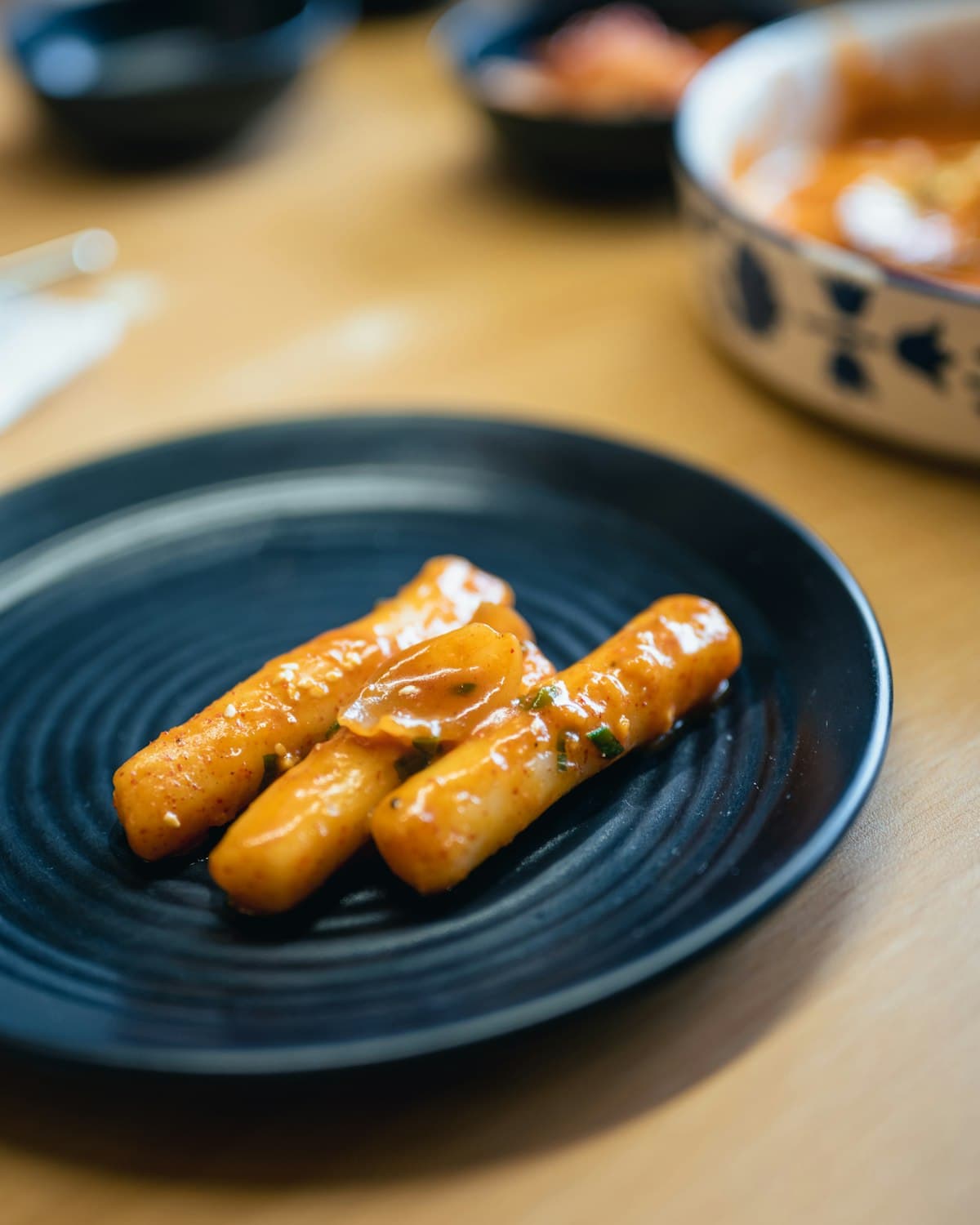
Tteokbokki (Spicy Korean Rice Cakes)
The anchovy-stock base, the gochujang-and-gochugaru combo, and the exact simmer time that turns rice cakes chewy instead of gummy or hard.
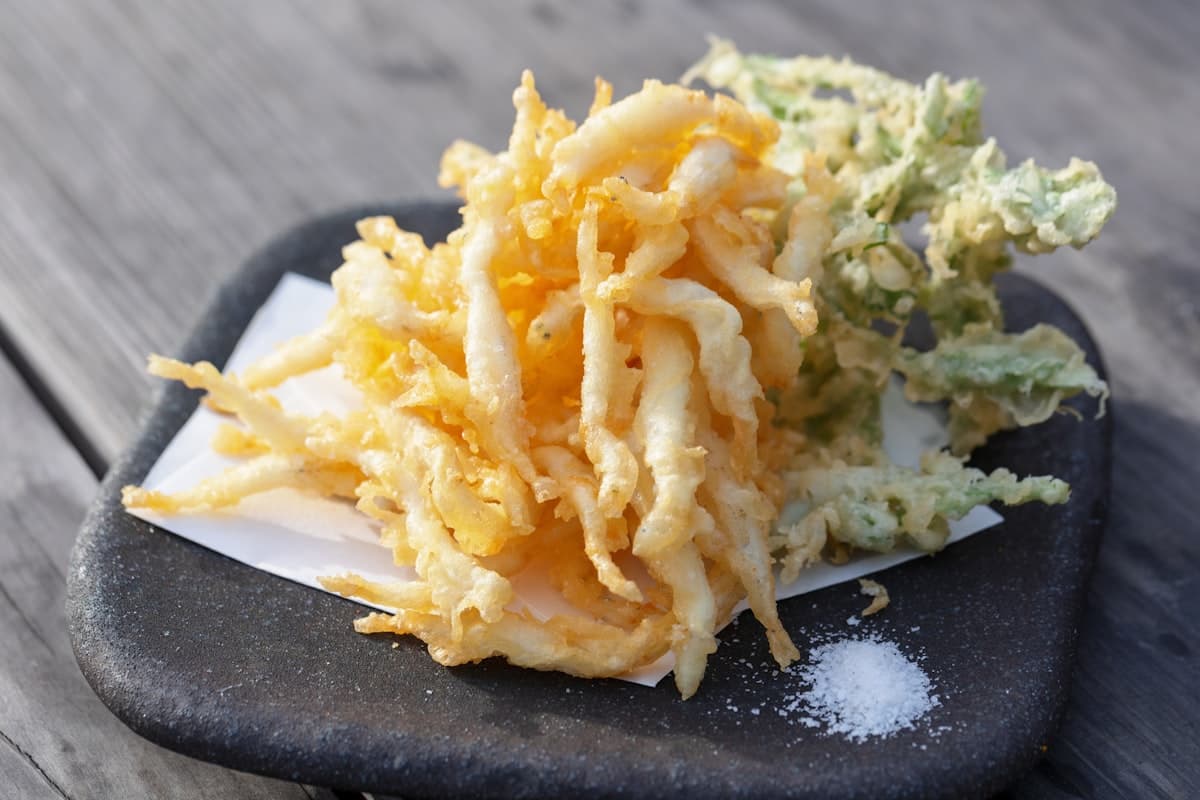
Twigim (Assorted Fried Snacks)
The batter consistency and oil temperature behind crisp twigim, and why frying in small batches matters more than any single ingredient.