
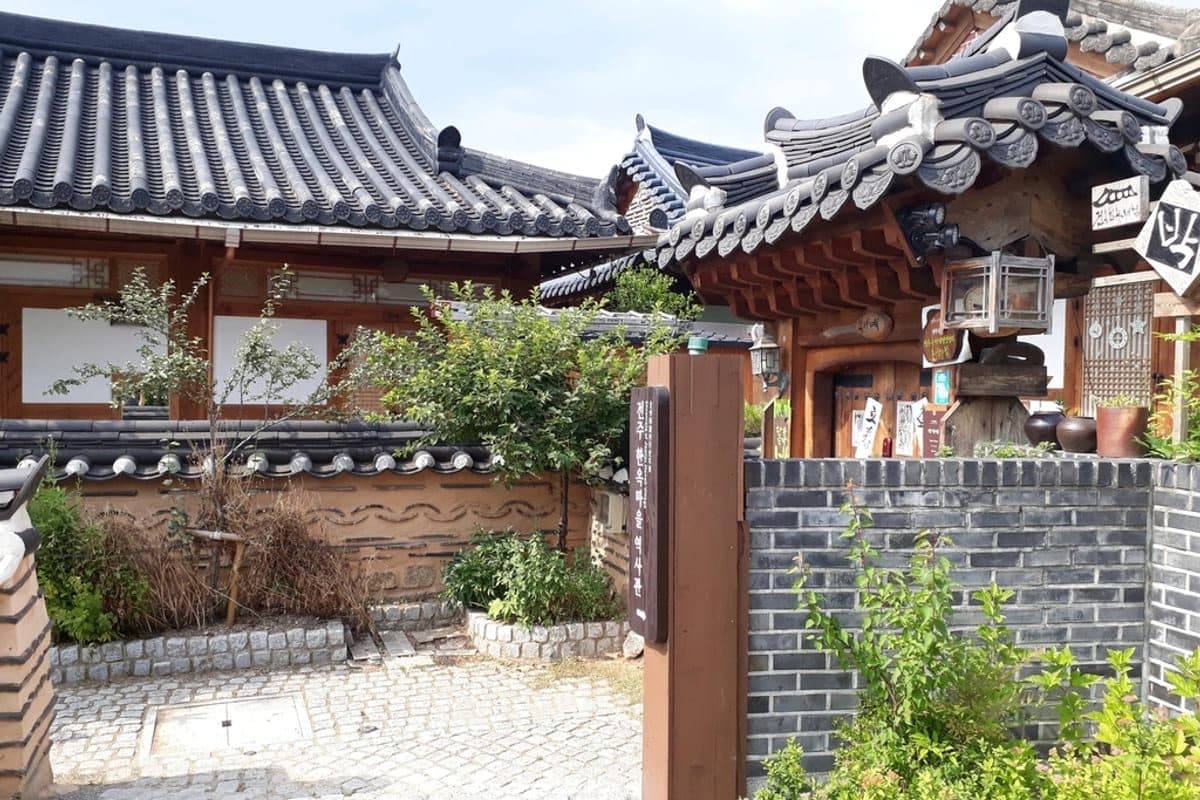
Did you know — Korean culture
Kimjang — the communal kimchi-making that happens across Korea every late autumn — was added to UNESCO's Intangible Cultural Heritage list in 2013, and notably the listing is for the practice of cooperation rather than for kimchi itself. Families historically salted well over a hundred heads of cabbage in a weekend, enough to last until spring, with neighbours working through each other's batches in turn.
Kimchi is not one thing. It is a preservation method applied to almost any vegetable, and Korea has hundreds of versions of it — white and mild, radish-based, brined in water, made to eat in a week or made to last a winter.
The red napa cabbage version most people mean is the most common, and it is a reasonable place to start. But if it is the only one you know, a lot of what kimchi does will look like a mystery.
This guide is the map. Every section links to the pages that go deeper.
What kimchi actually is
Kimchi is vegetables preserved by lacto-fermentation. Salt draws water out of the vegetable and creates an environment where lactic acid bacteria — already present on the vegetable — can work while spoilage organisms cannot.
Those bacteria convert sugars into lactic acid. That acid is the sourness, the fizz, the preservation, and the reason kimchi keeps for months.
Nothing is added to start it. There is no culture, no starter, no yeast. The bacteria are already there; salting simply gives them the field to themselves.
This matters practically: the fish sauce and salted shrimp in most recipes are for flavour, not fermentation. Remove them and it still ferments perfectly well.
The main types
Napa cabbage kimchi (baechu-kimchi) — the default. Whole or cut cabbage in a chili paste.
Baek kimchi — white kimchi, no chili at all. Clean, mild, slightly sweet. The version to make for people who think they don't like kimchi.
Kkakdugi — cubed radish. Crunchier, and the standard partner to bone-broth soups.
Chonggak kimchi — ponytail radish, made with the whole small radish and its greens.
Dongchimi — radish in a clear, cold brine, no paste. The liquid is as much the point as the radish, and it goes into naengmyeon broth.
Yeolmu kimchi — young summer radish greens. Light, made in small batches.
Pa kimchi — scallion. Strong, pungent, an acquired favourite.
Oi sobagi — stuffed cucumber. A summer kimchi, eaten within days.
Salting: the step that decides everything
If kimchi goes wrong, salting is usually why.
Salt draws water out so the vegetable stays crisp and the brine concentrates. Under-salt and you get soft, watery kimchi that spoils. Over-salt and fermentation stalls — the bacteria you need are suppressed along with everything else.
The test is not the clock, it is the bend. A thick piece of cabbage stem should bend into a U without snapping. Snaps: not ready. Flops: gone too far.
Use coarse sea salt, not fine table salt.
Rinse three times. This is the step most often cut short, and it is why kimchi comes out too salty to eat.
The full method is in how to salt napa cabbage.
Fermenting it, and knowing when to stop
Pack it tight so brine covers everything and no leaf sits exposed to air. Leave headroom — it bubbles up.
Room temperature, 1–3 days, depending on your kitchen. Warm kitchens are fast. Then the fridge, where it keeps developing for months.
What you are looking for: small bubbles, a faintly sour smell, a tang in the brine.
Kimchi does not have a finish line. At two weeks it is bright and crunchy; at two months properly sour and better cooked than raw. Both are correct, and Korean households usually have some of each.
See how to store kimchi for containers, headroom and the smell question.
When something goes wrong
Not sour after several days? Too cold, too salty, or refrigerated too early. Leave it out longer. Full diagnosis here.
Too salty? Under-rinsed after salting. You can dilute a batch slightly with a little water and more vegetables, but prevention is the real answer.
Soft and mushy? Under-salted, or the cabbage was old. Not recoverable as table kimchi — cook it.
White film on top? Usually kahm yeast, harmless, skim it off. Fuzzy, coloured mould is different: discard.
Bubbling over the jar? Normal and a good sign. Use a bigger container and stand it on a plate.
Cooking with old kimchi
Sour kimchi is not a failure, it is an ingredient — and arguably the more useful state.
- Kimchi jjigae — the stew that needs sour kimchi and does not work without it
- Kimchi bokkeumbap — fried rice
- Kimchi jeon — the pancake
- Dubu kimchi — stir-fried with pork, served with warm tofu
- Budae jjigae — where its acidity cuts the processed meat
- Kimchi mandu guk — dumpling soup
Use the brine too. It is concentrated flavour and most recipes quietly assume you will.
Making kimchi vegan
Standard kimchi contains saeujeot (salted shrimp) and fish sauce. Both are flavour, not fermentation.
Replace with: a spoonful of miso or soy sauce, plus a piece of dried kelp simmered into the rice porridge. Dried shiitake adds depth too.
The result is cleaner and milder, and it ferments on exactly the same timeline. It is genuinely good kimchi rather than a compromise version.
Baek kimchi is also naturally close to vegan and worth considering.
More to cook
All Ingredient & Substitute Guides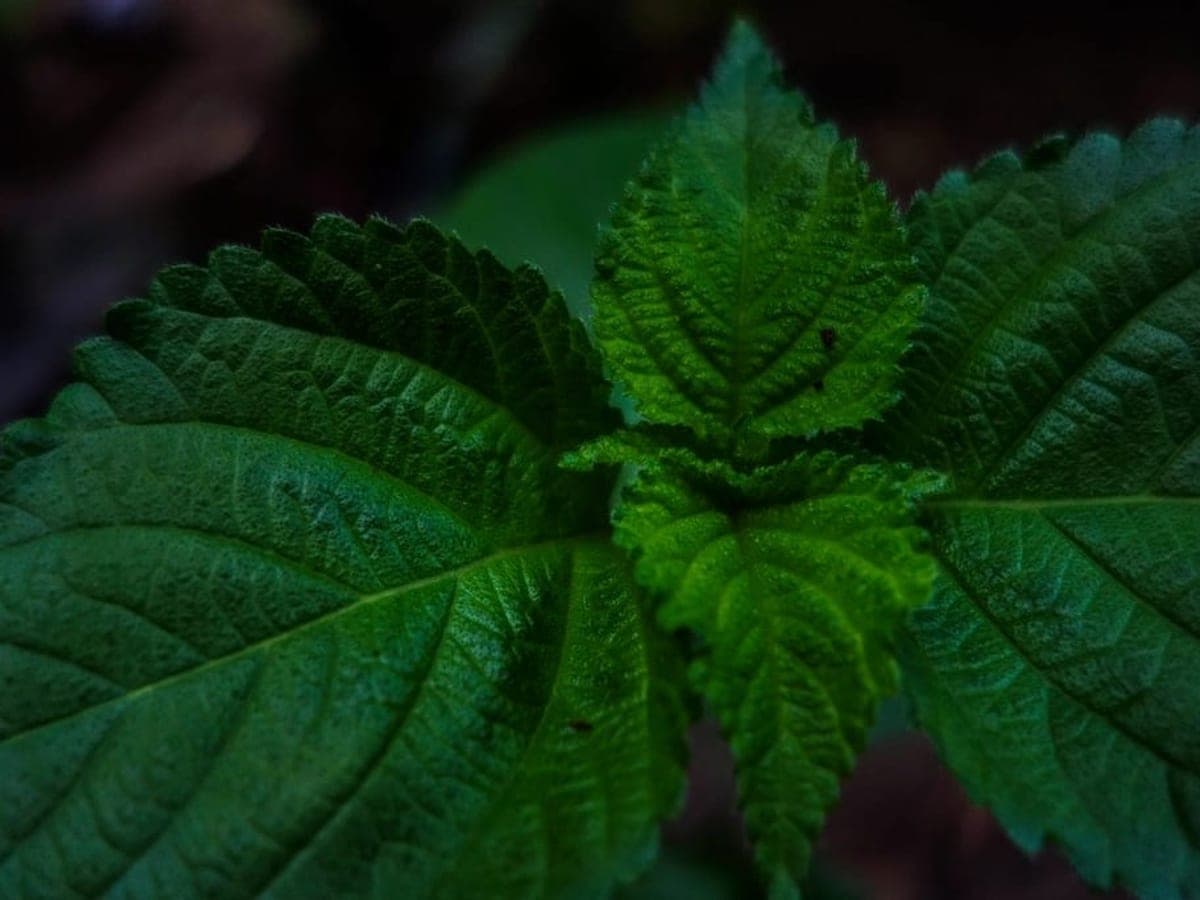
Kkaennip (Perilla Leaves)
Why Korean perilla leaves are not shiso despite looking similar, how they're used in ssam and jangajji, and what to do if you can't find them fresh.
Korean Banchan: A Complete Guide
What banchan actually are, how many a Korean meal needs, which ones keep for weeks, and how to build a table without cooking all day.
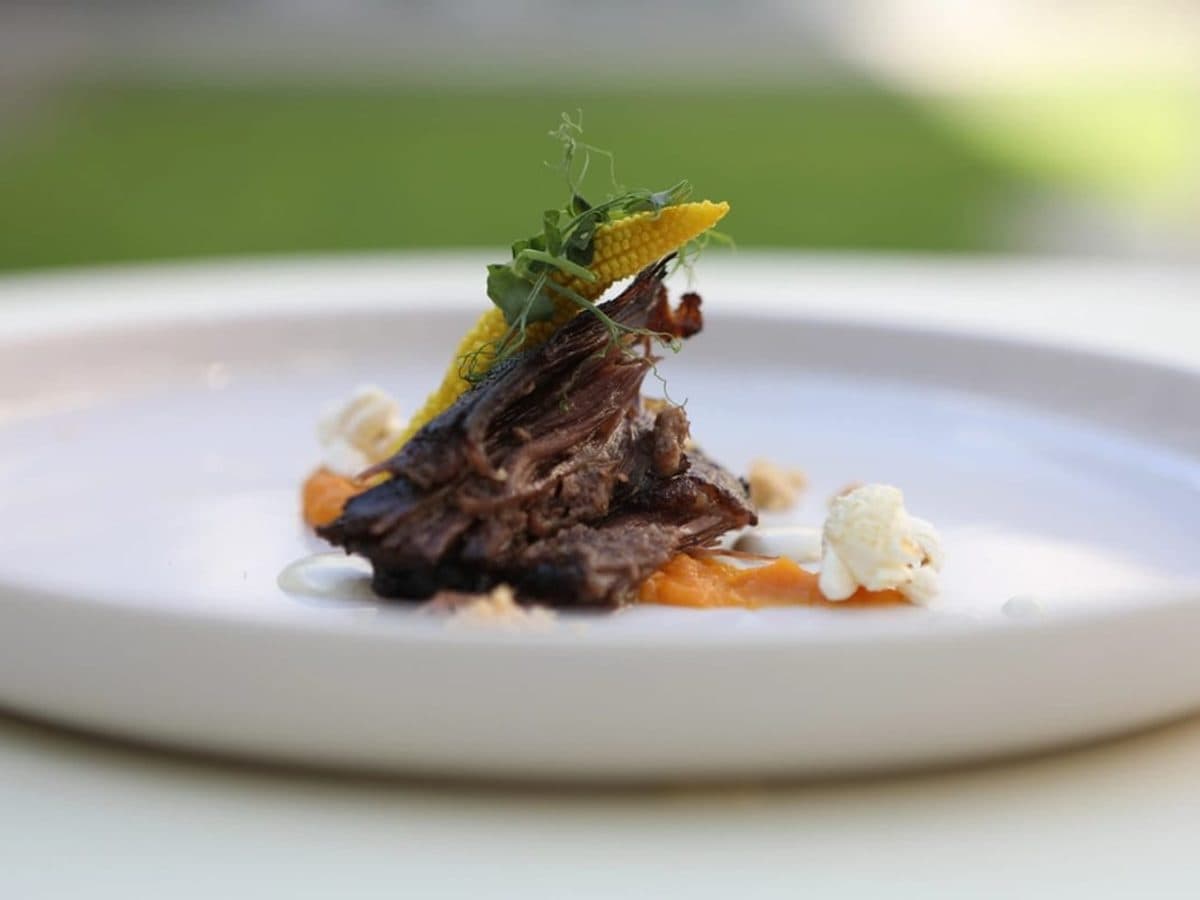
Korean BBQ at Home: The Complete Guide
How to run a Korean barbecue in a normal kitchen — which cuts to buy, what belongs on the table, and the order a proper meal actually follows.