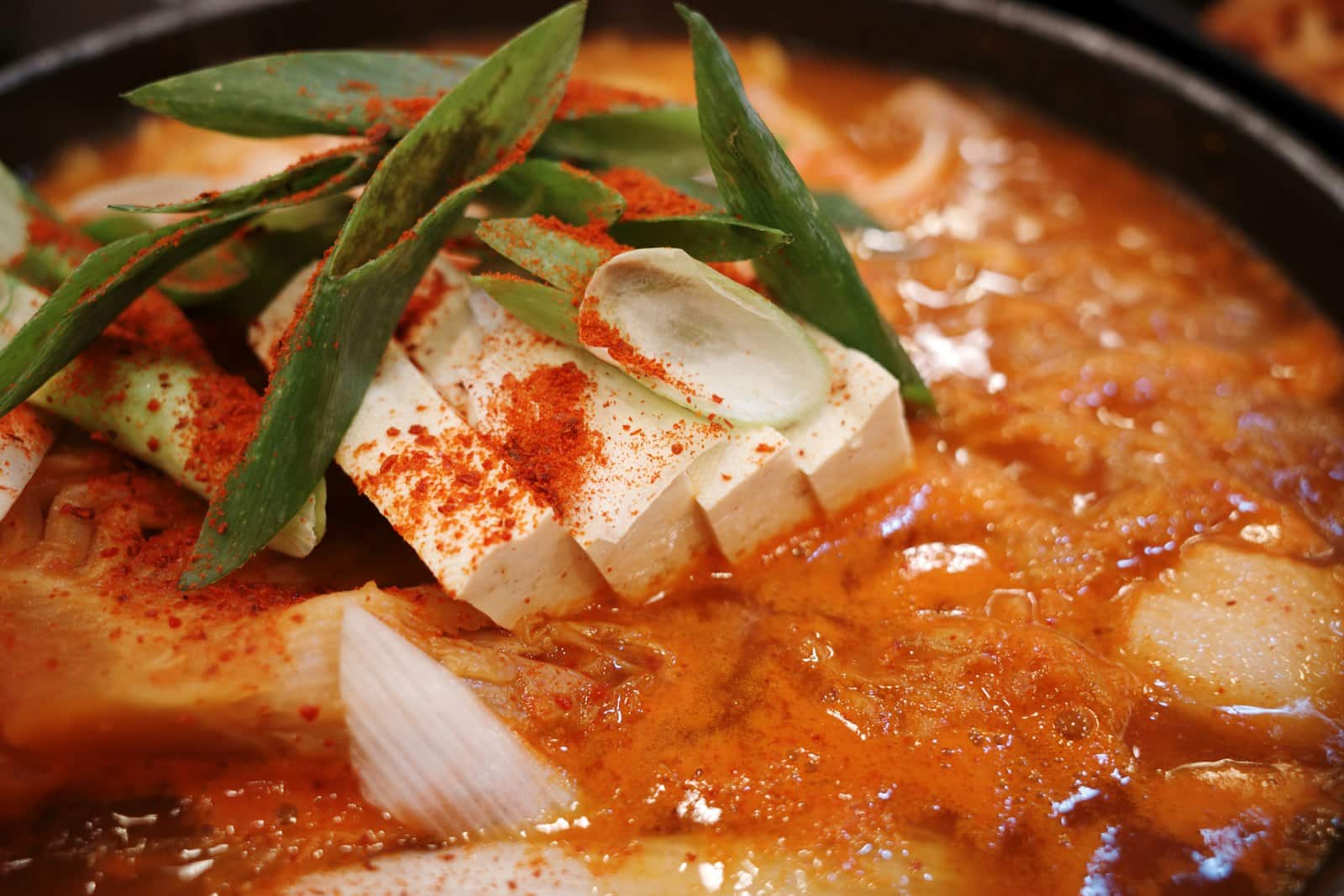
Stews & Soups
Jjigae, guk, tang — the stuff that actually gets cooked on a Tuesday night. One pot, big flavor, no fuss.
Did you know — Korean culture
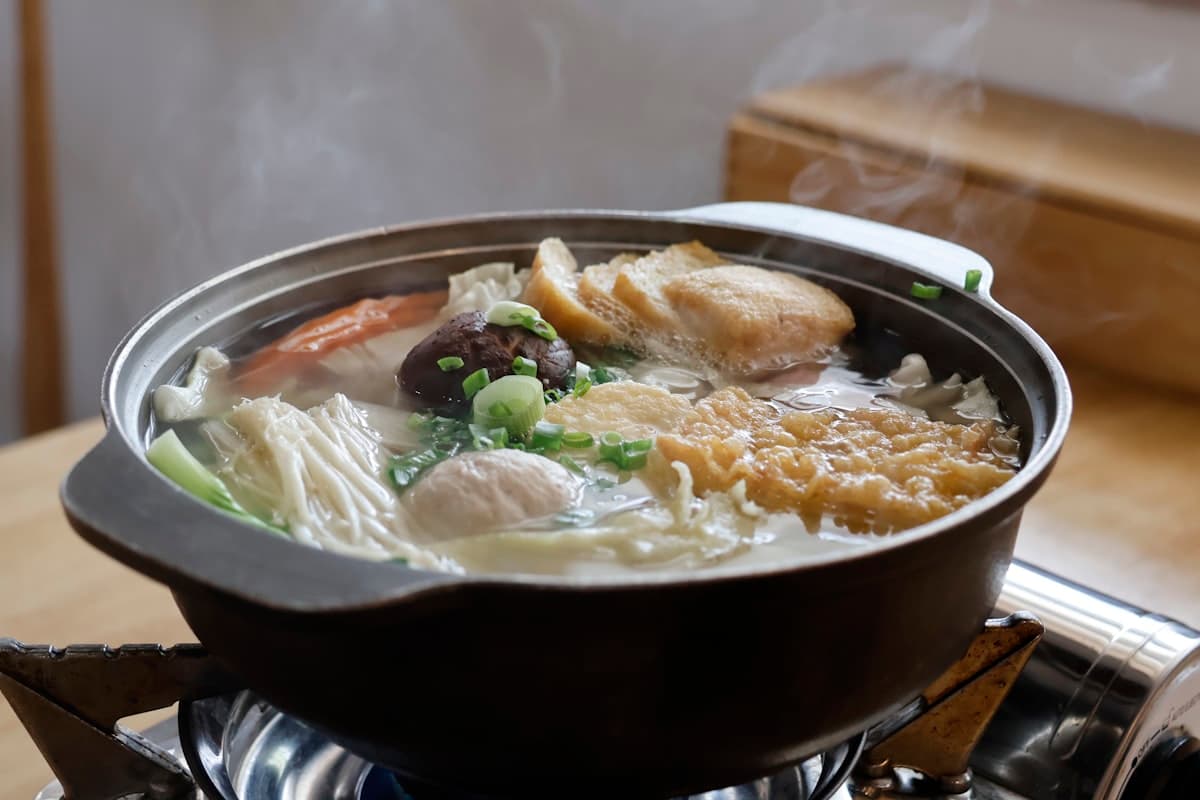
A good jjigae doesn't get its own bowl. It gets set down still bubbling, right in the middle of the table, and everyone digs in with their own spoon. Sharing straight from the pot isn't an accident — it's the whole point of a Korean stew.
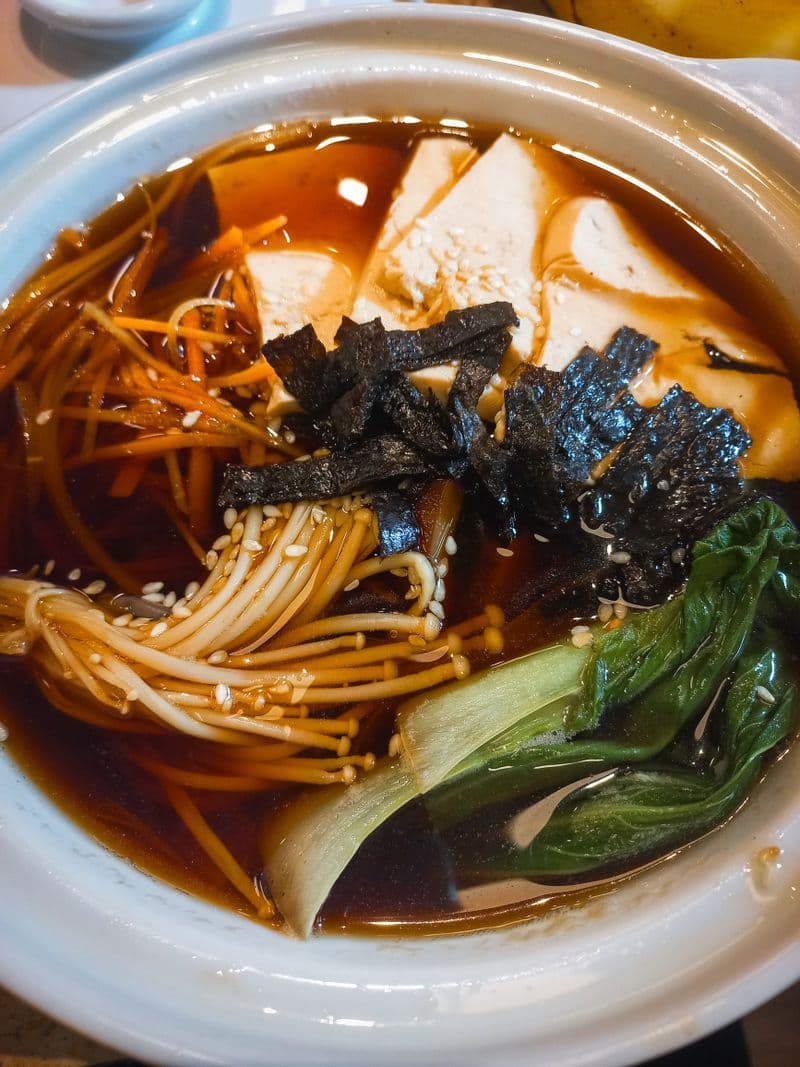
Beoseot Jeongol (Mushroom Hot Pot)
Why staggering mushroom varieties by cook time keeps the broth clean, and how building the broth separately from a dashi base changes the final depth.
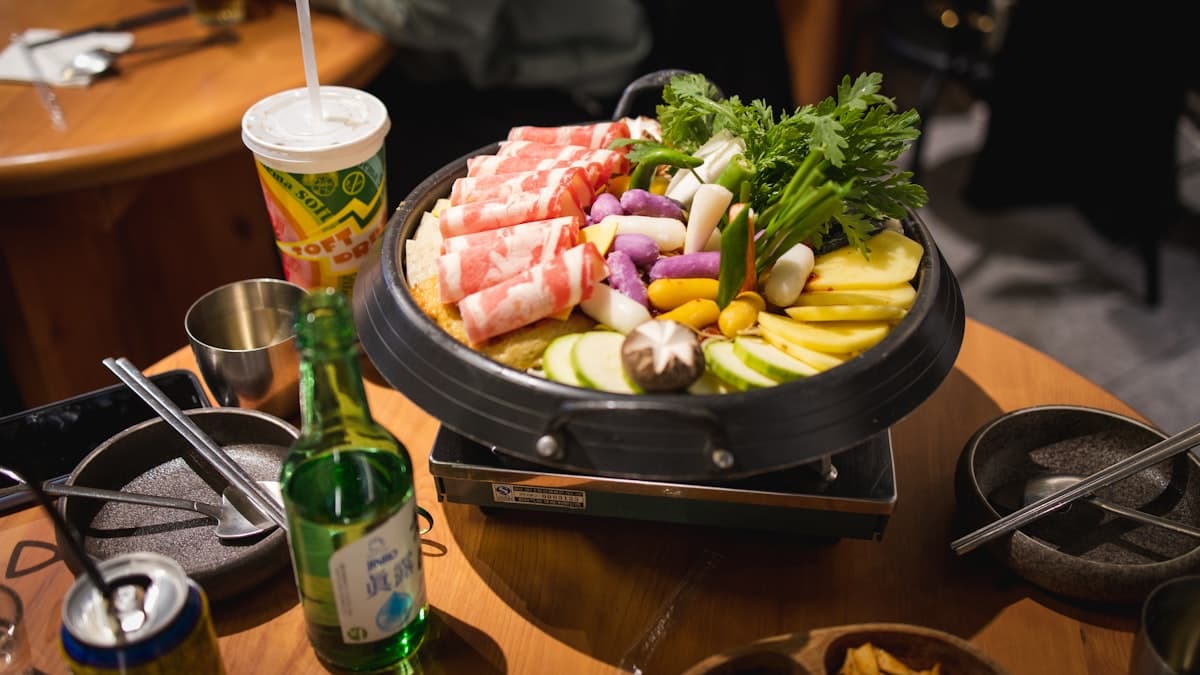
Budae Jjigae (Army Base Stew)
The kimchi-and-processed-meat combination behind budae jjigae, and why the pot is meant to keep cooking at the table.
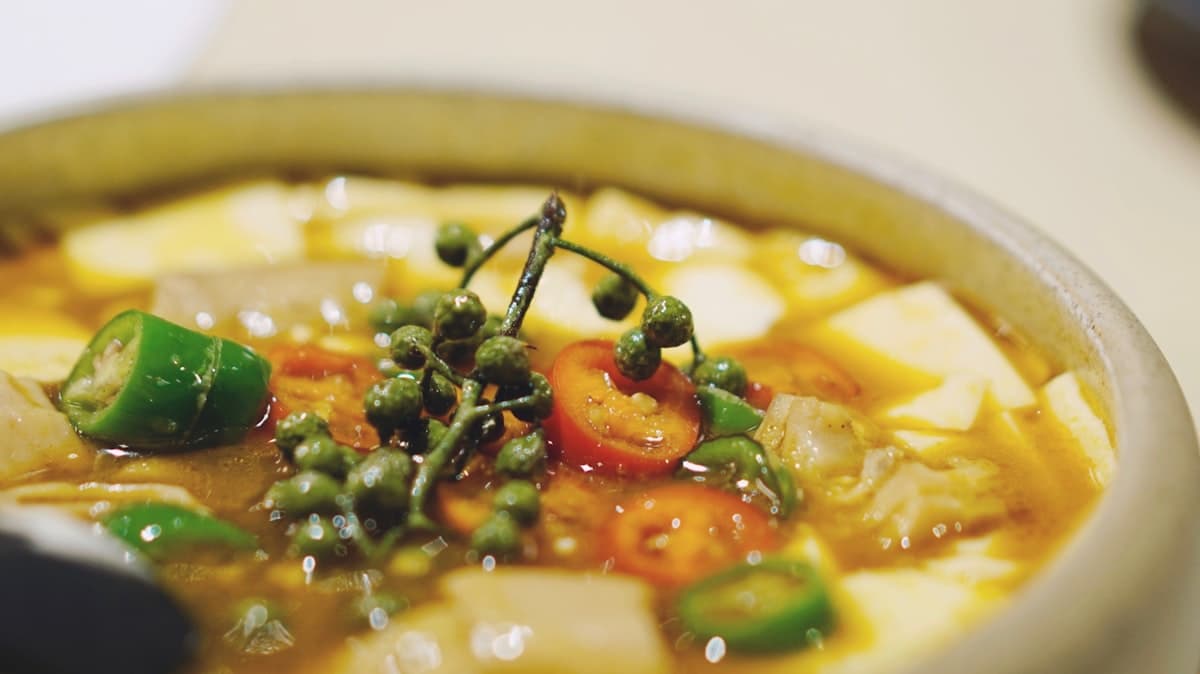
Cheonggukjang (Fast-Fermented Soybean Stew)
What makes cheonggukjang different from doenjang jjigae, and how to cook its pungent fermented soybeans into a proper stew.
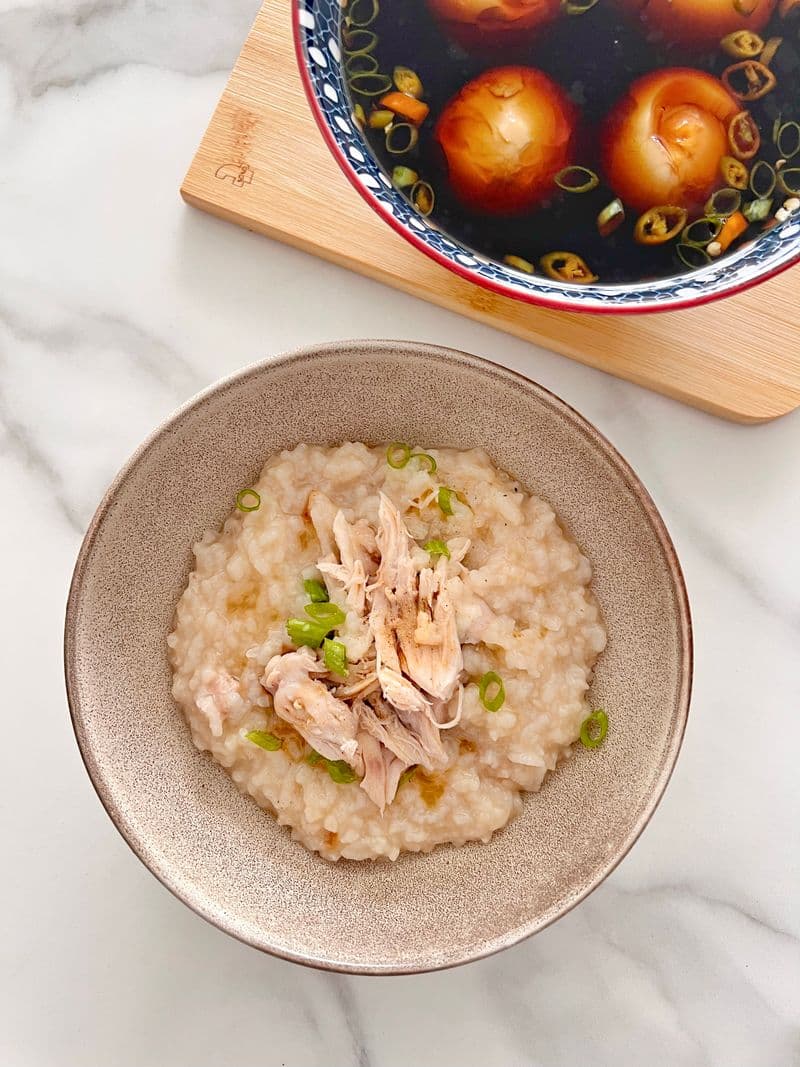
Dakjuk (Chicken Rice Porridge)
Why soaking the rice before cooking, not just simmering it longer, is what makes dakjuk creamy instead of watery.
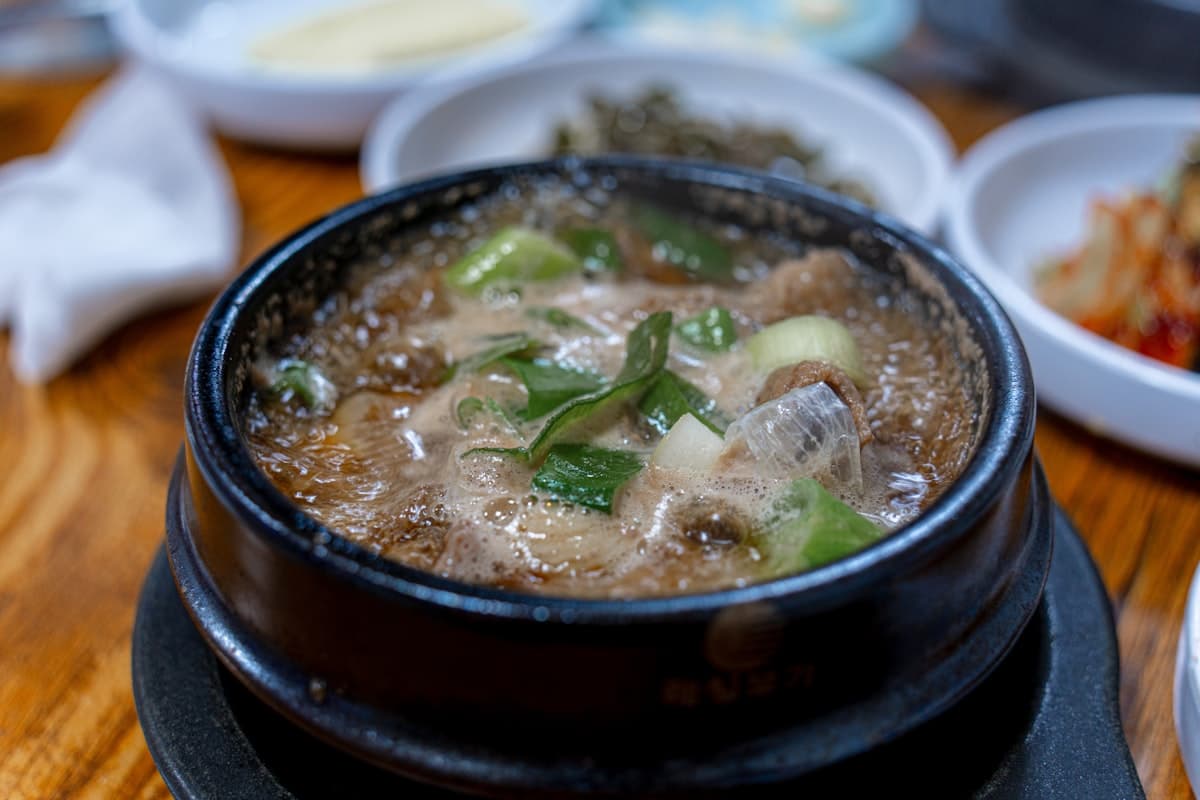
Doenjang Jjigae (Soybean Paste Stew)
The rice-water base and anchovy-kelp stock that gives doenjang jjigae its depth, and why this everyday stew rewards patience more than any other.
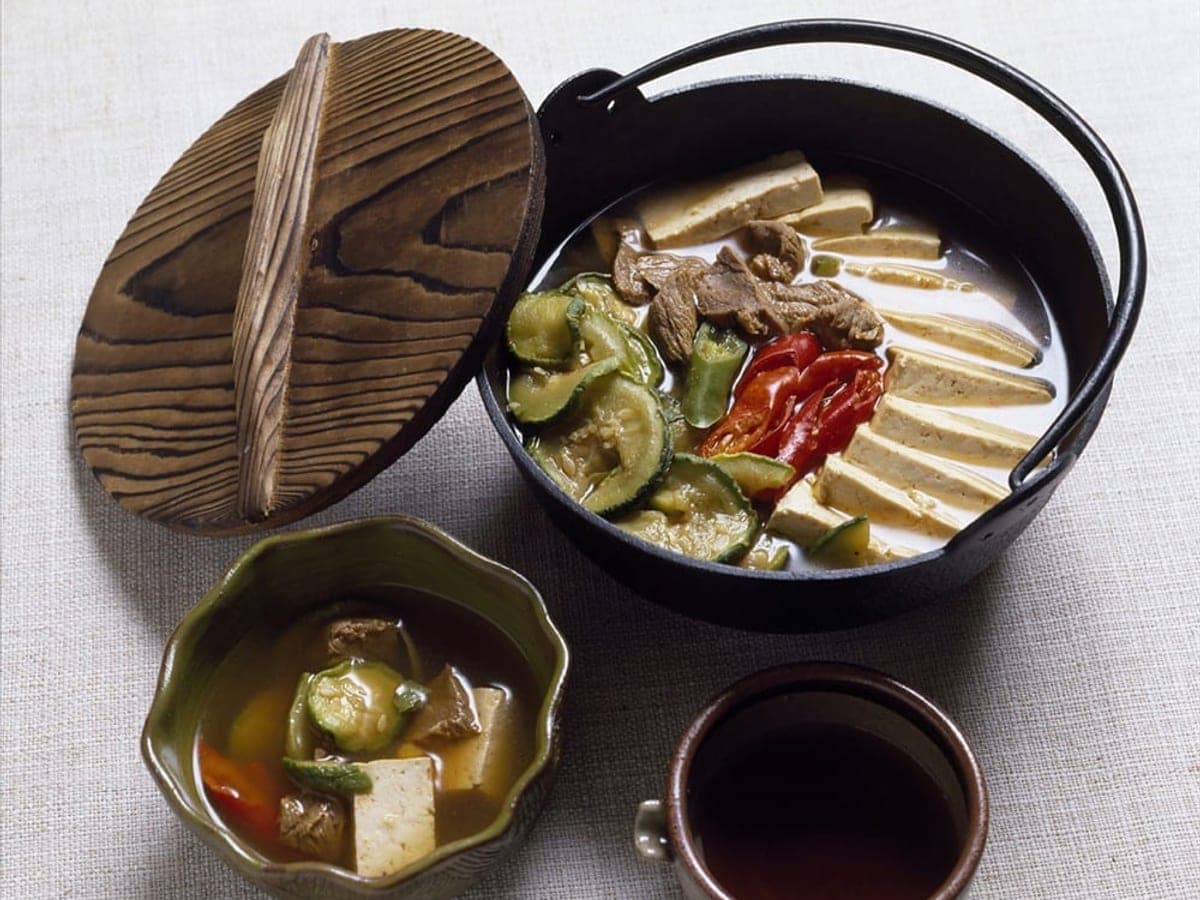
Dubu Jeongol (Tofu Hot Pot)
How to arrange a tofu hot pot so everything finishes together, and why the broth goes in cold and comes up to heat at the table rather than in the kitchen.
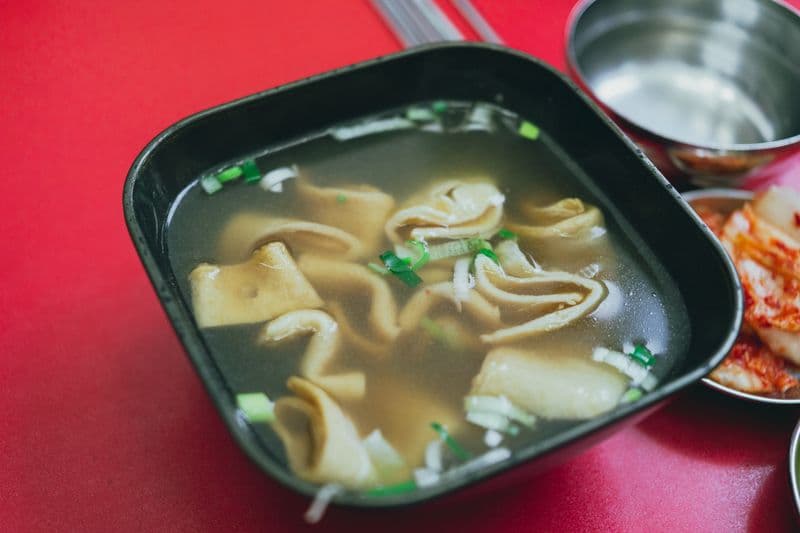
Eomuk Guk (Fish Cake Soup)
Why the anchovy-kelp stock needs to be strained and the fish cake blanched, and how skipping either step leaves the broth cloudy or oily.
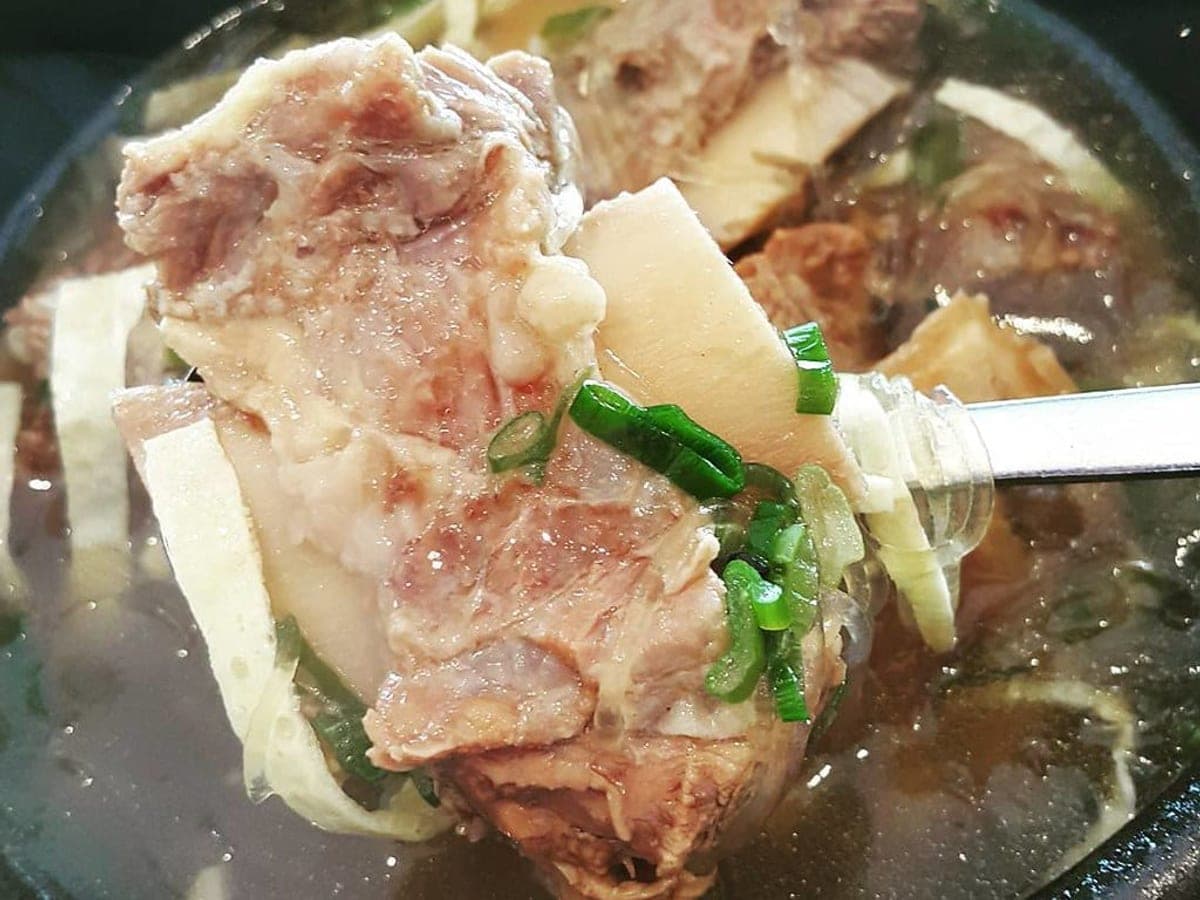
Galbitang (Beef Short Rib Soup)
Why short ribs get soaked and parboiled before they ever meet the broth, and how that discarded first boil is what makes galbitang clear instead of muddy.
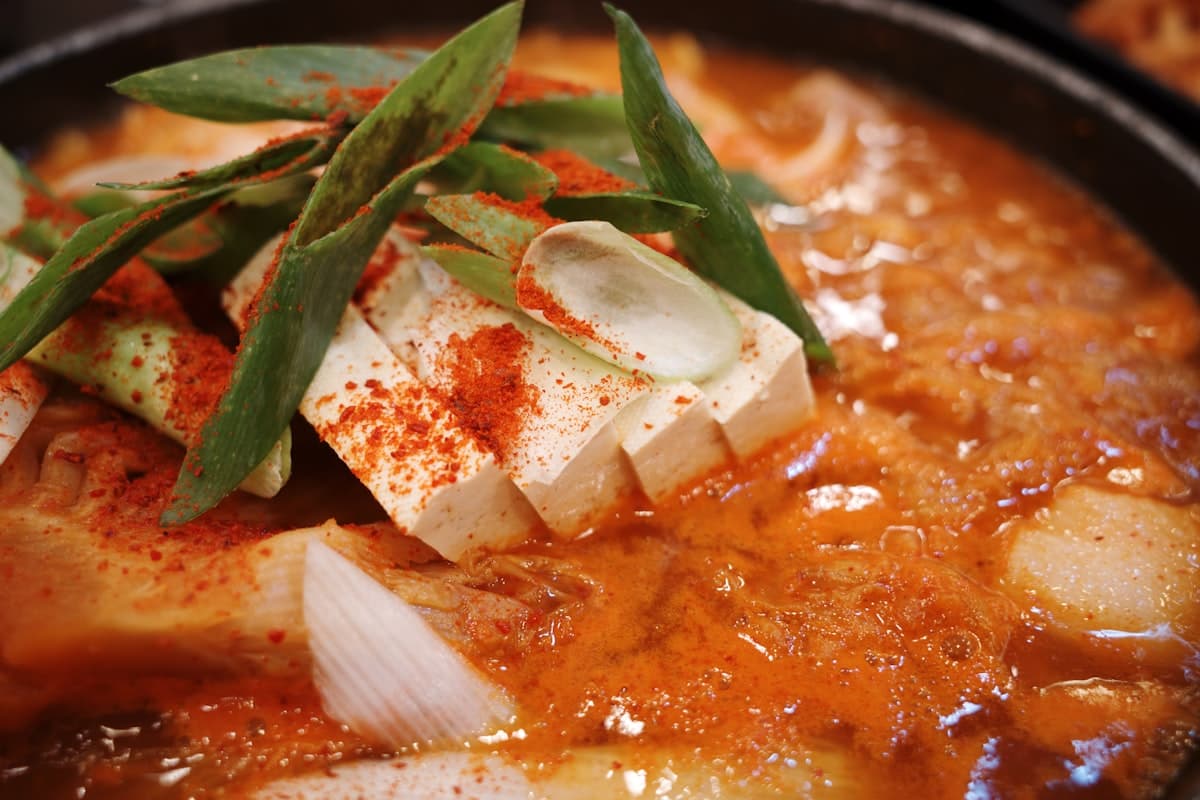
Gamjatang (Pork Bone Potato Stew)
The long-simmer technique for pork spine bones behind gamjatang, and the perilla-seed thickening that gives the broth its body.
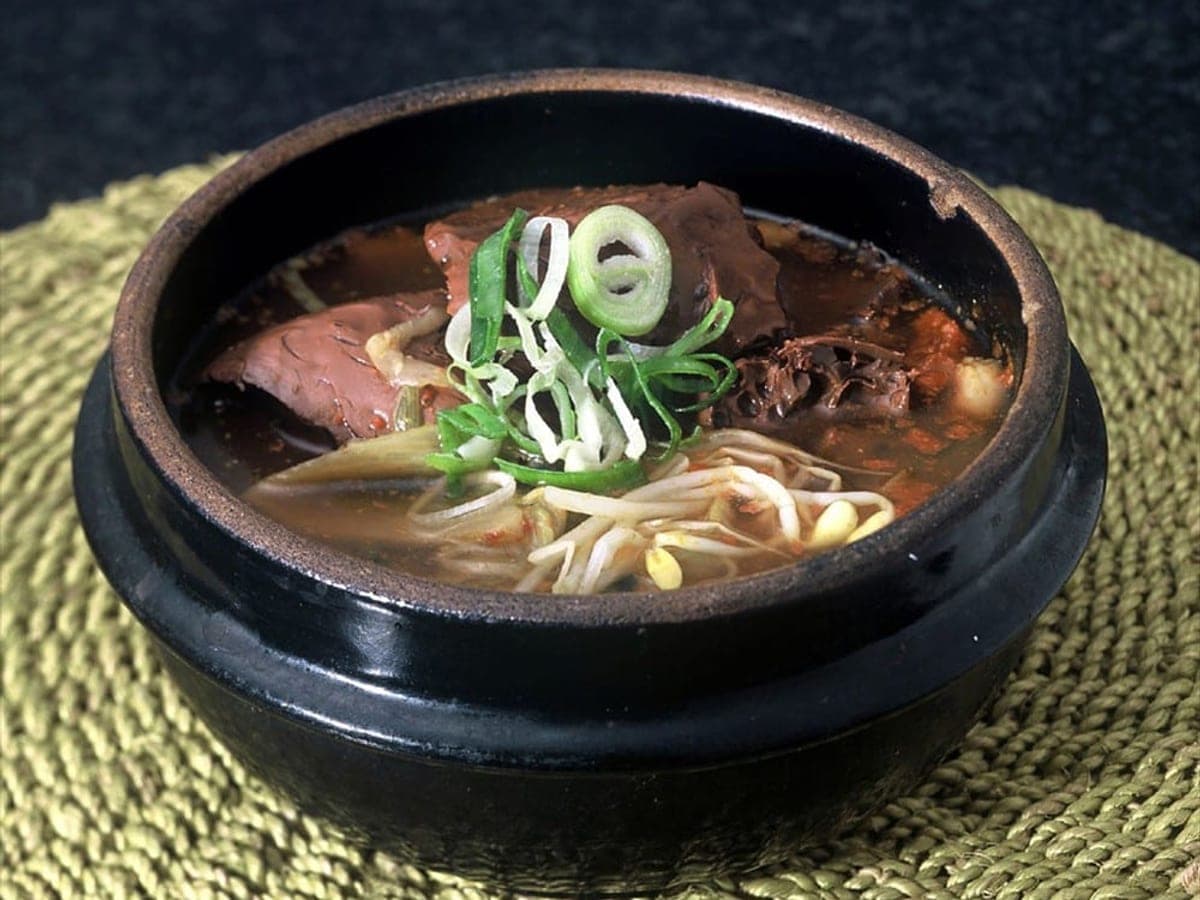
Haejangguk (Hangover Soup)
Why haejangguk needs a long ox-bone broth rather than a quick stock, and how the cabbage and bean sprouts go in at different times so neither overcooks.
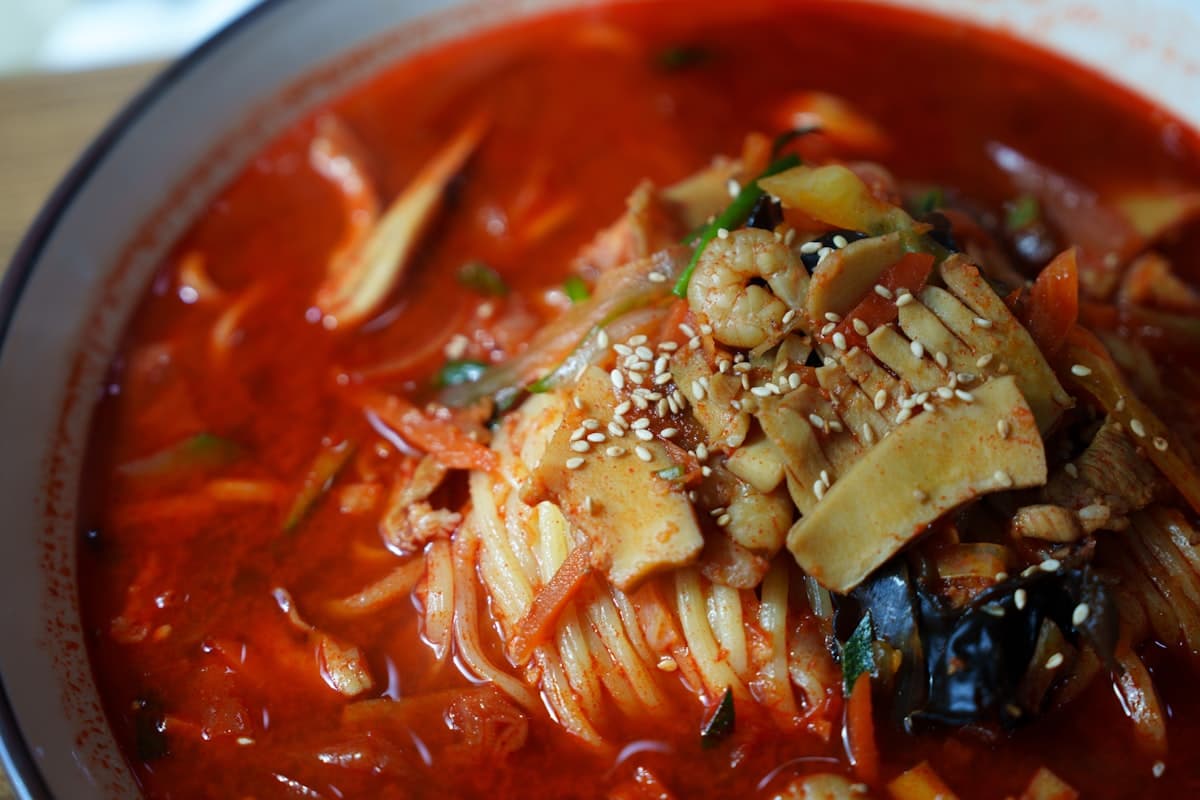
Jjamppong (Spicy Seafood Noodle Soup)
The high-heat stir-fry-then-simmer technique behind jjamppong's deep red broth, and why the seafood goes in in stages, not all at once.
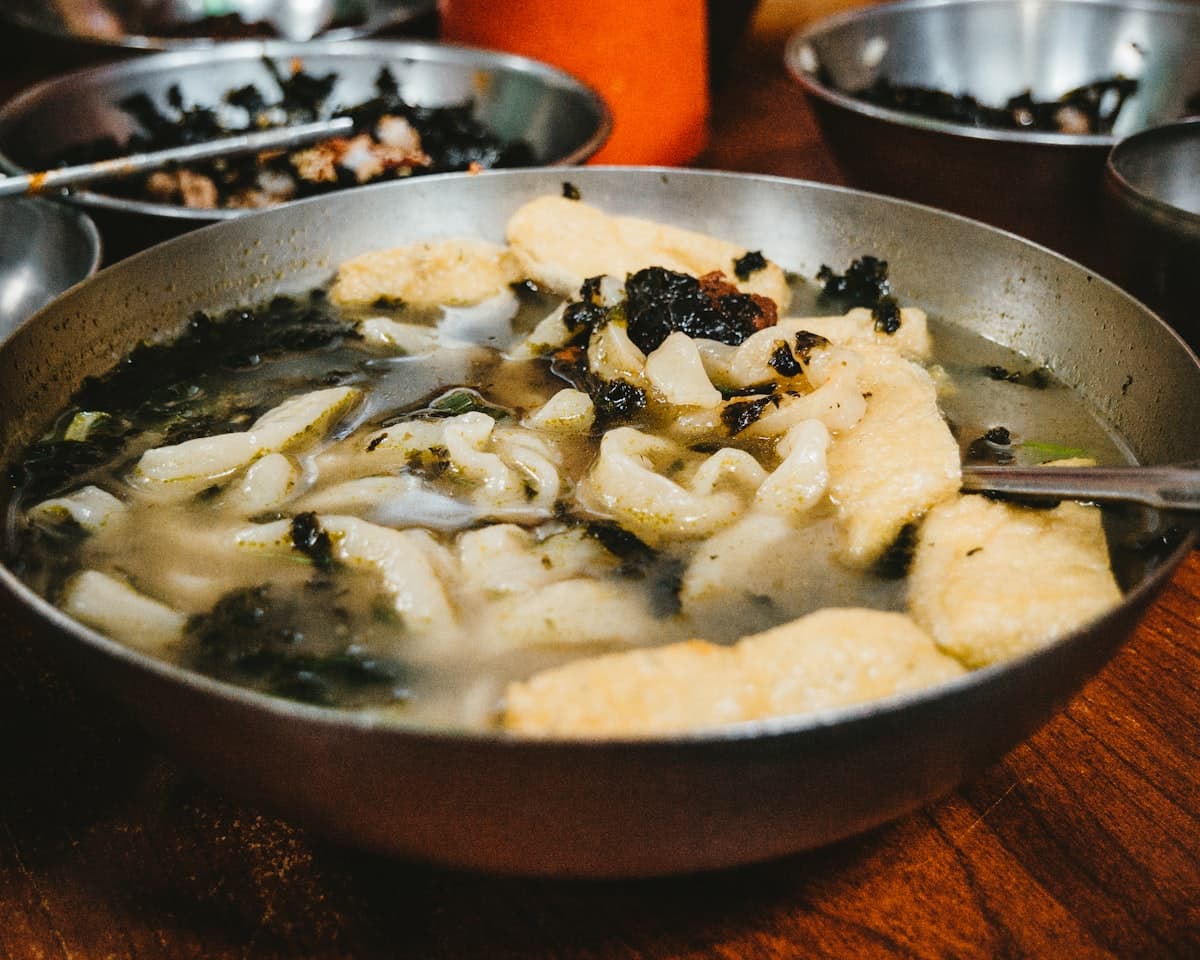
Kalguksu (Knife-Cut Noodle Soup)
The dough-resting step behind kalguksu's chewy hand-cut noodles, and why a real anchovy-kelp stock matters more than in most noodle soups.
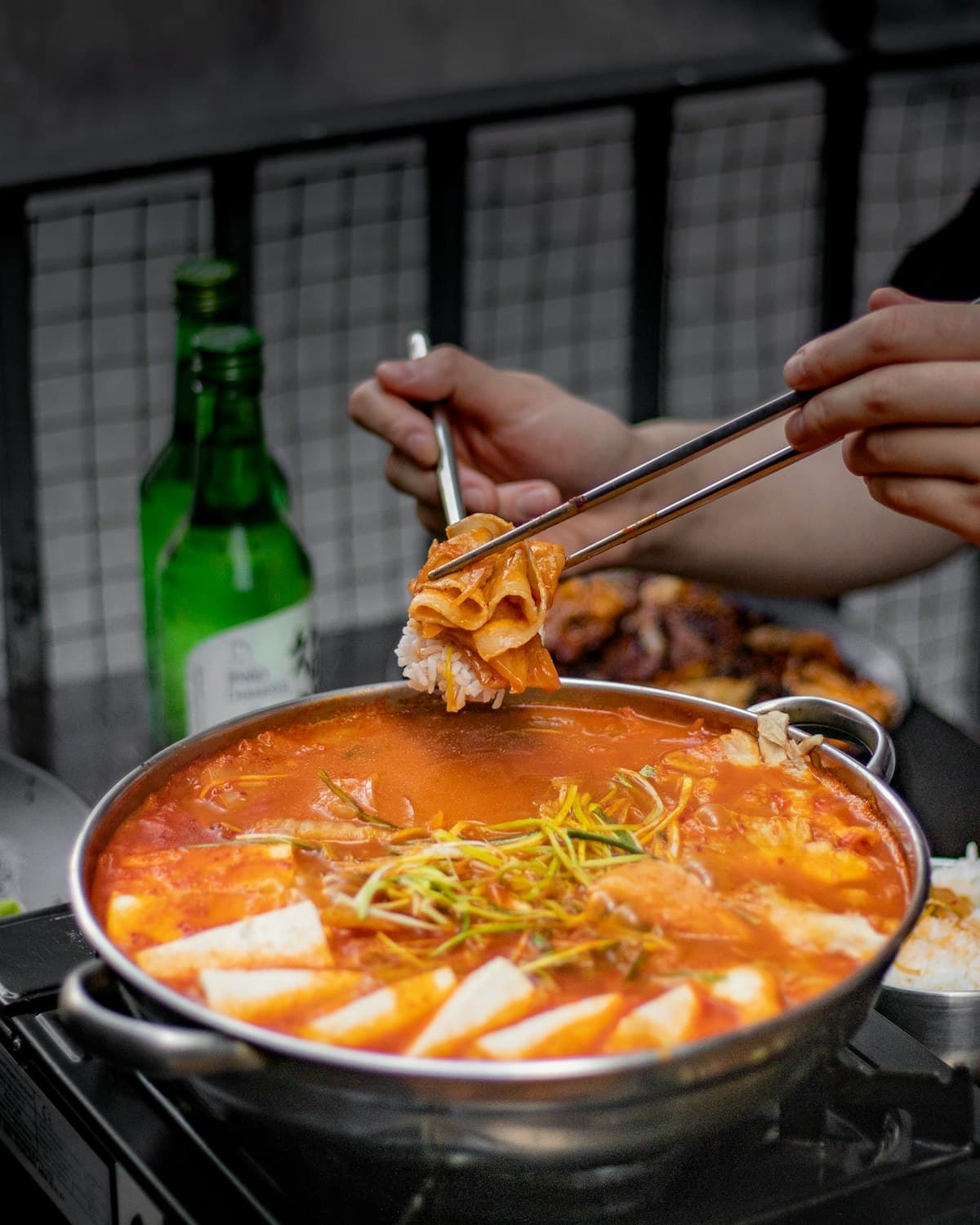
Kimchi Jjigae (Kimchi Stew with Pork Belly)
Why this stew wants your sourest, most overripe kimchi — and the simmer time that turns pork belly and old kimchi into something better than either started as.
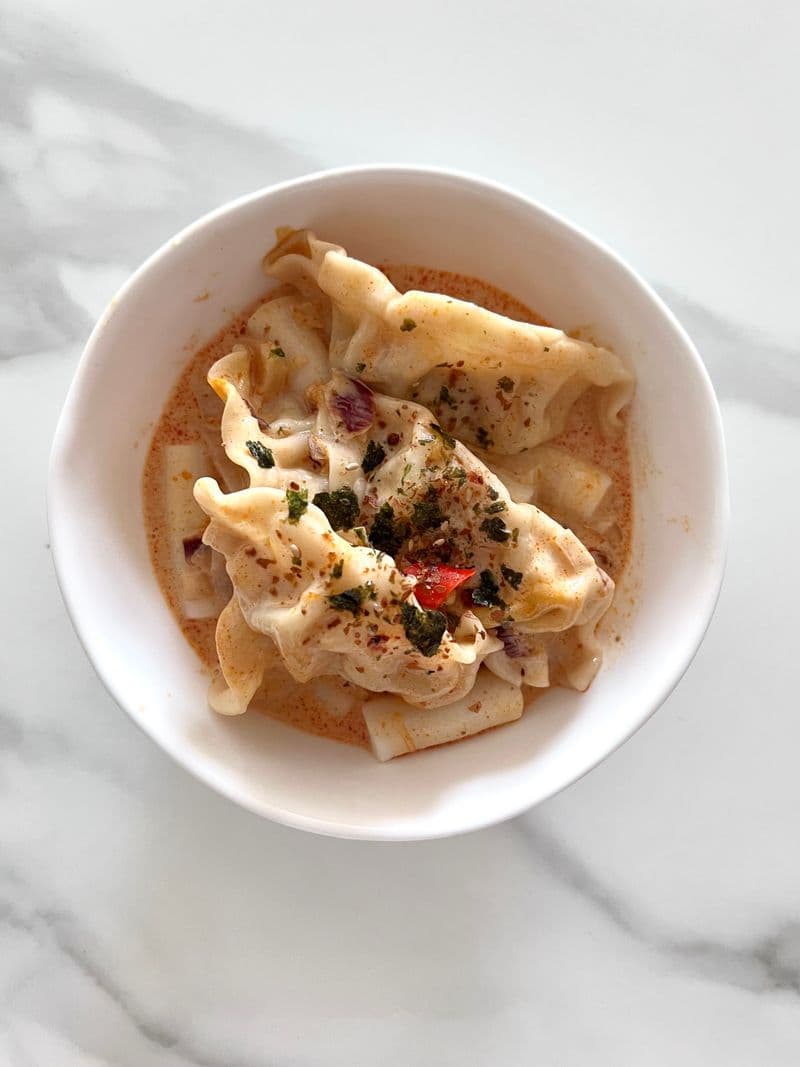
Kimchi Mandu-guk (Kimchi Dumpling Soup)
Why using well-fermented, sour kimchi in the filling changes the whole dish, and how simmering dumplings gently keeps the wrappers from splitting.
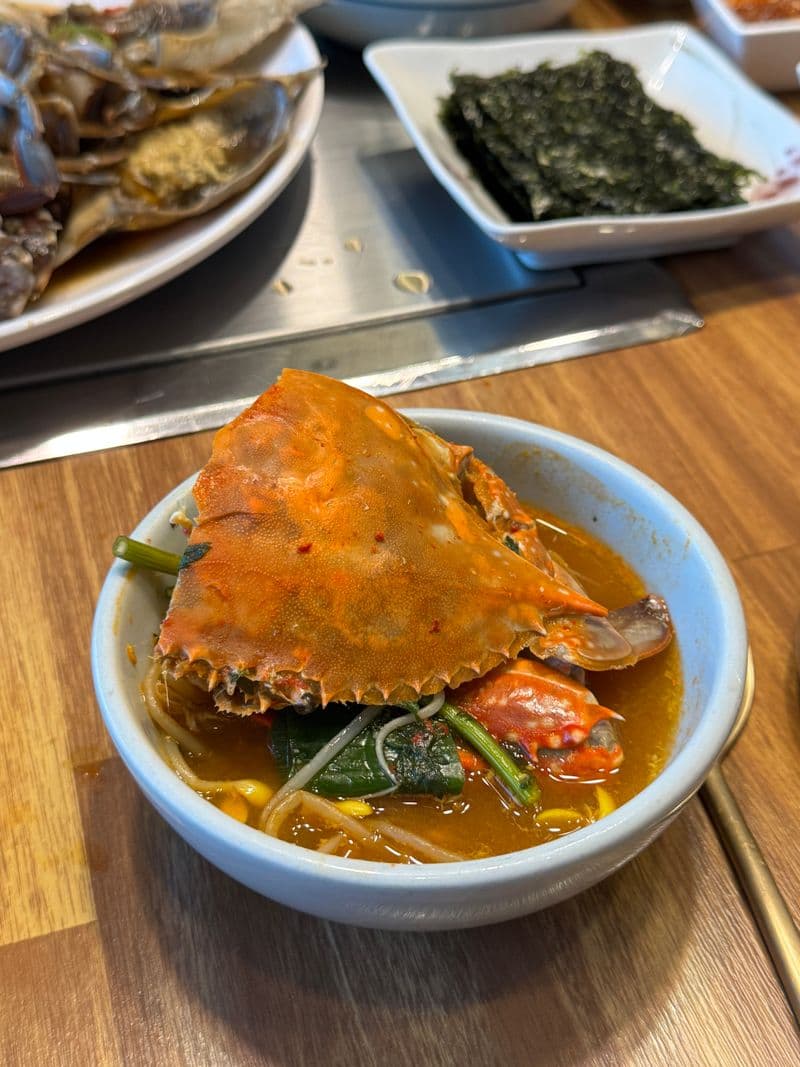
Kkotgetang (Blue Crab Stew)
Why the crab goes in at the very end, not the start, and how building the broth first is what keeps the meat from turning rubbery.
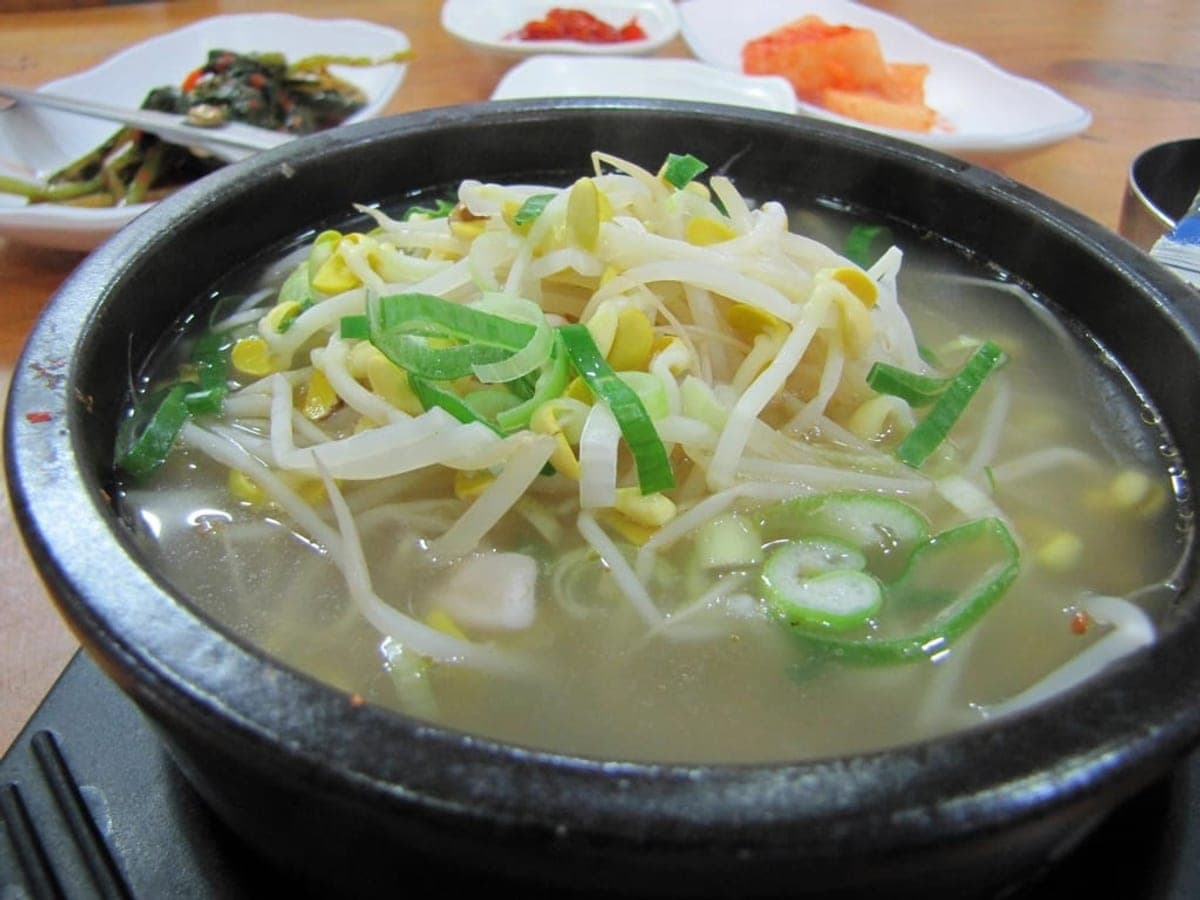
Kongnamul Gukbap (Bean Sprout Soup with Rice)
Why the lid on a pot of bean sprouts must stay either fully on or fully off, and how the rice goes into the bowl rather than being cooked in the broth.
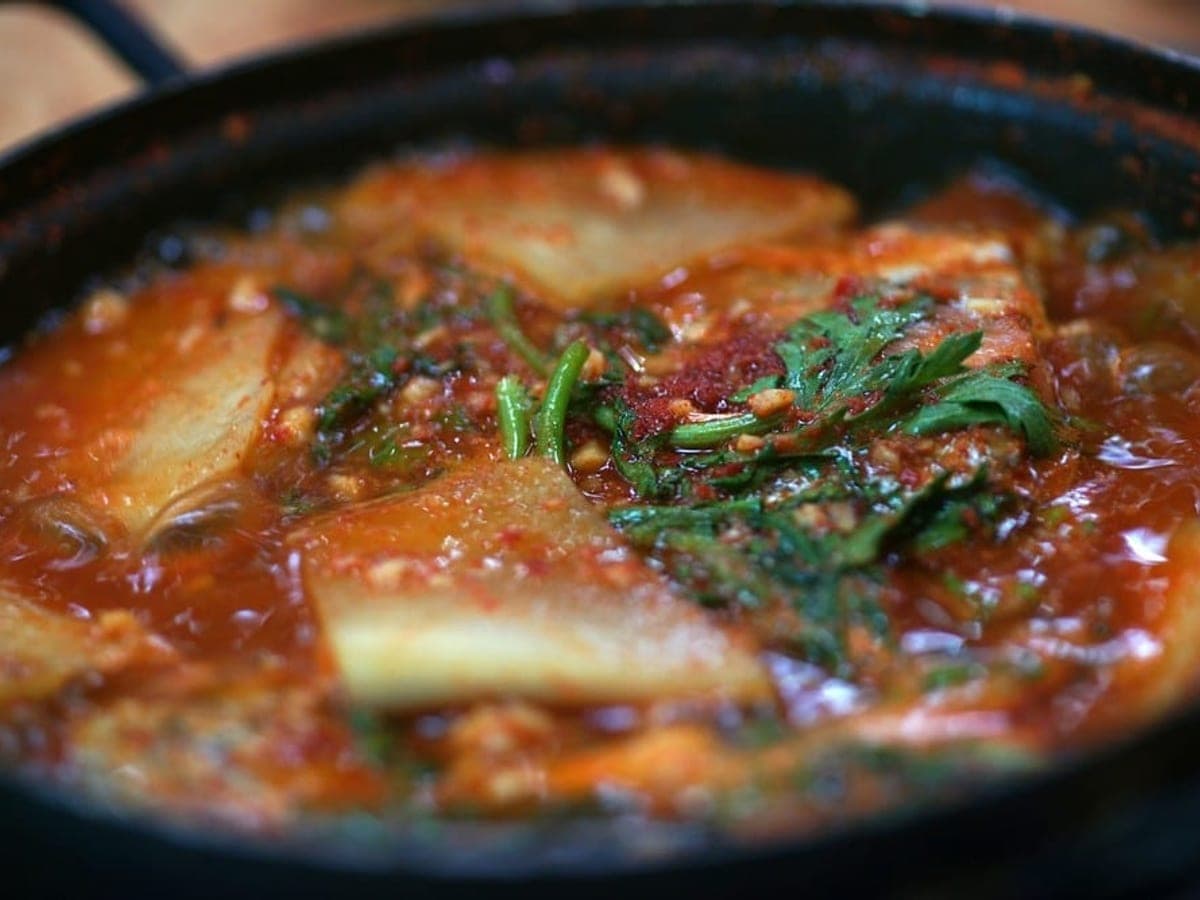
Maeuntang (Spicy Fish Stew)
Why maeuntang is built from the fish bones and head rather than the fillets, and why the fish goes in last and is never stirred once it does.
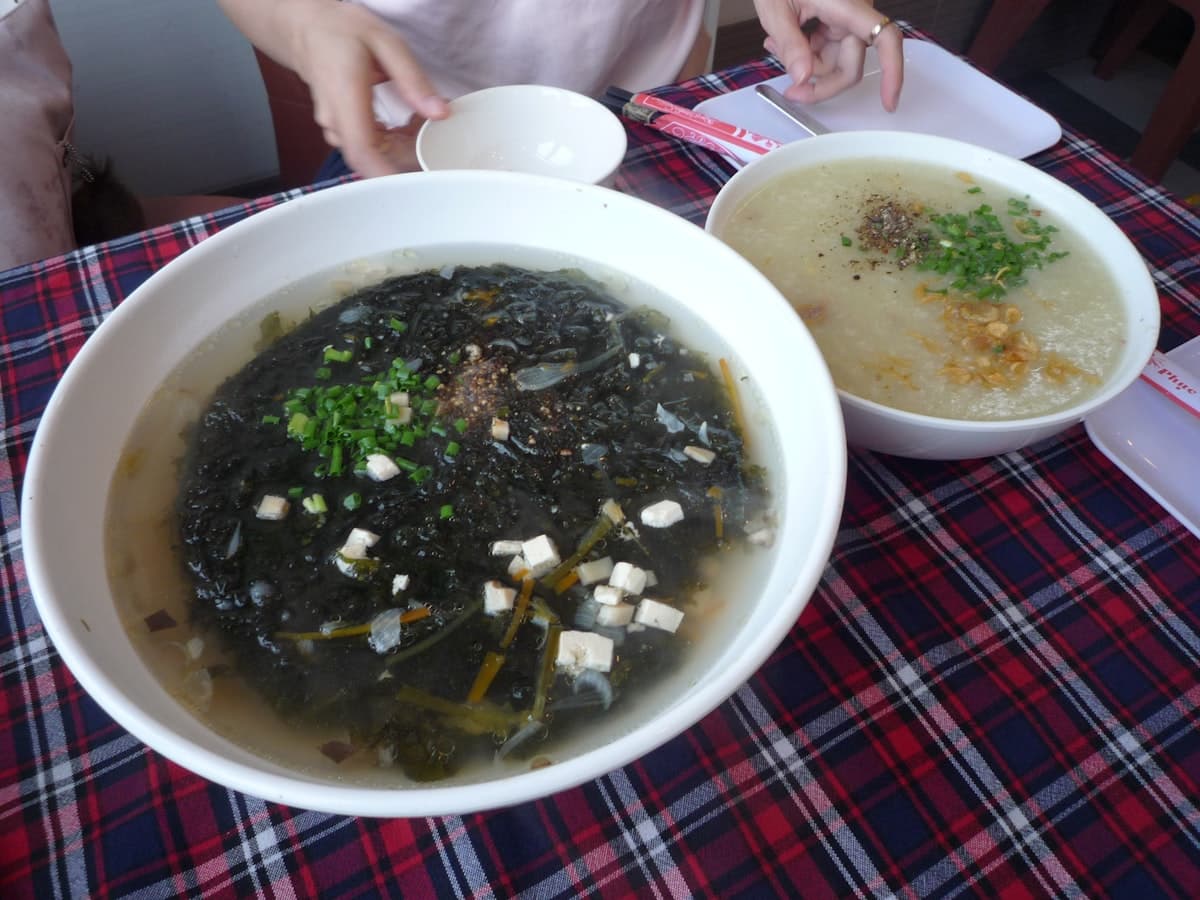
Miyeok-guk (Seaweed Soup)
The soak-and-sauté technique behind miyeok-guk, and why this simple soup is Korea's traditional birthday dish.
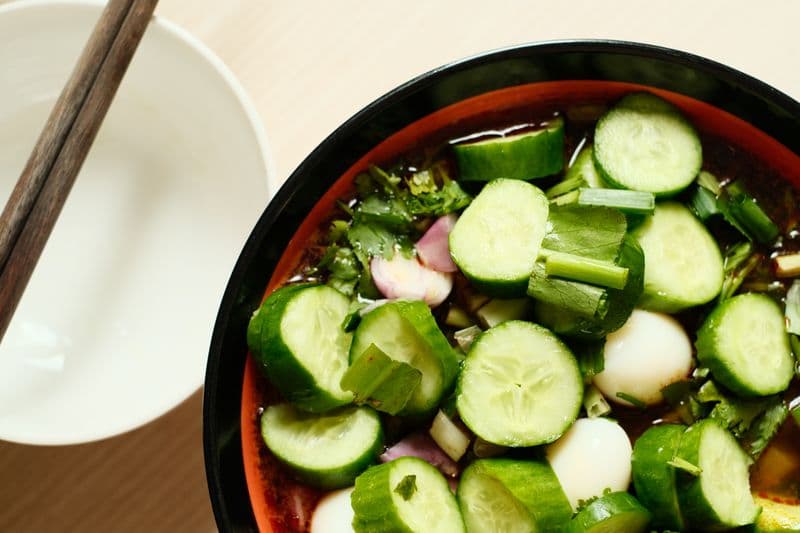
Oi Naengguk (Cold Cucumber Soup)
Why salting the cucumber first and chilling the broth separately is what keeps this summer soup crisp and cold instead of watered down.
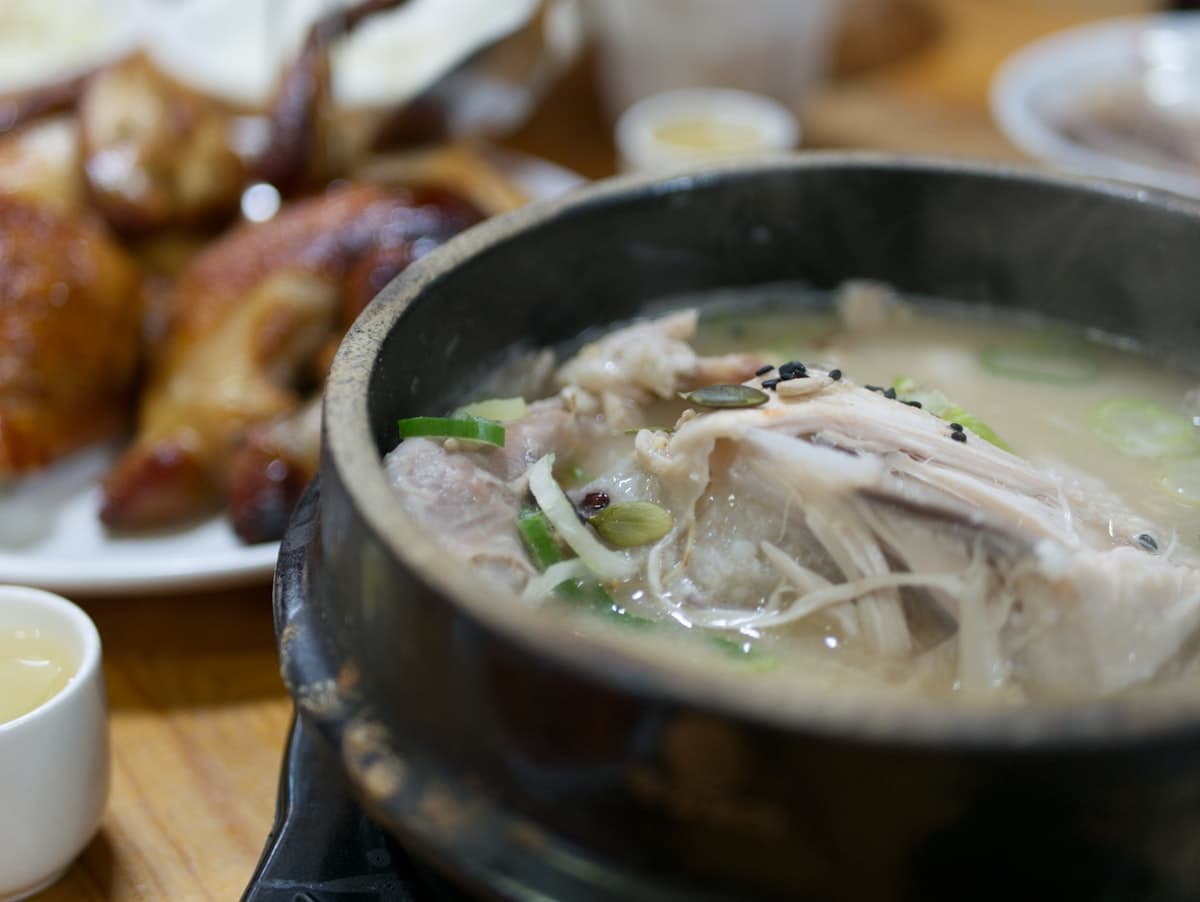
Samgyetang (Ginseng Chicken Soup)
The whole-bird, glutinous-rice-stuffed technique behind samgyetang, and why this boknal staple is eaten hot in the middle of summer.
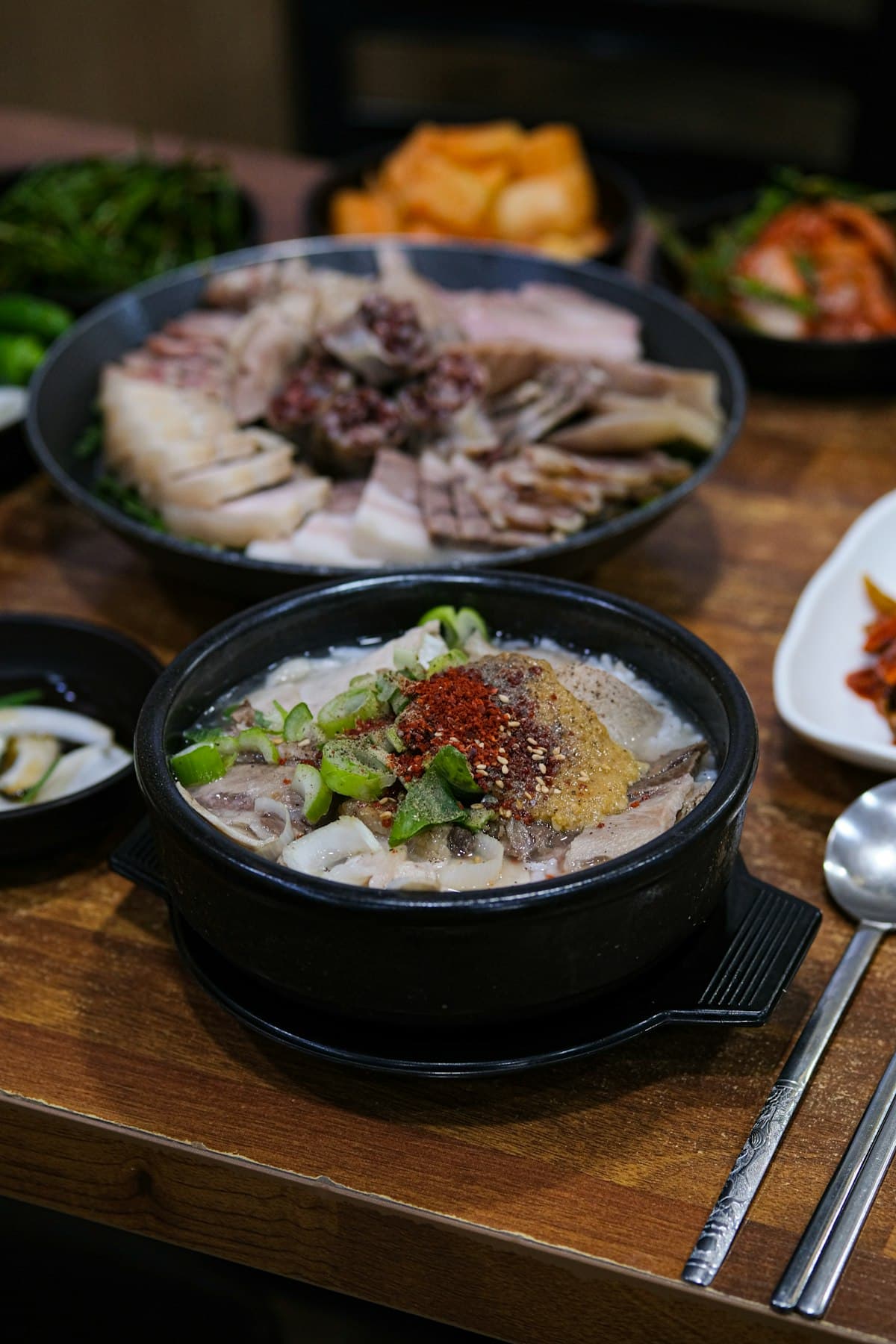
Seolleongtang (Ox Bone Soup)
The long-simmer, multi-boil technique that turns ox bones into seolleongtang's milky white broth, and why patience matters more than seasoning.
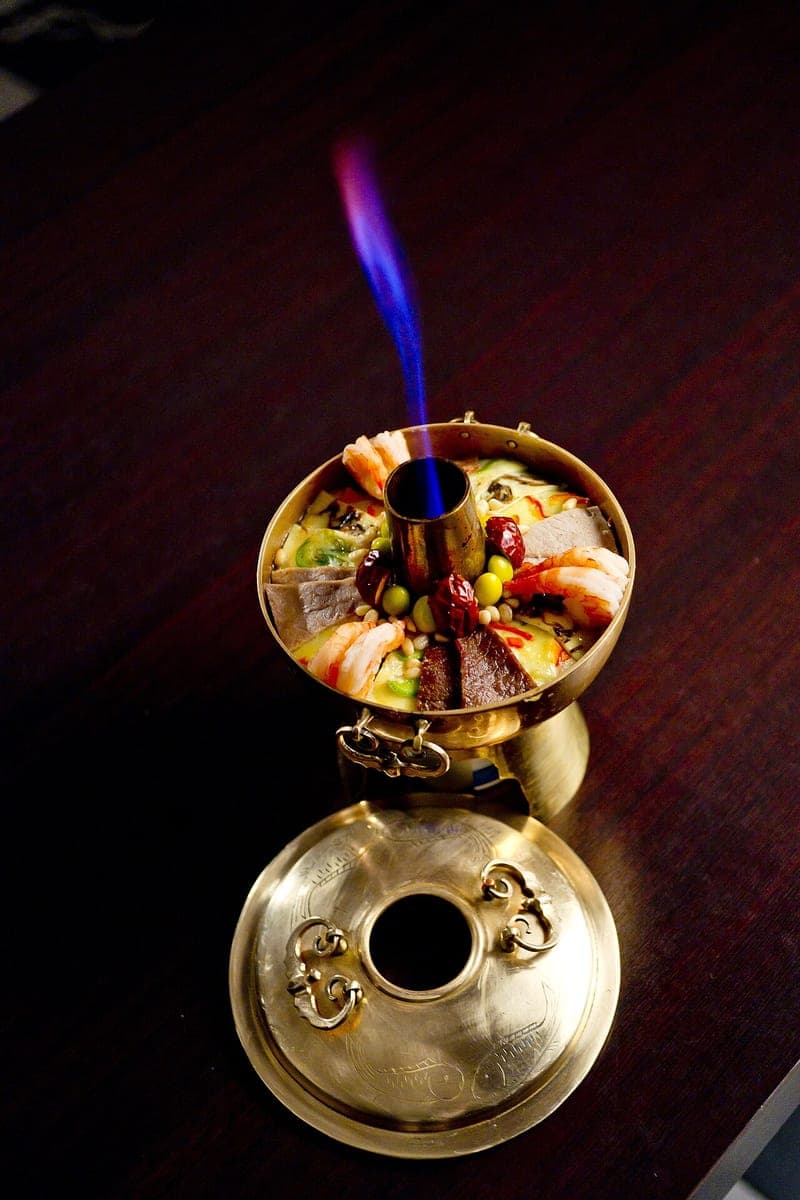
Sinseollo (Royal Hot Pot)
How the sections of a sinseollo are arranged and why, plus how to build the clear beef broth this royal-court hot pot depends on.
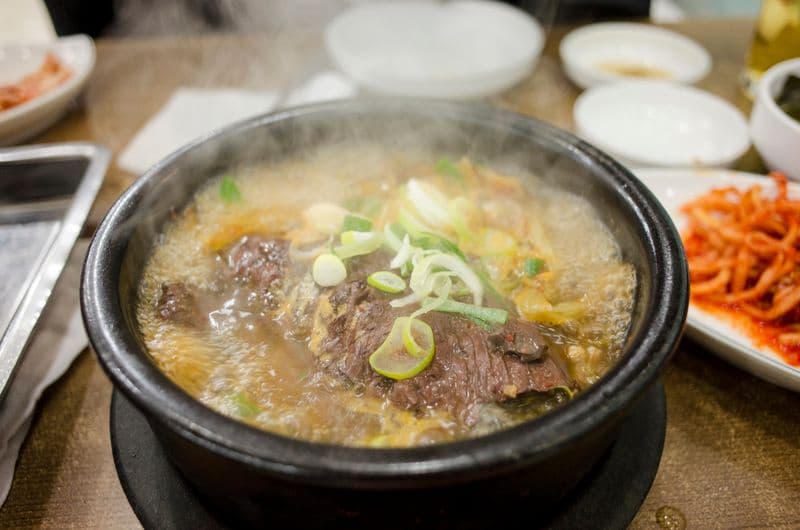
Sogogi Muguk (Beef Radish Soup)
Why the beef and radish get sauteed in sesame oil before any water goes in, and how that one step separates a rich broth from a watery one.
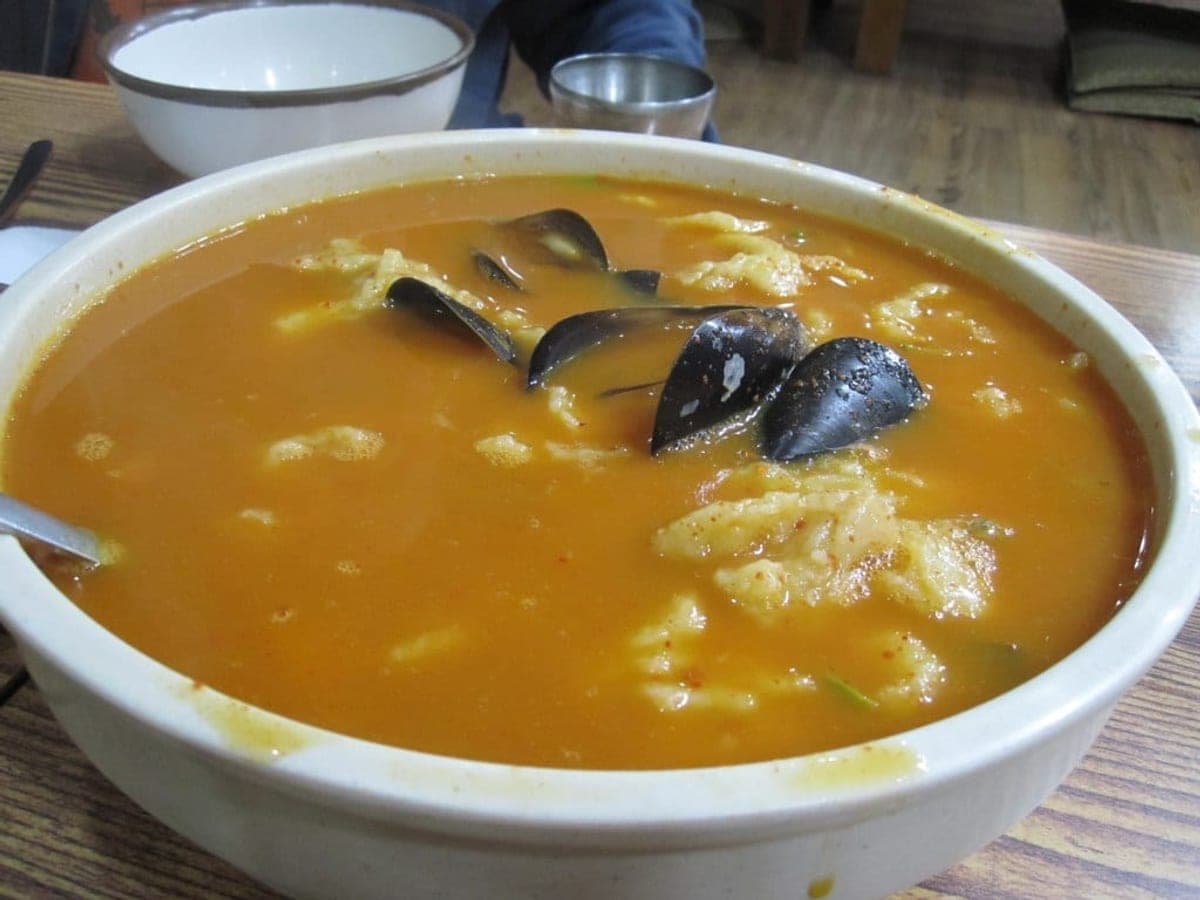
Sujebi (Hand-Torn Noodle Soup)
Why sujebi dough has to rest before it will tear thin, and why the pieces go into fully boiling broth one at a time instead of all at once.
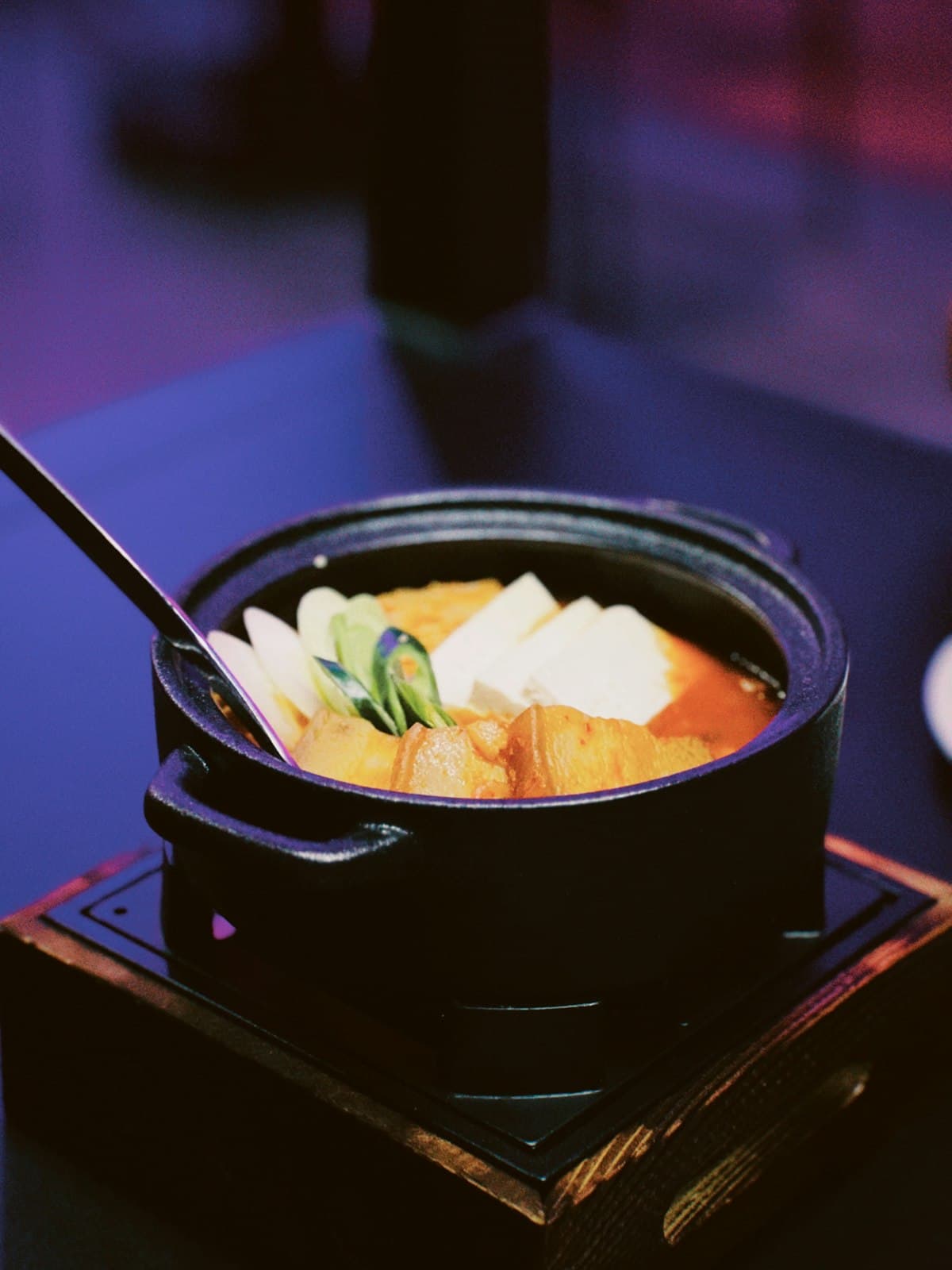
Sundubu Jjigae (Soft Tofu Stew)
Why this stew needs uncurdled silken tofu, not the firm kind, and the tableside egg trick that finishes it right at the table, not in the kitchen.
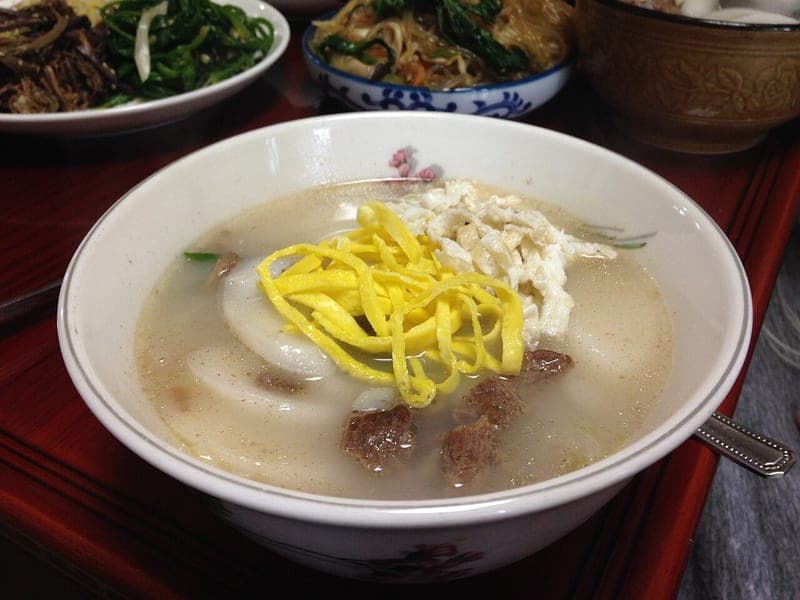
Tteok Guk (New Year's Rice Cake Soup)
Why the rice cakes need soaking before they hit the broth, and how a clear beef stock keeps this New Year's soup from turning cloudy and starchy.
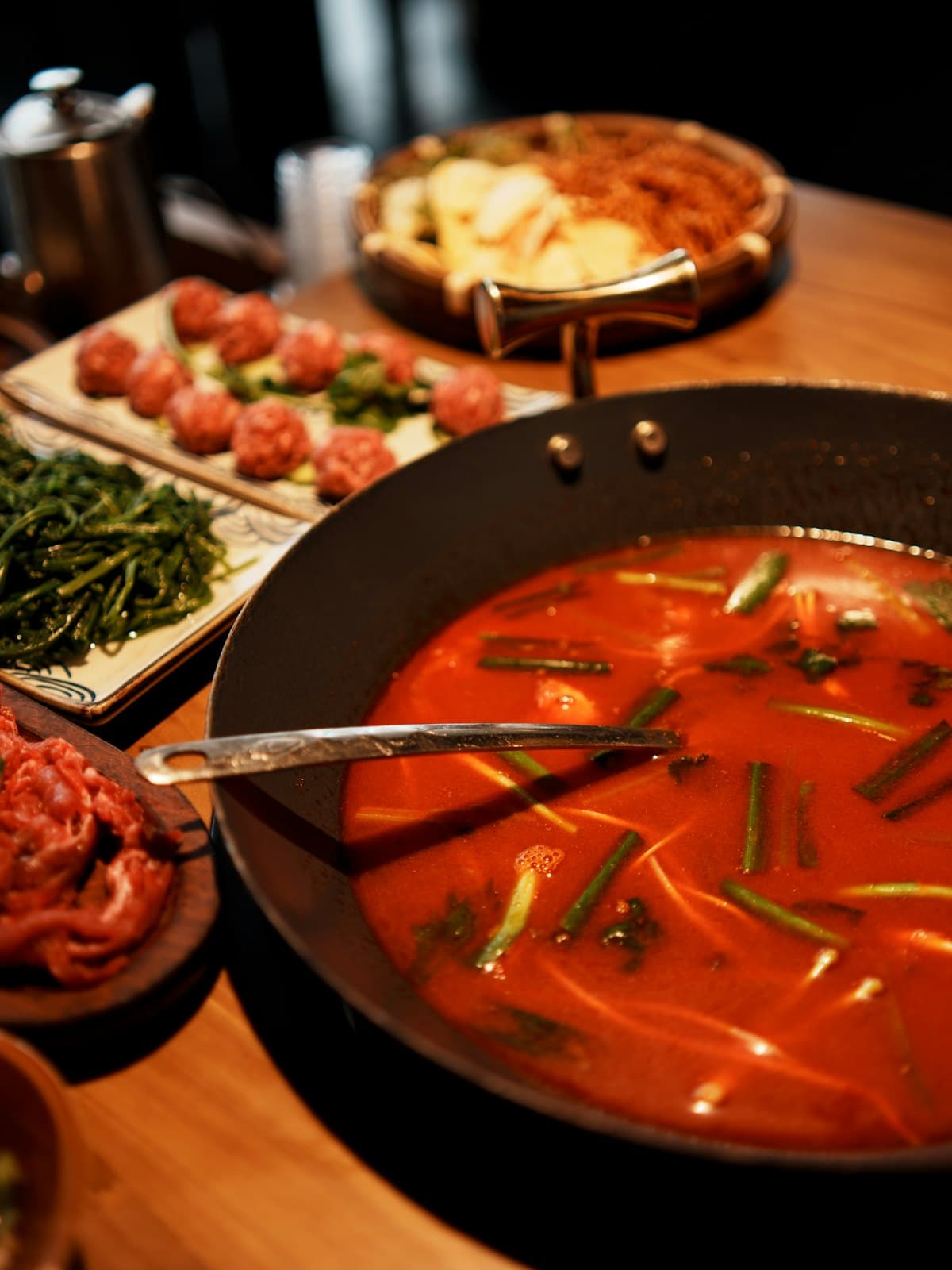
Yukgaejang (Spicy Beef Soup)
The shredded-brisket technique and gochugaru-oil base that gives yukgaejang its deep red color without relying on heat alone.