Did you know — Korean culture
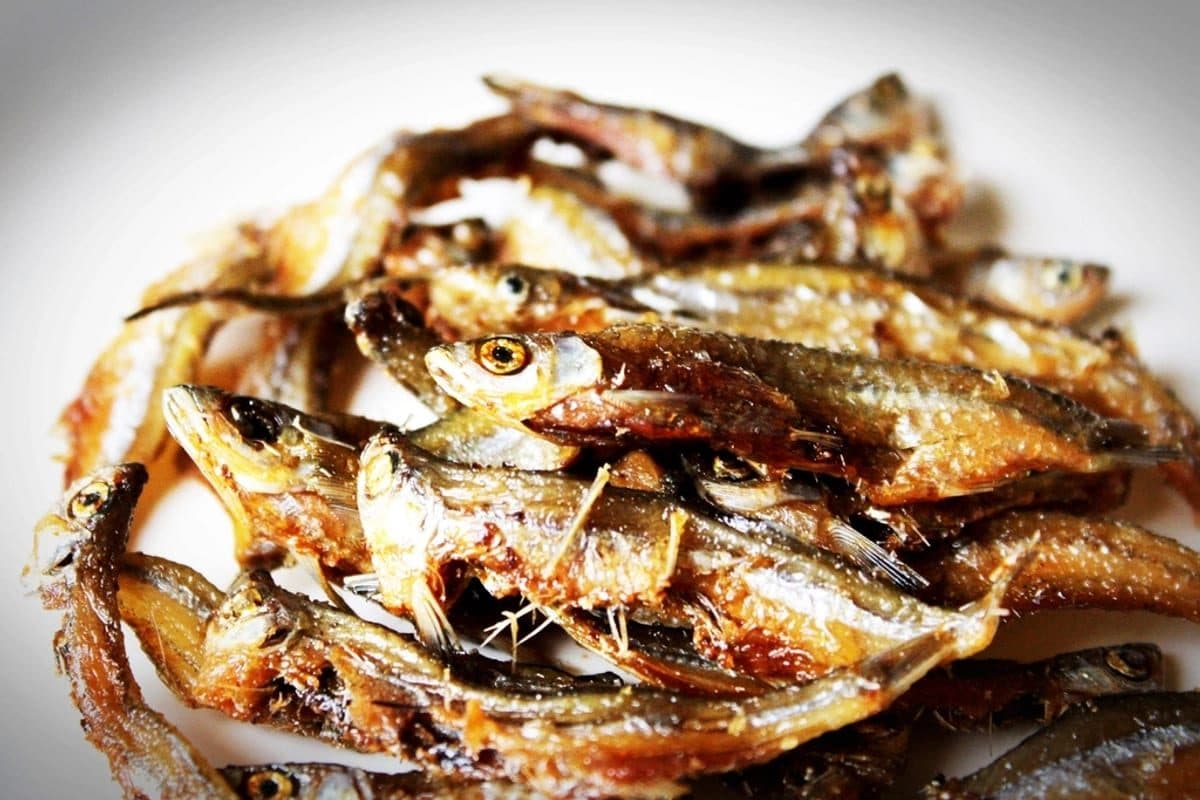
Dried anchovies are used differently in Korean cooking than most people expect: the large ones used for stock have their heads and dark guts removed first, because those carry a bitterness that will show up in a clear broth. The small ones, by contrast, are eaten whole as a banchan, stir-fried with syrup and sesame. Same fish, two sizes, two entirely separate jobs in the kitchen.
Most Korean recipes assume a pantry you may not have, and then fail quietly when you improvise around it. The good news is that the list is short and almost all of it keeps for months.
This is the order to buy in. The first five will cook most of the site.
Buy these five first
1. Gochugaru — Korean chili flakes. Mild, fruity, coarse. There is no substitute; cayenne is far hotter and paprika is not the same plant's job. Buy coarse grind for kimchi, fine for sauces. This is the single most important purchase.
2. Gochujang — fermented chili paste. Sweet, savoury, thick. Goes in tteokbokki, bibimbap, marinades.
3. Doenjang — fermented soybean paste. Deeper, saltier and funkier than Japanese miso, which is the usual near-substitute. See doenjang vs miso.
4. Toasted sesame oil — a finishing oil, added off the heat. See sesame oil vs perilla oil.
5. Soy sauce — Korean brewed soy for general use. Korean soup soy (guk-ganjang) is lighter in colour and saltier, used where a soup must stay pale.
The next five
6. Dasima and dried anchovies — the base stock of Korean cooking. Ten minutes of simmering, and it is the difference between a good stew and a salty one.
7. Korean short-grain rice — see which rice to buy.
8. Jocheong or corn syrup — for glaze and gloss. Sugar sweetens; syrup lacquers. Not interchangeable.
9. Saeujeot — salted fermented shrimp. Essential for kimchi, and the traditional dip for bossam.
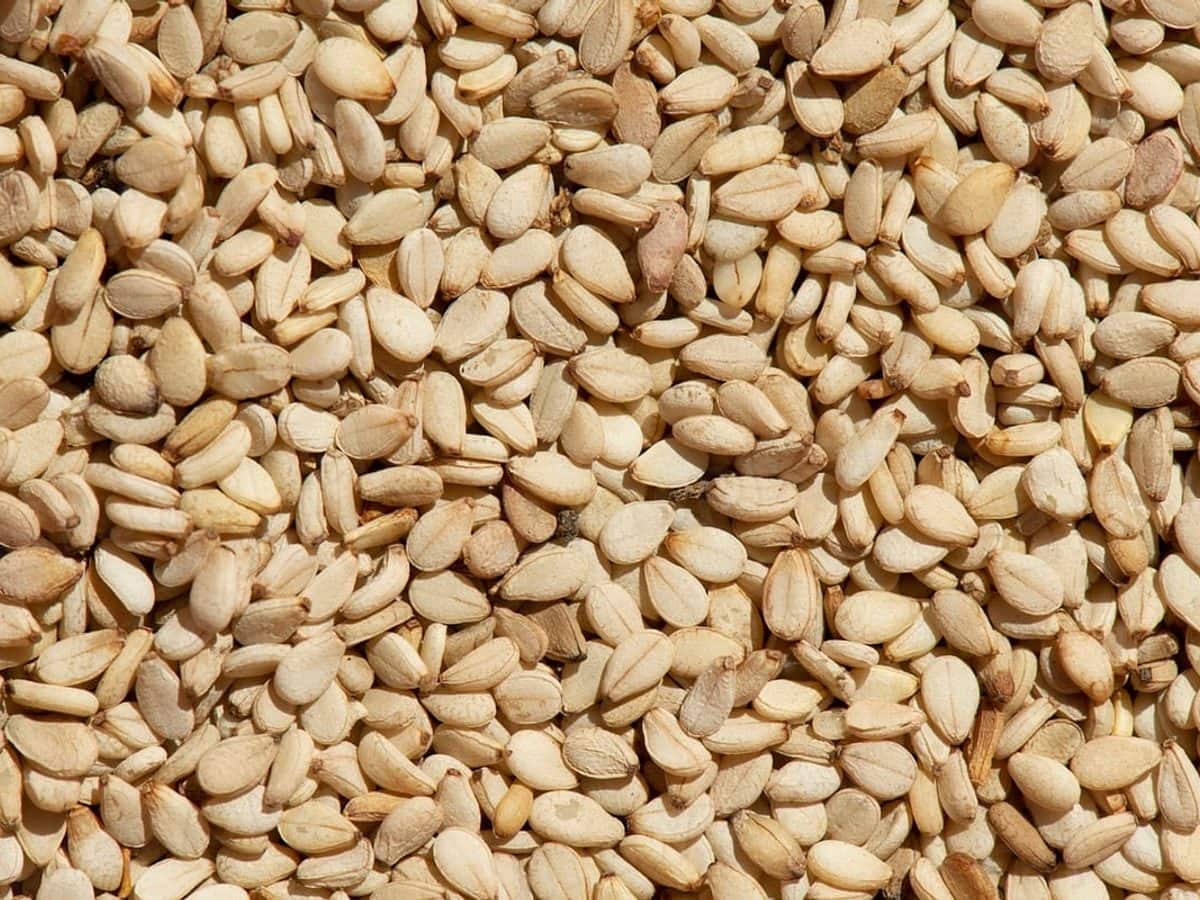
10. Toasted sesame seeds — used constantly as a finish. Buy them already toasted, or toast a batch and keep it.
Worth adding once you cook regularly
Ssamjang — mixable from doenjang and gochujang in two minutes, but the jar is convenient.
Potato or corn starch — for dakgangjeong and any Korean fried chicken. Starch, not flour.
Dangmyeon — sweet potato noodles keep for a year.
Gim — dried seaweed sheets, for kimbap and as a banchan.
Maesil-cheong — green plum syrup. Sweetens and acidifies, which sugar cannot.
Perilla oil — for wild-green namul. Buy small; it goes rancid fast.
What genuinely has no substitute
Most Korean ingredients tolerate a near-miss. Three do not:
Gochugaru. Every other chili is wrong in heat, grind or flavour. A kimchi made with cayenne is not a slightly different kimchi.
Gochujang. Sriracha is not it. Miso plus chili plus sugar is directionally right and still not it.
Dangmyeon, where a recipe calls for it. Mung bean vermicelli collapses.
Everything else — pear, radish, soy, syrup — has a workable stand-in, covered on its own page.
Storing it properly
Gochugaru — freezer, in a sealed bag. It loses colour and aroma at room temperature within months, and this is the one people get wrong. Freezing is normal Korean practice.
Gochujang and doenjang — fridge after opening. They keep for a very long time; doenjang effectively indefinitely.
Sesame oil — cool, dark cupboard. Perilla oil — fridge, small bottles, and smell it before use.
Dried anchovies — freezer. They contain enough oil to go rancid.
Saeujeot — fridge, and it lasts months.
Where to buy
A Korean grocer is best, and worth the trip for the first stock-up — the staff will point you at the right gochugaru, which is the hardest thing to buy blind.
Asian supermarkets generally carry gochujang, doenjang, sesame oil and dangmyeon.
Online works for everything; gochugaru and gochujang ship well.
Ordinary supermarkets increasingly carry gochujang. Treat their gochugaru with suspicion — it is often finely ground or mislabelled chili powder.
More to cook
All Ingredient & Substitute Guides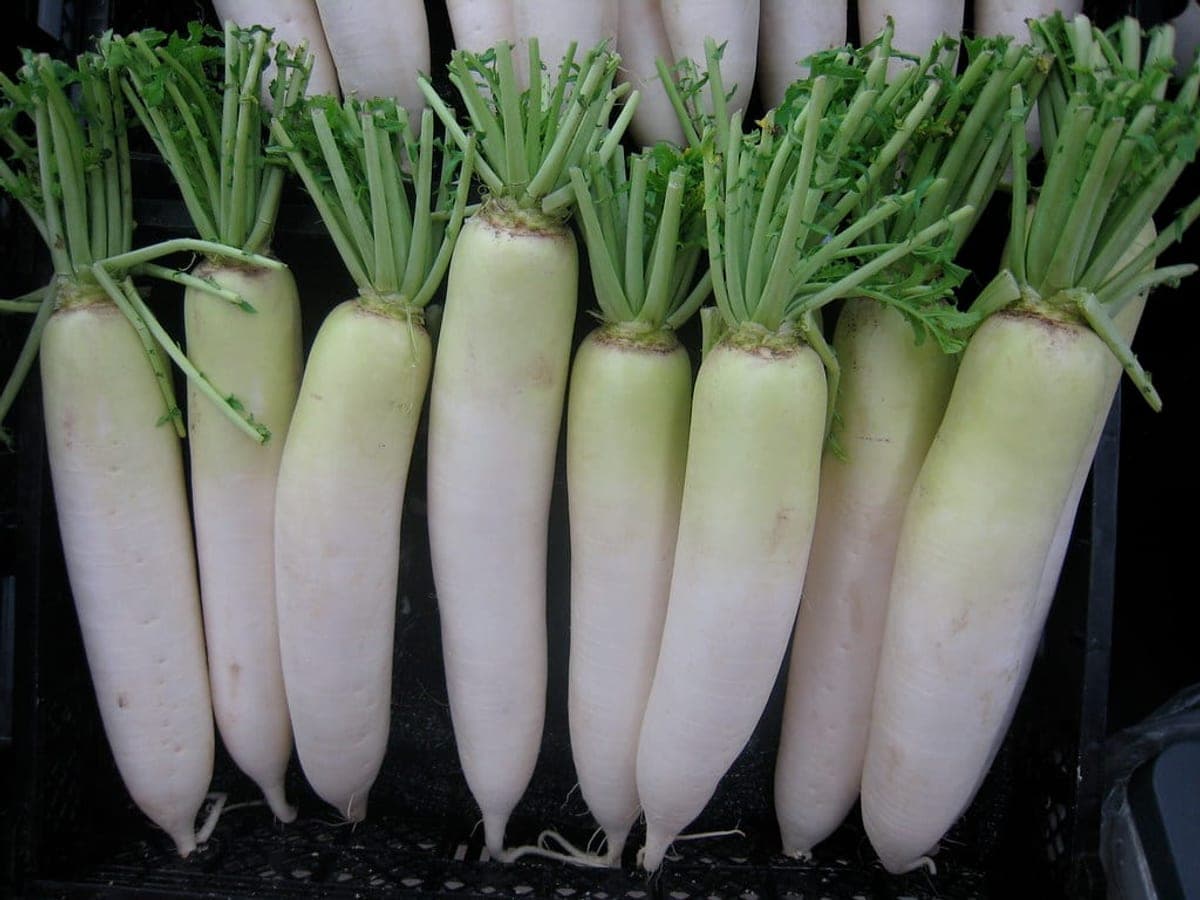
Korean Radish vs Daikon (Mu)
How Korean mu differs from Japanese daikon in density, sweetness and water content, and when swapping one for the other actually changes the dish.
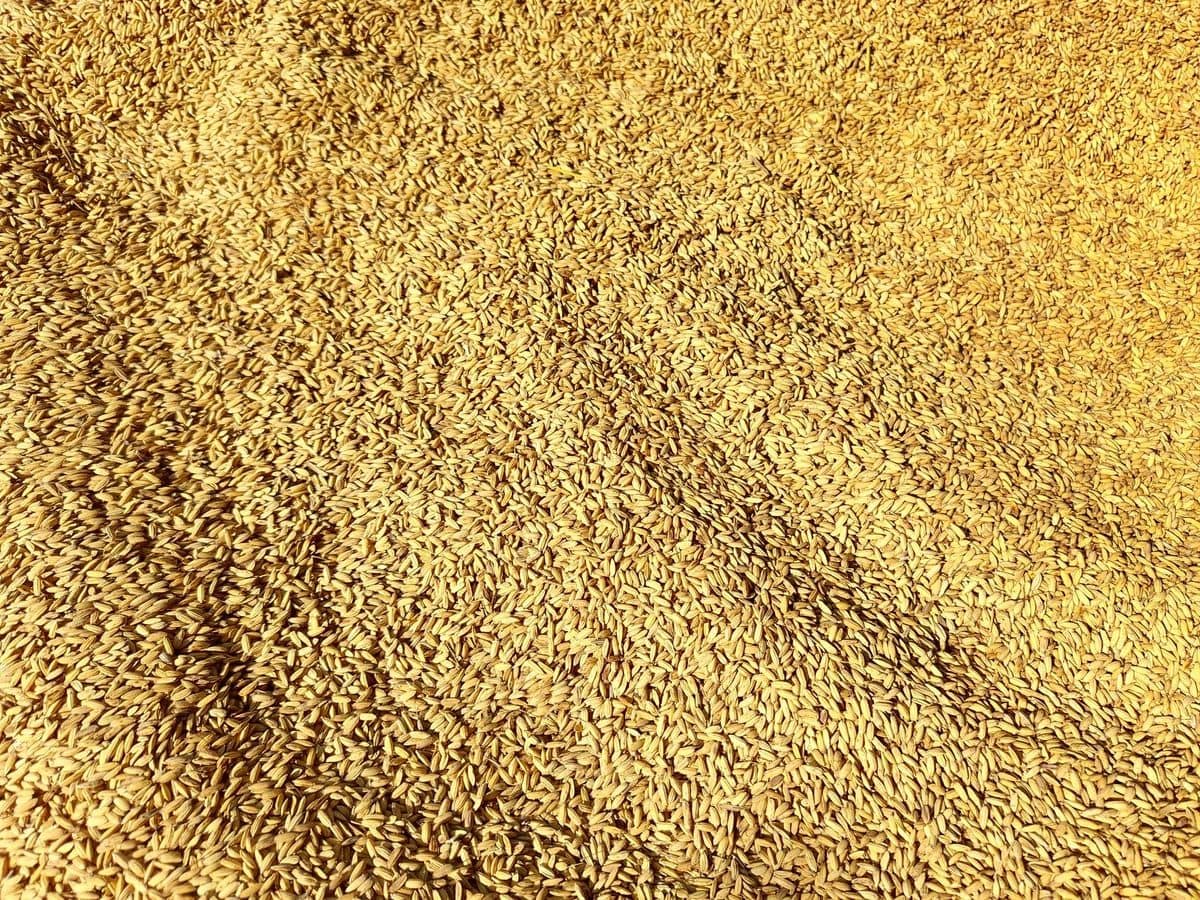
Which Rice to Buy for Korean Cooking
Why Korean cooking needs short-grain rice specifically, how it differs from sushi rice and jasmine, and when glutinous rice is required instead.
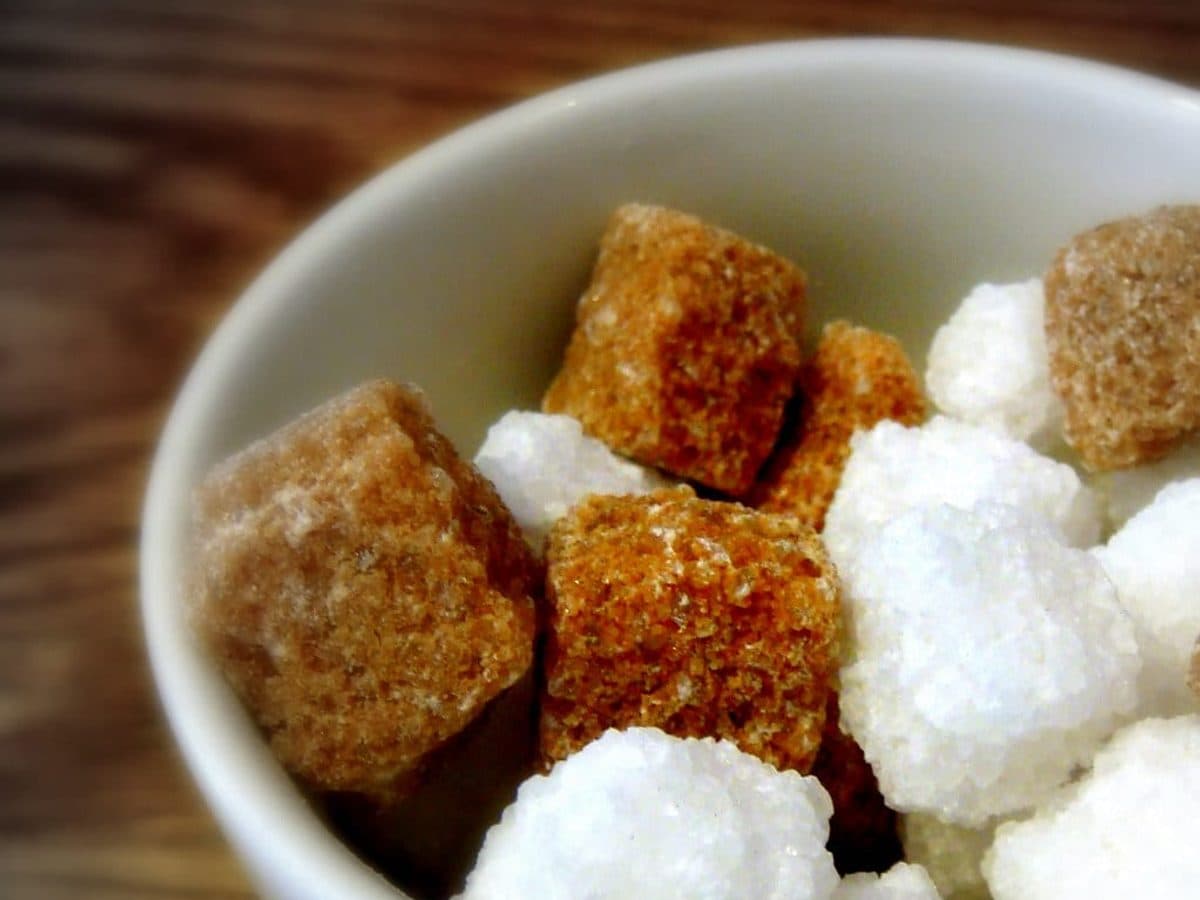
Sweeteners in Korean Cooking
When Korean recipes call for jocheong, mullyeot, honey or plain sugar, why they are not interchangeable, and which one gives you the glossy finish.