Did you know — Korean culture
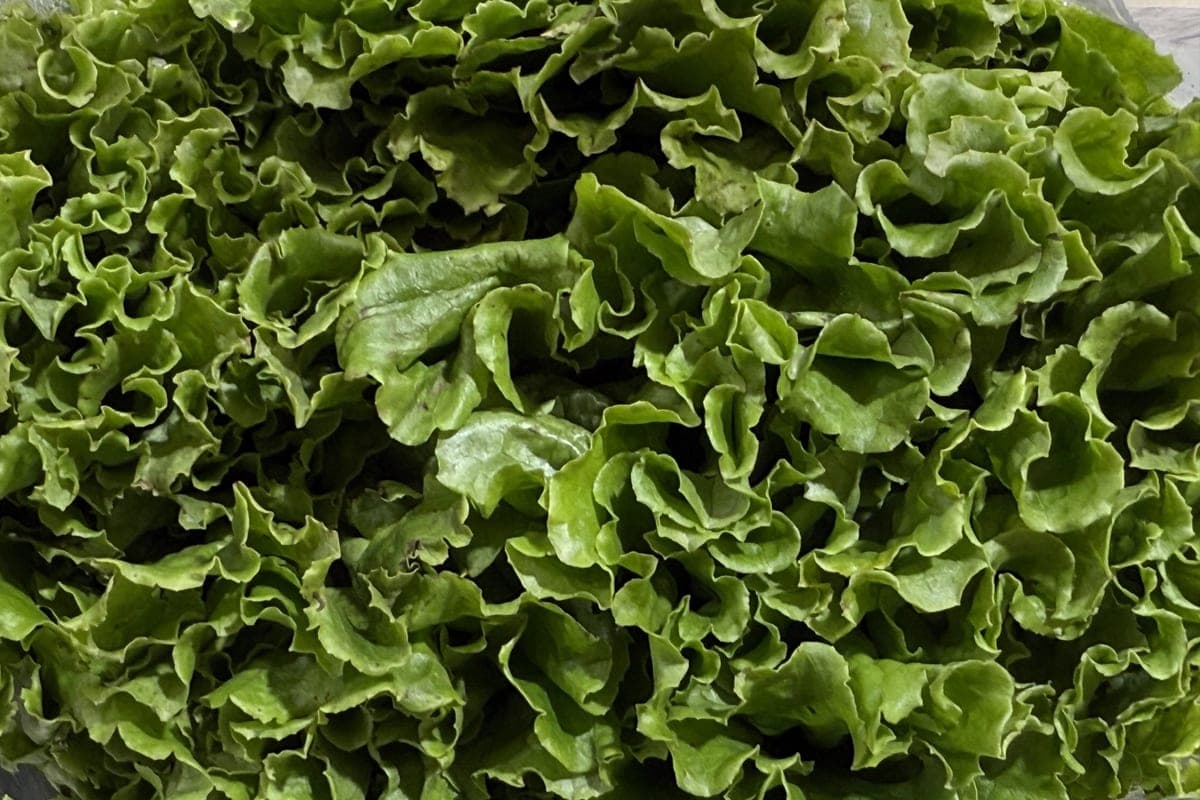
The lettuce ssamjang goes on was once a luxury export. The Qing-era Chinese scholar Gao Shiqi wrote that lettuce from Goryeo was of excellent quality, and that seeds brought over by Goryeo envoys were nicknamed cheon manchae — "thousand-gold vegetable" — for what they cost. Korea has taken its wrapping leaves seriously for a very long time.
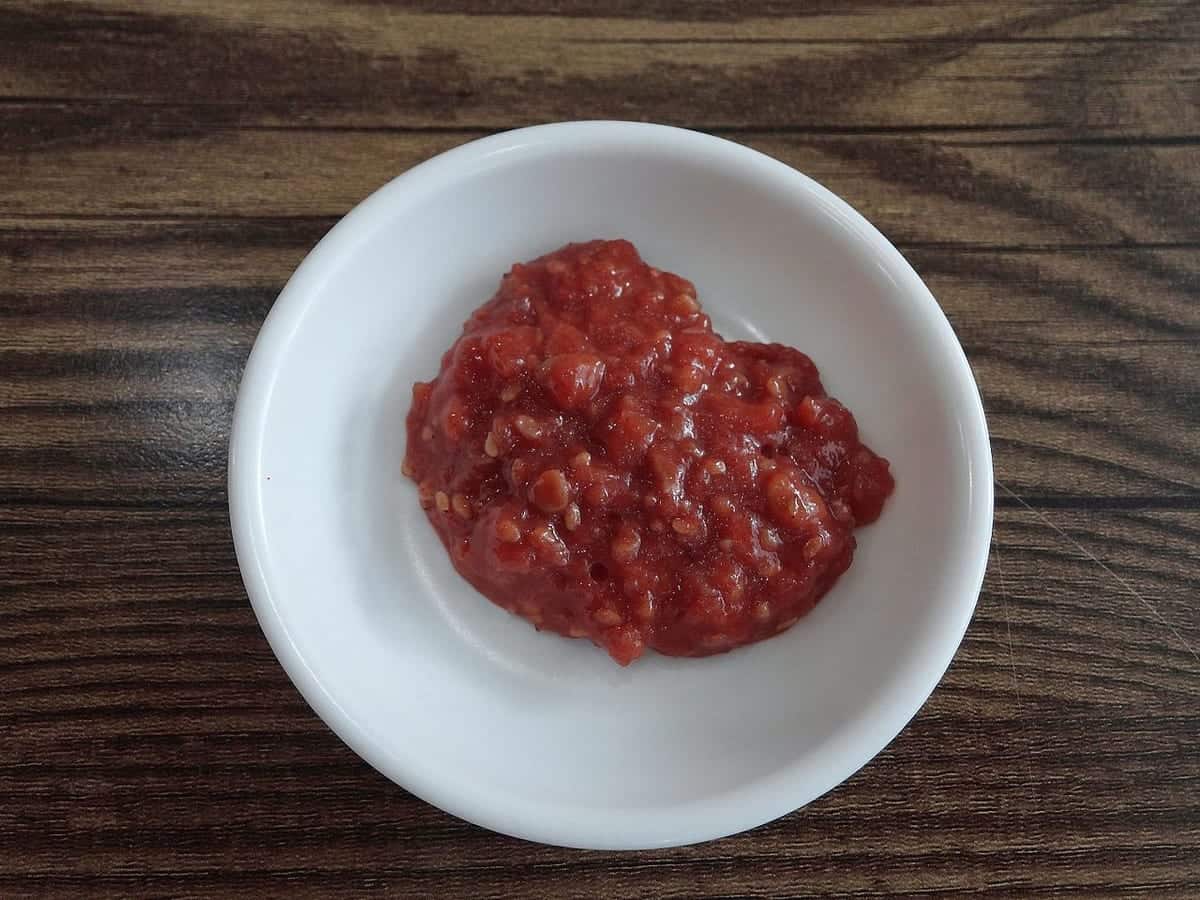
Ssamjang isn't a single fermented paste the way doenjang and gochujang are — it's a blend built from both, loosened with sesame oil and seasoned with minced garlic, chopped scallion, and usually a scattering of sesame seeds. That distinction matters more than it sounds: doenjang and gochujang each spend months fermenting, while ssamjang is mixed fresh, in minutes, from pastes that have already done their aging. It's the only "jang" on a Korean table that you can make from scratch the same evening you eat it.
The name says exactly what it's for. Ssam means a wrap, jang means paste — ssamjang is wrap sauce, and its whole job is to sit inside a lettuce or perilla leaf alongside a piece of grilled pork or beef. Everything about its construction serves that one role. The doenjang brings a deep, salty savoriness that stands up to fatty meat; the gochujang adds heat and a little sweetness; the sesame oil rounds the edges and keeps the texture spreadable rather than pasty.
Getting the ratio right
The ratio is where most homemade versions go wrong. Ssamjang should be doenjang-forward — roughly two or three parts doenjang to one part gochujang. Flip that balance and you get something closer to a sweet chili paste, which fights the meat instead of cutting through it. The sauce is supposed to be the savory, salty counterweight in the wrap, not the loudest thing in it.
Texture is the other thing worth getting right. Ssamjang needs to be thick enough to hold its shape on a lettuce leaf — a dab that runs off the leaf and down your hand isn't doing its job. If a batch comes out too stiff to spread, loosen it with sesame oil rather than water; water thins the flavor along with the texture.
Store-bought ssamjang is perfectly usable and what most Korean households actually reach for, though commercial versions tend to run sweeter than homemade. Because it's a blend rather than a fermented product, it also doesn't keep the way doenjang does — the fresh garlic and scallion in it fade after a week or so in the fridge, which is a good argument for mixing small batches often.
In a pinch: doenjang thinned with a little sesame oil and a spoonful of gochujang gets you most of the way there, since that's essentially the recipe. What you can't substitute is the direction of the blend — plain gochujang on its own is too sweet and too hot to work as a wrap sauce, and plain doenjang is too salty and flat without the chili paste to lift it.
Beyond lettuce wraps
The name ties ssamjang to wrapping, but it is not limited to that:
- As a dip for raw vegetables — cucumber, carrot, or the pale inner leaves of cabbage
- Stirred into bibimbap in place of straight gochujang, for a deeper and less sweet result
- Thinned with a little water or stock as a quick sauce for grilled vegetables
- Alongside bossam or samgyeopsal, which is where most people meet it
How it differs from the pastes it is made of
Reaching for the wrong jar is the most common substitution error in Korean cooking:
- Gochujang — fermented chili paste. Heat and sweetness, months of fermentation.
- Doenjang — fermented soybean paste. Salt and savoury depth, no heat.
- Ssamjang — a fresh blend of both plus aromatics. Made for wrapping, not for cooking into a dish.
That last distinction matters practically: ssamjang is the only one of the three that is not a preserve, which is why it is the only one with a short fridge life.
More to cook
All Ingredient & Substitute Guides
Ssukgat (Crown Daisy)
Why crown daisy goes into a Korean stew in the last thirty seconds rather than the last five minutes, and what to use if you can't find it.
Sukju vs Kongnamul (Bean Sprouts)
Why Korean cooking uses two different bean sprouts, which dishes need which, and why only one of them can survive a long simmer.
Why Is My Kimchi Not Sour?
The four things that stall kimchi fermentation — temperature, salt level, sugar and airtightness — and how to tell which one is your problem.