Did you know — Korean culture
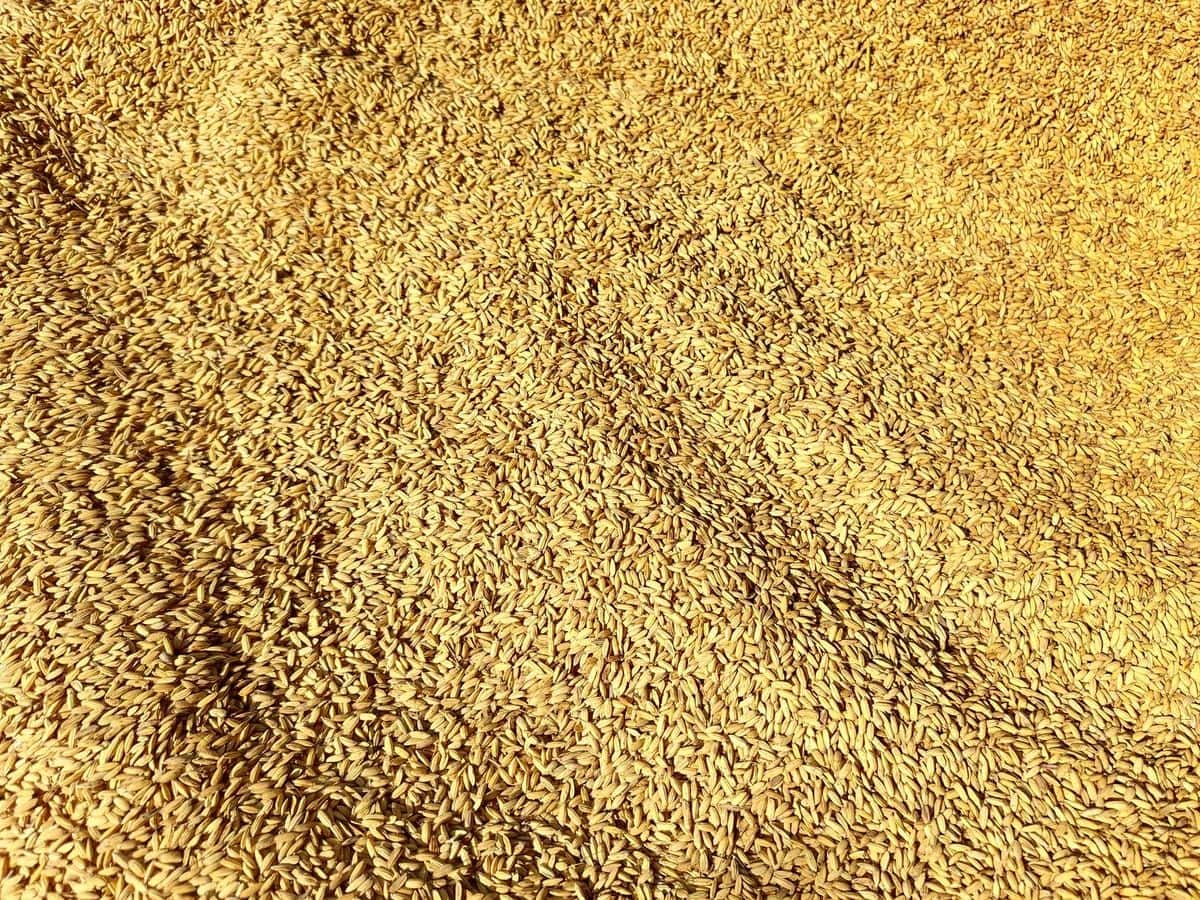
Korea grows almost exclusively short-grain japonica rice, and the reason is partly climate and partly chopsticks. The country's summers are hot and wet enough for paddy cultivation but its autumns arrive early, which favours shorter-season varieties — and those happen to be the sticky ones. A cuisine built on rice you can lift in clumps, press into [kimbap](/recipes/kimbap) and scrape from a stone bowl follows from the grain the land would grow.
Korean rice is short-grain and slightly sticky, and this is not a preference — a lot of Korean eating depends on rice that holds together. Chopsticks, kimbap, and pressing rice into a dolsot all assume it.
Long-grain rice — basmati, jasmine — cooks into separate grains and will not do any of that.
What to buy
Look for short-grain or medium-grain rice, often labelled for Korean or Japanese cooking. Common Korean varieties on export shelves include Chuchung and Shindongjin, but any Korean or Japanese short-grain will serve.
Japanese sushi rice is a fine substitute. It is the same grain type; sushi rice is simply seasoned after cooking, and unseasoned it behaves identically. Calrose is the widely available US medium-grain equivalent and works well.
Glutinous rice is a different thing
Chapssal (찹쌀), glutinous or sweet rice, is opaque white when raw and much stickier when cooked. It is not everyday rice.
Use it where a recipe names it — yaksik, tteok, patjuk dumplings — and not otherwise. A pot of plain glutinous rice is unpleasantly heavy as a meal.
Many households add a small proportion of chapssal to regular rice for a slightly stickier, glossier pot.
Rinse until the water runs clear
Korean rice is rinsed more thoroughly than most cooks expect — typically three to five changes of water, swirled with the hand, until the water is only faintly cloudy.
This removes surface starch that would otherwise make the rice gummy. The first rinse water is traditionally kept: ssalddeumul, cloudy rice water, is used as the base for doenjang jjigae, where it adds body.
Soak before cooking
Thirty minutes of soaking gives noticeably better rice — more even cooking and a softer grain — and is standard practice. Rice cookers with a soak cycle are doing this automatically.
After soaking, use slightly less water than the packet says, since the grains are already carrying some.
Cooking it without a rice cooker
A rice cooker is easier, but the stovetop method is straightforward once the ratio is right.
Rinse three to five times, until the water is only faintly cloudy. Soak 30 minutes, then drain.
Water ratio after soaking: roughly 1:1 by volume — slightly less than the packet says, because the grains are already carrying water. Unsoaked rice needs about 1:1.2.
Method: bring to a boil uncovered, then lid on, lowest heat, 12–15 minutes. Then off the heat, lid on, 10 minutes to steam. That rest is not optional; it is where the grains finish and firm up.
Do not lift the lid during the covered phase.
Fluff with a rice paddle, cutting rather than stirring, or you crush the grains.
Storing cooked rice
Fridge: rice hardens noticeably when cold — this is starch retrogradation, and it is why day-old rice is better for fried rice and worse for eating plain.
Reheating: a splash of water and a covered microwave, or a pan with a little water and a lid. Both re-steam it.
Freezing works surprisingly well. Portion warm rice into containers or wrap in cling film, cool, and freeze. Microwave from frozen and it comes out close to fresh — this is standard practice in Korean and Japanese households, and better than refrigerating.
Day-old refrigerated rice is what you want for kimchi bokkeumbap and any fried rice. Fresh rice is too moist and goes gluey in the pan.
Common questions
What kind of rice do Koreans use?
Short-grain white rice, slightly sticky, which is what lets it be eaten with chopsticks and pressed into kimbap or a dolsot. Japanese short-grain and Calrose are good substitutes; long-grain rice like basmati or jasmine won't work.
Is sushi rice the same as Korean rice?
Essentially yes, unseasoned. Sushi rice is the same short-grain type; it's simply seasoned with vinegar and sugar after cooking. Plain, it behaves identically to Korean rice.
What is the water ratio for Korean rice?
About 1:1 by volume after a 30-minute soak, or roughly 1:1.2 if you skip the soak. Then 12–15 minutes covered on the lowest heat, and 10 minutes off the heat with the lid on to steam.
Can I freeze cooked rice?
Yes, and it's better than refrigerating. Portion it warm, wrap or box it, cool and freeze, then microwave from frozen — it comes out close to fresh. This is standard practice in Korean households.
More to cook
All Ingredient & Substitute Guides
Sweeteners in Korean Cooking
When Korean recipes call for jocheong, mullyeot, honey or plain sugar, why they are not interchangeable, and which one gives you the glossy finish.
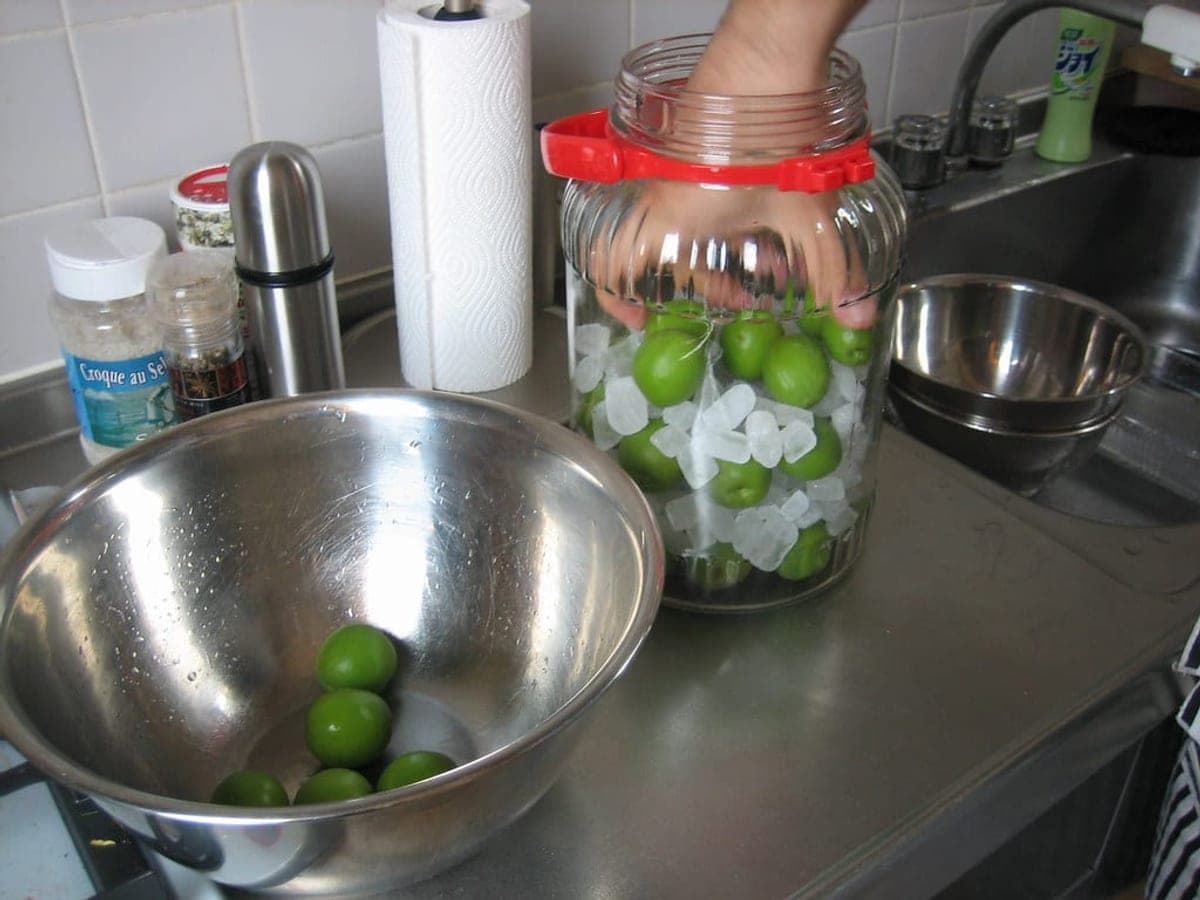
Maesil-cheong (Green Plum Syrup)
What maesil-cheong is used for in savoury Korean cooking, why the plums must be removed after 100 days, and what to substitute if you don't have a jar.
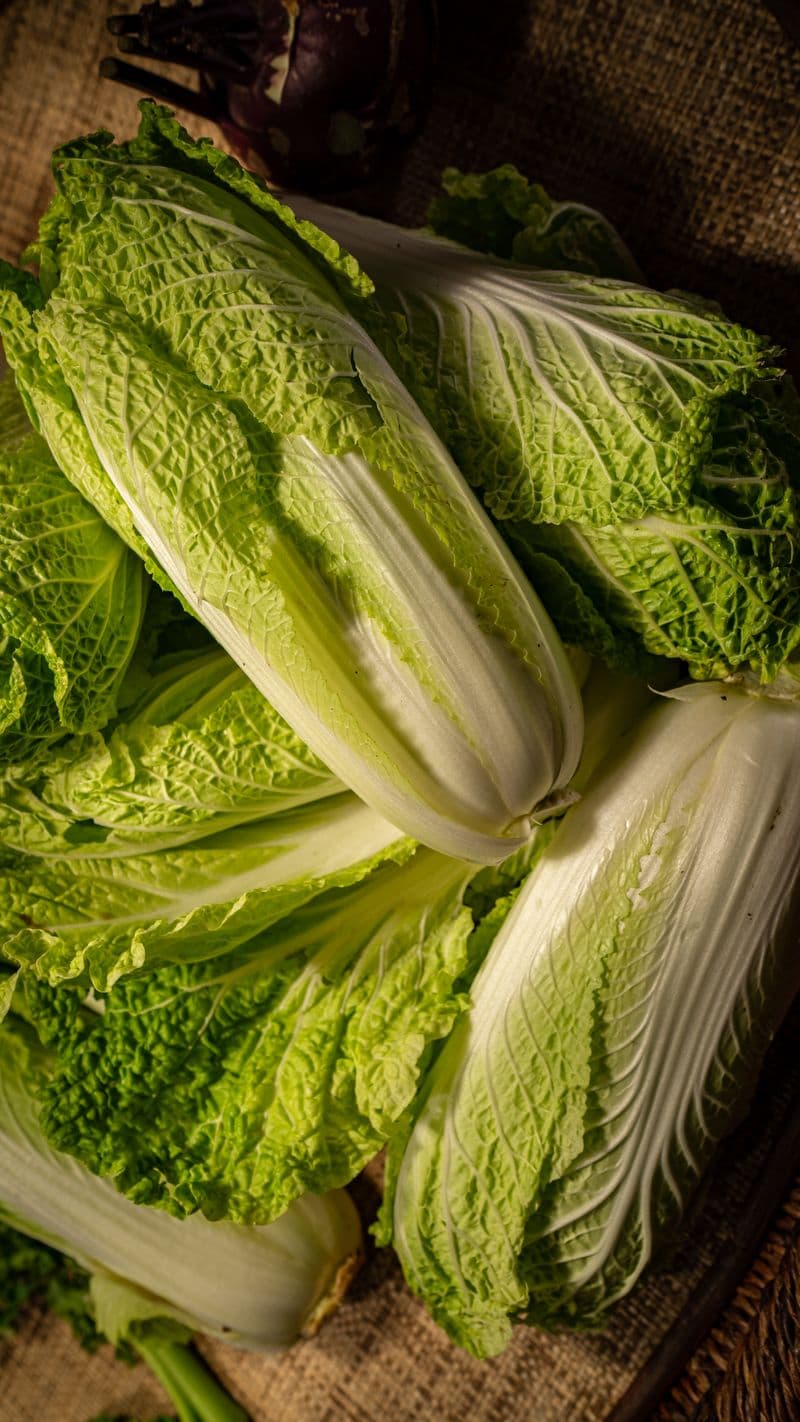
Napa Cabbage Substitute
Which cabbages actually work in place of napa, which ones only work outside kimchi, and why the water content matters more than the flavor.