Did you know — Korean culture
Perilla leaves are sold across the West as "sesame leaves", and the mistranslation is understandable: the Korean word kkaennip contains kkae, the same syllable used for sesame. But perilla is in the mint family and sesame is not related to it in any way. The confusion runs the other direction too — perilla seeds, deulkkae, are pressed for an oil frequently mislabelled as sesame oil despite behaving completely differently in a pan.
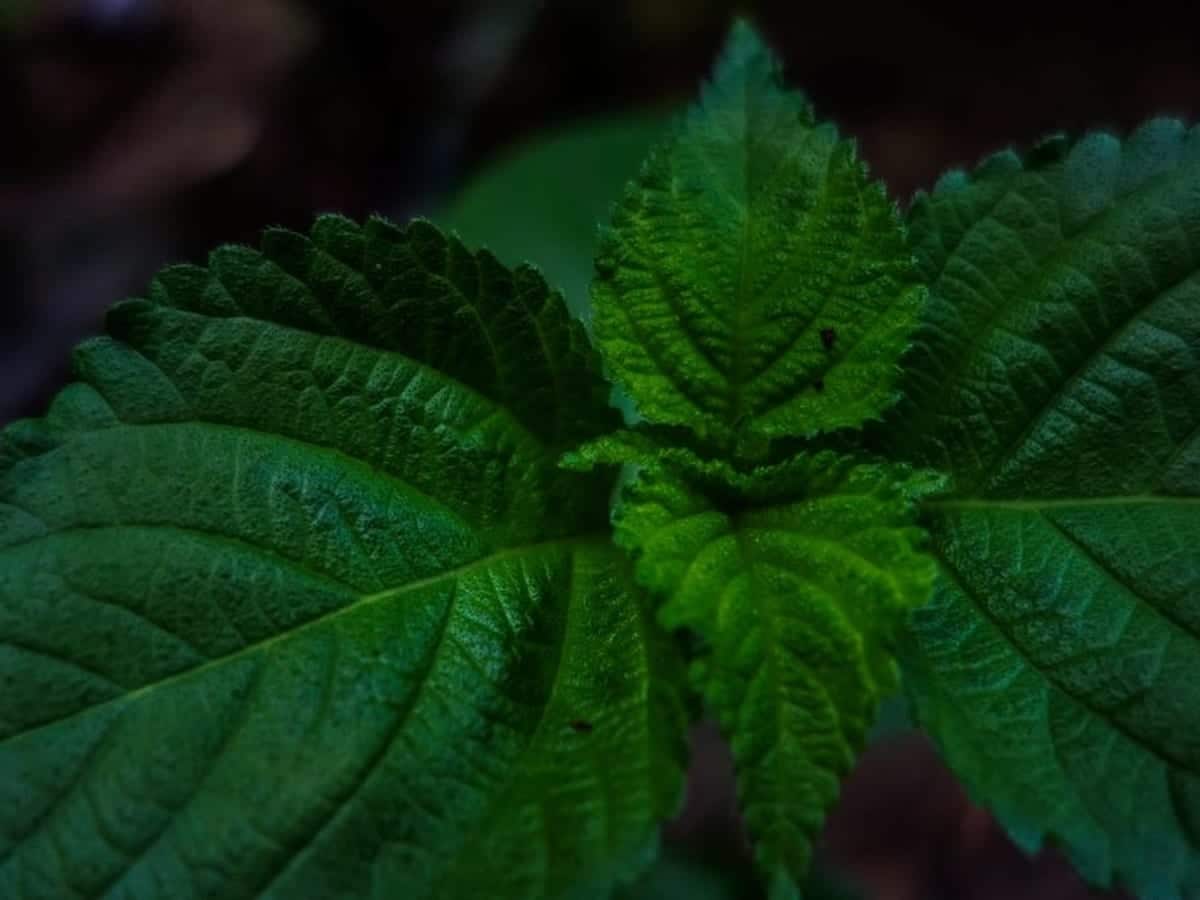
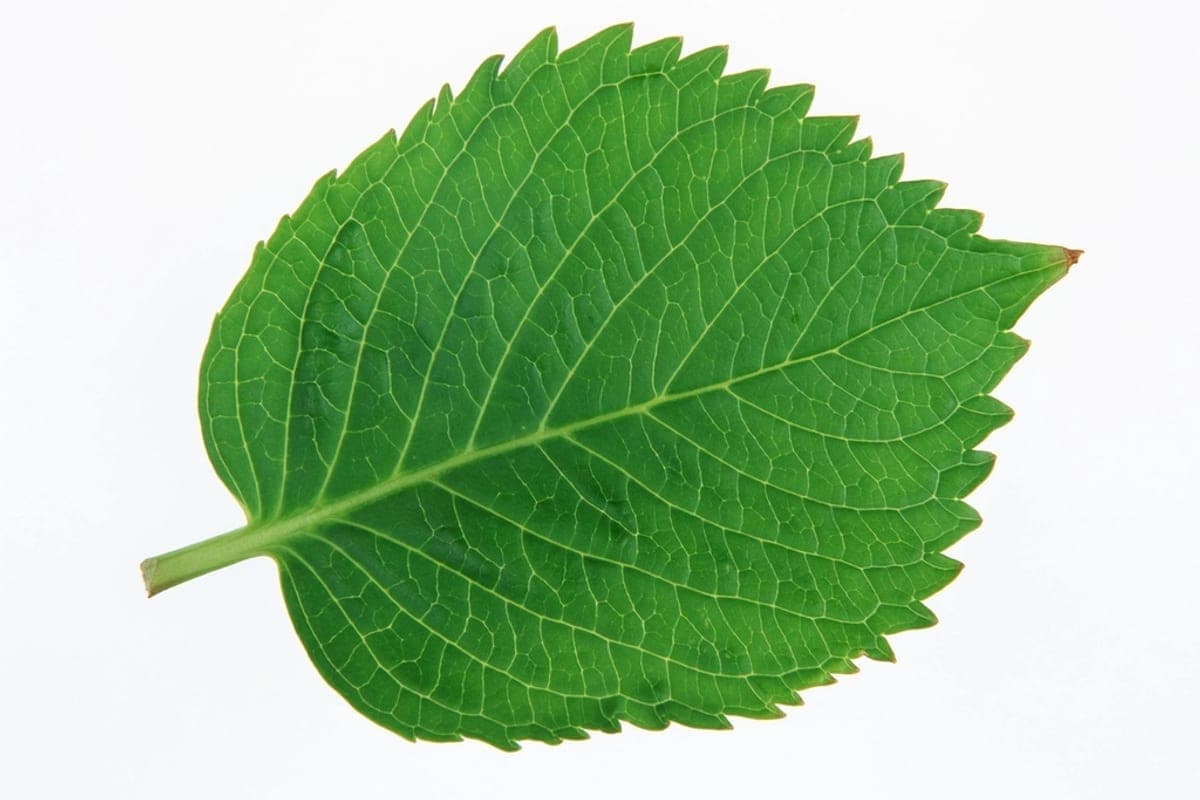
Kkaennip is the broad, serrated, strongly aromatic leaf used for wrapping grilled meat, pickling into jangajji, and layering into stews. It is one of the most distinctive flavours in Korean cooking and one of the most commonly mislabelled ingredients in Western shops.
The flavour is hard to describe and impossible to mistake once you know it — something between mint, anise and basil, with a slight bitterness that cuts fat. That is why it appears alongside pork rather than beside delicate dishes.
Kkaennip is not shiso
This is the single most common confusion. Korean perilla and Japanese shiso are related — both are Perilla frutescens varieties — but they are not interchangeable.
Korean perilla leaves are larger, flatter, rounder, and green on both sides, with a mellower, more aniseed-leaning flavour. Shiso is smaller, more sharply serrated, often purple-backed, and much more assertive. Substituting shiso in a ssam wrap gives a noticeably sharper, more medicinal result.
If a shop sells them as "sesame leaves", that is a mistranslation — kkaennip has no relationship to sesame at all, despite the name sharing a root.
How it is used
Ssam — raw, as a wrap for samgyeopsal or bossam, usually layered under a lettuce leaf rather than instead of one.
Jangajji — pickled in soy sauce, stacked in a jar, and eaten a leaf at a time with rice. This is how a large bunch gets used before it wilts.
In stews and jeon — added late, since heat kills the aroma quickly.
Buying and storing
Look for leaves that are unblemished and not yellowing at the edges, sold in stacked bunches. They wilt fast.
Store them stem-down in a little water like cut flowers, loosely covered, and they will hold for several days. Sealed in a bag with condensation they turn slimy within two days.
If you cannot find them
There is no clean substitute — this is one of the cases where the ingredient is the dish. Shiso is the nearest relative but changes the flavour direction; a mix of mint and basil approximates the aromatic profile for a stew but would be strange in a wrap.
Perilla is easy to grow from seed and grows enthusiastically, which is why so many Korean households simply keep a pot of it.
Perilla is not sesame, and not shiso
The English labelling around this plant is a mess, and it causes real substitution errors.
Perilla leaf (kkaennip) belongs to the mint family, not to sesame — despite being sold as "sesame leaf" in many Korean shops, which is a translation of the Korean name rather than a botanical claim.
Japanese shiso is the same species, different variety. Korean perilla is larger, rounder, with a serrated edge and a flatter, more aniseed-like flavour. Shiso is smaller, pointier and more strongly minty-citrus.
They substitute for each other imperfectly. Shiso in a ssam wrap is noticeably sharper. It works; it does not taste the same.
The seeds of the same plant are pressed into perilla oil — see sesame oil vs perilla oil.
Where it is used
Ssam — the main use. A perilla leaf layered over lettuce in a wrap with samgyeopsal, galbi or bossam. The lettuce is structural; the perilla is the flavour.
Kkaennip jangajji — leaves marinated in soy, garlic and chili, stacked in a jar. A keeping banchan that gets better over a week or two.
In stews and hot pots — torn in near the end. Common in dak galbi.
Kkaennip jeon — leaves stuffed with seasoned meat and pan-fried.
Raw as a banchan, plain, to be picked up and wrapped around anything on the table.
Buying and storing
Look for firm, unblemished leaves with no yellowing and no dark wet patches. They bruise easily and are usually sold in tied bundles.
Storage is the problem — perilla wilts fast. Wrap the bundle in slightly damp kitchen paper, put it in a bag or container, and refrigerate. 5–7 days at best.
Standing them stem-down in a little water, like cut flowers, with a bag over the top, buys a few more days.
Do not wash until you use them. Wet leaves turn slimy within a day.
If they are about to turn, make jangajji. Marinating in soy is what the pickle exists for, and slightly tired leaves are fine for it.
Common questions
Is perilla leaf the same as sesame leaf?
No, despite the label. Kkaennip is often sold as 'sesame leaf' because that's a loose translation of the Korean name, but the plant is in the mint family and is unrelated to sesame.
Can I use shiso instead of perilla leaf?
Yes, with a difference. Shiso is the same species but a different variety — smaller, pointier, sharper and more citrus-minty. It works in a ssam wrap but doesn't taste the same as Korean perilla.
How do you store perilla leaves?
Wrapped in slightly damp kitchen paper in a bag in the fridge, unwashed, for five to seven days. Standing them stem-down in a little water with a bag over the top buys a few more days.
What do you do with perilla leaves?
Mostly ssam — layered with lettuce to wrap grilled meat. Also marinated in soy as a keeping banchan, torn into stews near the end, or stuffed with meat and pan-fried as jeon.
More to cook
All Ingredient & Substitute Guides
Korean Banchan: A Complete Guide
What banchan actually are, how many a Korean meal needs, which ones keep for weeks, and how to build a table without cooking all day.
Korean BBQ at Home: The Complete Guide
How to run a Korean barbecue in a normal kitchen — which cuts to buy, what belongs on the table, and the order a proper meal actually follows.
Korean Noodles Explained
Dangmyeon, somyeon, naengmyeon, kalguksu and the rest — which Korean noodle goes in which dish, and which ones you genuinely cannot substitute.