Photo: ErinKhoo · CC BY
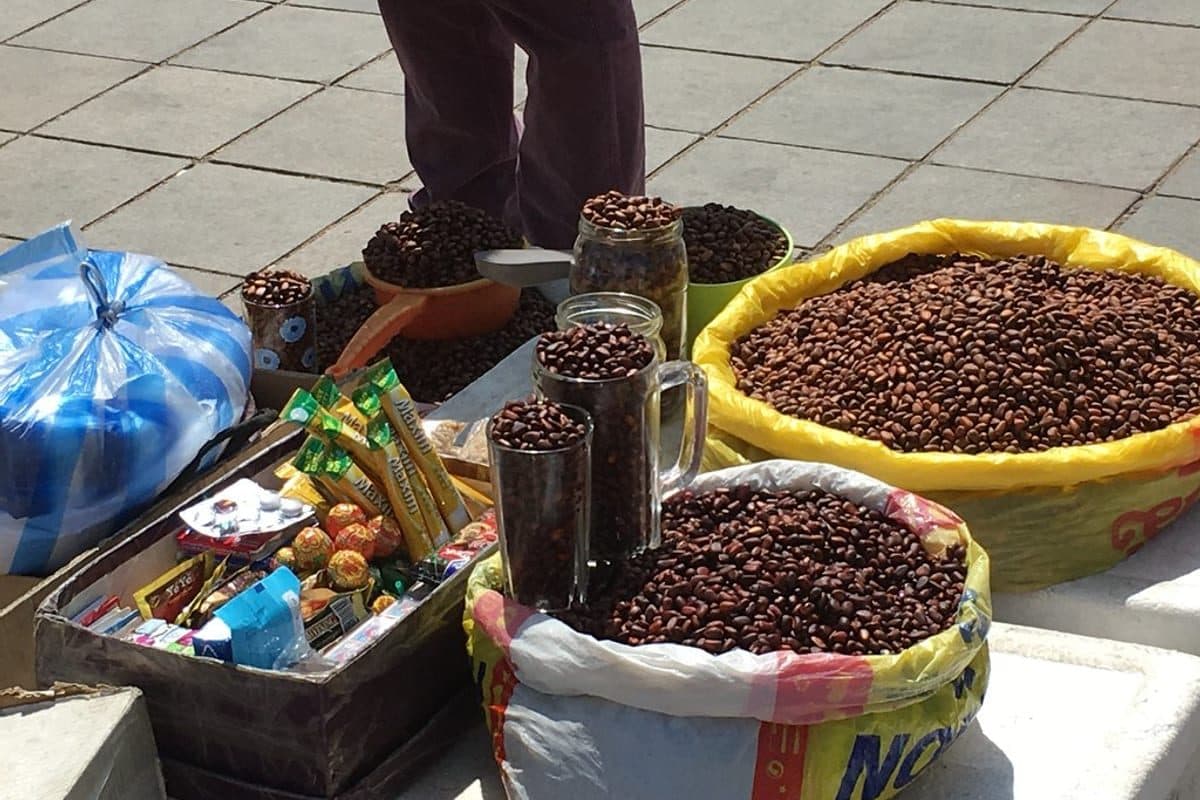
Did you know — Korean culture
Jocheong is made by the same basic process as beer and makgeolli up to a point: malted grain is used to convert starch into fermentable sugar. The difference is where you stop. Ferment the sweet liquid and you get alcohol; reduce it instead and you get syrup. Korean households that made their own rice wine and their own syrup were running two branches of the same process from one batch of malt.
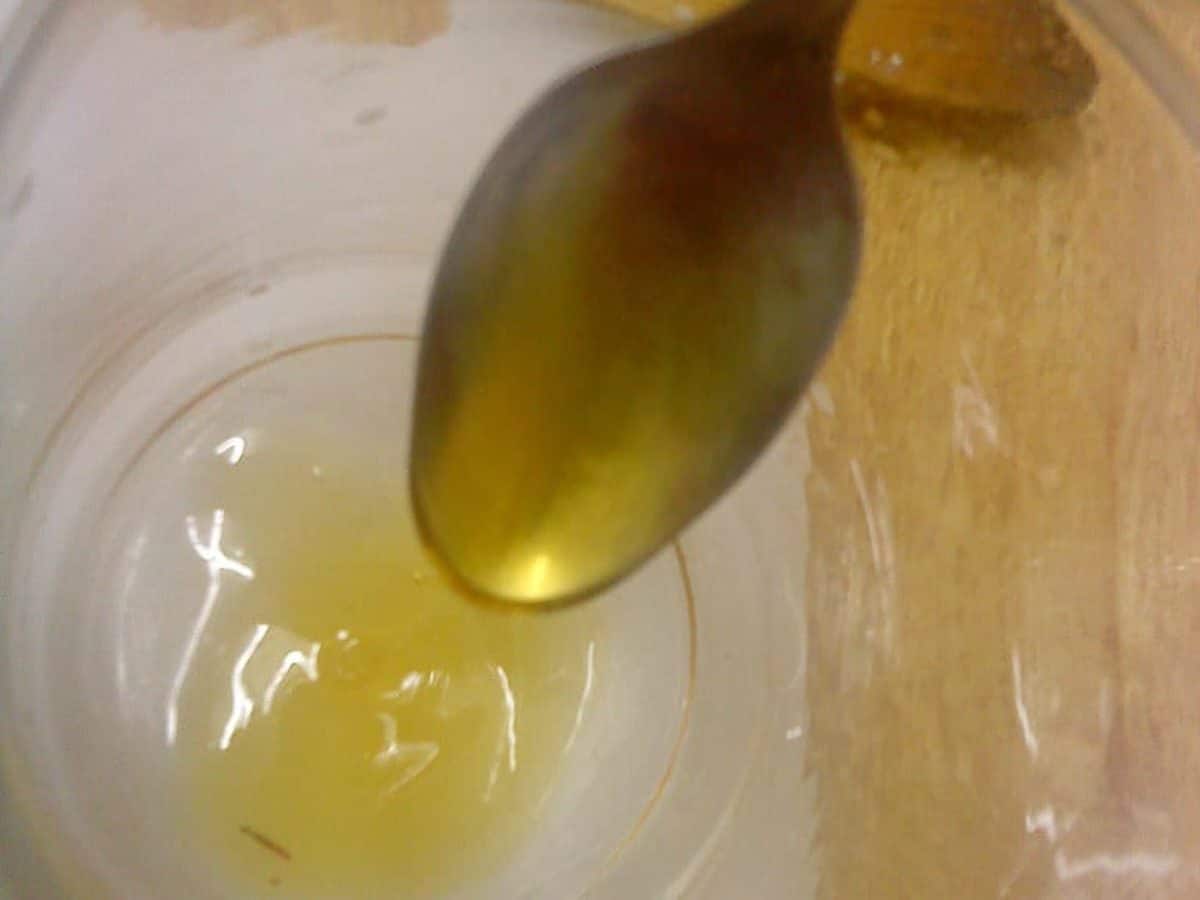
Jocheong is traditional Korean grain syrup — rice or barley starch converted to sugar with malt, then reduced. It is dark, thick, and slightly malty, and its role in a Korean kitchen is as much textural as it is sweet.
Where a recipe wants a finished dish to look lacquered rather than merely sauced, that is jocheong or its modern replacement doing the work.
Jocheong vs mullyeot
Jocheong (조청) — traditional, grain-based, amber to dark brown, with a distinct malty flavour.
Mullyeot (물엿) — clear corn syrup, neutral, cheap, and what most modern home recipes actually assume when they say "syrup".
They are interchangeable in function. Jocheong brings flavour as well as gloss; mullyeot brings gloss and nothing else, which is sometimes exactly what you want.
Add it late
Syrup added at the start of a long simmer just dissolves into the liquid and contributes sweetness. Added in the last few minutes, once most of the liquid has reduced, it coats.
For dakgangjeong or a soy braise, this is the difference between glossy and dull. It also scorches if it sits over high heat, so lower the flame when it goes in.
Where it is used
Glazes — fried chicken, candied nuts, dubu jorim, braised anchovies.
Confectionery — yakgwa, gangjeong, and traditional sweets generally.
Kimchi paste — a spoonful in place of sugar, feeding fermentation as well as sweetening.
Substituting
Corn syrup or golden syrup are the closest, roughly one-for-one.
Honey works for flavour but burns at a lower temperature, so it is poor in a high-heat glaze.
Sugar substitutes for sweetness at about three-quarters the volume, but you will not get the shine — that is a syrup property, not a sugar one.
Buying jocheong
Read the label. Much of what is sold as syrup in Korean shops is mullyeot — corn syrup — rather than true grain jocheong. Both are useful; they are not the same product or the same price.
True jocheong lists rice or barley and malt. It is darker, thicker and noticeably malty.
Ssal-jocheong is rice-based; bori-jocheong is barley-based and stronger.
Thickness varies a lot between brands. A thin jocheong needs a little more reduction in a glaze; a very thick one may need loosening with a spoonful of water before it will spread through a pan.
Storage: a cool cupboard, sealed, for a year or more. Crystallisation at the neck is normal — stand the jar in warm water.
Using it well
Warm the spoon or oil it before measuring. Jocheong clings to everything, and half a spoonful can stay on the spoon.
Add it late, in the last few minutes once the liquid has reduced. Added early it just dissolves and sweetens.
Lower the heat when it goes in. It scorches over high heat, and burnt syrup is bitter in a way that cannot be corrected.
In kimchi paste, a spoonful in place of sugar feeds the fermentation as well as sweetening — see why is my kimchi not sour for why that matters.
For a glaze, the finished sauce should coat the back of a spoon before the food goes in, not after.
Common questions
What is jocheong?
Traditional Korean grain syrup, made by converting rice or barley starch with malt and reducing the liquid. It's dark, thick and faintly malty, and it gives glazes their gloss as well as sweetening them.
What is the difference between jocheong and mullyeot?
Jocheong is traditional and grain-based, with a malty flavour. Mullyeot is modern clear corn syrup — neutral, cheap, and what most contemporary recipes assume. They're interchangeable in function; jocheong adds flavour, mullyeot adds only gloss.
Can I substitute corn syrup for jocheong?
Yes, roughly 1:1. Golden syrup also works. Honey works in a marinade but burns at a lower temperature, so it's poor in a high-heat glaze.
Why isn't my glaze glossy?
You probably used sugar rather than syrup, or added the syrup too early. Gloss is a property of syrup, and it needs to go in near the end once most of the liquid has reduced.
More to cook
All Ingredient & Substitute Guides
Kimchi 101: A Complete Guide
What kimchi actually is, the main types beyond the red cabbage one, how fermentation works, and what to do when a batch goes wrong.
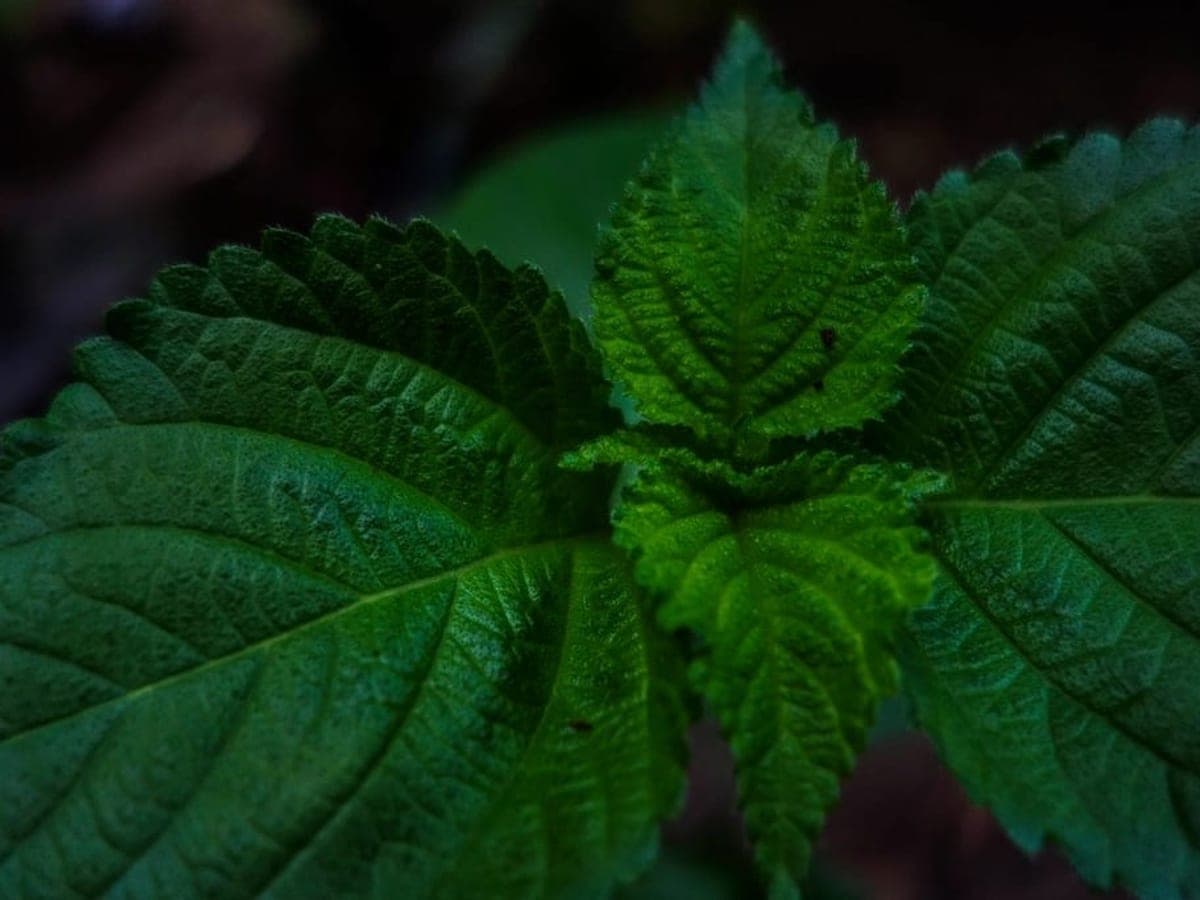
Kkaennip (Perilla Leaves)
Why Korean perilla leaves are not shiso despite looking similar, how they're used in ssam and jangajji, and what to do if you can't find them fresh.
Korean Banchan: A Complete Guide
What banchan actually are, how many a Korean meal needs, which ones keep for weeks, and how to build a table without cooking all day.