Photo: grongar · CC BY
Did you know — Korean culture
Hodu-gwaja is tied to one specific place: Cheonan, where the walnut cake was created in the 1930s and where it remains the city's signature product. Its spread across Korea owes much to the railway — Cheonan was a major junction, and the cakes were sold to passengers changing trains, which is why they became a standard thing to carry home as a gift from a journey.
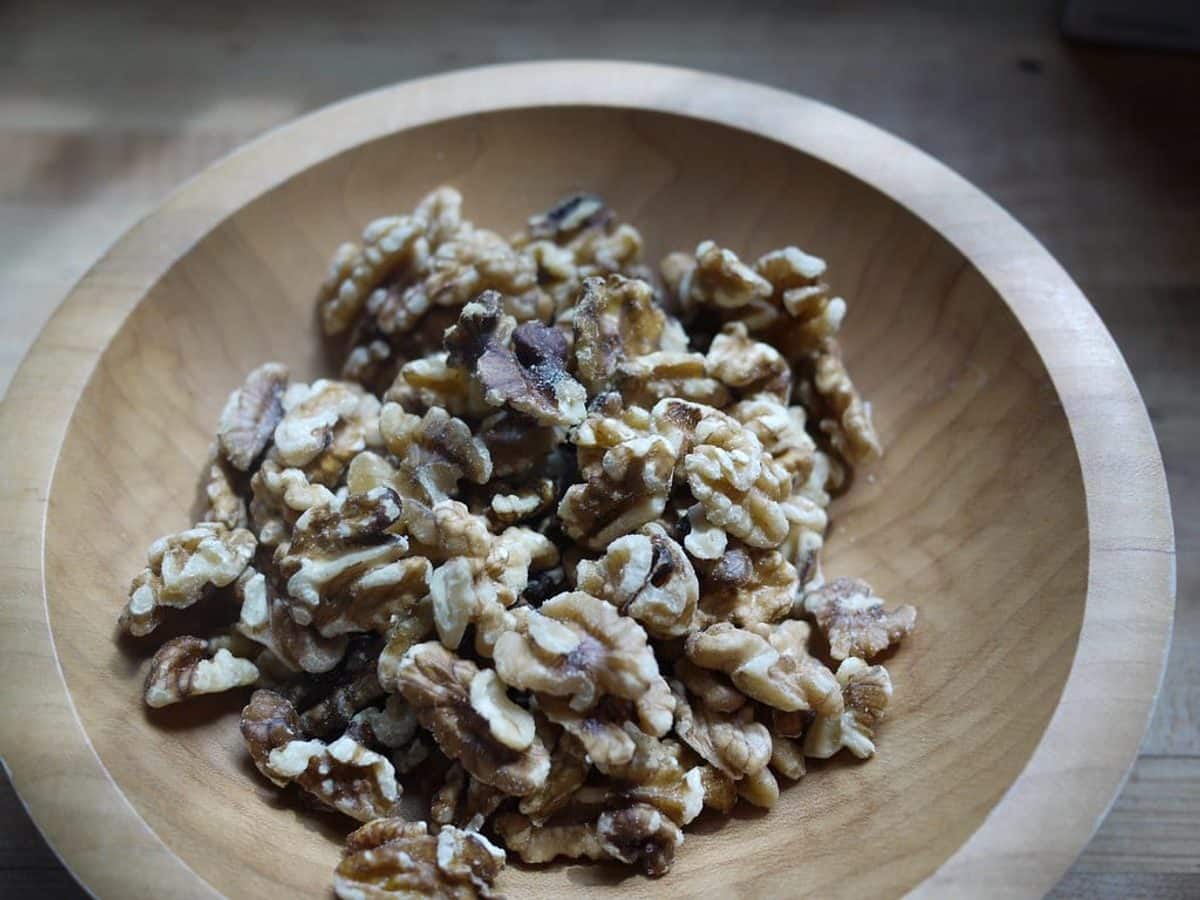
Walnuts appear across Korean cooking in small but specific roles: candied as a banchan, folded into yaksik, ground into porridge, and lending their name to hodu-gwaja, the walnut-shaped cakes of Cheonan.
They are rarely the main event. Where they show up, they are usually providing bitterness and fat against something sweet.
Blanch them before candying
Walnut skin holds tannins that turn harsh under sugar and heat. For hodu-jorim — the candied walnut banchan — blanch the halves in boiling water for a minute or two and drain before they go into the syrup.
Skipping this is the usual reason home-made candied walnuts taste astringent rather than sweet.
Toast for depth, but watch them
A few minutes in a dry pan or low oven brings out the oil and deepens the flavour, which is worth doing before folding them into rice dishes.
Walnuts have a high oil content and go from toasted to burnt quickly. Pull them while they still smell nutty rather than sharp.
Where they turn up
Yaksik — with chestnuts and jujubes in sweet glutinous rice.
Hodu-jorim — candied in soy and syrup as a keeping banchan.
Juk — ground into porridge, sometimes with pine nuts, as a rich breakfast.
Hodu-gwaja — where a walnut piece sits inside each cake.
Storing them
Walnuts go rancid faster than most nuts because of their oil, and rancid walnut is unmistakably bitter.
Keep them in the freezer in a sealed bag rather than a cupboard. They will hold a year that way and can be used straight from frozen. If a walnut tastes bitter and slightly of paint, the batch has turned.
Making hodu-jorim, the candied walnut banchan
The most common home use, and it keeps for weeks.
Blanch the walnut halves for a minute or two, then drain. This strips the tannins that would otherwise turn harsh under sugar.
Simmer in soy sauce, water and syrup — roughly two parts soy to one part syrup, plus enough water to cover — until the liquid reduces to a glaze that coats.
Finish off the heat with a little sesame oil and sesame seeds.
Keep the heat moderate. Sugar plus nuts plus high heat is how you get bitterness from two directions at once.
It keeps 2–3 weeks refrigerated, which makes it one of the better long-life banchan — see korean banchan for how that fits a weekly rotation.
Substituting other nuts
Pecans are the closest — similar oil content, similar bitterness under the skin, and they blanch and candy the same way.
Peanuts are used in Korean cooking in their own right, notably in dakgangjeong, but they are sweeter and less bitter. Skip the blanching.
Pine nuts appear in Korean cooking constantly as a garnish, and are far more delicate — never candied, usually scattered raw or lightly toasted.
Almonds work texturally and taste noticeably different; they lack the bitterness walnuts contribute.
Chestnuts are used in similar places — yaksik, braises — but they are starchy rather than oily and behave differently under heat.
Common questions
Why do you blanch walnuts before candying them?
The skin holds tannins that turn harsh under sugar and heat. A minute or two in boiling water removes most of them, and skipping it is the usual reason home-made candied walnuts taste astringent rather than sweet.
How do you store walnuts?
In the freezer, in a sealed bag. Walnuts have a high oil content and go rancid faster than most nuts — a cupboard is fine for a few weeks, the freezer for a year. They can be used straight from frozen.
How do you know if walnuts have gone bad?
Rancid walnut is unmistakably bitter and smells faintly of paint or old oil. If one tastes that way, the batch has turned — it won't improve with toasting.
What nuts can I use instead of walnuts?
Pecans are closest, with similar oil content and the same need for blanching before candying. Peanuts work but are sweeter and don't need blanching. Almonds are texturally fine but lack the bitterness walnuts bring.
More to cook
All Ingredient & Substitute Guides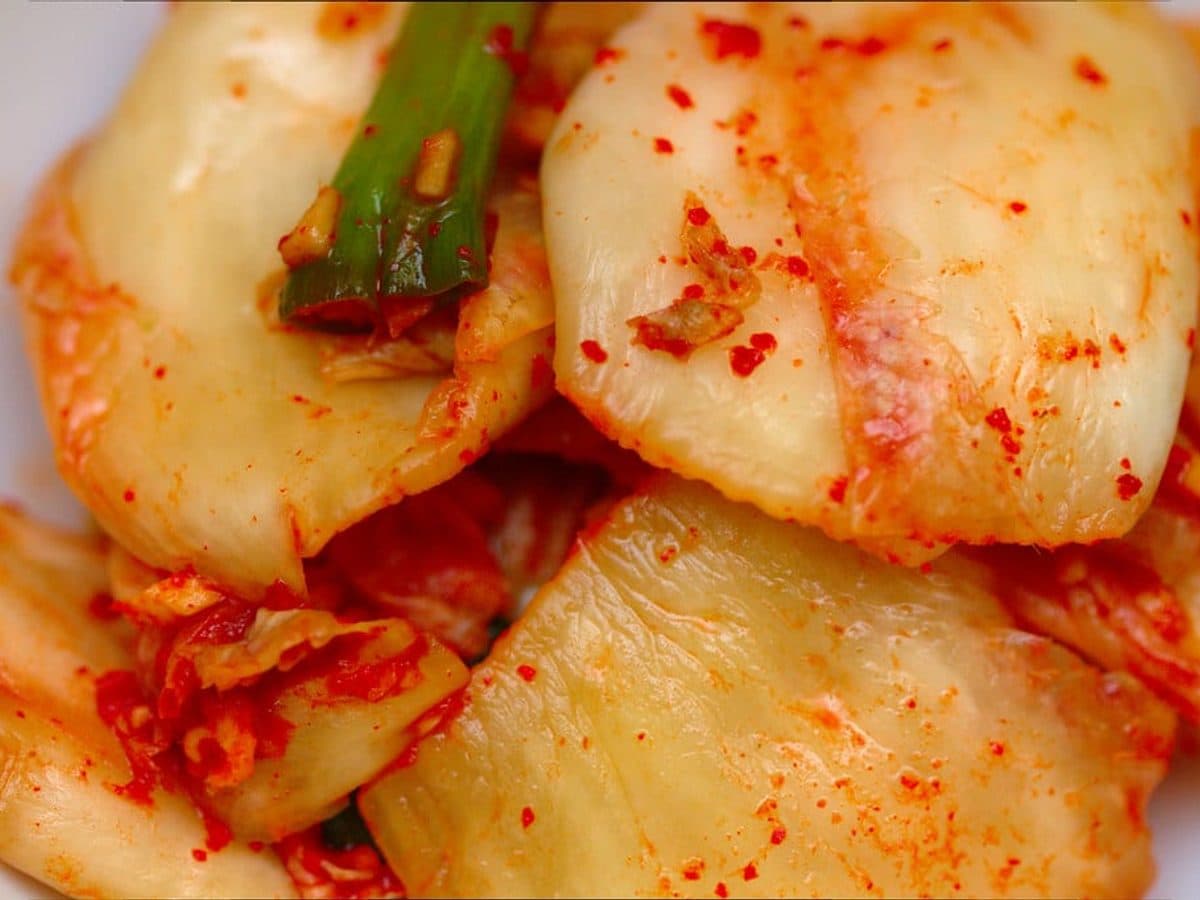
How to Salt Napa Cabbage for Kimchi
How long to brine napa cabbage, the bend test that tells you it is ready, and why rinsing three times is not excessive.
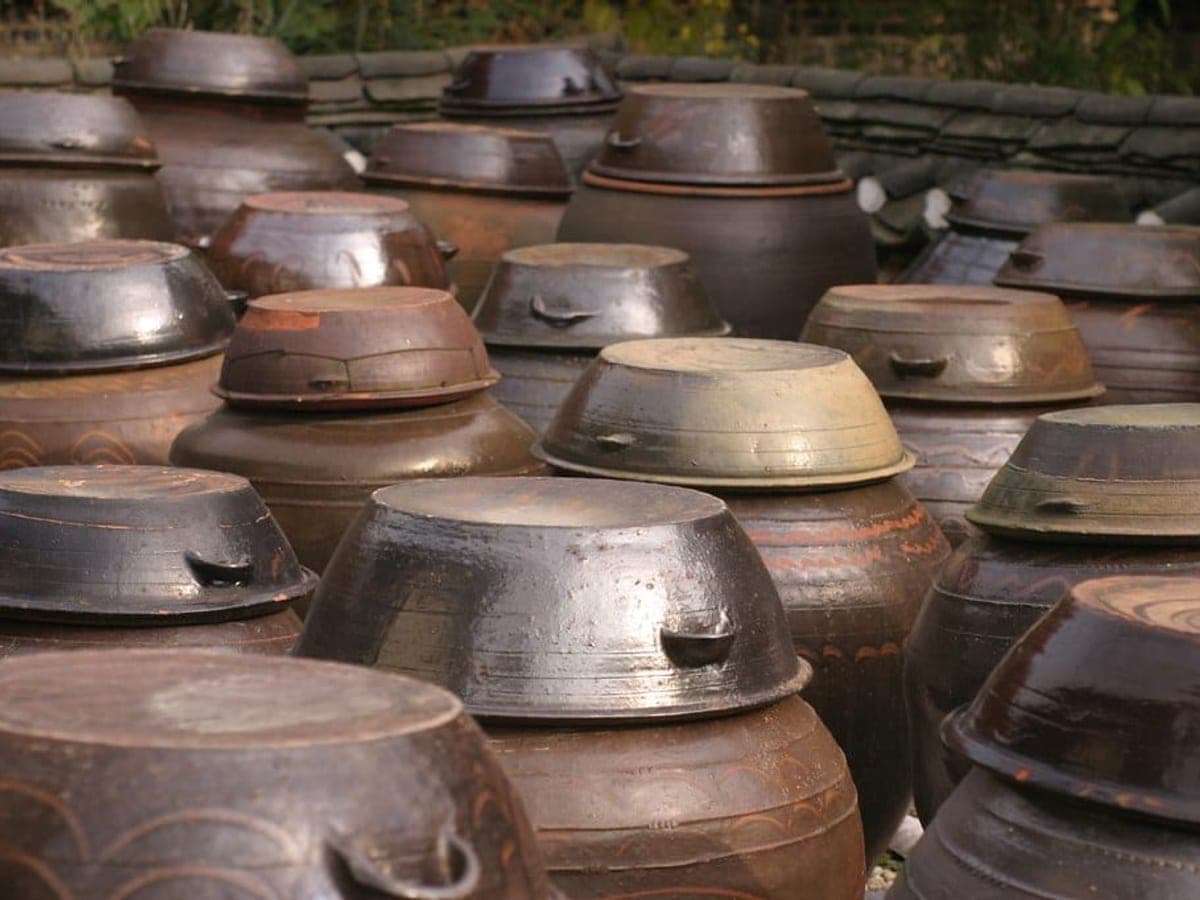
How to Store Kimchi
Why kimchi keeps fermenting in the fridge, how to slow it down, and what the pressed-flat surface and weighted lid are actually doing.
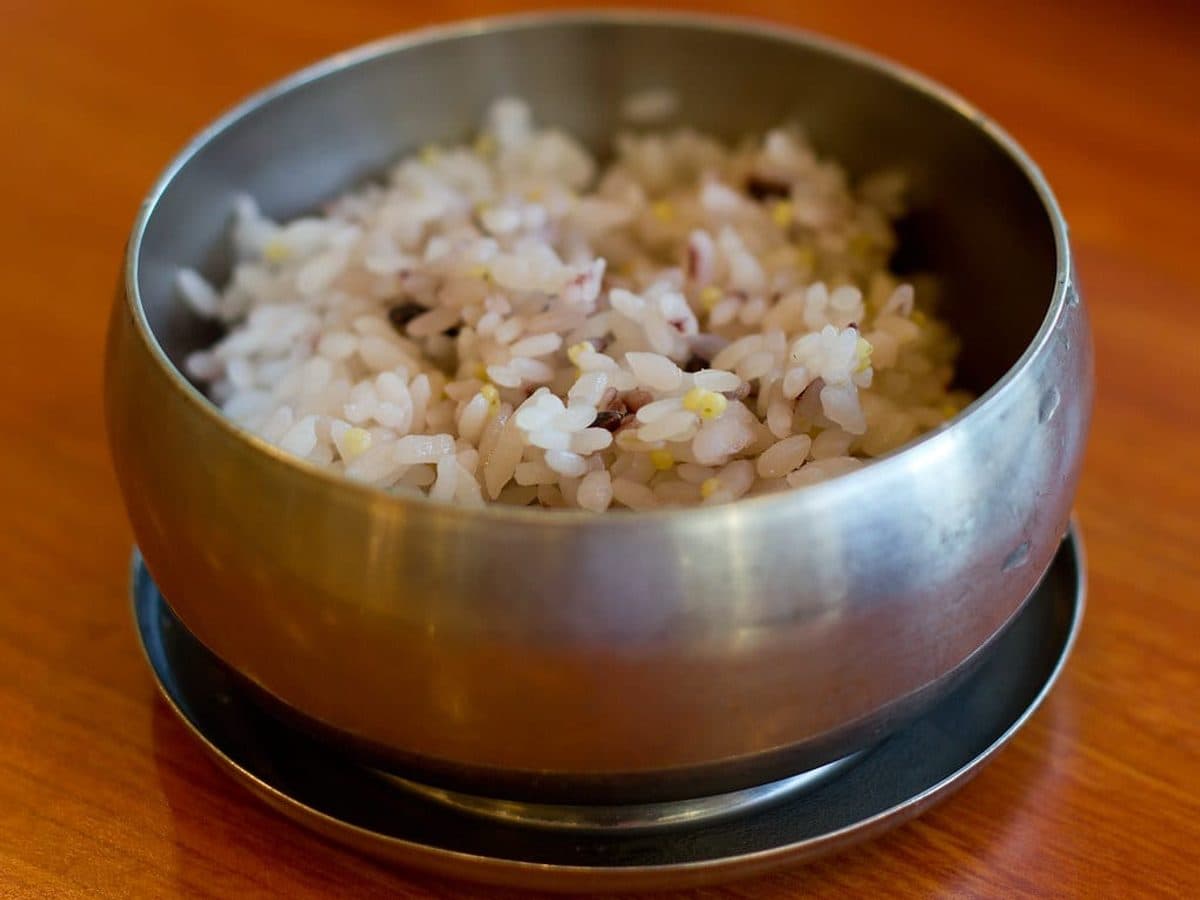
Japgokbap (Korean Multigrain Rice)
Which grains go into Korean multigrain rice, why each needs a different soak time, and the ratio that keeps it from turning heavy.