Did you know — Korean culture
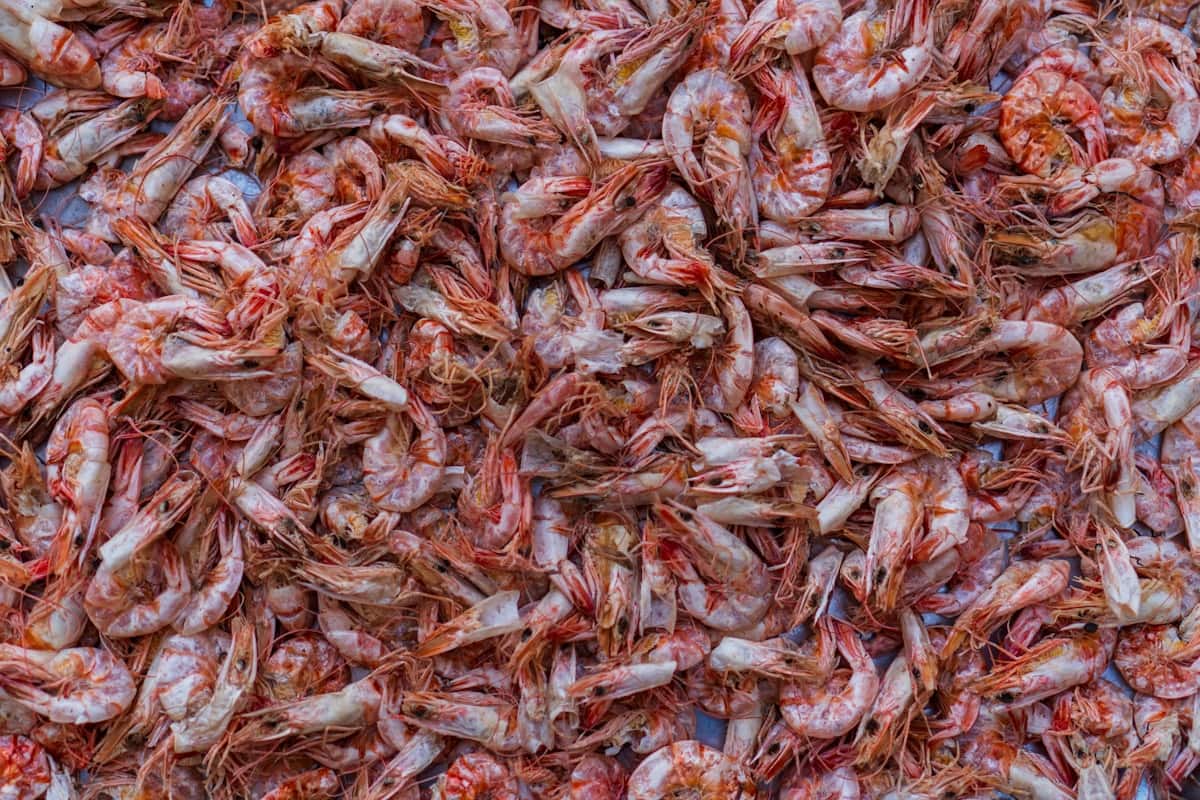
Saeujeot is named for the month the shrimp were caught. May's batch is ojeot, June's is yukjeot, autumn's is chujeot — and yukjeot is the one Korean cooks pay a premium for at kimjang time, because early-summer shrimp carry the fat and sweetness that survive the ferment. Same jar, same shrimp, different month, different price.
Photo: 한산도 수산 · CC BY 2.5
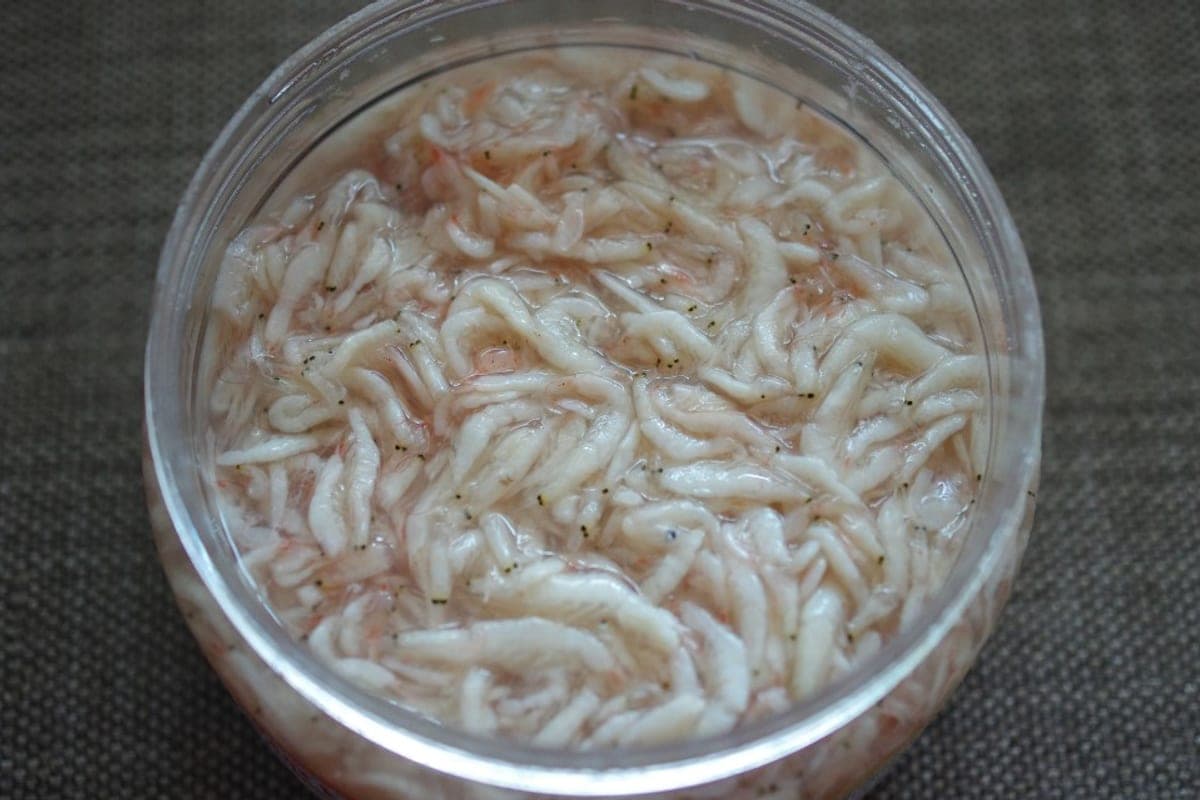
Saeujeot is tiny shrimp, salted heavily and left to ferment for weeks to months, until they turn soft, pale pink, and intensely savory. It's not eaten as a dish on its own in most kimchi recipes — it's a seasoning, added in small spoonfuls the same way fish sauce is, for salt and umami depth rather than as a shrimp flavor you're meant to notice directly.
That's the detail that trips people up the first time they see it in a recipe: the quantities are always small — a tablespoon or two, not a cup — because saeujeot is extremely salty and concentrated. Treating it like a bulk ingredient instead of a seasoning oversalts a dish fast.
It shows up constantly in kimchi-making specifically because the fermented shrimp contributes enzymes and bacteria that help kickstart and shape the kimchi's own fermentation, alongside the pure savory-salty flavor. Traditional napa cabbage kimchi recipes almost always include some saeujeot in the paste for exactly this reason — it's doing fermentation work, not just seasoning work.
The texture is soft and a little chunky, distinctly different from the smoother consistency of fish sauce, and recipes usually call for it minced or blended into the seasoning paste rather than left whole. Whole, unminced saeujeot occasionally appears as a garnish or side condiment on its own, but that's a different use case from the kimchi-paste role.
In a pinch: fish sauce is the closest common substitute for the salty-umami role, though it won't contribute the same live fermentation boost or the slightly chunky texture some kimchi pastes rely on. If a recipe leans on saeujeot specifically for a traditional-tasting result, it's worth sourcing from a Korean grocery store rather than substituting outright.
How much to use
Saeujeot is a seasoning measured in spoons, not a main ingredient, and that catches people out. A single tablespoon is doing meaningful work in a batch of kimchi; a quarter cup would make it inedibly salty.
It is also salt as well as flavour, so it has to be counted against the recipe's salt rather than added on top of it. If you add saeujeot to a dish that was already seasoned, reduce the salt elsewhere.
Some cooks chop it finely or blend it into the kimchi paste rather than leaving the shrimp whole — whole shrimp gives occasional bursts of intensity, blended gives an even background savouriness. Both are traditional.
Grades, and why the label mentions a month
Saeujeot is named for when the shrimp were caught, and the grades are not marketing:
- Ojeot (오젓) — May
- Yukjeot (육젓) — June, the premium grade, and the one traditionally bought for kimjang
- Chujeot (추젓) — autumn, firmer and cheaper
June shrimp carry the fat and sweetness that survive fermentation best, which is why yukjeot costs more. For everyday cooking chujeot is perfectly good.
How to store it
Refrigerate. Saeujeot is heavily salted and keeps for months — often close to a year — because the salt is doing preservation work.
Always use a clean, dry spoon. Introducing moisture or food residue is the one thing that will spoil an otherwise stable jar. A little liquid separating out is normal; stir it back in.
If you cannot find it
Fish sauce is the usual stand-in, roughly a tablespoon of fish sauce per tablespoon of saeujeot, though it brings more pungency and no texture. For a vegan kimchi, omit it and increase the salt slightly — the result ferments perfectly well, it is simply less deep.
More to cook
All Ingredient & Substitute Guides
Sesame Oil vs. Perilla Oil
How toasted sesame oil and perilla oil actually differ in flavor, smoke point and shelf life — and which Korean dishes specifically want one over the other.
Ssamjang (Korean Wrap Sauce)
What ssamjang is made from, why it's a blend rather than a single paste, and how to use it in lettuce wraps without drowning out the meat it's meant to balance.

Ssukgat (Crown Daisy)
Why crown daisy goes into a Korean stew in the last thirty seconds rather than the last five minutes, and what to use if you can't find it.