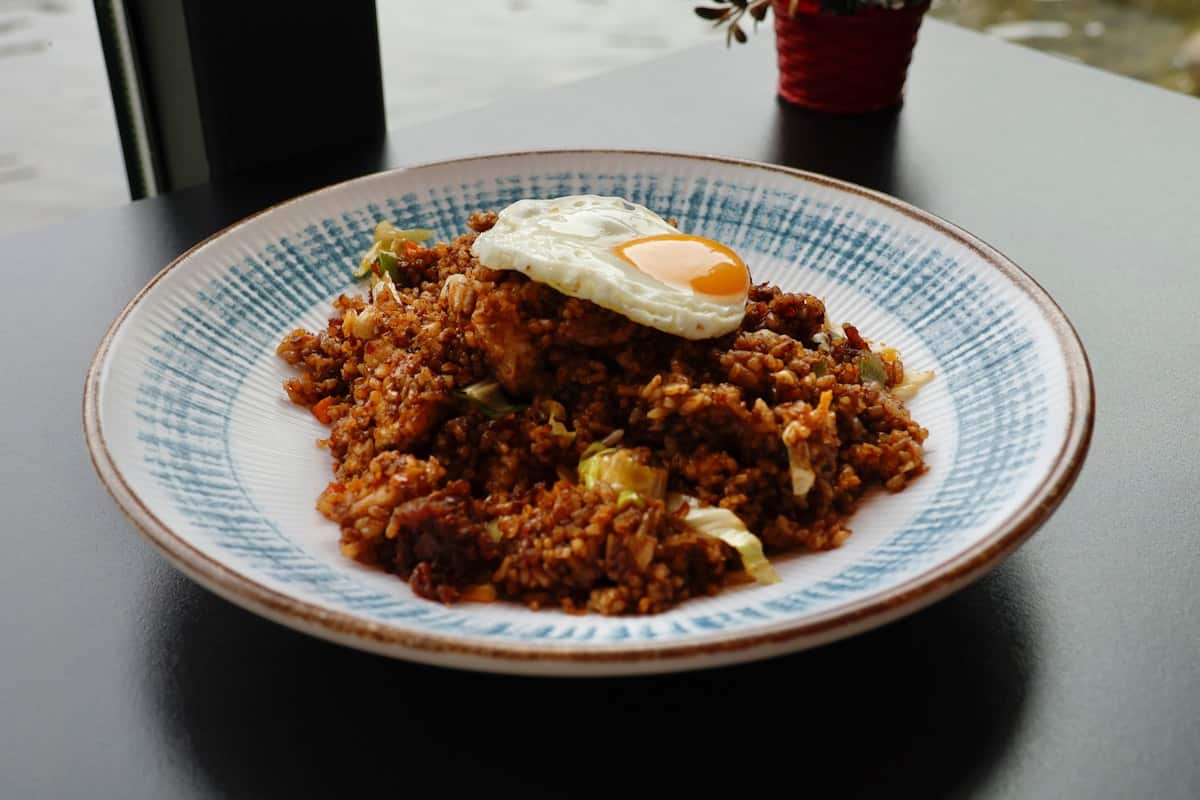
Steps
- 1
Heat oil in a wide pan or wok over medium-high heat.
- 2
If using Spam or bacon, fry it first until browned, then push to one side.
- 3
Add the onion and kimchi, and stir-fry 2-3 minutes until the kimchi darkens slightly.
- 4
Add the rice, breaking up clumps, and stir-fry over high heat, tossing frequently.
- 5
Add the kimchi brine, gochujang, and sugar, and stir-fry another 3-4 minutes until everything is evenly colored and slightly crisp in spots.
- 6
Stir in green onion and a drizzle of sesame oil.
- 7
Top each portion with a fried egg, sesame seeds, and gim strips.
Did you know — Korean culture
Kimchi bokkeumbap is one of the clearest examples of Korean cooking's instinct not to waste anything. It's built specifically around kimchi that's fermented past its prime for eating fresh — too sour and soft for straight side-dish eating, but exactly right once it's fried down with rice, since the extra sourness and funk only get better with heat. The dish essentially exists because someone decided over-fermented kimchi was an ingredient to use up, not a problem to throw out.
The kimchi doing the real work here needs to be past its fresh-eating prime, not straight out of a new batch. Young kimchi is crunchy and mild, which sounds appealing but actually makes for a flatter fried rice — it's the fully-fermented, noticeably sour kimchi that turns genuinely rich and complex once it hits a hot pan, in a way fresh kimchi simply can't replicate.
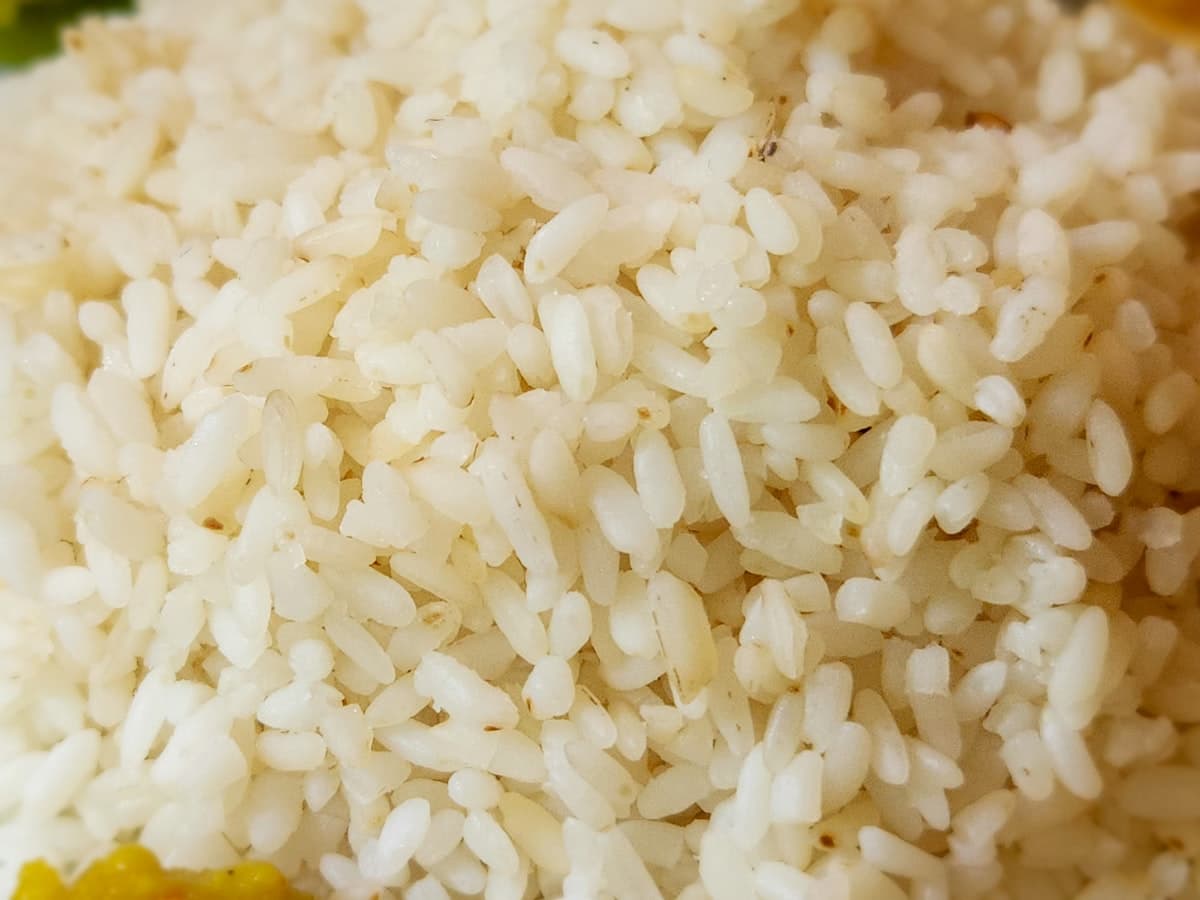
Day-old, cold rice matters just as much as the kimchi. Freshly cooked rice carries too much surface moisture and clumps together under high heat, steaming instead of frying; rice that's sat overnight in the fridge has dried out and separated just enough to fry properly, taking on color and a little char instead of turning to mush.
Kimchi bokkeumbap is one of the clearest examples of Korean cooking's instinct not to waste anything. It's built specifically around kimchi that's fermented past its prime for eating fresh — too sour and soft for straight side-dish eating, but exactly right once it's fried down with rice, since the extra sourness and funk only get better with heat. The dish essentially exists because someone decided over-fermented kimchi was an ingredient to use up, not a problem to throw out.
Troubleshooting
Rice turning mushy instead of frying properly? It was probably too fresh or too warm. Day-old, fridge-cold rice is what actually fries well here.
Dish tasting flat despite plenty of kimchi? The kimchi is probably too young — this is one of the few dishes where more-fermented, sourer kimchi genuinely makes for a better result.
No Spam or bacon on hand? The dish works fine without it — kimchi and rice alone still fry into something rich, just slightly less savory-fatty than with the added meat.
Recommended products
- Well-fermented napa cabbage kimchi
- Wide wok or frying pan
More to cook
All Rice & Noodles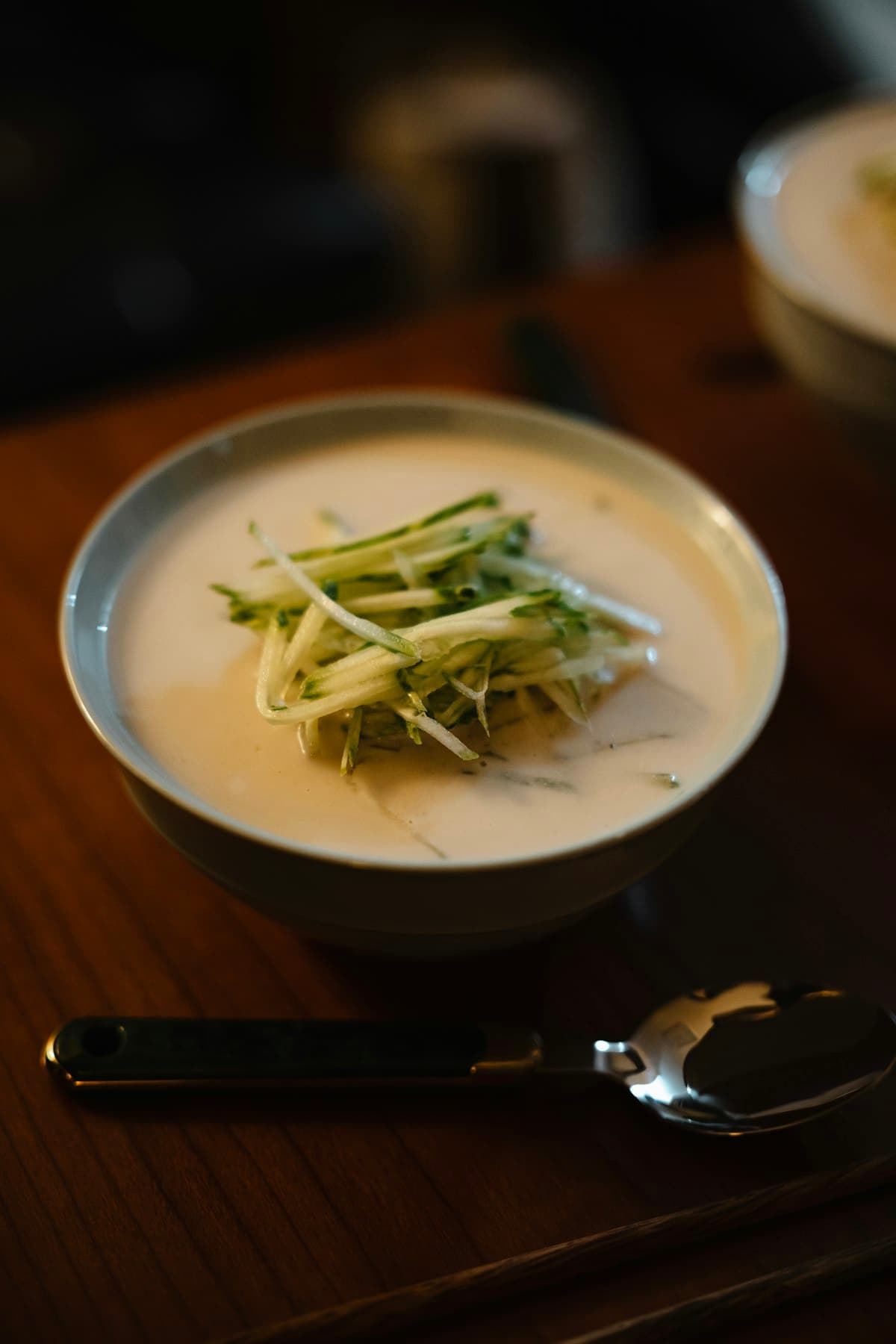
Kongguksu (Cold Soy Milk Noodle Soup)
The soybean-blending technique behind kongguksu's creamy broth, and why the beans need a real soak, not a shortcut.
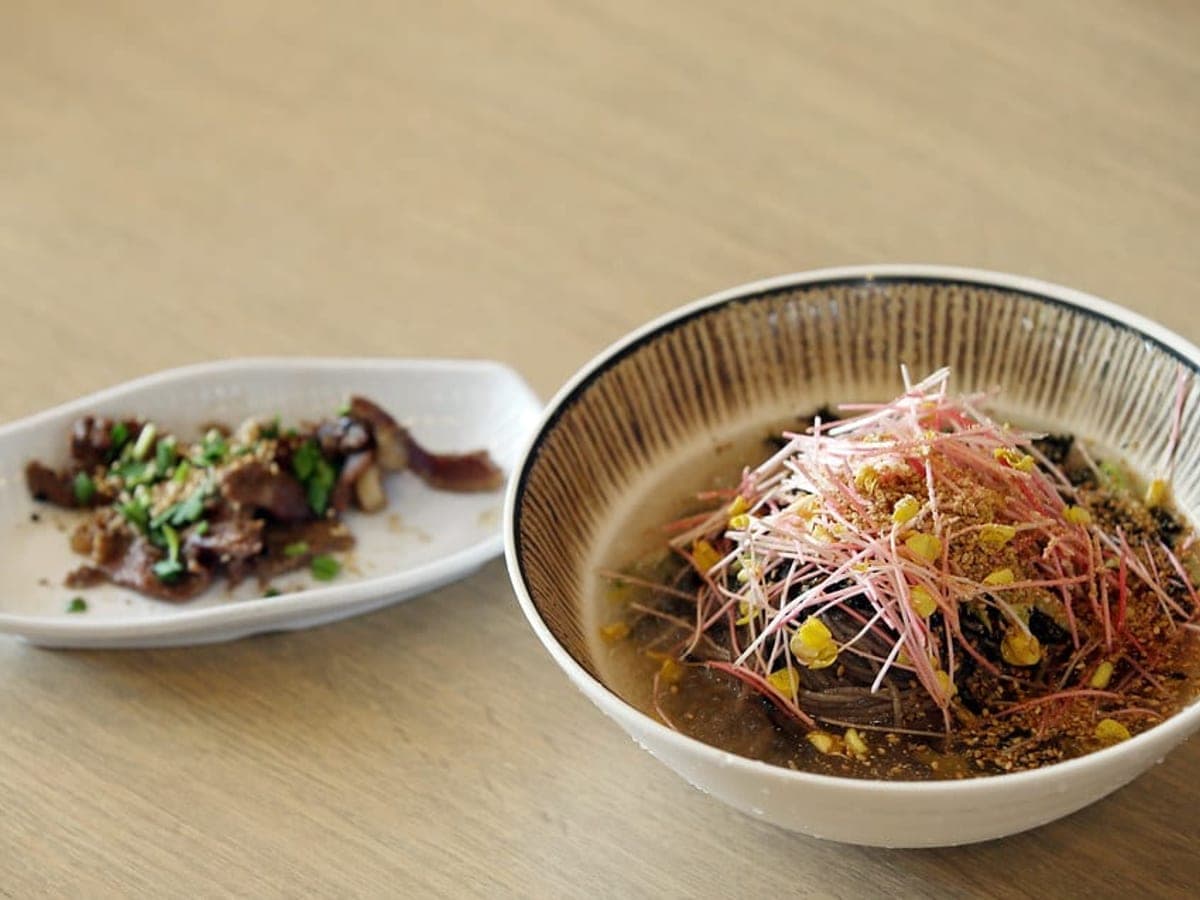
Makguksu (Chilled Buckwheat Noodles)
Why makguksu is dressed rather than drowned, and how the buckwheat noodles are rinsed hard so the sauce clings instead of sliding straight off.
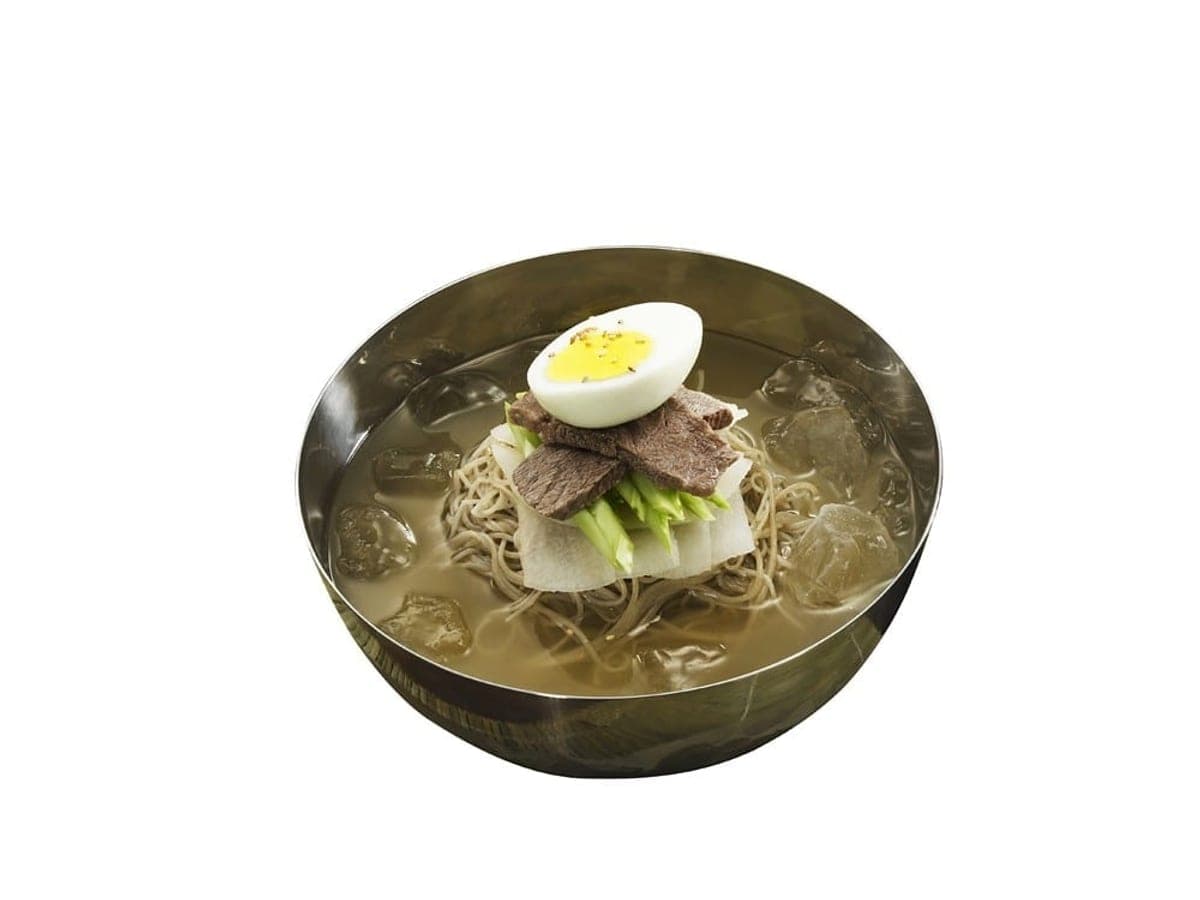
Mul Naengmyeon (Chilled Buckwheat Noodle Soup)
How the broth for mul naengmyeon is chilled to a slush rather than merely cold, and why the noodles are cut at the table instead of before serving.