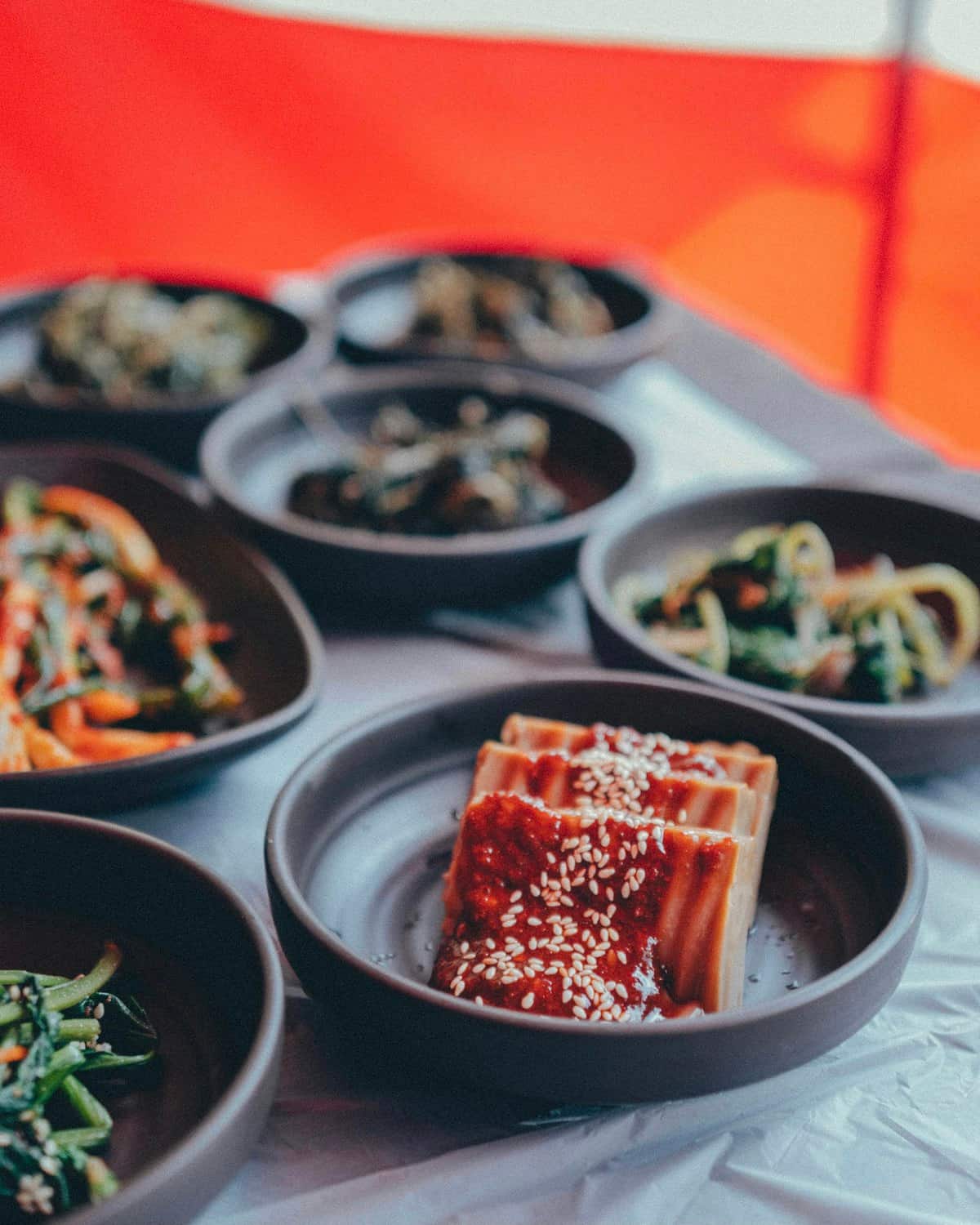
Steps
- 1
Slice the tofu into thick pieces and steam or gently boil for 5-7 minutes until warmed through.
- 2
If using pork belly, brown it in a hot pan first, then push to one side.
- 3
Add the onion and kimchi to the pan, and stir-fry 3-4 minutes.
- 4
Add the gochugaru, sugar, and garlic, and stir-fry another 3-4 minutes until the kimchi is glossy and slightly caramelized at the edges.
- 5
Finish with sesame oil and green onion.
- 6
Arrange the warm tofu slices on one side of a plate and the stir-fried kimchi on the other, kept distinct rather than mixed together.
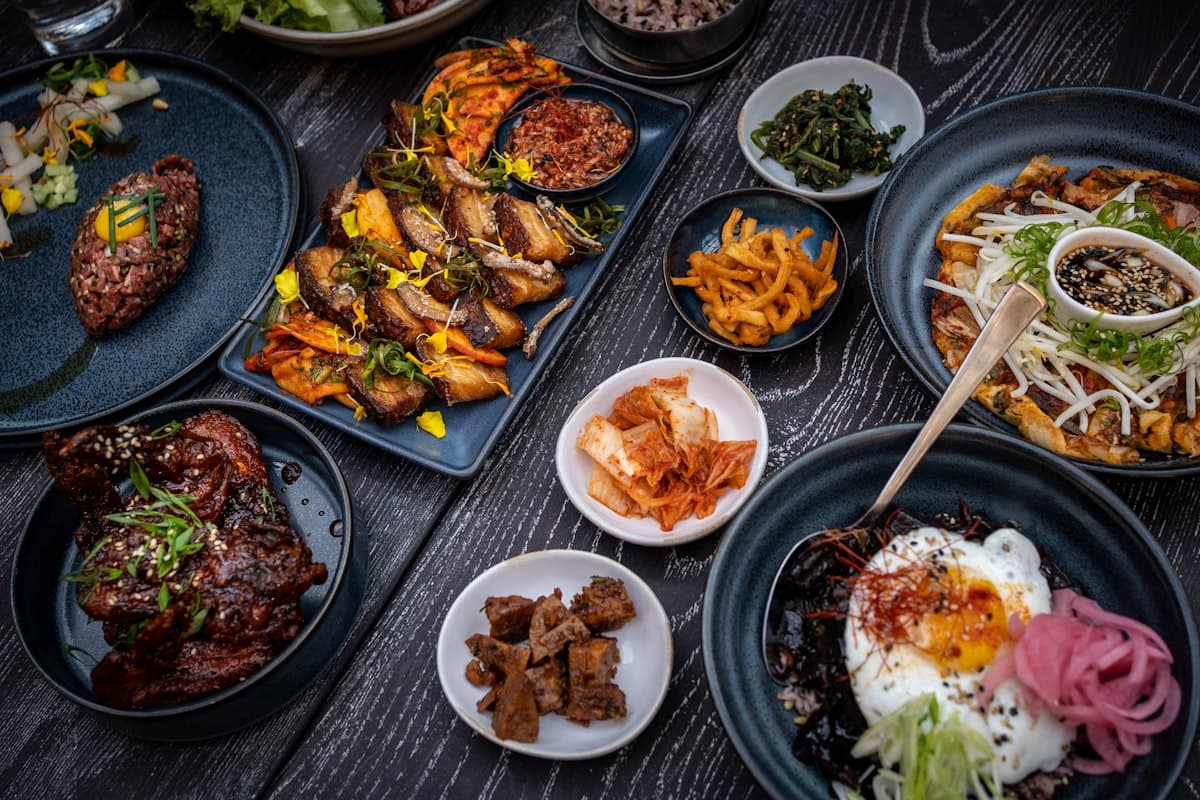
Did you know — Korean culture
Dubu kimchi is built specifically as anju — food meant to be eaten alongside drinking, not as a standalone meal. The plain, cooling tofu is there on purpose to balance the hot, funky stir-fried kimchi piled next to it, giving drinkers something to alternate bites with rather than eating either component entirely on its own. That built-in contrast is a big part of why it's such a mainstay at Korean pubs specifically, rather than a dish typically served at a regular home dinner table.
Keeping the tofu and the stir-fried kimchi as two separate piles on the plate, rather than tossing them together, is deliberate, not just presentation. The plain, warm tofu is meant to be eaten in alternating bites with the hot, funky kimchi — mixing them together flattens that contrast into one uniform flavor instead of letting each half do its job.
Steaming or gently boiling the tofu rather than frying it keeps this dish balanced. A crisped, pan-fried tofu would compete with the kimchi's own texture and char; plain, soft, warm tofu is the cooling counterpoint the dish is built around.
Dubu kimchi is built specifically as anju — food meant to be eaten alongside drinking, not as a standalone meal. The plain, cooling tofu is there on purpose to balance the hot, funky stir-fried kimchi piled next to it, giving drinkers something to alternate bites with rather than eating either component entirely on its own. That built-in contrast is a big part of why it's such a mainstay at Korean pubs specifically, rather than a dish typically served at a regular home dinner table.
Sour kimchi that has gone past eating raw has three good destinations: this dish, kimchi jjigae, and budae jjigae, where its acidity cuts through the processed meats.
Troubleshooting
Tofu falling apart when sliced? Use firm or extra-firm tofu specifically — softer varieties don't hold together well through steaming and slicing.
Kimchi tasting flat instead of rich? Make sure it's well-fermented, not fresh — young kimchi doesn't develop the same depth once stir-fried.
Dish feels one-note? Check that the tofu and kimchi are actually kept separate on the plate — the alternating-bite contrast is most of what makes dubu kimchi work.
Recommended products
- Firm tofu
- Well-fermented kimchi
More to cook
All Banchan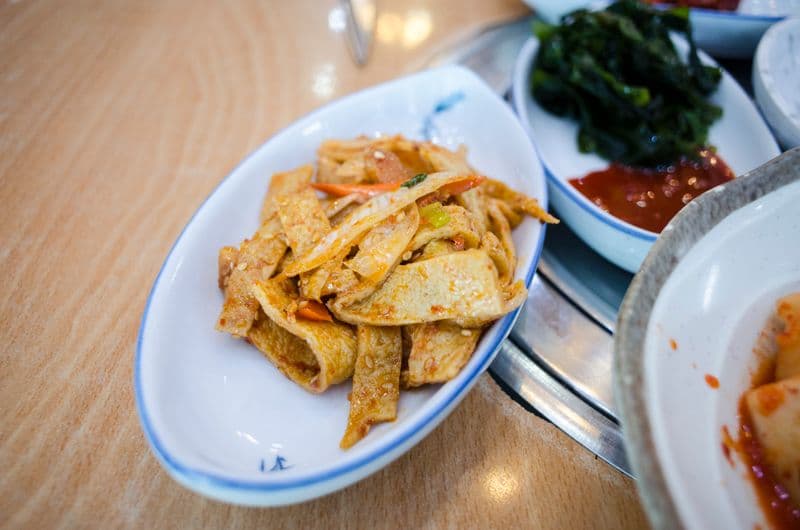
Eomuk Bokkeum (Stir-Fried Fish Cake)
Why blanching the fish cake before it hits the pan is what keeps this banchan from tasting oily, and how high heat at the end builds the glaze.
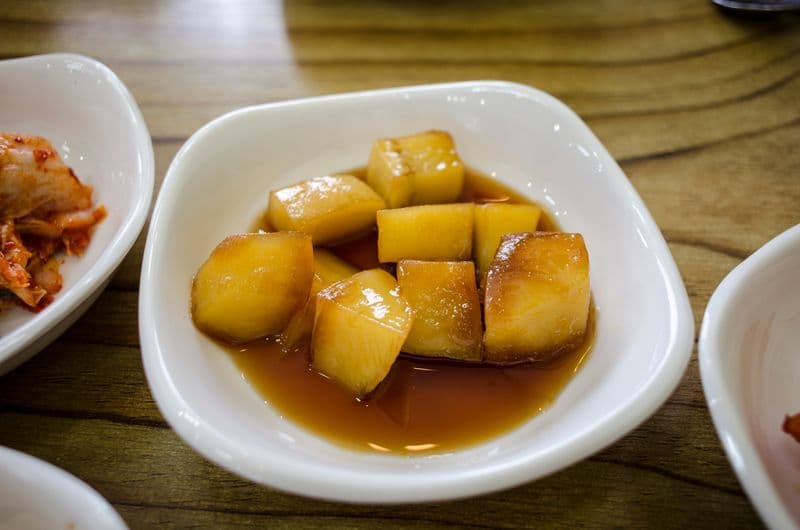
Gamja Jorim (Braised Potatoes)
Why par-cooking the potatoes before they hit the sauce prevents the mushy-outside, raw-inside problem, and how the final uncovered simmer builds the glaze.
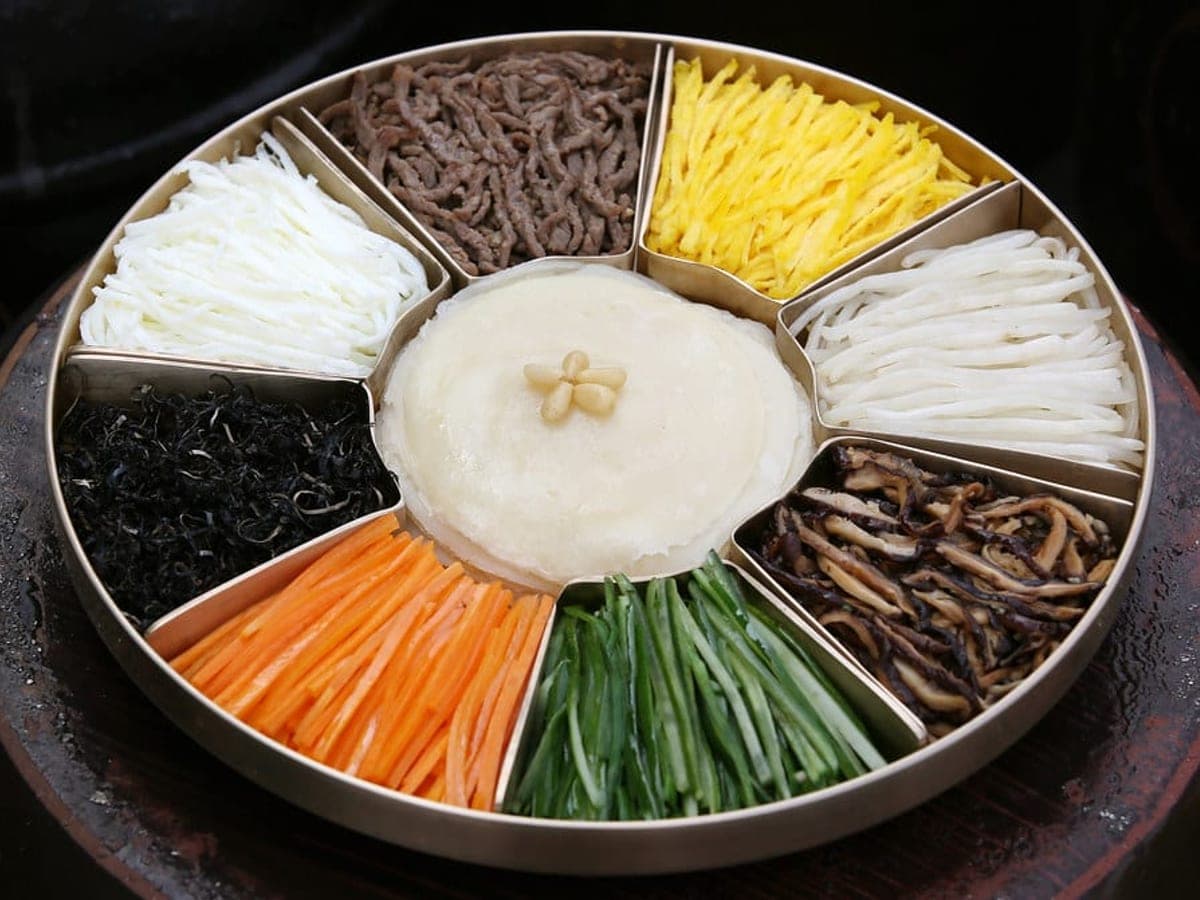
Gujeolpan (Nine-Section Platter)
How the eight fillings around a gujeolpan are chosen for contrast rather than variety, and why the crepes in the centre must be thin enough to see through.