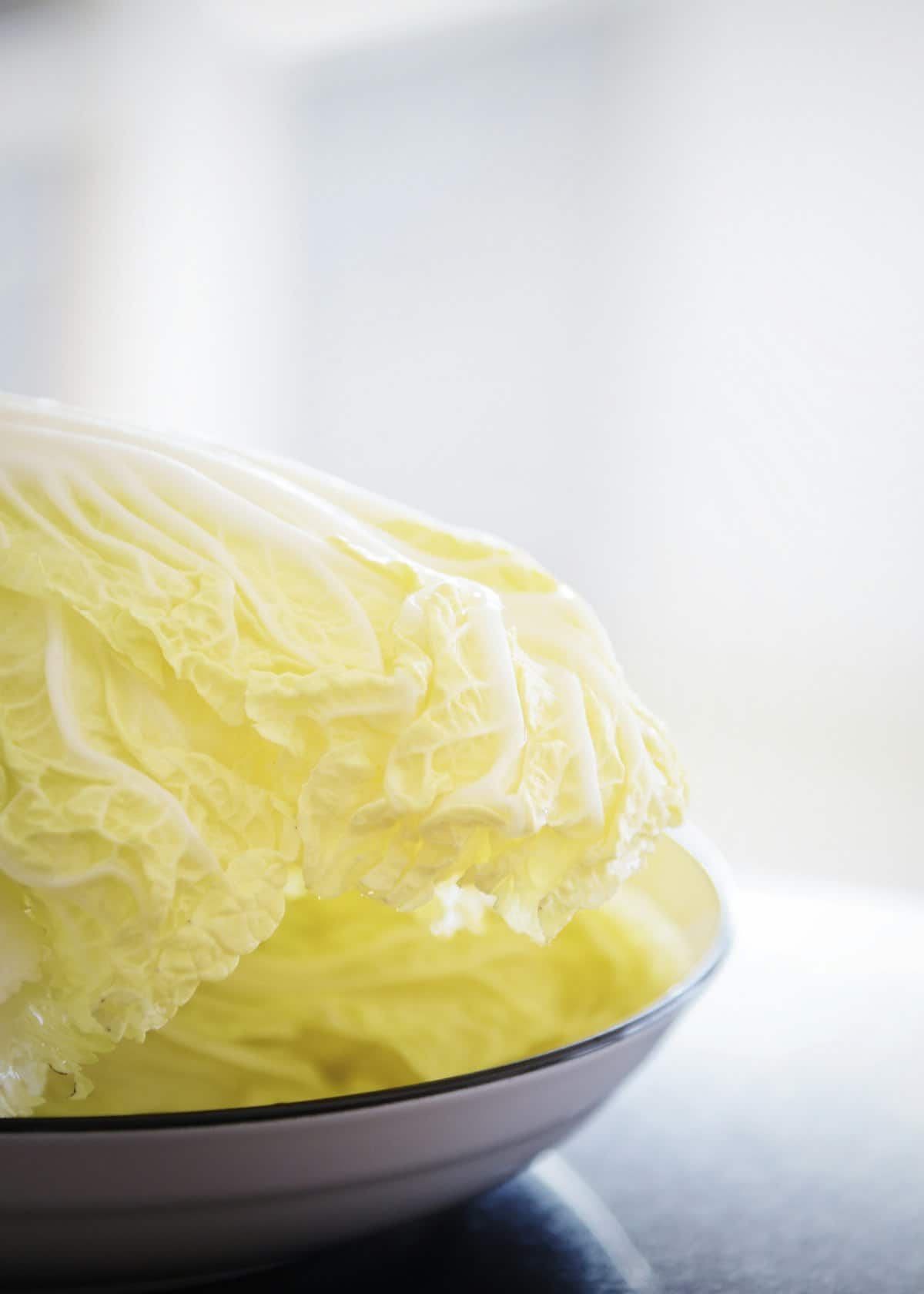
Steps
- 1
Salt the cabbage quarters generously between the leaves and let sit 4-6 hours, turning once, until the stems bend without snapping.
- 2
Rinse the cabbage thoroughly 2-3 times to remove excess salt, then drain well.
- 3
Layer pear, chestnut, jujube, onion, carrot, garlic, and ginger between the cabbage leaves.
- 4
Whisk the water with fish sauce and sugar to make the brine.
- 5
Pack the stuffed cabbage into a large container and pour the brine over until submerged.
- 6
Weigh the cabbage down so it stays under the brine.
- 7
Ferment at room temperature 1-2 days, then move to the refrigerator.
- 8
Best after about a week, once the brine turns tangy and slightly effervescent.
Did you know — Korean culture
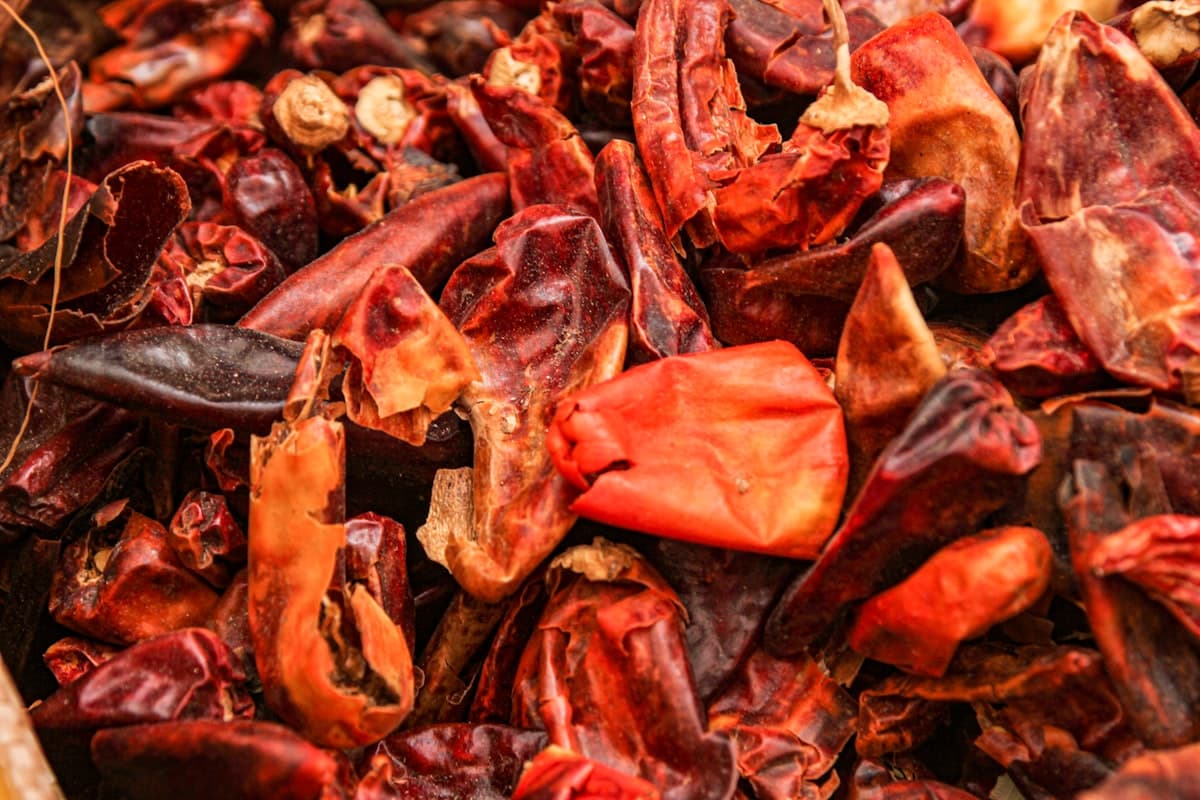
Baek kimchi isn't a modern invention or a spice-free spinoff — it's closer to what kimchi actually looked like for most of its history. Chili peppers didn't reach Korea until Portuguese traders introduced them in the 1500s, and even after that, red chili-based kimchi took a long time to become the dominant style. Baek kimchi keeps the older tradition alive: fermented, complex, and flavored with pear, chestnut, and jujube instead of heat.
Baek kimchi proves that kimchi's fermented tang doesn't come from chili at all — it comes from the brine and time. Without gochugaru masking things, every flavor here has to actually earn its place, which is why the pear, chestnut, and jujube matter more in this version than they would in a spicier one.
Salting the cabbage properly is still non-negotiable even without chili in the mix. Under-salted cabbage stays too crisp and watery to hold up through fermentation, and over-salted cabbage turns unpleasantly briny — the bend test, where the stem flexes without snapping, is the reliable way to know it's ready to rinse.
Baek kimchi isn't a modern spice-free spinoff — it's closer to what kimchi actually looked like for most of its history. Chili peppers didn't reach Korea until Portuguese traders introduced them in the 1500s, and red chili-based kimchi took a long time after that to become the dominant style. This version keeps that older tradition alive, relying on fruit and aromatics instead of heat for complexity.
Troubleshooting
Cabbage still too crunchy, not tender? It likely wasn't salted long enough — check for the bend test before moving on, rather than working off a fixed clock.
Brine tastes flat instead of complex? The fruit and aromatics are doing all the flavor work here — don't skimp on the pear and jujube, since there's no chili to compensate.
Fermentation too slow? A day or two at room temperature is what kickstarts it — moving straight to the fridge without that step will take noticeably longer to develop any tang.
Recommended products
- Large fermentation container
- Korean pear and jujube
More to cook
All Fermented & Pickled
Chonggak Kimchi (Ponytail Radish Kimchi)
The whole-radish brining technique behind chonggak kimchi, and why the greens matter as much as the root.
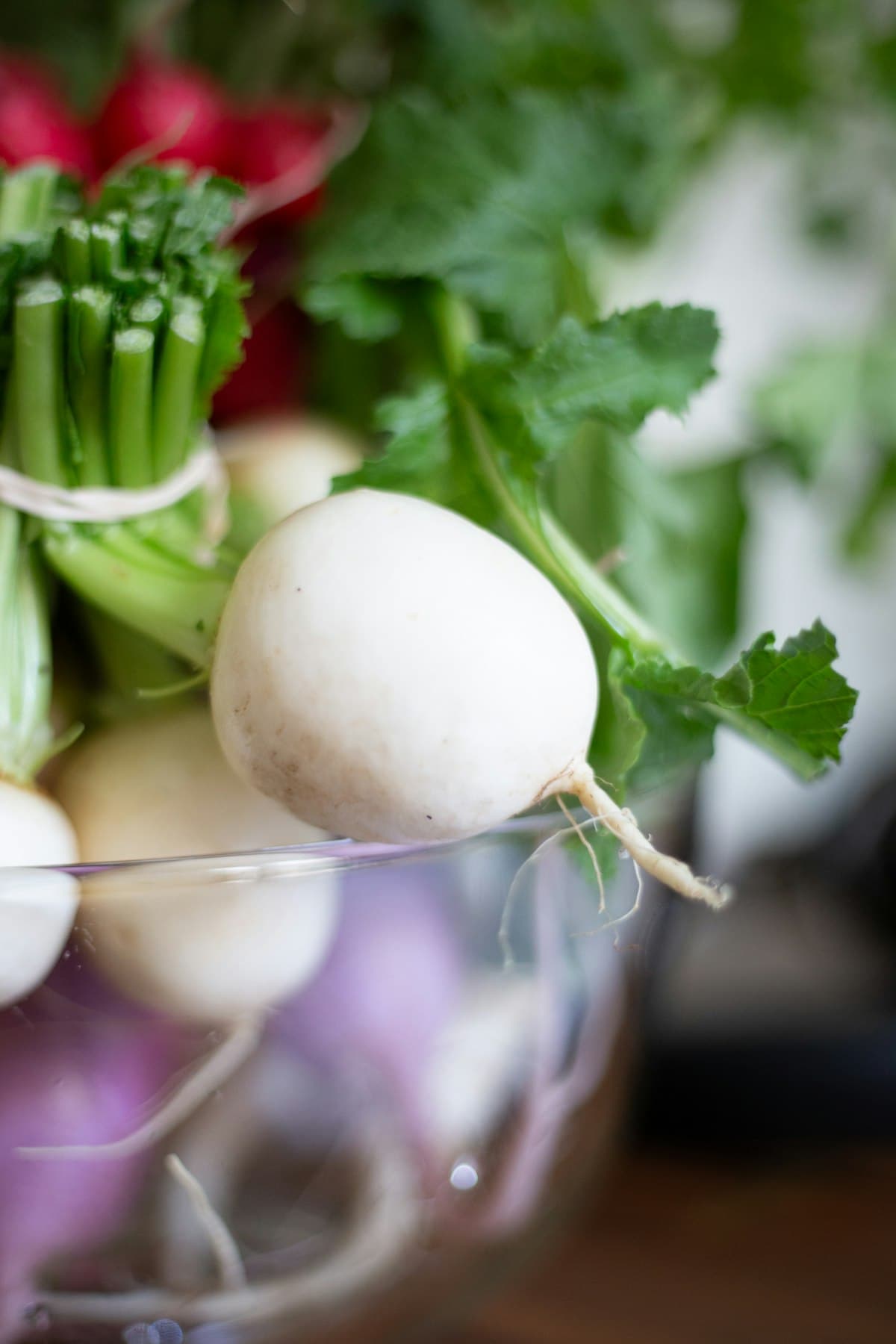
Dongchimi (Watery Radish Kimchi)
The salt-brine technique behind dongchimi's clear, tangy liquid, and why patience matters more than any single ingredient.
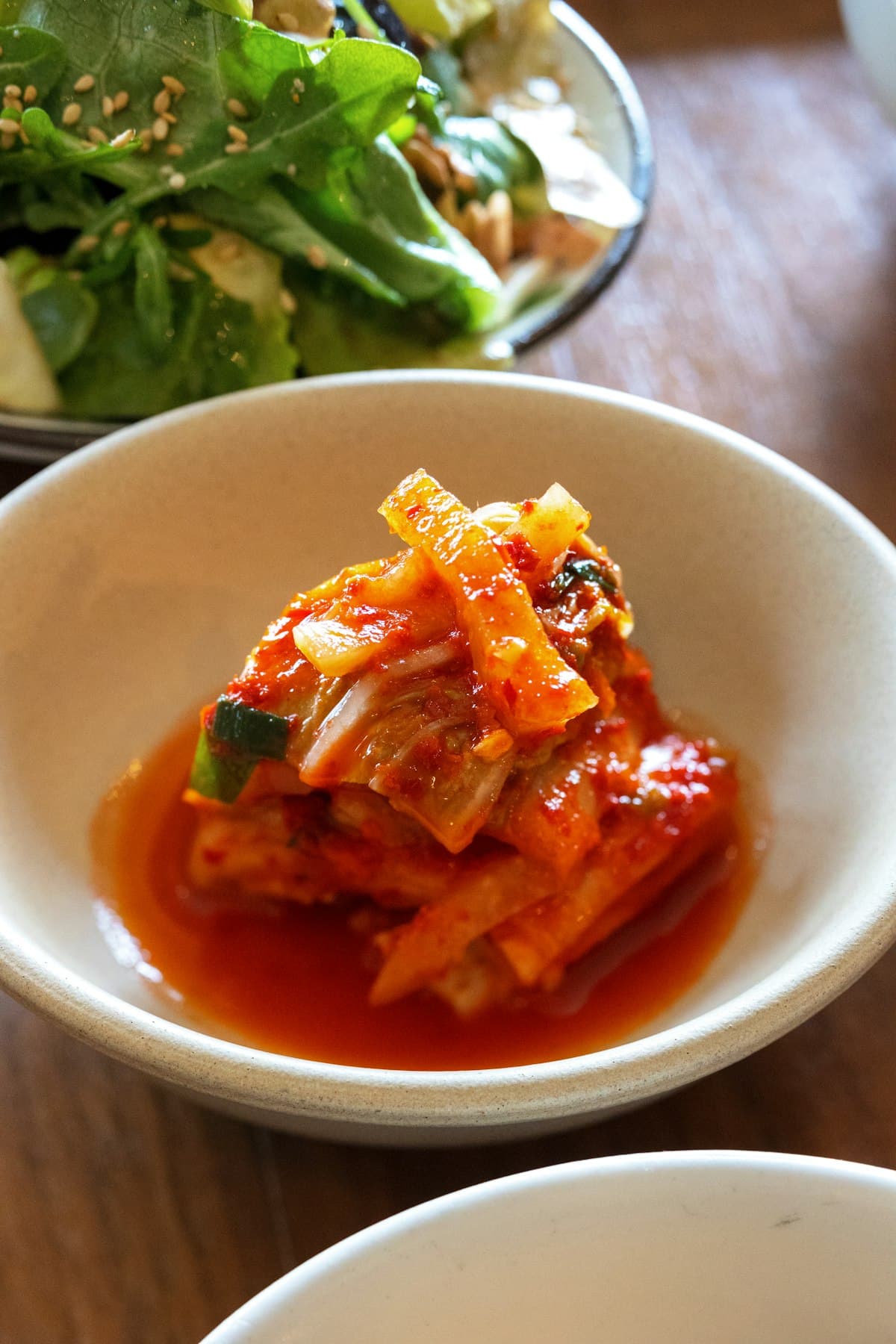
Kkakdugi (Radish Kimchi)
The salt-draw and sugar-balance technique behind kkakdugi, and why cube size determines how it ferments.