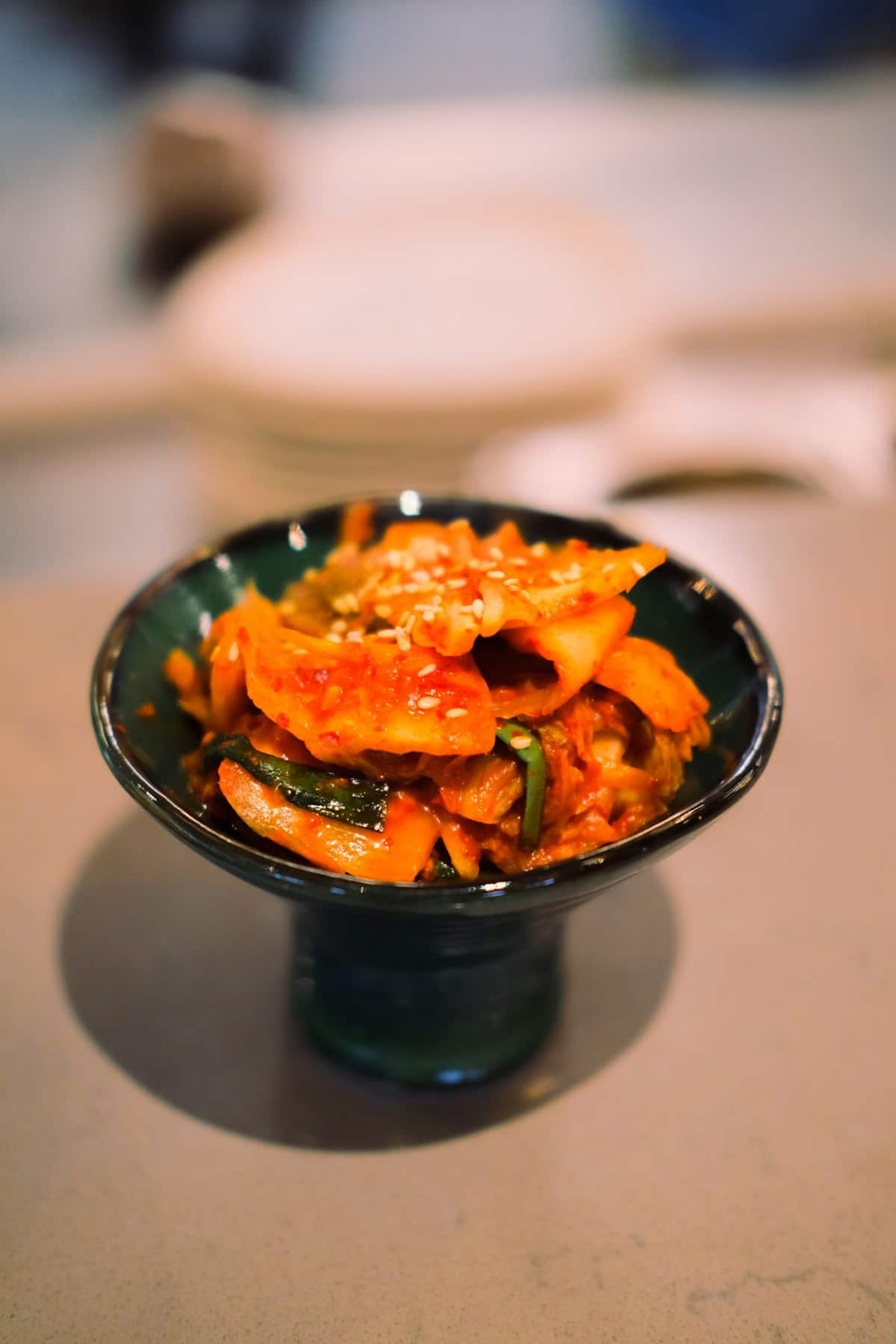
Steps
- 1
Cut each cucumber into 2-inch sections.
- 2
Slice each section lengthwise into 3-4 slits, stopping about half an inch from the bottom so it stays intact.
- 3
Rub salt over the cucumbers and inside the slits, then let sit 15-20 minutes to draw out liquid.
- 4
Rinse briefly and pat dry.
- 5
Mix the radish or carrot, green onion, gochugaru, fish sauce, garlic, sugar, and ginger into a paste-like filling.
- 6
Stuff the filling into the slits of each cucumber piece, pressing gently to fill each pocket.
- 7
Pack into a container and let sit at room temperature for a few hours, or refrigerate right away for a milder result.
- 8
Best eaten within a few days, while the cucumber is still crisp.
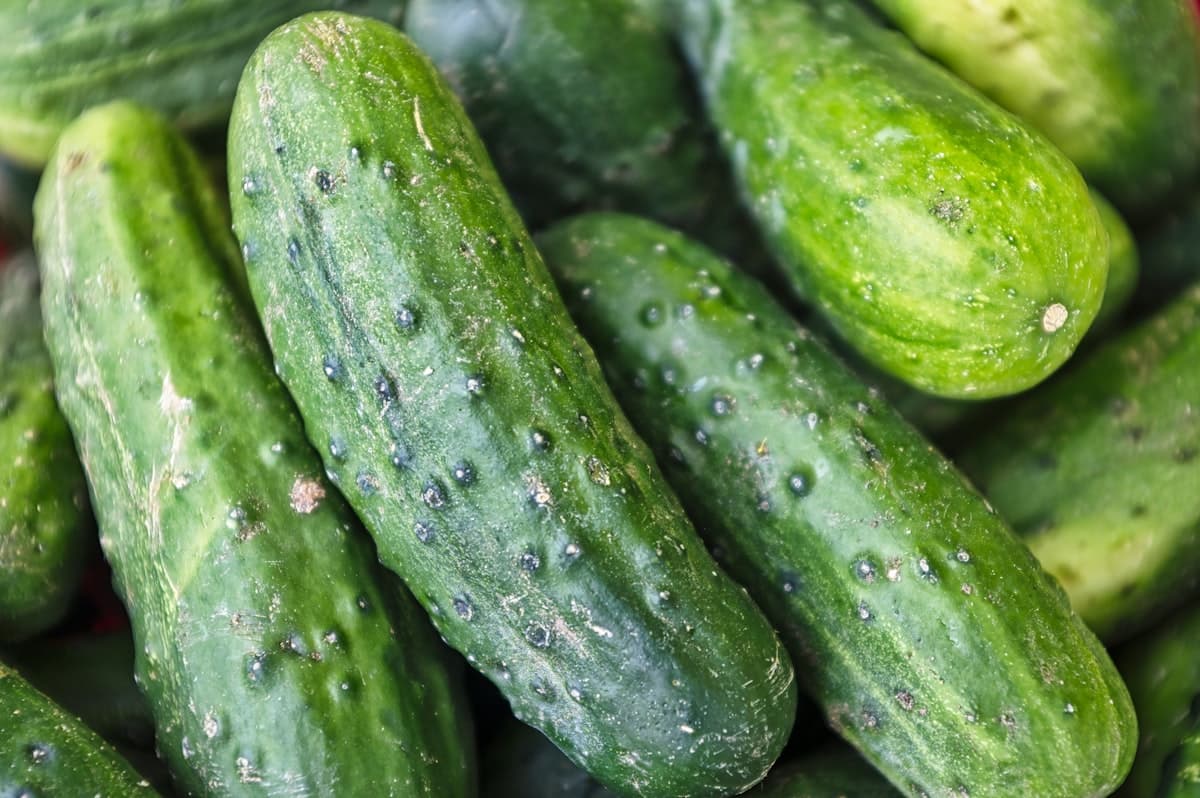
Did you know — Korean culture
Oi sobagi's name is a literal description of the technique. "Oi" means cucumber, and "sobagi" comes from "so" (stuffing) combined with a word evoking pants or trouser legs — a nod to how the cucumber is sliced into slits resembling pant legs before the spicy filling is stuffed inside each pocket. It's one of the more visually self-explanatory names in Korean cooking once you know what to look for.
Stopping the slits half an inch from the bottom is the detail that keeps this dish from falling apart. Cut all the way through and the cucumber splits into loose strips instead of holding together as stuffable pockets — the uncut base is what keeps each piece intact while still opening up enough to pack filling inside.
Unlike napa cabbage kimchi, oi sobagi isn't meant for long fermentation. Cucumber has a high water content and a delicate texture that turns mushy and loses its crunch if it sits too long, so this is a kimchi meant to be eaten within days, not weeks.
The name is a literal description of the technique once you know what to listen for. "Oi" means cucumber, and "sobagi" comes from "so" (stuffing) combined with a word evoking pants or trouser legs — a nod to how the cucumber is sliced into slits resembling pant legs before the spicy filling gets stuffed inside each pocket. It's one of the more visually self-explanatory names in Korean cooking.
Troubleshooting
Cucumber pieces falling apart? The slits probably went all the way through. Leave that half-inch of uncut base at the bottom to hold everything together.
Cucumber turning mushy after a day or two? That's expected past its short window — this kimchi is meant to be eaten fresh, not aged like napa kimchi.
Filling not staying in the slits? Pat the cucumber fully dry after rinsing off the salt — residual water keeps the paste from clinging properly.
Recommended products
- Small Korean or Kirby cucumbers
- Gochugaru
More to cook
All Fermented & Pickled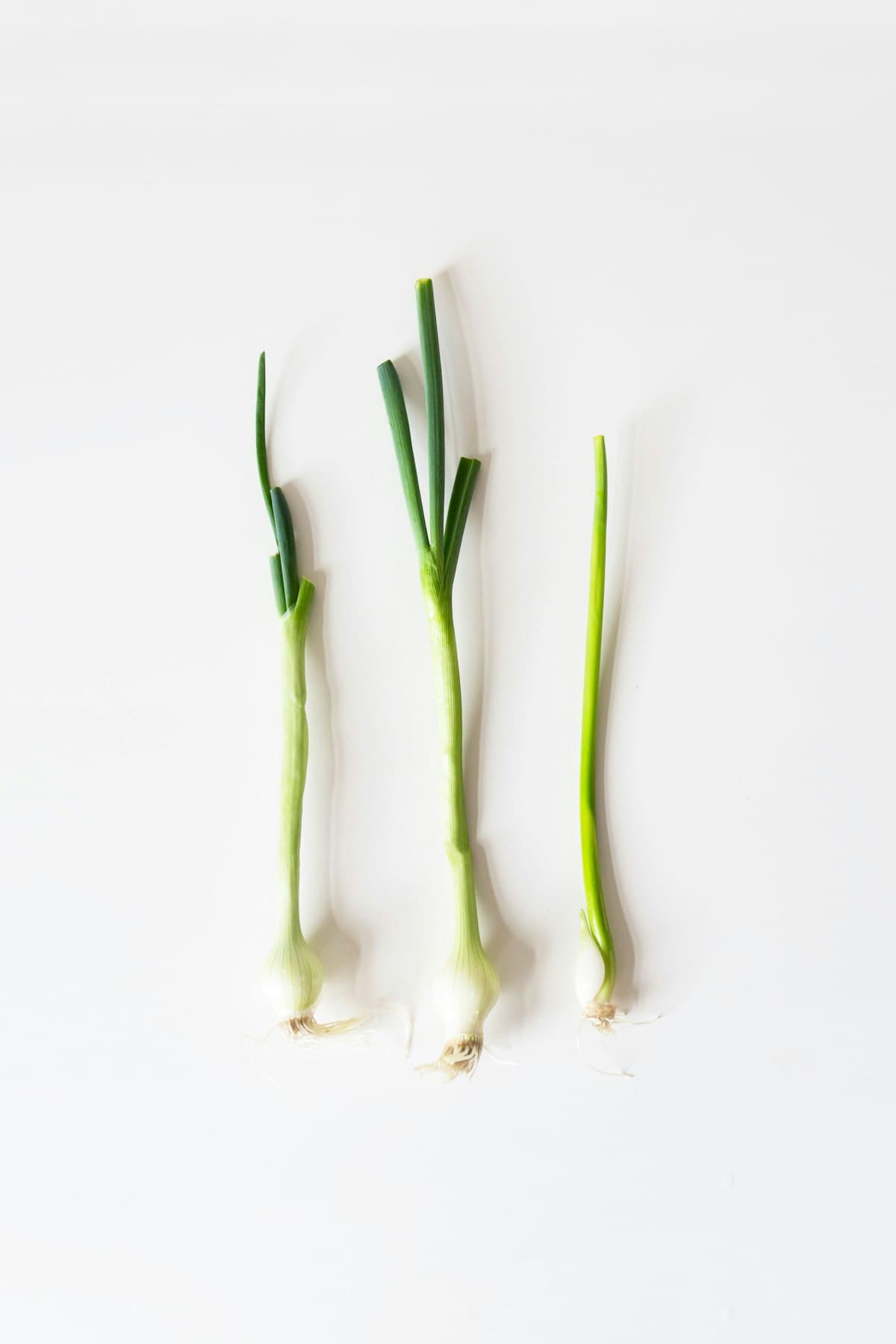
Pa Kimchi (Green Onion Kimchi)
The whole-scallion coating technique behind pa kimchi, and why thinner scallions ferment more evenly than thick ones.
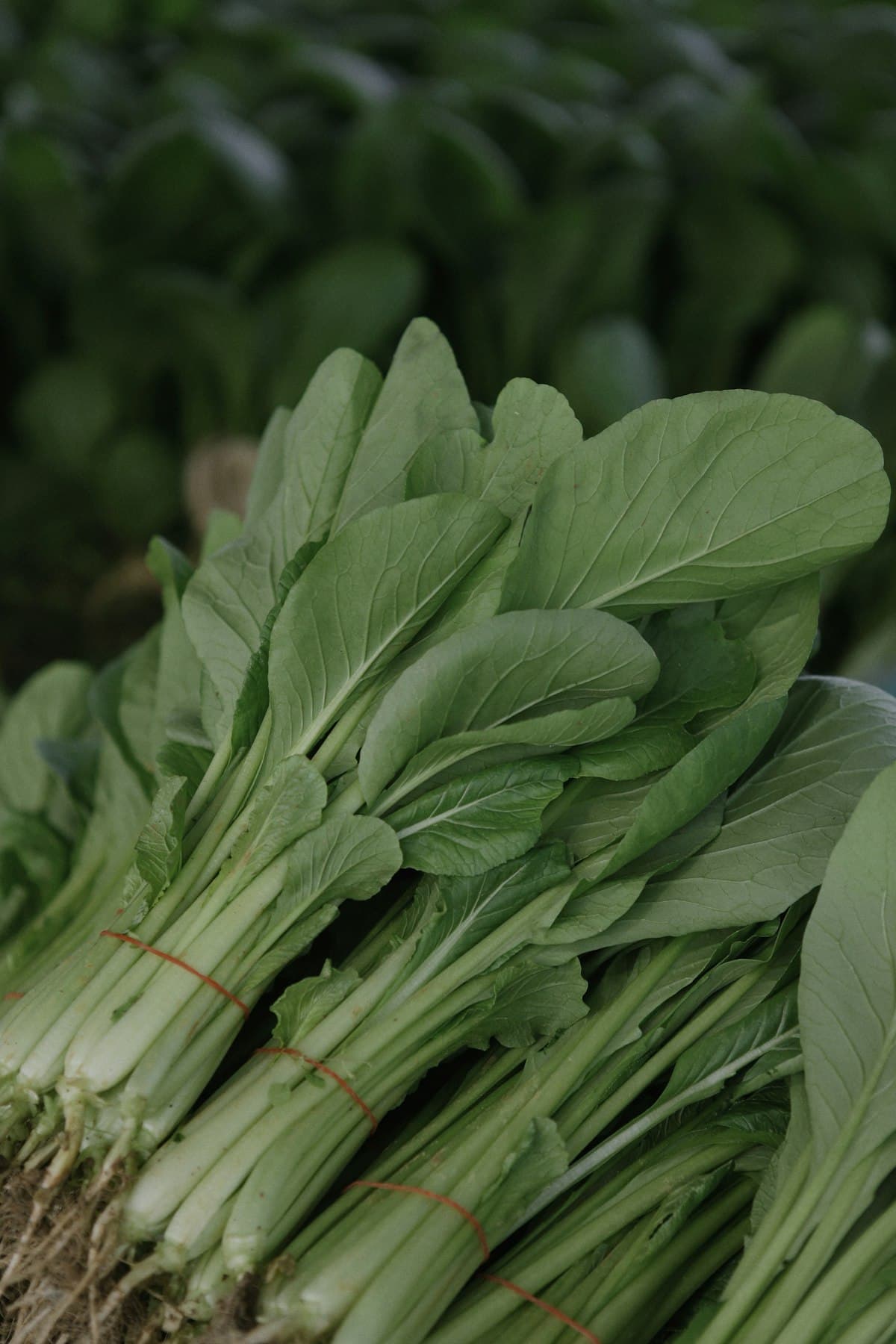
Yeolmu Kimchi (Young Radish Kimchi)
The quick-ferment technique behind yeolmu kimchi, and why it's treated more like a fresh side dish than a long-aged one.
Baek Kimchi (White Non-Spicy Kimchi)
The fruit-and-nut brine technique behind baek kimchi, and how to get real fermented depth without any chili at all.