Steps
- 1
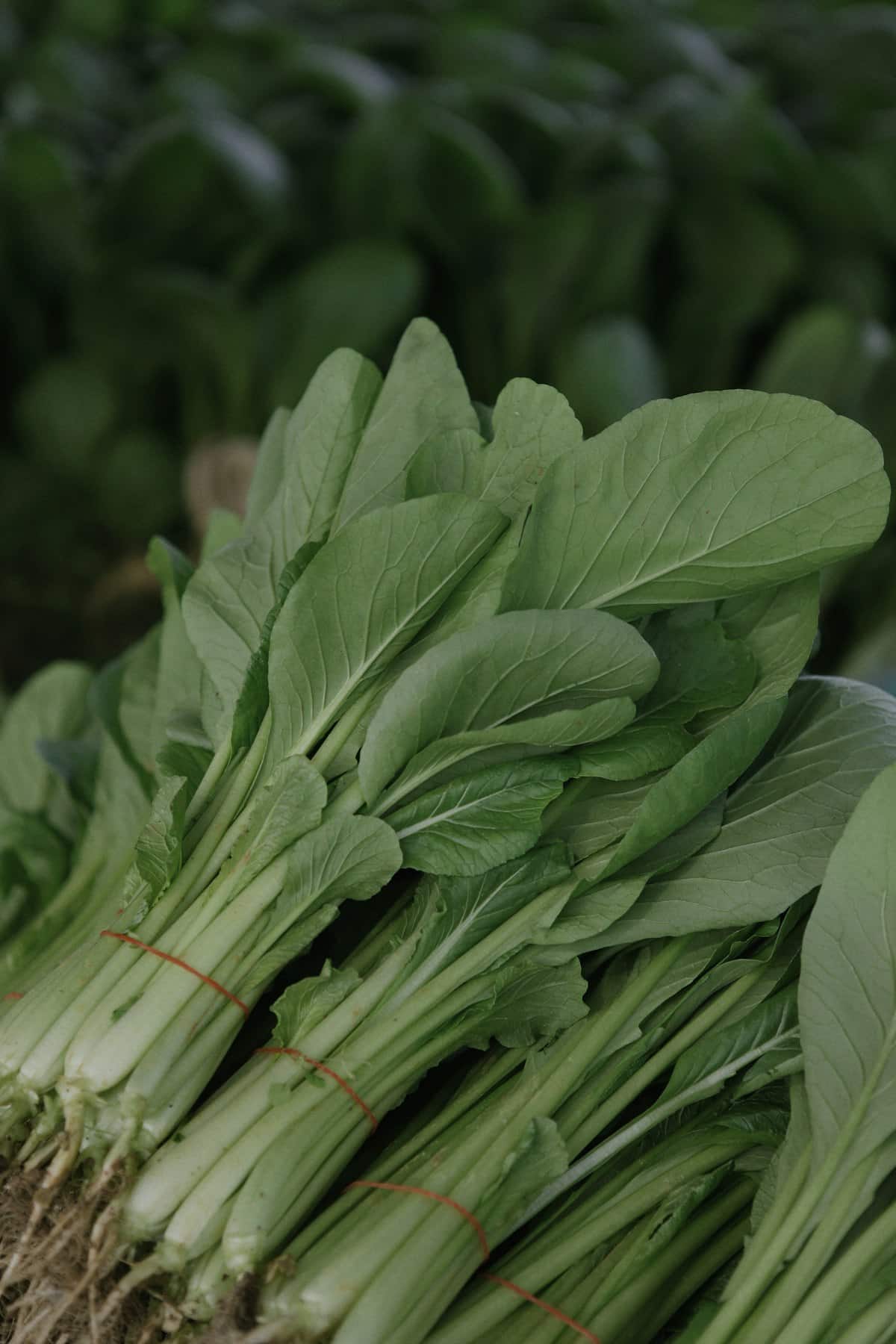
Salt the yeolmu and let sit 30-40 minutes, turning once, until the stems soften slightly.
- 2
Rinse briefly and drain well.
- 3
Whisk the rice flour into the water and simmer until it thickens into a thin porridge, then let cool.
- 4
Combine the cooled porridge with gochugaru, fish sauce, garlic, ginger, and sugar into a sauce.
- 5
Toss the drained yeolmu gently with the sauce, coating the leaves and stems evenly.
- 6
Fold in the green onions.
- 7
Pack loosely into a container — don't compress the leaves too tightly.
- 8
Ferment at room temperature 1 day, then refrigerate. Best eaten within a week.
Did you know — Korean culture
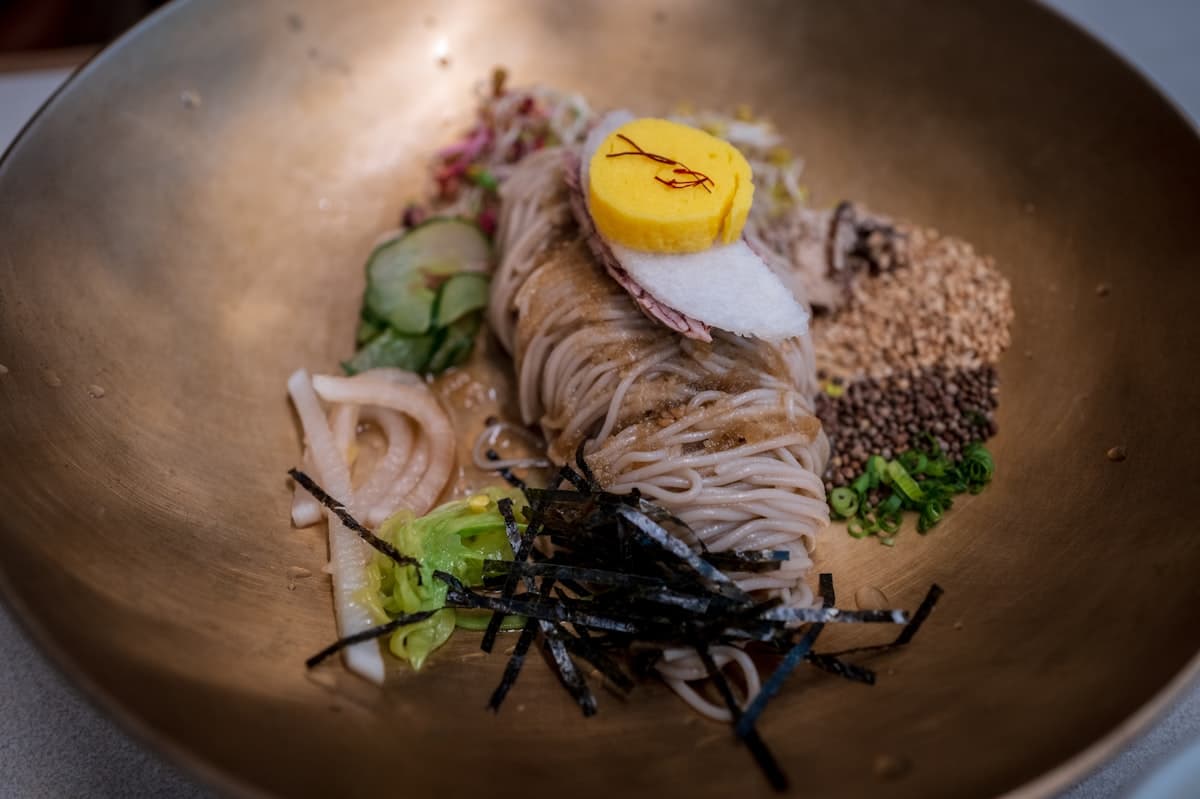
Yeolmu kimchi is one of the few kimchis meant to be eaten almost immediately rather than aged for weeks. The young radish greens are tender and don't hold up well to long fermentation, so most households make it in small batches and eat it within days — often tossed directly with cold noodles like bibim guksu or kongguksu in summer, treated more like a fresh salad component than a traditional long-fermented side dish.
Handling yeolmu gently matters more here than with most kimchi. The greens are tender and bruise easily, so tossing them roughly with the sauce or packing them down too hard in the container breaks the leaves apart and turns the texture mushy well before fermentation even starts.
The thin rice-flour porridge base isn't for thickness alone — it gives the fermentation something to work with quickly, which matters because this kimchi is meant to be ready fast, not aged for weeks like napa cabbage kimchi.
Yeolmu kimchi is one of the few kimchis meant to be eaten almost immediately rather than aged for weeks. The young radish greens are tender and don't hold up well to long fermentation, so most households make it in small batches and eat it within days — often tossed directly with cold noodles like bibim guksu or kongguksu in summer, treated more like a fresh salad component than a traditional long-fermented side dish.
Troubleshooting
Leaves turning mushy and limp? They were probably over-salted or handled too roughly while mixing. Toss gently and don't over-salt past the point of softening the stems.
Kimchi lasting past a week without fully souring? That's fine — yeolmu kimchi is meant for quick eating regardless of exact fermentation speed, so don't force it to age longer just because it hasn't turned fully sour.
Sauce too thin to coat evenly? Let the rice-flour porridge cool and thicken fully before mixing it into the sauce — using it warm keeps it too loose to cling properly.
Recommended products
- Rice flour
- Gochugaru
More to cook
All Fermented & Pickled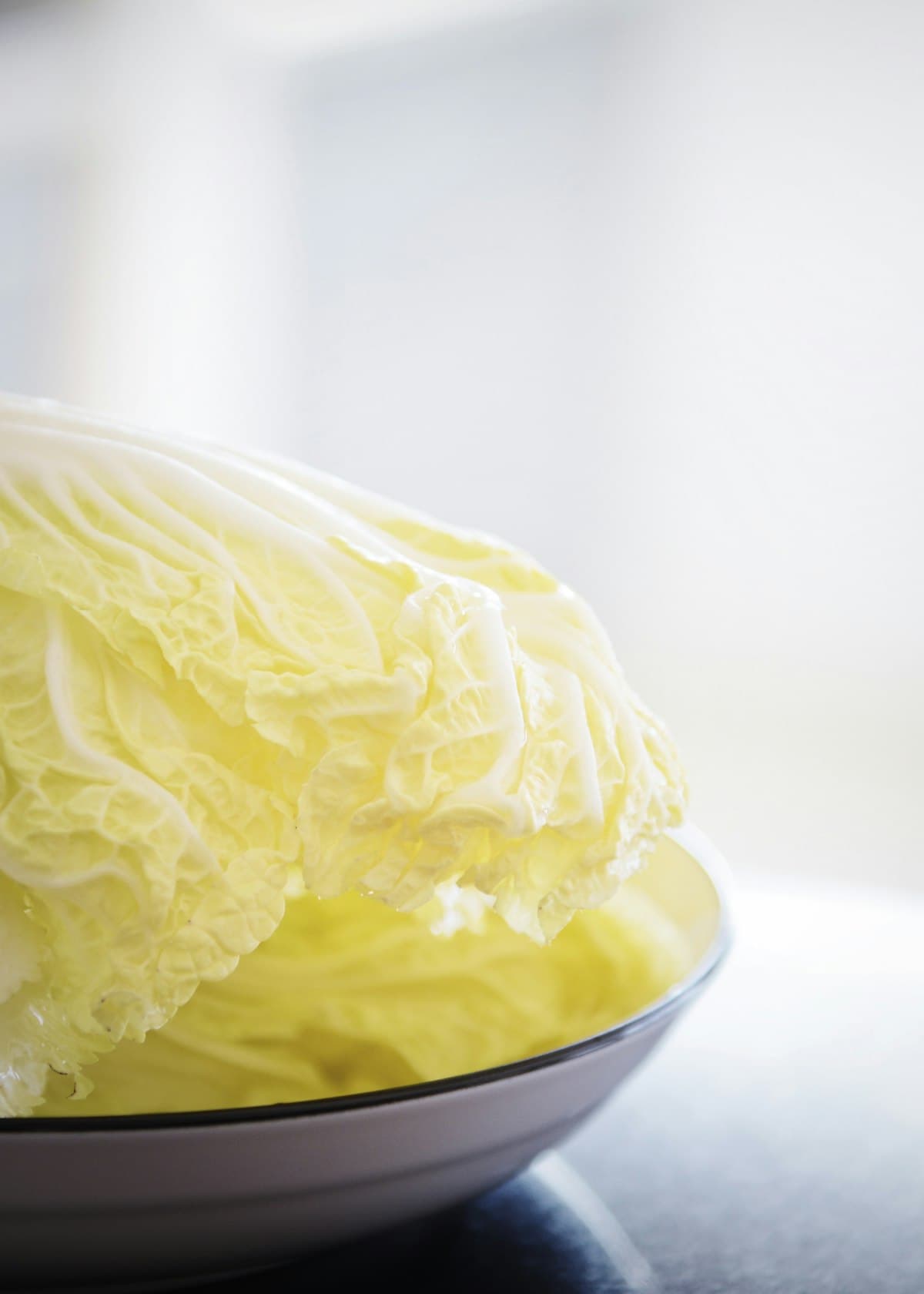
Baek Kimchi (White Non-Spicy Kimchi)
The fruit-and-nut brine technique behind baek kimchi, and how to get real fermented depth without any chili at all.
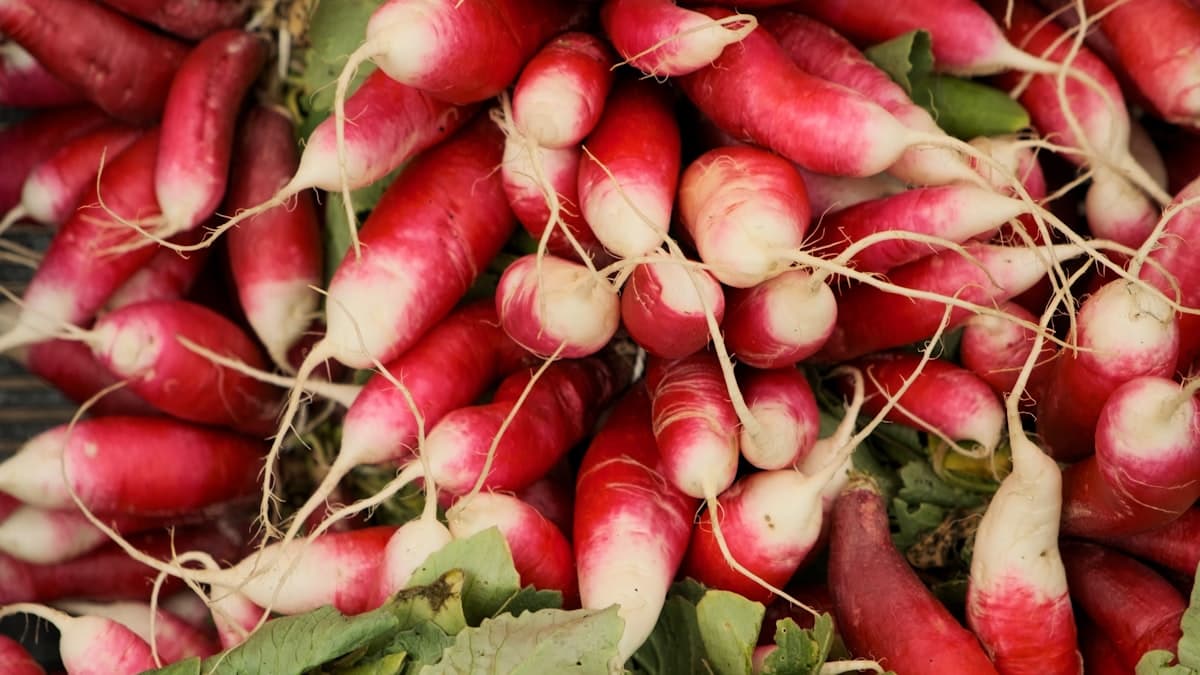
Chonggak Kimchi (Ponytail Radish Kimchi)
The whole-radish brining technique behind chonggak kimchi, and why the greens matter as much as the root.
Dongchimi (Watery Radish Kimchi)
The salt-brine technique behind dongchimi's clear, tangy liquid, and why patience matters more than any single ingredient.