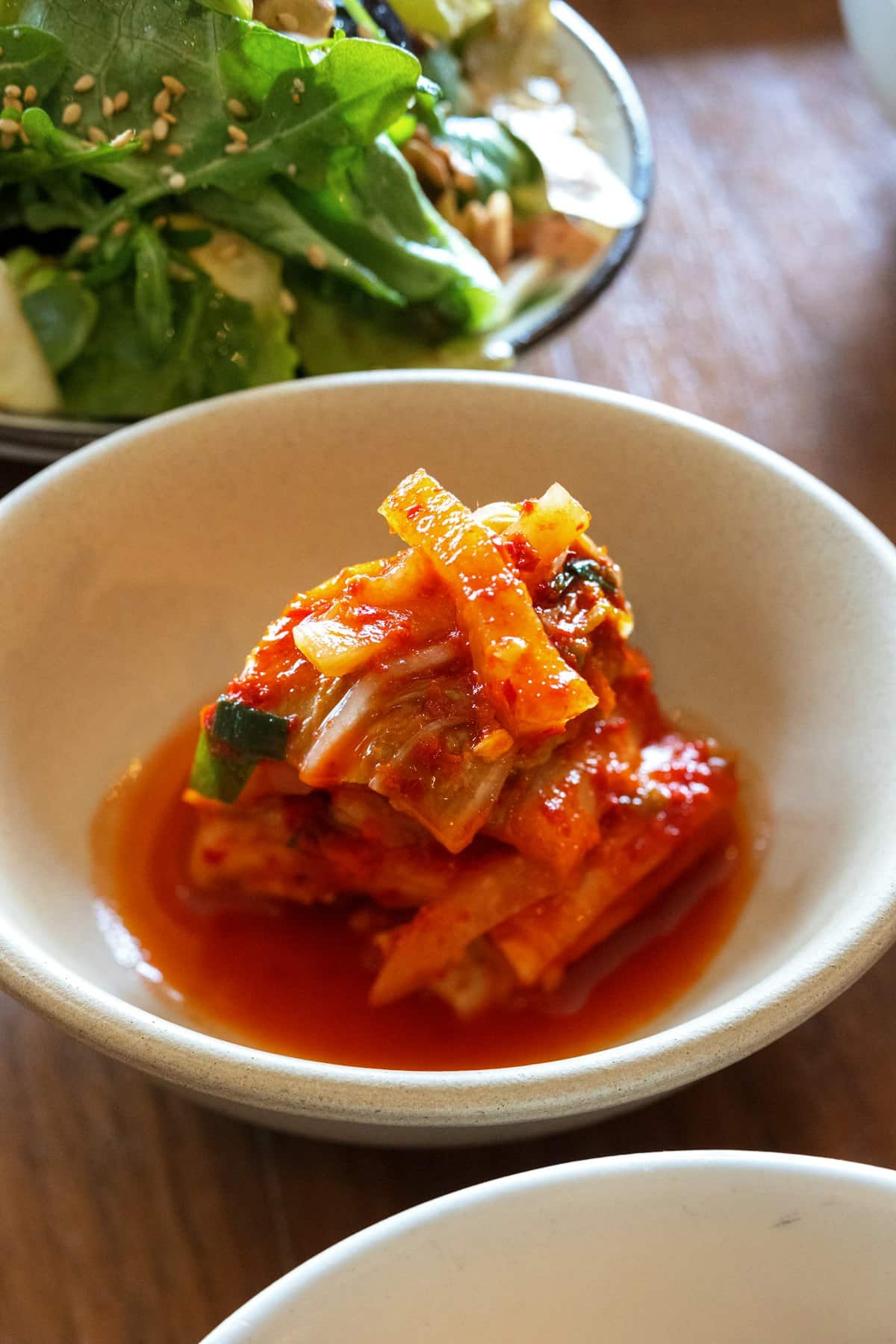
Steps
- 1
Toss the radish cubes with salt and sugar, and let sit 20-30 minutes until they release visible liquid.
- 2
Drain the radish, reserving a couple tablespoons of the liquid.
- 3
Whisk together gochugaru, fish sauce, shrimp, garlic, ginger, and the reserved liquid into a paste.
- 4
Toss the drained radish cubes with the paste until every piece is evenly coated.
- 5
Fold in the green onions.
- 6
Pack into a clean jar, pressing down to remove air pockets.
- 7
Leave at room temperature 1 day to start fermenting, then refrigerate.
- 8
Best after 3-4 days, though it keeps developing flavor for weeks.
Did you know — Korean culture
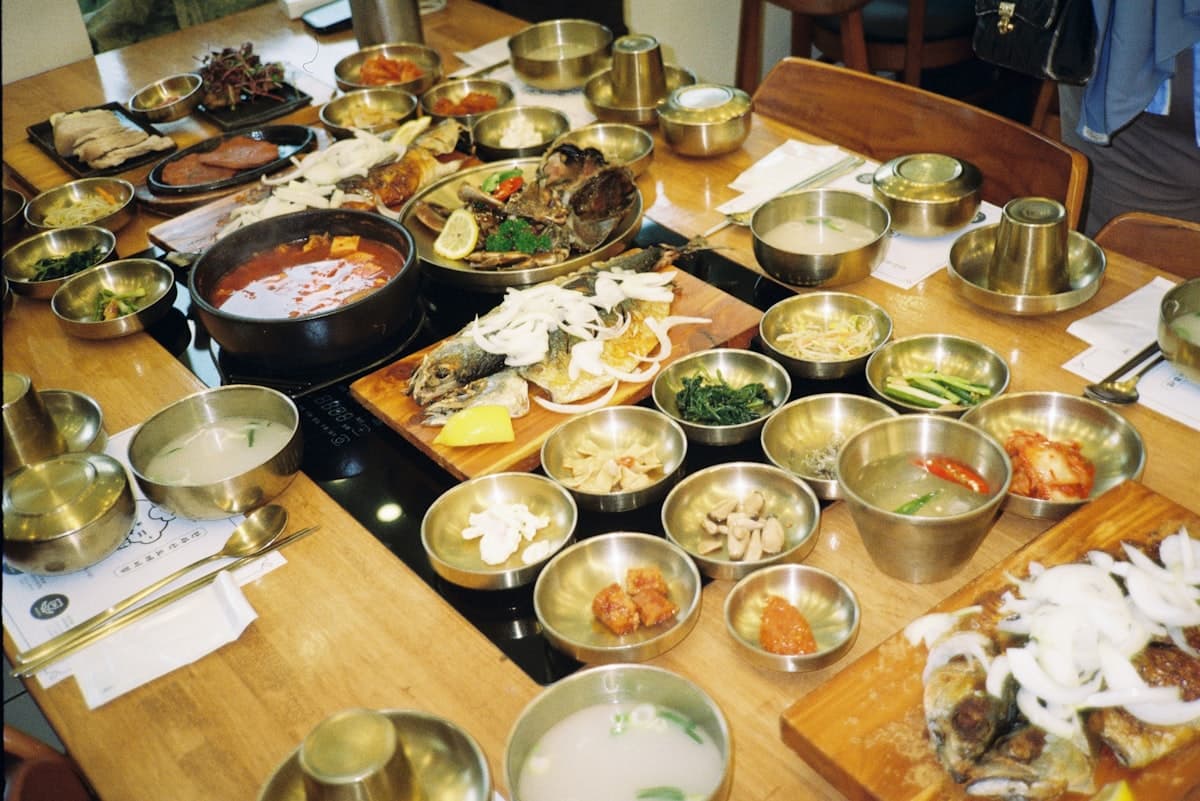
Kkakdugi and seolleongtang are one of Korean food's most reliable default pairings, to the point that ordering one without the other feels incomplete. The crunchy, sharp bite of the radish cuts through the mild, milky broth in a way softer napa kimchi doesn't — plain broth needs that contrast, and generations of seolleongtang restaurants have served the two together long enough that the combination reads as a single dish in most people's minds.
Salting the radish before anything else isn't about seasoning — it's pulling excess water out of the cubes so the finished kimchi doesn't turn watery and dilute the paste. Skipping this step or rushing it means the sauce slides right off instead of clinging to each cube.
Cube size actually changes how kkakdugi ferments, not just how it looks. Smaller cubes ferment faster and turn tangy sooner; larger ones hold a firmer bite longer into the fermentation. Three-quarters of an inch is the standard because it balances both — enough crunch, without dragging fermentation out too long.
Kkakdugi and seolleongtang are one of Korean food's most reliable default pairings, to the point that ordering one without the other feels incomplete. The radish's crunchy, sharp bite cuts through the mild, milky broth in a way softer napa kimchi doesn't quite manage, and generations of seolleongtang restaurants serving the two together have made the combination read as practically one dish.
Troubleshooting
Kimchi tastes watery instead of concentrated? The radish wasn't salted and drained long enough before the paste went on.
Sauce not sticking to the cubes? Make sure the radish is well-drained, not just rinsed — residual water dilutes the paste and keeps it from clinging.
Fermenting too slowly in the fridge? That's expected — the room-temperature day is what kickstarts fermentation; the fridge afterward just slows it to a manageable pace.
Recommended products
- Fermentation jar
- Gochugaru and fermented shrimp
More to cook
All Fermented & Pickled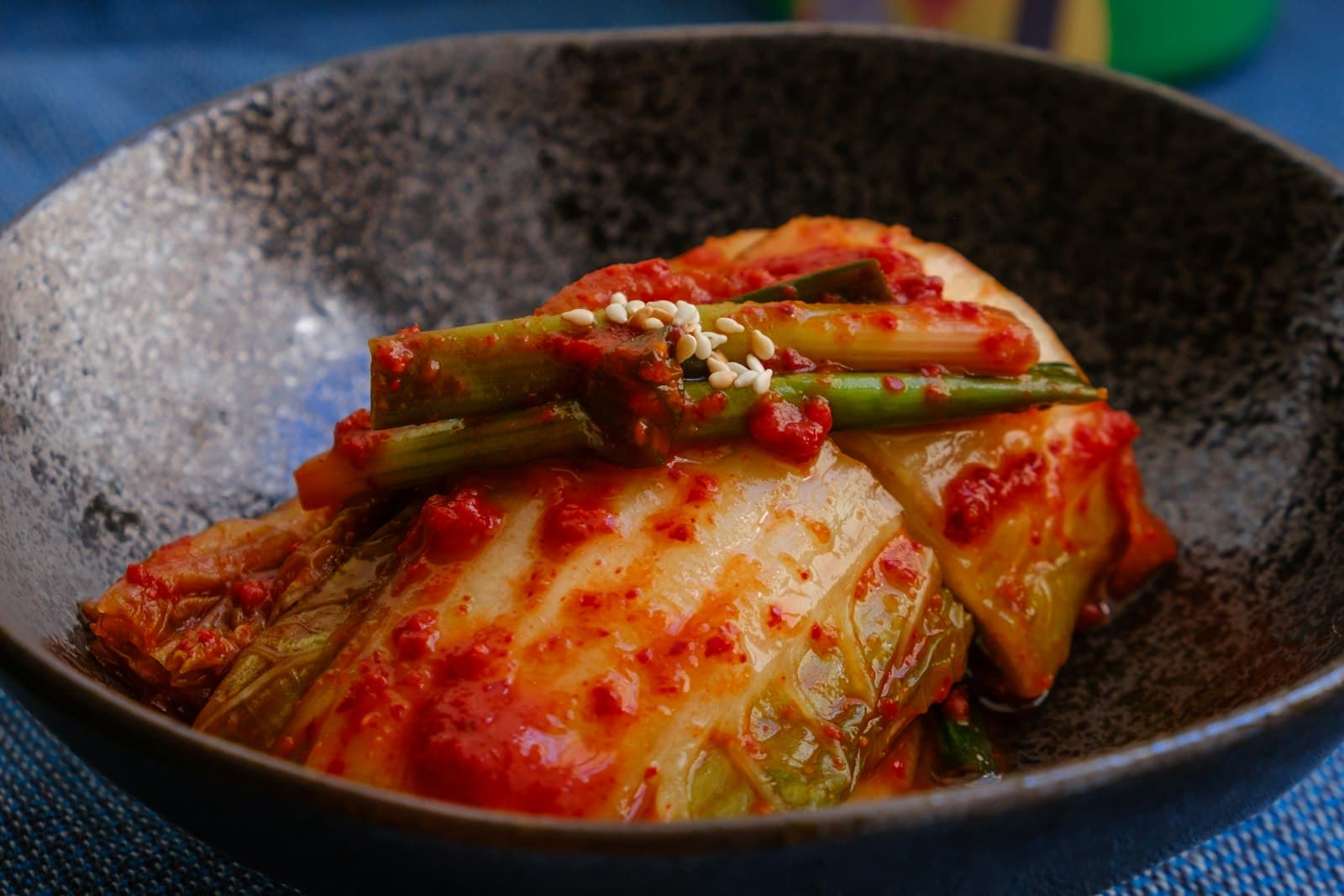
Napa Cabbage Kimchi (Baechu Kimchi)
The napa cabbage kimchi recipe people actually picture when they hear the word — brining, paste, and fermentation timing explained so it works the first time.
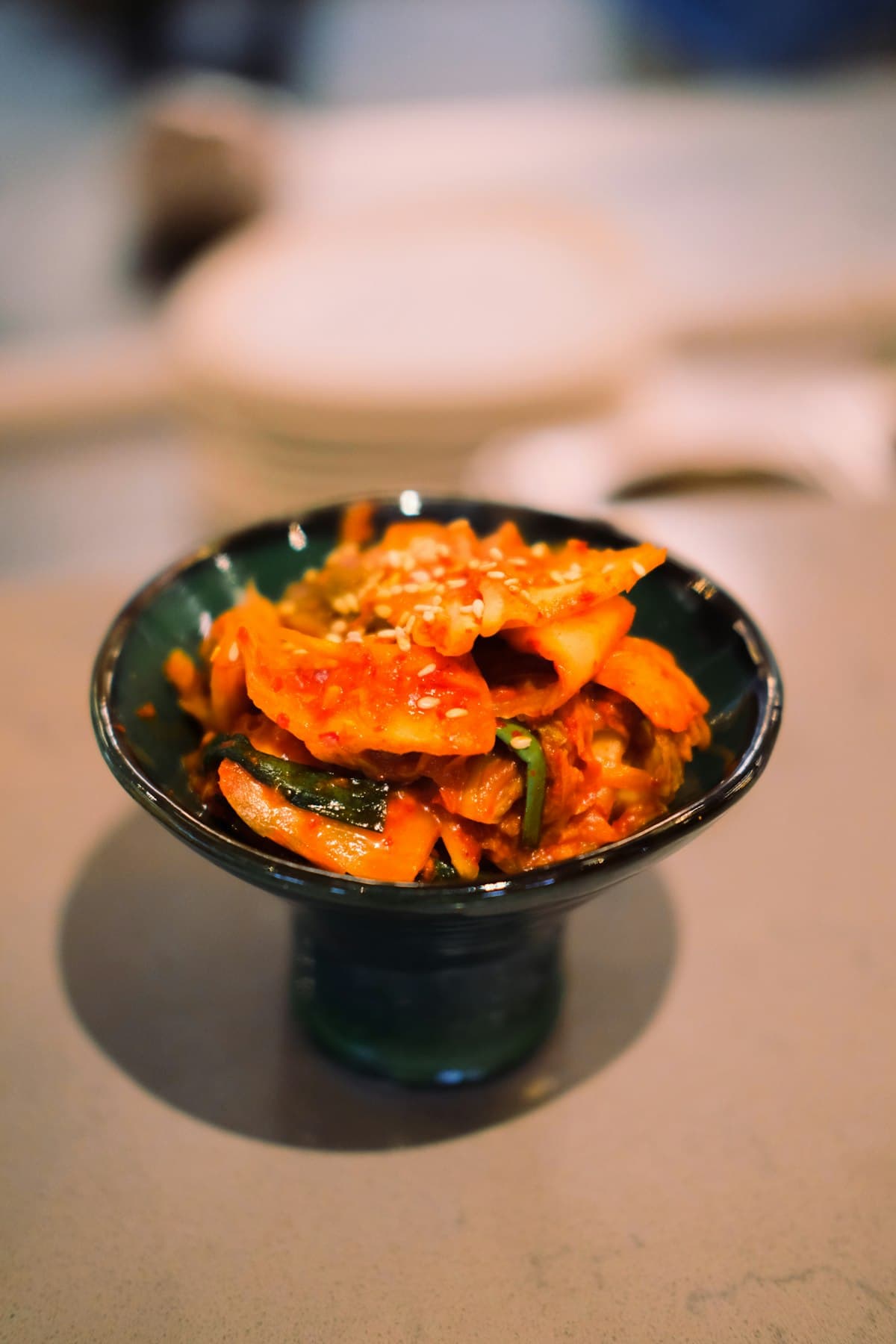
Oi Sobagi (Cucumber Kimchi)
The slit-and-stuff technique behind oi sobagi, and why this kimchi is best eaten fresh rather than long-fermented.
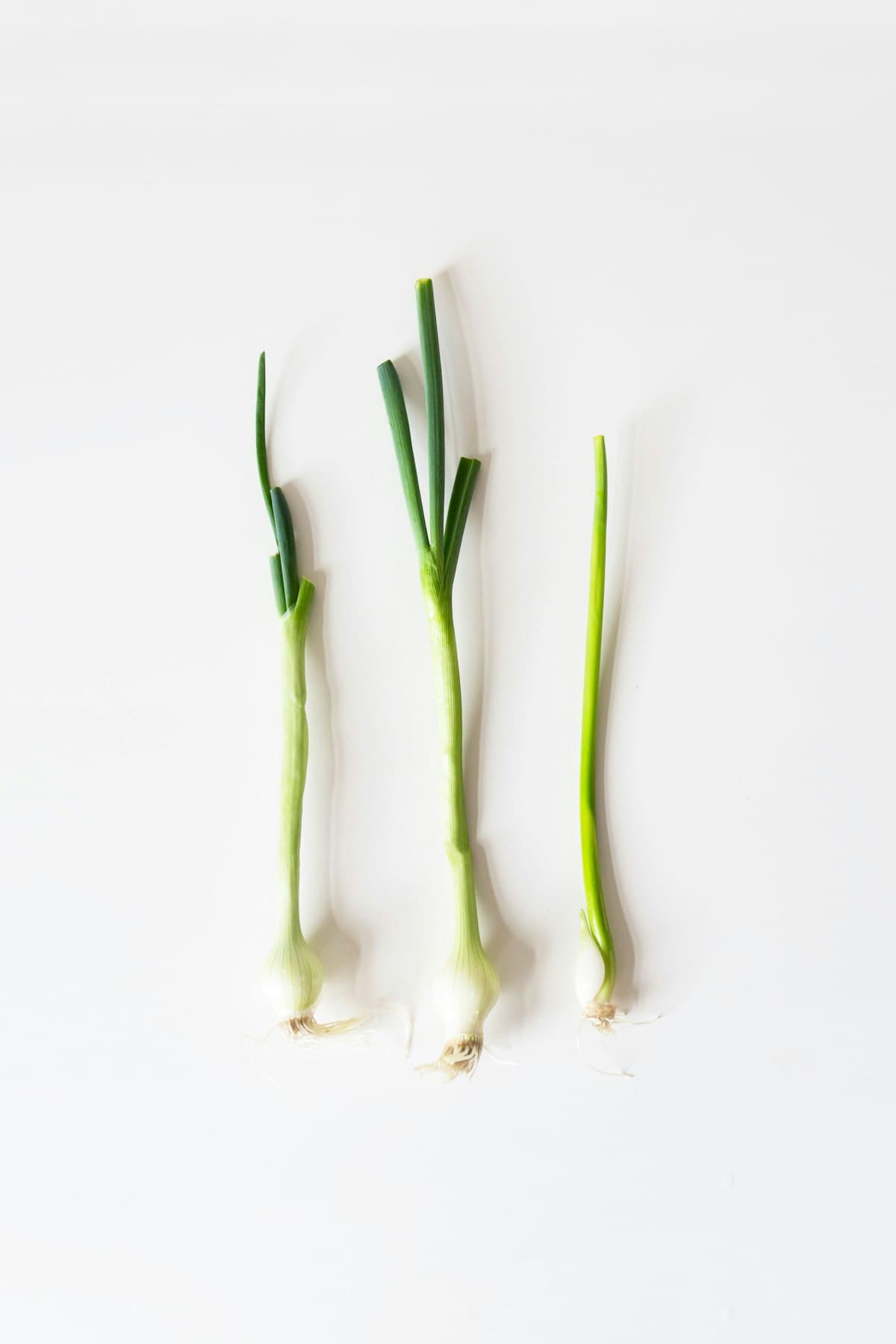
Pa Kimchi (Green Onion Kimchi)
The whole-scallion coating technique behind pa kimchi, and why thinner scallions ferment more evenly than thick ones.