Steps
- 1
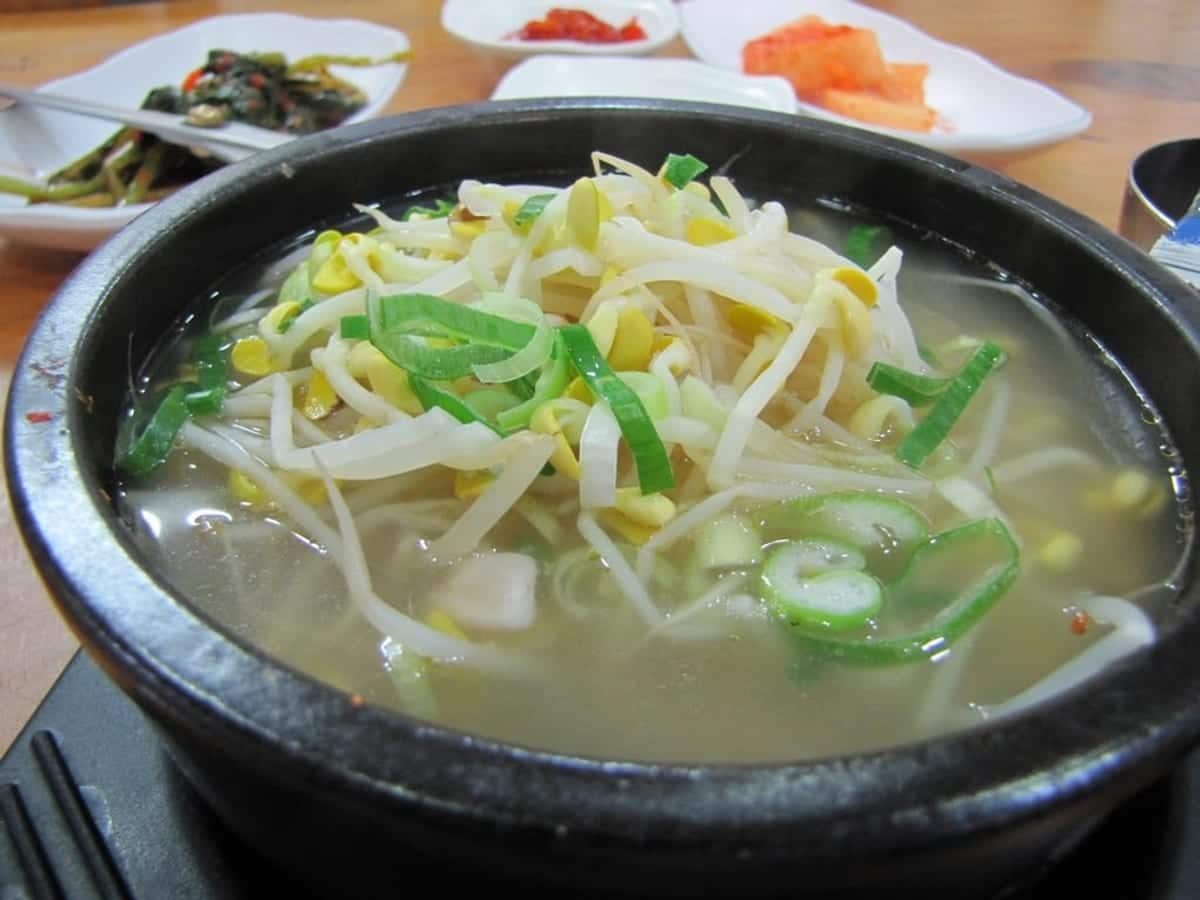
Bring the stock to a boil and add the bean sprouts.
- 2
Put the lid on and leave it on - do not lift it - for 5 minutes.
- 3
Season with garlic, saeujeot and gochugaru and simmer 5 more minutes.
- 4
Put a portion of cooked rice into each serving bowl.
- 5
Ladle the hot soup and sprouts over the rice.
- 6
Crack in an egg if using and let the residual heat set it.
- 7
Top with green onion and crumbled seaweed.
- 8
Serve immediately while the sprouts still have snap.

Did you know — Korean culture
Kongnamul gukbap is claimed hard by one city. Jeonju, in North Jeolla, treats it as a local institution - there are restaurants there that have served essentially nothing else for generations, and the city's version has its own conventions about whether the egg goes into the soup or is served on the side. It is also, reliably, what gets eaten the morning after a heavy night.
There is one rule with bean sprouts and it sounds like superstition until you break it. Either keep the lid on the whole time or leave it off the whole time - do not lift it partway. Bean sprouts release a raw, beany smell as they heat, and a pot opened mid-cook traps that half-released aroma in the broth. Committed to one or the other, the soup comes out clean.
Rice goes into the bowl, not the pot. Simmering rice in the broth turns the whole thing to porridge and clouds it; ladling clear soup over already-cooked rice keeps the grains separate and the liquid clean. That distinction is what makes it gukbap - soup-rice - rather than juk.
Timing is short and the sprouts are the reason. Ten minutes total is plenty; past that they go limp and lose the squeaky snap that is the entire textural point. If you are not eating immediately, pull the pot off the heat rather than holding it at a simmer.
Troubleshooting
Broth smelling raw and beany? The lid got lifted mid-cook. Commit to lid-on or lid-off from the start next time.
Sprouts gone limp? Overcooked. They need about 10 minutes total, and they keep cooking in a hot bowl.
Soup gone cloudy and thick? You cooked the rice in the broth. Cook it separately and pour the soup over.
Recommended products
- Korean pantry staples
More to cook
All Stews & Soups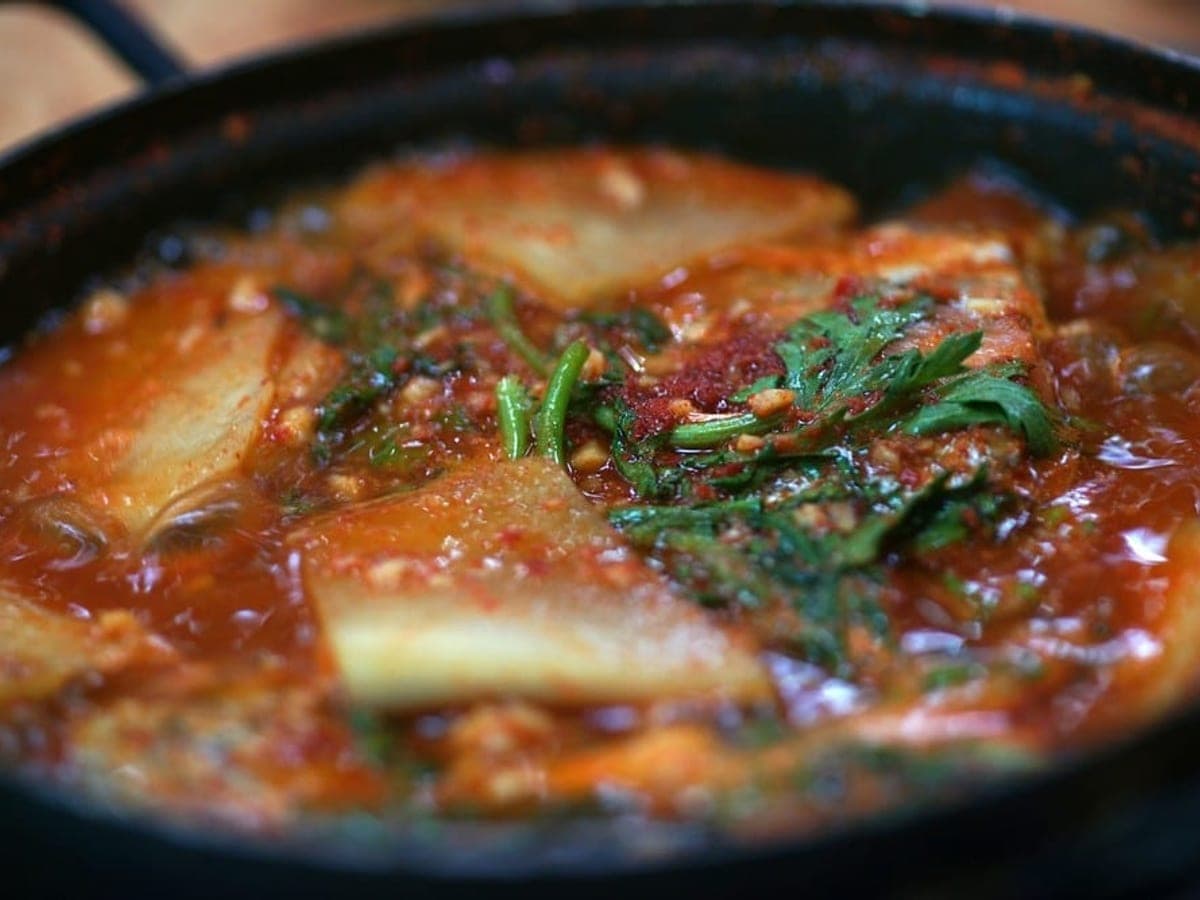
Maeuntang (Spicy Fish Stew)
Why maeuntang is built from the fish bones and head rather than the fillets, and why the fish goes in last and is never stirred once it does.
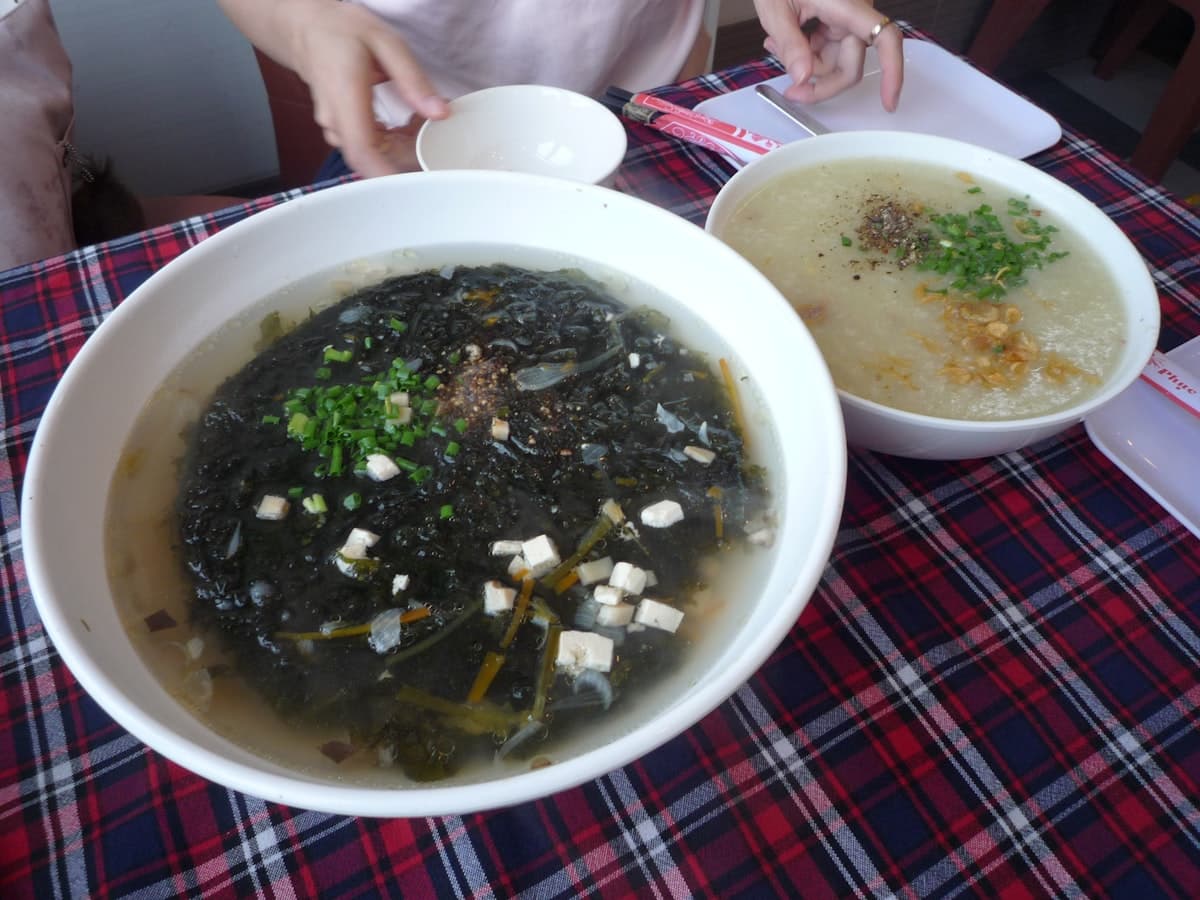
Miyeok-guk (Seaweed Soup)
The soak-and-sauté technique behind miyeok-guk, and why this simple soup is Korea's traditional birthday dish.
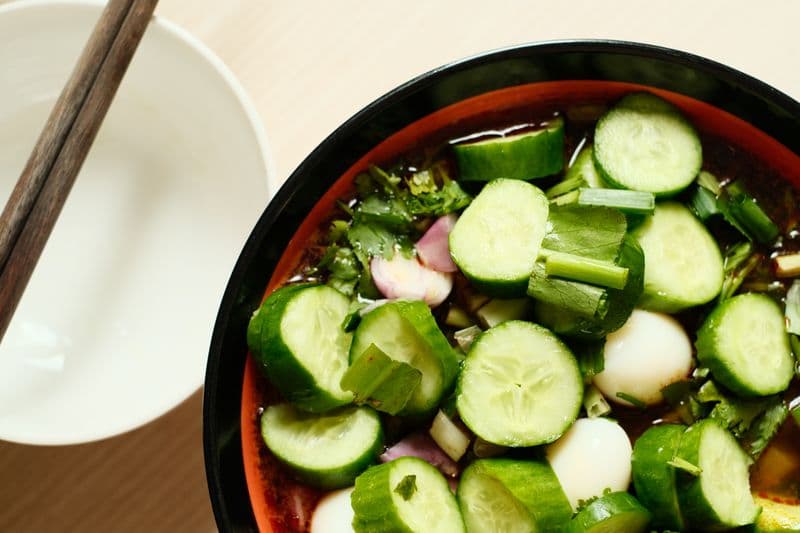
Oi Naengguk (Cold Cucumber Soup)
Why salting the cucumber first and chilling the broth separately is what keeps this summer soup crisp and cold instead of watered down.