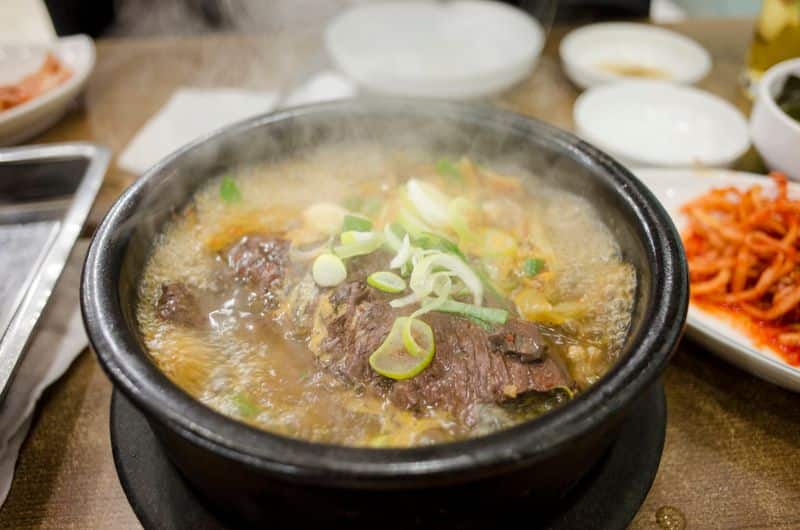
Steps
- 1
Heat sesame oil in a heavy pot over medium heat.
- 2
Add the sliced beef and stir-fry until it loses its raw color, 2-3 minutes.
- 3
Add the radish slices and continue stir-frying another 3-4 minutes, until the radish edges turn slightly translucent.
- 4
Add the garlic and soup soy sauce and stir for another minute.
- 5
Pour in the water and bring to a boil.
- 6
Reduce to a simmer, skimming off any foam, and cook 30 minutes until the radish is tender and translucent.
- 7
Season with salt and pepper, and add green onions just before serving.
Did you know — Korean culture
Korean cooking keeps a separate soy sauce just for soups — guk-ganjang, saltier and much paler than the regular kind — precisely so a broth can be seasoned properly without being stained brown. Swapping in regular soy sauce is the usual reason a homemade Korean soup comes out darker than it should.
Sauteing the beef and radish in sesame oil before any water goes in is the step that makes this soup taste like something rather than nothing. Beef dropped straight into water poaches — it gives up a little flavor and stays bland — while beef browned first in oil develops a savory depth that then dissolves into the broth. The radish gets the same treatment for the same reason.
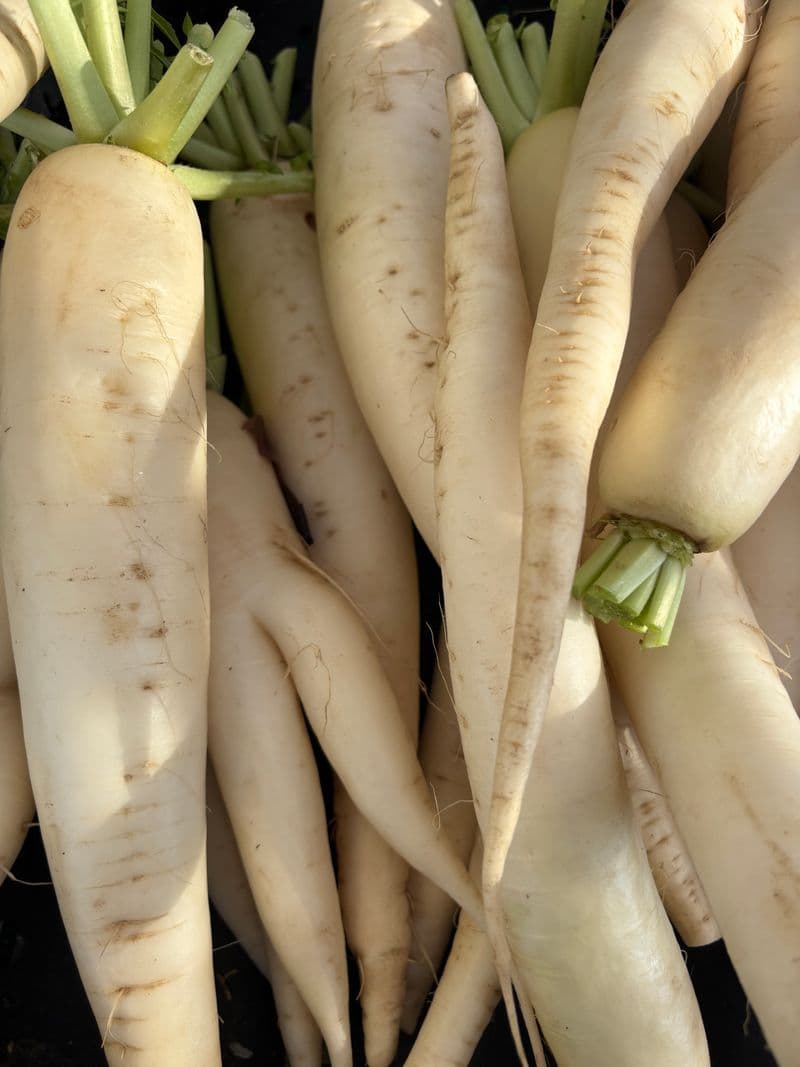
Cutting the radish thin and letting it cook until genuinely translucent matters too. Underdone radish stays sharp and peppery in a way that fights the beef; properly simmered, it turns sweet and almost melting, and that sweetness is a big part of what balances the soup's saltiness.
Soup soy sauce (guk-ganjang) rather than regular soy sauce is the traditional choice here, and it's not interchangeable — it's saltier and much lighter in color, so it seasons the broth without staining it brown. Using regular soy sauce gives a darker, heavier-looking soup than sogogi muguk is supposed to be.
Troubleshooting
Broth tastes thin and watery? The beef and radish almost certainly went in without being sauteed first — that browning step is where most of the flavor comes from.
Radish still sharp and crunchy? It needs longer at a simmer; it should turn translucent and tender, which is also when it turns sweet.
Soup darker than expected? Regular soy sauce was probably used instead of guk-ganjang, which seasons without darkening the broth.
Recommended products
- Heavy soup pot
- Soup soy sauce (guk-ganjang)
More to cook
All Stews & Soups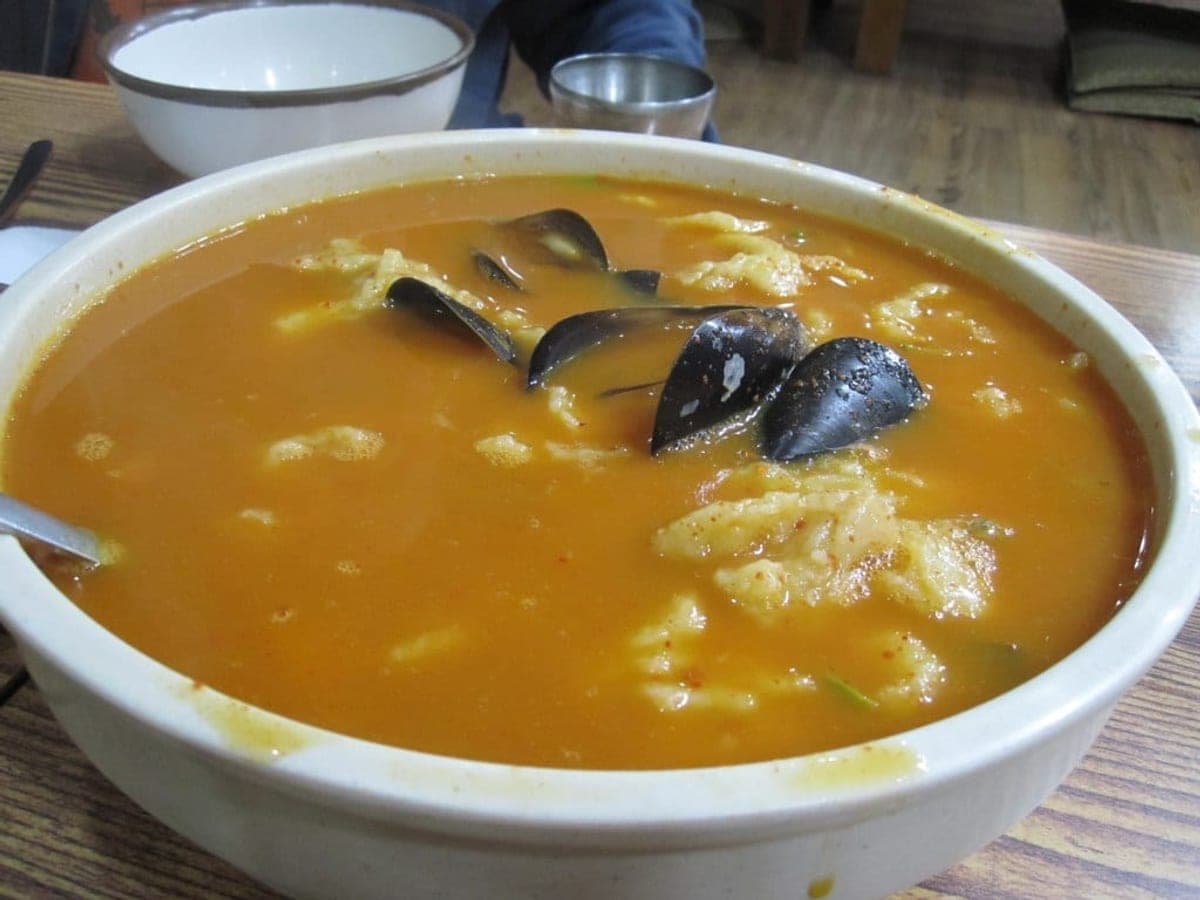
Sujebi (Hand-Torn Noodle Soup)
Why sujebi dough has to rest before it will tear thin, and why the pieces go into fully boiling broth one at a time instead of all at once.
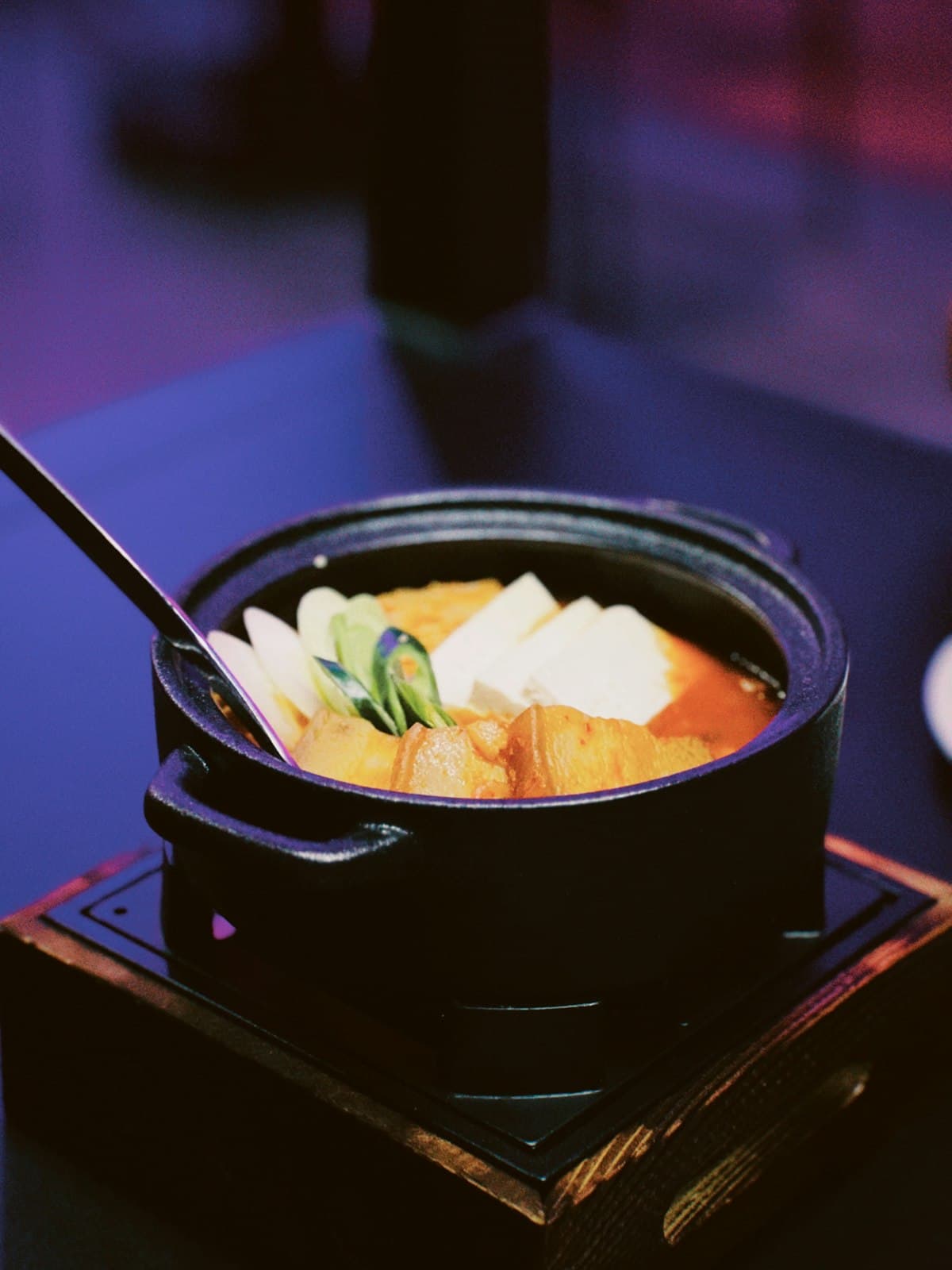
Sundubu Jjigae (Soft Tofu Stew)
Why this stew needs uncurdled silken tofu, not the firm kind, and the tableside egg trick that finishes it right at the table, not in the kitchen.
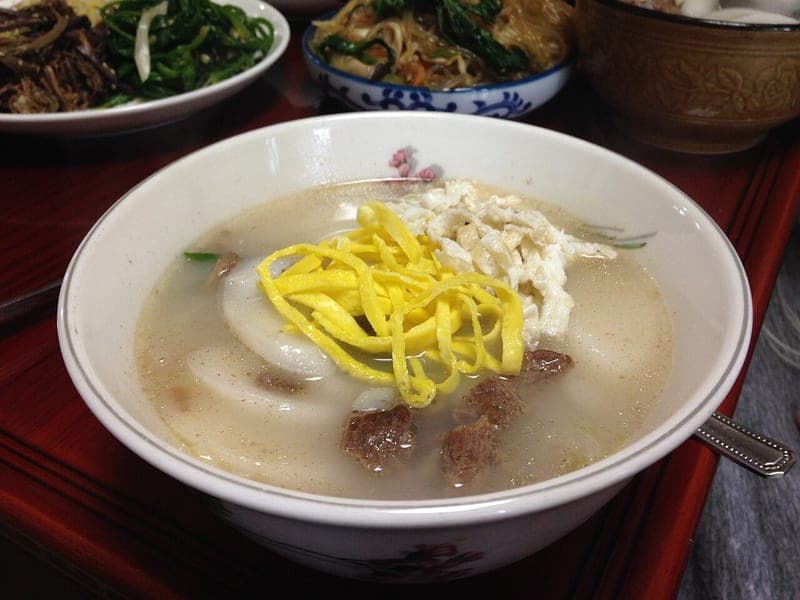
Tteok Guk (New Year's Rice Cake Soup)
Why the rice cakes need soaking before they hit the broth, and how a clear beef stock keeps this New Year's soup from turning cloudy and starchy.