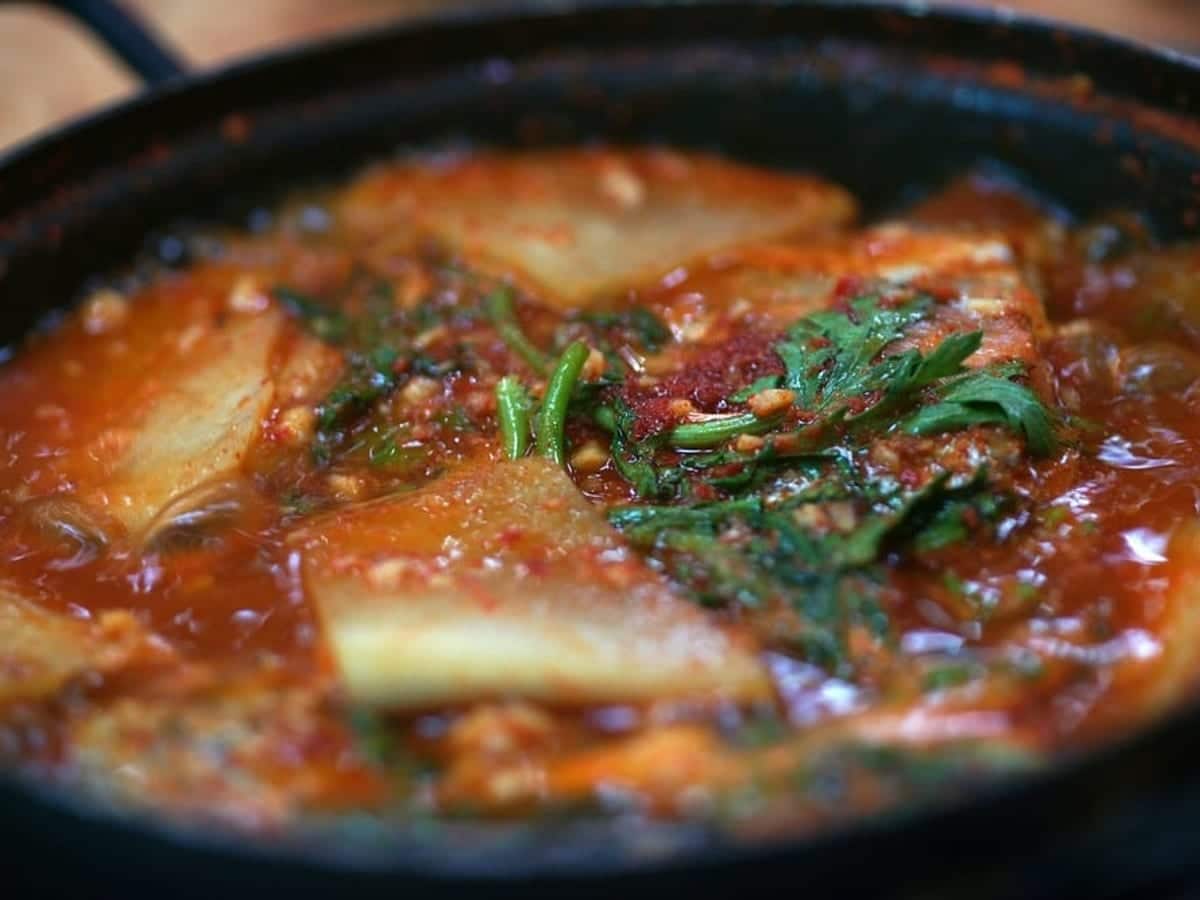
Photo: KOREA.NET - Official page of the Republic of Korea · CC BY-SA
Steps
- 1
Simmer the fish head and bones in the water 15 minutes to build a stock, then strain.
- 2
Return the stock to the pot and add the radish, simmering 10 minutes until translucent.
- 3
- 4
Add the onion and zucchini and simmer 5 minutes.
- 5
Lay the fish steaks on top of the liquid and do not stir.
- 6
Simmer 7-8 minutes until the flesh turns opaque and flakes.
- 7
Add tofu and chilies for the last 2 minutes.
- 8
Scatter crown daisy over the top just before serving.

Did you know — Korean culture
At Korean raw-fish restaurants, maeuntang is the second act. You eat the sliced fish first, and the kitchen takes the bones, head and trimmings to build this stew, which arrives at the end of the meal. Ordering hoe often means maeuntang is included rather than extra - the whole fish gets used, in sequence.
The stock is the dish. Fillets alone give you spicy water with fish in it; heads and bones simmered for a quarter of an hour give a broth with body and depth that the chili paste can sit on. If your fishmonger is filleting for you, ask for the frame.
Once the fish goes in, the spoon comes out. Cooked white fish holds together only until something disturbs it, and stirring turns steaks into shreds and clouds the broth with fragments. Lay the pieces on the surface, let them poach, and serve them intact.
Crown daisy at the end is not a garnish so much as a component. Its slightly bitter, herbal edge cuts through the chili in a way that green onion cannot, and it goes in at the very last moment because thirty seconds of heat is all it wants.
Almost any firm white fish works, and the choice matters less than the frame. Cod, pollock, snapper and monkfish are all traditional; oily fish like mackerel are not, because the oil fights the chili rather than sitting under it. Frozen fish is fine here — it goes into a broth, not onto a plate, and the texture difference disappears entirely once it has poached.
Troubleshooting
Broth thin and one-dimensional? You skipped the bone stock. Simmer the head and frame first, then strain.
Fish in shreds? Something stirred it. Add the fish last and leave it alone.
Too harsh? Gochugaru quantity varies wildly by brand. Start with less, taste once the radish has sweetened the broth, and build up.
Recommended products
- Korean pantry staples
More to cook
All Stews & Soups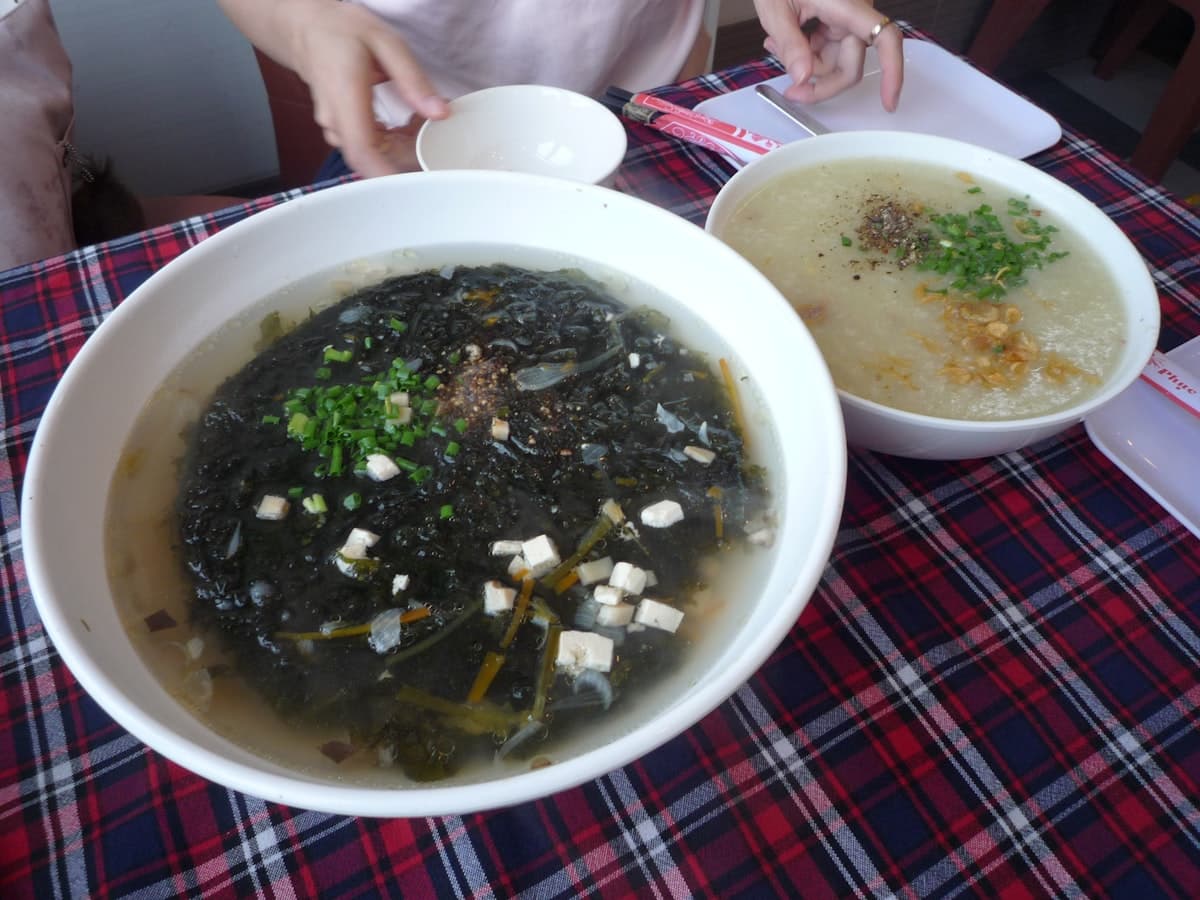
Miyeok-guk (Seaweed Soup)
The soak-and-sauté technique behind miyeok-guk, and why this simple soup is Korea's traditional birthday dish.
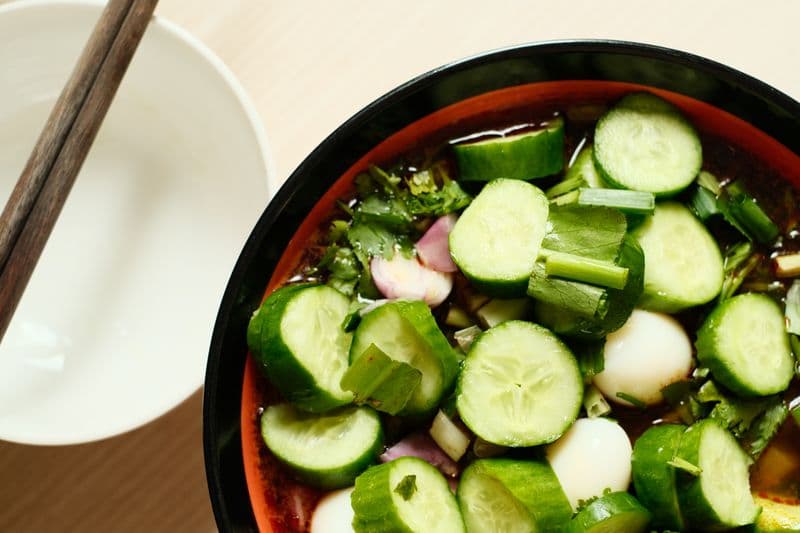
Oi Naengguk (Cold Cucumber Soup)
Why salting the cucumber first and chilling the broth separately is what keeps this summer soup crisp and cold instead of watered down.
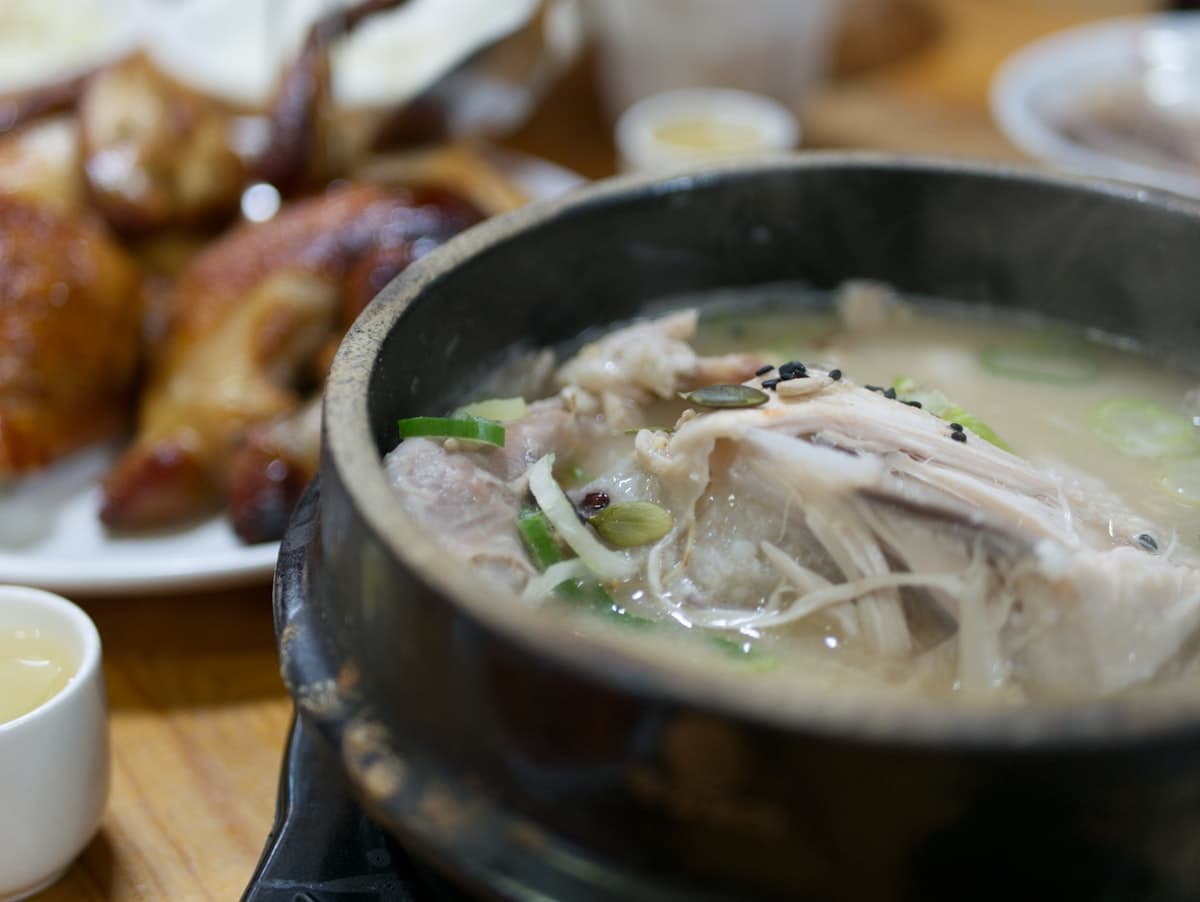
Samgyetang (Ginseng Chicken Soup)
The whole-bird, glutinous-rice-stuffed technique behind samgyetang, and why this boknal staple is eaten hot in the middle of summer.