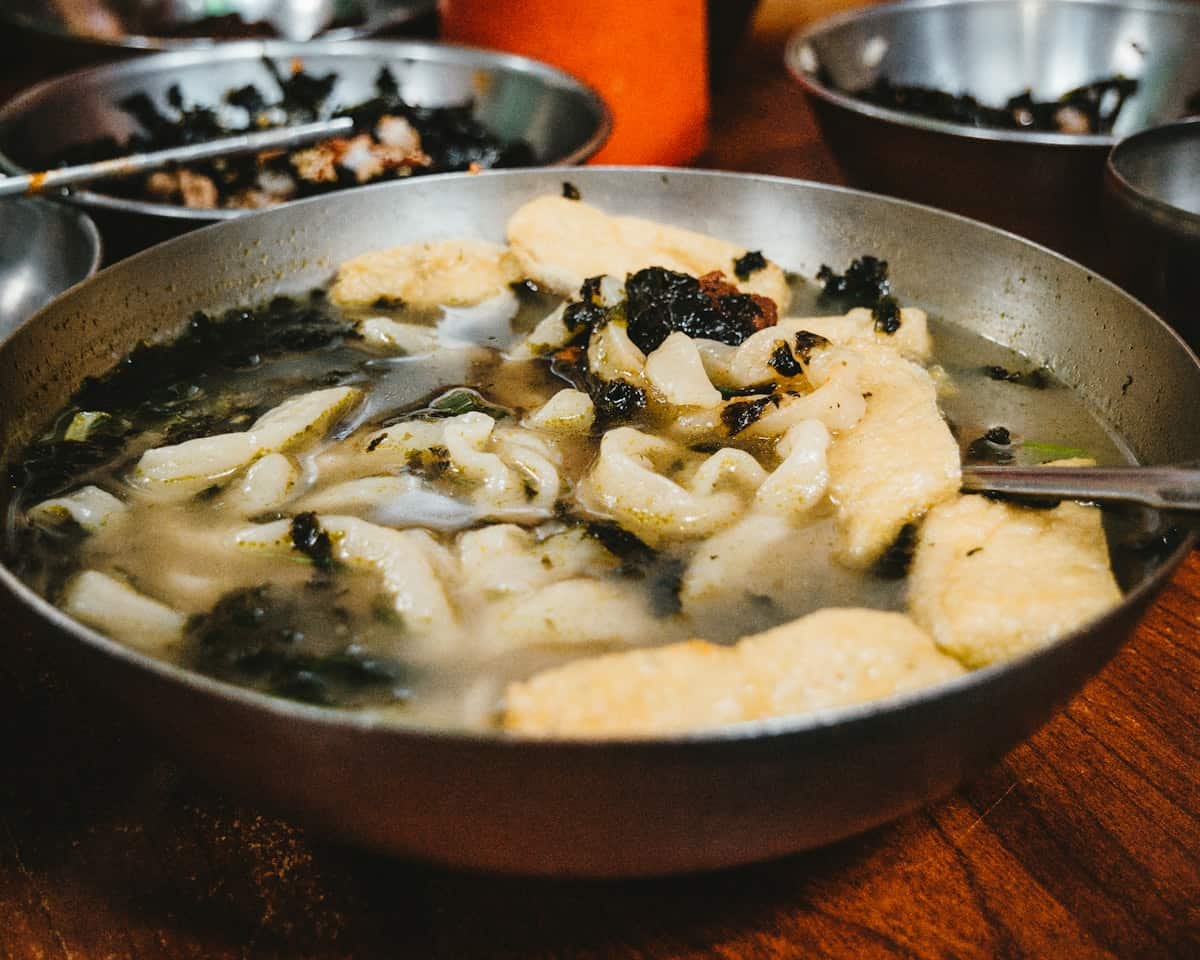
Steps
- 1
Mix flour, water, and salt into a firm dough, kneading until smooth.
- 2
Cover the dough and let it rest at least 30 minutes.
- 3
Roll the dough out thin on a floured surface, then fold and slice into wide noodle strips with a knife.
- 4
Toss the cut noodles with a little flour to keep them from sticking.
- 5
Bring the anchovy-kelp stock to a boil and add potato and onion, simmering 5 minutes.
- 6
Add the noodles and zucchini, and cook 5-7 minutes until the noodles are tender.
- 7
Stir in garlic and soy sauce, and season to taste.
- 8
Top with green onion and seaweed strips before serving.

Did you know — Korean culture
Kalguksu means "knife noodles," a literal description of how the dish is made — dough rolled thin and cut into noodles with a knife rather than extruded or hand-pulled. Wheat noodles were historically a rarer treat in Korea compared to rice, since wheat had to be imported for much of the country's history, which is part of why noodle dishes like kalguksu carried a slightly special, occasion-worthy status for a long time.
Letting the dough rest for at least 30 minutes before rolling isn't optional — it relaxes the gluten enough that the dough rolls out thin without snapping back, and it's what gives the finished noodles their characteristic chew rather than a tough, dense bite.
Because kalguksu's noodles are plain wheat and water with no eggs or heavy seasoning, the stock is doing almost all of the flavor work. A real anchovy-kelp stock, simmered properly rather than substituted with plain water or bouillon, matters more here than in noodle soups where the noodles or toppings carry more of the dish.
Kalguksu literally means "knife noodles" — a plain description of how the dish is made, dough rolled thin and cut with a knife rather than extruded or hand-pulled like some other noodle styles. Wheat itself was historically less common in Korea than rice, often needing to be imported, which is part of why wheat noodle dishes like kalguksu carried a slightly special, occasion-worthy status for much of the country's history rather than being an everyday staple.
Troubleshooting
Noodles tough or snapping back when rolled? The dough needs more resting time — don't skip past the 30-minute mark, since that's what relaxes the gluten.
Broth tasting thin or one-note? Use a properly simmered anchovy-kelp stock rather than water or a shortcut broth — with such plain noodles, the stock is carrying most of the dish's flavor.
Noodles clumping together before cooking? Toss the freshly cut noodles with a light dusting of flour right after slicing, which keeps the strands separate until they hit the pot.
Recommended products
- Rolling pin
- Dried kelp and dried anchovies for stock
More to cook
All Stews & Soups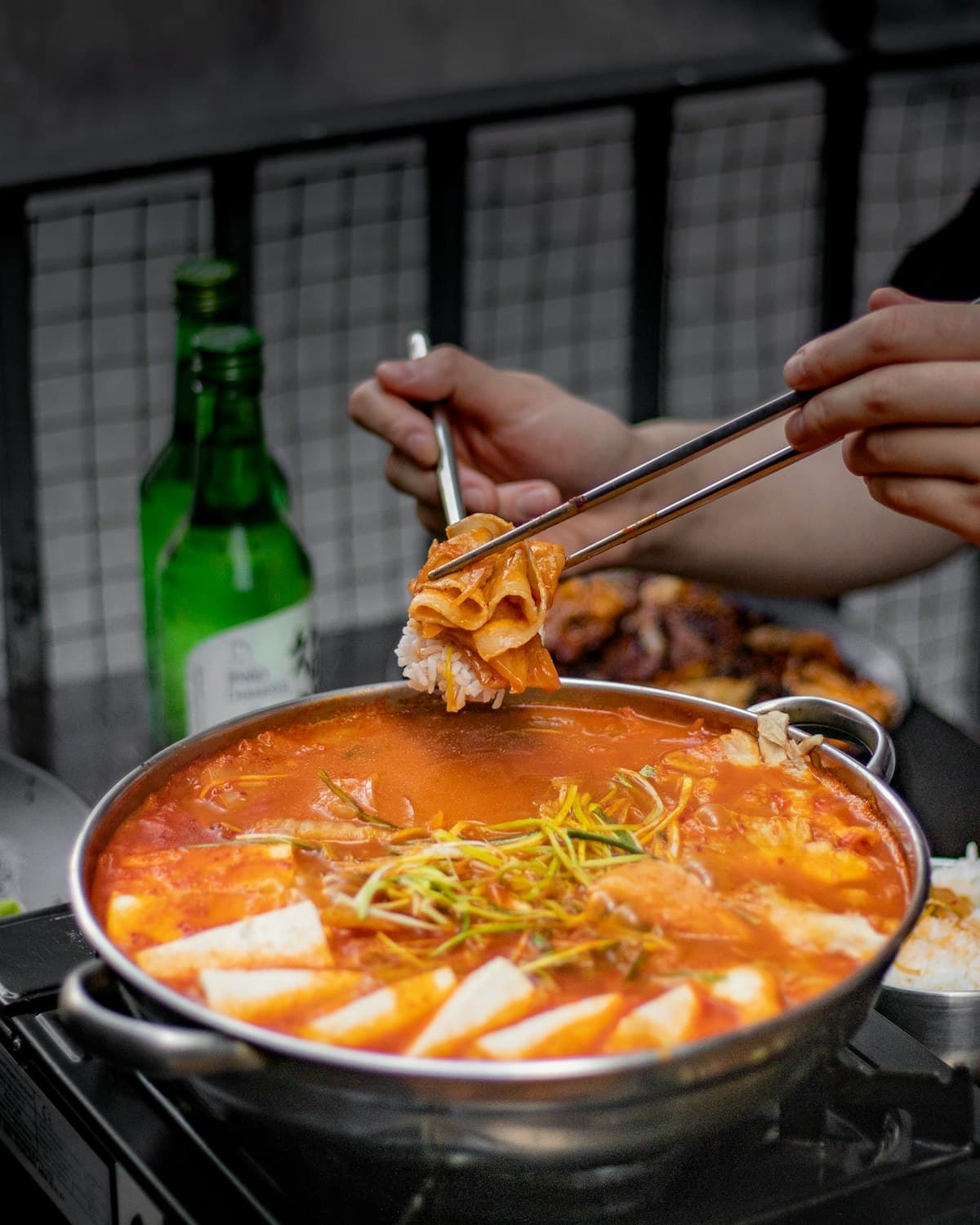
Kimchi Jjigae (Kimchi Stew with Pork Belly)
Why this stew wants your sourest, most overripe kimchi — and the simmer time that turns pork belly and old kimchi into something better than either started as.
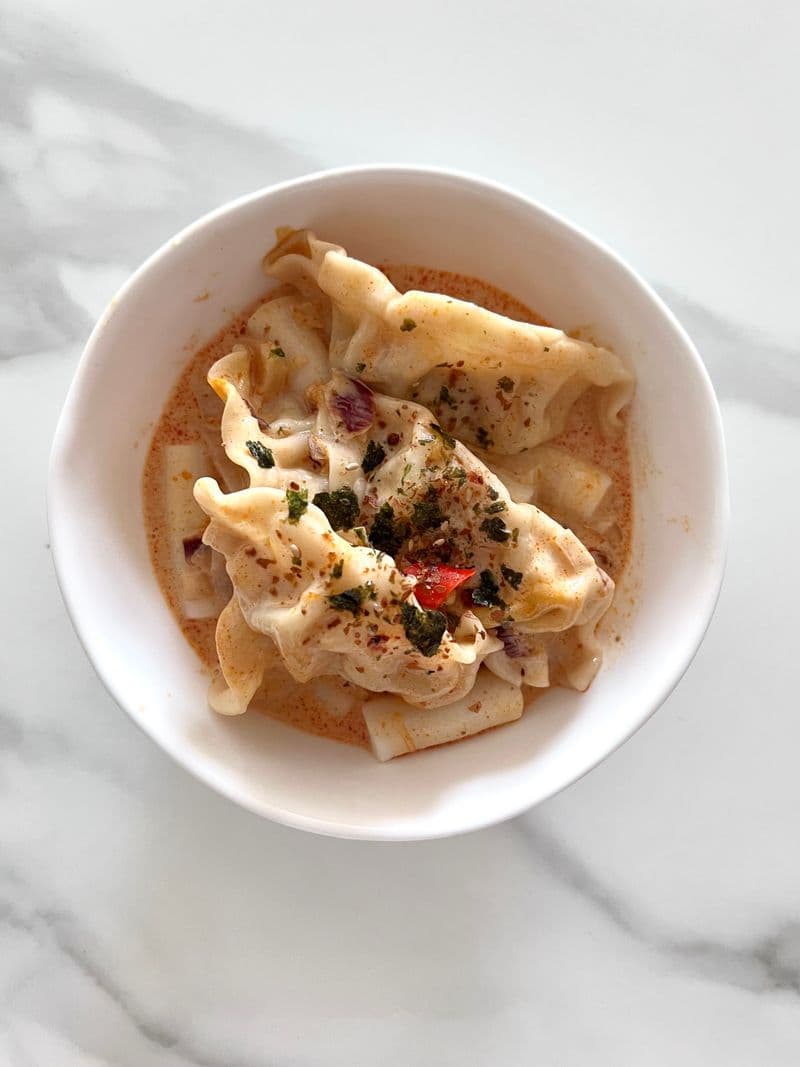
Kimchi Mandu-guk (Kimchi Dumpling Soup)
Why using well-fermented, sour kimchi in the filling changes the whole dish, and how simmering dumplings gently keeps the wrappers from splitting.
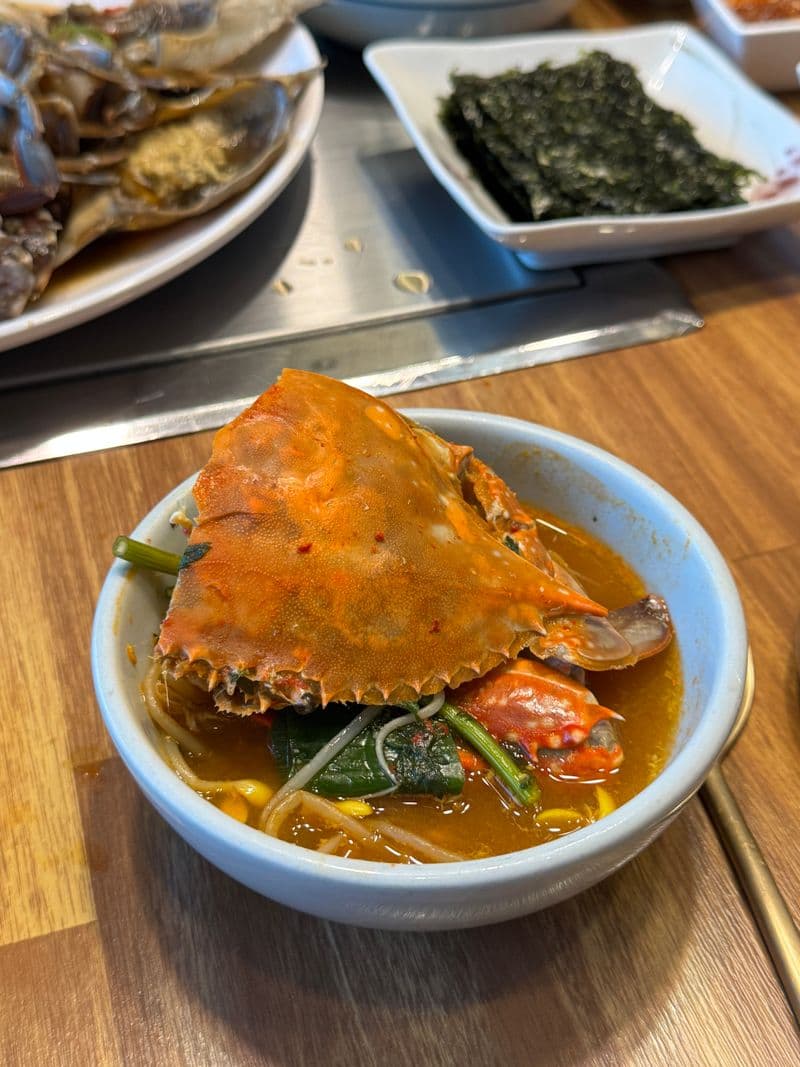
Kkotgetang (Blue Crab Stew)
Why the crab goes in at the very end, not the start, and how building the broth first is what keeps the meat from turning rubbery.