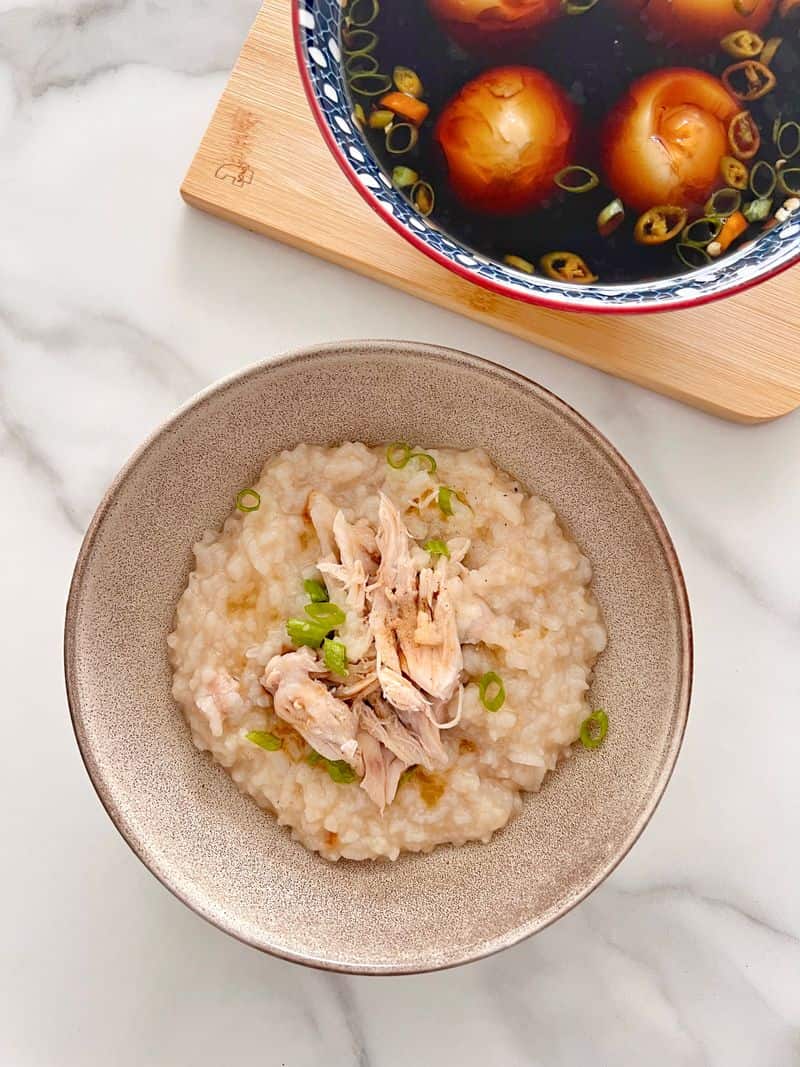
Steps
- 1
Soak the rinsed rice in water for at least 30 minutes, then drain.
- 2
Simmer the chicken in the water or stock until fully cooked, about 15 minutes. Remove, shred, and set aside, reserving the broth.
- 3
Heat sesame oil in a pot and briefly saute the drained rice and garlic for a minute.
- 4
Add the reserved broth and bring to a simmer.
- 5
Cook uncovered, stirring occasionally, until the rice breaks down and the texture turns thick and creamy, 20-25 minutes.
- 6
Stir in most of the shredded chicken and season with salt.
- 7
Ladle into bowls, top with the remaining chicken, green onions, and sesame seeds.
Did you know — Korean culture
Juk (Korean rice porridge) has long been considered a recovery food in Korean households — gentle enough for an upset stomach, easy for young children learning to eat solids, and dakjuk in particular is a common thing to make for someone who's sick.
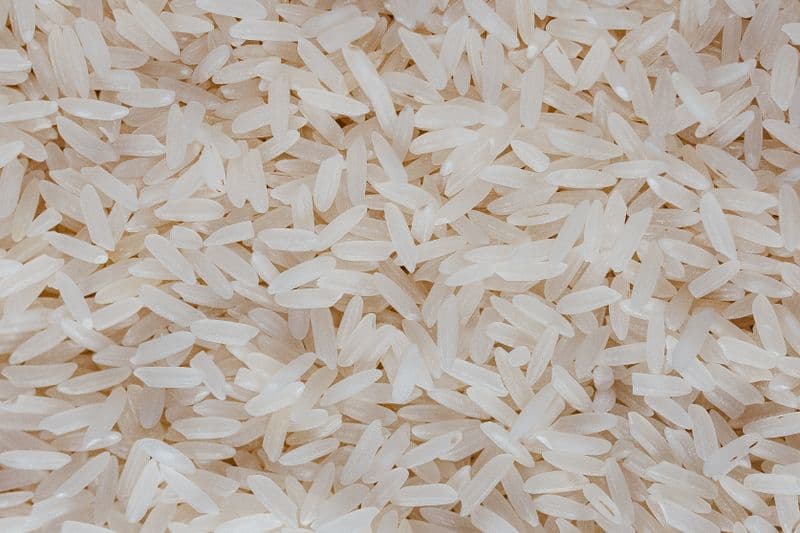
Soaking the rice before it ever hits the pot is what actually builds dakjuk's texture. Dry rice added straight to broth cooks unevenly on the outside while the center stays firm, which means a longer simmer just breaks down the outer layer into starchy water around still-hard grains. Pre-soaked rice cooks through evenly, so the whole grain softens and releases starch together — that's what turns the broth genuinely creamy instead of watery with bits of rice floating in it.
Sauteing the soaked rice briefly in sesame oil before adding the broth adds a layer of nutty flavor that a plain simmer skips entirely — a small step that's easy to leave out but noticeably changes the final taste.
Juk (Korean rice porridge in general) has long been considered a recovery food in Korean households — gentle on the stomach, easy to eat when unwell, and dakjuk specifically is a common thing to make for someone recovering from illness or for young children being introduced to solid food.
Troubleshooting
Porridge came out watery instead of creamy? The rice likely wasn't soaked long enough, or was added dry — soaking is what lets it break down evenly.
Rice still firm after 25 minutes? Give it more time over a gentle simmer, stirring occasionally so it doesn't stick to the bottom.
Porridge tastes bland? Season at the end, not the start — salting too early can make the rice release starch unevenly, and it's easier to judge seasoning once the texture is right.
Recommended products
- Heavy-bottomed pot
More to cook
All Stews & Soups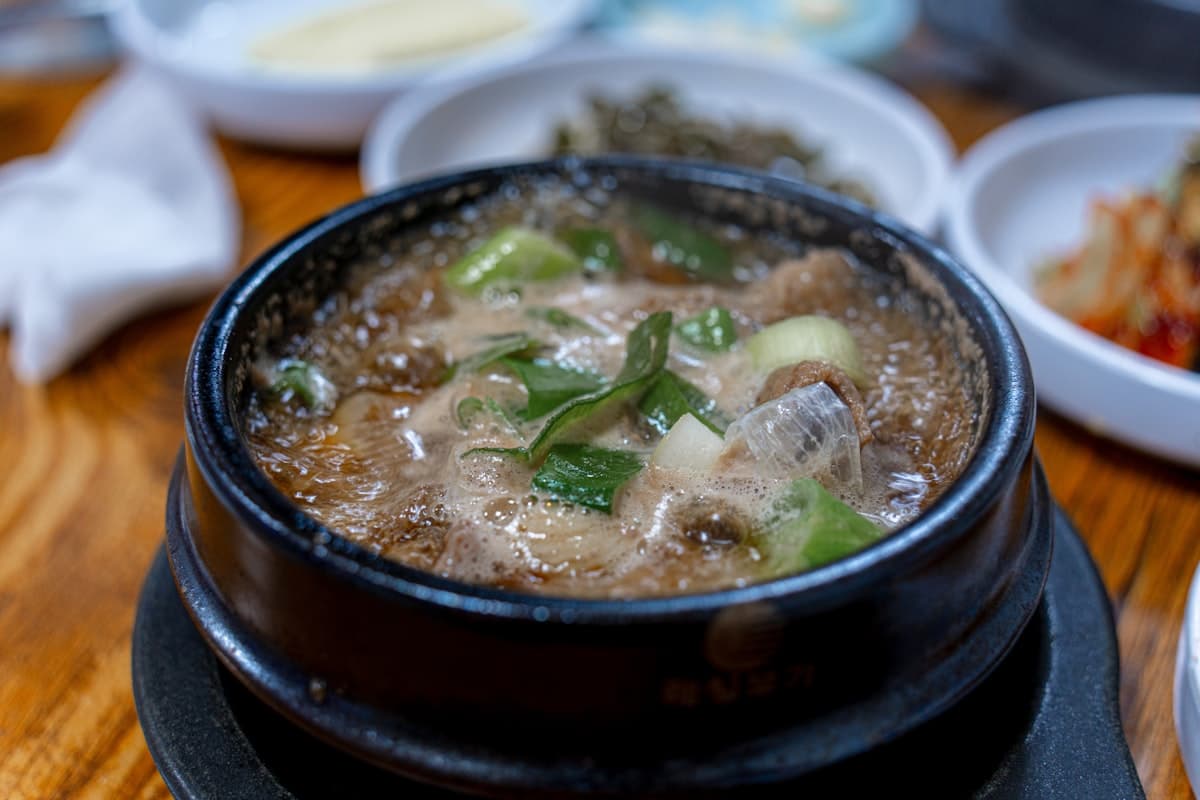
Doenjang Jjigae (Soybean Paste Stew)
The rice-water base and anchovy-kelp stock that gives doenjang jjigae its depth, and why this everyday stew rewards patience more than any other.
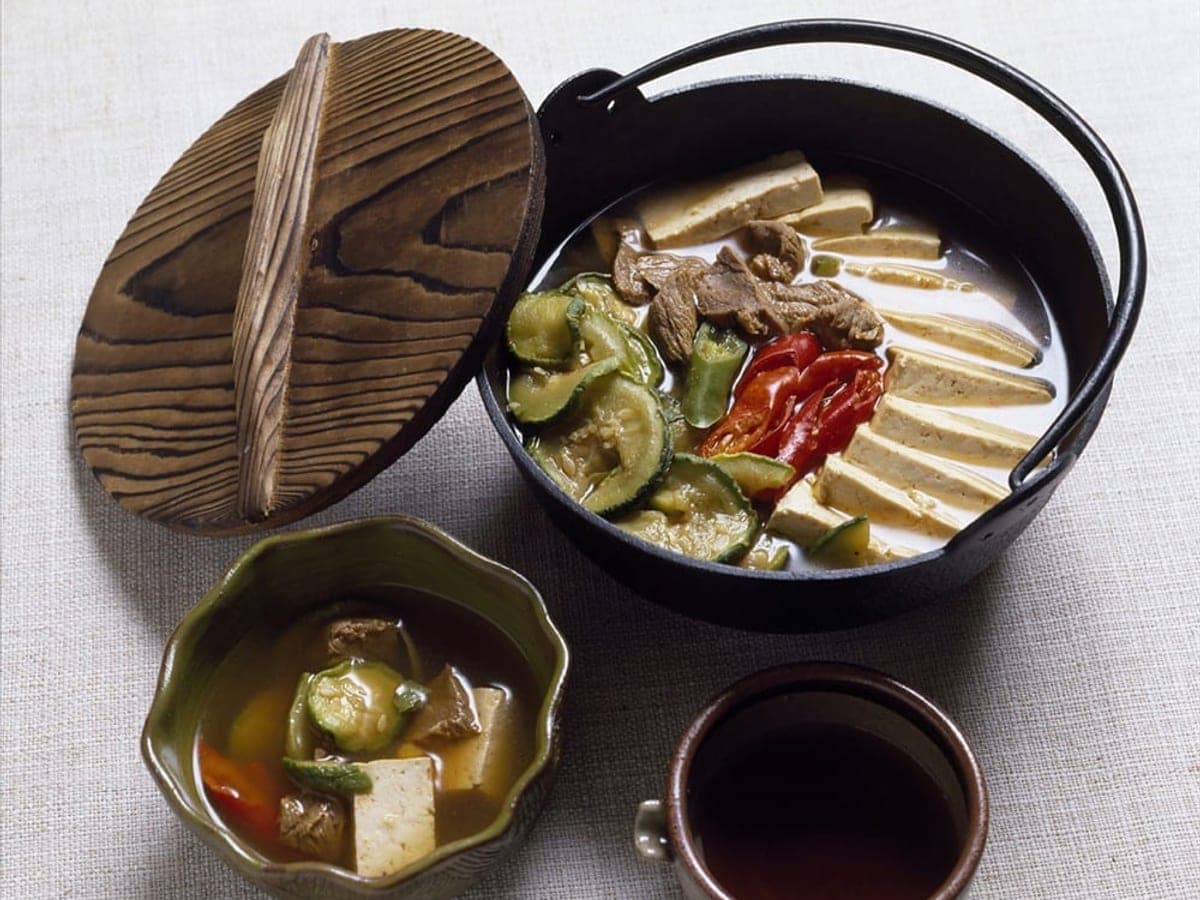
Dubu Jeongol (Tofu Hot Pot)
How to arrange a tofu hot pot so everything finishes together, and why the broth goes in cold and comes up to heat at the table rather than in the kitchen.
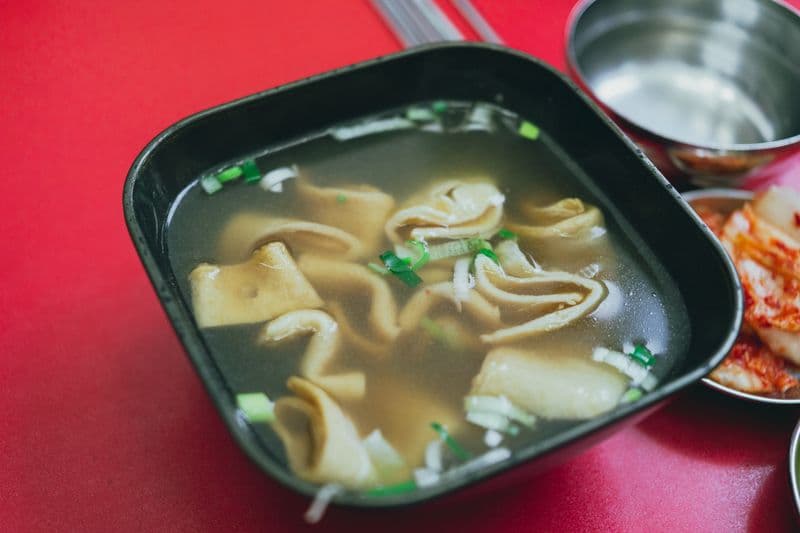
Eomuk Guk (Fish Cake Soup)
Why the anchovy-kelp stock needs to be strained and the fish cake blanched, and how skipping either step leaves the broth cloudy or oily.