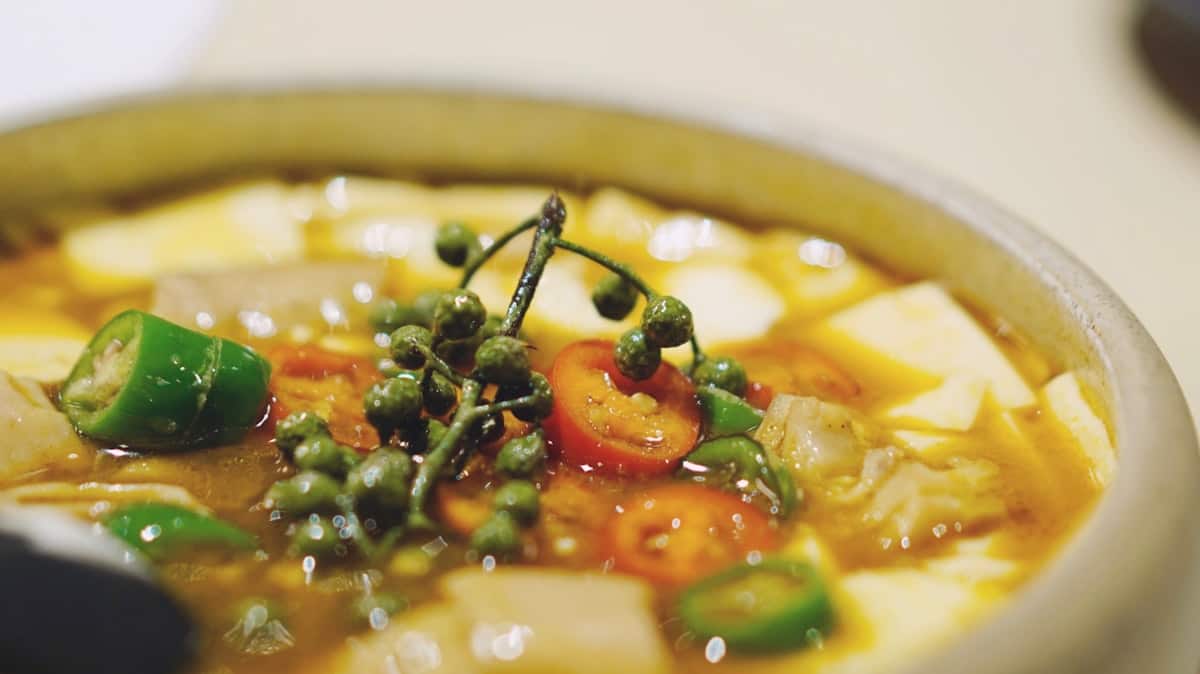
Steps
- 1
Bring the stock to a boil in a small pot.
- 2
Add the onion and potato if using, and simmer 5 minutes.
- 3
Stir in the cheonggukjang, breaking it up so it dissolves evenly into the broth.
- 4
Add the gochugaru and garlic, and simmer 5-7 minutes.
- 5
Add the tofu and green chili, and simmer another 3-5 minutes.
- 6
Finish with green onion and serve immediately, bubbling hot.
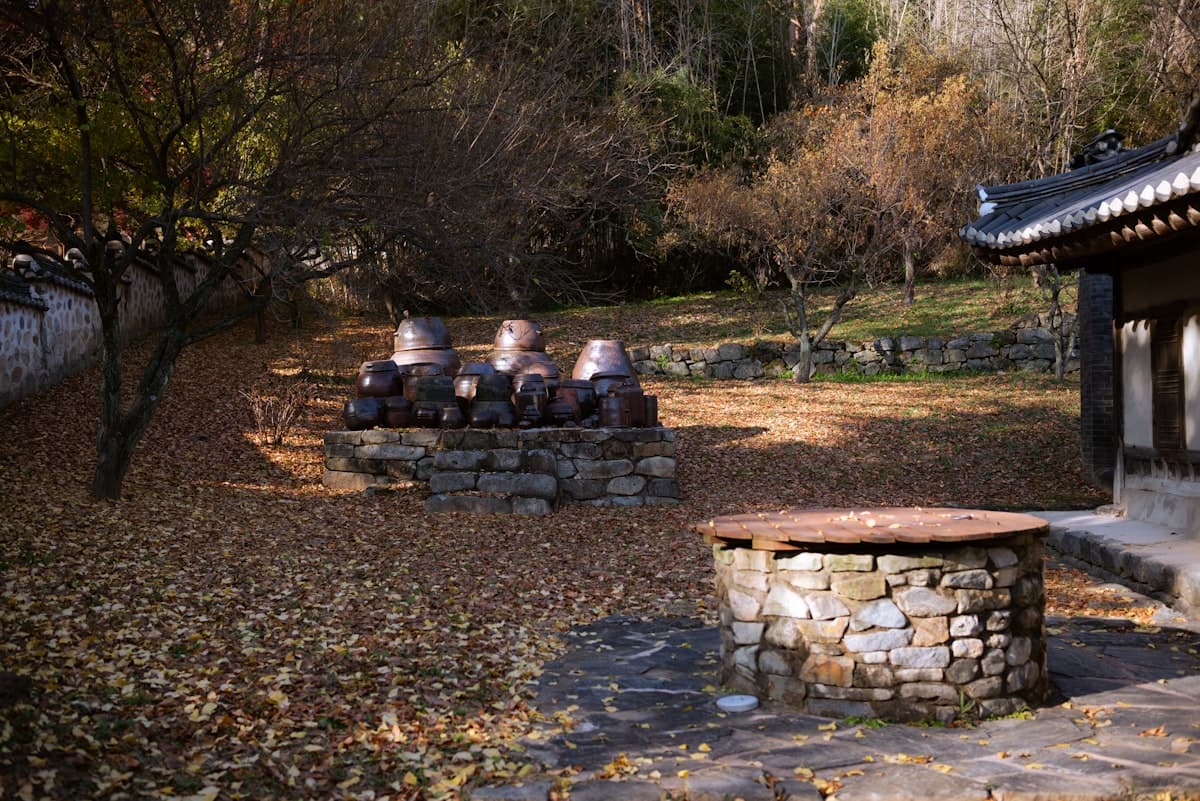
Did you know — Korean culture
Cheonggukjang's whole identity comes from how fast it ferments compared to its relatives. Doenjang takes months to develop; cheonggukjang is ready in as little as two to three days, thanks to a much hotter fermentation environment that favors fast-acting Bacillus bacteria. That speed is exactly why it's so much more pungent and less refined-tasting than doenjang — there's simply no time for the flavor to mellow the way a slow ferment does, which is the whole point rather than a flaw.
Cheonggukjang dissolves into a broth differently than doenjang does — it's looser and more textured, with visible soybean fragments that don't fully break down the way a smoother, longer-aged paste does. Stirring it in gradually and letting it simmer rather than dumping it in all at once is what keeps the texture pleasant instead of clumpy.
The smell is famously strong, and that's not a sign anything's gone wrong. It's a direct result of how fast this particular ferment happens compared to its relatives — there simply hasn't been time for the sharper aromatic compounds to mellow the way they do in a slow-aged paste, and that intensity is the entire point of the dish rather than something to cook around.
Cheonggukjang's whole identity comes from how fast it ferments compared to its relatives. Doenjang takes months to develop; cheonggukjang is ready in as little as two to three days, thanks to a much hotter fermentation environment that favors fast-acting Bacillus bacteria. That speed is exactly why it's so much more pungent and less refined-tasting than doenjang — there's simply no time for the flavor to mellow the way a slow ferment does.
Troubleshooting
Stew tastes overwhelmingly strong? That's largely inherent to cheonggukjang itself — using slightly less paste and a bit more stock brings the intensity down without losing the dish's identity.
Texture clumpy instead of stew-like? Break the paste up more thoroughly as it goes into the hot stock, stirring it in rather than dropping it in as one mass.
No anchovy-kelp stock on hand? Plain water works in a pinch, though the stock adds a savory backbone this pungent stew benefits from more than most.
Recommended products
- Cheonggukjang (fast-fermented soybean paste)
- Small earthenware stew pot
More to cook
All Stews & Soups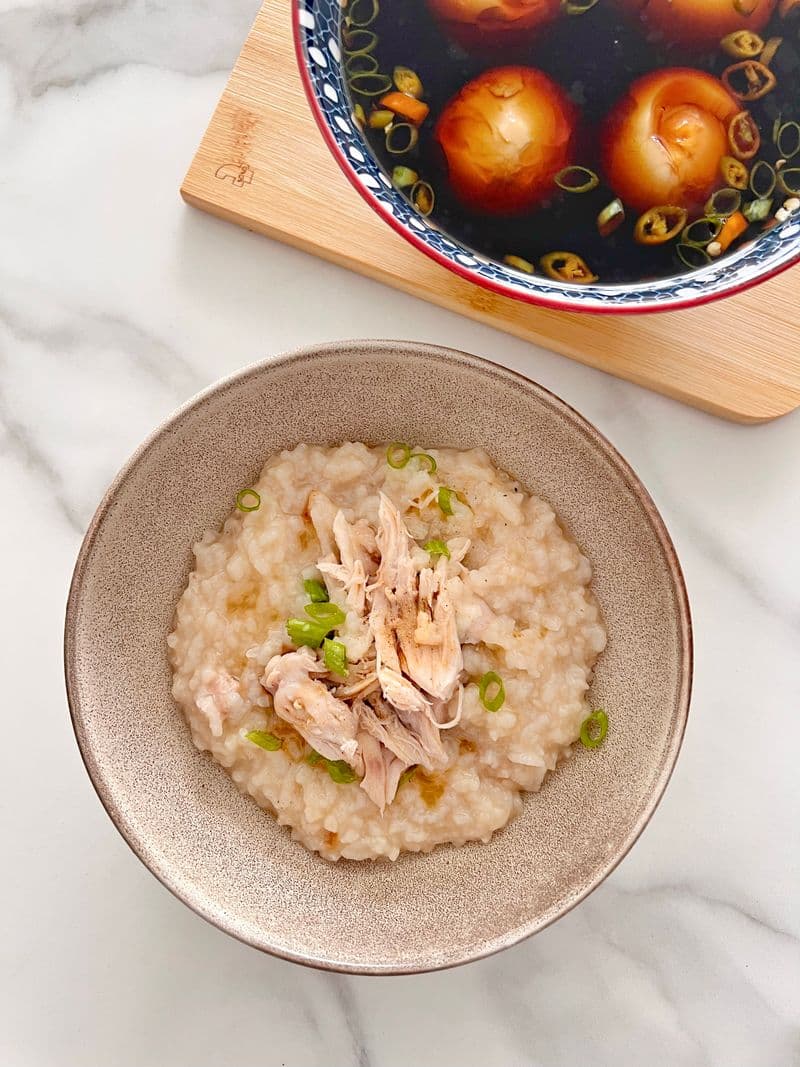
Dakjuk (Chicken Rice Porridge)
Why soaking the rice before cooking, not just simmering it longer, is what makes dakjuk creamy instead of watery.
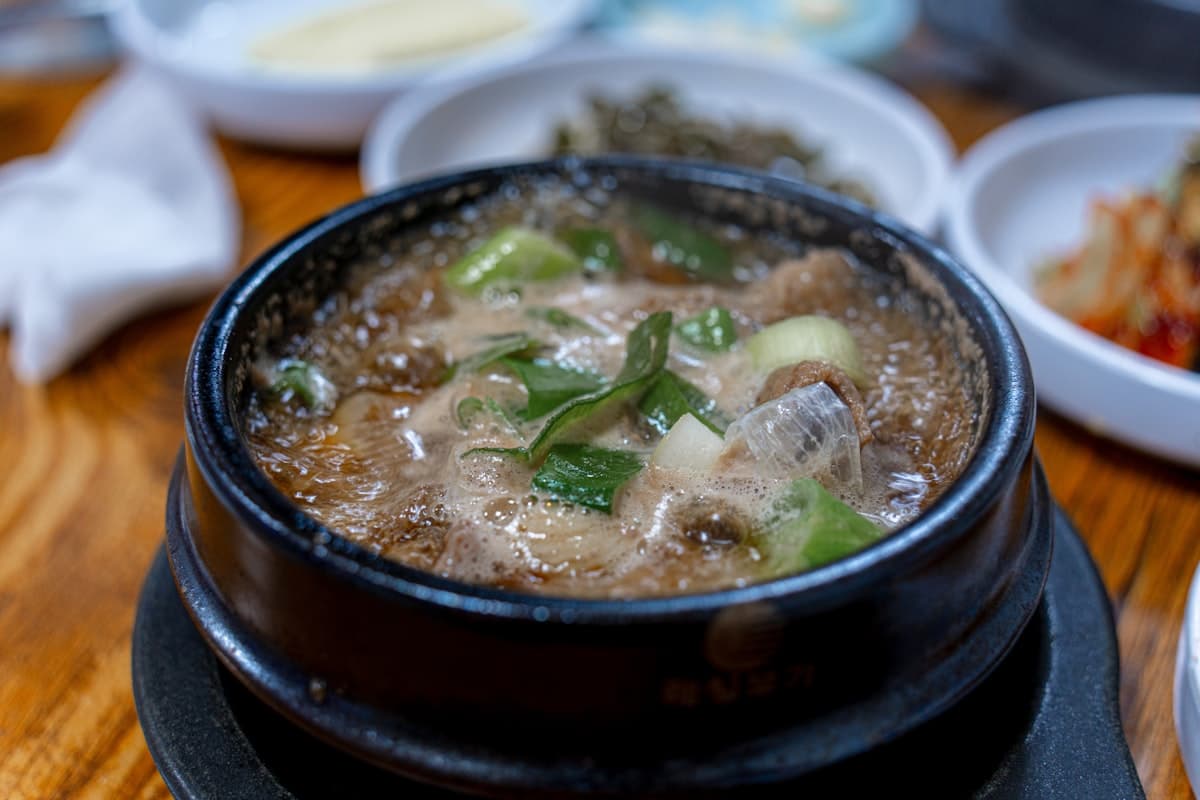
Doenjang Jjigae (Soybean Paste Stew)
The rice-water base and anchovy-kelp stock that gives doenjang jjigae its depth, and why this everyday stew rewards patience more than any other.
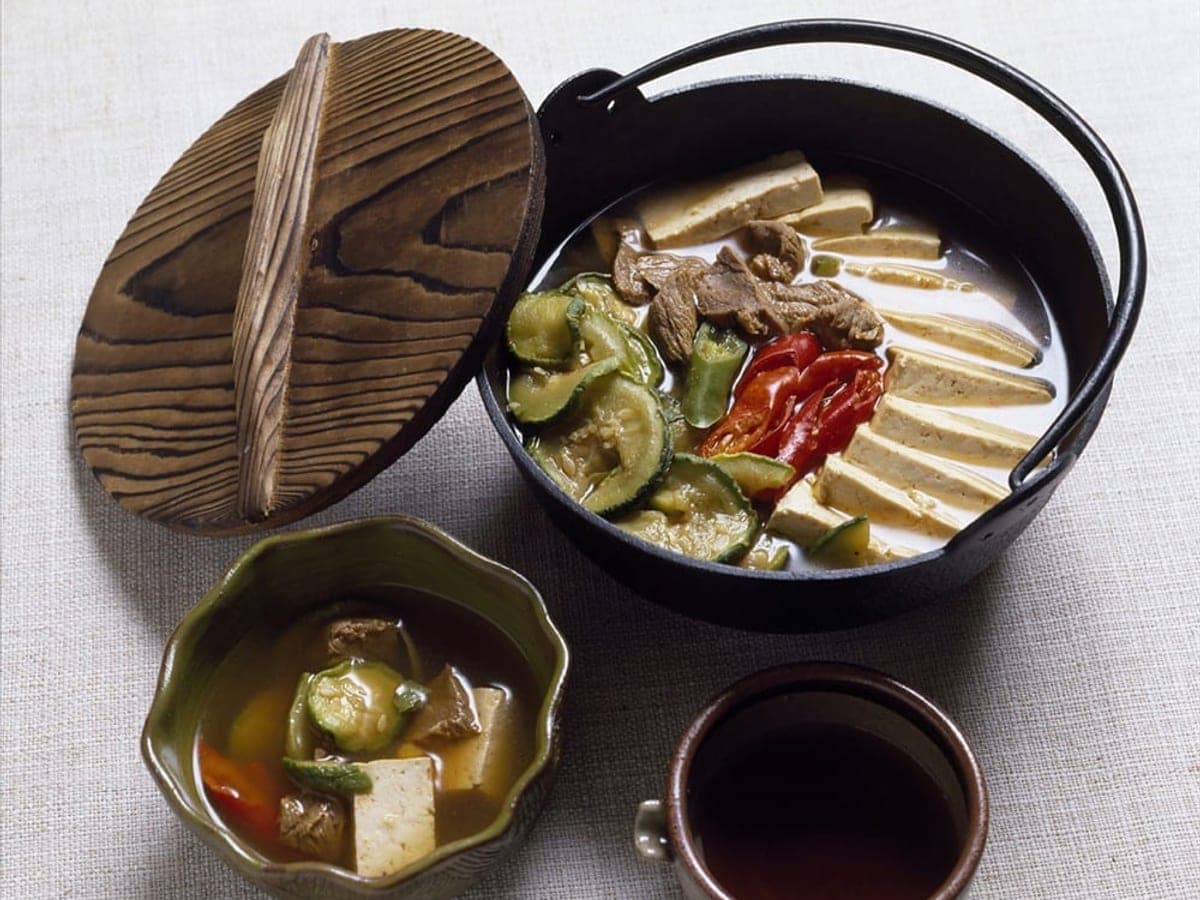
Dubu Jeongol (Tofu Hot Pot)
How to arrange a tofu hot pot so everything finishes together, and why the broth goes in cold and comes up to heat at the table rather than in the kitchen.