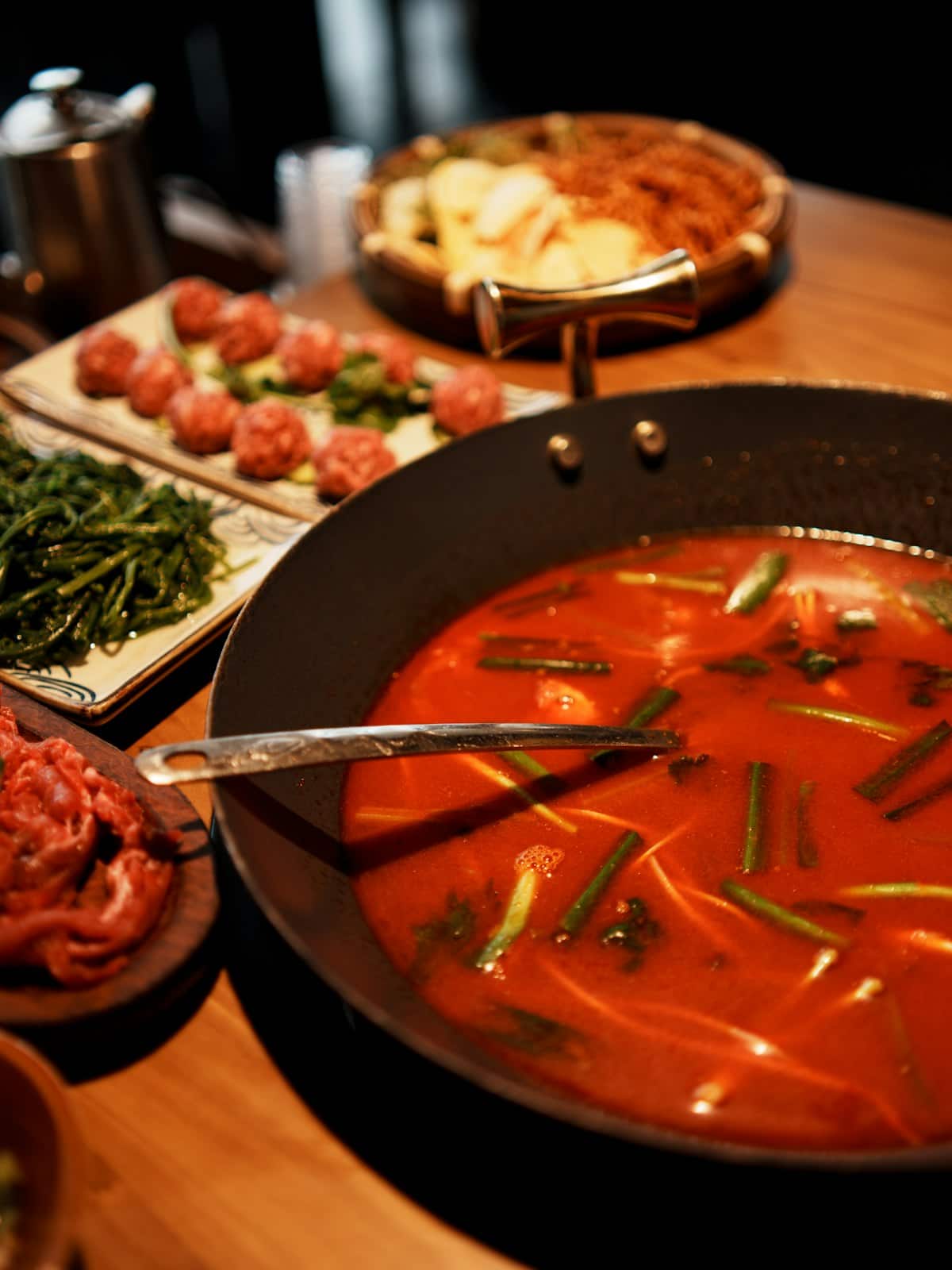
Steps
- 1
Boil the brisket in water for 60-75 minutes, until fully tender, skimming foam from the surface as it cooks.
- 2
Remove the beef, let it cool slightly, and shred it by hand into thin strips.
- 3
Strain and reserve the beef stock.
- 4
In a separate pot, heat the oil and stir in the gochugaru over low heat until it turns a deep red and smells toasted, not burnt.
- 5
Add the shredded beef back in along with garlic and soy sauce, and stir to coat evenly in the oil.
- 6
Pour in the reserved stock and bring to a simmer.
- 7
Add the gosari, bean sprouts, and green onion, and simmer 15-20 minutes until the vegetables are tender.
- 8
Finish with sesame oil and salt to taste.
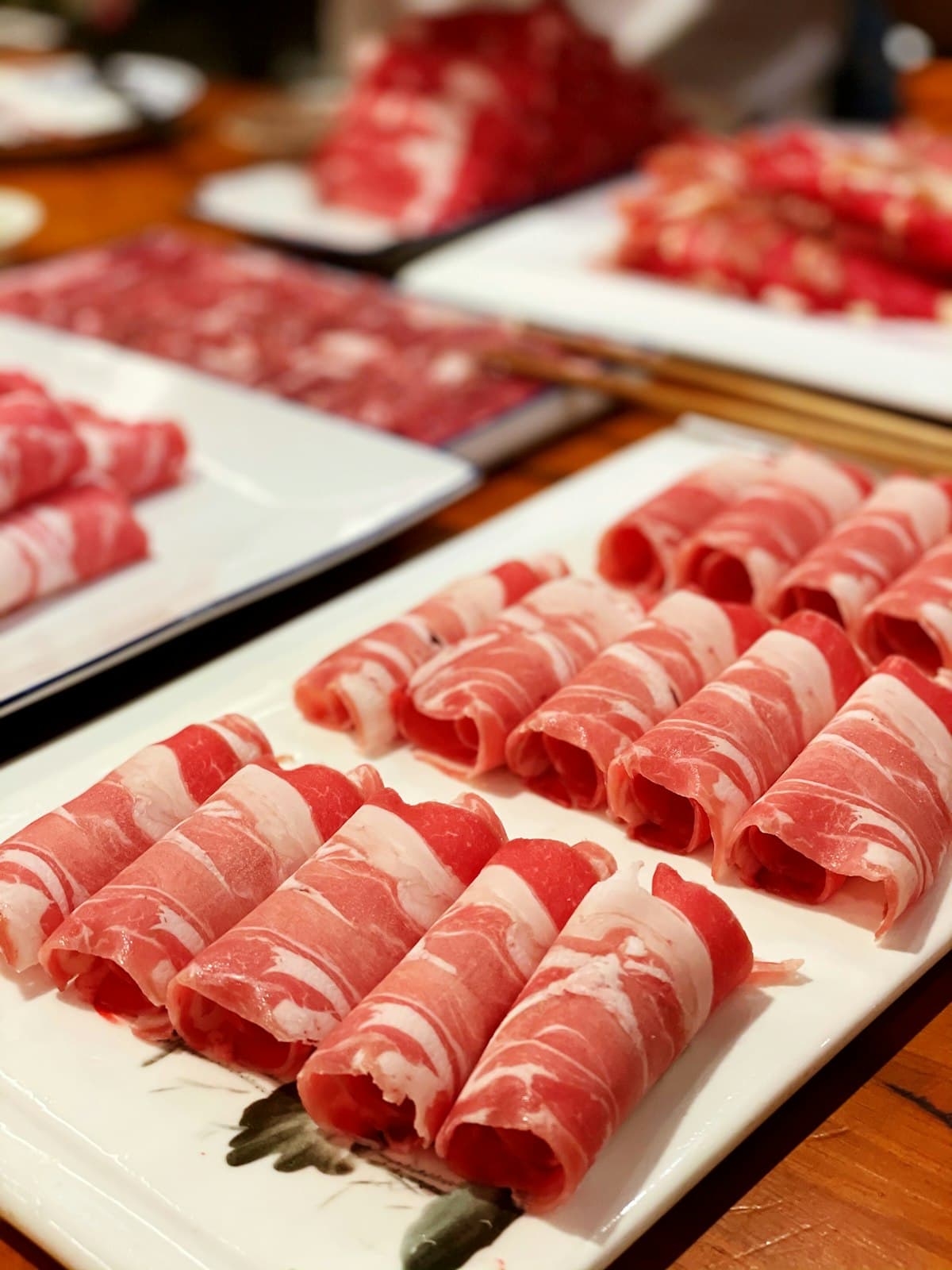
Did you know — Korean culture
Yukgaejang's name is a substitution built right into the word. It descends from gaejangguk, a spicy soup traditionally made with dog meat, which was common enough in parts of Korea's culinary history. For those who didn't eat dog, cooks swapped in beef and called the result "yukgaejang" — yuk meaning meat, specifically beef — keeping the same spicy shredded-and-simmered technique with a different protein.
Blooming the gochugaru in oil before it hits the broth is what gives yukgaejang its color and depth without tasting purely of chili heat. Cold gochugaru stirred straight into liquid stays gritty and one-note; toasted gently in oil first, it turns glossy and deepens in flavor, closer to a chili oil than raw powder.
Shredding the beef by hand rather than slicing it is traditional and does more than look right — thin, pulled strands soak up the spicy broth along more surface area than cut chunks would, and the texture matches the shredded fernbrake and bean sprouts already in the pot.
The name itself carries a substitution built into it. Yukgaejang descends from gaejangguk, a spicy soup traditionally made with dog meat, once common in parts of Korea's culinary history. Cooks who didn't eat dog meat swapped in beef and called the result "yukgaejang" — yuk meaning meat, specifically beef — keeping the same technique with a different protein.
Troubleshooting
Broth tastes gritty instead of smooth? The gochugaru probably wasn't bloomed in oil long enough, or the oil wasn't hot enough to actually toast it.
Beef tough after boiling? Brisket needs the full simmer time — check for tenderness before pulling it, rather than sticking to a fixed clock.
No fresh gosari available? Dried, rehydrated fernbrake works the same way and is what most home cooks use anyway; just soak it well ahead of time.
Recommended products
- Dried gosari (fernbrake)
- Large stockpot
More to cook
All Stews & Soups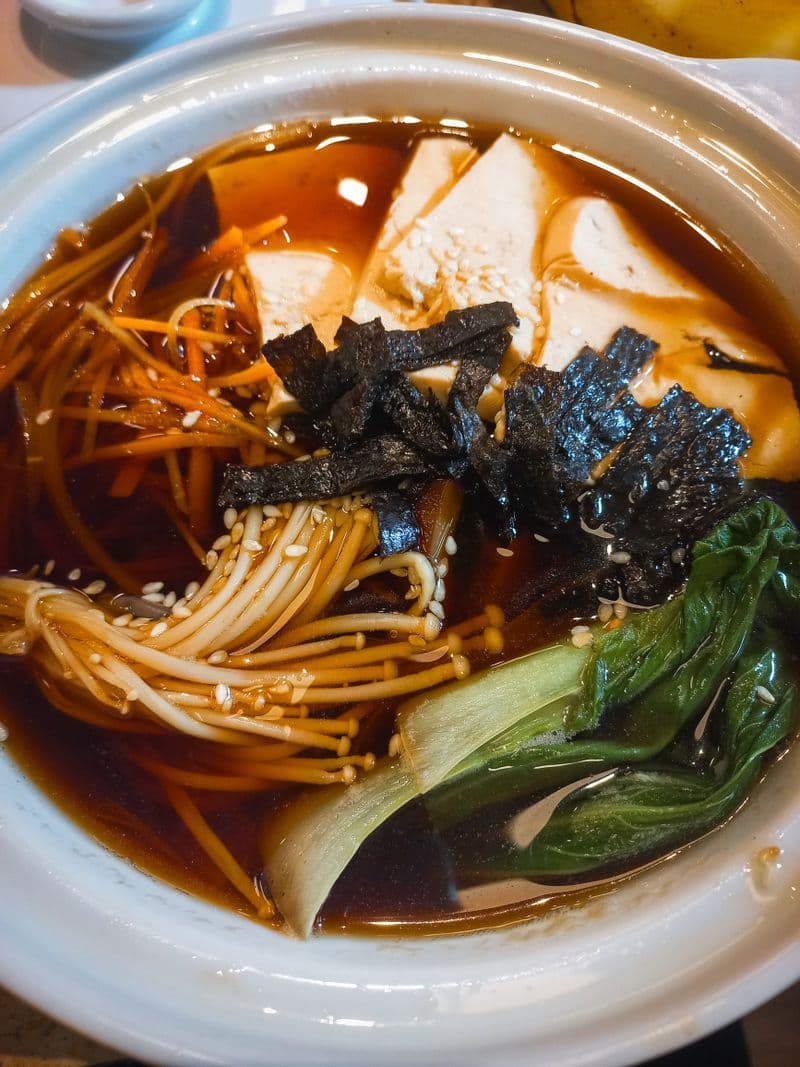
Beoseot Jeongol (Mushroom Hot Pot)
Why staggering mushroom varieties by cook time keeps the broth clean, and how building the broth separately from a dashi base changes the final depth.
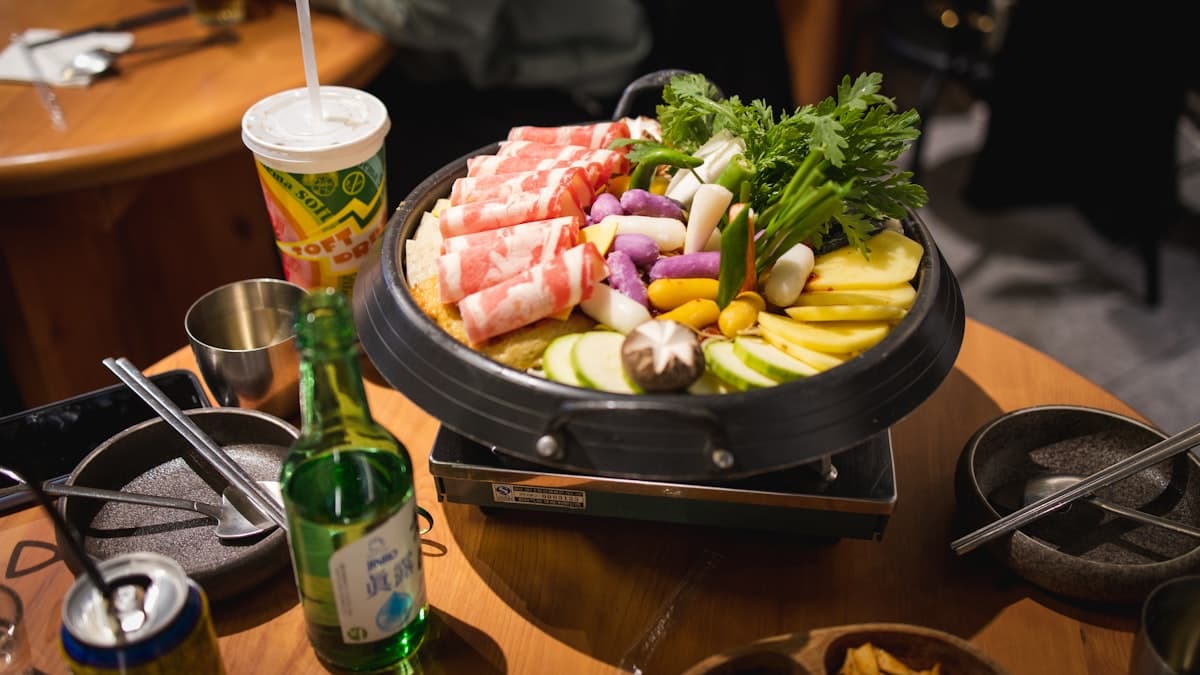
Budae Jjigae (Army Base Stew)
The kimchi-and-processed-meat combination behind budae jjigae, and why the pot is meant to keep cooking at the table.
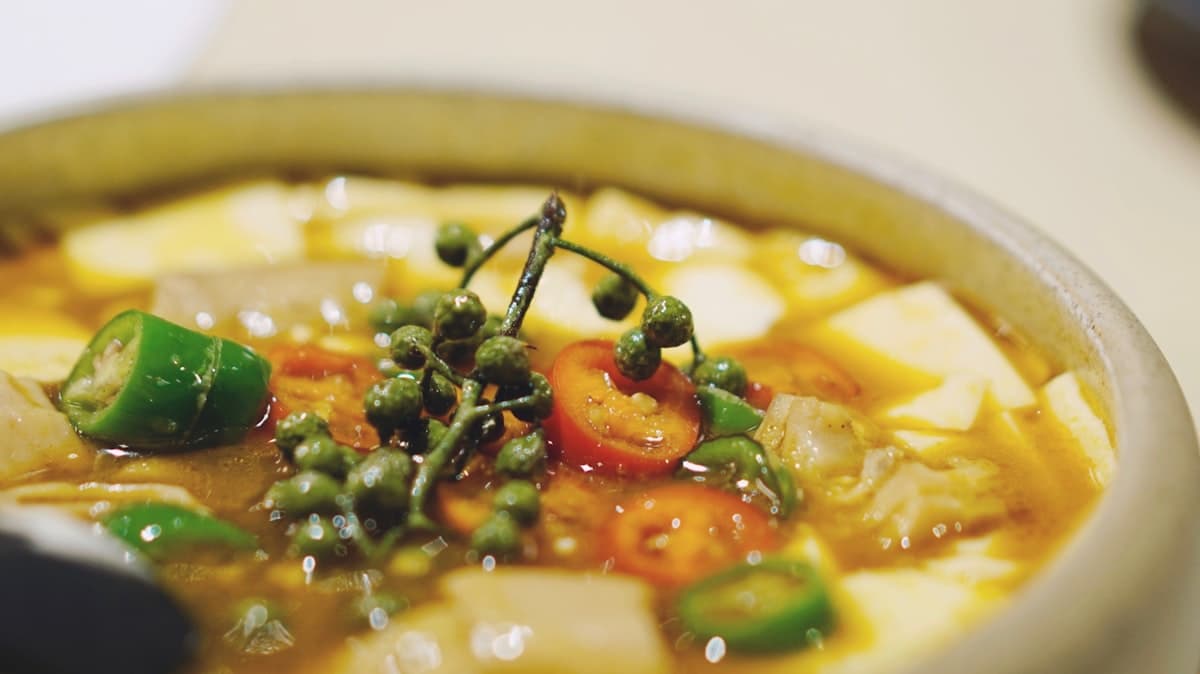
Cheonggukjang (Fast-Fermented Soybean Stew)
What makes cheonggukjang different from doenjang jjigae, and how to cook its pungent fermented soybeans into a proper stew.