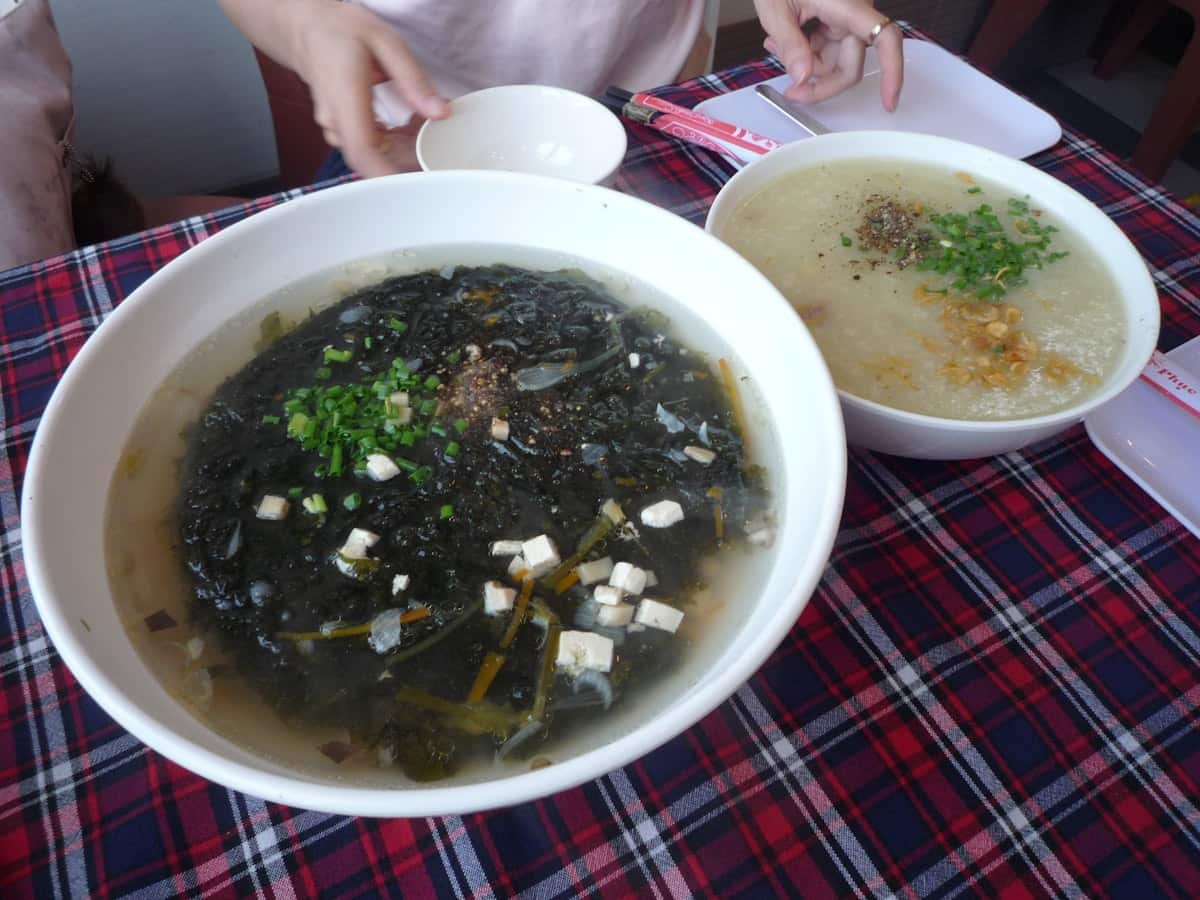
Steps
- 1
Soak the dried seaweed in cold water for 15-20 minutes, until fully softened and expanded.
- 2
Drain and cut the seaweed into shorter, bite-size pieces.
- 3
Heat sesame oil in a pot and sauté the beef until browned on the outside.
- 4
Add the drained seaweed and sauté together for 2-3 minutes — this step deepens the flavor more than boiling alone would.
- 5
Stir in the soy sauce and garlic.
- 6
Add the water or stock, bring to a boil, then reduce to a simmer for 20-25 minutes.
- 7
Season with salt to taste before serving.

Did you know — Korean culture
Miyeok-guk is traditionally eaten by new mothers for weeks after giving birth, based on the belief that seaweed helps replenish iron and calcium lost during childbirth and supports recovery. That same association flips into a superstition around exam season: students are told to avoid miyeok-guk before a big test, since the seaweed's slippery texture is thought to symbolize "slipping up" or failing — the opposite meaning from the same ingredient, depending on the occasion.
Sautéing the soaked seaweed with the beef and sesame oil before adding any liquid is the step that separates a rich miyeok-guk from a thin, flat one. Seaweed dropped straight into boiling water tastes noticeably more one-dimensional than seaweed that's had a few minutes in hot oil first to draw out and concentrate its flavor.
The seaweed itself needs a real soak, not a quick rinse. Dried miyeok expands significantly once rehydrated, and using it before it's fully softened means tough, chewy pieces in the finished soup instead of the tender, slightly slippery texture it's supposed to have.
Miyeok-guk is Korea's traditional birthday soup, eaten specifically because it's the same soup new mothers are fed for weeks after childbirth, based on the belief that seaweed helps replenish iron and calcium lost during delivery. That same association flips into a superstition around exam season — students are told to avoid miyeok-guk before a big test, since the seaweed's slippery texture is thought to symbolize "slipping up" or failing, the opposite meaning from the very same ingredient depending on the occasion.
Troubleshooting
Soup tastes thin or flat? The sauté step was probably skipped or rushed — give the seaweed and beef a real few minutes in the oil before adding liquid.
Seaweed still tough after simmering? It likely wasn't soaked long enough beforehand. Give it the full 15-20 minutes to soften before cooking.
No beef on hand? A dried anchovy or clam-based version is a common substitute and still delivers a savory base, just with a lighter flavor.
Recommended products
- Dried miyeok (seaweed)
- Soup pot
More to cook
All Stews & Soups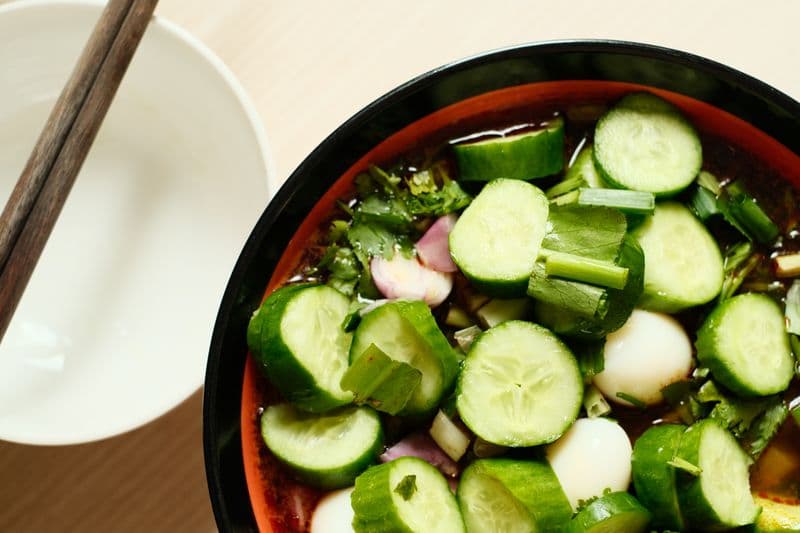
Oi Naengguk (Cold Cucumber Soup)
Why salting the cucumber first and chilling the broth separately is what keeps this summer soup crisp and cold instead of watered down.
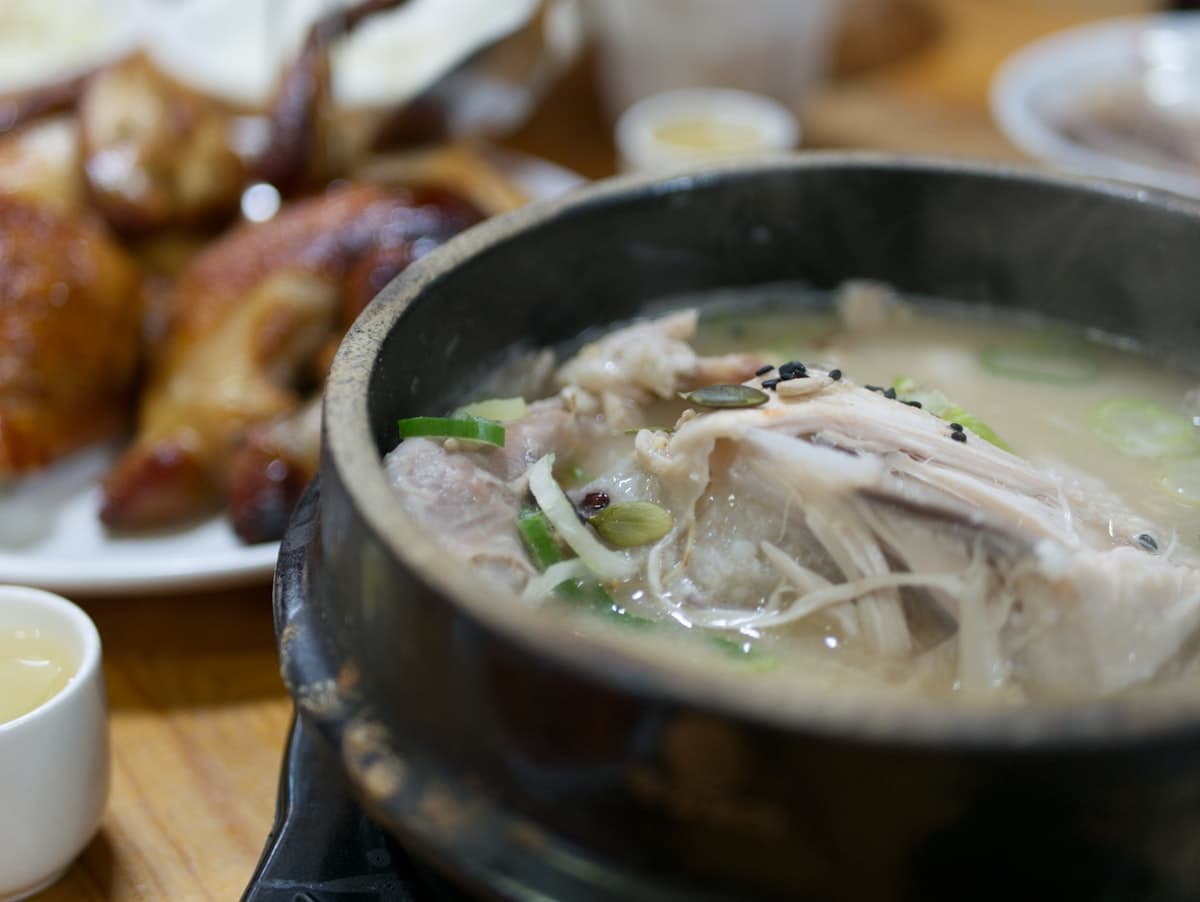
Samgyetang (Ginseng Chicken Soup)
The whole-bird, glutinous-rice-stuffed technique behind samgyetang, and why this boknal staple is eaten hot in the middle of summer.
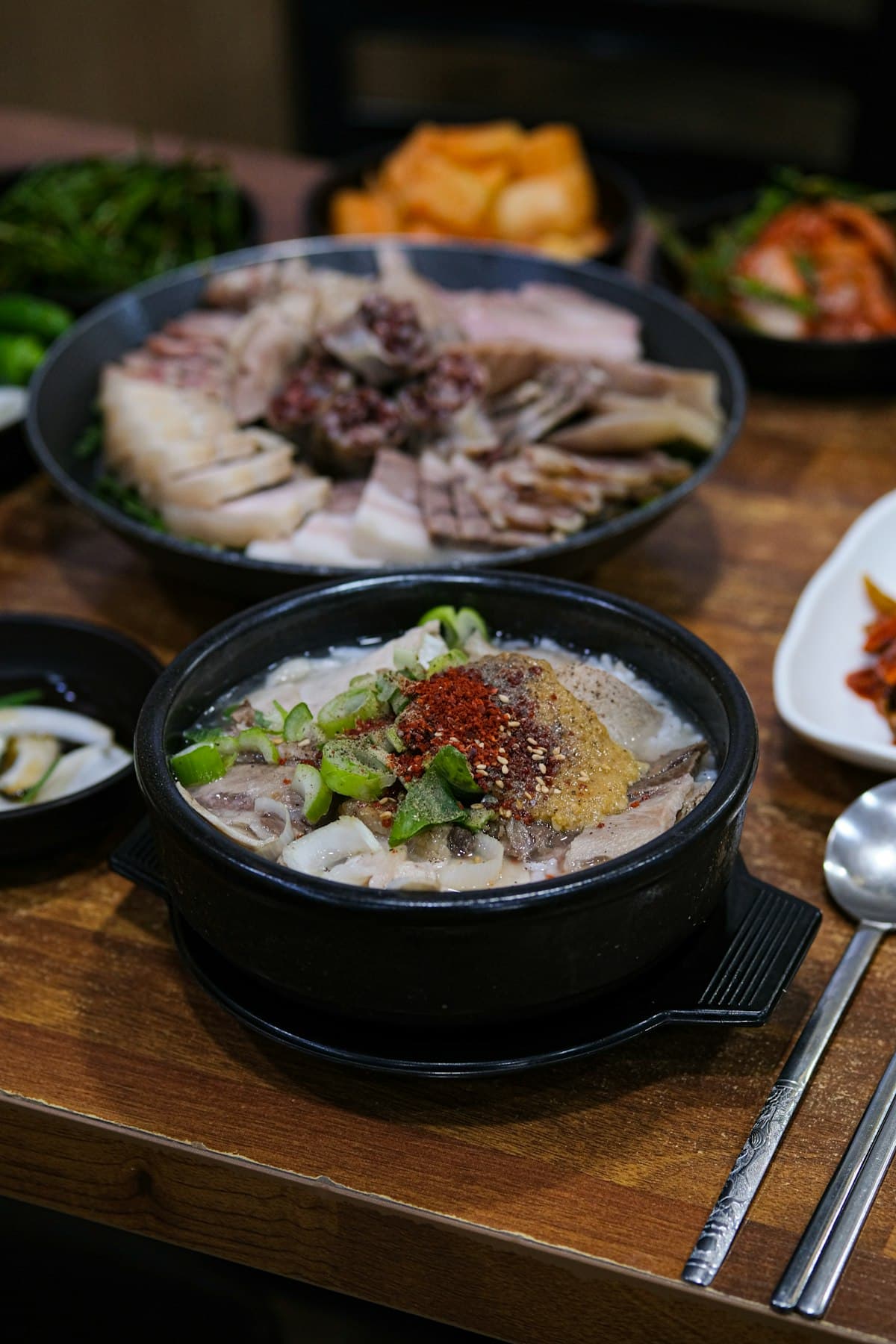
Seolleongtang (Ox Bone Soup)
The long-simmer, multi-boil technique that turns ox bones into seolleongtang's milky white broth, and why patience matters more than seasoning.