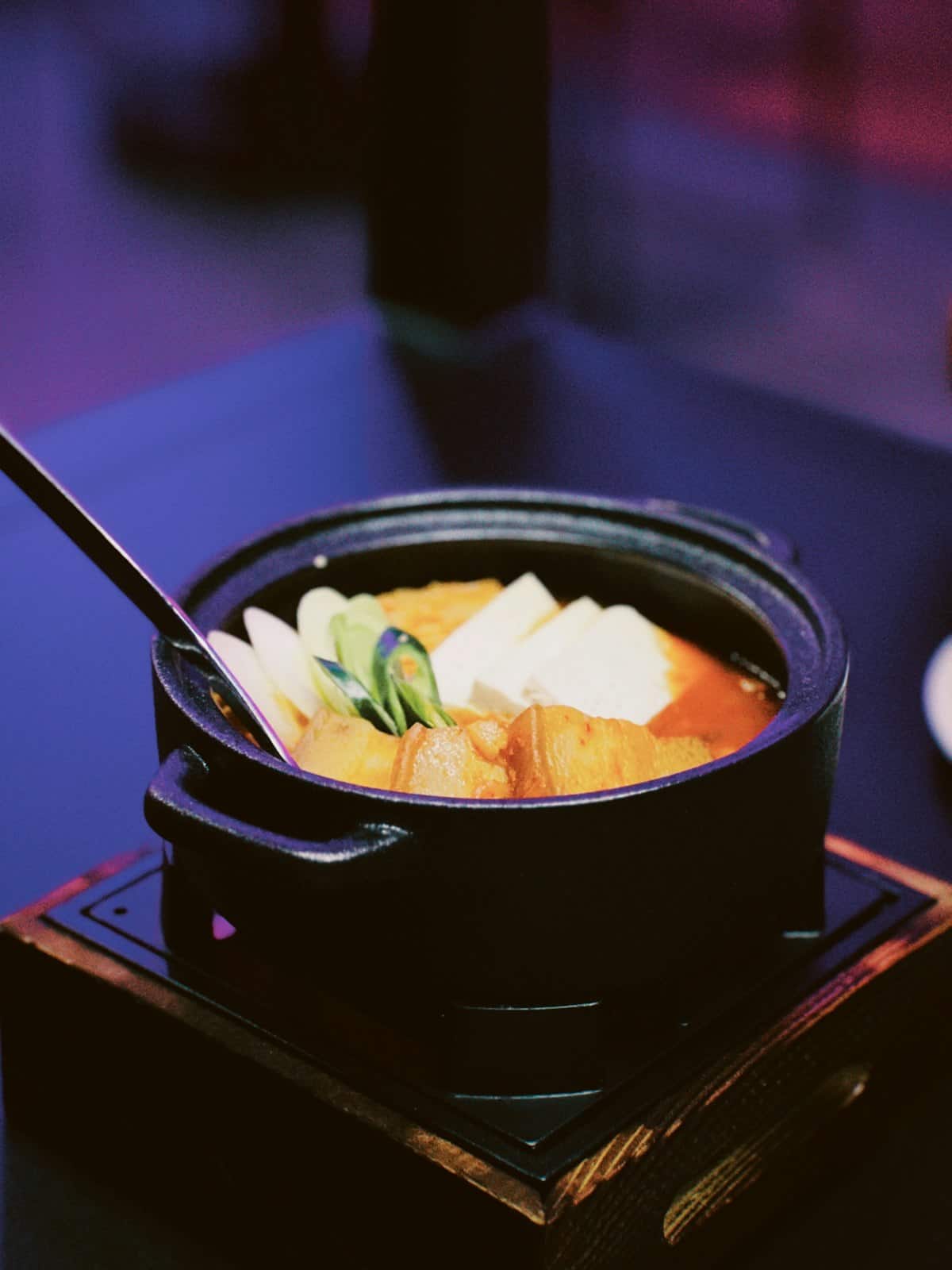
Steps
- 1
Heat the oil in a small pot and cook the pork (or seafood) briefly until just starting to color.
- 2
Add the gochugaru and garlic, and stir for about 30 seconds until fragrant.
- 3
Pour in the stock and bring to a boil.
- 4
Season with soy sauce or fish sauce.
- 5
Spoon the sundubu directly into the pot in large, soft scoops — don't cut it into neat cubes, it's meant to break apart naturally.
- 6
Simmer 3-4 minutes, just until the tofu is heated through.
- 7
If using an egg, crack it into the center right before serving so it cooks gently in the residual heat.
- 8
Top with green onion and serve immediately, still bubbling.
Did you know — Korean culture
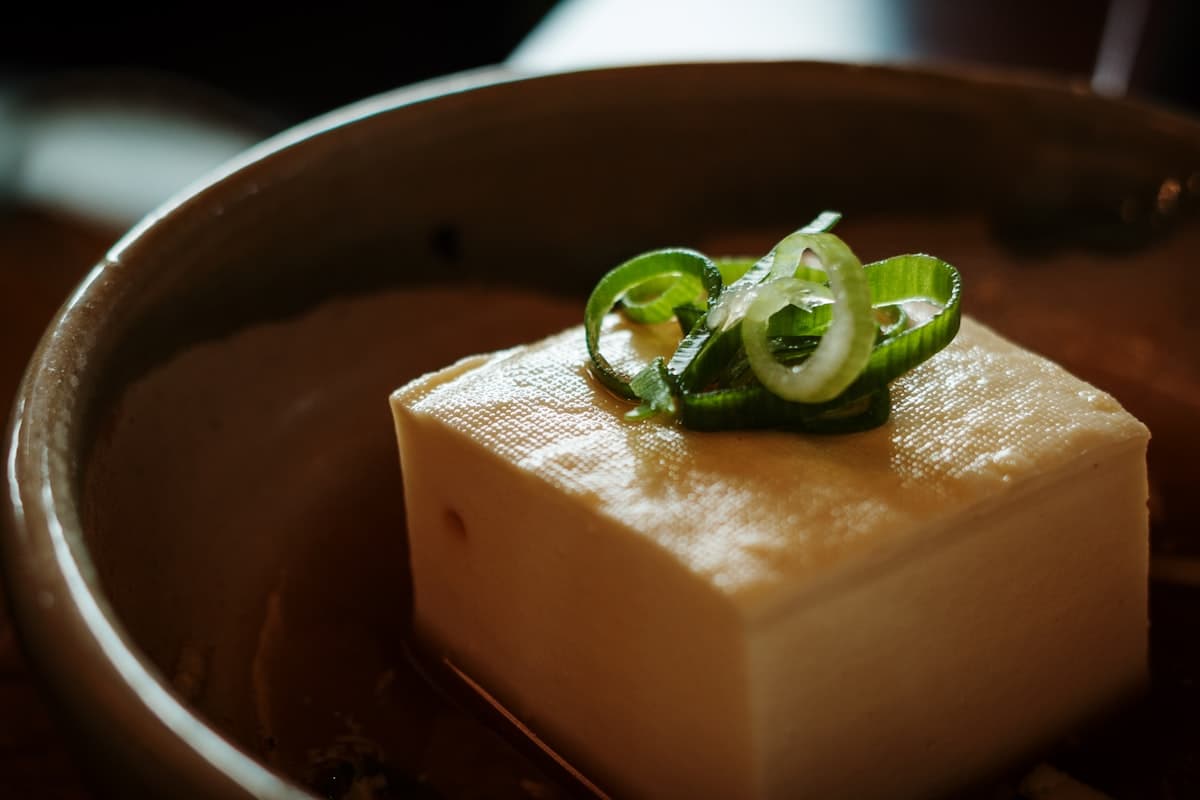
Sundubu's silky texture may trace back to one very specific decision. Records connect it to Chodang, a village where a Joseon-era official reportedly made tofu using seawater instead of the usual brine to set the curds — leaving it soft and uncurdled instead of pressed into a firm block. Whether that's the literal origin or not, it's still the exact texture the dish is built around today.
Sundubu means "pure tofu," and it's a specific product, not just soft tofu you happen to have. It's never pressed or curdled the way firmer tofu is, which is why it holds a custard-like, almost pudding texture instead of a clean-cut cube. Buy the tube, not the block.
Records connect this stew back to a tofu-making tradition in a village called Chodang, where a Joseon-era official reportedly used seawater instead of brine to set the curds. Whatever the exact origin, the defining move hasn't changed: keep the tofu unpressed and barely set, and let it break apart into the broth rather than holding a shape.
Cracking a raw egg into the pot right before it reaches the table, not while it's still on the stove, is deliberate. The broth is hot enough to cook it gently in the few minutes it takes to actually start eating, without turning it into scrambled egg.
Sundubu is a specific product
Sundubu is uncurdled, extra-soft tofu — softer than silken, sold in a tube or a plastic pouch rather than a block. It has the texture of very loose custard.
Silken tofu is the nearest substitute and works, though it is firmer and gives a different mouthfeel. Firm tofu does not work — the whole point is that the tofu breaks into soft clouds through the broth rather than sitting in it as cubes.
Squirt it straight from the tube into the pot in large pieces and break it up only slightly with a spoon. Over-stirring turns the stew cloudy and grainy.
Blooming the chili oil
The red colour and most of the flavour come from gochugaru bloomed in fat, not from adding chili powder to liquid.
Start by heating oil — sesame oil, or neutral oil with pork fat — and cooking gochugaru with garlic for 30 seconds until it turns deep red and smells toasty. Then the stock goes in.
Thirty seconds is the window. Chili powder burns fast and turns acrid, and burnt gochugaru cannot be rescued.
This is the same principle as frying the kimchi in kimchi jjigae: the flavour compounds are fat-soluble.
Protein and stock choices
Seafood — clams, shrimp, and often a mix. Clams add real depth as they open into the broth.
Pork belly, thinly sliced, for a richer version.
Beef, less common but traditional in some regions.
Both, which is how many restaurants serve it.
Vegetarian: dasima kelp stock plus mushrooms. It genuinely works, because the tofu and chili are carrying the dish.
The egg is cracked in at the very end and left to set in the residual heat. Do not stir it through — it should sit as a soft yolk in the middle.
Timing and serving
20 minutes. This is among the fastest real Korean stews.
It must arrive still bubbling. Sundubu jjigae is served in a ttukbaegi — an earthenware pot — specifically because it holds heat and keeps the stew boiling at the table, which is what cooks the egg. A regular pot works; take it to the table immediately and accept that it cools faster.
Do not make this ahead. The tofu breaks down completely on reheating and the texture is the dish.
Storing — honestly, don't
1–2 days at most, and it is noticeably worse. The sundubu disintegrates and the broth turns cloudy.
If you want to prep, make the chili-oil base and the stock in advance and keep them separately. The final assembly is five minutes.
Do not freeze. Soft tofu freezes into a spongy, honeycombed texture that is unusable here.
What to serve with it
- Rice, and traditionally you tip some of the stew over it rather than eating them separately
- Kimchi
- A couple of light banchan — kongnamul muchim, sigeumchi namul
- Not another stew. This one is complete.
Troubleshooting
Tofu turned watery and thin? Regular soft or medium tofu was probably substituted for sundubu — they're not interchangeable here. Sundubu holds its custardy texture even as it heats through; other tofu just breaks down.
Broth too bland? The gochugaru needs a few seconds in hot oil before the liquid goes in — that blooming step is where a lot of the flavor comes from, not from the liquid itself.
Egg not cooking through? That's normal and intended — it's meant to be soft-set, more like a poached egg than hard-cooked. If you want it firmer, stir it into the broth for the last minute of simmering instead of adding it at the table.
Common questions
What is sundubu?
Extra-soft, uncurdled tofu, sold in tubes or pouches rather than blocks. It has a loose, custard-like texture and breaks into soft clouds through the broth. Silken tofu is the closest substitute; firm tofu does not work for this dish.
Can I use regular tofu for sundubu jjigae?
Silken tofu, yes — it is firmer but acceptable. Firm or extra-firm tofu, no. The stew depends on the tofu dissolving into soft curds through the broth, and firm cubes just sit in it.
Why is my sundubu jjigae not red?
The gochugaru was added to the liquid instead of bloomed in fat first. Cook the chili flakes in hot oil with garlic for about 30 seconds before adding stock — that is where both the colour and most of the flavour come from.
Do I need a ttukbaegi?
No, but it helps. The earthenware pot holds heat so the stew is still boiling at the table, which is what cooks the egg cracked in at the end. A regular pot works if you serve it immediately.
Can sundubu jjigae be made ahead?
Not really. The soft tofu breaks down on reheating and texture is most of the dish. Make the chili-oil base and stock ahead separately if you want to save time — final assembly only takes five minutes.
Recommended products
- Ttukbaegi (Korean stone pot)
- Sundubu (silken tofu tubes)
More to cook
All Stews & Soups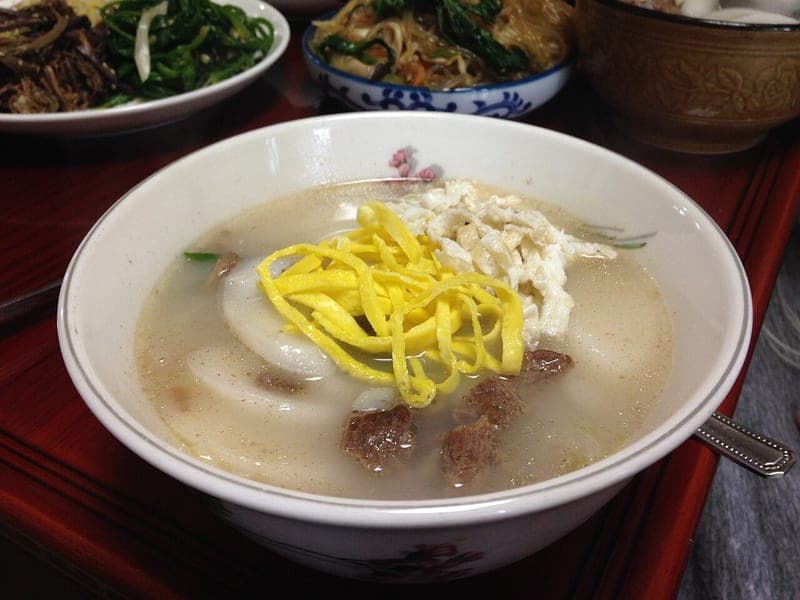
Tteok Guk (New Year's Rice Cake Soup)
Why the rice cakes need soaking before they hit the broth, and how a clear beef stock keeps this New Year's soup from turning cloudy and starchy.
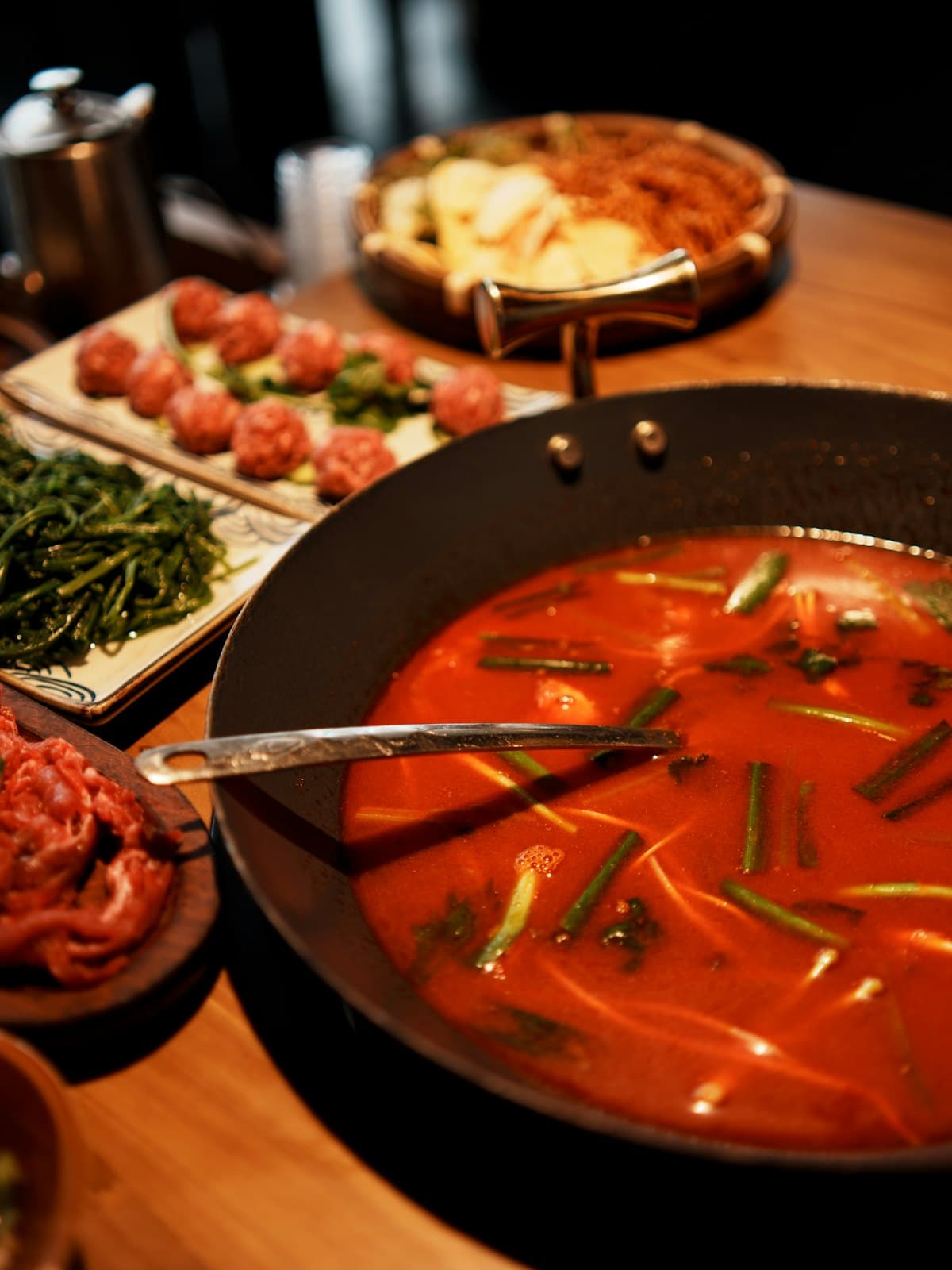
Yukgaejang (Spicy Beef Soup)
The shredded-brisket technique and gochugaru-oil base that gives yukgaejang its deep red color without relying on heat alone.
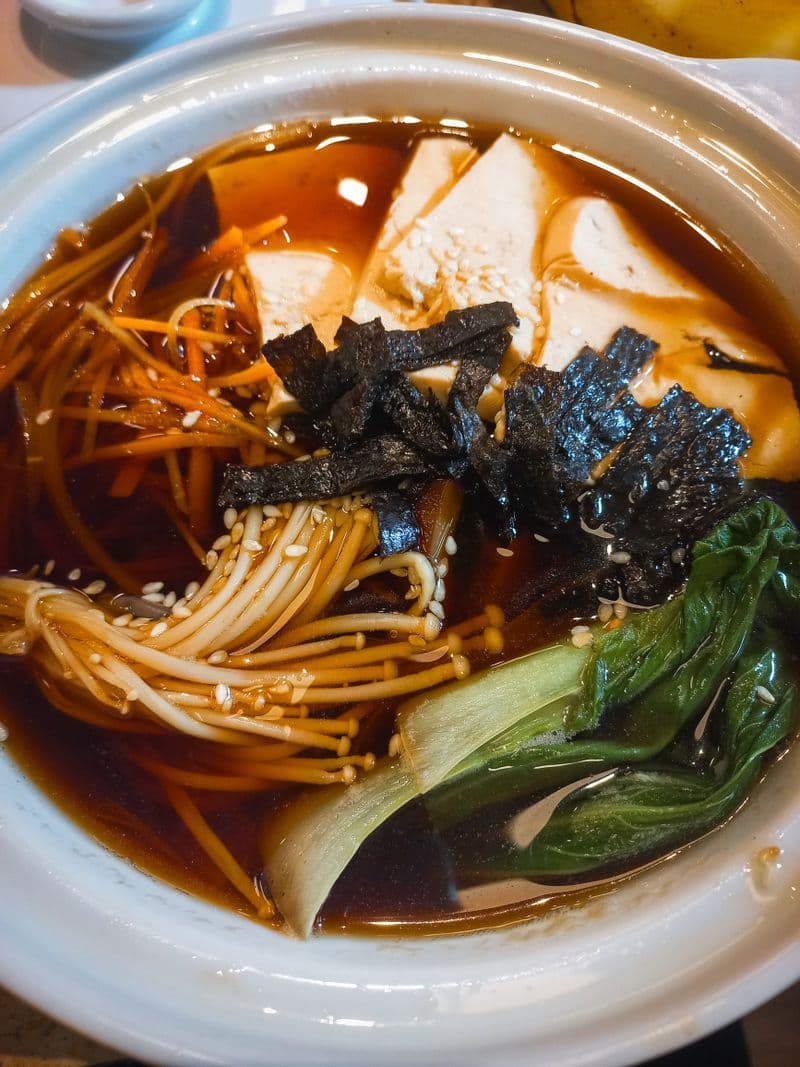
Beoseot Jeongol (Mushroom Hot Pot)
Why staggering mushroom varieties by cook time keeps the broth clean, and how building the broth separately from a dashi base changes the final depth.