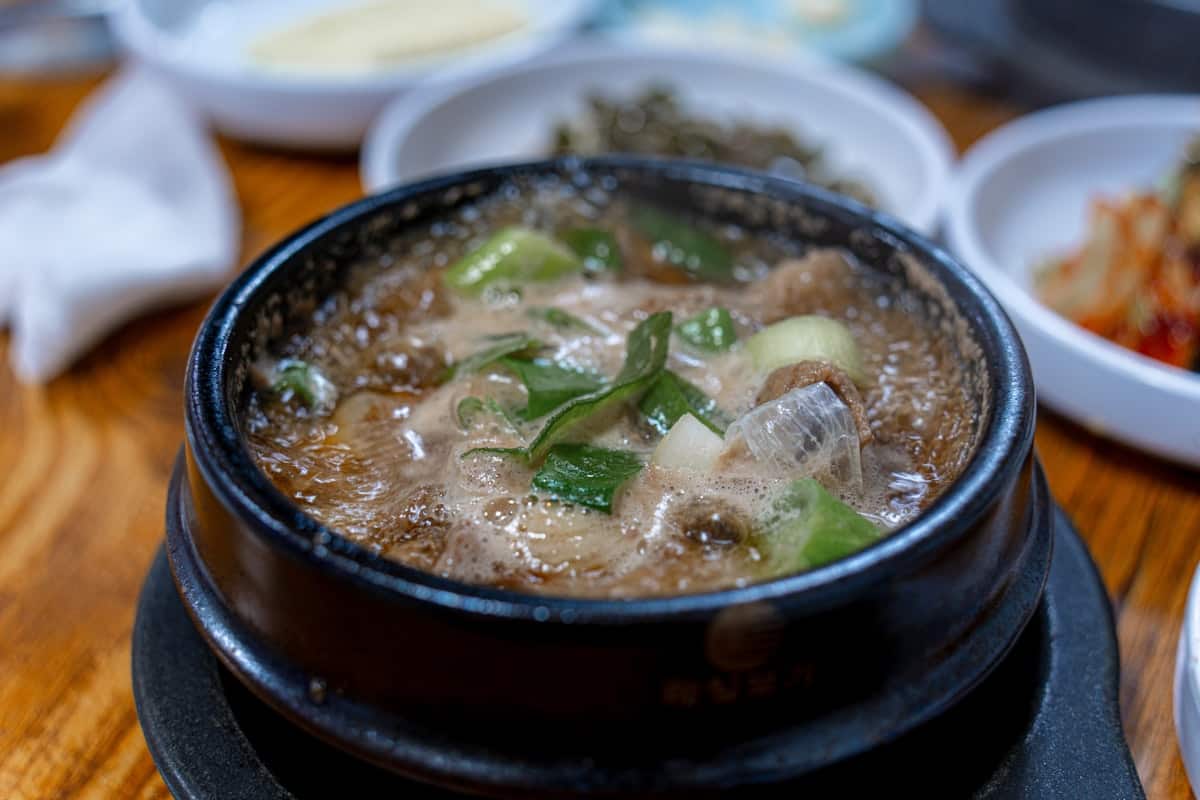
Steps
- 1
Simmer the rice water with the dried anchovies and kelp for 10 minutes to build a base stock.
- 2
Strain out the anchovies and kelp.
- 3
Stir the doenjang into the stock until fully dissolved.
- 4
Add the potato and onion, and simmer until the potato is nearly tender, about 10 minutes.
- 5
Add the zucchini and gochugaru, and simmer another 5 minutes.
- 6
Add the tofu and simmer 3 more minutes, just until heated through.
- 7
Finish with green onion and chili, and serve bubbling.
Did you know — Korean culture
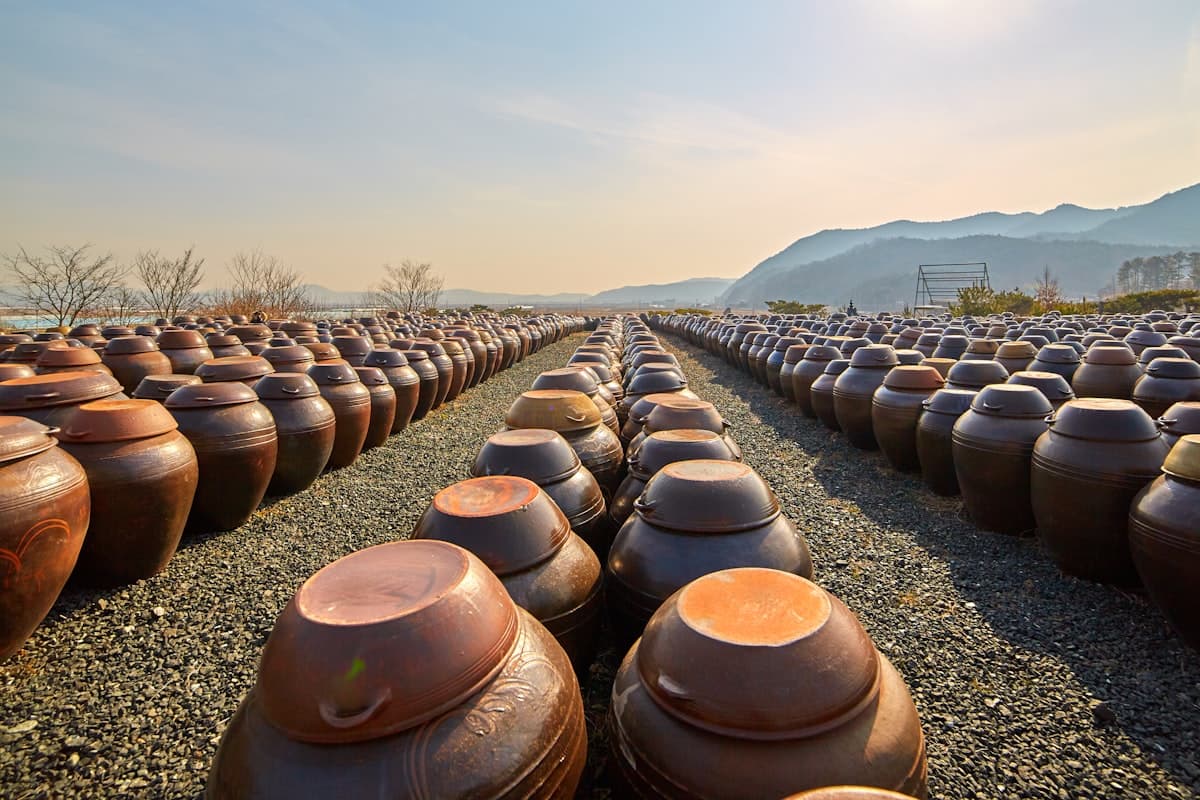
Doenjang has one of the oldest paper trails of any ingredient in Korean cooking. The Samguk sagi, a 12th-century history of Korea's ancient kingdoms, records that doenjang and other fermented pastes were served at the 683 CE royal wedding of King Sinmun of Silla — meaning the stew in your bowl runs on a condiment with roughly 1,300 years of documented history behind it.
Doenjang jjigae is the stew Korean home cooks make without a recipe, which is exactly why it's easy to get slightly wrong the first few times — there's no single dramatic step, just a handful of quiet ones that add up.
The stock matters more than people expect from something this everyday. Rice water gives the base a subtle starchy body that plain water doesn't, and simmering anchovies and kelp into it for just ten minutes builds real depth before the doenjang even goes in.
Doenjang itself has one of the longest documented histories in Korean cooking — fermented soybean pastes show up in records connected to the ancient kingdom of Goguryeo, and doenjang was formally served at a royal wedding in 683 CE. Long before it was a pantry staple, it was already central enough to show up at the most important occasions.
Doenjang jjigae and sundubu jjigae are the two everyday Korean stews, and they solve different problems: this one is deep and savoury, the other is fast, hot and built around soft tofu. Between them they cover most weeknights.
Troubleshooting
Stew tastes flat despite plenty of doenjang? The stock step probably got skipped or rushed. Doenjang alone, in plain water, is missing the savory backbone the anchovy-kelp base provides.
Doenjang left gritty or clumped? Dissolve it in a little warm stock first, off to the side, before adding it to the pot — dumping the paste straight in makes it hard to break up evenly.
Too salty? Doenjang brands vary a lot in saltiness. Start with less than you think you need and adjust at the end, rather than committing to a full three tablespoons up front.
Recommended products
- Doenjang (fermented soybean paste)
- Dried anchovies and kelp for stock
More to cook
All Stews & Soups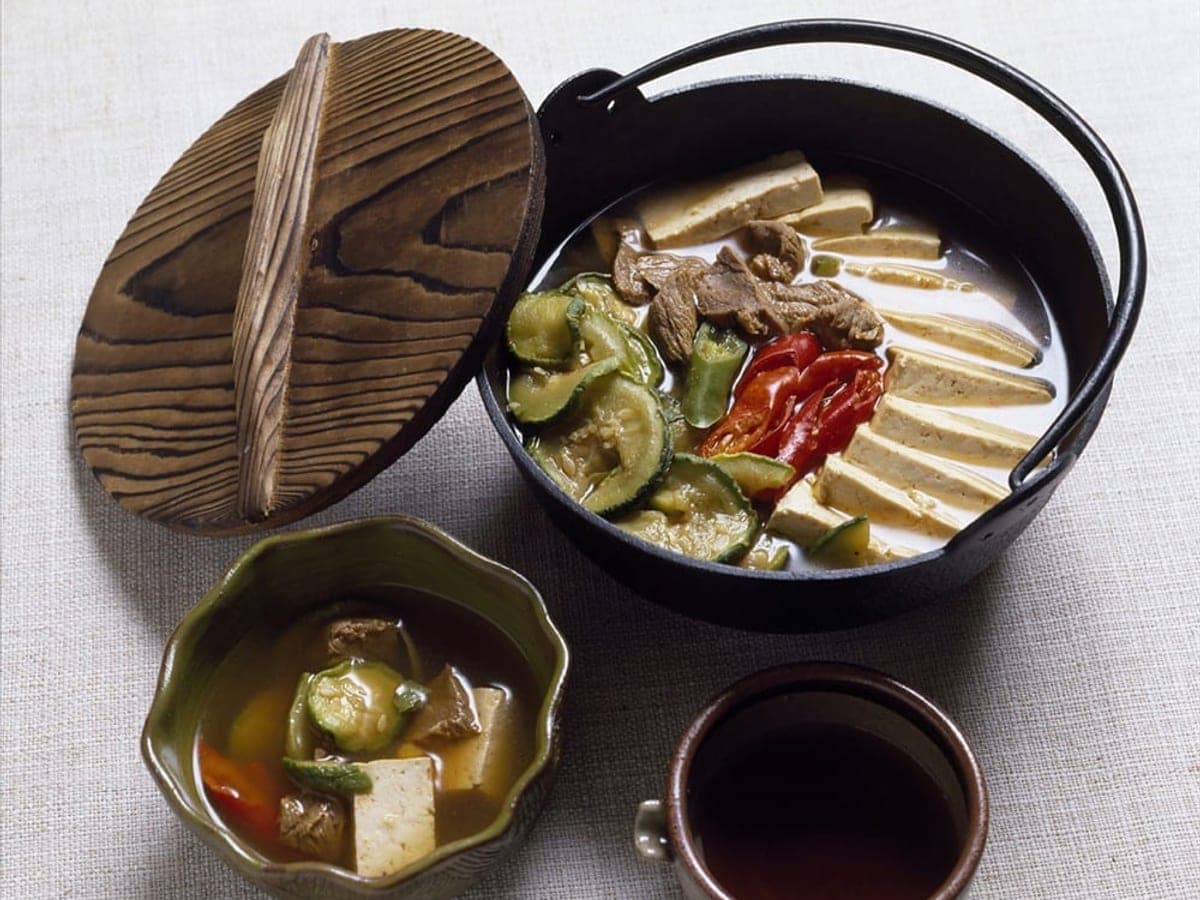
Dubu Jeongol (Tofu Hot Pot)
How to arrange a tofu hot pot so everything finishes together, and why the broth goes in cold and comes up to heat at the table rather than in the kitchen.
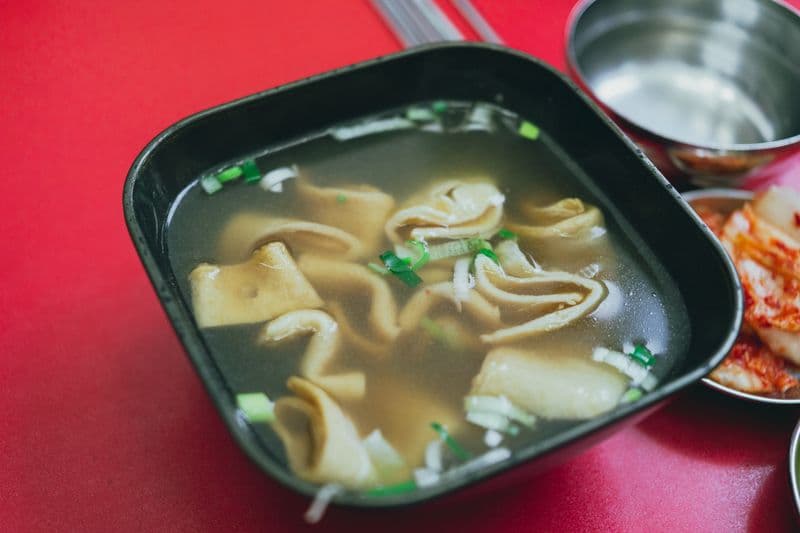
Eomuk Guk (Fish Cake Soup)
Why the anchovy-kelp stock needs to be strained and the fish cake blanched, and how skipping either step leaves the broth cloudy or oily.
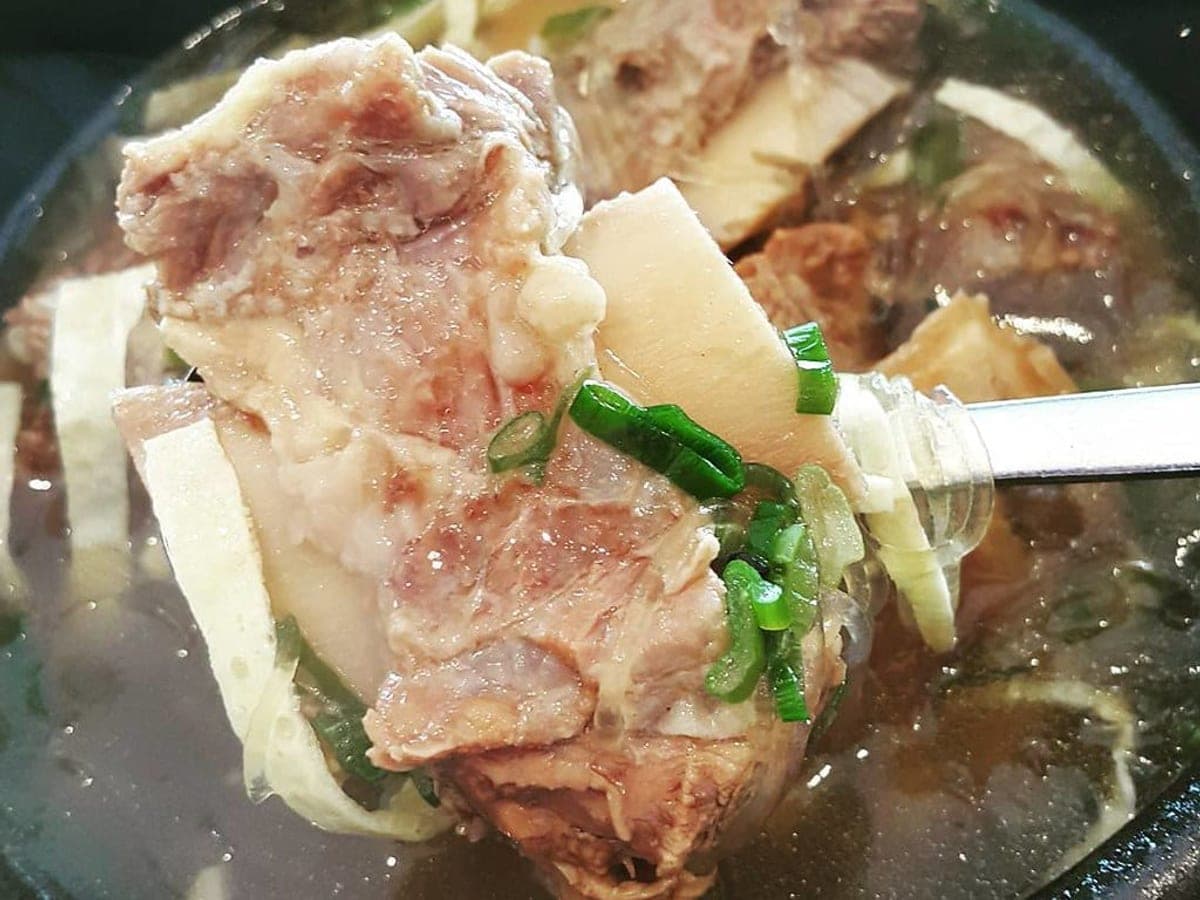
Galbitang (Beef Short Rib Soup)
Why short ribs get soaked and parboiled before they ever meet the broth, and how that discarded first boil is what makes galbitang clear instead of muddy.