Steps
- 1
Place the pork belly in a pot with the onion, garlic, ginger, green onions, doenjang, and coffee or soju.
- 2
Add enough water to fully cover the pork.
- 3
Bring to a boil, then reduce to a steady simmer.
- 4
Simmer 45-90 minutes, until a skewer slides through the thickest part with no resistance.
- 5
Let the pork rest in the liquid for 10 minutes off the heat before removing.
- 6
Slice thin, against the grain.
- 7
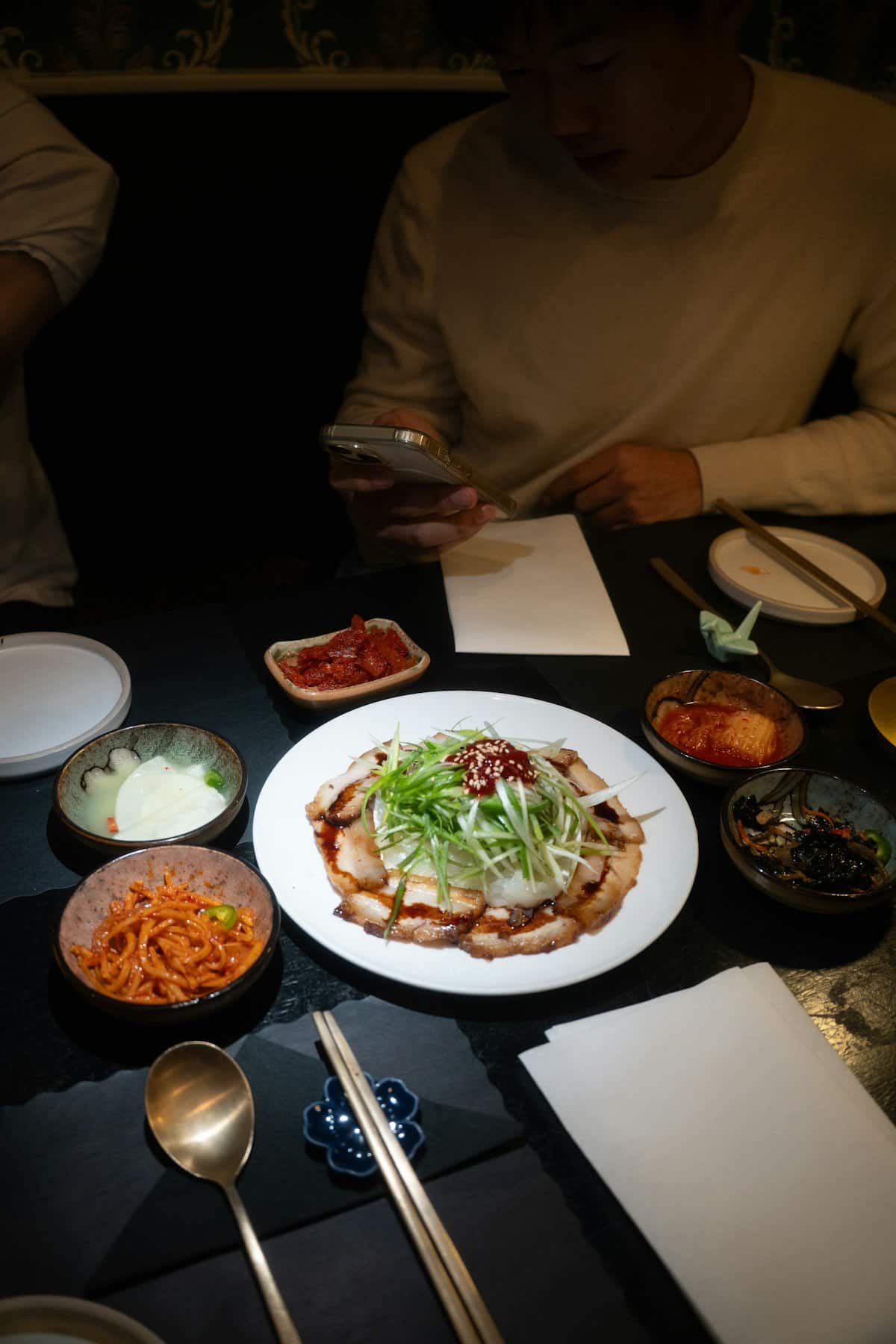
Serve with salted cabbage leaves, radish salad, salted shrimp, and kimchi for wrapping at the table.
Did you know — Korean culture
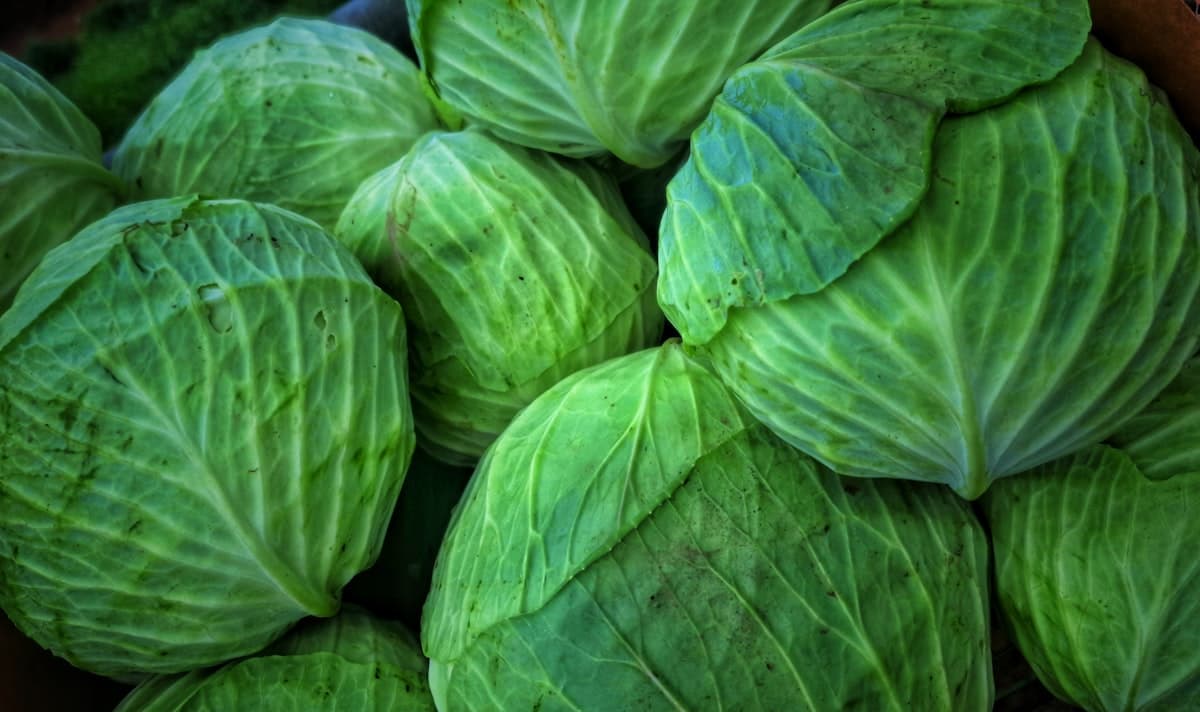
Bossam's whole format comes from a scheduling decision, not a flavor idea. It's traditionally tied to kimjang, the once-a-year communal kimchi-making push — families slaughtered a pig the same week they were harvesting and salting cabbage, giving exhausted workers a rich, ready meal wrapped in the same salted leaves already being prepped for the kimchi pots.
Bossam is boiled, not braised, and the brine is doing more work than the word "boiled" suggests. Doenjang, garlic, ginger, and green onion turn the cooking liquid into something that seasons the meat from the outside in, rather than just cooking it in plain water.
The dish traces back to the Goryeo dynasty in the Gaesong region, and its more common story ties it directly to kimjang — the communal kimchi-making season. Butchering a pig at the same time as the annual cabbage harvest gave the exhausted workers something substantial to eat, and bossam's whole format — rich pork wrapped in the same salted cabbage being prepped for kimchi — comes straight out of that pairing.
Slicing thin matters more here than with most pork dishes. Bossam is eaten wrapped, not forked straight off the plate, and a thick slice just overwhelms the cabbage leaf instead of folding into a clean bite.
The pork and the poaching liquid
Pork belly, skin on if you can get it, in one piece rather than sliced. Shoulder also works and is leaner.
It is boiled, not roasted. This is what separates bossam from other pork dishes — the meat comes out clean-tasting, tender and moist rather than crisp.
The poaching liquid is doing the seasoning, since the meat is served plain:
- Doenjang — a generous spoonful, the main flavouring
- Coffee, or instant coffee powder — genuinely traditional, and it deepens colour and cuts porkiness
- Onion, garlic, ginger, scallion, whole peppercorns
- A splash of soju or rice wine
- Some cooks add a bay leaf or a cinnamon stick
Simmer, do not boil hard. 60–90 minutes until a skewer goes through with no resistance.
Resting and slicing
Rest the pork in its liquid for 10–15 minutes off the heat. Lifted straight out, it dries as it cools.
Slice it thick — about 5mm, thicker than bulgogi. Bossam is meant to be a substantial piece inside the wrap, not a sliver.
Serve it warm, not hot and not cold. Warm pork against cold, crisp kimchi is the contrast the dish is built on.
The kimchi that comes with it
Bossam is traditionally served with freshly made, unfermented kimchi — often called bossam kimchi or geotjeori. This is deliberate and it is not the same as the jar in your fridge.
Fresh kimchi is crunchy, bright and lightly seasoned, which works against rich pork in a way that sour, fermented kimchi does not. It is dressed and eaten the same day.
Muchae — seasoned raw radish strips — often accompanies it, sharp and crunchy.
If you only have fermented kimchi, it still works; it is just a different, heavier balance.
Building the wrap
Same principle as samgyeopsal, and again the order matters:
- Lettuce or steamed napa cabbage leaf
- A slice of pork
- A little ssamjang or salted shrimp
- Fresh kimchi and radish
- Garlic and chili if you want them
Saeujeot — salted fermented shrimp — is the traditional dip for bossam rather than ssamjang, and it is worth trying. Sharp, salty and funky against the plain pork.
Steamed napa cabbage leaves as the wrapper instead of lettuce are traditional and better in winter.
Timing, storing and reheating
About 2 hours, nearly all unattended simmering. Good for feeding people, since the work is front-loaded.
Make the pork ahead. It keeps 3 days refrigerated in its poaching liquid, which stops it drying — this matters more than the fridge time.
Reheat gently in the liquid, or steam it. A microwave dries it out and toughens it.
Freezing: acceptable for a month in liquid, though the texture softens.
What to serve with bossam
- Fresh kimchi, the defining accompaniment
- Saeujeot and ssamjang
- Lettuce, perilla (kkaennip), steamed cabbage for wrapping
- Rice
- Kimchi jjigae or a light soup
- Soju, conventionally
Troubleshooting
Pork still tough? Keep simmering — bossam wants a full hour or more for a proper cut of belly, not the shorter cook time you'd use for thinner pork.
Smells too strong? That's what the coffee or soju is for — either cuts the gamy edge of boiled pork without you tasting either ingredient directly in the final dish.
Wrap falling apart at the table? Cabbage leaves need a light salting and a few minutes to soften before serving — stiff, unsalted leaves crack instead of folding.
Common questions
What is bossam?
Pork belly simmered whole in a seasoned liquid, sliced, and eaten wrapped in leaves with fresh kimchi and salted shrimp. It's boiled rather than grilled, which gives clean-tasting, tender meat rather than crisp.
Why is coffee used in bossam?
It deepens the colour of the meat and cuts the porky smell, and it is a genuinely traditional inclusion rather than a modern trick. A spoonful of instant coffee in the poaching water is the usual amount, and the finished pork does not taste of coffee.
What kimchi goes with bossam?
Freshly made, unfermented kimchi — crunchy and bright rather than sour. The contrast with rich, warm pork is the point of the dish. Fermented kimchi works but gives a much heavier result.
Can bossam be made ahead?
Yes, and it's one of the better Korean dishes for it. Keep the pork in its poaching liquid in the fridge for up to three days and reheat it gently in the same liquid — that's what stops it drying out.
What is the difference between bossam and samgyeopsal?
Bossam is boiled pork belly, served sliced and warm with fresh kimchi. Samgyeopsal is raw pork belly grilled at the table. Same cut, entirely different cooking method and eating experience.
Recommended products
- Saeujeot (salted shrimp)
- Large stockpot
More to cook
All Meat & BBQ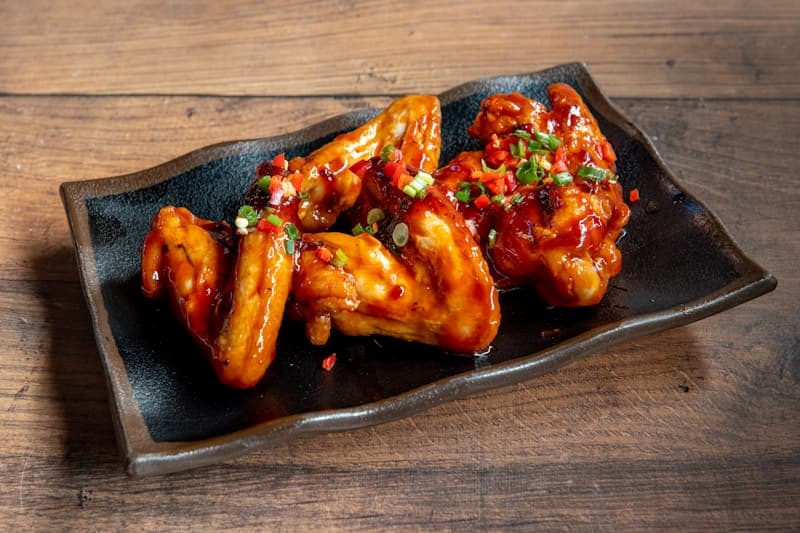
Buldak (Fire Chicken)
How to build real buldak heat with gochugaru and gochujang together, and why the sauce goes on at the very end, not during cooking.
Bulgogi (Korean Marinated Grilled Beef)
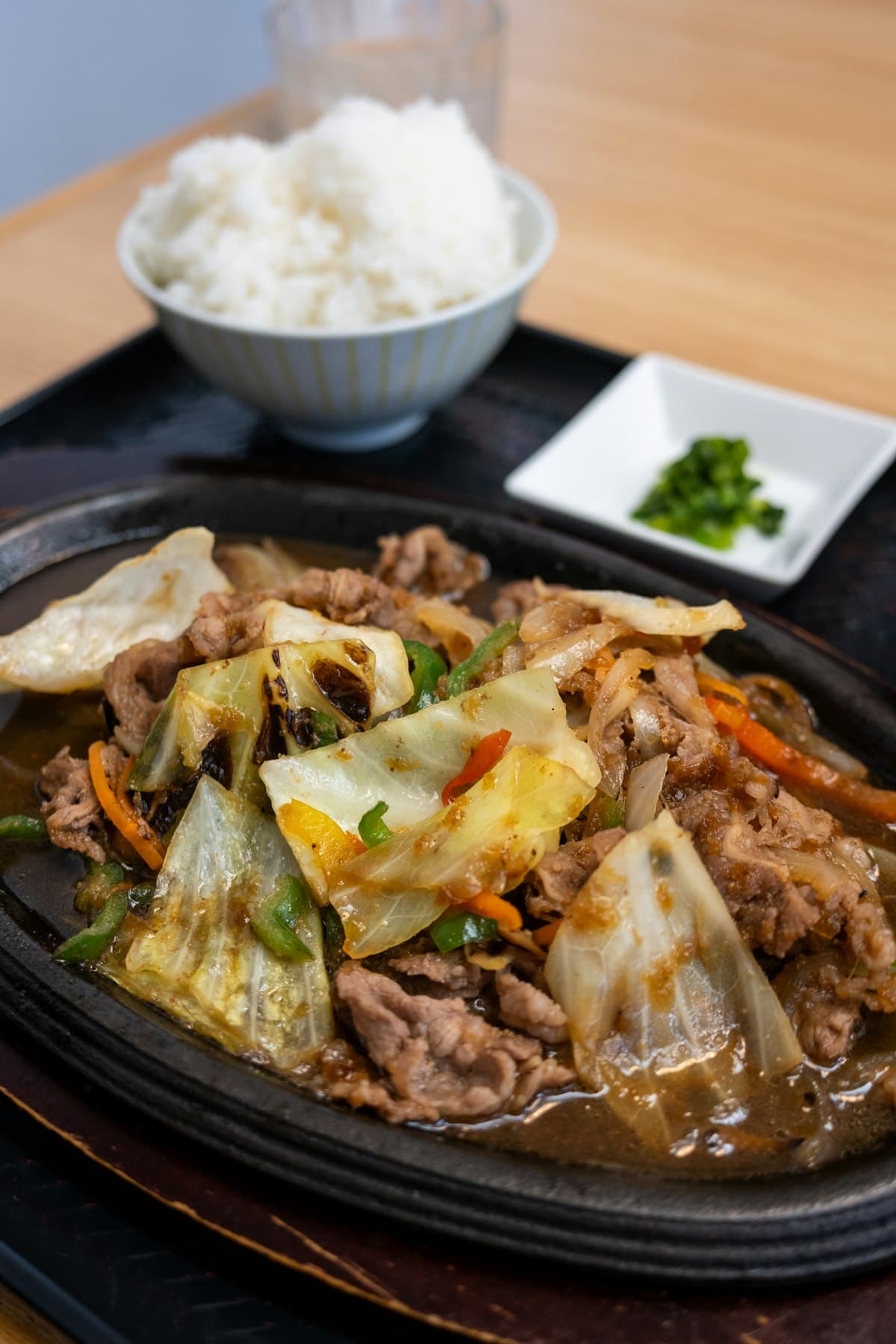
The pear-based marinade that actually tenderizes, the right cut, and the slicing trick most home versions skip — real bulgogi, not the sweet stir-fry version.
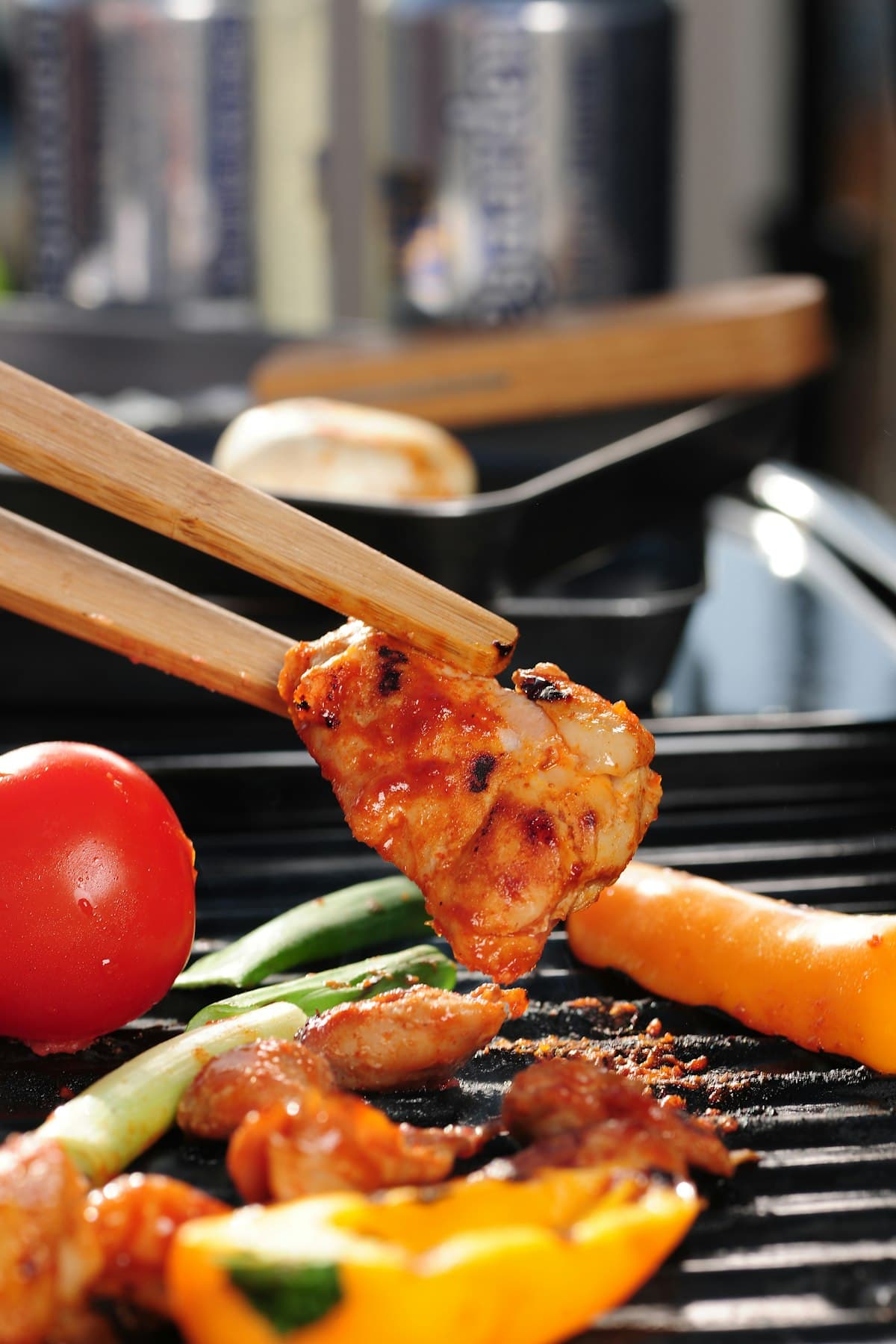
Dak Bulgogi (Chicken Bulgogi)
The marinade ratio and high-heat sear behind dak bulgogi, and why chicken thigh holds up better here than breast.