Meat & BBQ
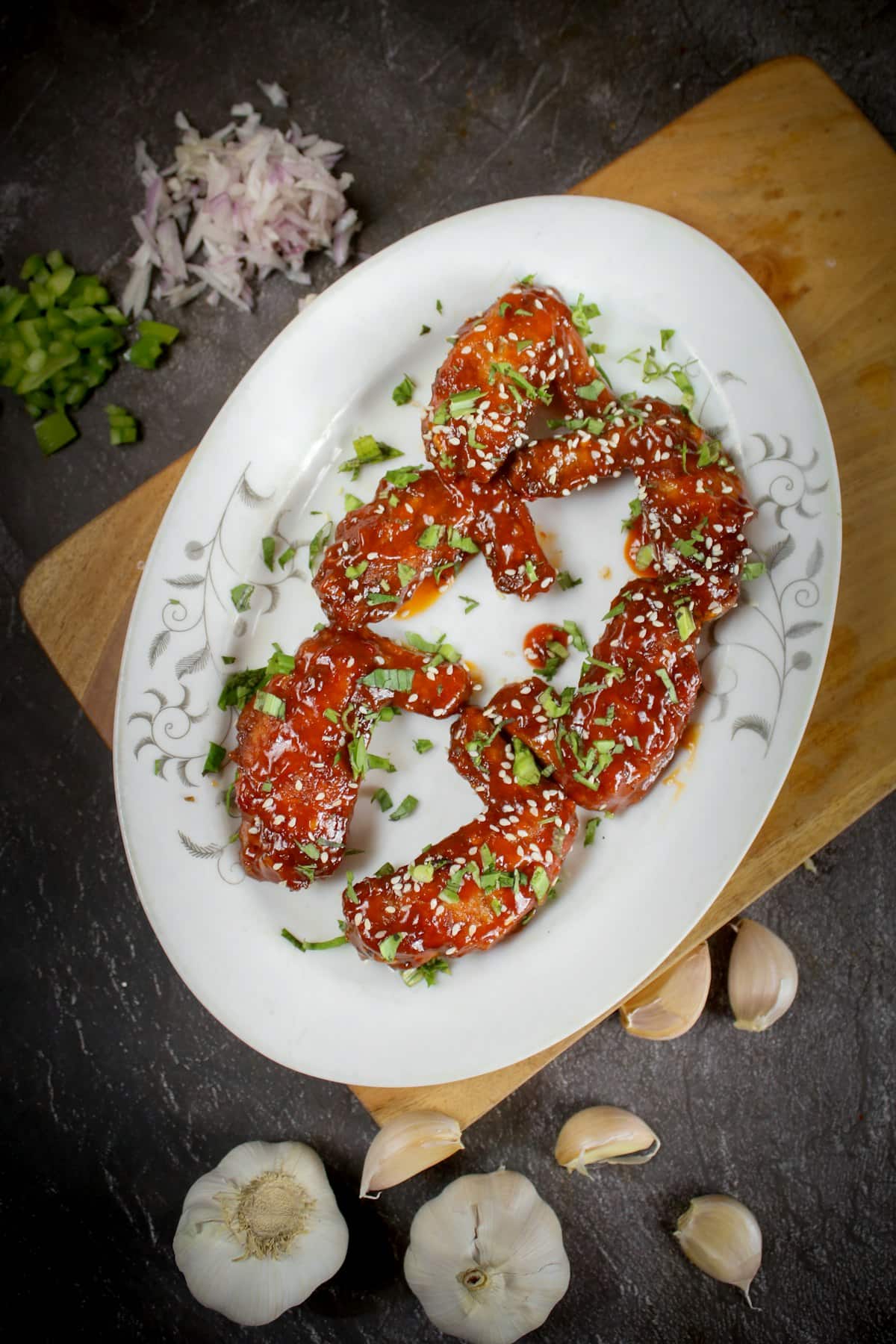
Dakgangjeong (Sweet & Spicy Glazed Fried Chicken Bites)
By Suku · · Updated
Prep
25 min
Cook
20 min
Servings
4
Steps
- 1
Season the chicken pieces with salt and pepper, then toss thoroughly in potato starch.
- 2
Heat oil to 325°F (165°C) and fry the chicken in batches for 4-5 minutes, until just cooked through.
- 3
Remove and let rest a few minutes, then increase the oil to 375°F (190°C) and fry again for 1-2 minutes, until deeply golden and crisp.
- 4
While frying, whisk together gochujang, honey, soy sauce, vinegar, garlic, and ginger in a saucepan.
- 5
Simmer the glaze over medium heat for 3-4 minutes, until it thickens enough to coat the back of a spoon.
- 6
Toss the hot fried chicken directly in the glaze until every piece is evenly coated.
- 7
Top with sesame seeds and crushed peanuts, and serve immediately.
Did you know — Korean culture
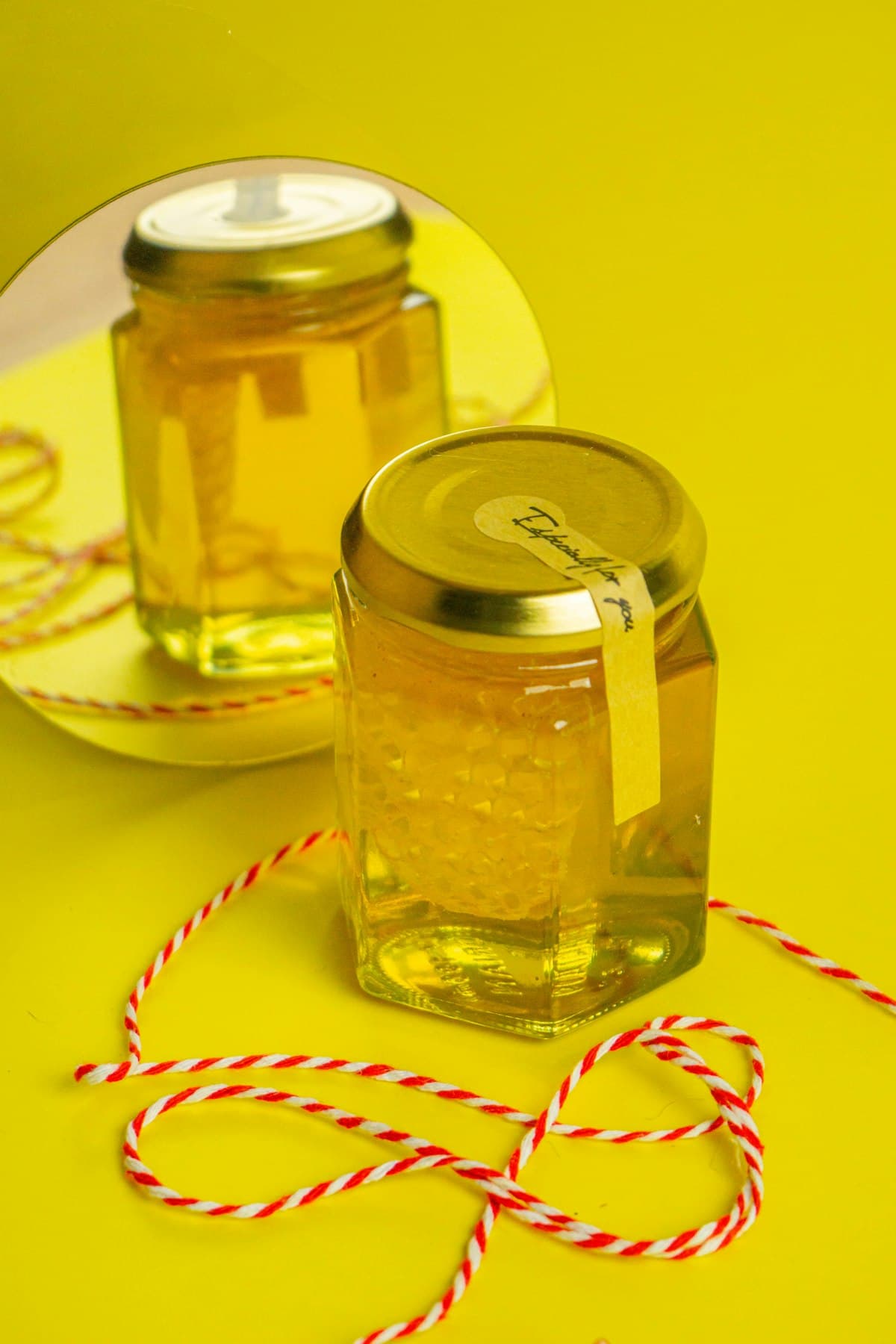
Dakgangjeong borrows its name and its finishing technique from gangjeong, a much older Korean confection — puffed rice or grain bound together with a honey or syrup glaze, traditionally made for holidays and special occasions for centuries. Applying that same honey-based glazing technique to fried chicken bites is a modern invention, popularized as a street-market snack, but the name is a direct nod to the older sweet: dak (chicken) plus gangjeong, borrowing the glaze method rather than the ingredients.
The double fry is what gives dakgangjeong its shattering crust, not just extra crispness for its own sake. The first, lower-temperature fry cooks the chicken through without over-browning it; the second, hotter fry is purely about texture, driving out the last bit of surface moisture so the crust stays audibly crisp even after it's coated in a wet glaze.
Simmering the glaze until it visibly coats a spoon isn't a cosmetic step — an under-reduced glaze is too thin to actually cling to the fried chicken, and it pools at the bottom of the bowl instead of forming that glossy, tacky coating dakgangjeong is known for.
Dakgangjeong borrows its name and its finishing technique from gangjeong, a much older Korean confection — puffed rice or grain bound together with a honey or syrup glaze, traditionally made for holidays and special occasions for centuries. Applying that same honey-based glazing technique to fried chicken bites is a modern invention, popularized as a street-market snack, but the name is a direct nod to the older sweet: dak (chicken) plus gangjeong, borrowing the glaze method rather than the ingredients.
The coating: starch, not flour
Potato or corn starch, not plain flour. Starch fries into a light, brittle, glassy shell; flour gives a softer, breadier coating that goes limp the moment sauce touches it.
This matters more here than in most fried chicken, because dakgangjeong is sauced — the coating has to survive being tossed in a wet glaze and still crunch.
Dry the chicken thoroughly before it goes near the starch. Wet chicken makes a pasty coating that slides off.
A wet batter version exists — starch plus a little water into a thin slurry — and gives a craggier surface. Both are legitimate; the dry dredge is easier.
Double-frying, and why it works
This is the technique that defines Korean fried chicken and it is not optional if you want the sauce to stay crisp.
First fry: 160°C, 6–8 minutes. Cooks the chicken through. It will look pale and slightly disappointing. That's correct.
Rest 5–10 minutes out of the oil. Steam escapes from inside the crust during this window, which is the whole mechanism.
Second fry: 190°C, 2–3 minutes. Dehydrates and hardens the shell into something that survives sauce.
Skip the rest between fries and you are just frying twice in a row, which does not achieve the same thing.
The glaze
Gochujang for body and heat, syrup for the gloss, soy sauce, garlic, vinegar, and often ketchup — which is genuinely standard rather than a shortcut.
Reduce the sauce in the pan first, until it thickens and coats a spoon. Then take it off the heat before the chicken goes in.
Toss fast and serve immediately. Chicken sitting in glaze goes soft within minutes. Restaurants toss to order for this reason.
Soy-garlic is the other classic and often served half-and-half with the spicy version — soy, garlic, syrup, no gochujang.
Timing and frying safely
About an hour, including 30 minutes marinating the chicken in salt, pepper, ginger and rice wine.
Use a thermometer. The double-fry depends on hitting two specific temperatures, and guessing produces either greasy or burnt chicken.
Fry in small batches. Adding too much at once drops the oil temperature and the chicken absorbs oil rather than crisping.
Peanuts tossed in at the end are traditional for dakgangjeong specifically, which distinguishes it from plain yangnyeom chicken.
Storing and reheating
Eat it within the hour. This is the honest answer — sauced fried chicken has a short window and nothing fully restores it.
2 days refrigerated if you must.
Reheat in an oven or air fryer at 190°C for 5–8 minutes. It recovers a surprising amount. Never the microwave, which turns the coating to wet paper.
To prep ahead: do the first fry, refrigerate the chicken, then do the second fry and sauce when you are ready. This works genuinely well and is how you serve it hot to guests.
What to serve with it
- Pickled radish cubes (chicken-mu) — the sweet-sour pickle served with every Korean fried chicken order, and it is there to cut the richness
- Beer. The chimaek pairing — chicken plus maekju — is a Korean institution
- Tteokbokki if you are making a spread
- Not much else. It is rich and complete.
Troubleshooting
Coating not staying crisp under the glaze? The second fry is what protects against this — make sure the oil is genuinely hot (375°F) for that pass, not just warm.
Glaze pooling instead of clinging to the chicken? It wasn't reduced long enough. Keep it on the heat until it visibly thickens and coats a spoon before tossing in the chicken.
Chicken greasy instead of crisp? The oil temperature likely dropped too low during frying — fry in smaller batches so the temperature doesn't crash, and let it come back up between batches.
Common questions
Why do you fry Korean fried chicken twice?
The first fry cooks the chicken through; the rest in between lets steam escape from inside the crust; the second, hotter fry dehydrates and hardens that crust. The result survives being tossed in sauce without going soggy. Skipping the rest between fries defeats the point.
What is the difference between dakgangjeong and yangnyeom chicken?
They're close relatives. Dakgangjeong is typically cut into smaller boneless pieces, glazed in a stickier, often sweeter sauce, and finished with peanuts. Yangnyeom chicken is usually larger, often bone-in pieces in a spicier sauce.
Can I use flour instead of starch?
You can, but the result is noticeably worse. Starch fries into a brittle, glassy shell that holds up under sauce; flour gives a softer, breadier coating that goes limp on contact with the glaze.
How do you reheat Korean fried chicken?
Oven or air fryer at around 190°C for five to eight minutes. It recovers a lot of its crunch. The microwave turns the coating to wet paper and there's no coming back from that.
Can I make dakgangjeong ahead for guests?
Do the first fry ahead and refrigerate the chicken, then do the second fry and sauce it just before serving. That works well. Fully finished chicken doesn't hold — it softens within the hour.
Recommended products
- Deep-fry thermometer
- Potato starch
More to cook
All Meat & BBQ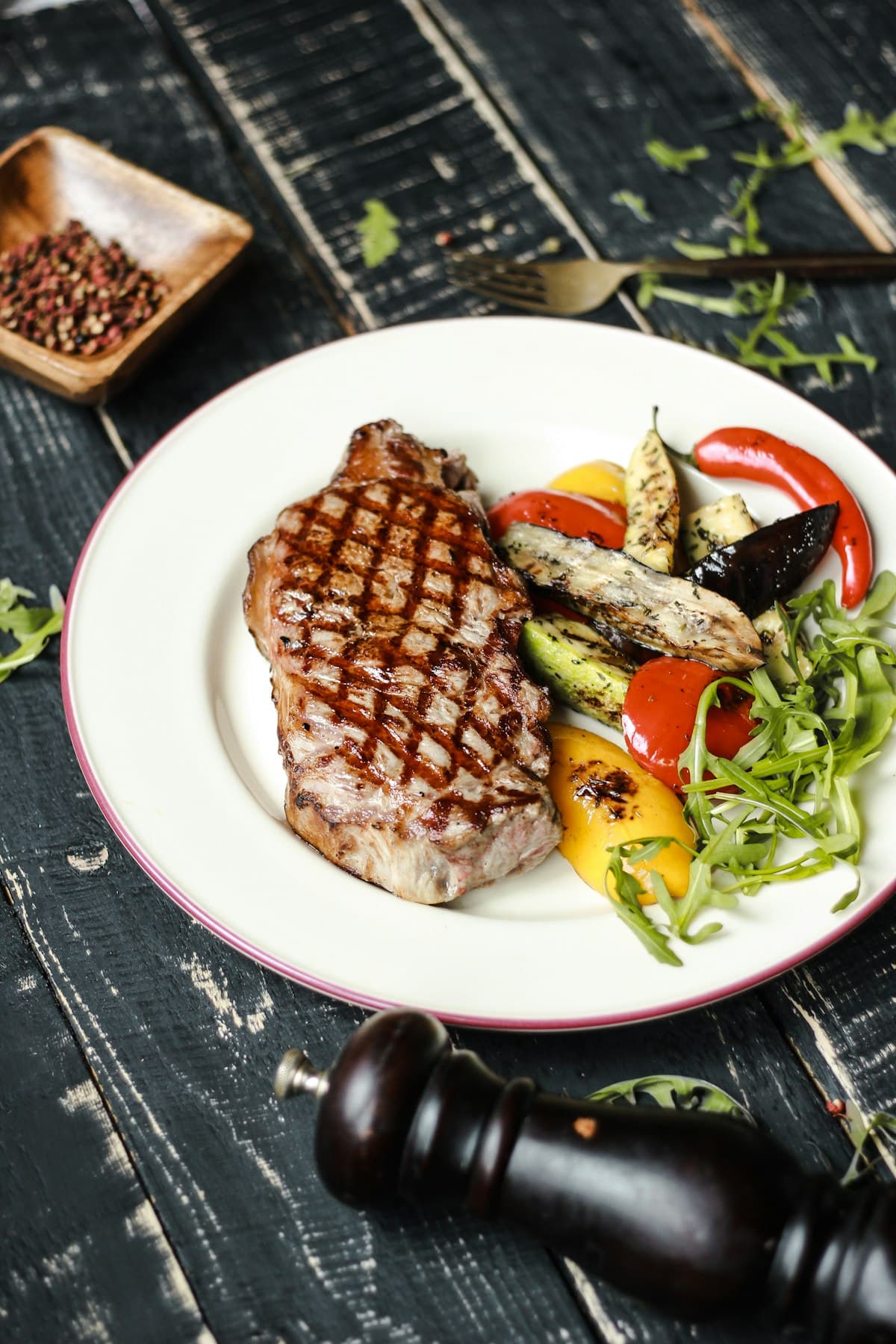
Deungshim Gui (Grilled Beef Sirloin)
The salt-and-rest technique behind deungshim gui, and why this cut is deliberately left almost unseasoned rather than marinated.
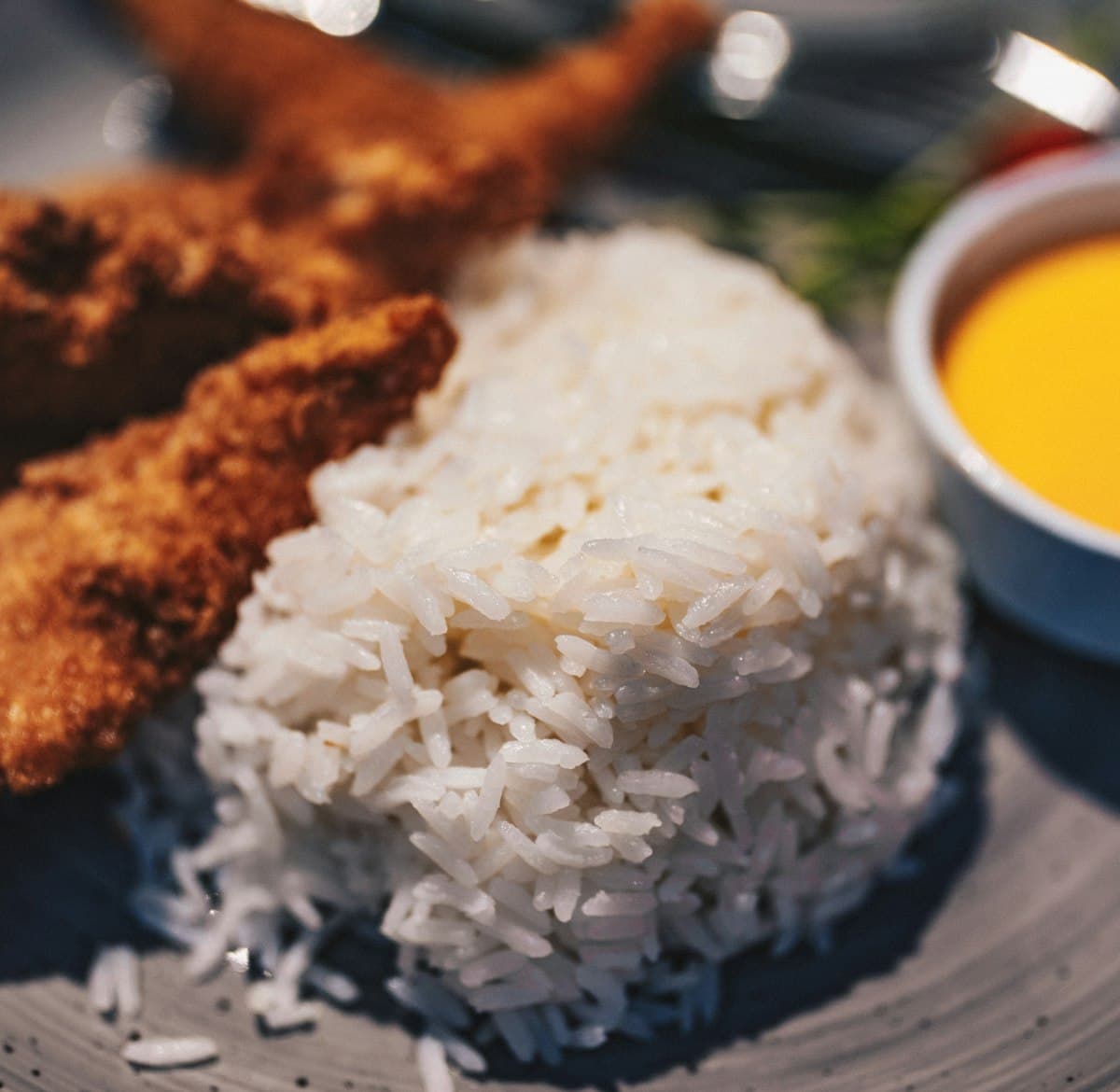
Donkatsu (Korean Pork Cutlet)
The pound-and-rest technique behind a tender donkatsu cutlet, and why frying temperature matters more than breading thickness.
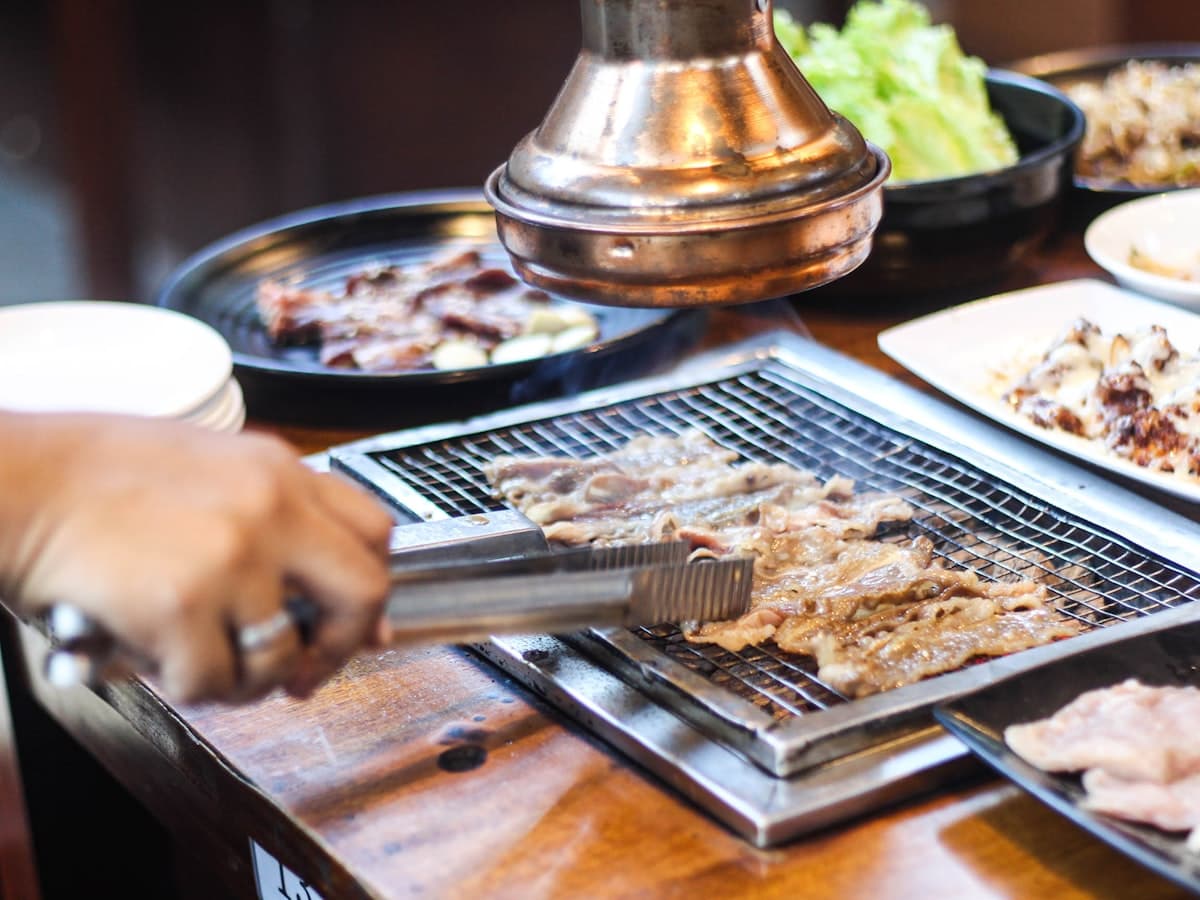
LA Galbi (Korean BBQ Short Ribs)
The cross-cut technique that turns thick short ribs into fast-marinating, fast-grilling flanken strips, plus the actual marinade ratio that makes them work.