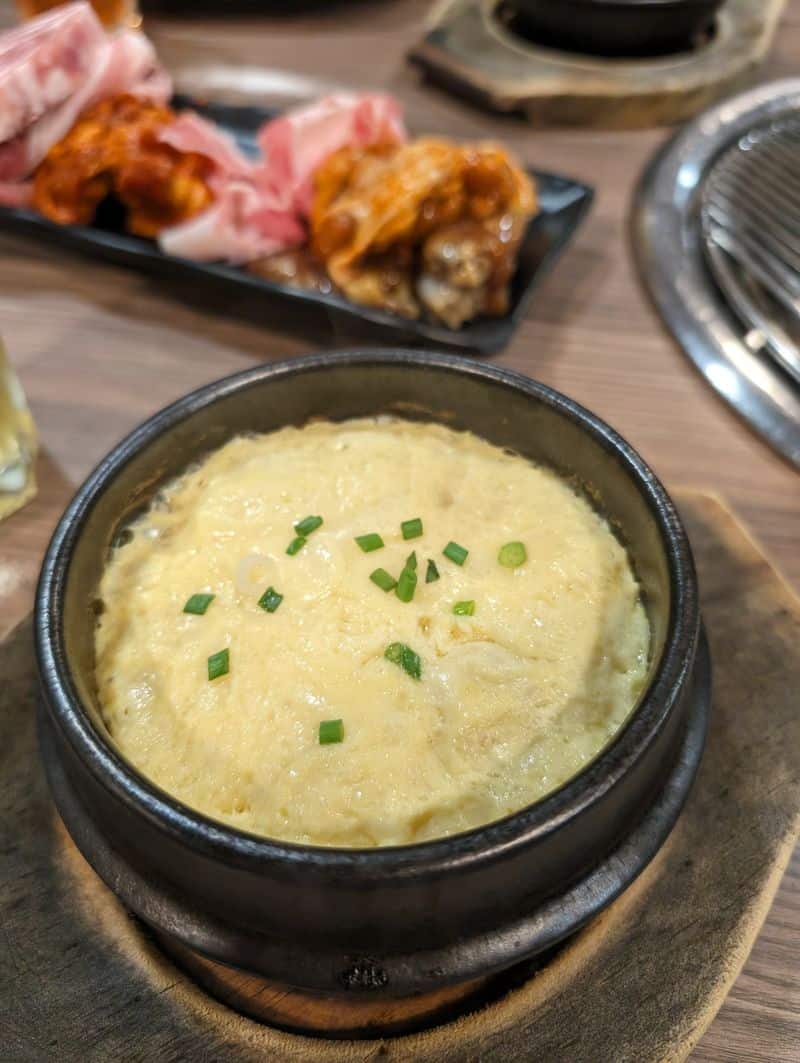
Steps
- 1
Whisk the eggs thoroughly in a bowl.
- 2
Strain the beaten eggs through a fine sieve to remove any chalazae or lumps — this is what makes the texture uniformly smooth.
- 3
Whisk in the water or stock, salt, and fish sauce if using.
- 4
Pour into a small stone pot or heatproof bowl.
- 5
Cook over low heat, stirring gently and continuously for the first 2-3 minutes as it starts to set, then stop stirring.
- 6
Cover and continue cooking on low until the eggs puff up and set, another 5-7 minutes.
- 7
Top with green onion and a drizzle of sesame oil, and serve immediately while still puffed.
Did you know — Korean culture
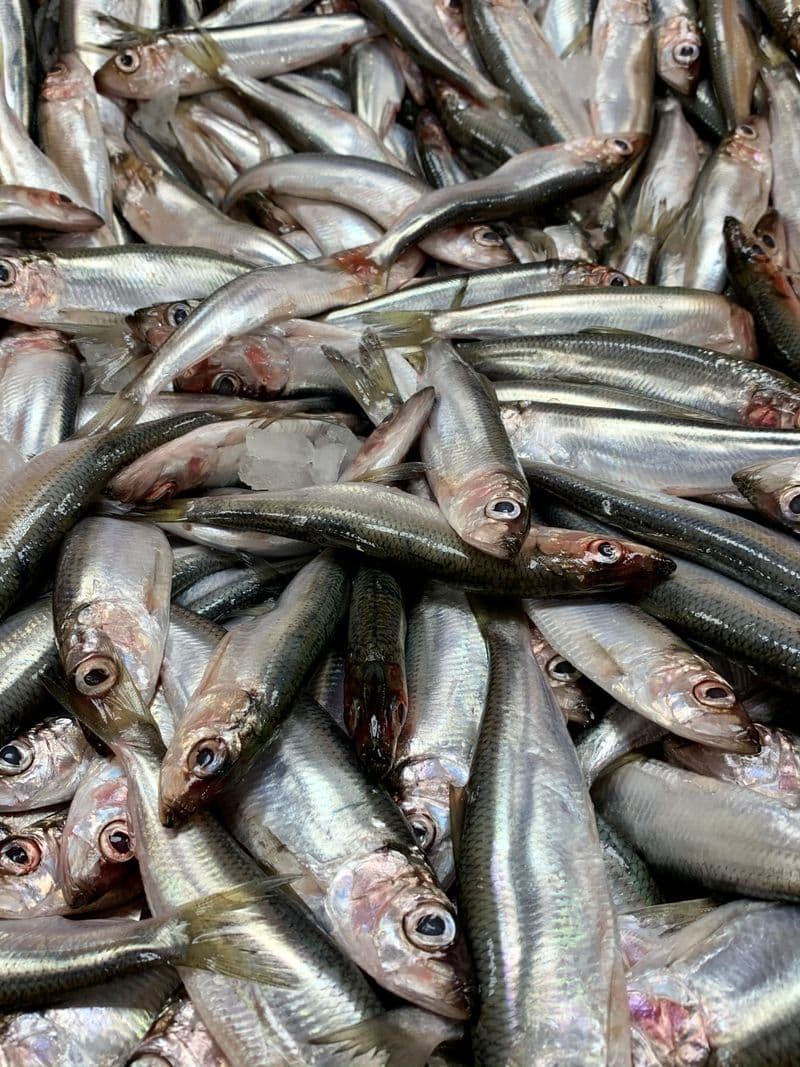
Gyeranjjim is one of the most common banchan on Korean tables specifically because it needs almost no separate prep — it just reuses the same anchovy stock already simmering for other dishes, so it comes together in the time rice takes to cook.
Straining the beaten eggs is a small step that changes the final texture more than almost anything else in this dish. The stringy white chalazae strands and any small lumps that don't fully whisk in are exactly what create the rubbery flecks people associate with a poorly-made steamed egg — straining them out is what gets the genuinely silky, uniform custard gyeranjjim is supposed to have.
Keeping the heat low throughout, rather than trying to speed things up, matters just as much. Eggs cooked too hot set unevenly and turn tough at the edges while the center is still loose; a low, patient heat is what lets the whole pot set at close to the same rate, which is also what gives it the light, souffle-like puff on top.
Gyeranjjim is one of the most common banchan across Korean home tables and restaurants alike specifically because it needs almost no separate prep — using the same anchovy stock already on hand for other dishes, it comes together in the time it takes rice to finish cooking.
Troubleshooting
Texture rubbery instead of silky? The eggs likely weren't strained, or the heat was too high — both leave behind the toughness that straining and low heat are meant to prevent.
Didn't puff up much? Keep the lid on once it starts to set, and don't peek too often — losing steam repeatedly stalls the rise.
Watery or separated? It was probably undercooked, or the ratio of liquid to egg was too high — stick close to a 1:1 ratio of egg to water/stock.
Recommended products
- Small stone or ttukbaegi pot
- Fine mesh sieve
More to cook
All Banchan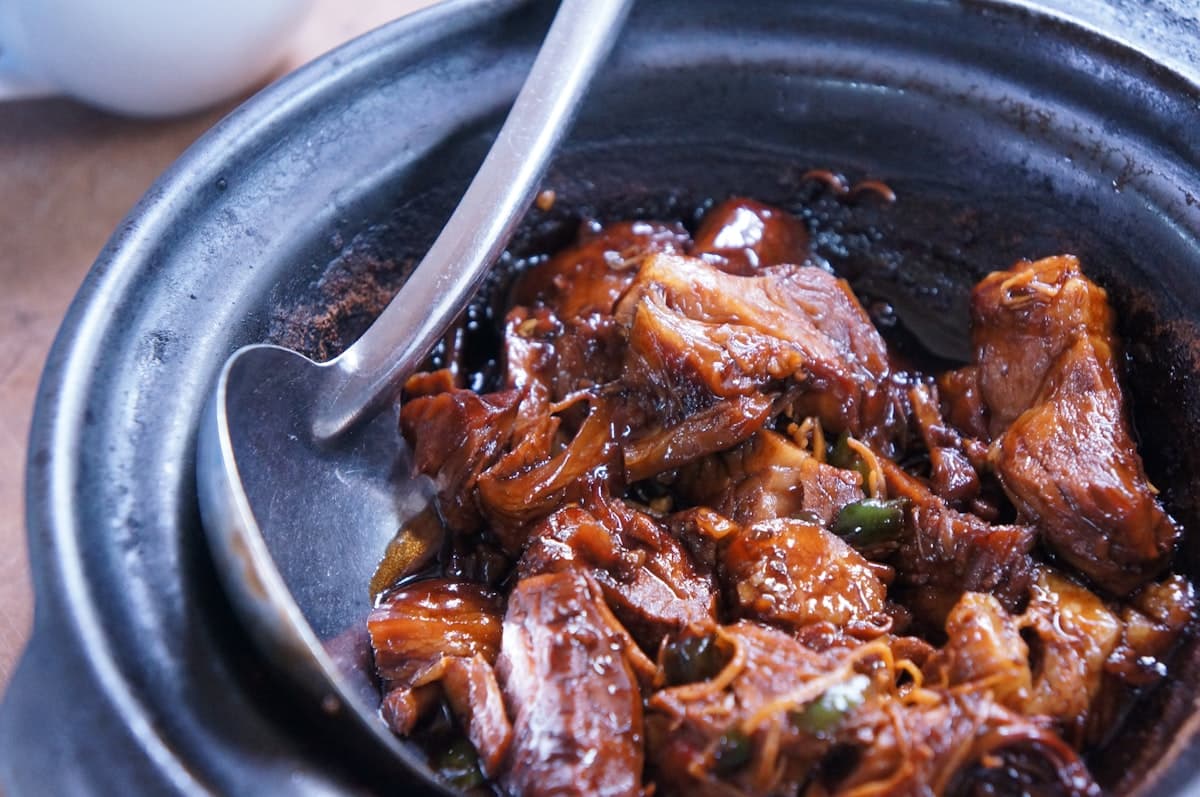
Jangjorim (Soy-Braised Beef)
The long soy-sauce simmer that turns beef into a shelf-stable side dish, and the shredding technique that makes it worth keeping around.
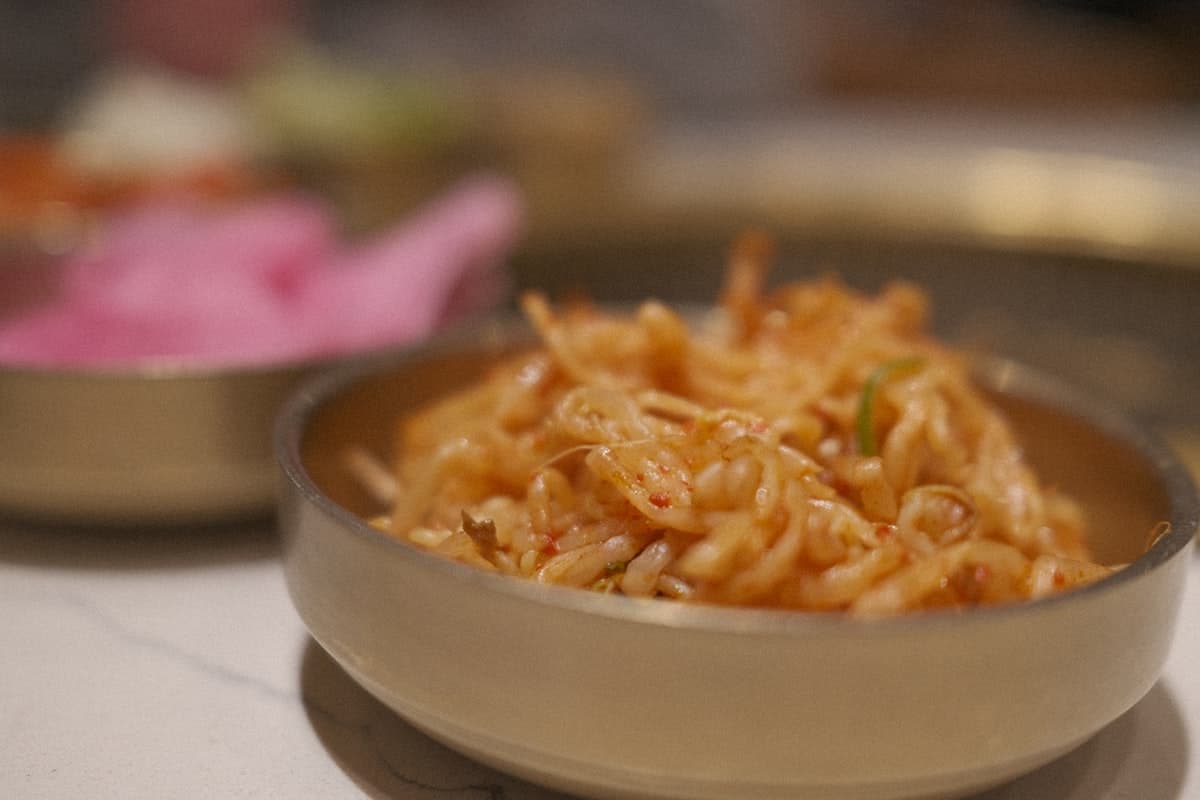
Kongnamul Muchim (Bean Sprout Salad)
The exact blanching time for bean sprouts that keeps them crisp, and why the lid stays on while they cook.
Mayak Gyeran ("Drug" Marinated Eggs)
The soft-boil timing and soy marinade behind mayak gyeran, and why the eggs need to rest before they're actually good.